7 Plants That Repel Mosquitoes Naturally In Pennsylvania Gardens
Tired of swatting mosquitoes every time you step into your Pennsylvania garden? While bug sprays and citronella candles help, certain plants can do the work for you naturally.
By strategically planting mosquito-repelling greenery, you can enjoy your outdoor space without the constant annoyance of bites.
Many herbs and flowers contain natural oils that mosquitoes find unappealing. Plants like basil, marigolds, catnip, and lavender not only keep pests at bay but also bring beauty, color, and fragrance to your garden.
Some attract pollinators while subtly protecting your space, creating a win-win for both your plants and your comfort.
In Pennsylvania, where summers are warm and humid, choosing the right mix of mosquito-repelling plants can make a noticeable difference.
With the proper placement and care, your garden can become a peaceful retreat where you can relax, entertain, and enjoy nature—without the buzzing interruptions.
1. Citronella Grass

If you have ever seen a citronella candle, you already know the scent that makes mosquitoes turn around and head the other way. Citronella grass is the real source of that famous smell.
It is a tall, clumping grass with fragrant leaves packed with natural oils that mosquitoes strongly dislike.
Growing citronella grass in Pennsylvania is very doable during the warm summer months. Since it is a tropical plant, it thrives in full sun and warm temperatures.
Most Pennsylvania gardeners grow it in large containers so they can move it indoors before the first frost arrives in fall.
Placing pots of citronella grass near seating areas, patios, or doorways gives you the best protection. Gently brushing the leaves releases even more of the plant’s natural oils into the air around you.
The stronger the scent, the better it works at keeping mosquitoes at bay. You can find citronella grass at most garden centers across Pennsylvania each spring. It grows quickly and can reach three to four feet tall in a single season.
It looks bold and tropical, which also makes it a striking visual addition to your outdoor space.
One fun tip is to pair citronella grass with other mosquito-repelling plants for even stronger results. Combining plants creates a layered defense that covers more ground.
With a little sunshine and regular watering, citronella grass becomes one of the hardest-working plants in your Pennsylvania garden all summer long.
2. Lemon Balm
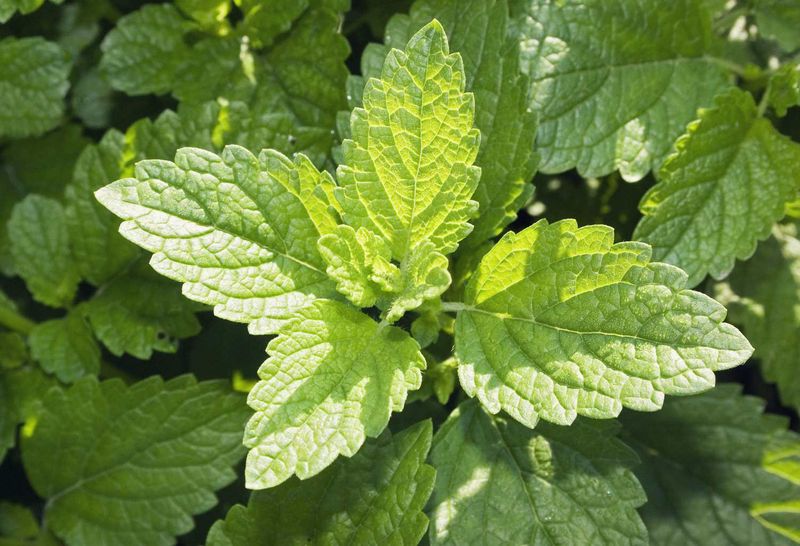
Lemon balm might look like a simple leafy herb, but it carries a surprisingly powerful punch when it comes to keeping mosquitoes away.
Rub one of its soft, wrinkled leaves between your fingers and you will immediately smell a fresh, citrusy scent that mosquitoes find completely unbearable.
That strong lemon fragrance comes from natural compounds in the plant that act as a built-in repellent.
One of the best things about lemon balm is how tough it is. As a hardy perennial, it comes back year after year in Pennsylvania gardens without much fuss.
It handles a wide range of soil types and can grow in both sunny and partially shaded spots, making it one of the most flexible plants you can add to your yard.
Lemon balm spreads pretty enthusiastically, so planting it in containers is a smart move if you want to keep it from taking over your garden beds.
A few pots placed around a patio or deck can create a natural barrier against mosquitoes all summer. You can also tuck it into borders where its spreading habit fills in gaps nicely.
Beyond repelling mosquitoes, lemon balm has a long history of being used in teas and herbal remedies. Pennsylvania gardeners love that it pulls double duty as both a pest deterrent and a useful kitchen herb.
Harvest a few sprigs, steep them in hot water, and enjoy a calming cup of homemade lemon balm tea after a long day outside.
3. Catnip
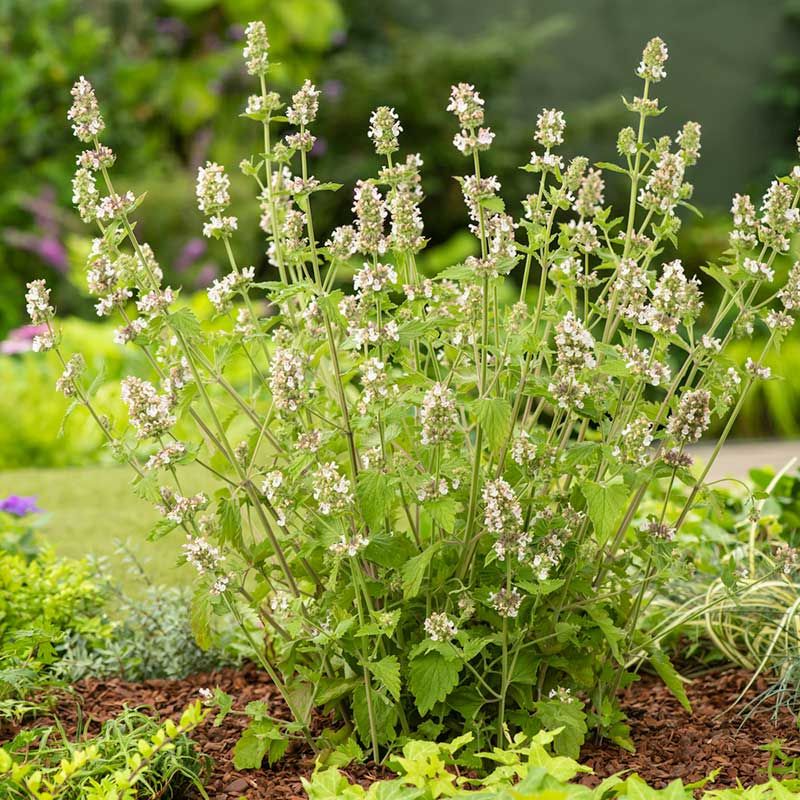
Here is something that might surprise you: catnip is actually one of the most powerful natural mosquito repellents available, and it grows like a champ right here in Pennsylvania.
Studies have found that nepetalactone, the active compound in catnip, can be even more effective at repelling mosquitoes than DEET, the chemical used in many commercial bug sprays.
That is a pretty impressive claim for a plant most people associate with making cats go wild.
Catnip is a perennial, meaning it comes back every year in Pennsylvania without you having to replant it. It does well in sunny spots and can also handle partial shade, which gives you plenty of flexibility when choosing where to put it.
The plant produces clusters of small white and purple flowers that are absolutely loved by bees and butterflies, making it a great choice for pollinator-friendly gardens.
Planting catnip along walkways, near seating areas, or around the edges of your garden creates a natural boundary that mosquitoes tend to avoid. Crushing or brushing the leaves releases even more of the nepetalactone oil into the air.
Just keep in mind that your neighborhood cats may pay you some extra visits once they catch a whiff.
If you want to use catnip as a personal repellent, you can rub a fresh leaf directly on your skin for a quick, chemical-free solution.
Pennsylvania gardeners who love eco-friendly options especially appreciate this plant for its powerful, all-natural mosquito-fighting abilities combined with its easy-going growth habit.
4. Lavender
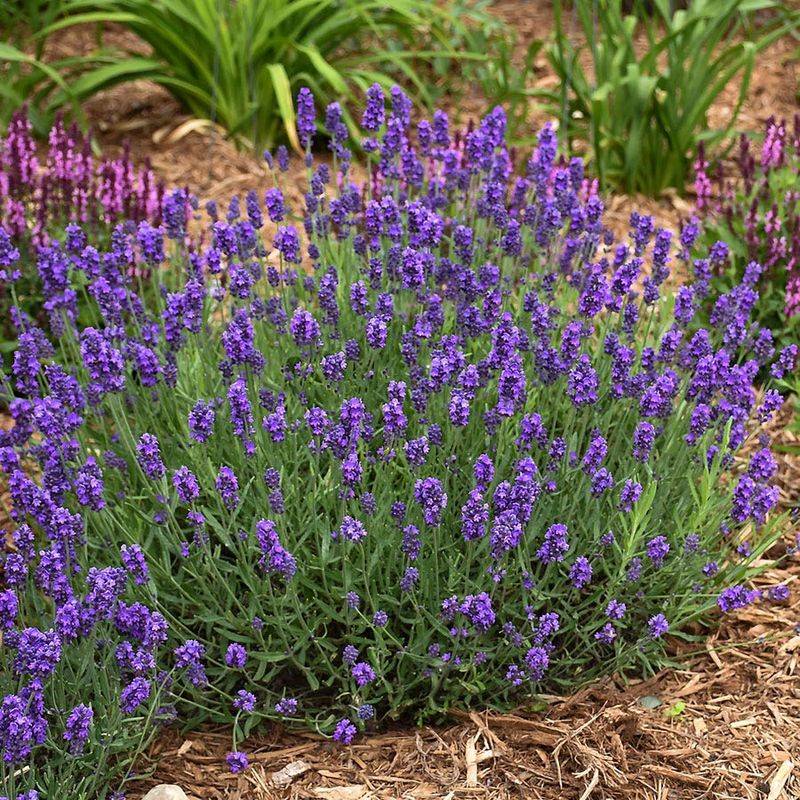
Few plants are as beloved as lavender, and it turns out that mosquitoes are definitely not among its fans. The same soothing scent that humans adore is exactly what sends mosquitoes heading in the opposite direction.
Lavender produces linalool, a natural compound found in its fragrant purple flowers and silvery-green leaves, that acts as a reliable insect deterrent.
Pennsylvania gardeners will be happy to know that lavender is fairly low-maintenance once it gets established. It loves full sun and well-drained soil, so raised beds and south-facing garden spots work especially well.
Avoid planting it in wet or heavy clay soil, as lavender prefers to stay on the drier side between waterings.
The flowers bloom throughout summer, filling your yard with color and fragrance while quietly doing the work of keeping mosquitoes at bay.
Planting lavender along walkways, near patios, or beside doorways maximizes its repelling effect right where you spend the most time outdoors. Even dried lavender retains its scent and repelling power for months after cutting.
Beyond pest control, lavender is one of the most versatile plants you can grow. Harvest the flower stems and use them to make sachets for your dresser drawers, add them to homemade teas, or simply display them in a vase indoors.
Pennsylvania gardeners often dry bundles of lavender at the end of summer to enjoy through the colder months ahead.
Did you know lavender has been used for over 2,500 years for its calming and protective properties? Adding it to your garden connects you to a long and fragrant tradition.
5. Marigolds
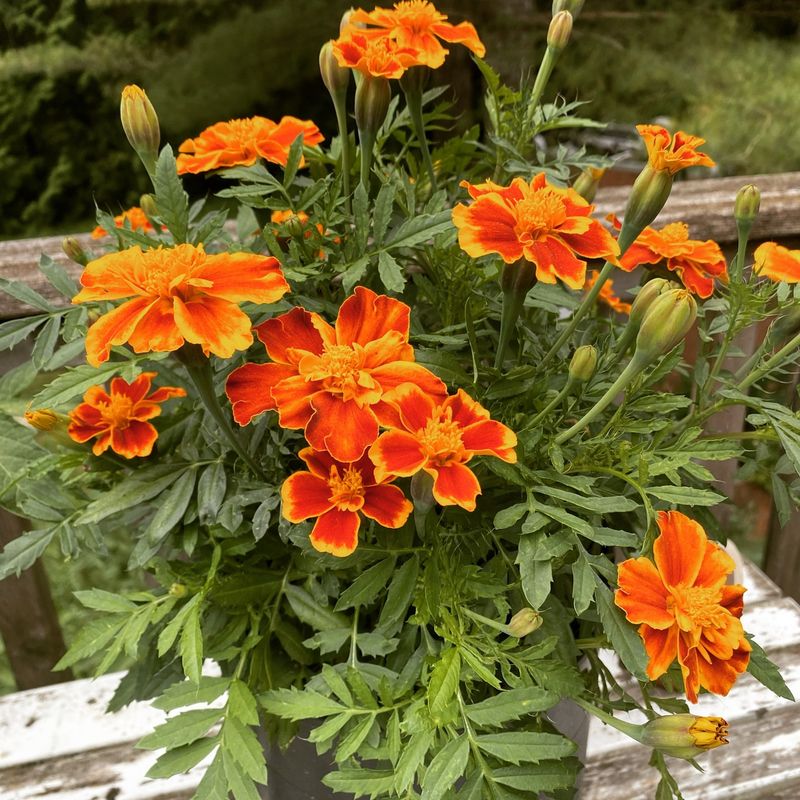
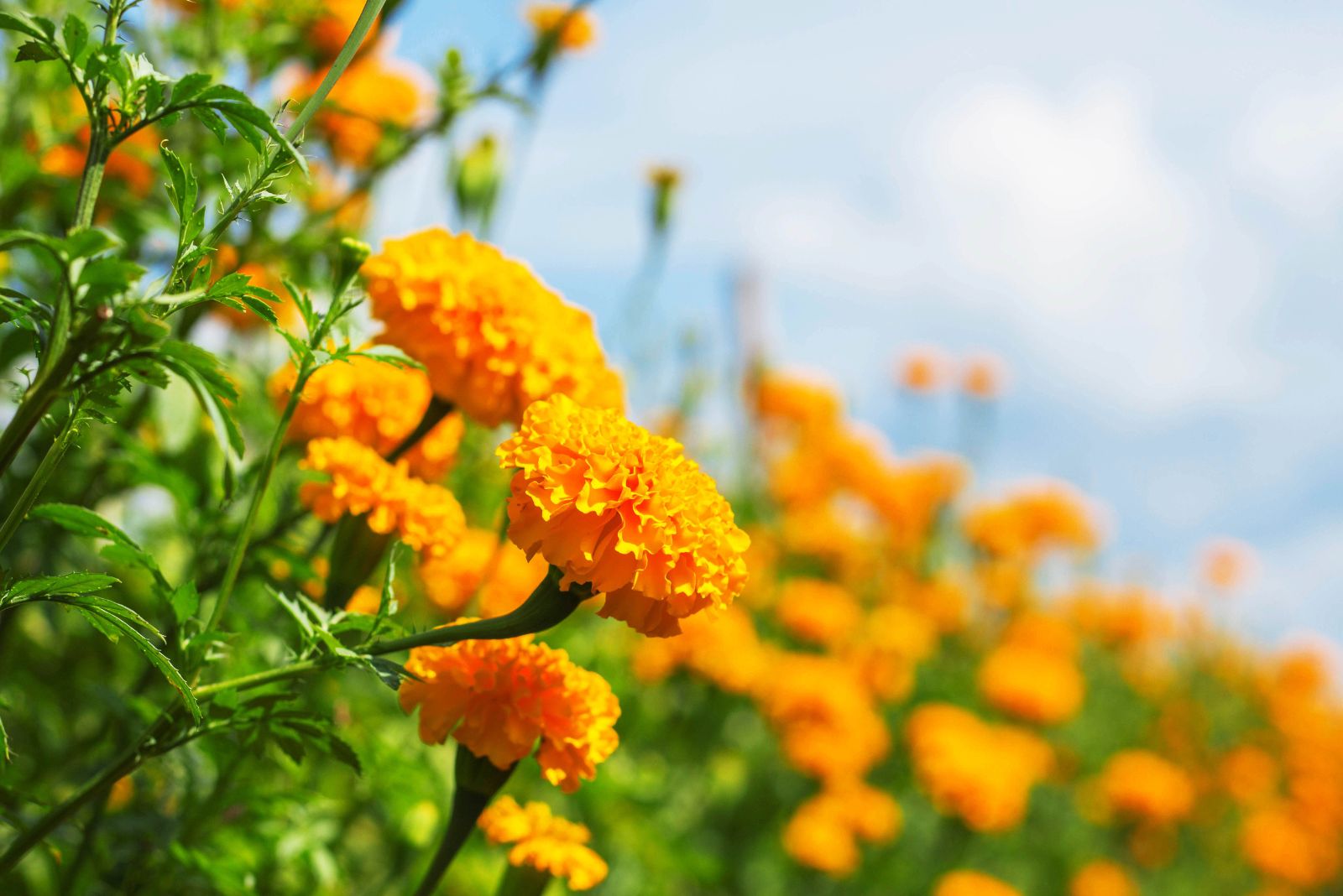
Marigolds are one of those plants that earn their place in the garden in more ways than one. Their bold orange, yellow, and red blooms light up any yard from early summer all the way through fall.
But beyond their cheerful good looks, marigolds produce a strong, distinctive scent that mosquitoes and many other insects find completely off-putting.
The secret lies in a natural compound called pyrethrum, which is found in the flowers and foliage of marigolds. This compound is actually used as an ingredient in many commercial insect repellents.
Growing marigolds in your Pennsylvania garden means you get that protection working naturally, all season long, without any sprays or chemicals involved.
Planting marigolds along the edges of garden beds, around patios, or in containers near outdoor seating areas creates a colorful barrier that mosquitoes prefer to avoid.
They are annuals, so you will need to replant them each spring in Pennsylvania, but they are inexpensive, easy to grow from seed, and widely available at garden centers across the state every year.
Marigolds also do double duty by deterring aphids, whiteflies, and even certain soil pests, making them a smart companion plant for vegetable gardens. Tuck them between tomato plants or along the border of a raised bed for extra protection all around.
They thrive in full sun and are surprisingly drought-tolerant once established, which makes them one of the most practical and hardworking flowers you can plant in a Pennsylvania summer garden.
6. Rosemary
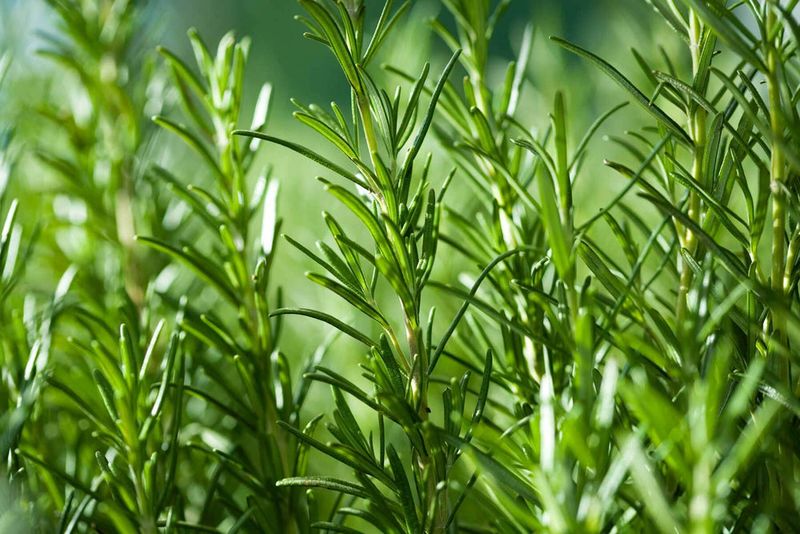
Rosemary brings something special to a Pennsylvania garden because it works on two levels at once. On one hand, it is a beloved culinary herb that adds incredible flavor to roasted vegetables, grilled meats, and homemade breads.
On the other hand, its strong, piney fragrance is something that mosquitoes and many other flying insects actively avoid. Getting both benefits from a single plant is a pretty great deal.
The woody stems and needle-like leaves of rosemary release aromatic oils whenever the plant is touched or when a breeze moves through it. Those oils are what create the natural mosquito-repelling effect.
Placing rosemary near outdoor cooking areas or dining spots in your Pennsylvania yard keeps the bugs away right where you want to eat and relax most.
Rosemary loves full sun and well-drained soil, so it fits perfectly into sunny garden beds or containers on a patio. In most parts of Pennsylvania, rosemary is grown as an annual or brought indoors during winter, since harsh freezes can damage the plant.
Some gardeners keep a potted rosemary plant on the kitchen windowsill through the cold months so they can use it for cooking year-round.
You can also toss sprigs of fresh rosemary onto a backyard fire pit or grill to create a fragrant smoke that helps push mosquitoes away from your outdoor gathering. It is a simple, natural trick that Pennsylvania gardeners have been using for years.
Rosemary is truly one of the most useful and hardworking plants you can add to your garden this season.
7. Basil

Most people think of basil strictly as a pizza and pasta herb, but this fragrant plant is also a surprisingly effective mosquito repellent.
Unlike many other repelling plants that only release their scent when touched, basil actively releases its aromatic oils into the surrounding air all on its own.
That means simply having basil nearby is enough to help keep mosquitoes from settling in around your outdoor space.
Lemon basil and cinnamon basil are two varieties that are especially strong in scent and particularly effective at deterring mosquitoes and other flying insects. Sweet basil works well too and has the added bonus of being the most commonly used variety in cooking.
Growing a few different types together gives your Pennsylvania garden both a broader repelling effect and a more interesting mix of flavors for your kitchen.
Basil grows best in full sun with moist, well-drained soil, and it thrives in containers on patios, porches, and decks across Pennsylvania all summer long.
Keep it watered regularly and pinch off any flower buds that appear to encourage the plant to keep producing big, fragrant leaves.
The more leaves it grows, the more natural mosquito-repelling oil it releases into the air around you.
Harvesting basil regularly is actually good for the plant and keeps it bushy and productive all season. Bring fresh cuttings inside to make pesto, add to salads, or blend into homemade sauces.
Pennsylvania gardeners who grow basil near their outdoor dining areas get the best of both worlds: fewer mosquitoes and a steady supply of one of the most delicious herbs around.