9 Plants That Rot Easily In Western Oregon (And What To Grow Instead)
Western Oregon is gorgeous, lush, and famously green. It is also very, very wet. Between steady winter rain, heavy clay soil in many areas, and long stretches of cool weather, certain plants simply struggle to survive here.
What thrives in a sunny, dry climate can quickly turn into a soggy disappointment once the rainy season settles in.
Root rot is one of the most common heartbreaks for local gardeners. A plant may look fine at first, then suddenly wilt, yellow, or collapse seemingly overnight.
The problem often starts underground, where saturated soil suffocates roots that crave better drainage.
The good news is you do not have to give up on having a beautiful yard. You just need plants that actually enjoy Western Oregon’s damp conditions.
With smarter swaps and a little local know-how, you can avoid the rot and grow a garden that stays healthy through the rainiest months of the year.
1. Rosemary
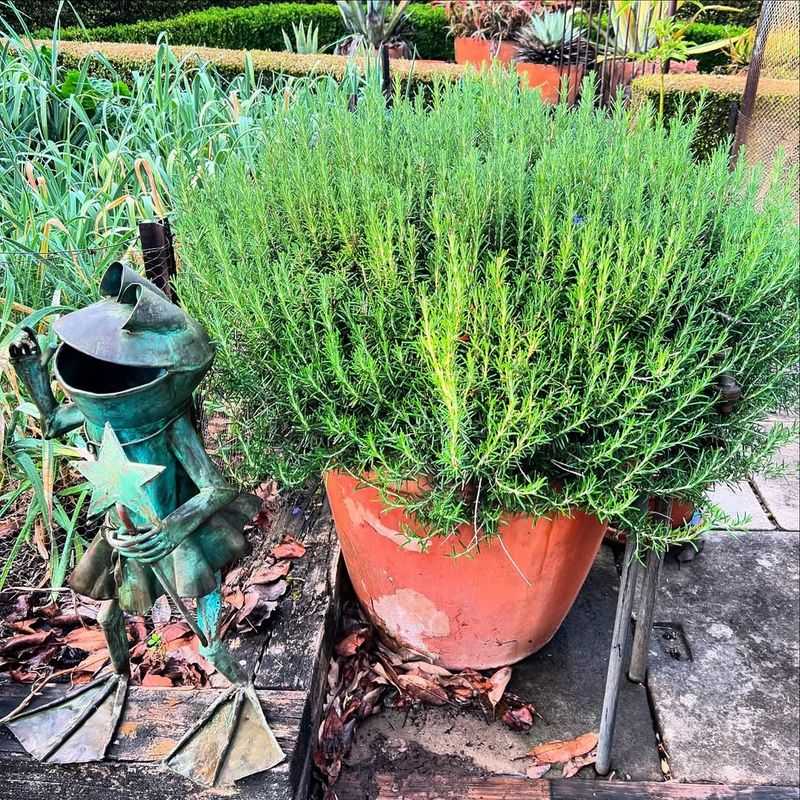
Rosemary seems like it should thrive in Western Oregon. After all, we have mild winters, and this fragrant Mediterranean herb loves sunshine.
But the part many gardeners underestimate is winter moisture. According to guidance from the Oregon State University Extension Service, rosemary struggles far more with wet soil than with cold air.
In much of the Willamette Valley and along the coast, heavy winter rainfall combined with clay soils creates exactly the conditions rosemary dislikes most. Its roots are adapted to sharp drainage and drier climates.
When they sit in saturated soil for weeks at a time, root rot becomes a real risk. Plants may look fine through summer, only to decline after a long, soggy winter.
Yellowing foliage, dieback, and sudden collapse are common outcomes in poorly drained sites.
If you love the idea of an evergreen shrub with year-round structure, consider planting Oregon grape instead.
This native powerhouse thrives in Western Oregon’s wet winters, tolerates clay soils, and brings glossy evergreen leaves, bright yellow spring flowers, and blue berries that support local wildlife. You’ll get resilience, beauty, and far less heartbreak when the rains return.
2. Pieris
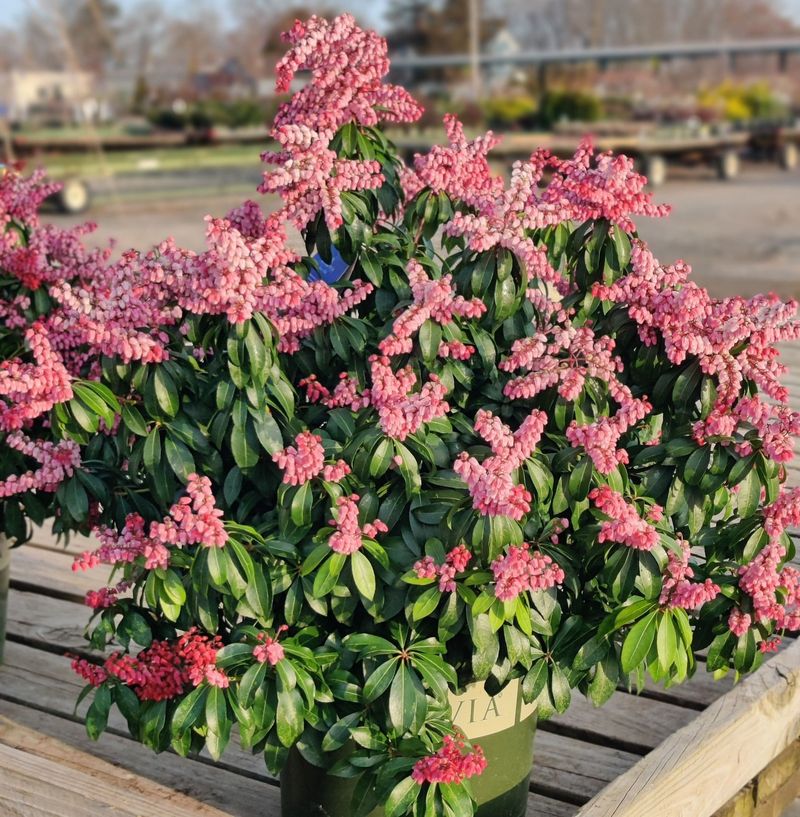
Often called Lily of the Valley shrub, Pieris is hard to resist in bloom. Those cascading white flower clusters and glossy evergreen leaves make it look like the perfect low-maintenance addition to a shady garden.
And in the right conditions, it absolutely can be. The trouble in Western Oregon usually isn’t the climate, it’s the soil.
In areas with heavy clay and long stretches of winter rain, Pieris roots can end up sitting in water for weeks at a time.
That’s when root rot becomes a real risk. The decline often feels sudden. One year it looks fine, maybe just a little slow.
Then after a particularly wet winter, the leaves yellow, growth stalls, and the shrub never quite rebounds.
If you have a spot where moisture tends to linger, it makes more sense to choose a plant that actually enjoys those conditions. Lobelia cardinalis is a standout alternative.
This native perennial thrives in consistently moist soil and even tolerates boggy areas. Its brilliant red late-summer flower spikes light up the garden and draw hummingbirds in droves.
Instead of worrying about drainage fixes, you can plant it in that damp corner and watch it flourish year after year.
3. Heathers
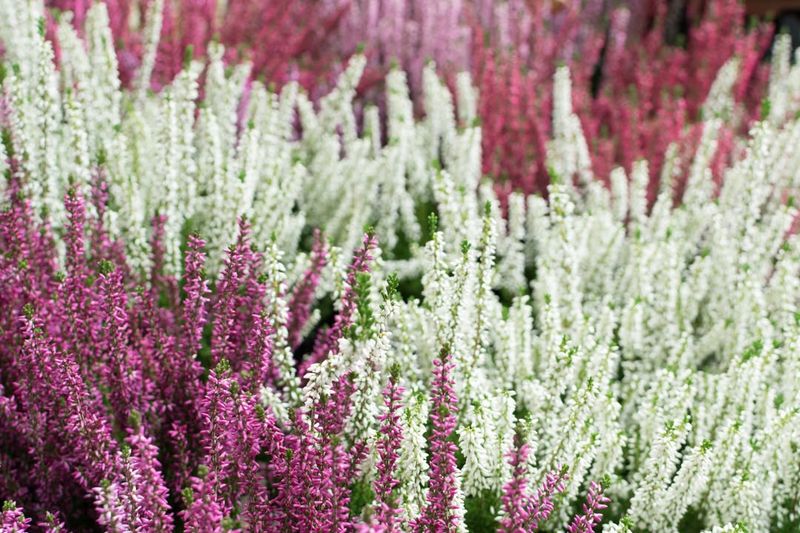
Heathers look like they were made for the Pacific Northwest. They’re low, evergreen, and smothered in delicate blooms that seem perfectly suited to misty mornings and gray skies.
But despite the aesthetic match, many heather varieties prefer sharply drained soil and relatively lean conditions. In parts of Western Oregon where clay holds moisture through long, rainy winters, that can become a problem.
When water lingers at the base of the plant, crown rot can set in. The damage often starts quietly at the soil line, and before long, what was once a dense mat of green and purple turns into a brittle brown patch.
Replanting in the same soggy spot usually leads to the same disappointing result unless drainage is improved first.
If you have a damp, shady area that never quite dries out in spring, consider planting Primula japonica instead. Japanese primrose actually welcomes consistent moisture and performs beautifully in rich, wet soil.
In late spring, it sends up tall stems ringed with bright pink, red, or white blossoms that bring energy to those cool, rainy weeks. It even thrives near ponds and stream edges.
Rather than fighting your soil, this is a plant that embraces Western Oregon’s natural rhythm, and rewards you for it.
4. Mugo Pines
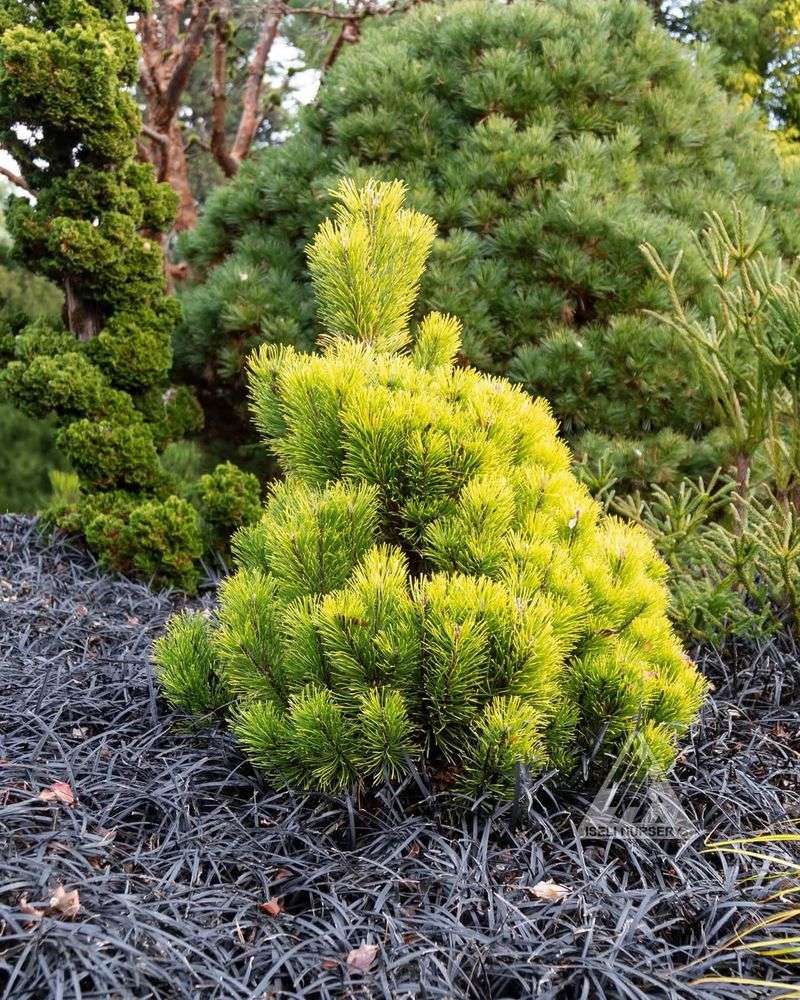
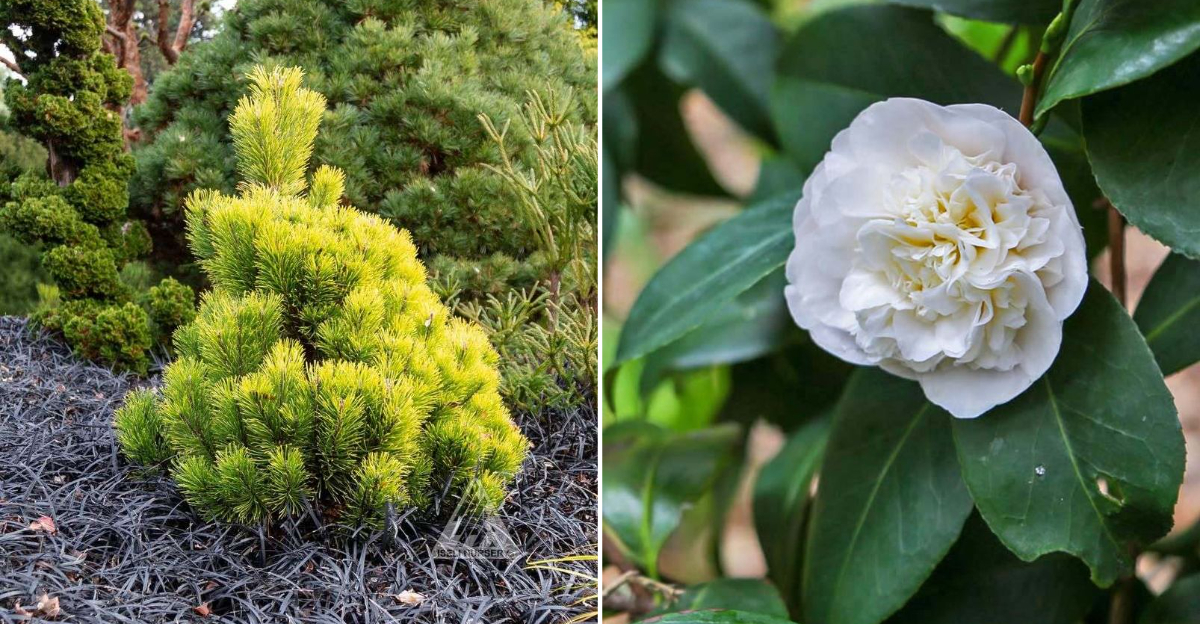
Often sold as a compact, low-maintenance evergreen for small gardens, mugo pine (Pinus mugo) can struggle in parts of Western Oregon where winter soil stays saturated.
In its native mountainous regions of Europe, this pine grows in sharply drained soils with relatively dry summers.
That’s very different from the heavy clay and prolonged winter moisture common in the Willamette Valley and along the coast. When roots sit in wet soil for weeks at a time, decline can be gradual but persistent.
Needles lose their deep green color, growth slows, and stressed trees become more susceptible to fungal issues and opportunistic insects. In poorly drained sites, what begins as a tidy evergreen accent can slowly thin and weaken over time.
If your yard has consistently damp soil, consider planting Alnus rubra or a native willow such as Salix sitchensis instead.
Both are adapted to Western Oregon’s rainfall and clay soils, offering fast growth, strong ecological benefits, and resilience through the rainiest seasons.
5. Yews
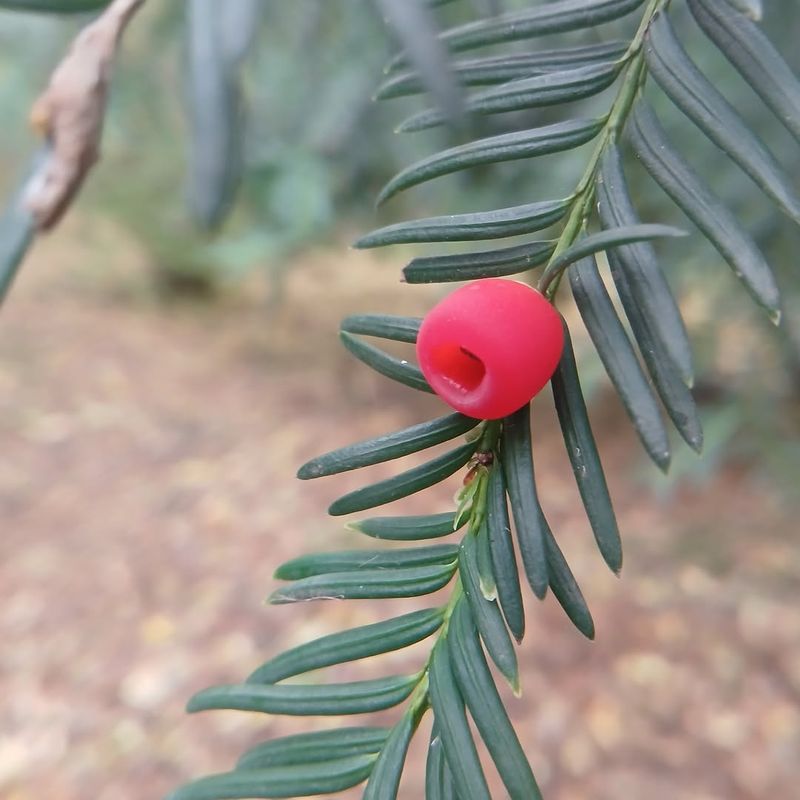
Few shrubs are as widely used for hedges and foundation plantings as yews (Taxus species). In many parts of the country, they’re dependable, long-lived evergreens.
The trouble begins when winter soil stays saturated for months at a time. In sections of Western Oregon where clay holds water from late fall through early spring, yews are especially vulnerable to root rot.
They do not tolerate standing water well, and once roots begin to decline, the symptoms creep in slowly. Foliage may take on a pale or yellow cast, growth becomes sparse, and the plant never quite looks vigorous.
By the time the entire shrub appears unhealthy, the root system is often already compromised. Some yews linger for years in a weakened state before finally collapsing after an especially wet winter.
If you’re dealing with a site that stays damp, consider replacing struggling yews with Iris spuria. These tall, elegant irises are far more tolerant of wet winter soils while still handling dry summer conditions once established.
In late spring, they produce striking blooms in shades of blue, purple, yellow, and white, rising above strong, upright foliage that adds structure throughout the growing season.
Instead of fighting persistent moisture, spuria iris works comfortably with Western Oregon’s climate, and rewards you with dependable color year after year.
6. Camellias
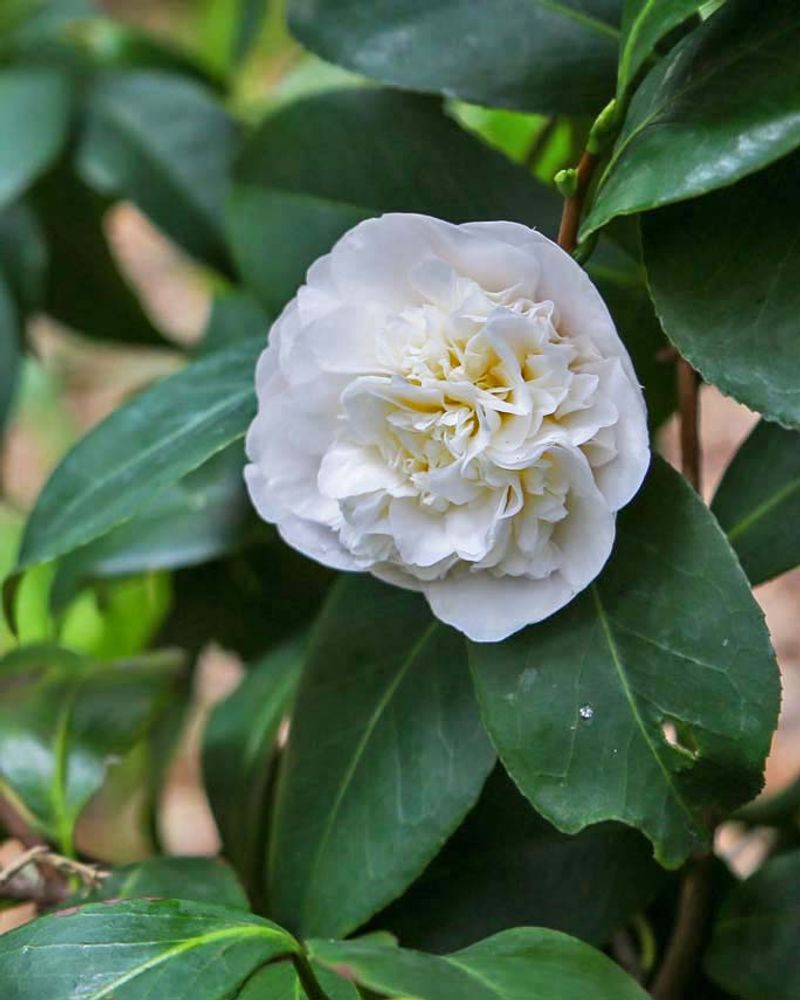
Glossy evergreen leaves and showy winter or early spring blooms make camellias incredibly tempting for Western Oregon gardens. In well-drained soil, they can perform beautifully.
The problem arises in low spots or clay-heavy areas where winter rain lingers. Camellias dislike saturated roots, and prolonged wet soil can lead to root rot and slow decline.
Leaves may yellow, buds drop before opening, and the plant gradually loses vigor. Because symptoms often appear months after the wettest weather has passed, the cause can be easy to miss.
Replanting in the same poorly drained location usually leads to the same frustrating outcome.
If your soil tends to stay damp through winter, consider planting Physocarpus capitatus instead. This hardy Pacific Northwest native thrives in moist conditions and tolerates clay far better than camellias.
In late spring, it produces clusters of soft white flowers, followed by attractive seed heads and exfoliating bark that adds winter interest. It’s resilient, wildlife-friendly, and far better suited to Western Oregon’s rainy rhythm.
7. Italian Cypress
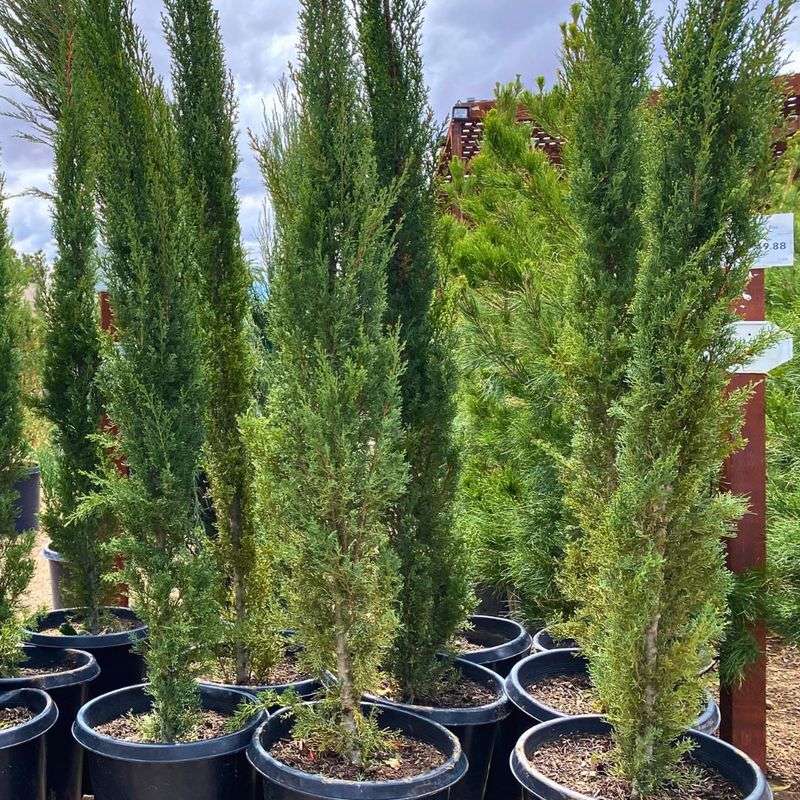
Tall, narrow Italian cypress trees create dramatic vertical lines in dry-climate landscapes, but Western Oregon’s winter moisture often proves too much for them. These Mediterranean natives prefer sharply drained soil and relatively dry conditions.
When planted in heavy clay that stays wet for weeks, roots can suffocate, and fungal diseases become more likely. Browning foliage and gradual dieback are common in poorly drained sites, especially after especially rainy winters.
For a strong vertical evergreen that actually belongs in this climate, consider Thuja plicata. Native to the Pacific Northwest, it thrives in moist soil and handles heavy rainfall with ease.
It provides year-round structure, supports local wildlife, and grows reliably in conditions that would stress Mediterranean species.
Instead of fighting winter saturation, western red cedar embraces it, making it a far smarter long-term choice for Western Oregon gardens.
8. Hostas
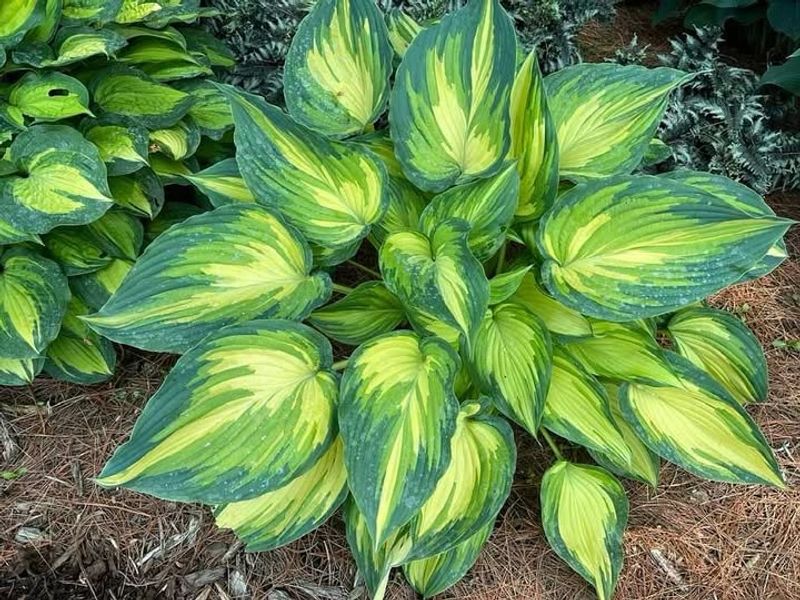
Few shade perennials are as popular as hostas. Their broad leaves and easygoing reputation make them a natural choice for filling in under trees and along north-facing walls.
And yes, they can grow in Western Oregon. The real challenge is what comes with our mild, wet climate.
Slugs thrive here, especially west of the Cascades, and hosta foliage is one of their favorite targets. By midsummer, those lush leaves are often riddled with holes, shredded along the edges, or reduced to a tired-looking patch of green lace.
Add in areas where winter rain collects and soil stays saturated, and crown rot can become a secondary issue. Between slug pressure and periodic root problems, hostas can demand more maintenance than many gardeners expect.
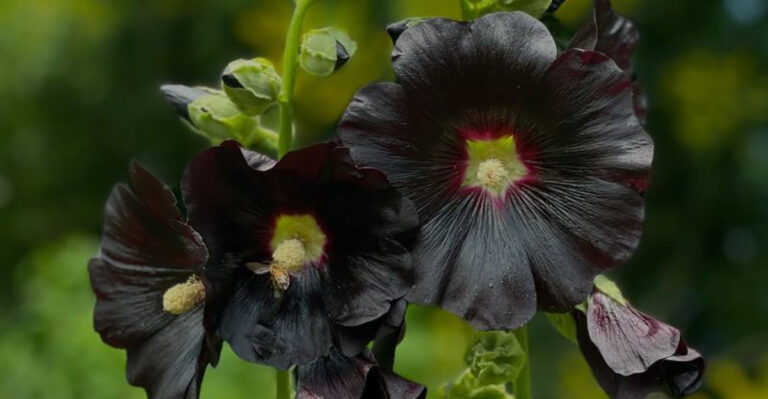
If you’re working with a shady spot that stays damp through winter, Darmera peltata is a far tougher choice. Native to the Pacific Northwest, it naturally grows along streams and in moist woodland settings.
Its bold, round leaves are thicker and less appealing to slugs, and the plant actually welcomes consistently wet soil. In early spring, clusters of soft pink flowers rise on bare stems before the dramatic foliage unfurls.
Come fall, the leaves shift to warm shades of orange and red. For damp, shaded corners, Darmera delivers resilience and visual impact without the constant battle.
9. Root Vegetables

Carrots, parsnips, beets, and other root crops are staples in home vegetable gardens, and they can absolutely grow in Western Oregon. The challenge isn’t the climate so much as the soil.
In areas with dense clay, roots have a hard time pushing downward, especially if the ground stays saturated through winter and early spring. Instead of forming long, straight taproots, carrots may fork or twist around compacted pockets.
In poorly drained spots, seeds can rot before they even sprout, and mature roots may develop soft, waterlogged sections. It’s frustrating to wait months for a harvest only to pull up something misshapen or mushy.
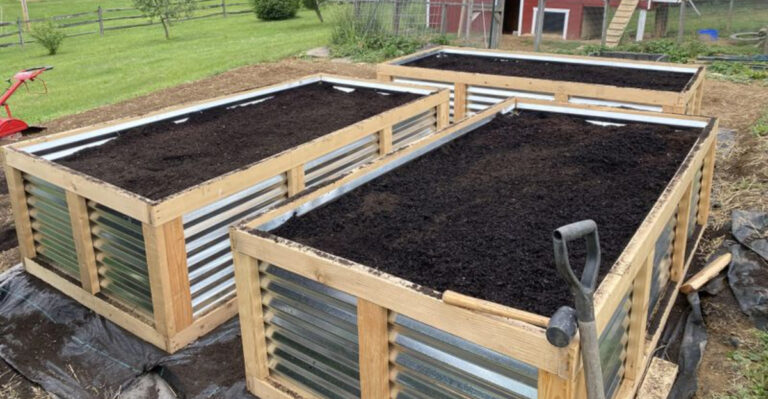
The good news is that the fix is straightforward. Raised beds transform root vegetable growing in heavy soils by improving both drainage and soil structure.
Filling a bed with loose, well-amended soil allows roots to grow straight and evenly without fighting compaction. Excess winter moisture drains away more quickly, and the soil warms faster in spring, giving seedlings a stronger start.
Raised beds also make it easier to maintain consistent soil quality year after year. For many Western Oregon gardeners, switching to raised beds is the turning point between disappointing harvests and baskets of smooth, healthy roots.