10 Plants That Stand Out For Large Blooms In North Carolina
Large blooms have a way of stopping people in their tracks, and North Carolina gardens are perfect places for them to shine.
Some plants don’t just flower, they put on a full show that feels bold, confident, and impossible to miss.
Gardeners notice these standouts because they keep delivering impact even after the first wave of blooms fades.
In North Carolina landscapes, these plants are chosen for one clear reason: their flowers refuse to be subtle.
1. Dinner Plate Dahlia
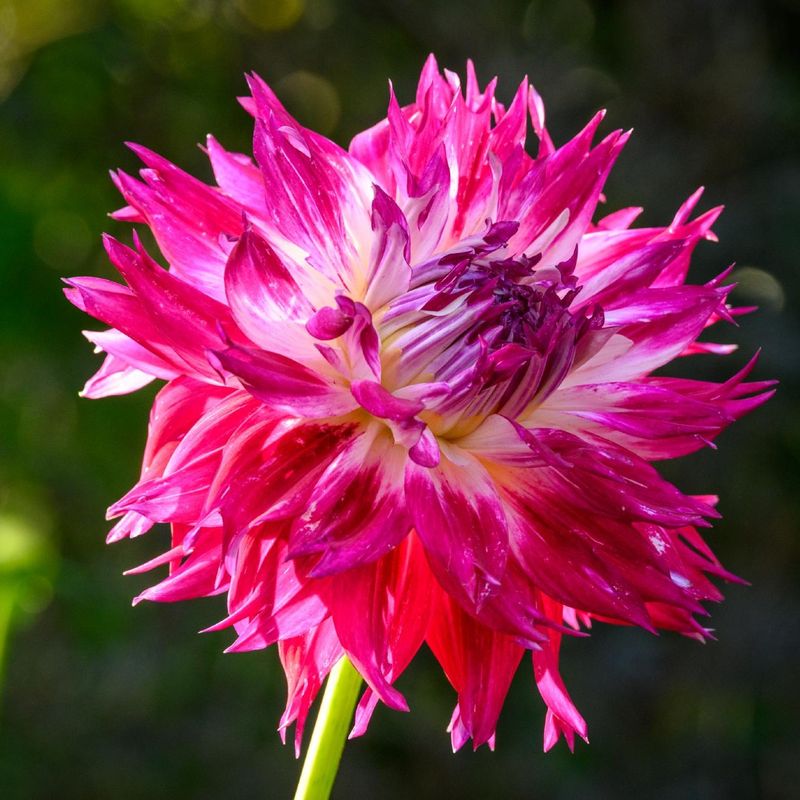
Massive blooms reaching twelve inches across make dinner plate dahlias undeniable showstoppers in North Carolina gardens during summer and fall months.
Vibrant colors ranging from deep burgundy to soft pink create dramatic focal points that draw attention across the entire outdoor garden space.
Gardeners plant dahlia tubers after the last frost, usually late April, allowing roots to establish before intense summer heat arrives.
Rich, well-draining soil amended with compost supports heavy feeding needs and sustained growth throughout the long Carolina growing season.
Staking becomes essential as oversized flower heads gain weight, preventing stem breakage during frequent summer thunderstorms across North Carolina.
Regular deadheading encourages continuous blooming, keeping gardens colorful from midsummer until the first frost arrives in late fall.
Morning sun with afternoon shade protects petals from scorching during extreme July and August heat common across North Carolina.
Lifting tubers before winter and storing indoors ensures healthy plants ready for replanting when spring warmth returns.
2. Tree Peony
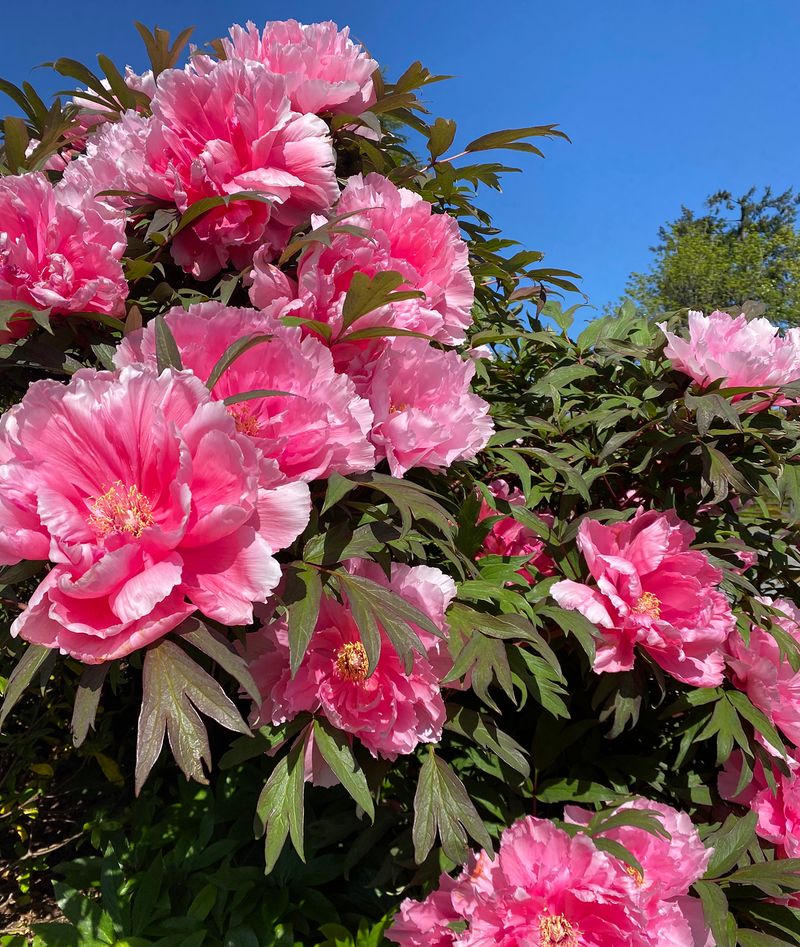
Spectacular blossoms reaching ten inches wide appear each spring on woody stems, creating unforgettable displays treasured by Carolina gardeners.
Unlike herbaceous peonies, tree peonies form permanent woody branches that grow taller yearly, reaching five to six feet tall.
Fall planting allows roots to settle before dormancy, preparing plants for strong spring growth as temperatures warm in March.
Partial shade shields delicate petals from harsh afternoon sun while still supporting vigorous growth and heavy flowering each season.
Patience rewards gardeners since tree peonies need several years to mature but bloom reliably for decades afterward.
Minimal pruning keeps plants healthy, as excessive cutting reduces blooms, so only dead wood should be removed.
Flowers in coral, yellow, white, and magenta transform spring gardens into breathtaking displays admired by neighbors.
Cold-hardy traits suit North Carolina winters, allowing plants to withstand temperature drops before blooming again in spring.
3. Hibiscus Moscheutos
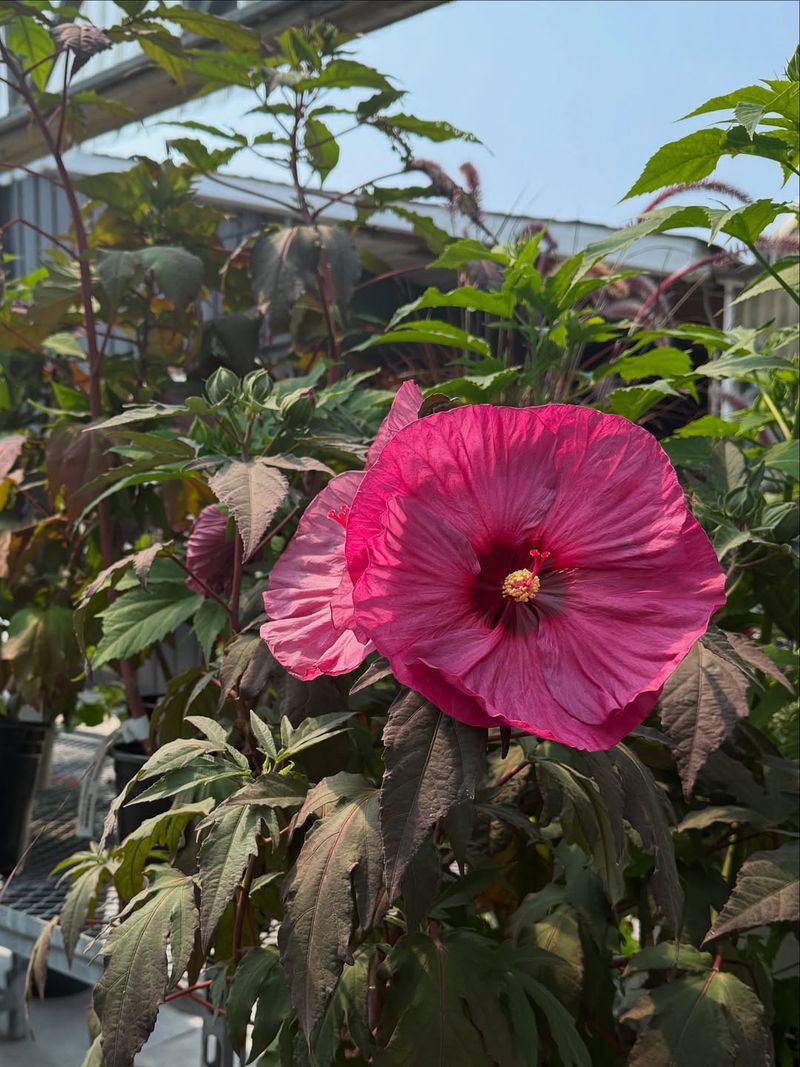
Enormous flowers measuring eight to twelve inches wide appear all summer, bringing exotic beauty to Carolina gardens without tropical conditions.
Native to wetland areas, hibiscus thrives in North Carolina’s humidity and tolerates full sun and partial shade throughout the season.
Perennial roots survive cold winters underground, then send stems each spring growing four to six feet tall by midsummer statewide.
Consistent moisture keeps plants blooming prolifically from July through September, making them ideal for rain gardens or naturally damp areas.
Each bloom lasts one day, but plants produce many buds so fresh flowers open continuously throughout the entire warm season.
Colors including red, pink, white, and bicolor varieties suit every garden style, from cottage gardens to modern landscapes statewide across.
Minimal care requirements make hibiscus ideal for busy gardeners wanting maximum impact with minimum effort during hot summer months statewide.
Cutting stems to ground level in late fall prepares plants for dormancy, ensuring vigorous regrowth when temperatures return each spring.
4. Oriental Lily
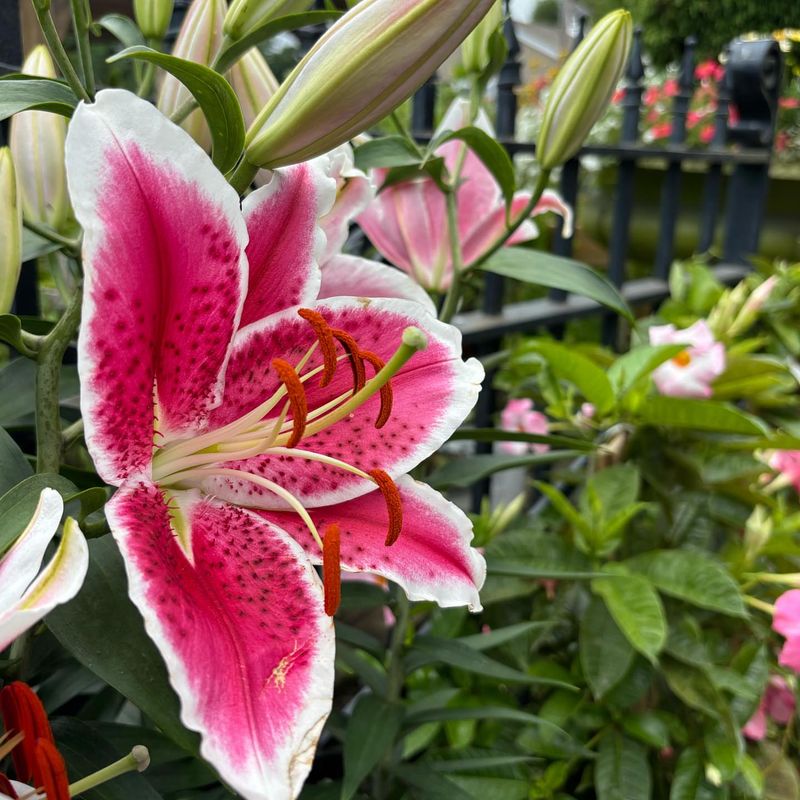
Fragrant flowers reaching eight inches across perfume gardens with sweet scent, delivering visual impact during midsummer across North Carolina landscapes.
Tall stems rising three to five feet create vertical interest in mixed borders, pairing beautifully with lower-growing perennials statewide season.
Bulbs planted in fall or early spring establish strong roots before summer heat, ensuring robust flowering in June and July.
Well-draining soil prevents rot while organic mulch keeps roots cool during hot afternoons in North Carolina climates variable summer conditions.
Stargazer, Casablanca, and other varieties offer colors from pure white to deep pink for stunning garden combinations each year statewide.
Staking prevents tall stems from toppling during summer thunderstorms, protecting blooms from wind damage and heavy rain throughout the season.
Removing spent flowers redirects energy into bulb development, strengthening plants for better flowering performance in future seasons across garden beds.
Partial afternoon shade protects petals from fading while morning sun fuels growth in eastern garden exposures across North Carolina’s microclimates.
5. Magnolia Grandiflora
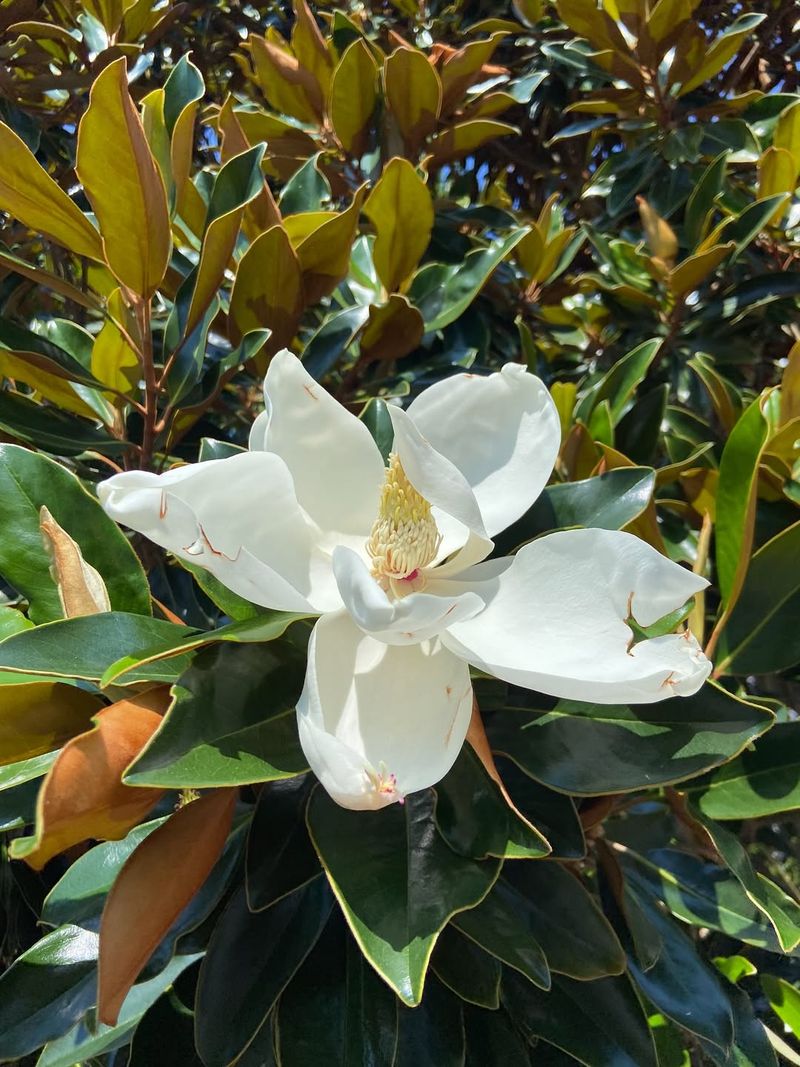
Iconic blooms measuring twelve inches fill spring and summer air with lemony fragrance, creating focal points across North Carolina landscapes.
Evergreen foliage provides year-round interest with glossy green surfaces and rusty undersides shimmering beautifully through all seasons statewide everywhere naturally.
Mature trees reach sixty to eighty feet, suiting large properties where full glory is appreciated by Carolina families for generations.
Slow growth requires patience, rewarding gardeners with decades of reliable blooming and timeless beauty defining Southern gardens historically across region.
Full sun produces abundant flowering, though trees tolerate partial shade, adapting to diverse North Carolina landscapes and conditions very well.
Thick petals resist browning, keeping blooms fresh several days before dropping gracefully beneath tree canopies during spring summer seasons statewide.
Spring planting gives roots a full season to establish, helping young trees survive Carolina winters without stress or damage issues.
As North Carolina’s state flower, magnolia grandiflora connects gardens to the state’s rich botanical heritage and long cultural traditions statewide.
6. Moonflower Vine
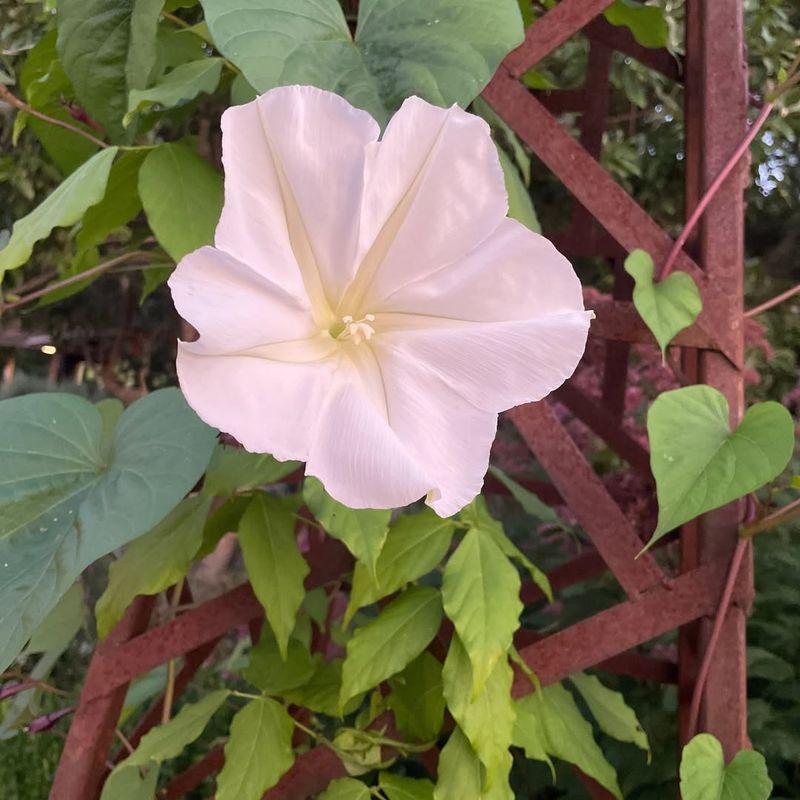
Nocturnal blooms unfurling at dusk reach six inches across, creating magical evening displays perfuming North Carolina summer nights with fragrance.
Fast-growing vines quickly cover trellises, fences, and arbors, providing privacy screening and stunning floral displays throughout warm months across Carolina.
Annual nature means replanting each spring, but rapid growth ensures full coverage by midsummer for evening gatherings across North Carolina.
Watching flowers open in real time entertains all ages as petals slowly spiral during twilight each evening moments outdoors nightly.
Full sun locations produce prolific blooming, though vines tolerate partial shade across diverse garden situations statewide in North Carolina regions.
Related to morning glories, moonflowers share growing needs but offer nighttime beauty when gardens fade across Carolina neighborhoods each night.
Seeds started indoors six weeks before last frost give plants a strong head start for earlier blooming outdoors in spring.
Pairing moonflowers with evening primrose and night-blooming jasmine creates moon gardens alive after sunset offering unique nighttime experiences beyond daytime.
7. Camellia Japonica
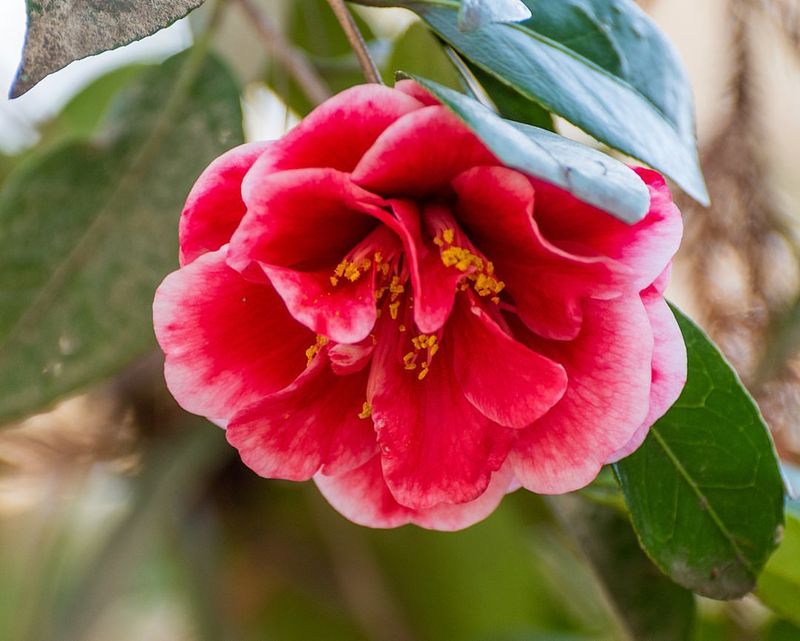
Winter blooms measuring up to five inches across bring unexpected color to dormant Carolina gardens when most plants finish flowering.
Evergreen shrubs provide structure and greenery year round, then surprise gardens with flowers from late fall through early spring seasons.
Acid-loving nature makes camellias perfect companions for azaleas and rhododendrons, thriving in North Carolina’s naturally acidic soils found throughout areas.
Shade tolerance allows camellias to flourish under tree canopies where many flowering shrubs struggle statewide across North Carolina landscapes today.
Hundreds of varieties offer colors from pure white to deep red, with forms fitting every garden style and personal preferences.
Mulching with pine needles or shredded bark maintains soil acidity while conserving moisture during unpredictable Carolina weather patterns year round.
Protected locations away from harsh winter winds prevent bud damage and ensure stronger flowering during cold months across North Carolina.
Long-lived camellias planted today will bloom for generations, making them meaningful investments in Carolina landscapes future beauty and lasting value.
8. Canna Lily
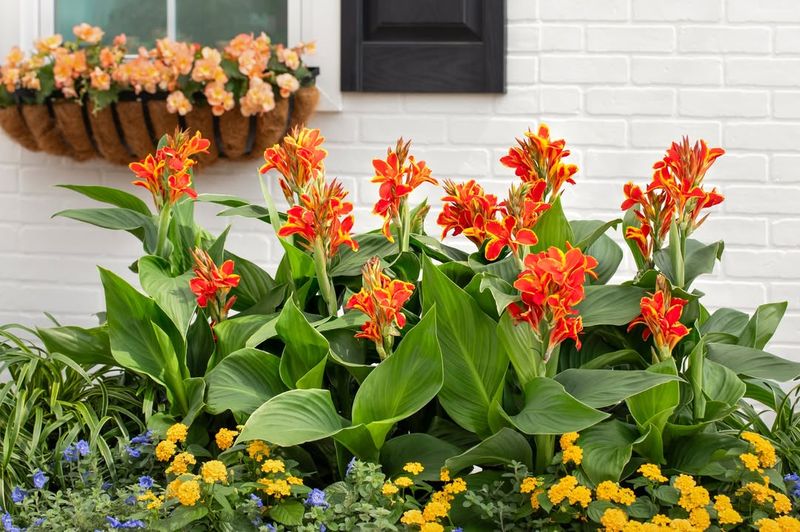
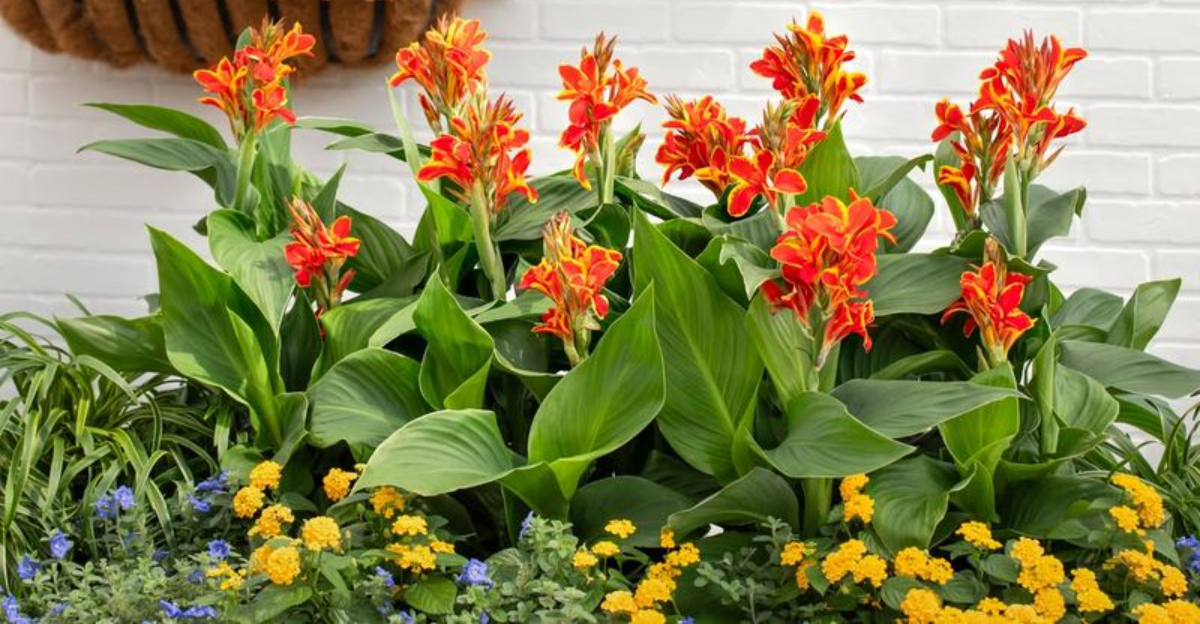
Bold tropical-looking flowers reaching four to six inches wide top dramatic foliage all summer, creating vacation vibes without exotic care.
Large paddle-shaped leaves in green bronze or variegated patterns provide architectural interest even without blooms throughout the entire season long.
Rhizomes planted after last frost establish quickly and begin flowering by midsummer, providing continuous color until fall arrives statewide annually.
Heat tolerance makes cannas perfect for hot spots where other flowers struggle, thriving in full sun statewide conditions easily consistently.
Colors including red orange yellow and pink offer vibrant options energizing garden spaces throughout Carolina growing seasons from spring fall.
Dividing clumps every few years prevents overcrowding while providing extra plants to expand displays or share locally with fellow gardeners.
Consistent moisture keeps foliage fresh and flowering abundant, making cannas ideal for rain gardens statewide with moist soil conditions common.
Lifting rhizomes before hard freezes protects plants for replanting, while coastal areas allow overwintering in ground during mild Carolina winters.
9. Hydrangea Macrophylla
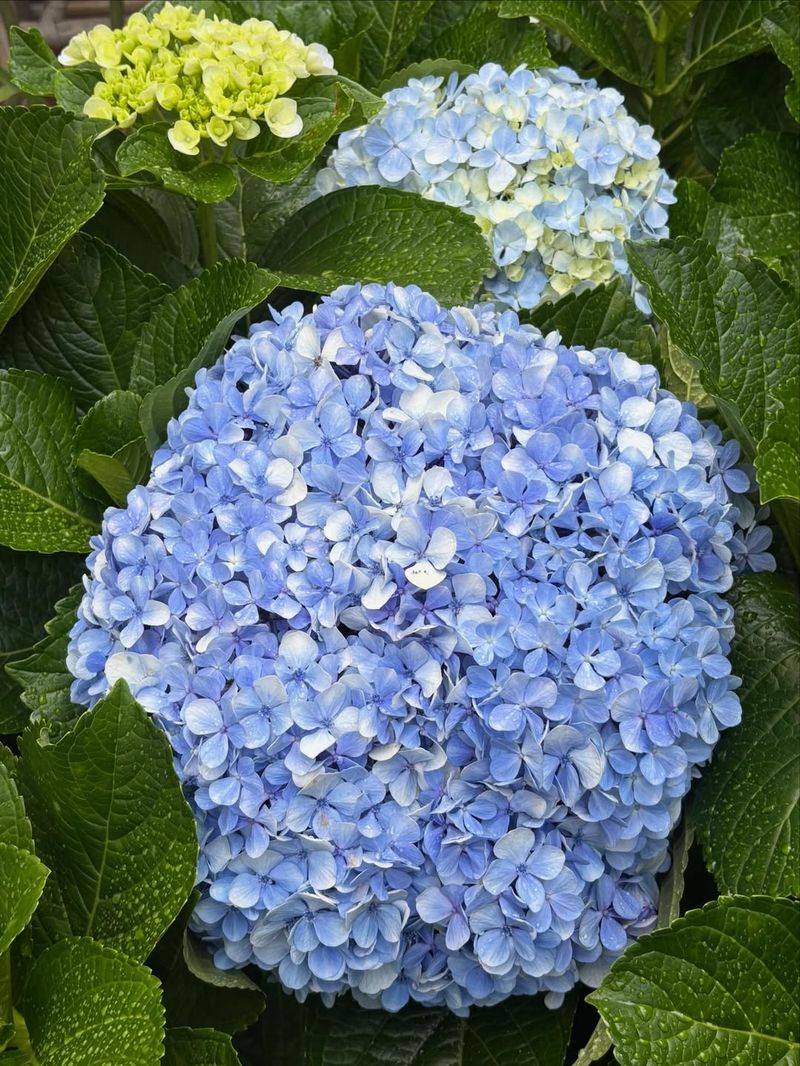
Massive flower clusters measuring eight to twelve inches across dominate summer gardens with blue pink or purple blooms statewide annually.
Soil pH dramatically affects flower color with acidic soils producing blue blooms while alkaline conditions create pink flowers for gardeners.
Mophead and lacecap varieties offer distinct visual effects from dense clusters to flat topped blooms attracting pollinators statewide during summer.
Partial shade protects flowers from fading and leaf scorch making eastern or northern exposures ideal statewide during intense summer heat.
Consistent moisture keeps plants looking best during heat though established shrubs develop drought tolerance over time within Carolina garden soils.
Pruning at wrong times removes flower buds so understanding bloom habits prevents disappointing flowering seasons across North Carolina gardens statewide.
Long lasting blooms shift colors with age providing evolving displays from summer flowers into fall across North Carolina gardens statewide.
Established shrubs need minimal care beyond watering and occasional fertilizing yet deliver impressive seasonal visual impact in Carolina gardens statewide.
10. Rose of Sharon
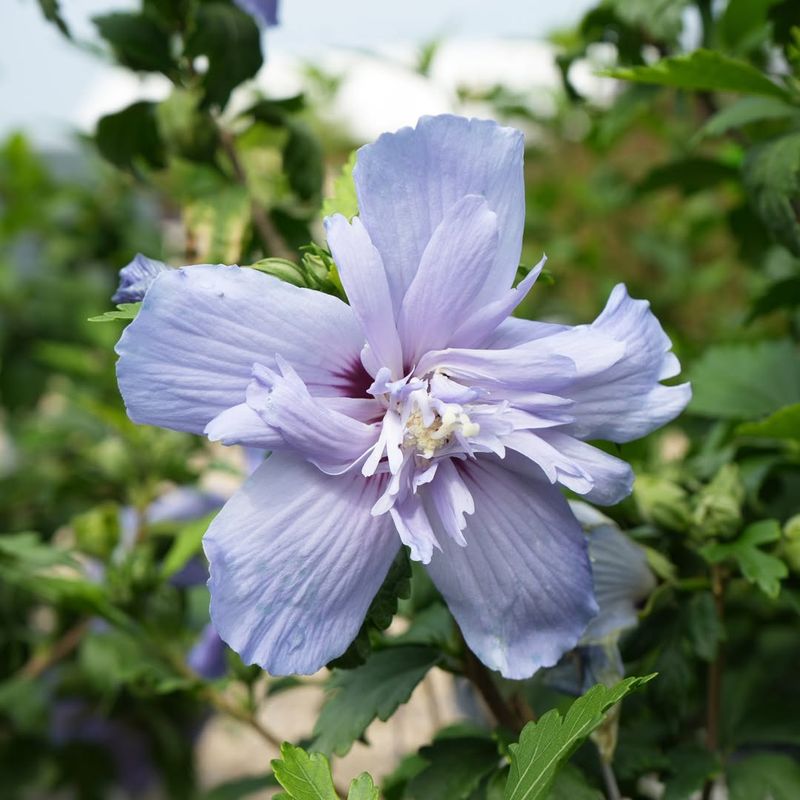
Reliable late-summer blooms measuring four to five inches wide provide color when other shrubs finish flowering across Carolina landscapes statewide.
Upright growth habit reaching eight to twelve feet tall creates screens or focal points without requiring extensive space statewide gardens.
Drought tolerance once established makes Rose of Sharon ideal for low-maintenance landscapes though regular watering boosts flowering during dry spells.
Colors including white pink purple and red offer options for every color scheme with contrasting centers adding extra visual interest.
Flowers attract hummingbirds and butterflies during late summer bringing wildlife activity after spring migrants depart south from North Carolina gardens.
Self-seeding may produce volunteer seedlings some appreciate while others remove them though newer cultivars seed less than older varieties statewide.
Full sun locations produce abundant flowering though plants tolerate partial shade across North Carolina growing conditions and diverse garden sites.
Minimal pruning beyond shaping and removing dead wood makes Rose of Sharon perfect for busy gardeners seeking beautiful low-maintenance flowers.