10 Plants That Thrive In North Carolina And 5 That Struggle In Its Heat And Humidity
North Carolina’s long growing season and warm climate give gardeners a real advantage, but not every plant enjoys the same conditions. Hot summers, strong sun, and lingering humidity can help some flowers and shrubs thrive while quietly stressing others.
Many gardeners plant what looks beautiful at the nursery, only to watch certain plants struggle once the heat and moisture settle in. The difference often comes down to choosing varieties that truly match the environment.
When plants are suited to North Carolina’s climate, they grow stronger, bloom longer, and require far less effort to maintain. When they are not, gardens can become frustrating and time consuming.
Understanding which plants naturally flourish and which ones tend to struggle helps you make smarter choices, avoid common disappointments, and create a garden that stays healthy, vibrant, and rewarding through the entire growing season.
1. Coneflower, A Tough Native Flower That Thrives In North Carolina Heat
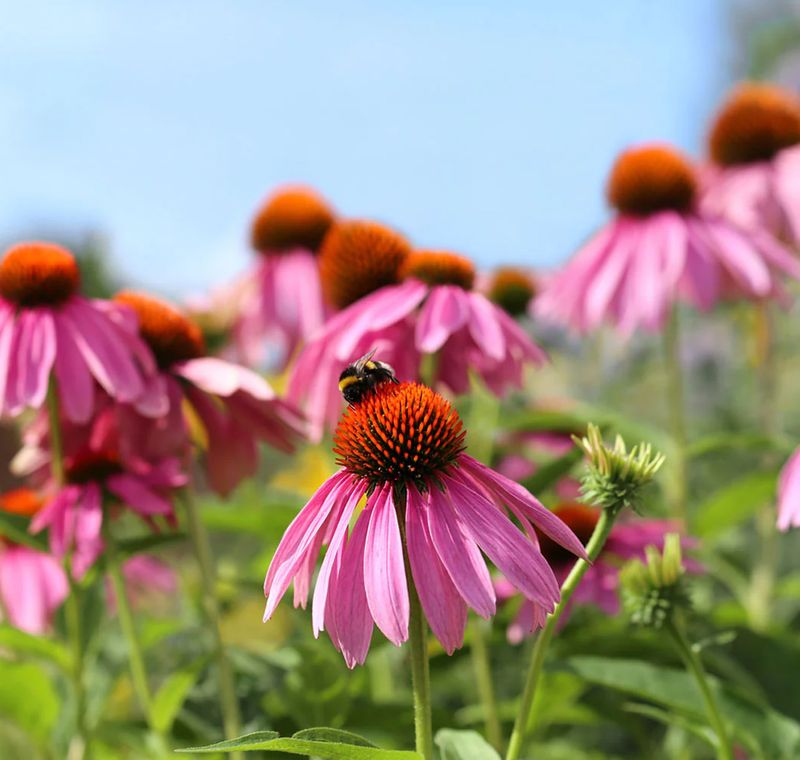
Purple Coneflower grows naturally across the eastern United States and fits perfectly into North Carolina gardens. This native perennial handles summer heat without wilting or losing its vibrant color.
Gardeners appreciate how little fussing these flowers require once established in the ground.
The plant produces distinctive blooms with drooping petals surrounding a spiky center cone. Flowers appear from early summer through fall, providing months of garden interest.
Pollinators visit these blooms constantly, making them valuable for supporting local wildlife.
Coneflowers prefer full sun but tolerate partial shade in hotter areas. They grow well in average soil and don’t need frequent watering once their roots establish. The plants reach about two to four feet tall and spread slowly to form attractive clumps.
Purple, white, and pink varieties offer different color options for your garden design. Deadheading spent blooms encourages more flowers, though leaving some seedheads provides winter food for birds.
These tough perennials resist most pests and diseases naturally. North Carolina’s humidity doesn’t bother coneflowers like it does some other plants. They’ve evolved to handle moisture in the air while still preferring well-drained soil.
This combination makes them reliable performers throughout the growing season in southern gardens.
2. Black Eyed Susan Delivers Reliable Color Even Through Long Hot Summers
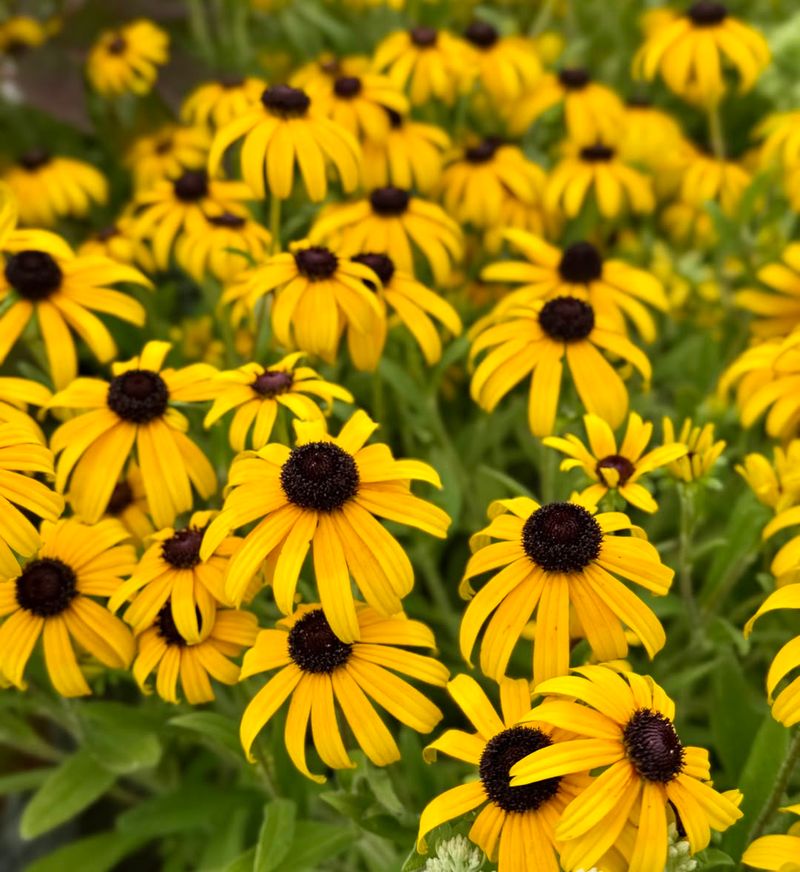
Rudbeckia hirta brings cheerful golden blooms to gardens even during the hottest weeks of summer. These flowers keep producing new blossoms regardless of heat waves or humidity levels.
Their reliability makes them favorites among gardeners who want consistent color without constant care.
The bright yellow petals surrounding dark brown centers create an instantly recognizable look. Plants bloom from June through September, sometimes longer in milder falls.
Each flower lasts for weeks, and new buds keep forming throughout the season. Black-eyed Susans grow as biennials or short-lived perennials in most gardens. They self-seed readily, so new plants appear each year without replanting.
This natural spreading creates drifts of color that look more natural than formal plantings. Full sun locations suit these flowers best, though they manage in light shade. Average garden soil works fine without amendments or special preparation.
Water them during establishment, but mature plants handle dry spells surprisingly well. The plants reach one to three feet tall depending on the variety. They resist deer browsing and attract butterflies, bees, and other beneficial insects.
North Carolina’s summer conditions actually help these natives perform at their best, unlike plants from cooler regions that struggle in the heat.
3. Lantana Is A Heat Loving Bloomer That Shines In Southern Gardens
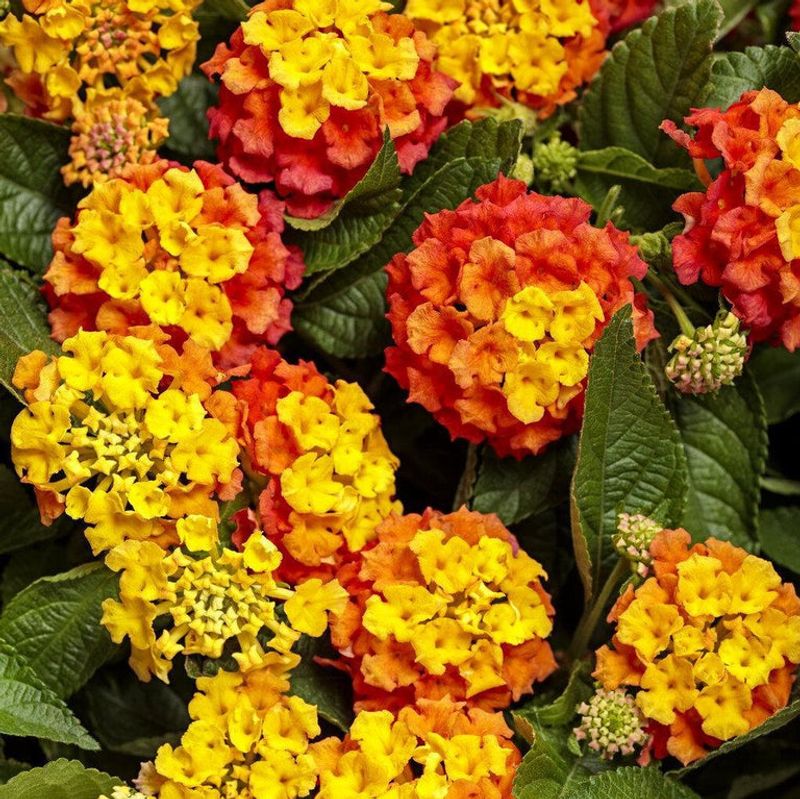
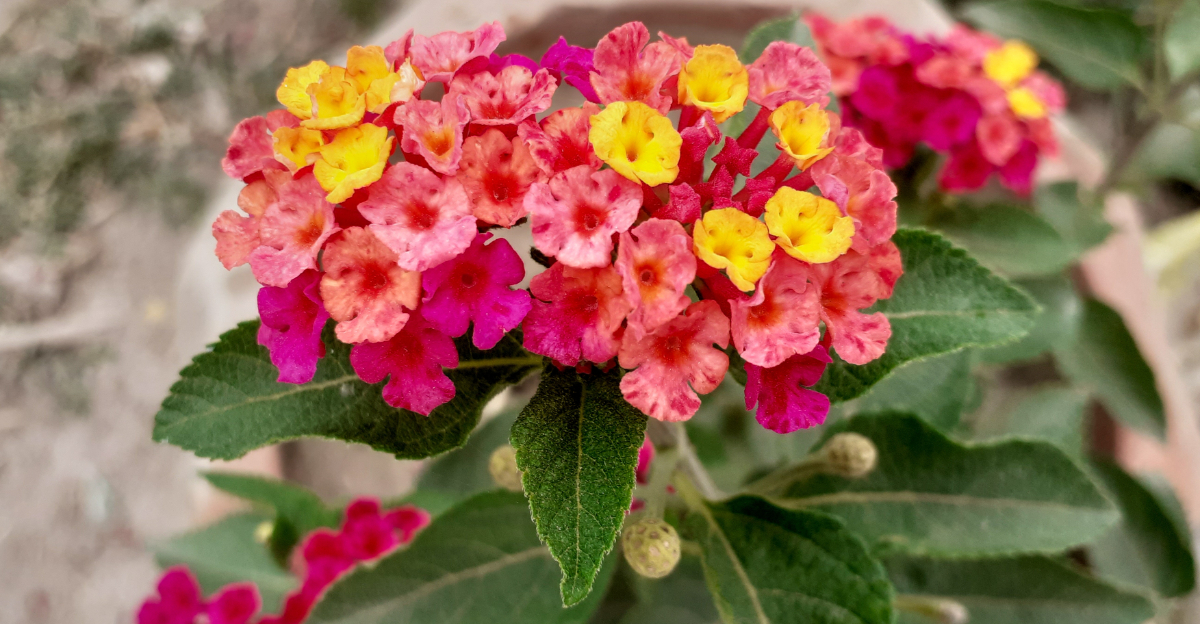
Lantana actually thrives when temperatures climb and humidity rises in southern gardens. This tropical-origin plant considers North Carolina summers ideal growing conditions.
Gardeners find that lantana keeps blooming vigoriously while other flowers slow down or stop in the heat.
The clustered flower heads display multiple colors that often change as blooms mature. Orange, yellow, pink, red, and purple varieties offer plenty of design choices. Each flower cluster contains dozens of tiny individual blooms packed tightly together.
Butterflies visit lantana constantly, making it essential for pollinator gardens. The plant blooms continuously from late spring until frost without deadheading. This non-stop flowering happens because heat actually stimulates more bud formation.
Full sun locations produce the most abundant blooms and healthiest plants. Lantana tolerates poor soil and drought once established in the garden.
The plants grow as tender perennials in most of North Carolina, returning from roots in milder winters.
Some varieties grow as compact mounds while others trail over edges or spread wider. Heights range from one to three feet depending on the cultivar selected.
The plant’s heat tolerance means it looks fresh and vibrant even during August when other flowers appear tired and stressed from summer conditions.
4. Daylilies Grow Strong And Resilient In Tough Southern Conditions
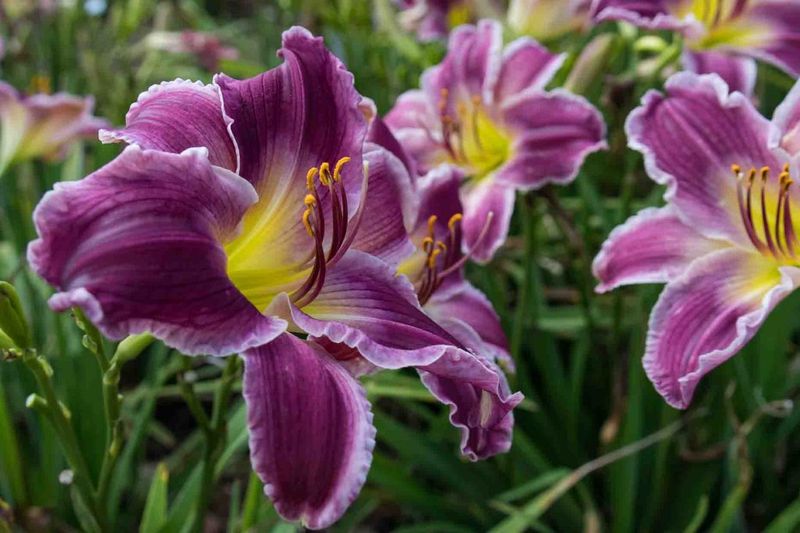
Daylilies rank among the most adaptable perennials for North Carolina gardens. These plants handle heat, humidity, occasional drought, and even temporary flooding without suffering damage.
Their resilience comes from thick roots that store water and nutrients for tough times.
Each flower lasts only one day, but plants produce numerous buds on each stalk. Bloom time varies by variety, with some flowering in spring, others in summer, and late bloomers extending into fall.
Planting different varieties creates months of continuous color. Thousands of cultivars offer every color except true blue. Flowers range from two inches to eight inches across in various forms.
Some blooms appear ruffled, others smooth, and many feature contrasting throat colors or petal edges.
The grass-like foliage remains attractive even when plants aren’t flowering. Daylilies grow well in full sun to partial shade locations. They tolerate clay soil, sandy soil, and everything in between without special amendments.
Plants multiply steadily, forming larger clumps that can be divided and shared. They resist most pests and diseases naturally without chemical treatments.
North Carolina’s climate suits daylilies perfectly because they’ve been bred and selected for performance in similar conditions across the South for generations.
5. Oakleaf Hydrangea Is A Beautiful Native Shrub That Loves The South
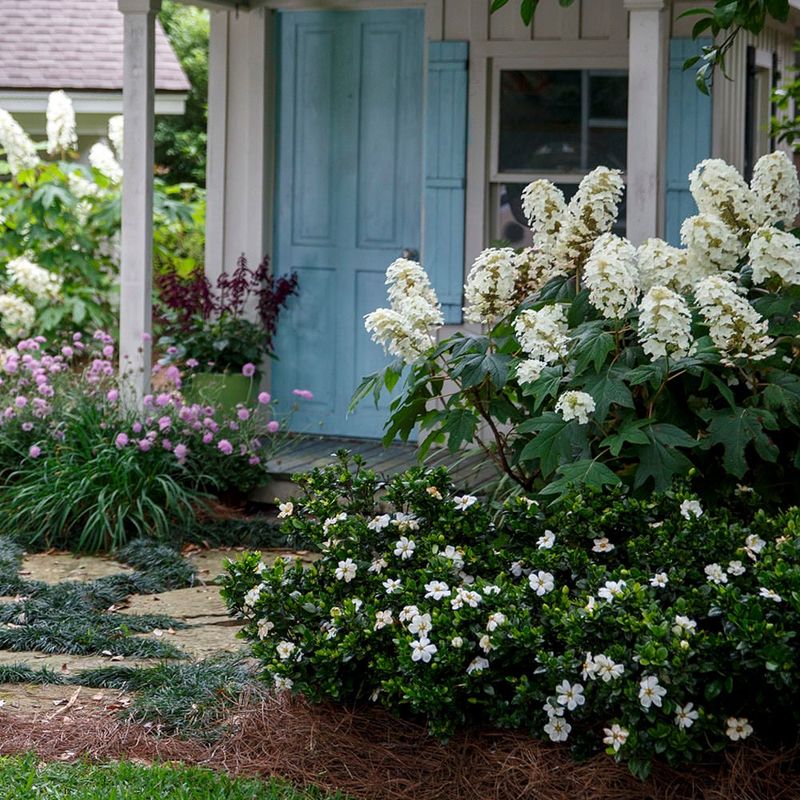
Hydrangea quercifolia originated in the southeastern United States and naturally thrives in North Carolina conditions. This native shrub handles summer heat and humidity better than most hydrangea species.
Gardeners appreciate its multi-season interest and low maintenance requirements. The large cone-shaped flower clusters start white in early summer and gradually turn pink as they age. Blooms can reach twelve inches long and persist for months.
The flowers dry naturally on the plant, providing interest into winter. Oak-shaped leaves give this shrub its common name and create bold texture in the garden. Foliage turns brilliant shades of red, orange, and burgundy in fall.
The exfoliating bark adds winter interest after leaves drop. Plants prefer partial shade but tolerate more sun in areas with consistent moisture. They grow four to six feet tall and wide, sometimes larger in ideal conditions.
The shrub needs space to develop its naturally graceful branching structure. Oakleaf hydrangea tolerates clay soil and doesn’t require the acidic conditions some hydrangeas need. It handles North Carolina’s summer weather without wilting or showing stress.
Once established, the shrub proves quite drought tolerant compared to other hydrangea species that struggle in heat.
6. Butterfly Weed Thrives In Full Sun And Handles Intense Summer Heat With Ease
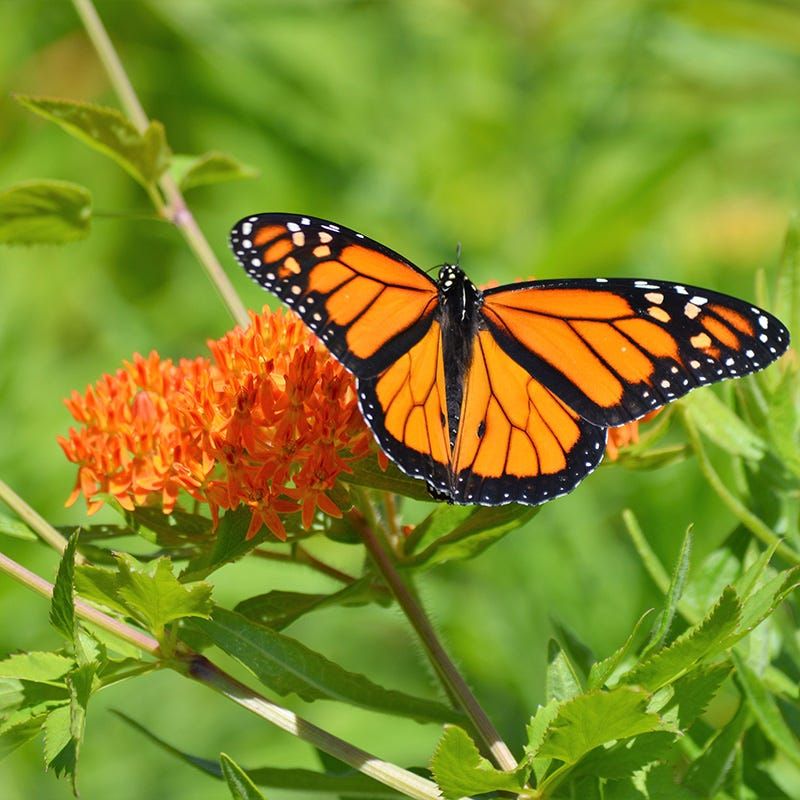
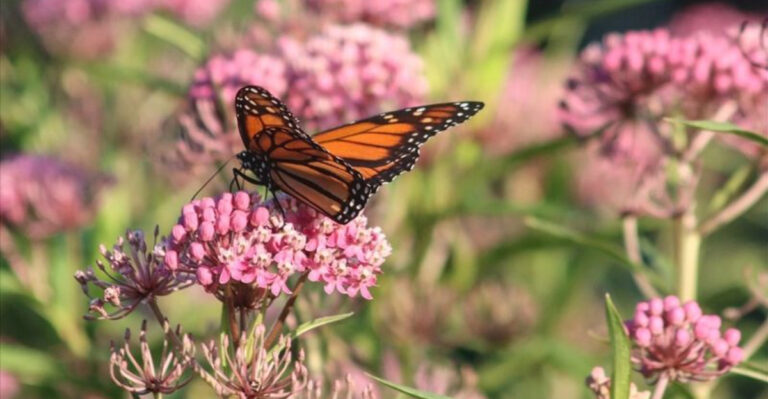
Asclepias tuberosa earns its common name from the constant butterfly activity around its flowers. This native milkweed species handles full sun and high temperatures without any signs of stress.
The plant actually performs better in hot, sunny locations than in cooler, shadier spots. Brilliant orange flower clusters appear from late spring through summer on sturdy stems. Some varieties offer yellow or red blooms instead of the typical orange.
Each flower cluster contains dozens of small individual blooms that open gradually. Monarch butterflies rely on milkweeds as their only caterpillar food source. Planting butterfly weed helps support declining monarch populations while adding color to gardens.
Many other butterfly species visit the flowers for nectar throughout the blooming period.
The plant develops a deep taproot that makes it very drought tolerant once established. This same root system means butterfly weed resents transplanting and should be placed carefully.
It grows one to two feet tall and spreads slowly into small clumps. Full sun locations and well-drained soil produce the healthiest plants and most abundant blooms. Butterfly weed tolerates poor, sandy soil better than rich garden beds.
North Carolina’s hot summers provide ideal growing conditions that help this native perennial flourish without any special care or attention.
7. Crepe Myrtle Remains A Southern Favorite For Hot And Humid Landscapes
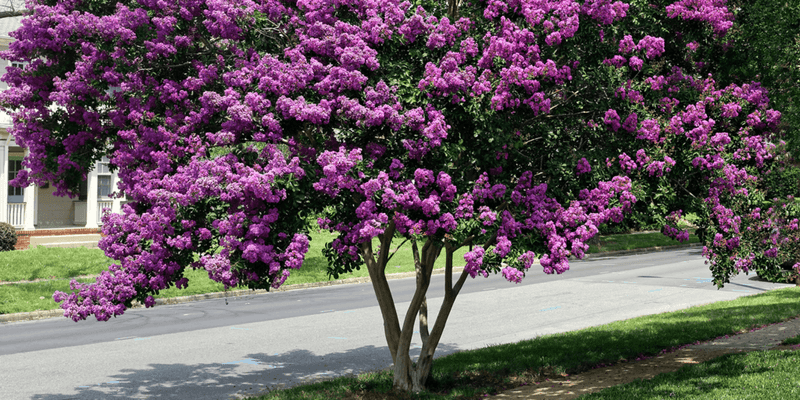
Lagerstroemia indica and its hybrids have become signature plants of southern landscapes. These trees and shrubs bloom prolifically during the hottest months when few other woody plants flower.
North Carolina’s summer climate provides exactly what crepe myrtles need to perform at their best.
Flower clusters appear in shades of white, pink, red, lavender, and purple. The crinkled petals have a distinctive crepe-paper texture that gives the plant its name.
Blooms last for weeks, and many varieties produce multiple flushes of flowers throughout summer.
Smooth, exfoliating bark in shades of gray, tan, and cinnamon provides year-round interest. Fall foliage turns shades of yellow, orange, and red before dropping. The attractive branching structure looks sculptural during winter months.
Sizes range from dwarf varieties under three feet tall to tree forms reaching twenty-five feet or more. This variety allows gardeners to find appropriate sizes for any landscape situation.
Newer hybrids offer improved disease resistance and cold hardiness. Full sun locations produce the most flowers and best growth. Crepe myrtles tolerate heat, humidity, and drought once their roots establish.
They’ve been selected and bred specifically for southern growing conditions over many decades, making them perfectly adapted to North Carolina’s challenging summer weather patterns.
8. Salvia Blooms In Warm Sunny Garden Conditions
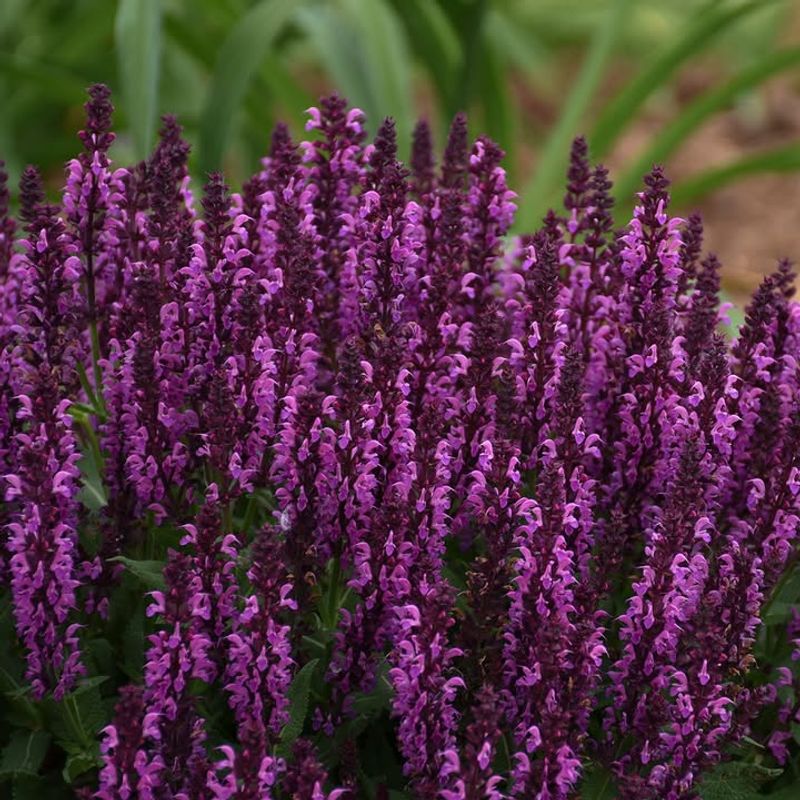
Many salvia species and varieties grow exceptionally well in North Carolina’s warm climate. These plants actually produce more flowers and grow more vigorously as temperatures rise.
Heat brings out the best performance from salvias rather than causing stress like it does to cool-season plants.
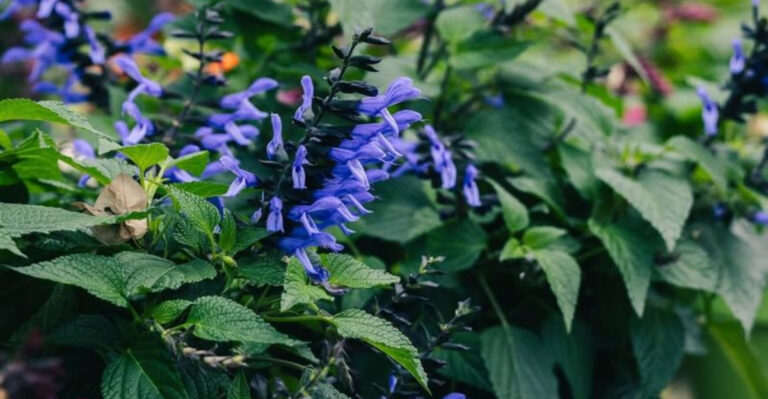
Flower spikes rise above the foliage in shades of blue, purple, red, pink, and white. The tubular blooms attract hummingbirds and butterflies constantly throughout the growing season.
Most salvias bloom for months without deadheading, though removing spent flowers encourages even more buds.
The aromatic foliage releases pleasant scents when brushed or crushed. This fragrance comes from oils in the leaves that also help deter deer and rabbits.
Many salvias belong to the same family as culinary sage and share similar leaf characteristics.
Full sun locations produce the most compact growth and abundant flowering. Salvias tolerate heat and humidity well once established in the garden.
They prefer well-drained soil and actually perform better in average conditions than in heavily fertilized beds.
Heights vary from compact varieties under one foot tall to towering species reaching four feet or more. Both annual and perennial types offer options for different garden situations.
North Carolina’s long, warm growing season allows salvias to reach their full potential and provide months of reliable color.
9. Zinnias Love Heat And Sunshine And Keep Gardens Colorful All Summer
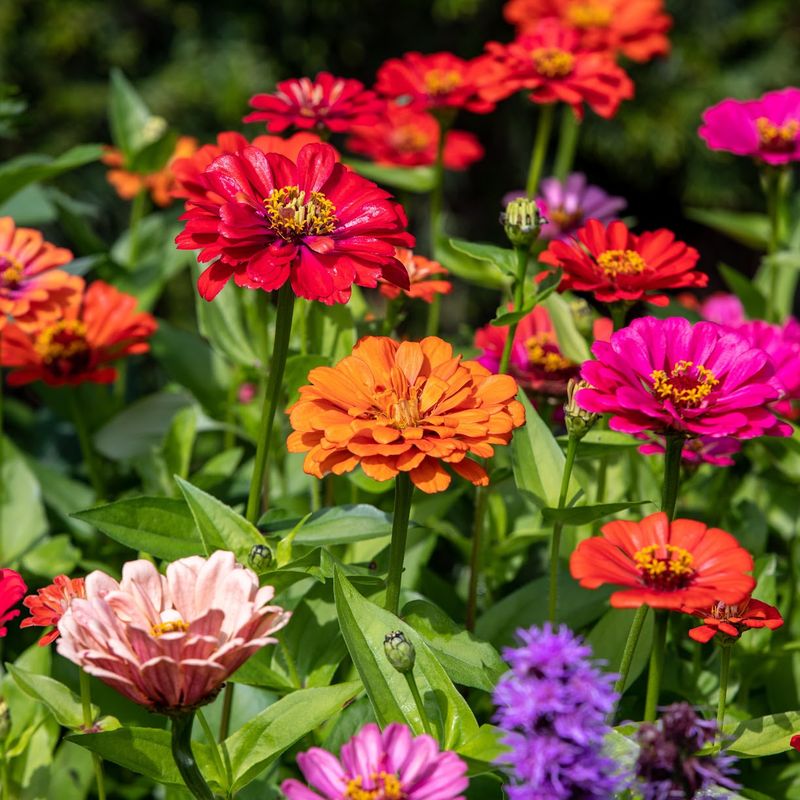
Zinnias represent classic summer annuals that actually grow better as temperatures climb. These flowers bloom most prolifically during the hottest weeks of summer in North Carolina.
Gardeners rely on zinnias for dependable color when heat causes many other flowers to slow down or stop blooming.
Flower forms range from single daisy-like blooms to fully double pompons. Colors include every shade except blue, with many bicolors and striped varieties available.
Sizes vary from button-sized blooms on compact plants to dinner-plate flowers on tall cutting varieties.
The plants grow quickly from seed sown directly in the garden after frost danger passes. Blooms appear about six to eight weeks after planting and continue until frost.
Cutting flowers for bouquets actually encourages plants to produce more buds and blooms.
Full sun locations and well-drained soil produce the healthiest plants. Zinnias tolerate heat and drought once their roots establish in the garden.
They grow best in warm soil and warm air, making them perfectly suited to North Carolina summers.
Heights range from six inches to four feet depending on the variety selected. Butterflies visit zinnia flowers constantly, making them valuable additions to pollinator gardens.
These cheerful annuals prove that some flowers actually prefer hot weather and perform better in southern heat than in cooler northern gardens.
10. Rosemary Is A Hardy Heat Tolerant Herb Perfect For Southern Gardens
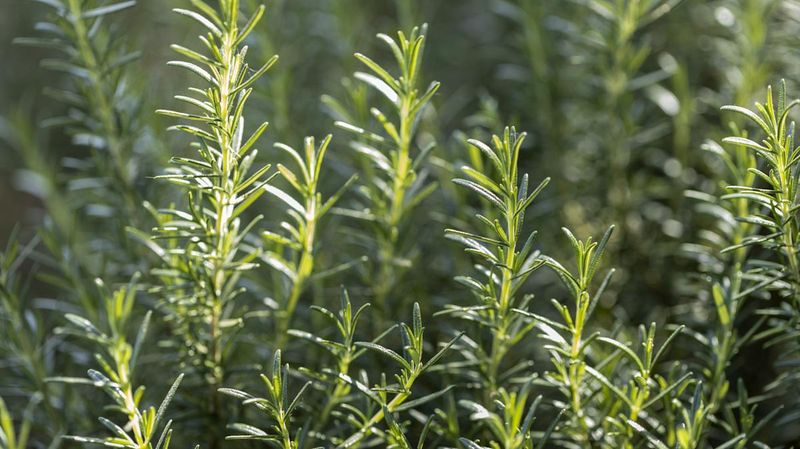
Rosemary originated in the Mediterranean region and thrives in similar warm, sunny conditions found in North Carolina. This woody herb handles summer heat and humidity better than many other culinary herbs.
Gardeners enjoy having fresh rosemary available while appreciating the plant’s ornamental qualities and low maintenance requirements.
The needle-like leaves release a distinctive pine-like fragrance when touched or brushed. Small blue flowers appear in spring and sometimes sporadically through summer. Both leaves and flowers attract beneficial insects to the garden.
Plants grow as upright shrubs or trailing groundcovers depending on the variety selected. Heights range from six inches to five feet for different cultivars. The evergreen foliage provides year-round interest and harvest opportunities.
Full sun locations produce the most compact growth and best flavor. Rosemary requires excellent drainage and struggles in heavy clay soil or wet conditions.
Raised beds or containers work well for ensuring proper drainage in areas with challenging soil.
The herb tolerates heat and drought exceptionally well once established. It prefers drier conditions and can suffer from fungal problems in excessive humidity, though proper spacing and air circulation minimize issues.
Most of North Carolina provides suitable growing conditions, especially in well-drained sites where rosemary can flourish through hot summers while providing fresh herbs for cooking year-round.
11. Lavender Can Struggle In Heat Humidity And Poorly Drained Soil
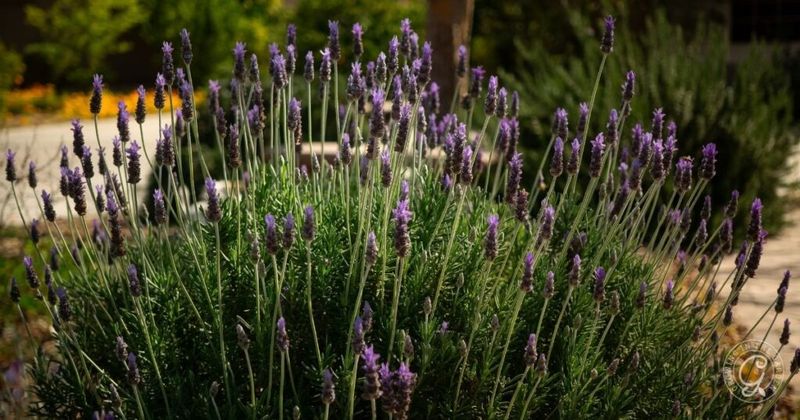
Lavender evolved in dry Mediterranean climates and struggles with North Carolina’s humid summers. The combination of heat and moisture in the air creates challenging conditions for this popular herb.
Many gardeners experience disappointment when their lavender plants decline or fail despite proper care.
The plant prefers dry air and excellent soil drainage that’s difficult to provide in southern gardens. Humidity encourages fungal diseases that attack lavender’s stems and roots.
Even resistant varieties show stress during prolonged humid periods common in North Carolina summers.
Heavy clay soil retains too much moisture around lavender roots. The plant needs sandy or gravelly soil that dries quickly after rain or watering.
Creating these conditions requires significant soil amendment or raised bed construction in most North Carolina gardens.
Lavender grows best in regions with low humidity and cool nights. North Carolina’s warm, muggy nights prevent the plant from recovering from daily heat stress.
The combination of high daytime temperatures and humid nighttime conditions gradually weakens lavender plants.
Some gardeners succeed with lavender by providing perfect drainage and maximum air circulation. However, the plant remains challenging and often short-lived compared to its performance in drier western states.
Spanish lavender varieties tolerate humidity slightly better than English types but still struggle compared to their performance in ideal climates with dry summer air.
12. Peonies Grow Best Where Summers Stay Cooler And Winters Turn Cold
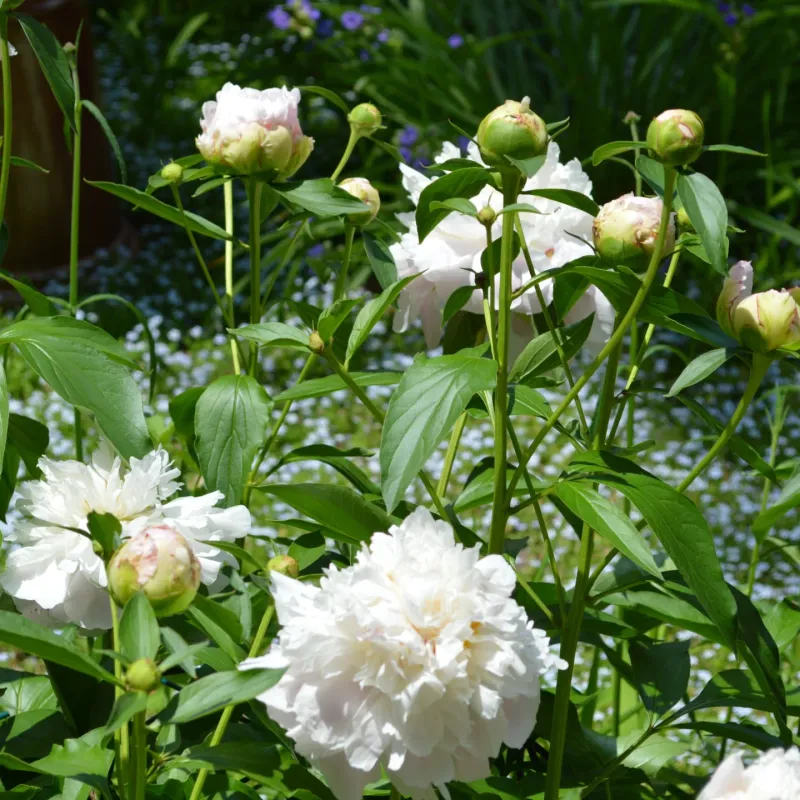
Peonies perform best in regions with distinct cold winters and moderate summers. North Carolina’s climate provides neither the extended cold period nor the cool summer nights that peonies prefer.
These beloved perennials struggle in the state’s warmth and often bloom poorly or not at all.
The plants require prolonged winter chilling to set flower buds properly. Mild North Carolina winters, especially in southern and coastal areas, don’t provide enough cold hours. Without adequate chilling, plants produce foliage but few or no flowers.
Hot, humid summers stress peony plants and encourage fungal diseases. The thick foliage traps moisture and heat, creating perfect conditions for botrytis and other problems. Leaves often develop spots and decline by midsummer in southern gardens.
Tree peonies and herbaceous peonies both struggle in North Carolina’s climate. Even when plants survive and occasionally bloom, flowers often fade quickly in the heat.
The large, heavy blooms that make peonies desirable in northern gardens become stressed and short-lived in southern warmth.
Some gardeners in the mountains of western North Carolina have better success than those in warmer regions. However, even there, peonies rarely match the performance seen in northern states.
The plants remain alive but never thrive or provide the abundant spring blooms that make them garden favorites in cooler climates with cold winters and mild summers.
13. Delphinium Prefers Cooler Weather And Struggles In Heat And Humidity
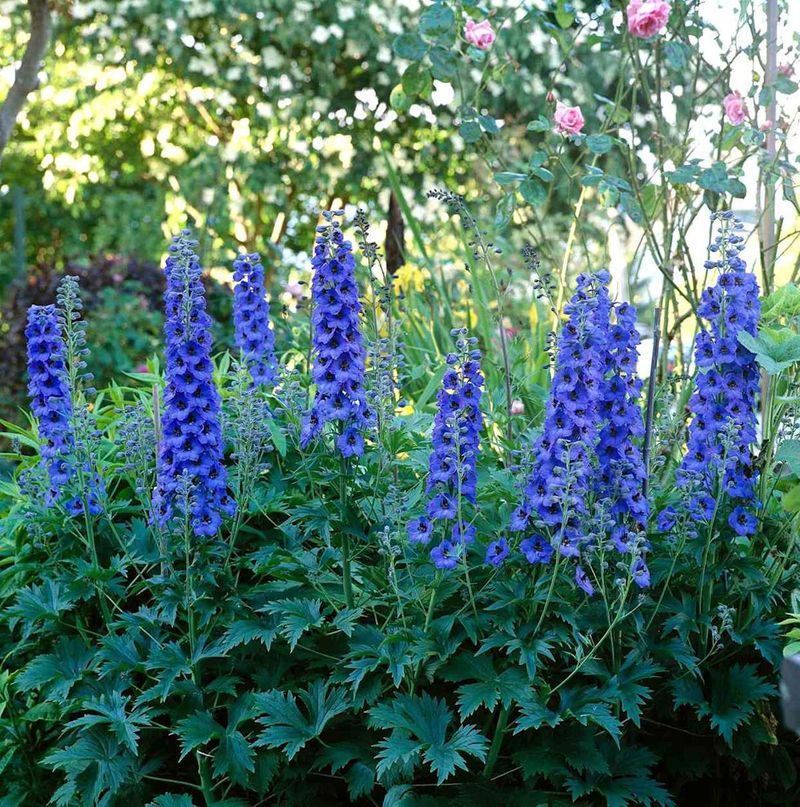
Delphiniums produce spectacular flower spikes in cool summer climates but struggle mightily in North Carolina heat. These plants evolved in mountainous regions with cool temperatures and low humidity.
Southern gardens provide the opposite conditions, causing delphiniums to decline rapidly.
The tall flower stalks that make delphiniums impressive in northern gardens become weak and floppy in heat. Hot weather causes buds to blast before opening or flowers to fade within days.
The plant puts energy into survival rather than producing the dramatic blooms gardeners expect.
High humidity encourages powdery mildew, crown rot, and other fungal problems on delphiniums. The dense foliage at the plant base traps moisture and creates perfect disease conditions.
Leaves often yellow and decline even when plants receive proper care and watering. Delphiniums prefer temperatures below 75 degrees during their growing season.
North Carolina regularly exceeds this temperature for weeks or months during summer. The prolonged heat stress gradually weakens plants until they eventually fade away.
Some gardeners attempt growing delphiniums as cool-season annuals, planting in fall for spring bloom. This strategy occasionally produces flowers but requires replanting each year and still faces challenges from unpredictable warm spells.
The plants remain fundamentally unsuited to southern climates and rarely justify the effort required compared to their effortless performance in regions with naturally cool summers.
14. Tulips Need Cold Winters To Bloom Reliably Each Year
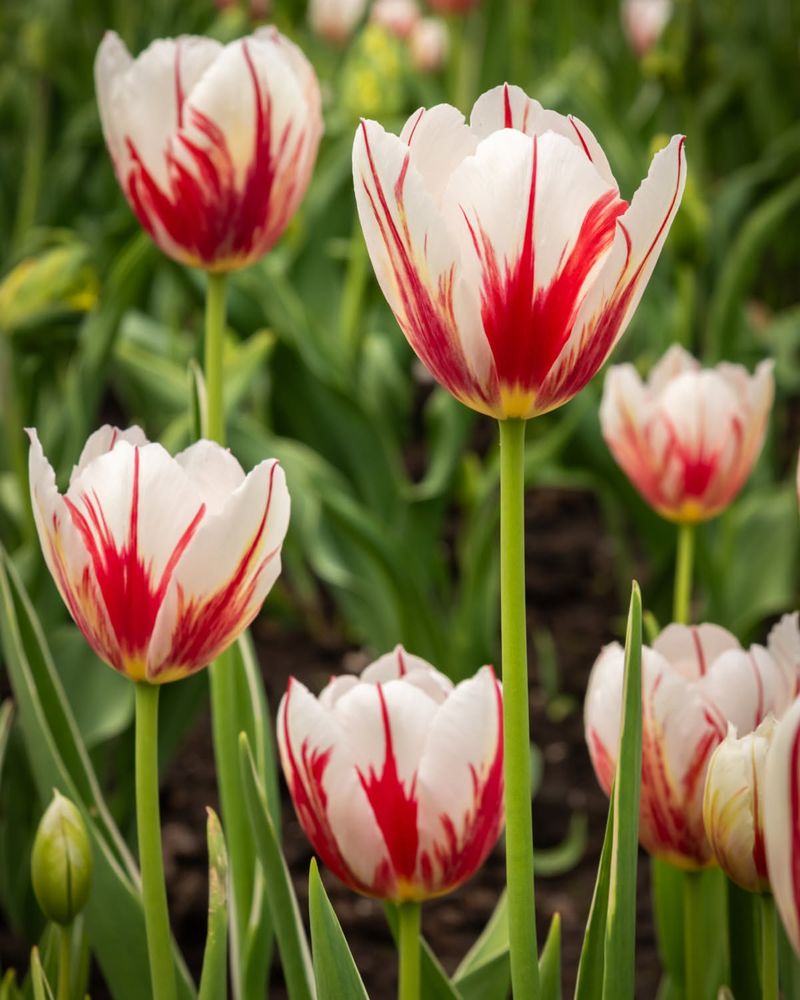
Tulips need prolonged cold temperatures to develop properly and bloom reliably each spring. North Carolina’s mild winters don’t provide the extended chilling period these bulbs require.
Gardeners often experience disappointment when tulips bloom poorly or fail to return after the first year.
The bulbs evolved in regions with cold winters where soil freezes for months. This cold period triggers biochemical changes necessary for flower development. Without adequate chilling, bulbs produce leaves but few or no flowers.
Coastal and southern areas of North Carolina rarely get cold enough for tulips to perform well. Even the piedmont and mountain regions provide marginal conditions at best.
Tulips may bloom the first spring after planting but typically decline rapidly in subsequent years.
Warm soil temperatures during summer and fall prevent tulip bulbs from entering proper dormancy. The bulbs gradually weaken and shrink rather than storing energy for next year’s growth.
This explains why tulips often bloom well the first year but poorly or not at all afterward.
Some gardeners treat tulips as annuals, planting new bulbs each fall for spring color. This approach works but requires annual investment and effort.
Refrigerating bulbs before planting provides some cold treatment but doesn’t fully replace natural winter chilling.
Tulips remain better suited to northern gardens where cold winters naturally provide the conditions these bulbs need to thrive and return reliably year after year.
15. Sweet Pea Grows Best In Cool Conditions And Fades In Heat
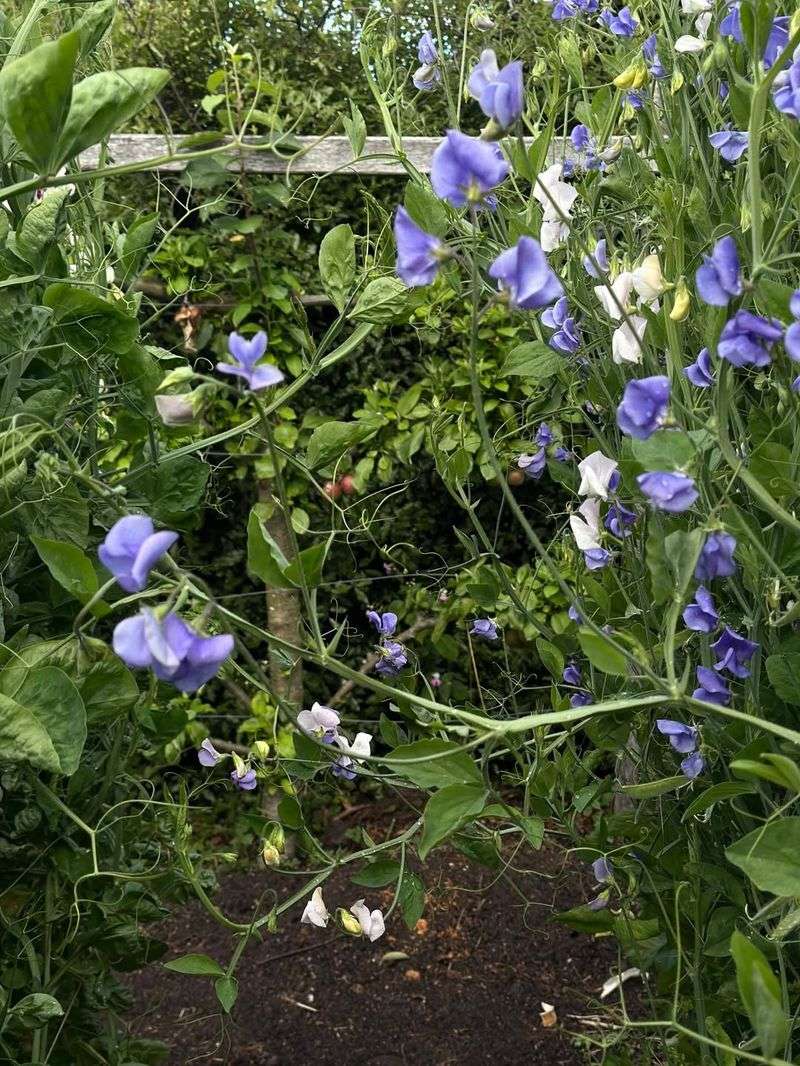
Sweet peas grow as cool-season annuals that prefer temperatures between 55 and 65 degrees. North Carolina’s rapid spring warm-up and hot summers create challenging conditions for these fragrant flowers.
The plants bloom briefly if at all before declining in the heat.
The delicate flowers and tender vines can’t tolerate sustained temperatures above 75 degrees. Hot weather causes buds to drop, flowers to fade quickly, and vines to stop producing new blooms.
Plants often decline completely once summer heat arrives in earnest. Sweet peas prefer cool, moist conditions with moderate humidity. North Carolina’s combination of heat and high humidity stresses the plants severely.
Powdery mildew and other fungal problems develop rapidly on sweet peas in humid southern gardens.
Gardeners sometimes succeed with sweet peas by planting in fall for early spring bloom. This strategy provides cooler growing conditions but limits the blooming period to a few weeks.
The plants still struggle once temperatures rise above their comfort range. The climbing vines need support but often grow weakly in southern heat. Flowers lack the intense fragrance and vibrant colors they develop in cooler climates.
Sweet peas remain fundamentally cool-season plants that perform best in regions with long, cool springs and mild summers rather than North Carolina’s rapidly warming spring and hot summer conditions that cause these charming flowers to struggle and decline.