10 Plants That Thrive With Eggshell Fertilizer In North Carolina
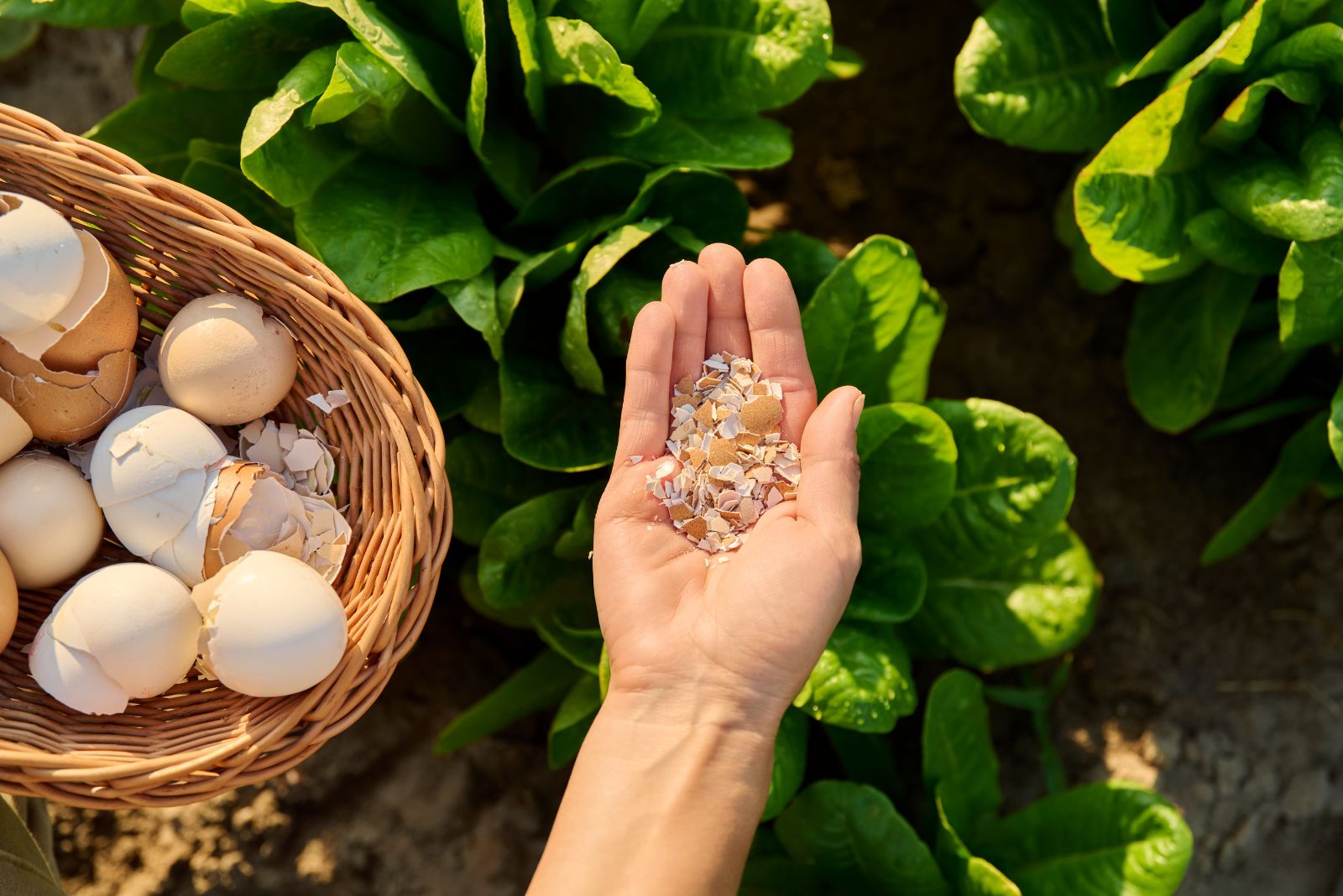
If you garden in North Carolina, you probably already toss eggshells into the compost, but many gardeners are discovering they work even better as a simple, natural fertilizer.
Eggshells are rich in calcium, which helps strengthen plant cells, support root growth, and prevent common problems like blossom end rot.
With North Carolina’s mix of sandy and clay soils, this easy kitchen scrap can give your garden a helpful boost without chemicals. Best of all, it is free and incredibly easy to use.
Just rinse, crush, and add to the soil where your plants need it most. From vegetables to flowers and even some container favorites, plenty of plants respond well to this natural upgrade.
If you enjoy practical garden hacks that save money and improve plant health, you are going to love these plants that truly thrive with eggshell fertilizer in North Carolina gardens.
1. Tomatoes (Solanum Lycopersicum)
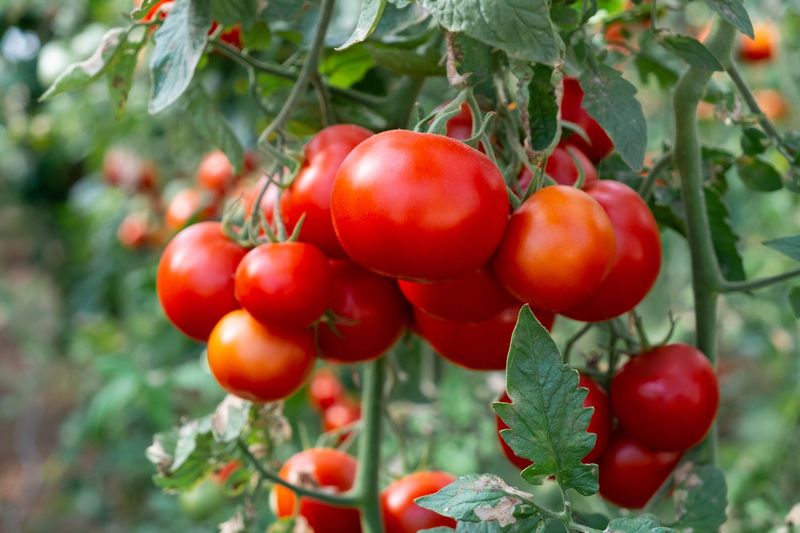
Nothing beats the taste of a homegrown tomato fresh from your backyard, but those dark, sunken spots on the bottom of your fruit can really put a damper on harvest time.
Blossom-end rot is one of the most frustrating problems tomato growers face in North Carolina, and it happens when plants can’t get enough calcium during fruit development.
Your soil might have plenty of calcium, but if it’s not in a form your tomatoes can use, you’ll still see those ugly brown patches.
Crushed eggshells offer a simple solution to this common headache. As the shells break down in your garden soil, they slowly release calcium that tomato roots can absorb and transport to developing fruits.
You can crush them into small pieces and mix them into the soil before planting, or sprinkle them around established plants and work them into the top few inches of earth.
The key is getting those shells into the ground early so they have time to decompose. Some gardeners even bake their eggshells at low heat to make them more brittle and easier to grind into a fine powder.
This powder form breaks down faster than larger chunks, giving your tomatoes quicker access to that precious calcium.
Beyond preventing blossom-end rot, calcium helps tomatoes build stronger cell walls throughout the entire plant. Stronger cells mean better resistance to pests and diseases that can plague North Carolina gardens during our humid summers.
2. Eggplants (Solanum Melongena)
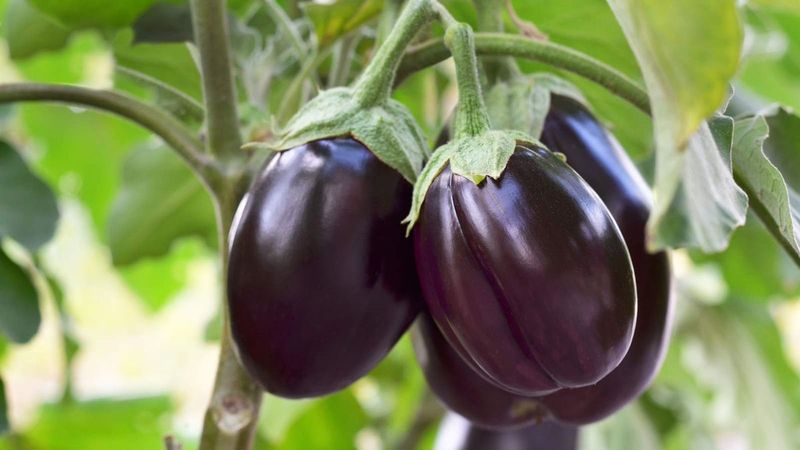
Eggplants might seem like exotic vegetables, but they actually thrive in North Carolina’s heat and humidity when given the right care.
These glossy purple beauties are another member of the nightshade family, which means they share the same calcium needs as tomatoes and peppers.
Without adequate calcium, eggplant fruits can develop blossom-end rot just like their cousins, leaving you with ruined harvests.
Adding crushed eggshells to your eggplant bed provides insurance against calcium deficiency throughout the growing season. The shells break down gradually, releasing calcium at a steady pace that matches how eggplants actually use the nutrient.
This slow-release approach works better than quick chemical fertilizers that can wash away during our summer thunderstorms.
Start by working crushed shells into the soil before planting, aiming for about a cup of crushed shells per plant.
You can also create a ring of shells around each plant after transplanting, which serves double duty as both fertilizer and a mild deterrent to slugs and snails. Those sharp edges aren’t very comfortable for soft-bodied pests to crawl across.
Healthy calcium levels help eggplants develop that perfect glossy skin and firm flesh that makes them so delicious when grilled or roasted.
The nutrient also supports strong root development, which is crucial during North Carolina’s hot summers when plants need to pull moisture from deeper soil layers.
Better roots mean more resilient plants that can handle whatever weather comes their way.
3. Peppers (Capsicum Annuum)
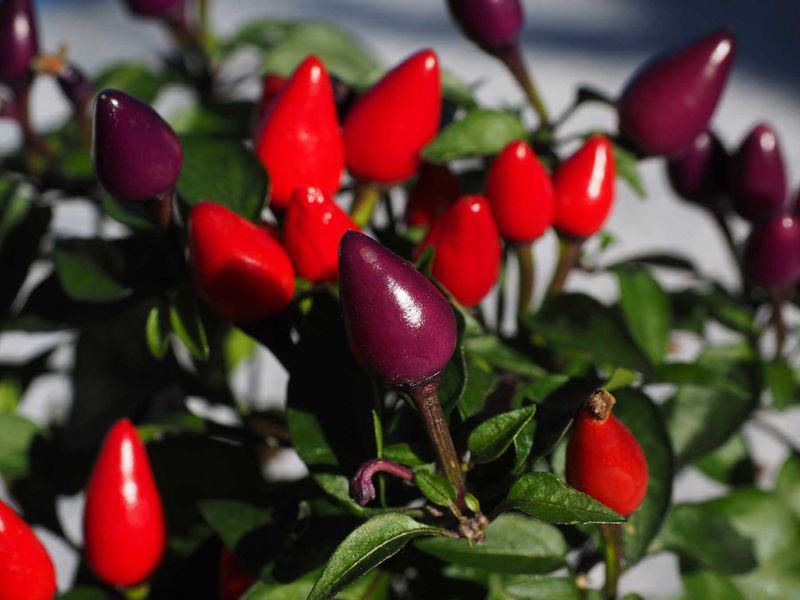
Bell peppers, jalapeños, and all their spicy cousins share something important with tomatoes. They’re all part of the nightshade family, and they all crave calcium to produce picture-perfect fruits.
When peppers don’t get enough of this vital nutrient, you might notice fruits that split, crack, or develop soft spots that make them unusable in the kitchen.
Eggshells provide a steady supply of calcium that keeps pepper plants producing beautiful, unblemished fruits all season long.
North Carolina’s warm growing season is perfect for peppers, but our sometimes acidic soils can lock up calcium and make it unavailable to hungry plants.
Adding crushed eggshells helps balance soil chemistry while providing a direct calcium source.
The best approach is mixing crushed shells into your pepper bed a few weeks before transplanting seedlings. This gives the shells time to start breaking down and releasing nutrients.
You can also add more shells as a top dressing throughout the growing season, especially when plants start flowering and setting fruit.
Calcium does more than just prevent splitting and cracking. It strengthens cell walls throughout the entire pepper plant, making stems sturdier and leaves more resistant to wind damage.
Stronger plants mean better yields and fewer problems with diseases that can sneak in through damaged tissue. Your peppers will thank you with thick-walled, crisp fruits that hold up beautifully whether you’re roasting, stuffing, or slicing them fresh.
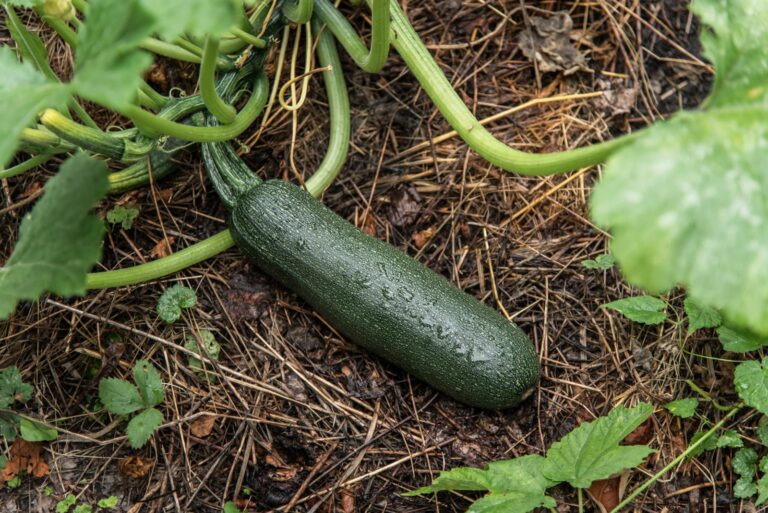
4. Squash (Cucurbita Pepo)
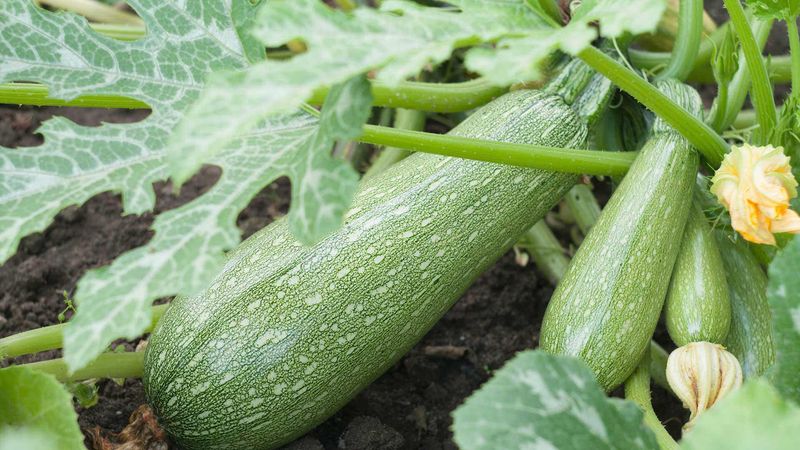
Summer squash and zucchini grow so fast in North Carolina gardens that you can practically watch them expand from day to day. This rapid growth requires lots of nutrients, and calcium plays a starring role in keeping those vigorous vines healthy and productive.
When squash plants run low on calcium, they can develop blossom-end rot on their fruits, turning promising young squash into mushy, inedible disappointments.
Eggshells offer a natural way to keep calcium levels steady throughout the growing season. Unlike some synthetic fertilizers that can burn tender squash roots, crushed eggshells release nutrients gently as they decompose.
This gradual process matches how squash plants actually feed, taking up small amounts of calcium continuously rather than in big gulps.
Mix crushed shells into your squash hills or rows before planting seeds or transplants. You can use anywhere from half a cup to a full cup per planting spot, depending on how deficient your soil is.
If you’ve had blossom-end rot problems in previous years, lean toward the higher amount.
Calcium strengthens cell walls throughout squash plants, not just in the fruits. Stronger stems resist breaking under the weight of heavy leaves and developing squash, while tougher leaf tissue stands up better to munching insects.
The nutrient also helps regulate water movement within plant tissues, which is especially important during hot spells when squash plants can wilt if they can’t move moisture efficiently from roots to leaves.
5. Cucumbers (Cucumis Sativus)
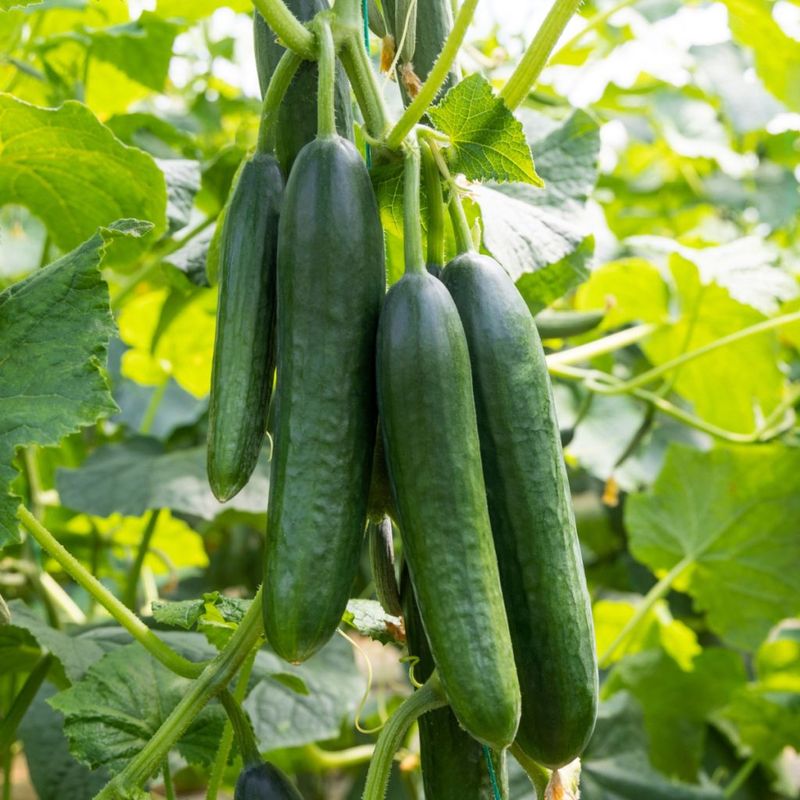
Crisp, refreshing cucumbers are a summer garden staple in North Carolina, perfect for salads, pickles, or just munching straight off the vine.
These fast-growing plants produce heavily when conditions are right, but calcium deficiency can lead to deformed fruits with odd shapes or bitter flavors.
Blossom-end rot can also strike cucumbers, though it’s less common than in tomatoes or peppers.
Crushed eggshells provide the calcium boost cucumbers need to develop straight, uniform fruits with excellent flavor. The slow breakdown of shells in garden soil creates a steady calcium supply that lasts throughout the entire growing season.
This is particularly valuable for cucumbers because they produce continuously, sending out new fruits every few days when plants are happy.
Work crushed eggshells into cucumber beds or hills before planting, using about half a cup per plant. You can also sprinkle additional crushed shells around plants once they start flowering and setting fruit.
This mid-season boost helps ensure calcium is available right when developing cucumbers need it most.
Beyond preventing fruit problems, calcium helps cucumber plants build strong vines that can support heavy crops without collapsing.
The nutrient also plays a role in disease resistance, helping plants fight off fungal infections that thrive in North Carolina’s humid summer weather.
Healthier vines mean longer harvest periods and more cucumbers for your kitchen. The natural minerals in eggshells also improve soil structure over time, creating a better growing environment for future crops.
6. Lettuce (Lactuca Sativa)
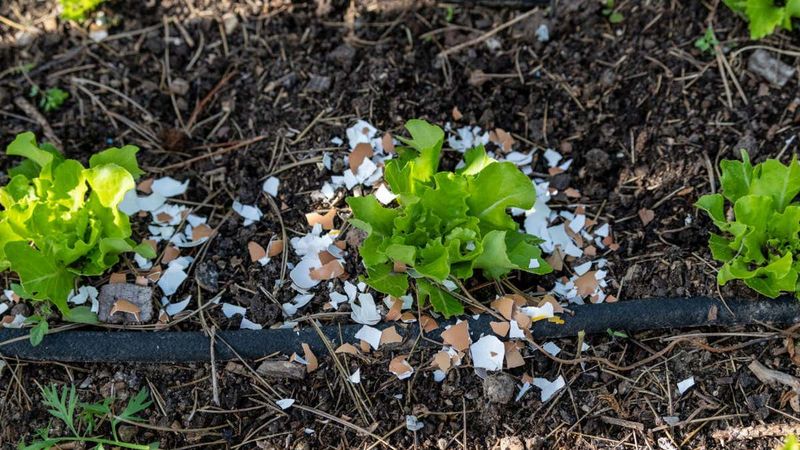
Crispy lettuce fresh from the garden tastes nothing like the stuff from grocery store shelves. Growing your own means better flavor, better nutrition, and the satisfaction of harvesting your own salad ingredients.
Lettuce might not suffer from blossom-end rot like fruiting vegetables, but it still benefits tremendously from the calcium and trace minerals found in crushed eggshells.
Calcium helps lettuce develop strong, crisp leaves with that satisfying crunch everyone loves. When lettuce plants get adequate calcium, their leaves also tend to be more vibrant in color and slower to turn bitter, even as weather warms up.
This extended harvest window is especially valuable in North Carolina, where spring can quickly shift into summer heat that makes lettuce bolt and turn unpleasant.
Sprinkle finely crushed eggshells over your lettuce bed before planting, then gently rake them into the top inch or two of soil. Since lettuce has shallow roots, you want those nutrients near the surface where tender roots can easily access them.
About a quarter cup of crushed shells per square foot provides plenty of calcium without overwhelming young plants.
The trace minerals in eggshells, including magnesium and potassium, support overall plant health and contribute to better flavor. Eggshells also improve soil structure as they break down, helping sandy soils hold moisture better while making clay soils drain more freely.
This improved soil texture benefits lettuce roots, which need consistent moisture but hate sitting in waterlogged conditions. Healthier roots mean more vigorous growth and better harvests from your lettuce patch.
7. Spinach (Spinacia Oleracea)
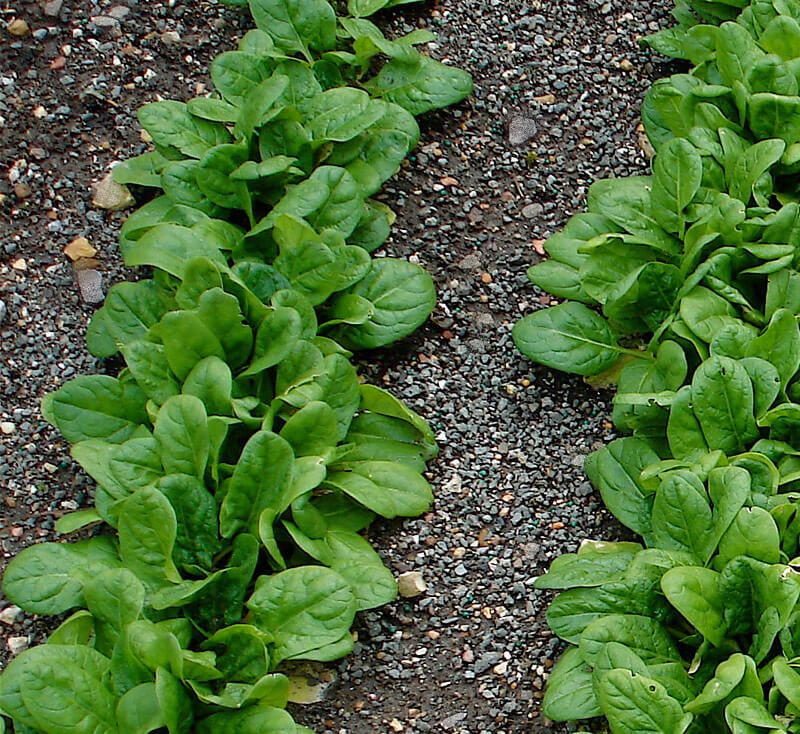
Spinach lovers rejoice because this nutritious green grows beautifully in North Carolina during spring and fall when temperatures stay moderate.
Those dark, tender leaves pack incredible nutrition, but did you know that calcium helps spinach plants produce even more of the vitamins and minerals that make it such a superfood?
Adequate calcium also helps spinach leaves stay tender rather than tough and fibrous.
Eggshells provide both calcium and other trace minerals that leafy greens like spinach need to thrive. As the shells decompose, they release nutrients slowly and steadily, matching how spinach actually feeds throughout its growth cycle.
This gentle nutrient release is perfect for spinach because the plants grow quickly and need consistent nutrition without overwhelming fertilizer that can burn tender roots.
Before planting spinach seeds or transplants, work crushed eggshells into your garden bed at a rate of about one cup per every four square feet. This might seem like a lot, but spinach is a heavy feeder that appreciates generous soil amendments.
The calcium also helps prevent tip burn, a condition where leaf edges turn brown due to calcium deficiency.
Beyond direct nutrition, eggshells improve soil pH over time, making it slightly less acidic. This matters for spinach because the plant prefers neutral to slightly alkaline soil, and many North Carolina soils lean toward the acidic side.
Better soil pH means better nutrient uptake across the board, not just for calcium. Your spinach plants will reward you with larger, more tender leaves and longer harvest periods before bolting in warm weather.
8. Roses (Rosa Spp.)
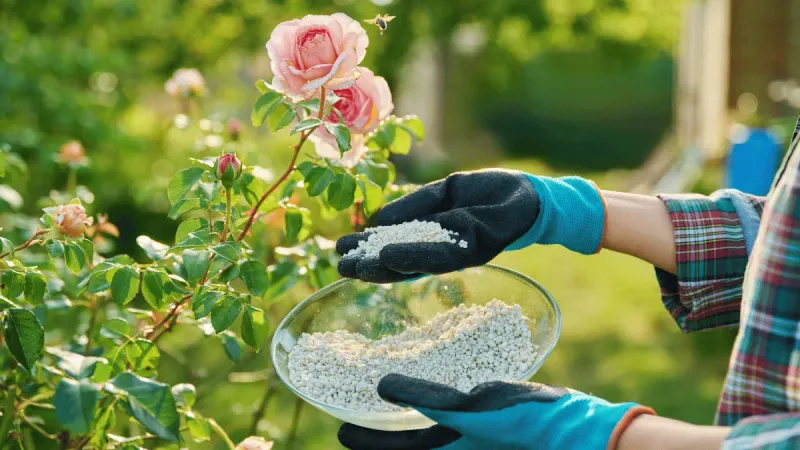
Few flowers capture hearts quite like roses, with their stunning blooms and enchanting fragrances. North Carolina gardeners can grow magnificent roses when they provide the right care, and calcium plays a surprisingly important role in rose health.
This nutrient helps roses develop strong, sturdy stems that can support heavy blooms without flopping over, while also contributing to disease resistance that keeps plants looking their best.
Crushed eggshells scattered around rose bushes provide a steady calcium source throughout the growing season.
Unlike quick-release fertilizers that can encourage weak, sappy growth, the slow breakdown of eggshells supports strong, healthy tissue development.
This matters tremendously for roses because weak growth is more susceptible to diseases like black spot and powdery mildew that plague North Carolina rose gardens.
Apply crushed eggshells around the base of each rose bush in early spring, using about two cups per plant. Work the shells gently into the top layer of soil, being careful not to damage shallow feeder roots.
You can add another application in midsummer to support continued blooming and new growth.
Calcium also helps roses regulate water movement within their tissues, which is crucial during hot North Carolina summers when plants can stress from heat and drought.
Better water regulation means less wilting and more energy for producing those gorgeous blooms you’re after.
The trace minerals in eggshells, particularly magnesium, support chlorophyll production and keep rose foliage deep green and healthy-looking. Vibrant foliage provides more energy for flower production, giving you more blooms to enjoy throughout the season.
9. Hydrangeas (Hydrangea Macrophylla)
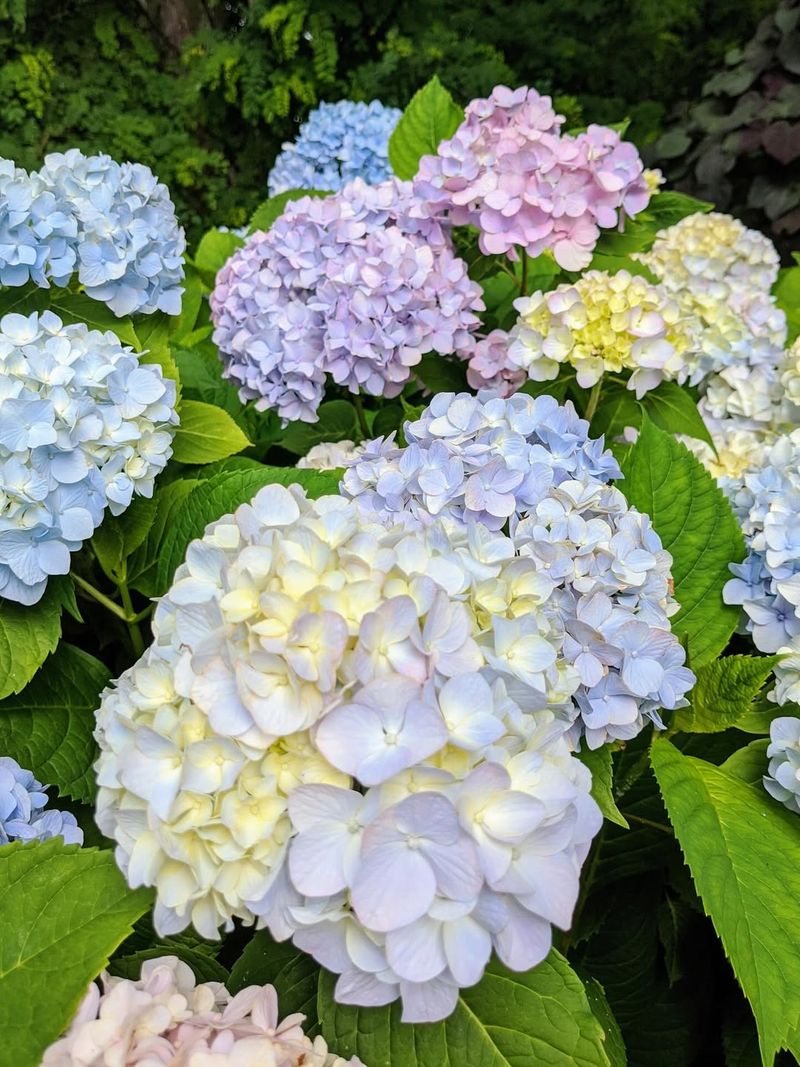
Hydrangeas are beloved Southern garden staples that produce spectacular flower clusters in shades of pink, blue, purple, and white.
These showy shrubs thrive in North Carolina’s climate, but they need proper nutrition to produce those massive blooms that make them so impressive.
Calcium contributes to overall plant vigor and helps hydrangeas develop strong stems that can support heavy flower clusters without bending or breaking.
Adding crushed eggshells around hydrangeas provides calcium and other beneficial minerals that support healthy growth.
The slow nutrient release from decomposing shells matches how these long-lived shrubs actually feed, taking up nutrients gradually over months rather than all at once.
This steady approach promotes balanced growth and consistent blooming year after year.
Scatter crushed eggshells around the base of each hydrangea in early spring, using about three cups per mature shrub. You can work them lightly into the soil surface or simply let them sit as a top dressing that will gradually break down through rain and soil activity.
Avoid piling shells directly against stems, which can trap moisture and encourage rot. One interesting note about hydrangeas is that soil pH affects flower color in many varieties, with acidic soils producing blue flowers and alkaline soils producing pink ones.
Since eggshells can slightly raise soil pH over time, they might gradually shift blue hydrangeas toward pink if used heavily.
If you want to maintain blue flowers, use eggshells more sparingly and monitor your soil pH.
Regardless of color, the calcium and trace minerals support robust plant health, disease resistance, and impressive flower production that makes hydrangeas such garden showstoppers.
10. Strawberries (Fragaria × Ananassa)
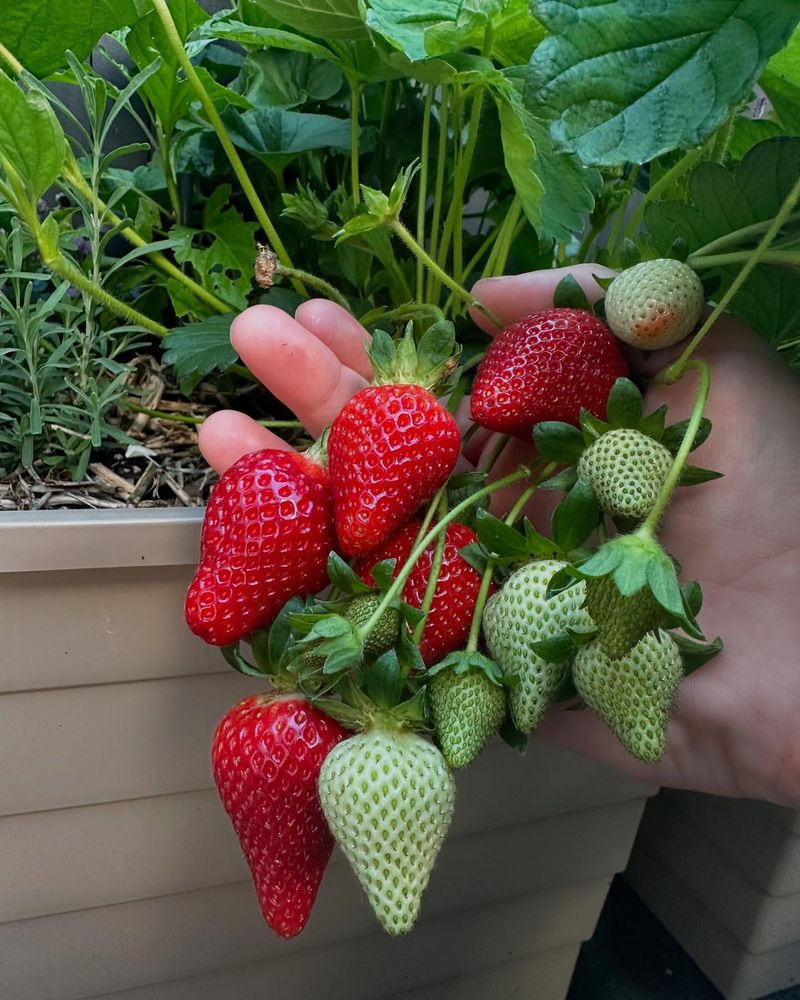
Sweet, juicy strawberries rank among the most rewarding crops you can grow in a North Carolina garden.
These perennial plants produce heavily when given proper care, but they need adequate calcium to develop firm, flavorful berries that resist rot and store well after picking.
Calcium deficiency in strawberries can lead to soft, mushy fruits that spoil quickly and lack that perfect strawberry sweetness.
Crushed eggshells provide an excellent calcium source for strawberry plants, supporting both fruit quality and overall plant health.
The slow release of nutrients from decomposing shells matches the long-term nature of strawberry beds, which typically produce for several years before needing renovation.
This makes eggshells a smart choice for building soil calcium levels that will benefit multiple harvests.
When establishing a new strawberry bed, work crushed eggshells into the soil before planting, using about one cup per square foot. For established beds, sprinkle crushed shells around plants in early spring before flowering begins, using about half a cup per plant.
The shells will break down gradually and release calcium right when developing berries need it most.
Calcium strengthens cell walls in strawberry fruits, making them firmer and more resistant to the molds and rots that can ruin harvests. Firmer berries also handle picking and storage better, staying fresh longer after you bring them inside.
Beyond fruit quality, calcium helps strawberry plants develop strong runners and daughter plants, which is important if you want to expand your strawberry patch or renovate an aging bed.
The trace minerals in eggshells also support robust root systems that help plants survive North Carolina winters and bounce back vigorously each spring.