10 Plants That Turn California Gardens Into Bird Sanctuaries
It often starts with one bird, then suddenly your garden feels alive with movement and sound.
Across California, more gardeners are noticing that the right plants can turn a quiet yard into a space birds return to again and again.
From foggy coastal areas to dry inland valleys, these landscapes can provide food, shelter, and nesting spots when planted thoughtfully.
As natural habitats continue to shift, gardens play a bigger role in supporting local birdlife.
By choosing plants that offer berries, seeds, and insect activity, even a small California yard can become a welcoming, active space for birds throughout the seasons.
1. Toyon Feeds Birds With Bright Winter Berries
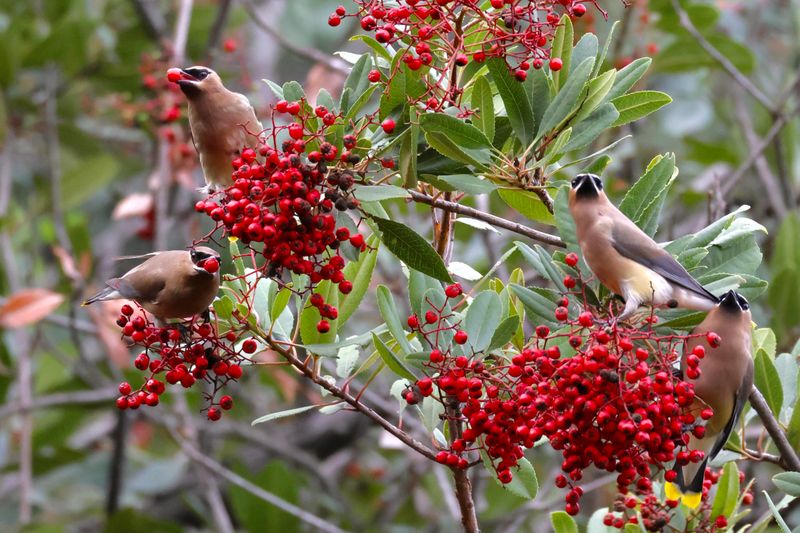
Walk past a Toyon shrub in December and you might notice it buzzing with activity – Cedar Waxwings and American Robins descend on its bright red berry clusters like they have been waiting all year for this moment.
Toyon, sometimes called California holly, is one of the most rewarding native shrubs a gardener can plant when the goal is supporting winter wildlife.
The berries ripen right when other food sources in California gardens become scarce, making Toyon a critical resource during colder months. Birds strip the clusters quickly, so planting more than one shrub gives a longer window of feeding activity.
Mockingbirds and thrushes also visit regularly, adding variety to what you will see from a kitchen window on a chilly morning.
Toyon grows well across much of California, handling full sun and tolerating drought once established. It can reach 6 to 10 feet tall and works well as a natural screen or backdrop in larger garden spaces.
Give it good drainage and minimal summer water, and it rewards you season after season with glossy leaves and those iconic winter berries that keep local birds well-fed when they need it most.
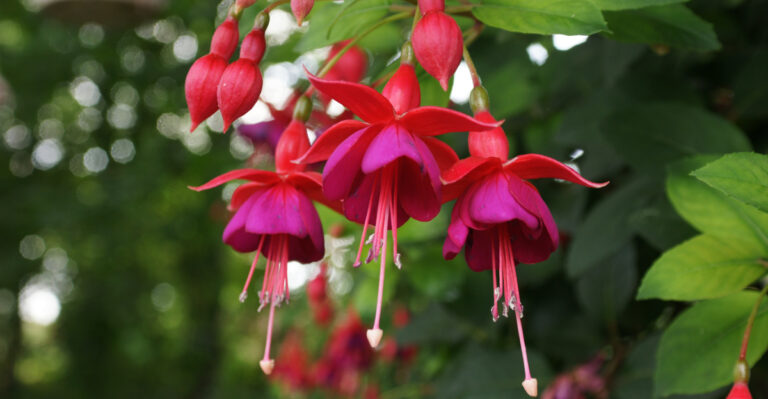
2. California Fuchsia Brings In Hummingbirds Late In The Season
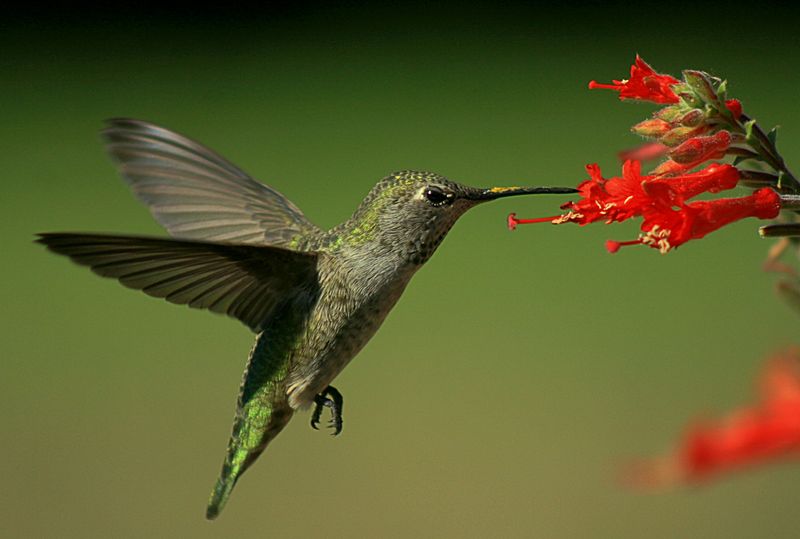
By late August, most flowering plants in California gardens are winding down, but California Fuchsia is just getting started.
Its vivid red-orange tubular flowers blaze through fall, offering one of the last reliable nectar sources of the year for hummingbirds across the state.
Anna’s Hummingbirds, which stay in California year-round, depend heavily on late-season bloomers like this one. Rufous Hummingbirds migrating south also stop to fuel up on the nectar-rich blooms.
Watching a hummingbird hover in front of those bright flowers, wings a blur, is one of the most satisfying moments a California gardener can experience.
California Fuchsia thrives in full sun and handles dry summers with ease once its roots are established. It spreads low along the ground, making it a solid choice for slopes, garden edges, or bare areas that need low-maintenance color.
Trim it back in late winter to encourage fresh growth and even more blooms the following season.
Gardeners in coastal and inland California alike find this plant easy to grow and extremely effective at drawing hummingbirds right up until the first cool nights of November arrive.
3. Coffeeberry Provides Food And Dense Shelter For Birds
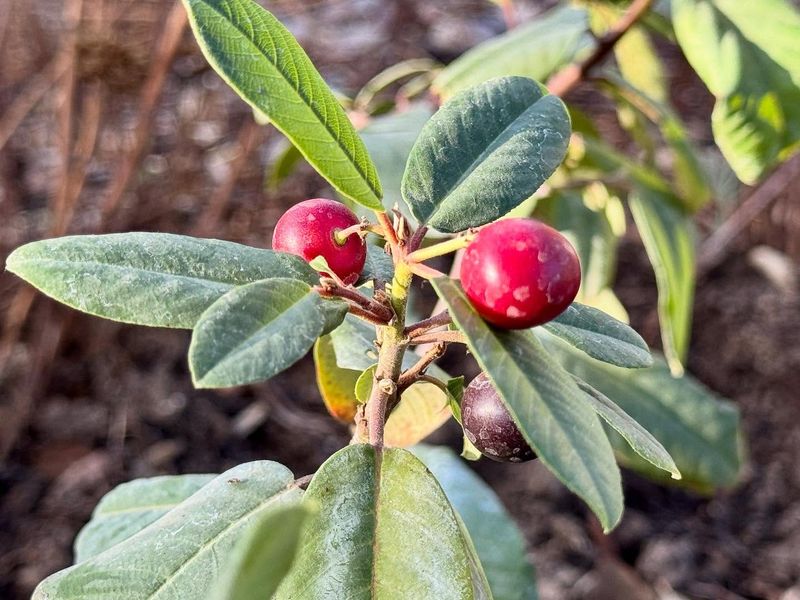
Few native shrubs offer birds as much as Coffeeberry does in a single package.
Its berries ripen at different rates throughout the season, shifting from green to red to deep black, which means birds have access to food over a longer stretch of time rather than just one brief window.
Thrushes, towhees, and mockingbirds are frequent visitors, drawn both by the fruit and by the dense foliage that offers excellent cover.
In California gardens where predators like cats or hawks are a concern, thick-growing shrubs like Coffeeberry give smaller birds a safe place to retreat and rest between feeding sessions.
Coffeeberry adapts well to a range of California conditions, growing in full sun or partial shade and handling drought once established. It tends to reach 5 to 8 feet in height, making it a useful mid-size addition to mixed native plantings.
Gardeners can use it along fences, property edges, or as part of a layered habitat planting with taller trees behind and low groundcovers in front.
The year-round evergreen foliage also means birds have shelter even in the quiet winter months when other plants have dropped their leaves.
4. Elderberry Produces Berries Birds Rely On
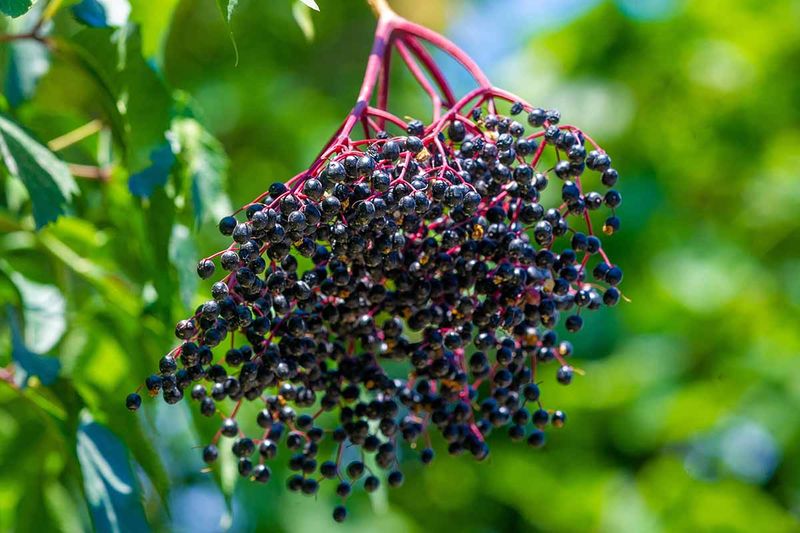
Summer in a California garden feels different when an elderberry shrub is loaded with fruit.
The blue-black berry clusters of Blue Elderberry attract an impressive list of visitors, including Western Bluebirds, American Robins, Band-tailed Pigeons, and finches that arrive in small flocks and work through the clusters with enthusiasm.
Elderberry is one of those plants that pulls double duty for birds. In spring, the creamy white flower clusters attract hummingbirds seeking nectar, and by midsummer, the berries take over as the main attraction.
Insects also gather around elderberry flowers, giving insect-eating birds like warblers and flycatchers another reason to spend time in the garden.
Blue Elderberry grows vigorously in many parts of California, especially where it gets a bit more moisture. It can reach 10 to 15 feet and spreads into a large, multi-stemmed shrub over time.
Gardeners in wetter microclimates or near seasonal drainage areas often find it thrives with minimal care. In drier spots, occasional deep watering through the first couple of summers helps it establish.
Once settled in, elderberry becomes one of the most productive bird-supporting plants in any California habitat garden, season after season.
5. Manzanita Offers Food And Year Round Cover
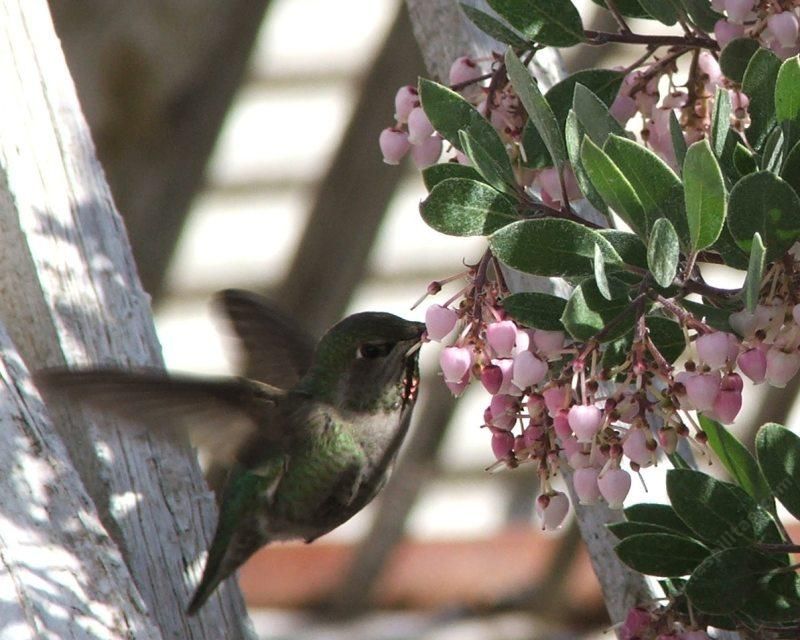
There is something striking about a manzanita in full bloom on a January morning in California.
The small, urn-shaped pink flowers open during the coolest months of the year, giving hummingbirds one of their earliest nectar sources before most other plants have even started to wake up from winter dormancy.
Beyond the early blooms, manzanita offers birds a lot more. The round berries that follow attract thrushes, robins, and waxwings.
The dense, twisting branches create excellent shelter and potential nesting spots for smaller species like wrens and sparrows. Scrub-Jays, which are common across California, often use manzanita thickets for foraging and cover throughout the year.
Manzanita comes in dozens of California native varieties, ranging from low groundcover forms to tall multi-stemmed shrubs, so there is a size that suits almost any garden situation.
Most varieties prefer full sun, excellent drainage, and very little summer water once established.
This makes them particularly well-suited for dry inland gardens and hillside plantings across California. Their year-round evergreen structure means birds always have a reliable place to perch, hide, and feed, regardless of the season or how hot the summer gets.
6. California Lilac Supports Insects Birds Feed On
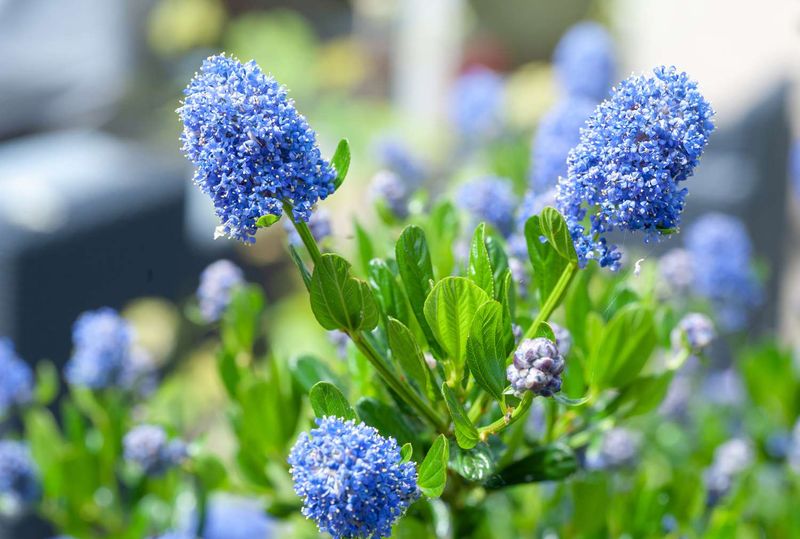
Not every plant supports birds by offering berries or seeds directly. California Lilac takes a different route, producing enormous quantities of tiny flowers that attract a wide range of native bees, beetles, and other insects.
Those insects, in turn, become high-protein food for birds raising chicks in spring and early summer.
Warblers, bushtits, and various sparrows actively forage through California Lilac branches during bloom season, picking off caterpillars and small insects hiding among the flower clusters.
The dense branching structure also provides excellent nesting cover, and some bird species use the twiggy growth as a building material for their nests.
California Lilac, known botanically as Ceanothus, includes many varieties suited to different parts of the state. Some stay low and spreading, while others grow into large shrubs several feet tall.
Most prefer full sun and well-drained soil, and nearly all are quite drought-tolerant once established, which makes them a natural fit for California’s dry summers.
Planting a few different varieties with staggered bloom times can extend the insect activity – and therefore the bird activity – across a longer stretch of spring.
Few plants reward a California wildlife gardener quite as generously during that busy nesting season.
7. Western Redbud Adds Color And Light Habitat Value
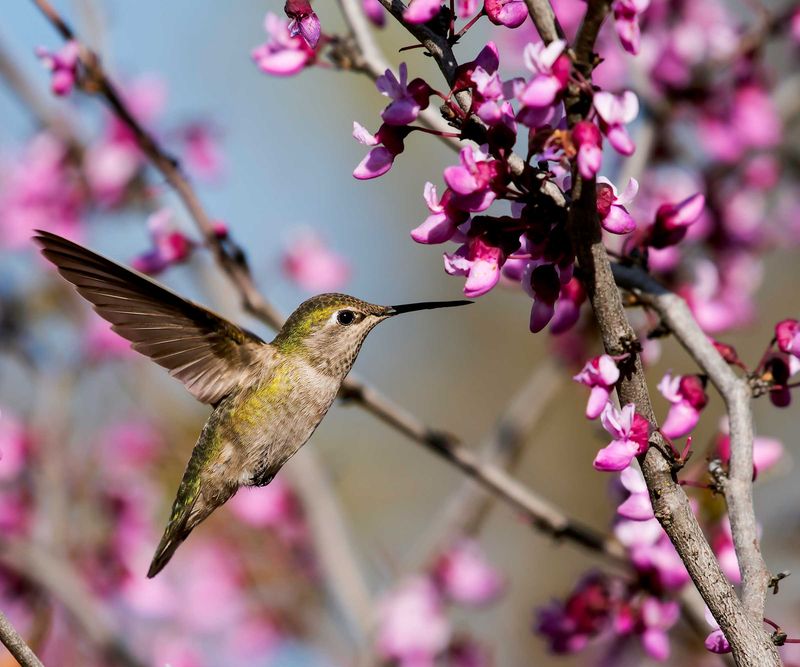
Few sights in a California garden stop people in their tracks quite like a Western Redbud in full spring bloom.
Before a single leaf appears, the bare branches erupt in clusters of vivid magenta-pink flowers, creating a display that draws both admiring gardeners and hungry hummingbirds at the same time.
Anna’s Hummingbirds visit the flowers frequently in late winter and early spring, taking advantage of an early nectar source when options are still limited. As the season progresses and the flowers give way to flat seed pods, other birds begin to take interest.
Finches and sparrows pick at the pods, and the canopy – once it leafs out – provides light shade and some shelter for smaller species moving through the garden.
Western Redbud grows naturally in foothill and inland areas of California, where it handles heat and seasonal drought well. It typically reaches 10 to 15 feet and works beautifully as a small ornamental tree or large multi-stemmed shrub near a patio or pathway.
It needs well-drained soil and performs best with full to partial sun.
While it offers moderate habitat value compared to some other natives, its early bloom time makes it a meaningful addition to any California garden focused on supporting birds through the year.
8. Coyote Brush Creates Dense Safe Cover For Birds
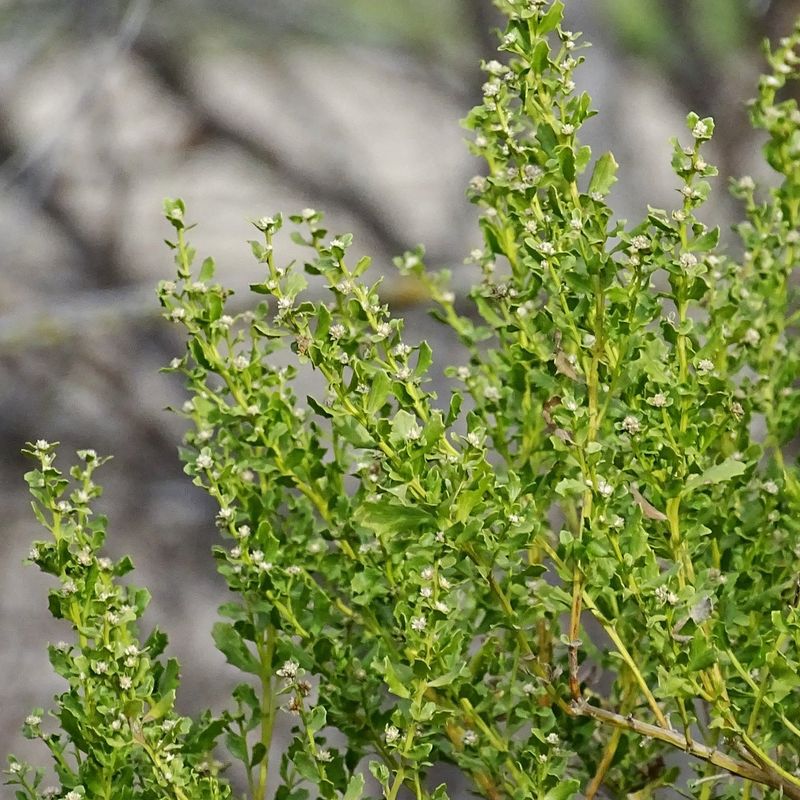
Ground-foraging birds in California have a way of gravitating toward the thickest, densest shrubs in any garden, and Coyote Brush is one of the best at providing exactly that kind of protective cover.
Song Sparrows, California Towhees, and wrens tuck themselves into its branches regularly, especially when a hawk circles overhead.
Coyote Brush blooms in fall and early winter, producing small white flower heads that attract a surprising variety of native insects.
Those insects draw insect-eating birds that might not otherwise spend much time in a garden focused mainly on seed and berry plants.
The shrub essentially extends the season of bird activity well into the cooler months when many other plants have finished flowering.
Across California, Coyote Brush is one of the most adaptable native shrubs available to gardeners. It grows in coastal areas, dry inland slopes, and everything in between, handling poor soils, full sun, and minimal summer water without complaint.
It can get quite large – sometimes 8 feet or more – so gardeners with smaller spaces may prefer the compact varieties that stay under 3 feet and spread as a groundcover.
Either way, Coyote Brush earns its place in a bird-friendly California garden by offering reliable shelter and a late-season insect buffet that keeps birds coming back.
9. Golden Currant Offers Berries And Insect Food Sources
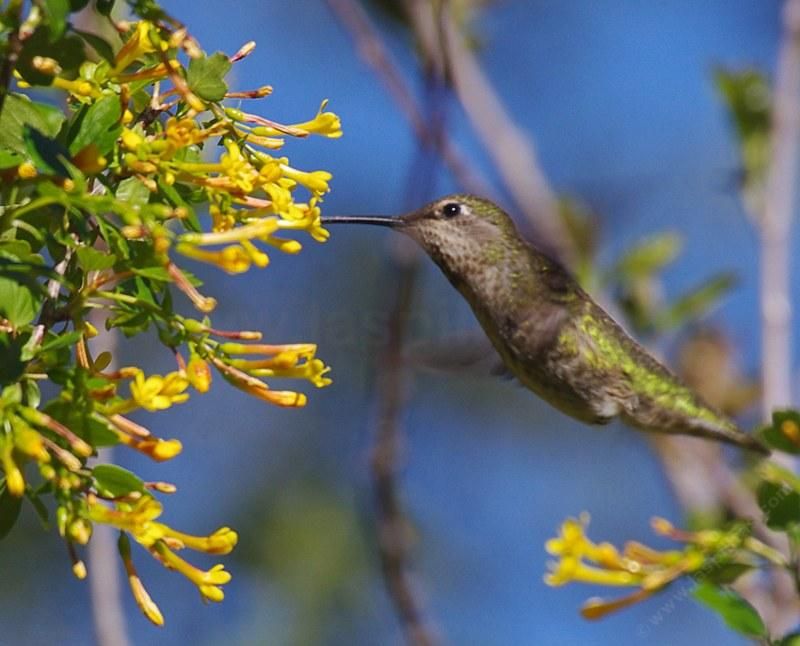
Early spring in a California garden can feel quiet for birds, but Golden Currant has a way of changing that.
Its bright yellow flowers open before most other native shrubs have stirred, offering nectar to early-season hummingbirds and drawing in the first insects of the year, which in turn attract warblers and other small songbirds passing through.
As spring moves into early summer, the flowers give way to small berries that shift from red to golden as they ripen. Robins, thrushes, finches, and sparrows all visit to feed on the fruit.
The shrub’s relatively open structure means birds can move through it easily while foraging, making it a relaxed and accessible feeding spot in the garden.
Golden Currant grows in a range of California habitats, from foothill woodlands to riparian edges, and it adapts reasonably well to garden conditions with partial shade and occasional summer water.
It typically reaches 4 to 6 feet in height and works well in mixed native plantings alongside taller shrubs and trees.
Gardeners looking to layer their habitat planting will find Golden Currant fills a useful middle tier, bridging the gap between groundcovers and taller canopy plants while offering birds food across two distinct seasons in one compact shrub.
10. Sunflowers Provide Seeds Birds Love In Late Summer
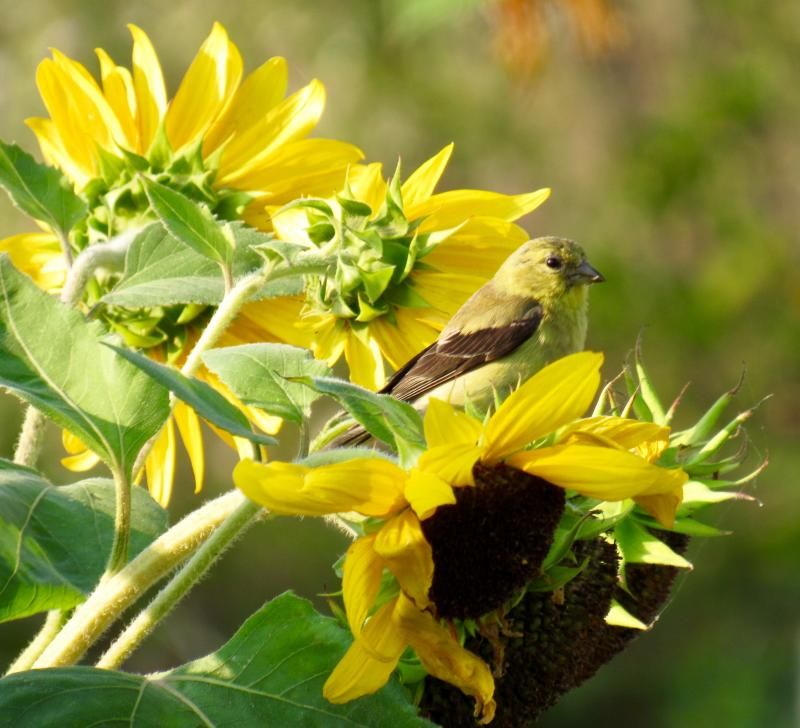
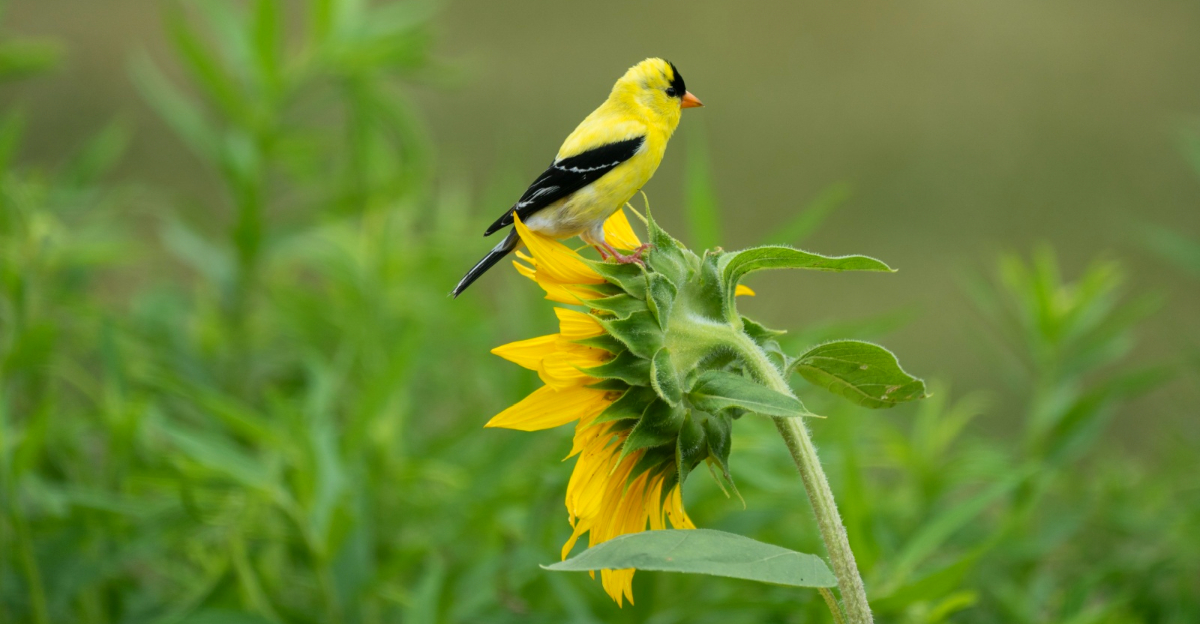
There is a particular kind of joy in watching a flock of goldfinches cling to a sunflower head in late August, picking out seeds with quick, precise movements while the rest of the garden bakes in the California summer heat.
Sunflowers are one of the most straightforward plants a gardener can add to support birds, and the results are almost immediate once the seed heads ripen.
American Goldfinches, Lesser Goldfinches, House Finches, and Dark-eyed Juncos are among the most frequent visitors to sunflower seed heads in California gardens.
Leaving the spent flowers standing rather than cutting them down at the end of the season makes a significant difference, turning each dried head into a natural bird feeder that lasts well into fall.
Both native sunflower varieties and garden cultivars work well, though native species like Helianthus annuus tend to produce smaller seeds that finches handle with ease.
Sunflowers grow quickly in full sun with moderate water and can reach impressive heights in a single season.
They fit well along fences, at the back of a border, or in any open sunny spot in a California garden. For gardeners just starting to attract birds, sunflowers offer a fast, rewarding, and genuinely satisfying entry point into wildlife-friendly planting.