9 Plants To Add To Your Central Ohio Garden This Month
In Central Ohio, March serves as the ultimate tease. One day brings sixty-degree sunshine.
The next requires a snow shovel. Successful Buckeye gardeners view this erratic weather as the green light for serious dirt work.
Most homeowners wait until May. Savvy growers recognize mid-March as prime time for establishing hardy roots.
Cool-season selections actually thrive in the chill. Frost-defying varieties handle the unpredictable temperatures with ease.
Early starters offer a rewarding result long before the summer heat arrives. Planting this month gives your landscape a massive head start.
Root systems settle in deep before the sweltering Ohio humidity takes over. Your garden can lead the neighborhood in color and production.
These selections handle exactly what a Columbus spring throws their way. Stop waiting for the official start of summer.
Reclaim your growing season right now!
1. Plant Cold Hardy Pansies For Instant March Color

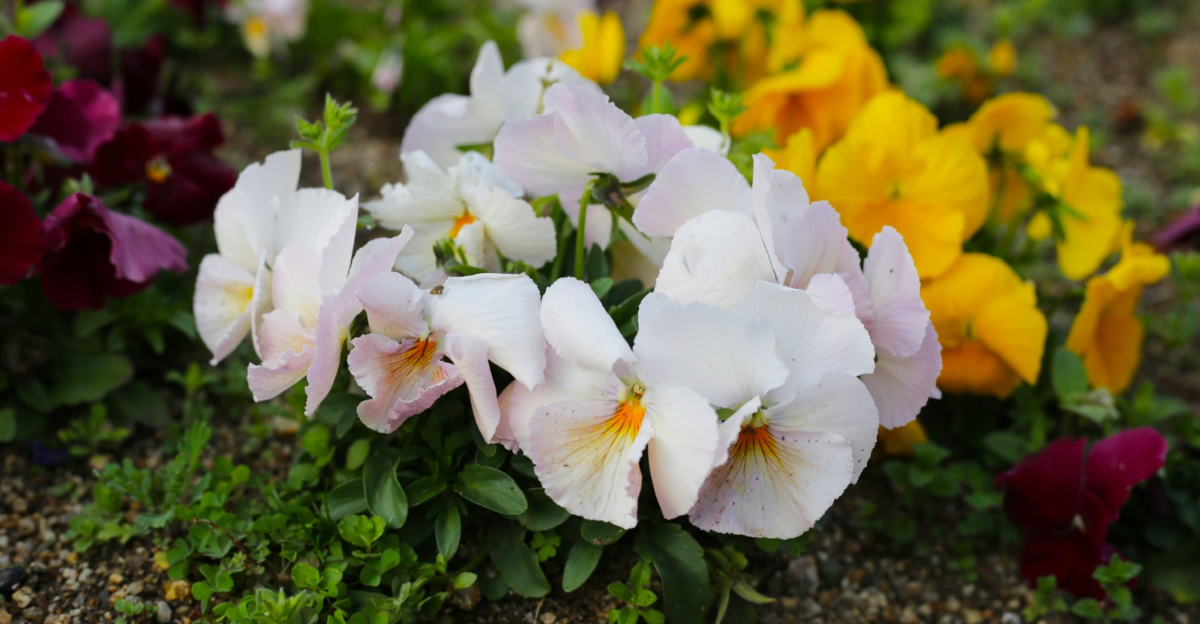
Few plants deliver the kind of cheerful payoff that pansies do in early March, when most of Central Ohio still looks gray and bare. These compact flowers are genuinely frost-tolerant, capable of surviving temperatures down to around 20 degrees Fahrenheit once they are established, which makes them one of the most reliable choices for early season color in this region.
Garden centers in Columbus and surrounding areas typically stock pansies as early as late February, and getting them in the ground or into containers in early to mid-March gives them the cool temperatures they actually prefer. Pansies perform best when daytime highs stay between 40 and 60 degrees Fahrenheit, so planting now rather than waiting until April puts them in their sweet spot.
Choose a spot with full sun to partial shade and amend your soil with compost if it feels compacted after winter. Space transplants about 6 to 8 inches apart in borders, or pack them a little tighter in containers for a fuller look.
Deadhead spent blooms regularly to keep new flowers coming. As temperatures climb toward summer, pansies will slow down, but right now they are the hardest working plant in your March garden.
2. Set Out Snapdragons That Handle Chilly Nights
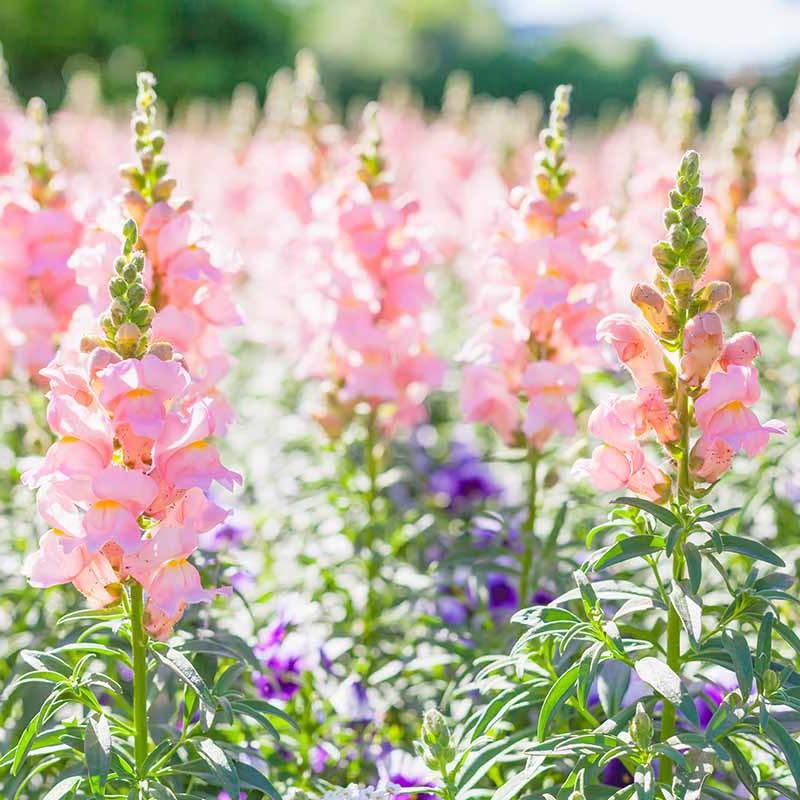
Snapdragons are one of those plants that actually perform better in cool weather than in the heat of summer, which makes them a smart addition to a Central Ohio garden right now. Most gardeners wait too long to put these out, planting them in May when warm temperatures are already on the way.
Getting transplants into the ground in mid to late March gives snapdragons the cool start they need to build strong root systems and produce an impressive flush of blooms before June arrives.
Established snapdragon transplants can handle light frosts, typically surviving temperatures in the upper twenties without serious damage. If a hard freeze is predicted, a lightweight frost cloth draped over the plants overnight offers enough protection to keep them going.
Plant in full sun for the best bloom production, and choose a location with well-drained soil since snapdragons do not like sitting in wet ground.
Space transplants about 6 to 12 inches apart depending on the variety. Taller types may need light staking as they grow.
Pinching the center stem on young transplants encourages branching and more blooms overall. By the time summer heat sets in, you will have enjoyed weeks of color that most gardeners who wait until May simply miss out on.
3. Sow Spinach Directly Into Central Ohio Soil
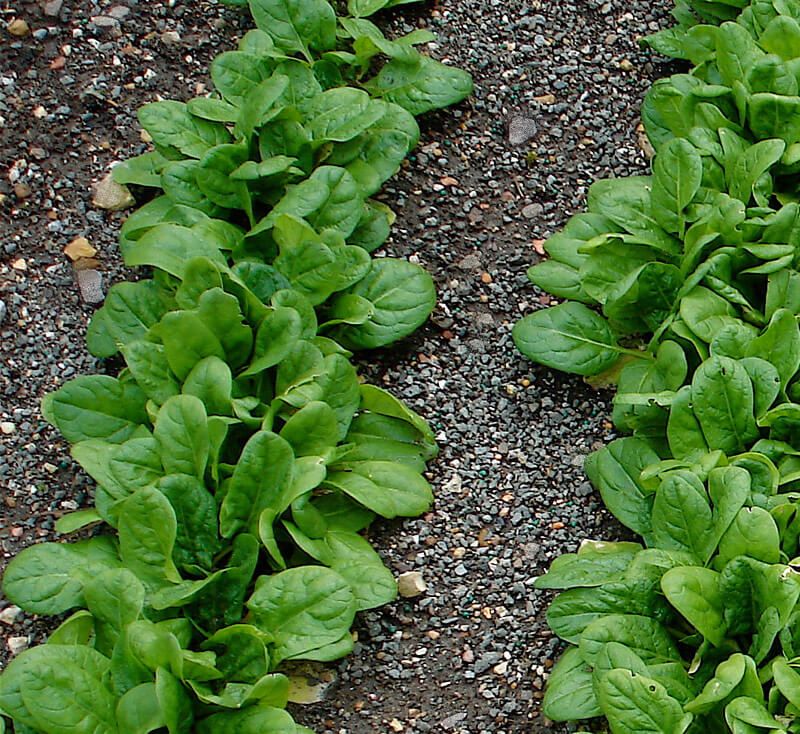
Spinach is one of the earliest direct-sow vegetables Central Ohio gardeners can get into the ground, and March is exactly the right time to start. Seeds will germinate once soil temperatures reach around 35 to 40 degrees Fahrenheit, which is achievable in Central Ohio as early as mid-March in most years.
The plants themselves are remarkably cold-tolerant and can survive light frosts without any special protection.
Sow seeds about half an inch deep in rows spaced 12 inches apart, and thin seedlings to about 3 to 6 inches apart once they reach a couple of inches tall. Spinach prefers loose, well-drained soil with plenty of organic matter worked in.
If your garden bed has been compacted over winter, take a few minutes to loosen the top few inches and mix in some compost before seeding.
One of the biggest advantages of planting spinach this early is the harvest window. Leaves are typically ready to pick in 40 to 50 days from seeding, which means you could be harvesting fresh spinach by late April or early May.
As daytime temperatures consistently push above 75 degrees Fahrenheit, spinach will bolt and turn bitter, so early sowing is the key to getting the most out of this productive cool-season crop in Central Ohio.
4. Tuck In Peas As Soon As The Ground Is Workable
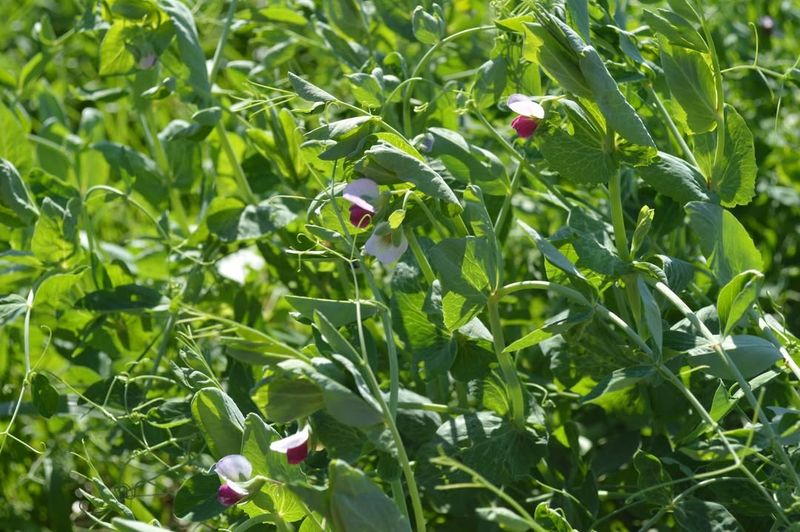
There is an old gardening rule that says peas should go in the ground on St. Patrick’s Day, and in Central Ohio that timing is actually pretty solid advice. Peas are one of the most cold-tolerant vegetables you can grow, capable of germinating in soil temperatures as low as 40 degrees Fahrenheit and shrugging off light frosts once the seedlings emerge.
Waiting until the soil feels warm enough for tomatoes means missing the entire window for a successful pea harvest.
Sow seeds about 1 inch deep and 2 to 3 inches apart in rows, and plan your spacing around whatever trellis or support structure you will use. Even bush-type peas benefit from some kind of support to keep pods off the ground and improve air circulation.
Tall climbing varieties need at least 4 to 6 feet of vertical space, so set up your trellis before you sow to avoid disturbing young roots later.
Peas fix nitrogen in the soil with the help of beneficial bacteria, so they do not need heavy fertilizing. A light application of balanced granular fertilizer at planting is plenty.
Harvest pods regularly once they fill out to encourage more production. Peas stop producing as summer heat builds, so the earlier you get them in the ground here in Central Ohio, the longer and more rewarding your harvest will be.
5. Grow Lettuce For Fast Early Harvests
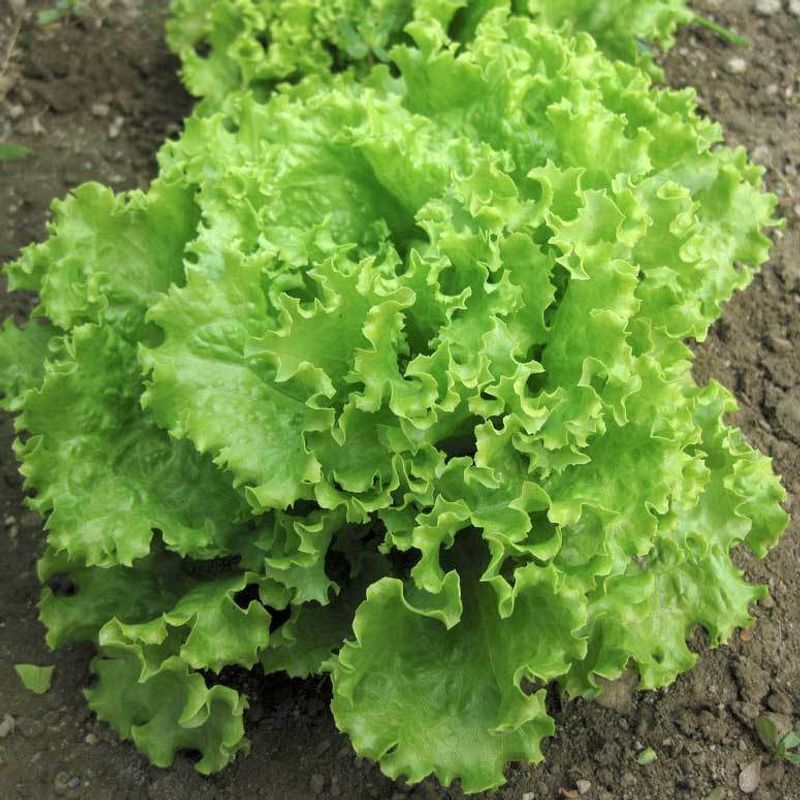
Lettuce is one of the fastest-growing vegetables you can add to a Central Ohio garden in March, and it rewards early planting with harvests that come weeks before summer crops are even in the ground. Seeds can be started indoors in late February and transplanted out in mid-March, or you can direct sow into the garden as soon as the soil can be worked.
Either approach works well, and combining both gives you a staggered harvest that stretches the season.
Succession planting is the real secret to keeping lettuce on your table for as long as possible. Sow a short row or small patch every two to three weeks rather than planting everything at once.
That way, as one batch starts to bolt in warming temperatures, the next round is just hitting its stride. Loose-leaf varieties like Black Seeded Simpson or Red Sails tend to be more bolt-resistant than head types, making them smart choices for Central Ohio springs.
Lettuce prefers cool, moist soil and partial shade as temperatures climb into May. Planting near taller crops or structures that provide afternoon shade can buy you extra weeks before bolting becomes a problem.
Space transplants about 8 inches apart, or thin direct-sown seedlings to similar spacing. Keep soil consistently moist but not waterlogged for the crispest, most flavorful leaves.
6. Add Kale That Thrives In Cool Temperatures
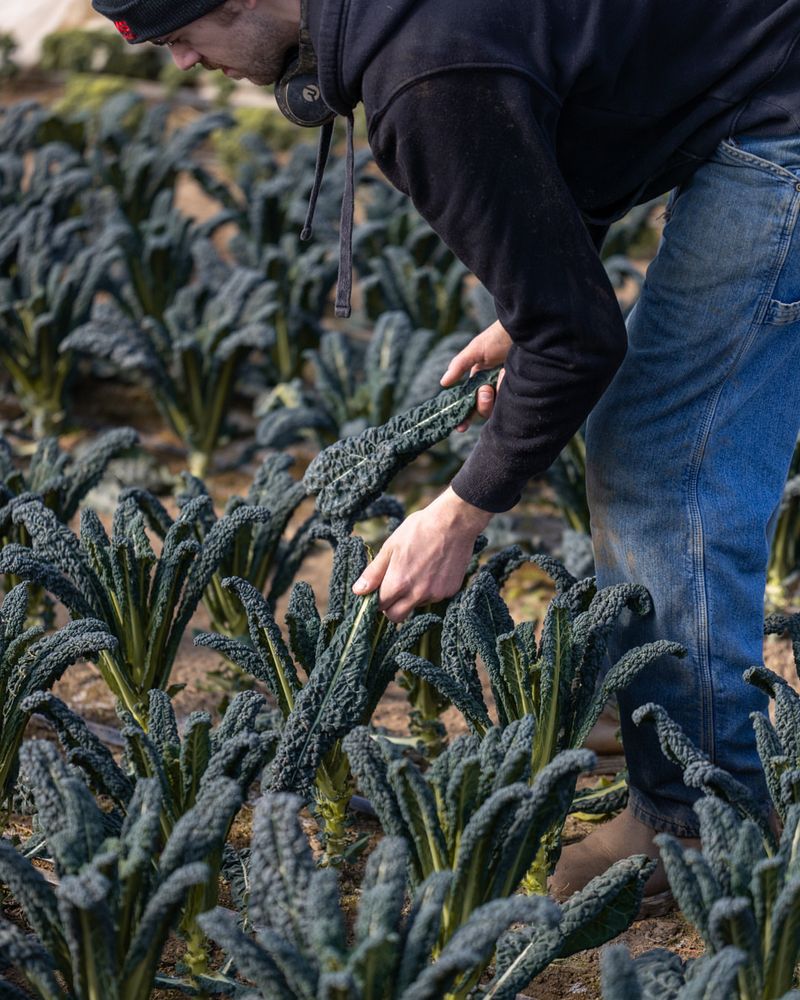
Kale has a reputation for being tough, and in Central Ohio that reputation is fully earned. This leafy green can handle temperatures well below freezing and actually improves in flavor after exposure to frost.
A light freeze triggers the plant to convert some of its starches into sugars, producing leaves that taste noticeably sweeter and less bitter than those grown in warm conditions. Planting kale in March puts it right in the conditions it loves most.
Transplants can go into the garden in mid-March in most Central Ohio locations, especially if they were hardened off properly before being moved outdoors. Direct seeding is also possible once soil temperatures reach around 40 degrees Fahrenheit.
Space plants 18 to 24 inches apart to allow good air circulation, which helps prevent fungal issues as the season progresses. Kale grows well in full sun but tolerates partial shade without a dramatic drop in productivity.
Curly varieties like Winterbor and Redbor are popular choices for Central Ohio gardens, while Lacinato, sometimes called dinosaur kale, offers a flatter leaf with a slightly milder flavor. Start harvesting outer leaves once plants are established, leaving the center growth intact to keep production going.
With consistent moisture and a light side-dressing of fertilizer in April, kale can keep producing well into summer and even into the following fall season.
7. Plant Bare Root Strawberries Before Spring Rains
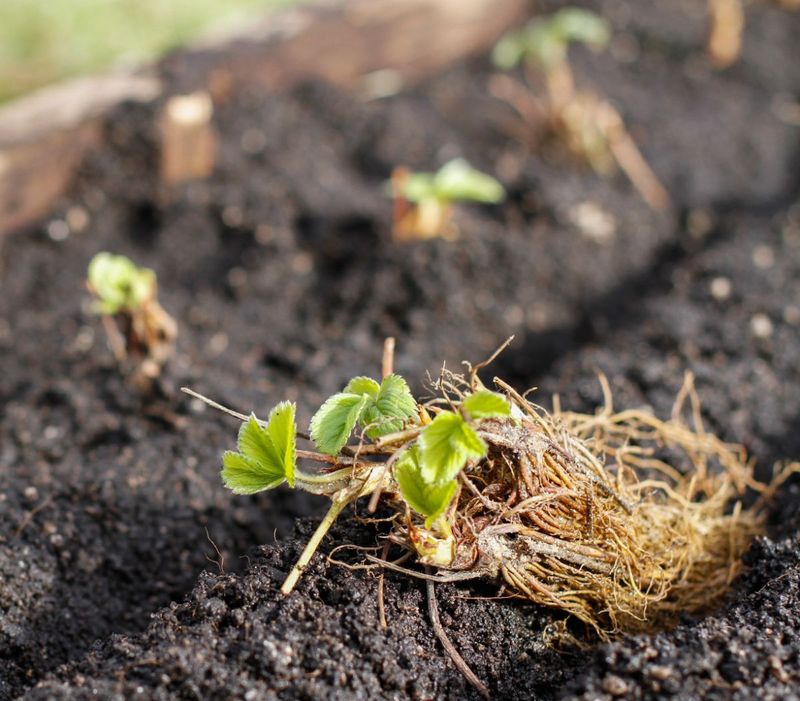
Bare root strawberries have a narrow planting window, and March is right in the middle of it for Central Ohio. These dormant plants need to go into the ground before they break dormancy and start actively growing, which means getting them in the soil in early to mid-March is ideal.
Many local nurseries and online suppliers ship bare root strawberries in late winter specifically for this reason.
Soil preparation matters more with strawberries than with most other plants. Work the bed thoroughly before planting, incorporating several inches of compost to improve drainage and fertility.
Strawberries do not tolerate standing water, so raised beds or slightly mounded rows are a smart choice in Central Ohio where spring rains can be heavy. Plant crowns with the roots spread downward and the crown itself right at soil level, neither buried nor sitting too high above the surface.
Space June-bearing varieties about 18 inches apart in rows 3 to 4 feet apart. Everbearing types can be spaced slightly closer.
Pinch off flowers during the first growing season to direct the plant’s energy into root development rather than fruit production. It feels counterintuitive, but skipping that first year’s harvest leads to significantly higher yields in the years that follow.
Well-established strawberry beds in Central Ohio can produce reliably for three to four years with proper care.
8. Divide And Replant Daylilies For Stronger Summer Blooms
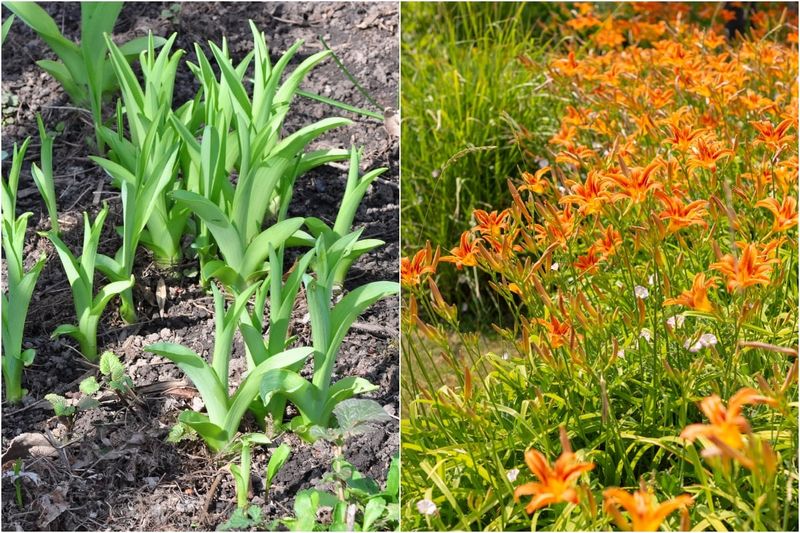
Early spring is the best time to divide daylilies, and March in Central Ohio offers a narrow but perfect window to get this job done before the plants put energy into new top growth. Daylily clumps that have been in place for three or more years often become crowded, producing fewer and smaller blooms as a result.
Dividing them now reinvigorates the plants and gives you extra divisions to fill other spots in the garden or share with neighbors.
Look for the first hints of new growth emerging from the soil, those small pointed shoots in green or reddish-purple that signal the plant is waking up. That is your cue to act.
Use a sharp spade or garden fork to lift the entire clump, then use two forks placed back to back to pry the clump apart into smaller sections. Each division should have at least three to five healthy fans of foliage and a good root mass attached.
Replant divisions at the same depth they were growing before, spacing them 18 to 24 inches apart to allow room for the clump to expand over the next few seasons. Water thoroughly after planting and keep the soil consistently moist for the first few weeks while roots reestablish.
Daylilies divided in March typically recover quickly and bloom reliably that same summer, often with noticeably more vigor than the crowded clump you started with.
9. Start Broccoli Early For A Head Start On The Season
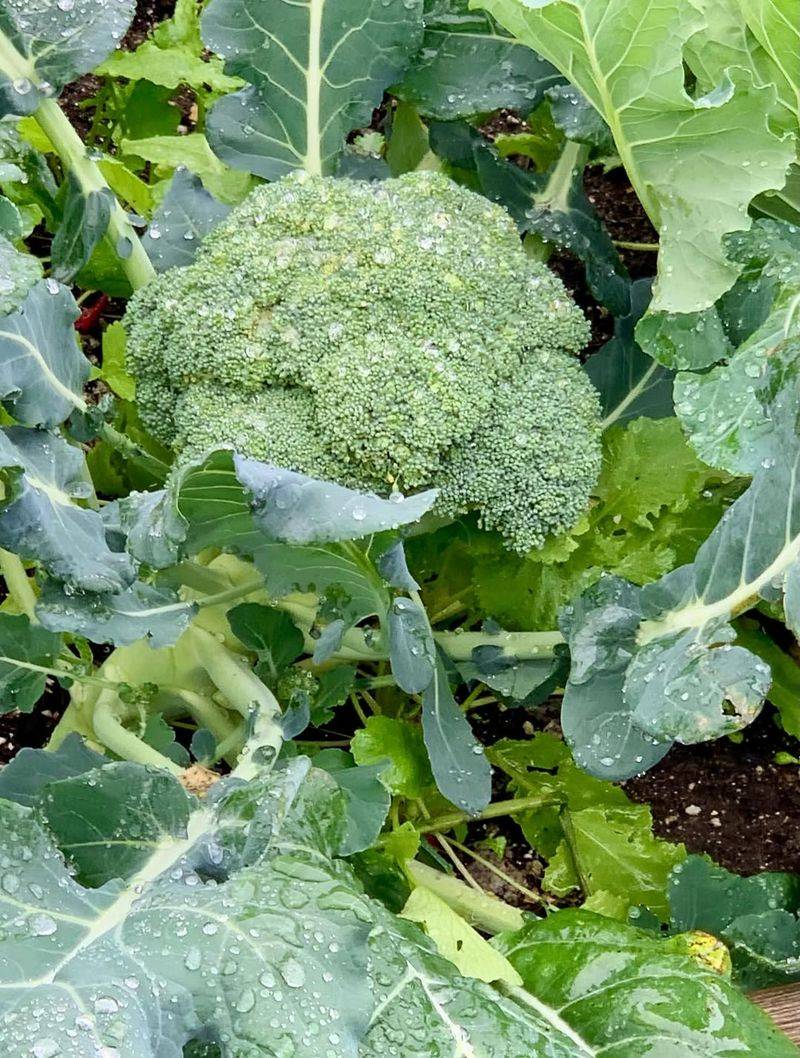
Broccoli is a cool-season crop that performs best when it matures before summer heat arrives, and that means getting transplants into Central Ohio gardens in mid to late March is a genuinely smart move. Starting seeds indoors about six to eight weeks before transplanting puts your start date in early February, but if you missed that window, many local garden centers carry transplants in March that are ready to go directly into the garden.
Established broccoli transplants can tolerate temperatures down into the upper twenties, making them a reasonable choice for March planting in Central Ohio. That said, a sudden hard freeze below 25 degrees Fahrenheit can damage young plants, so keep a layer of frost cloth or even an old bedsheet handy for nights when temperatures are predicted to drop sharply.
Space transplants 18 inches apart in rows 24 to 36 inches apart to allow each plant room to develop a full head.
Broccoli is a heavy feeder and benefits from a nitrogen-rich fertilizer applied a few weeks after transplanting. Full sun is essential for head development, so choose the sunniest spot available in your garden.
Harvest the central head before the tight buds begin to loosen and open into yellow flowers. After cutting the main head, side shoots will continue producing smaller florets for several additional weeks, extending your harvest well into May or even early June in Central Ohio.