12 Plants To Cover Before The First Frost
Your garden holds more nerve than you give it credit for, right up until the temperature drops without warning. A single rogue night can undo weeks of care in a matter of hours.
Some plants shrug off a chill like it’s nothing, while others buckle at the first sign of frost. Nobody warns you how fast that shift happens until you’re standing outside, staring at damage you can’t undo.
Every yard has its own vulnerable spots, tender stems and delicate leaves that wilt at the slightest drop. Waiting too long to notice means losing what took months to grow.
Most people assume they’ll notice in time, right up until the morning proves them wrong. By then the leaves have already gone soft, and there’s no undoing what already happened.
Few realize how simple the fix can be, if you catch it in time. Tonight might be the night it happens to you, and you’ll want to already know what to do.
1. Tomatoes Still Hanging On The Vine
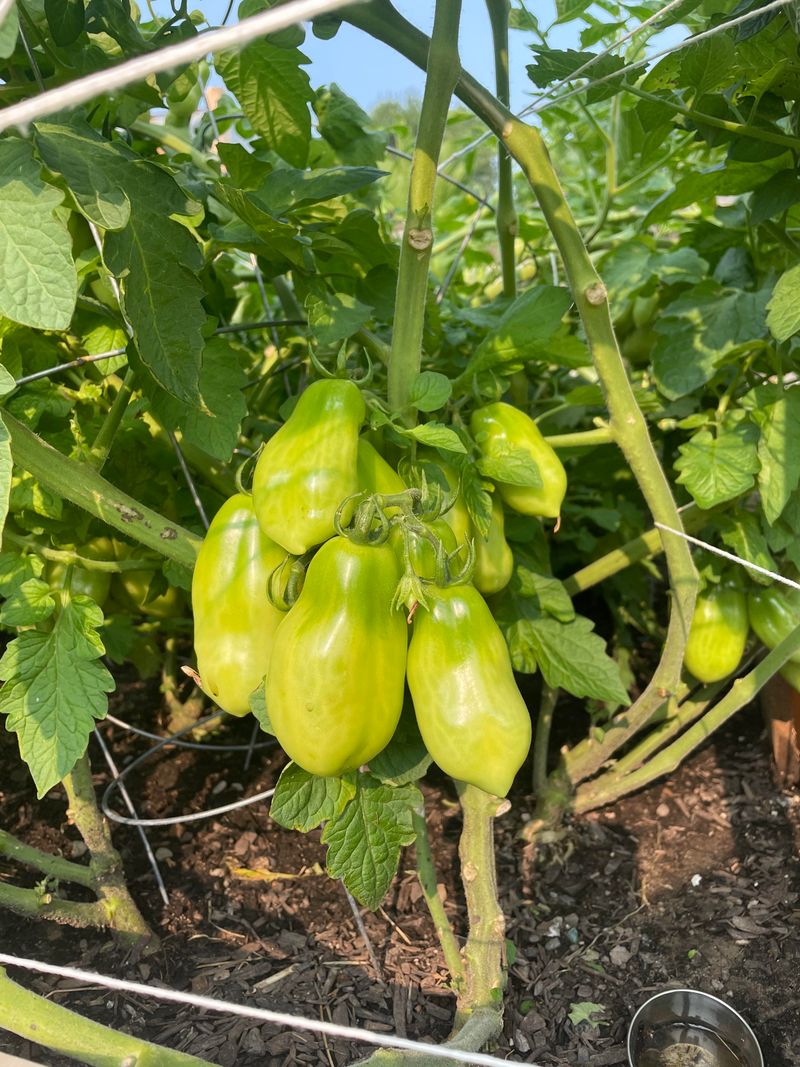
Nothing stings quite like losing a vine full of green fruit to one chilly night. Tomatoes start suffering once temperatures slip below 50 degrees, and a light freeze turns their leaves black.
Grab old bedsheets, burlap, or frost cloth before sunset on cold evenings. Drape the fabric so it reaches the ground, since warmth rises from the soil and gets trapped underneath.
Skip plastic sheeting if you can, because it touches leaves and transfers cold right through. If plastic is all you have, prop it up with stakes so it stays off the plant.
Tall cages make this job easier, since the sheet can rest on top like a tent. Use clothespins or rocks to hold the edges down when the wind picks up.
Pull the covers off each morning once the sun warms things up. Leaving them on all day can overheat the plants and invite mold.
A few nights of protection can buy you two or three extra weeks of harvest. That means more salsa and fewer sad, mushy vines.
Here is a bonus trick for September gardeners with lots of green fruit left. Pick the biggest ones and let them ripen indoors in a paper bag with a banana.
2. Peppers That Wilt In A Chill
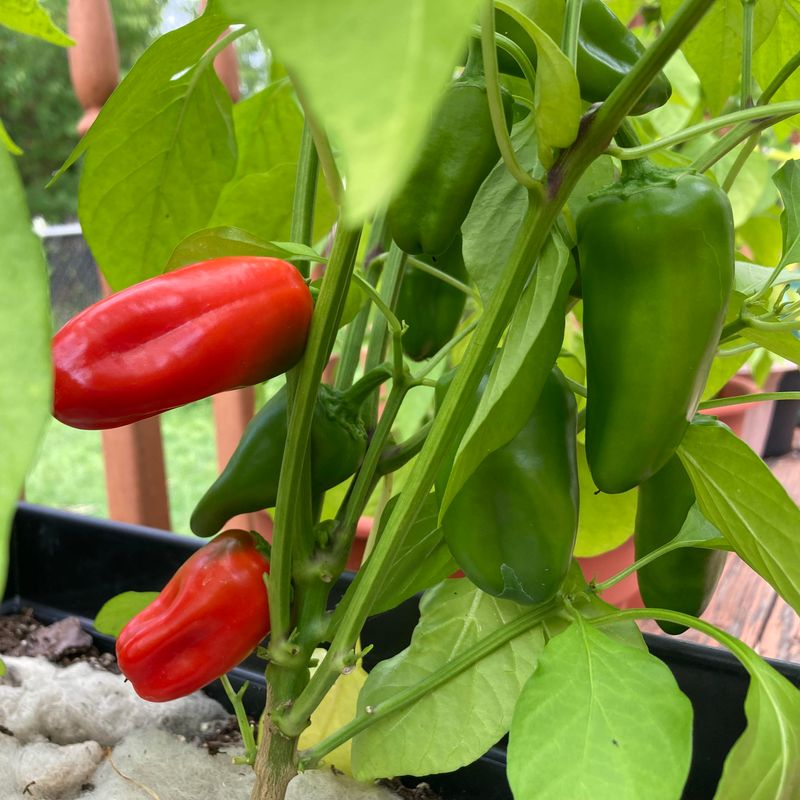
Peppers are among the least cold-tolerant plants in the vegetable patch. They pout at 55 degrees and can collapse overnight once a freeze rolls in.
Fun fact: peppers come from warm parts of Central and South America. Their family tree simply was not built for chilly autumn nights.
Row covers work wonders for pepper plants, especially lightweight fabric sold at garden centers. Hoop it over wire frames so the cloth floats above the leaves.
Smaller plants can hide under an upside-down bucket or a large cardboard box. Just remember to lift it off the next morning so they get sunlight.
Want extra warmth on a truly cold night? Water the soil during the afternoon, because moist ground holds heat better than dry dirt.
Peppers in containers have it easier, since you can roll them into a garage or shed. Bring them back out once daytime temperatures climb again.
Keep picking ripe peppers as the season winds down, too. Fewer fruits on the branch let the plant focus its energy on the ones still growing.
Many pepper varieties ripen to red, orange, or yellow during warm September afternoons. A little nighttime protection gives them time to finish that colorful show.
3. Basil Standing As The Most Cold-Sensitive Herb
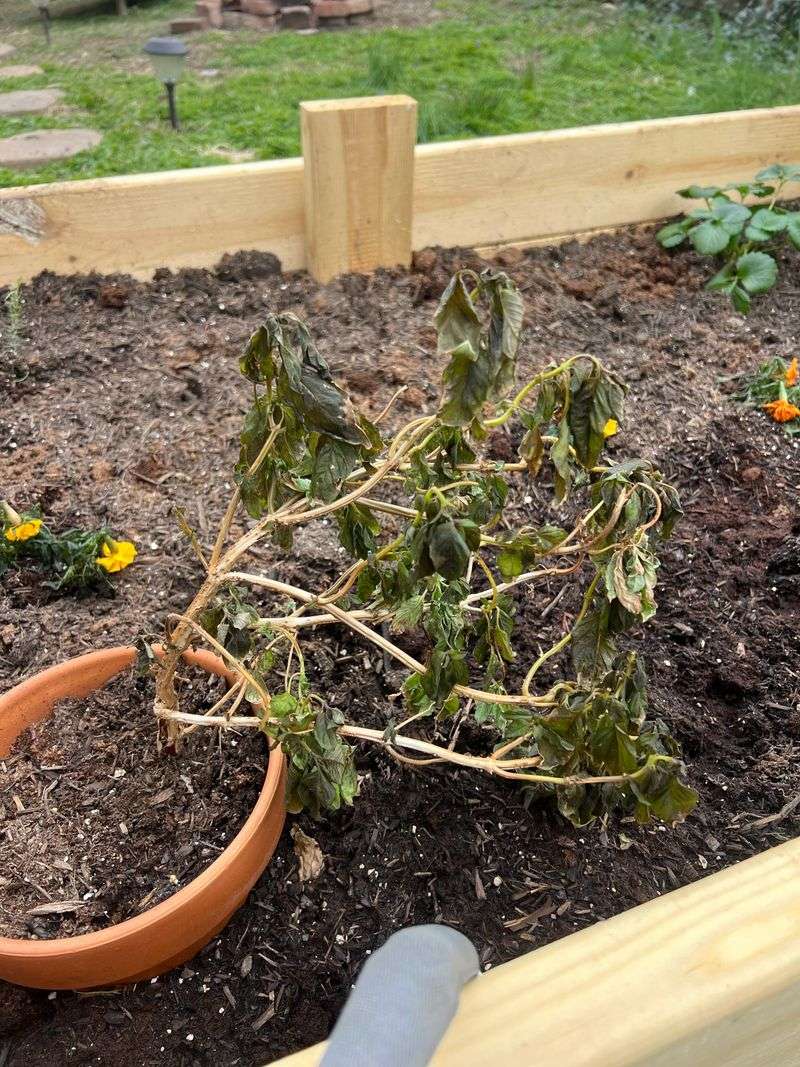
Think of basil as the friend who grabs a sweater the moment the sun dips. Even the low 40s can leave ugly black spots on its tender leaves.
Frost is not even required for damage, which surprises many new gardeners. A single chilly night can turn a lush plant limp and brown by breakfast.
Cover garden basil with a lightweight cloth or an overturned laundry basket lined with a towel. Pull the covering off once the morning air warms up.
Honestly, basil is usually better off harvested than babysat through a long, cold week. Snip the stems generously before temperatures drop and put that bounty to work.
Blend the leaves with olive oil and freeze the mixture in ice cube trays. Each cube adds summer flavor to soups and pasta sauce all winter.
You can also root a few cuttings in a glass of water on the windowsill. Within two weeks, white roots appear and you have fresh plants for indoors.
Potted basil can simply move inside to a bright, sunny window. Keep it away from cold drafts and heater vents so the leaves stay perky.
Watch the forecast closely in September. Basil gives you almost no warning, so acting a day early beats acting a day late.
4. Squash Plants With Fruit Left To Finish
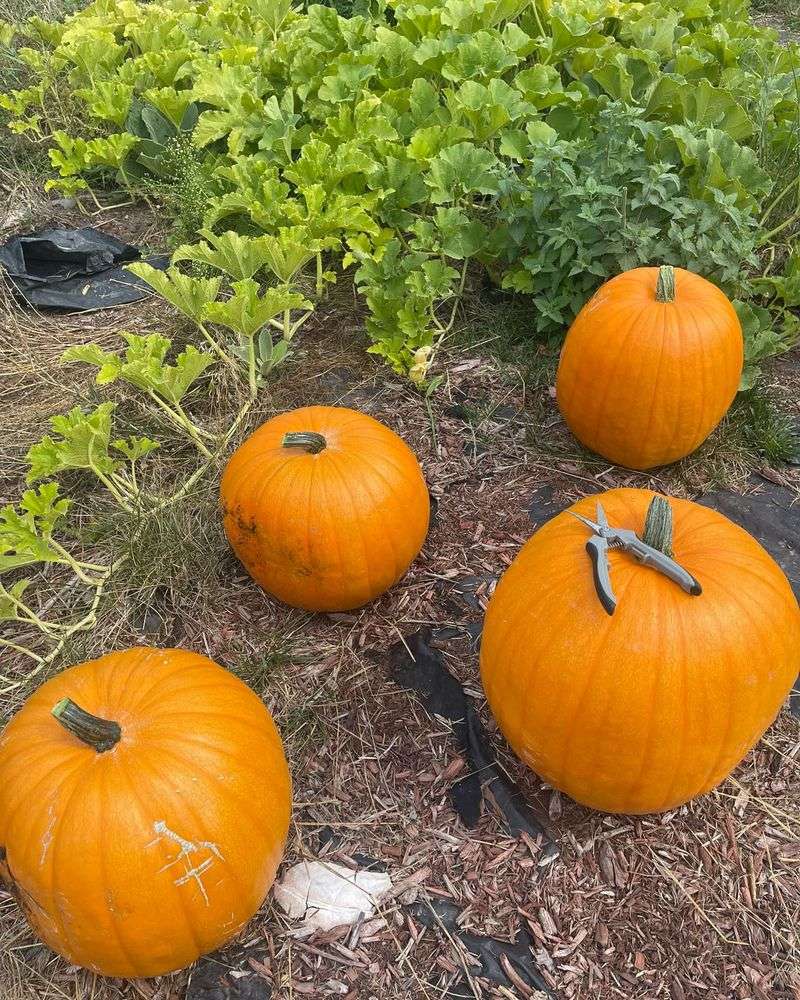
Anyone who has grown squash knows those giant leaves can shade half a yard. Sadly, those same leaves collapse like wet paper after just one freezing night.
Summer squash like zucchini is the most delicate, while winter squash is a bit tougher. Both types still need help when the forecast dips near 32 degrees.
Sprawling vines are tricky to cover, so focus on protecting the fruit first. Toss a thick blanket or a few layers of old towels over the biggest squash.
Straw also makes a cozy bed underneath, keeping the fruit off the cold, damp soil. It helps prevent rot while the squash finishes ripening.
Winter squash such as butternut and acorn are ready when the rind resists your fingernail. Ripe ones also sound hollow when you give them a knock.
Harvest them before a hard freeze, leaving two or three inches of stem attached. That little handle keeps germs from sneaking in and shortening storage life.
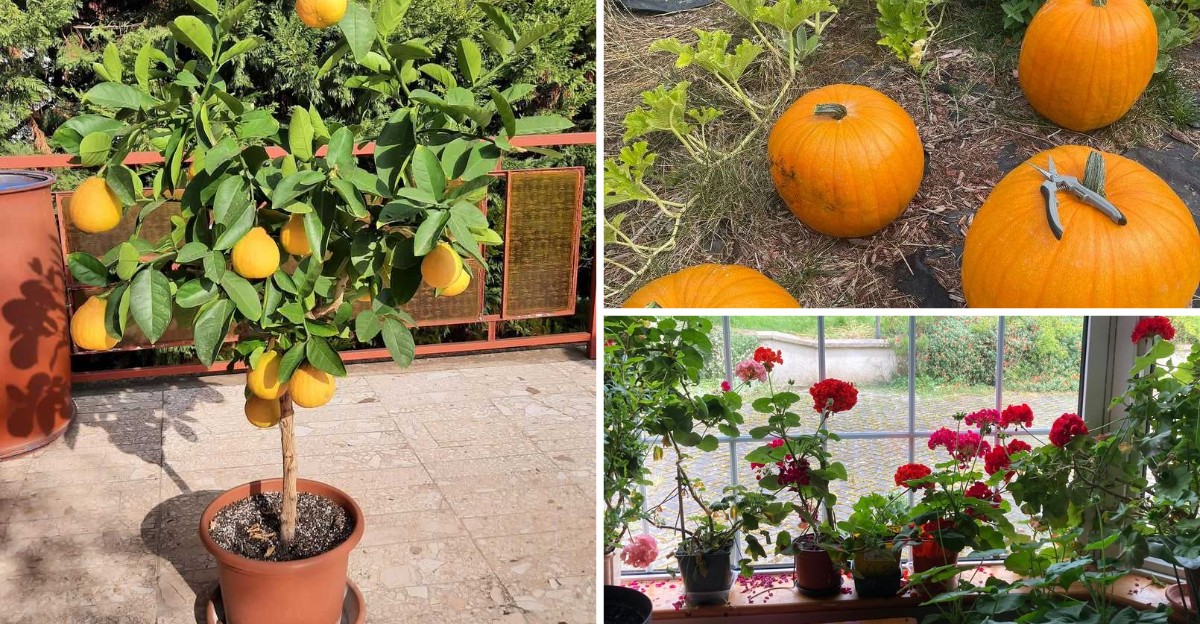
Pumpkins count as squash too, so give your jack-o-lantern hopefuls the same care. A warm blanket in late September could save your Halloween plans.
Before storing, let winter squash cure in a warm, sunny spot for about ten days. Cured squash can then last for months in a cool pantry.
5. Cucumbers Clinging To The Trellis
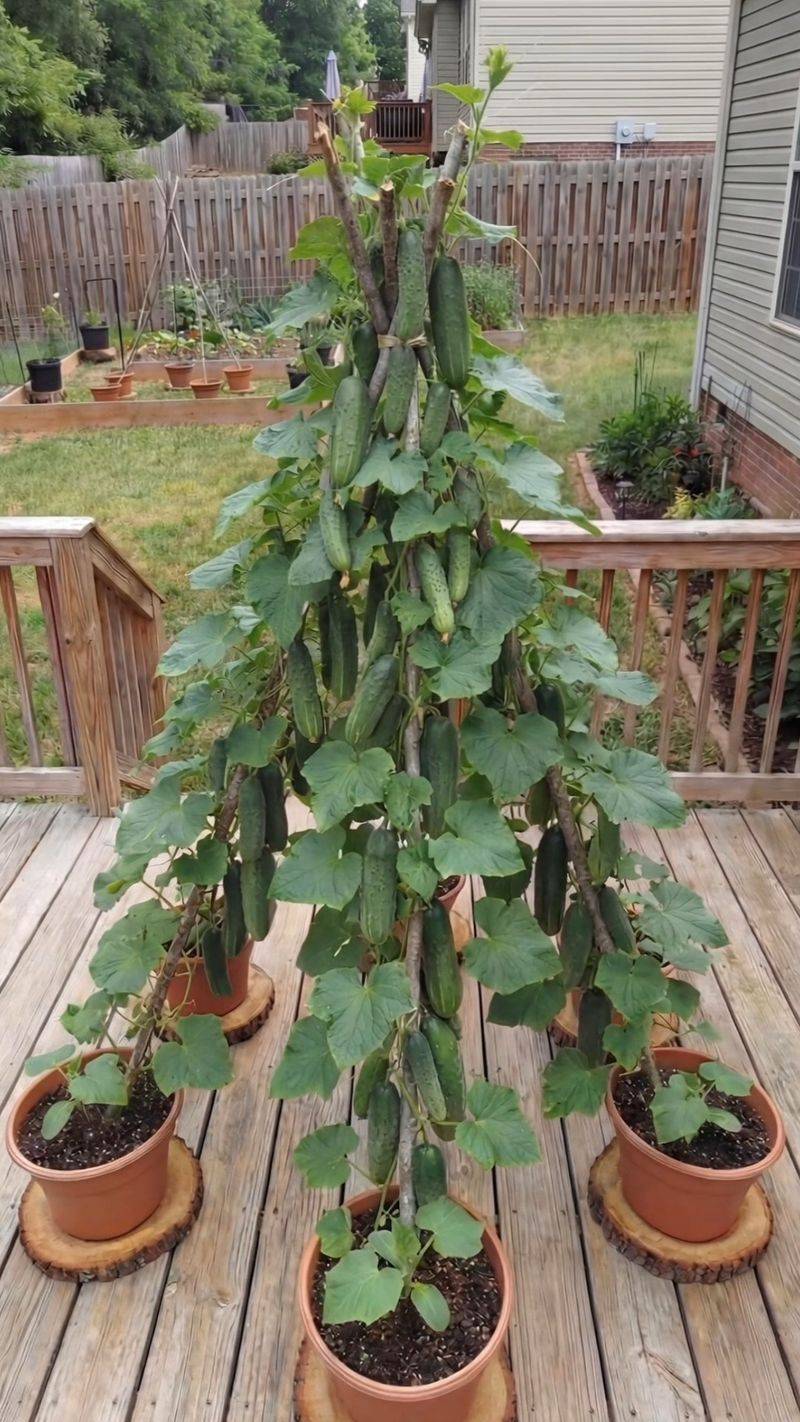
Ever bitten into a cucumber that tasted watery and strangely soft? Cold nights can cause that, even before any ice forms on the leaves.
Cucumbers are close cousins of melons and squash, and they share the same thin-skinned love of heat. Growth slows way down once nights fall below 50 degrees.
Plants on a trellis are actually easy to protect, since the frame works like a tent pole. Drape a sheet or row cover over the top and pin the sides.
Ground-sprawling vines do better under a low tunnel made from bent PVC pipe or wire hoops. Garden stores sell simple kits that snap together in minutes.
Pick every cucumber that is close to full size before a cold snap arrives. Small ones rarely grow much more in chilly weather anyway.
Got a big September haul? Quick refrigerator pickles take about ten minutes and use only vinegar, water, salt, sugar, and dill.
Store fresh cucumbers on the warmest shelf of your fridge, or even on the counter for a day or two. They actually dislike very cold storage.
Covering the vines for a few nights often buys another round of crunchy harvests. Warm afternoons in early fall can still push out plenty of fresh fruit.
6. Dahlias Blooming Their Hearts Out
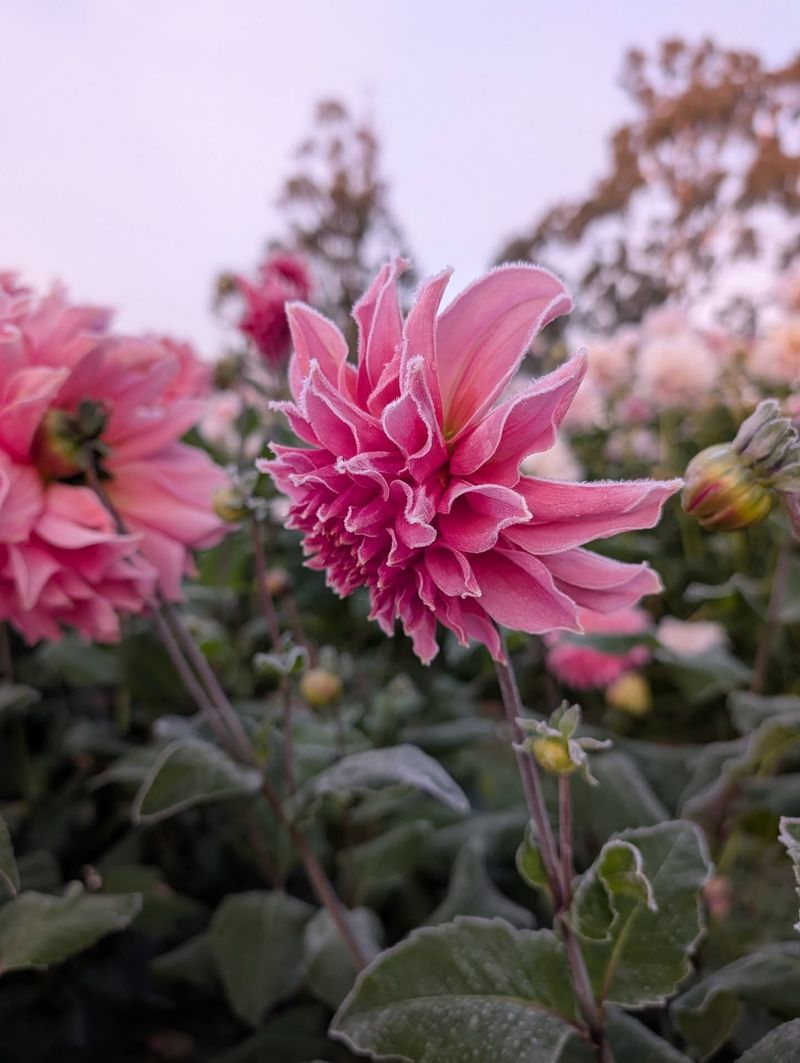
My grandmother grew dahlias the size of dinner plates along her fence every fall. She treated them like royalty, and for good reason.
September and October are peak bloom time, so an early cold night can steal the best part of the show. One light freeze turns petals and leaves mushy and brown.
Tall varieties can be tough to cover, so drape sheets over their stakes and clip them in place. Shorter types fit nicely under large buckets or cardboard boxes.
Before covering, snip a big bouquet for the kitchen table. Cut blooms last several days in a vase of fresh water.
Here is something many people miss about dahlias. The real treasure hides underground in lumpy tubers that look a bit like sweet potatoes.
Dahlias came from the mountains of Mexico, where they are the national flower. Their tubers cannot survive frozen ground in colder parts of the country.
Once a hard freeze blackens the foliage, dig up the tubers gently with a garden fork. Let them dry for a few days, then store them in peat moss or wood shavings.
A cool basement around 45 degrees works perfectly for winter storage. Come spring, you replant the same tubers and enjoy even more flowers.
7. Begonias With Waxy Leaves And Tender Stems
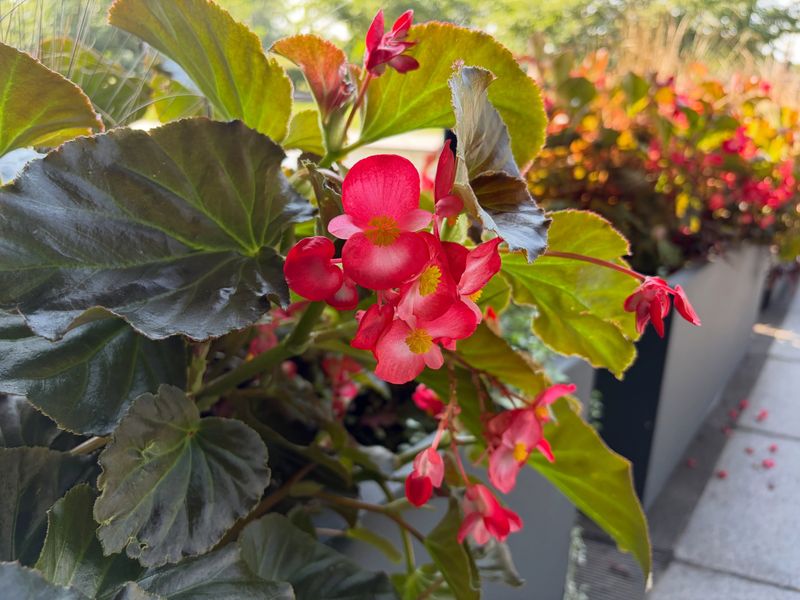
Waxy leaves and juicy stems make begonias look tough, but looks can fool you. Their stems are packed with water, and that water turns to ice fast.
Once frozen, those stems go limp and floppy within hours. Begonias start to struggle when temperatures reach the low 40s, well before true freezing.
Did you know begonias were named after Michel Begon, a French official who loved plants? Gardeners have been fussing over them since the late 1600s.
Bedding begonias in flower beds can be covered with frost cloth or an old tablecloth overnight. Weigh the corners down with bricks so breezes do not sneak underneath.
Hanging baskets and pots are even simpler to rescue. Carry them into a garage, porch, or entryway on nights below 45 degrees.
Many begonias make lovely houseplants over winter, especially rex and wax types. Give them bright, indirect light and let the soil dry slightly between waterings.
Tuberous begonias work a bit like dahlias, with a bulb-like tuber you can save. After the leaves yellow, dig or unpot the tuber and store it somewhere cool and dry.
Check for tiny pests before bringing any plant inside. A quick rinse with the garden hose keeps unwanted hitchhikers outdoors where they belong.
8. Impatiens Brightening The Shady Spots
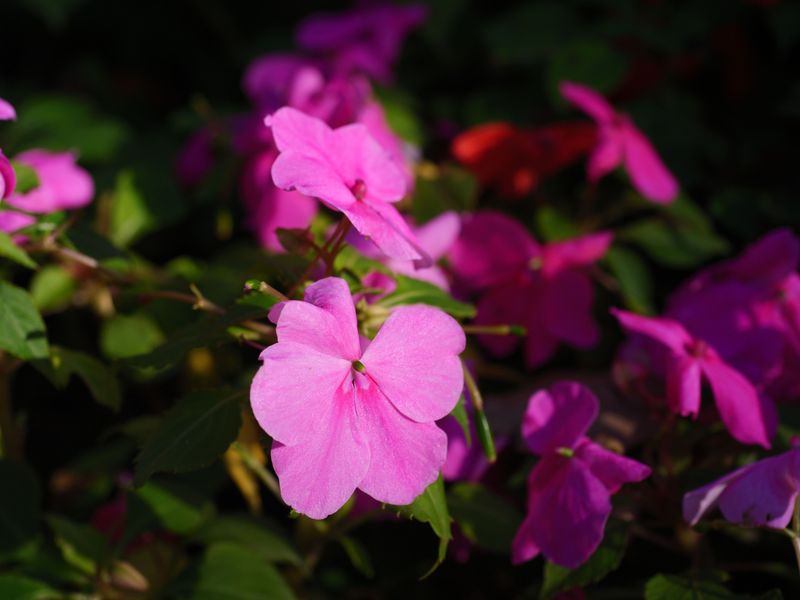
Shady corners would look pretty gloomy without impatiens and their candy-colored blooms. Sadly, these shade lovers melt into a slimy mess after even a light freeze.
The name comes from their impatient seed pods, which burst open at the slightest touch. Kids love popping them, and the seeds can fly several feet.
Impatiens hold lots of water in their stems, so cold hits them hard. Temperatures under 40 degrees can make leaves droop and flowers drop.
Low-growing beds are easy to protect with a single wide sheet or frost blanket. Tuck the edges into the soil or pile mulch along them to lock in warmth.
Window boxes and pots can scoot indoors for the night. A sunny kitchen or mudroom works fine as a temporary shelter.
Want to keep your favorite color going until spring? Snip four-inch cuttings, remove the lower leaves, and set them in water until roots form.
Pot the rooted cuttings in regular potting mix and keep them near a bright window. By May, you will have free plants ready for the garden.
New Guinea impatiens handle sun better but share the same fear of cold. Treat them with identical care whenever chilly nights show up in the forecast.
9. Coleus Shows Off Wild Painted Leaves
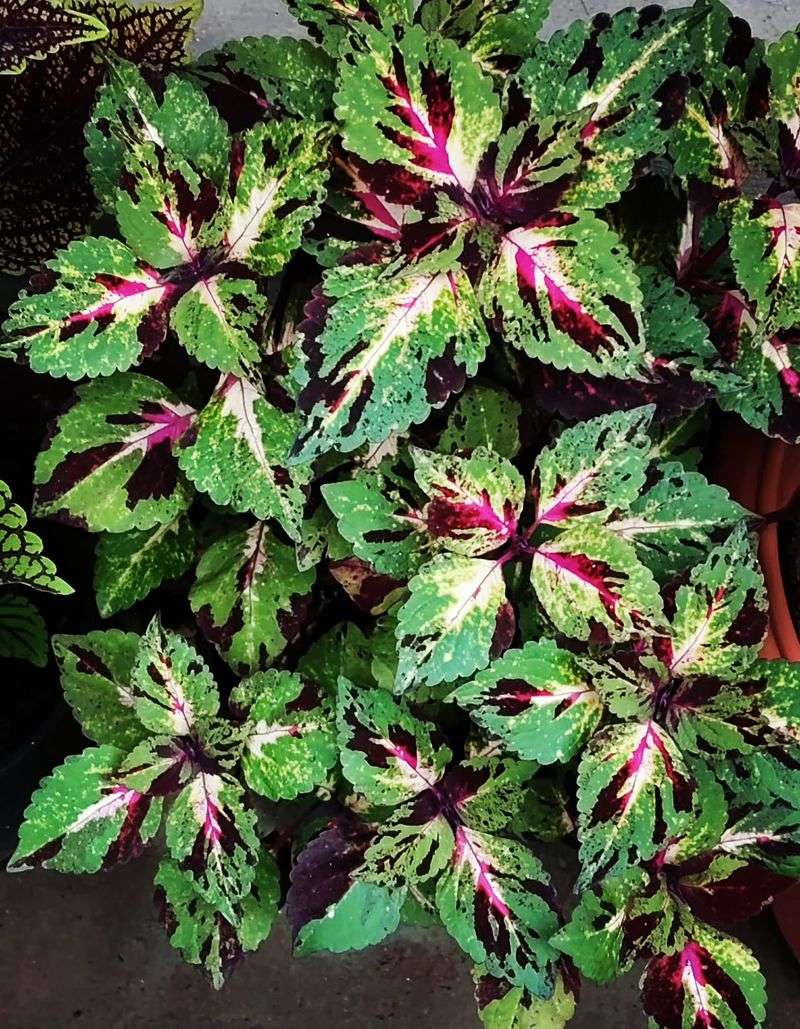
Coleus looks like someone spilled a box of paint on every leaf. Lime green, hot pink, deep burgundy, and even near-black shades can appear on one plant.
All that color comes from leaves, not flowers, which makes coleus a showstopper through fall. Unfortunately, it hates cold nearly as much as basil does.
Leaves start to darken and wilt once nights drop below 50 degrees. A freeze leaves the plant a droopy, blackened heap by sunrise.
Quick fix for garden beds: throw a lightweight blanket over the plants before bedtime. Remove it after breakfast so sunshine can reach those colorful leaves again.
Coleus belongs to the mint family, and it roots almost as easily as mint does. Cuttings in a jar of water sprout roots in about a week.
That makes coleus one of the easiest plants to save for next year. A handful of stems on the windowsill takes up almost no space.
Potted coleus can also come inside whole and live as a colorful houseplant. Pinch off any flower spikes to keep the leaves full and bushy.
Indoor coleus loves bright light but may stretch toward the window over winter. Give the pot a quarter turn each week so it grows evenly.
10. Potted Citrus Trees Dreaming Of Warmer Days
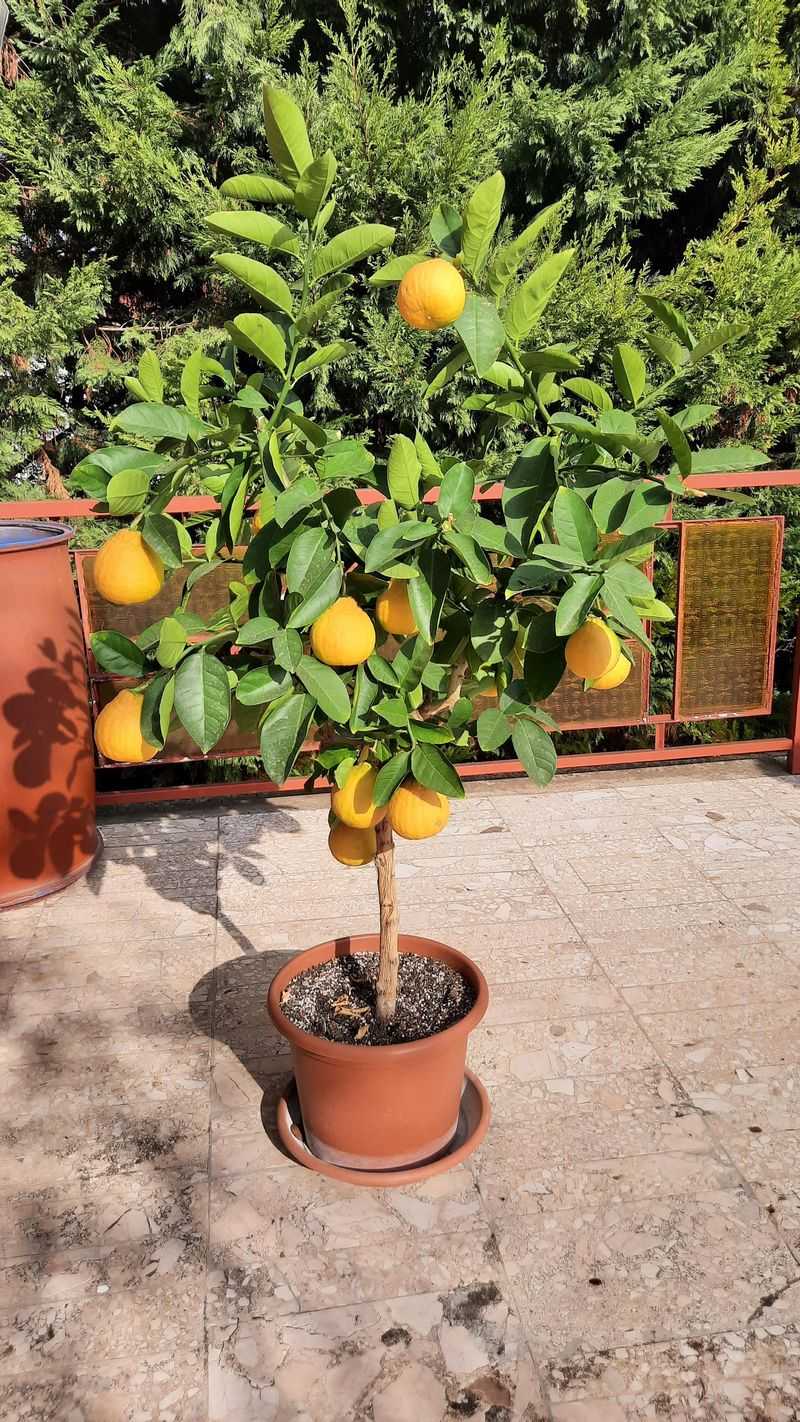
Few things feel fancier than picking a fresh lemon from your own patio tree. Keeping that tree happy through fall takes a little planning, though.
Most citrus handles light chills down to about 32 degrees, but potted roots are more exposed. Soil in a container cools much faster than soil in the ground.
Meyer lemons, kumquats, and calamondins are popular choices for pots in colder regions. Each one still needs shelter once nights head toward freezing.
On a surprise cold night, wrap the tree in frost cloth and add old-fashioned holiday lights underneath. The small bulbs give off gentle heat that makes a real difference.
For the long haul, move the tree indoors before steady cold arrives. Shift it into shade for a week first so it adjusts to lower light.
Big pots are heavy, so a rolling plant caddy can save your back. Place the tree near your sunniest south-facing window once it comes inside.
Dropping a few leaves after the move is normal, so do not panic. Water less often in winter and mist the leaves if your home feels dry.
Your patience pays off in a delightful way. Many citrus trees bloom indoors in late winter, filling the room with a perfume like orange candy.
11. Hibiscus Bringing The Tropics Home
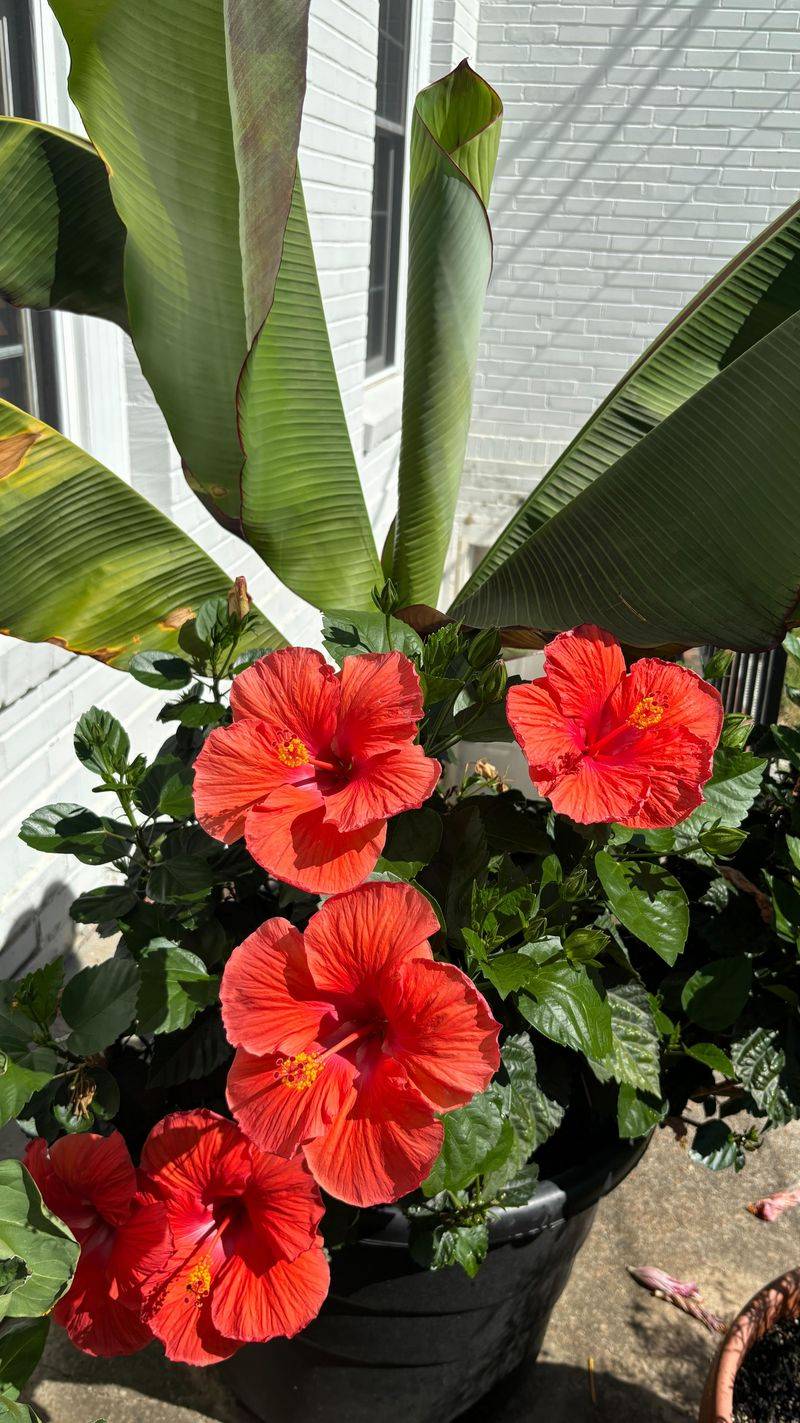
One glance at a hibiscus bloom and you can almost hear ukulele music. Those big, bold flowers belong on a beach, not in a chilly backyard.
A yellow hibiscus is the state flower of Hawaii, which says a lot about its taste in weather. Growth stalls below 50 degrees, and frost damages leaves and buds quickly.
Hardy hibiscus is a different plant that survives winter outside in many areas. Check your plant tag, because tropical types need rescue while hardy ones can stay put.
Glossy, dark green leaves usually signal the tropical kind. Hardy varieties often have duller leaves and enormous blooms up to a foot wide.
For a single cold night, cover potted tropical hibiscus with a sheet and push it against a warm house wall. Bricks and siding release stored heat after dark.
When nights stay in the 40s, bring the plant indoors for the season. A bright window and a room around 60 to 70 degrees keeps it content.
Expect some yellow leaves during the first couple of weeks inside. Trim leggy branches by about a third to encourage fresh, compact growth.
Keep an eye out for whiteflies and aphids, which love indoor hibiscus. A spray of insecticidal soap handles most small invasions without fuss.
12. Geraniums Worth Saving For Next Spring
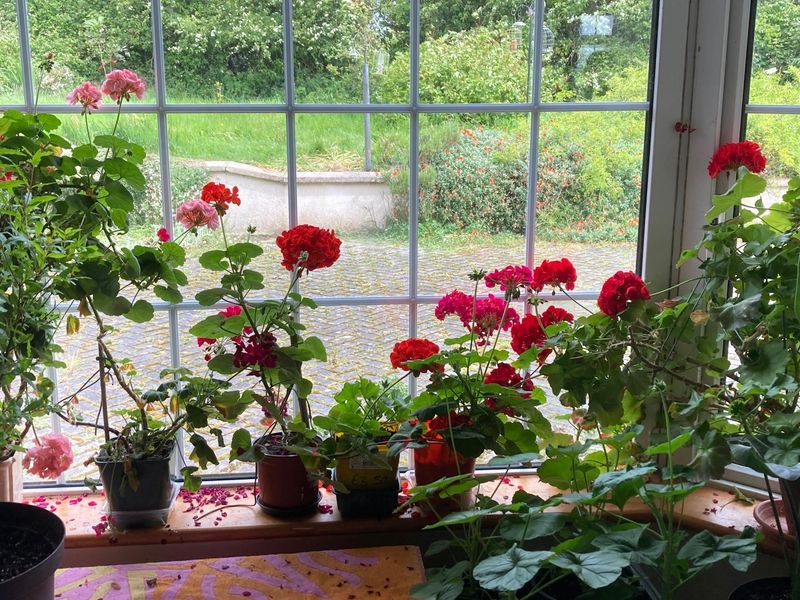
Thrifty gardeners have been saving geraniums over winter for more than a century. Some folks even keep the same plants going for ten years or longer.
Garden geraniums are a bit tougher than impatiens and can shrug off a light chill. A hard freeze below 28 degrees, however, turns them into soggy stalks.
Plant trivia time: the common garden geranium is really a pelargonium from South Africa. True geraniums are hardy perennials that rarely need special protection.
On chilly nights, cover beds with frost cloth or tuck pots against the house. For the whole winter, you have three easy options to choose from.
First, bring potted geraniums inside and grow them in a sunny window. Second, take short stem cuttings and root them in moist potting mix.
The third method sounds odd but works well. Dig up the plants, shake off the soil, and hang them upside down in paper bags in a cool basement.
Soak the roots in water for two hours once a month to keep them from drying out. In spring, replant them and watch new leaves pop out.
Whichever method you pick, geraniums reward a little effort with years of cheerful red, pink, and white blooms. Your wallet will thank you next May.