7 Plants To Fertilize During May In Pennsylvania
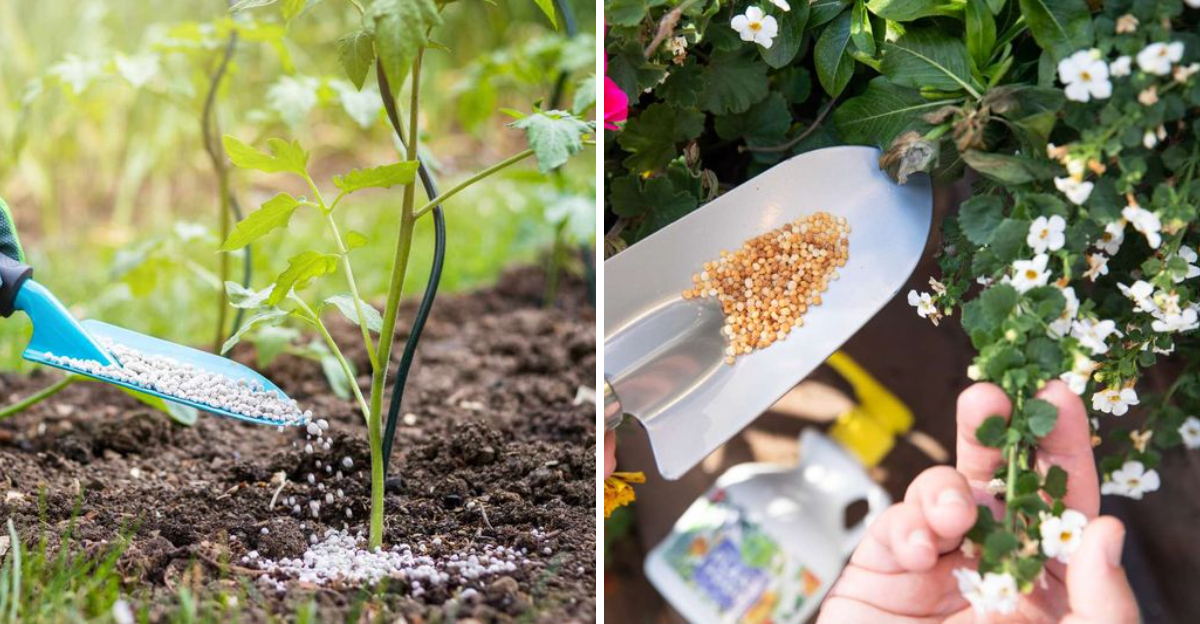
May in Pennsylvania is when the growing season really hits its stride, and your plants know it. Everything is pushing out new growth, root systems are expanding, and the combination of warming soil and longer days creates a level of biological activity in your garden beds that doesn’t happen at any other point in the year.
It’s also the window where the right fertilizing decisions can make a genuinely noticeable difference in how your garden performs all summer long.
The problem is that fertilizing in May isn’t a one-size-fits-all situation, and treating it like one leads to results that range from underwhelming to actively harmful.
Some plants are ready and hungry for a boost right now. Others are in a growth phase where the wrong fertilizer at the wrong time causes more stress than support, pushing foliage at the expense of flowers or disrupting root development at a critical moment.
Knowing which plants to feed in May, and what they actually need, sets your Pennsylvania garden up for its strongest possible season.
1. Roses
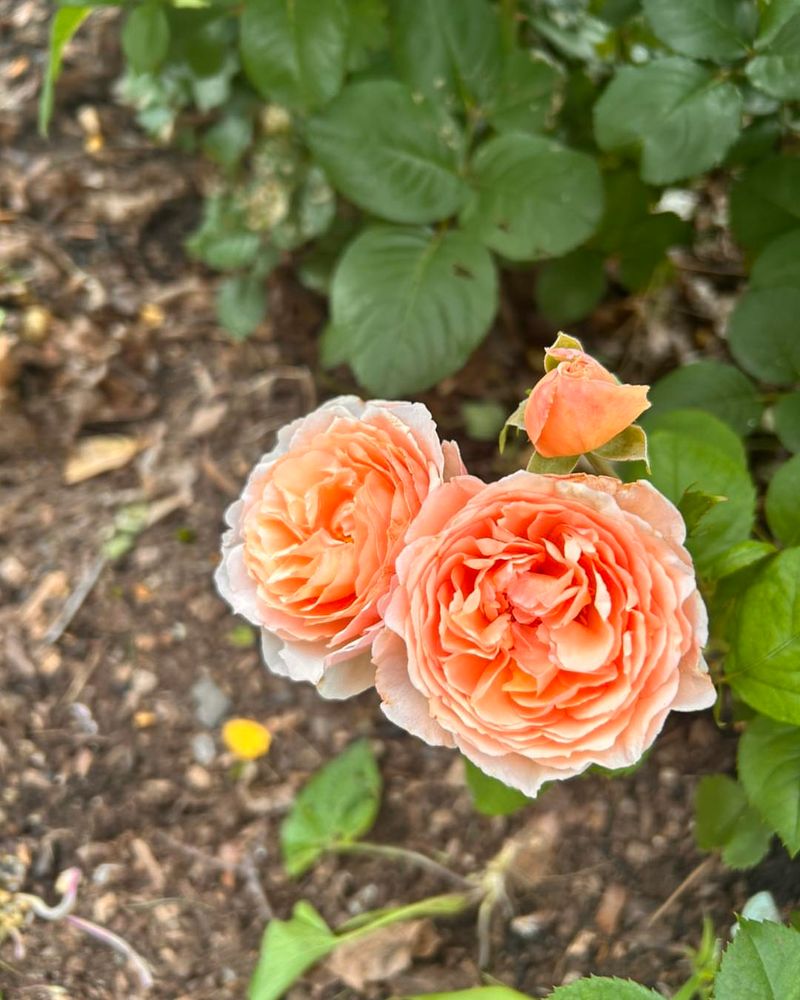
Few plants reward a gardener’s effort quite like a rose bush in full bloom. Roses are heavy feeders, meaning they need a steady supply of nutrients to keep producing those stunning flowers all season long.
In Pennsylvania, May is the perfect time to give your roses their first solid feeding of the year.
After the last frost has passed and new canes are actively growing, roses are ready to absorb fertilizer efficiently. A balanced fertilizer, like a 10-10-10 formula, works well for general feeding.
If you want to go a step further, rose-specific fertilizers with added iron and magnesium can help produce deeper green leaves and more vibrant blooms.
Apply fertilizer around the base of the plant, keeping it a few inches away from the main stem to avoid burning the roots. Water the area well after feeding so nutrients can move down into the soil.
Repeat every four to six weeks through the growing season. Gardeners in Pennsylvania often notice that roses fed in May start blooming more vigorously by June. That first feeding sets the tone for the entire season.
If you grow climbing roses or hybrid teas, consistent feeding is especially important because these varieties bloom in multiple waves.
Skip a feeding and you might see fewer flowers in the second flush. A little effort in May goes a long way toward a spectacular summer rose garden.
2. Hydrangea
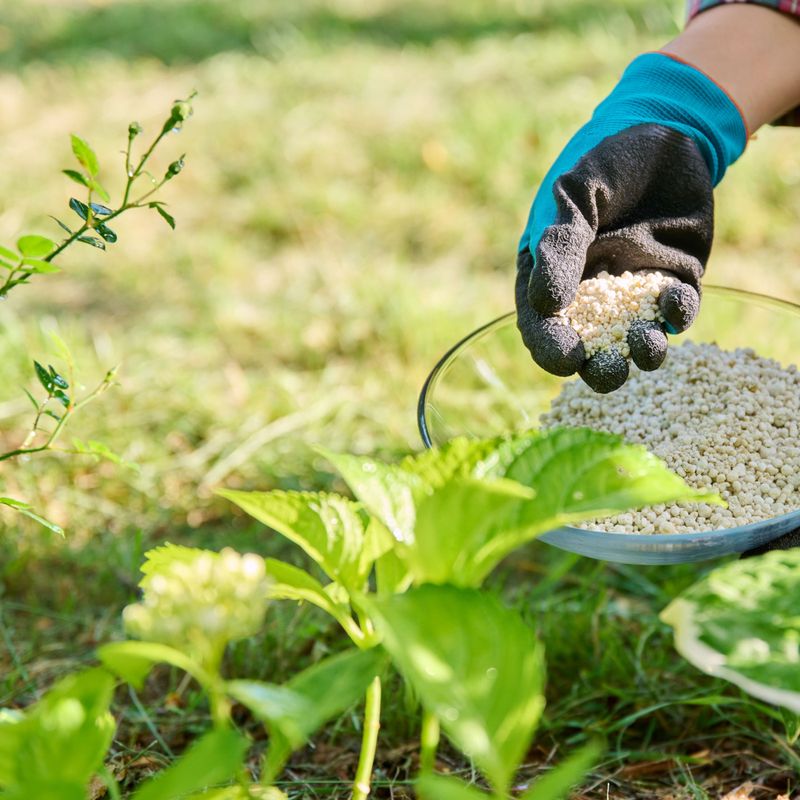
Hydrangeas are a staple in many Pennsylvania yards, and it is easy to see why. Their big, showy blooms come in shades of blue, pink, white, and purple, making them a showstopper from summer through early fall.
But to get those impressive flower heads, your hydrangeas need a little help from you in May.
A light feeding in early to mid-May encourages strong foliage and helps the plant build the energy it needs for blooming. Use a balanced, slow-release fertilizer or one made specifically for flowering shrubs.
Your Pennsylvania Garden Changes Every Week. Your Plan Should Too.
Gardening in Pennsylvania changes quickly throughout the season. Every Friday you’ll receive a simple weekly plan showing exactly what to plant, prune, fertilize, harvest, and protect so you never miss the right timing.
Avoid going overboard with nitrogen-heavy formulas. Too much nitrogen pushes leafy green growth at the expense of flowers, which is the opposite of what you want.
Sprinkle the fertilizer around the drip line of the shrub, which is the outer edge of the branches where rainwater naturally falls. Work it lightly into the soil and water it in well. One feeding in May is usually enough to get things going.
Pennsylvania gardeners dealing with bigleaf hydrangeas should also know that soil pH affects bloom color. Acidic soil produces bluer flowers, while more alkaline soil brings out pinks.
You can adjust this with soil amendments, but always test your soil first before making changes.
Hydrangeas planted in the shadier spots around your home tend to do especially well in Pennsylvania’s sometimes intense summer heat. A well-fed hydrangea in May means a yard full of gorgeous blooms by July.
3. Tomatoes
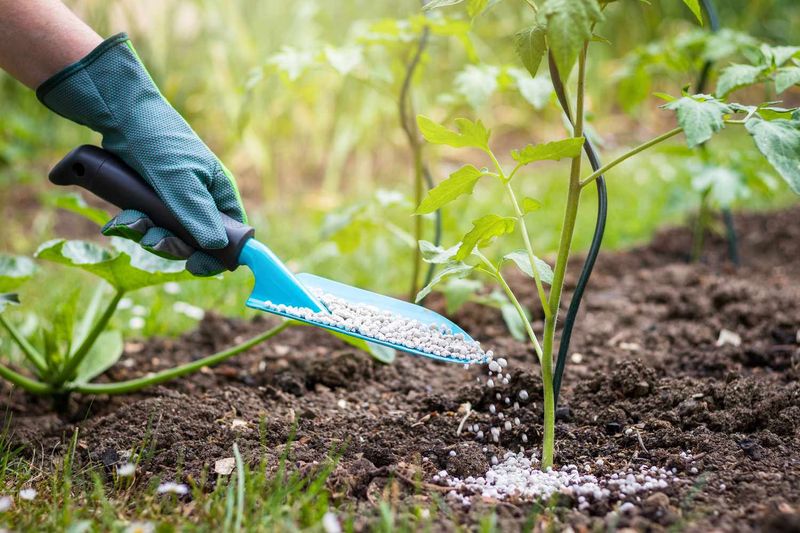
Ask any Pennsylvania home gardener what they look forward to most every summer, and there is a good chance tomatoes are near the top of the list. There is nothing quite like a homegrown tomato picked fresh off the vine.
Getting there, though, takes some planning, and fertilizing in May is a big piece of the puzzle.
Tomatoes are typically transplanted into the garden in mid to late May in Pennsylvania, once the danger of frost has passed. Once they are in the ground and have had a week or two to settle in, it is time to start feeding.
A starter fertilizer high in phosphorus helps young plants establish strong root systems quickly.
After the plants are established and start setting flowers, switch to a fertilizer that is lower in nitrogen and higher in phosphorus and potassium. Too much nitrogen at this stage causes the plant to focus on leaves rather than fruit.
Tomato-specific fertilizers take the guesswork out of this balance and are widely available at garden centers across Pennsylvania.
Feed your tomatoes every two weeks throughout the growing season for best results. If you are growing in containers or raised beds, you may need to feed a bit more often since nutrients wash out faster.
Consistent feeding from the start in May sets your tomatoes up for a heavy, flavorful harvest come August. It really does make a noticeable difference in fruit size and taste.
4. Peonies
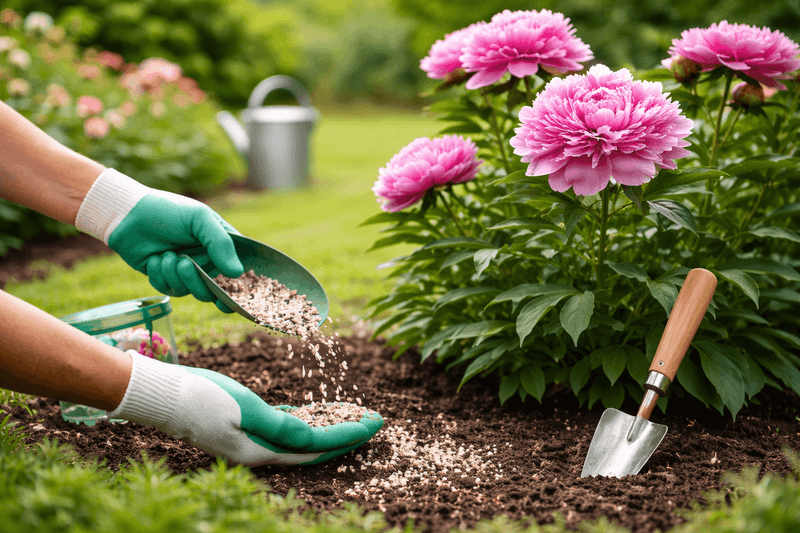
Peonies have a kind of old-fashioned charm that never goes out of style. These long-lived perennials can bloom for decades when cared for properly, and Pennsylvania’s climate suits them beautifully.
If you want big, fragrant blooms this spring, May feeding is the move. Peonies emerge from the ground in early spring as deep red shoots that quickly expand into leafy stems. By the time May rolls around, they are in full growth mode and ready to absorb nutrients.
Apply a balanced fertilizer, such as a 10-10-10 or a low-nitrogen formula, around the base of the plant just as the shoots are emerging and growing strong.
Keep fertilizer away from direct contact with the stems or crown of the plant. Sprinkle it around the perimeter of the plant and water it in thoroughly.
A second light feeding right after blooming can also help the plant rebuild its energy for next year.
One thing many gardeners do not realize is that peonies are slow to show results from fertilizing, but the payoff is absolutely worth it. Plants that are well-fed consistently produce larger blooms and more of them.
In Pennsylvania, where peonies often bloom in late May and early June, timing your fertilizer application early in the month gives the plant just enough time to absorb and use those nutrients before flowering.
Avoid over-fertilizing, especially with high-nitrogen products, as this can reduce bloom production significantly.
5. Azalea
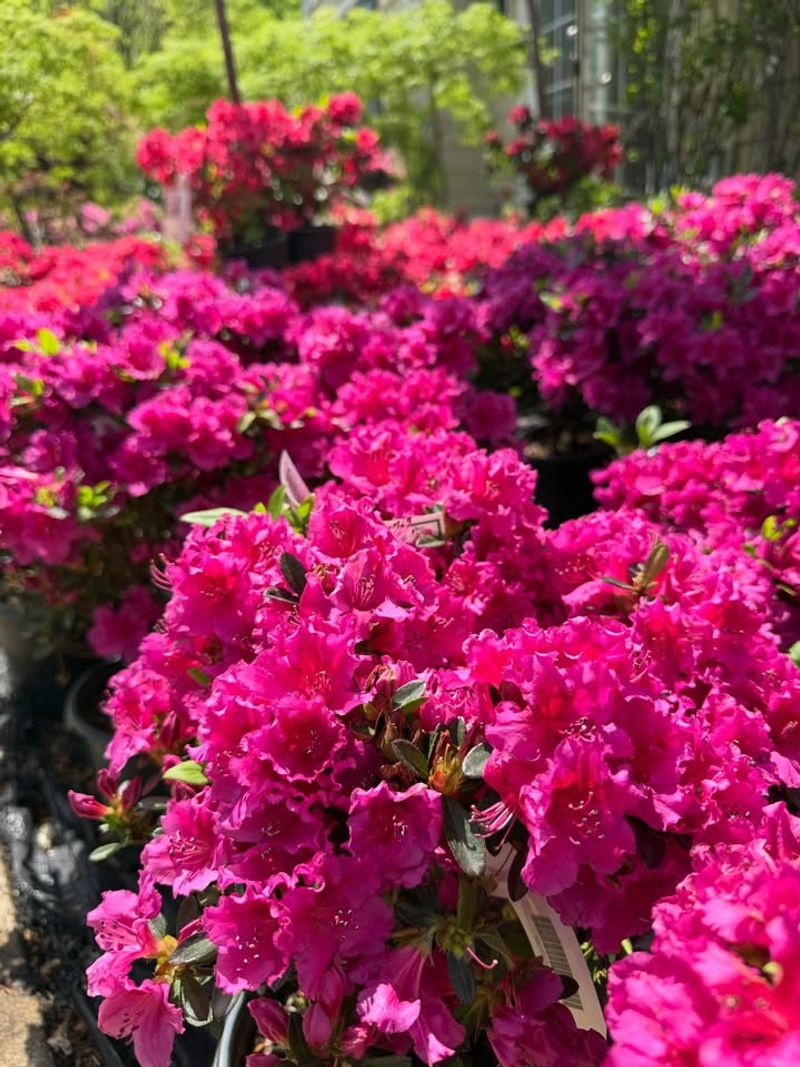
Azaleas are one of Pennsylvania’s most beloved spring shrubs. When they burst into bloom in April and May, entire neighborhoods seem to light up with color.
But once those flowers fade, many gardeners make the mistake of ignoring their azaleas until next spring. That is a missed opportunity.
Fertilizing azaleas right after they finish blooming in May helps the plant recover from the energy it spent flowering and start building the buds that will become next year’s display.
Azaleas prefer acidic soil, so using a fertilizer made specifically for acid-loving plants is the best approach.
Look for products labeled for azaleas, rhododendrons, or hollies at your local Pennsylvania garden center.
Scatter the fertilizer evenly around the drip zone of the shrub and water it in well. Avoid pushing fertilizer right up against the trunk or main stems. Azaleas have shallow root systems, so be gentle when working near the base of the plant.
Pennsylvania gardeners should also keep in mind that azaleas planted under trees may need a bit more attention since tree roots compete for nutrients in the same soil zone.
If your azaleas are looking a little pale or showing yellowing leaves, that can be a sign of nutrient deficiency or soil that has become too alkaline over time.
A soil test is always a smart first step before fertilizing. Getting the feeding right after bloom sets your azaleas up for another spectacular show next spring.
6. Lawn Grass
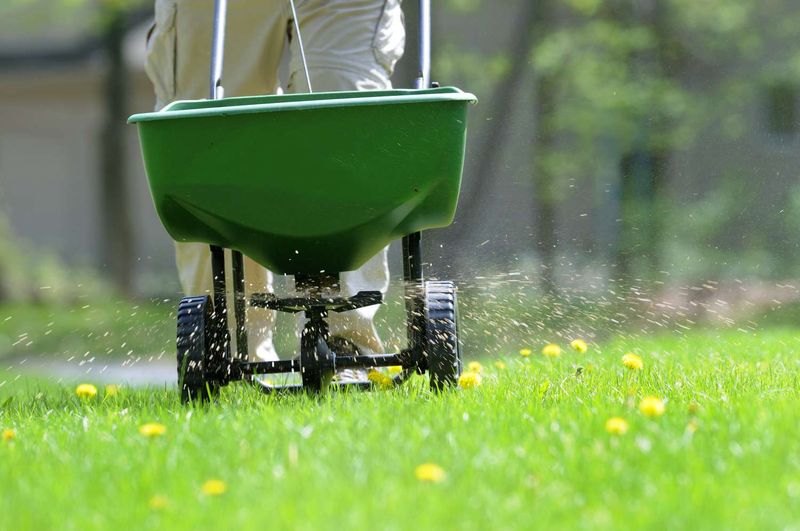
A thick, green lawn does not happen by accident. It takes consistent care, and May is one of the most important months to get that care right.
Pennsylvania lawns are typically made up of cool-season grasses like Kentucky bluegrass, tall fescue, and perennial ryegrass. These grasses grow most actively in spring and fall, which makes May a prime time to feed them.
A light application of a balanced or slightly nitrogen-forward fertilizer in early to mid-May gives your lawn the boost it needs to fill in thin spots and crowd out weeds before summer stress sets in.
Avoid heavy nitrogen applications in late May, though, as pushing too much lush growth right before the summer heat can actually weaken the turf.
Use a broadcast spreader for even coverage and always follow the label directions on your fertilizer bag. More is not always better when it comes to lawn feeding.Overfertilizing can burn the grass and lead to excessive thatch buildup over time.
Pennsylvania homeowners in areas like Harrisburg or Reading often deal with lawns that thin out during hot, dry summers. A well-timed May feeding helps the grass build deeper roots and stronger blades that hold up better when temperatures climb.
Watering after fertilizing helps move nutrients into the soil where roots can use them. Pair your May feeding with proper mowing height, around three to four inches for most cool-season grasses, and your lawn will look great all season long.
7. Container Flowers
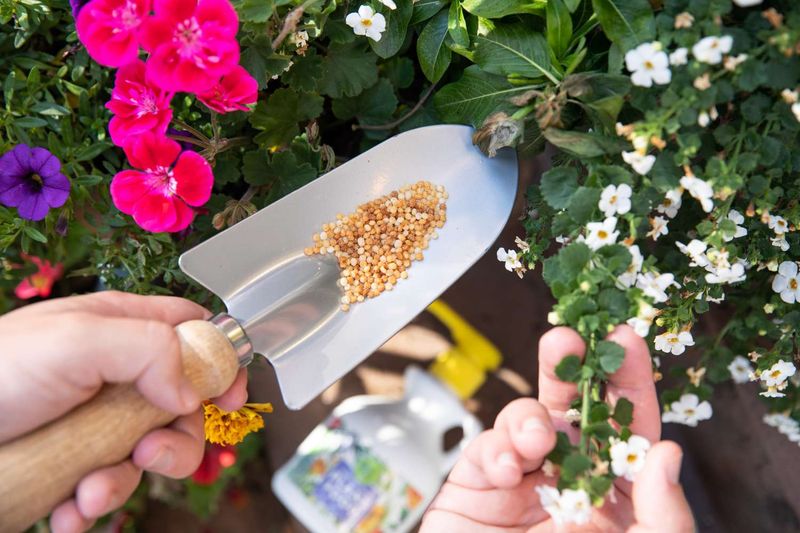
Container gardening is wildly popular across Pennsylvania, especially for people with smaller yards or those who love decorating porches and patios with bright, seasonal color. Petunias, geraniums, marigolds, and impatiens are all common choices for pots and planters.
But here is something every container gardener needs to know: potted plants run out of nutrients fast.
Every time you water a container, nutrients get flushed out through the drainage holes at the bottom. Unlike plants growing in garden beds, container flowers cannot reach down into the soil to find more food.
That means regular fertilizing is not optional, it is essential for keeping potted plants looking their best.
Start feeding your container flowers in May as soon as they are actively growing. A balanced liquid fertilizer applied every one to two weeks works well for most flowering annuals.
Slow-release granular fertilizers mixed into the potting soil at planting time can also help, but liquid feeding throughout the season gives you more control over how much your plants are getting.
Pennsylvania summers can be hot and dry, which means you will likely be watering your containers frequently. The more you water, the faster nutrients wash away, so bump up your feeding schedule accordingly during heat waves.
Look for signs of nutrient deficiency like pale leaves, small flowers, or slow growth, and respond with a feeding right away. Keeping up with container fertilizing from May onward ensures your porch and patio stay colorful and lively all the way through fall.