6 Plants To Fertilize In April In Ohio (And 4 To Leave Alone)
Spring in Ohio does not ease in quietly, it flips a switch. One stretch of mild days and suddenly lawns green up, buds swell, and everything looks ready to take off at once.
That rush makes it tempting to fertilize everything in sight and call it a productive afternoon. That is exactly where things go sideways.
Some plants are ready to use those nutrients right now, while others can stall, stretch, or bloom less when fed too early. Ohio’s clay soils, steady spring rain, and temperature swings only make timing more important.
The right move in April is not doing more, it is doing the right things at the right time. Once you know which plants actually benefit from a spring feeding and which ones need a little patience, your entire garden starts working with you instead of against you.
1. Cool-Season Lawns Respond To A Light Spring Feeding
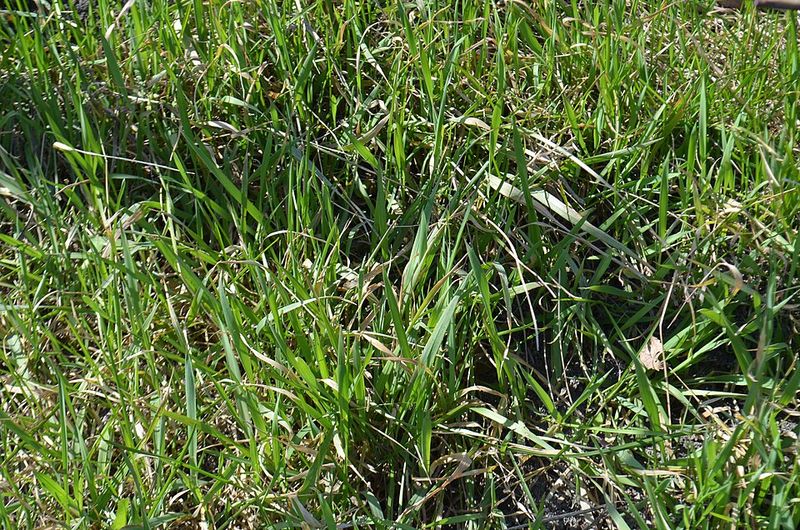
Walking across your lawn in early April and noticing that satisfying crunch of new green growth is one of the best signs that cool-season grasses are waking up and ready for some attention. Kentucky bluegrass, tall fescue, and perennial ryegrass are the workhorses of Ohio lawns, and they genuinely respond well to a light feeding this time of year.
The key word here is light. A slow-release nitrogen fertilizer applied in early April gives these grasses a steady, manageable boost rather than a sudden surge of growth that can stress the plants later.
Ohio State University Extension recommends avoiding heavy spring nitrogen applications because they can lead to excessive top growth at the expense of deep root development. Aim for a product with a lower nitrogen number on the bag, something in the range of a 20-0-5 or similar formulation.
Southern Ohio gardeners may be able to apply slightly earlier since their soils warm faster, while those in the northern part of the state should wait until grass is visibly growing before spreading any fertilizer.
Watering lightly after application helps move nutrients into the root zone. Skipping a soil test is a common mistake, so consider getting one done through your local OSU Extension office for the most accurate guidance.
2. Roses Benefit As New Growth Starts To Push
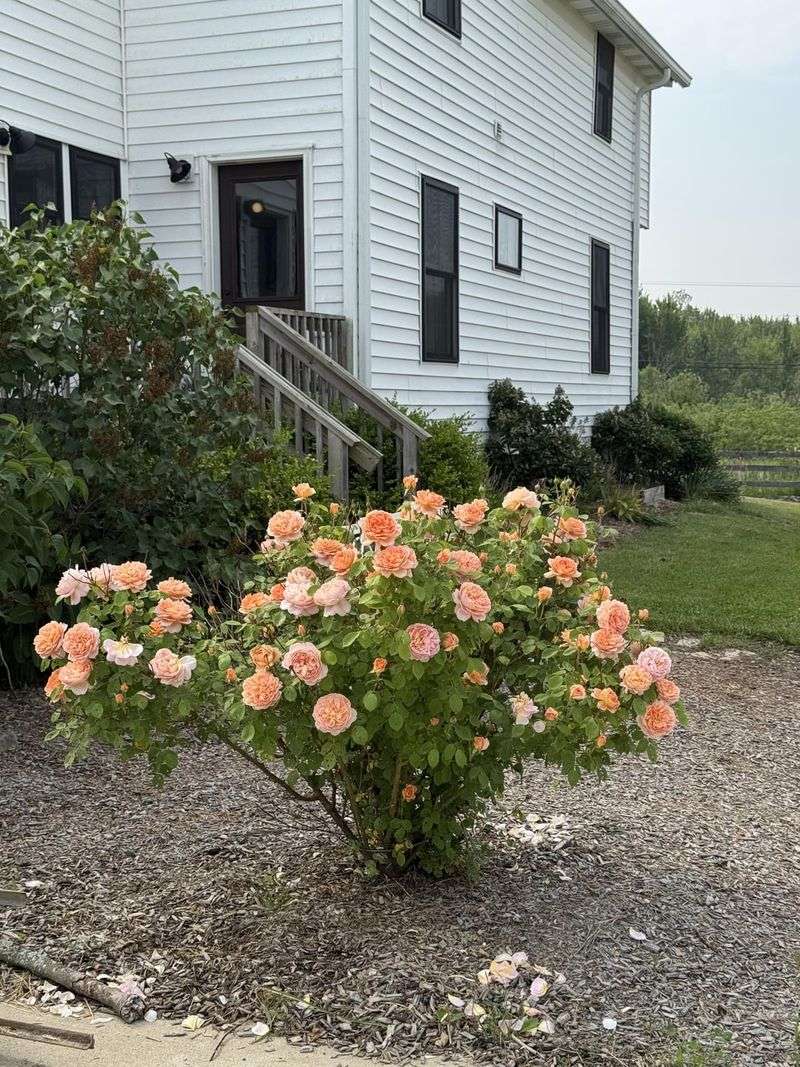
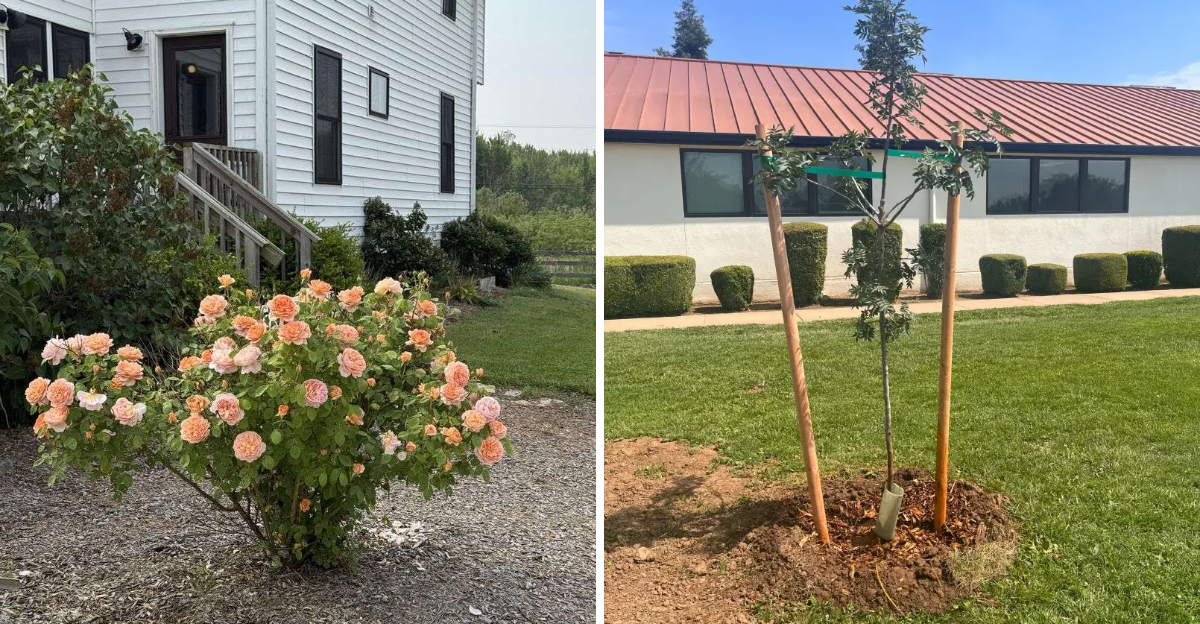
Seasoned rose growers know that the moment those buds start swelling and pushing out small reddish leaves is exactly the window to reach for the fertilizer bag. For established roses in Ohio, April is a natural starting point for feeding, but only once you can clearly see that new growth is underway.
Newly planted roses from this spring are a different story and should be left alone to settle in first.
A balanced fertilizer or one formulated specifically for roses works well at this stage. Look for products labeled for roses that include a mix of nitrogen, phosphorus, and potassium, sometimes with added micronutrients like iron and magnesium.
Avoid going overboard with nitrogen early on, since too much can push lush leafy growth while reducing the energy the plant puts into flowering later.
Gardeners in northern Ohio, such as those in the Cleveland or Toledo areas, may find their roses are a week or two behind compared to those in Columbus or Cincinnati. Pruning and fertilizing often go hand in hand for roses, so wait until after your spring pruning is done before applying feed.
Water the base of the plant thoroughly after fertilizing to help nutrients reach the root zone without burning.
3. Hydrangeas Gain Strength As Leaves Begin To Unfold
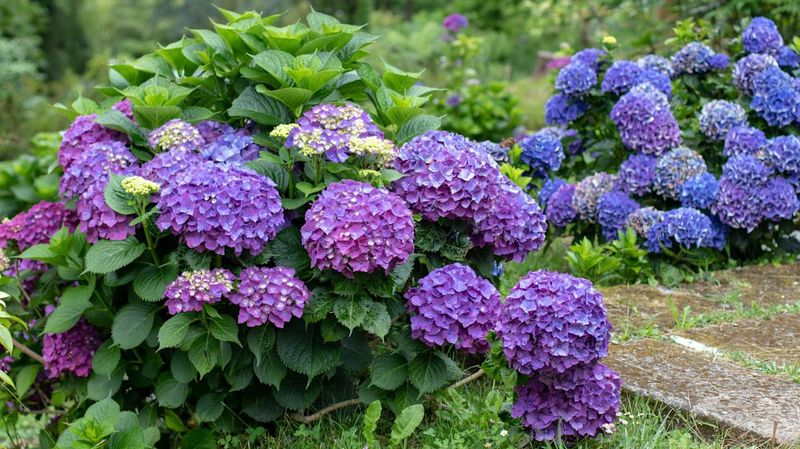
Not all hydrangeas are the same, and that matters a lot when it comes to April fertilizing in Ohio. Panicle hydrangeas and smooth hydrangeas, like the popular Annabelle, bloom on new wood and tend to leaf out reliably every spring.
Bigleaf hydrangeas can be trickier because late frosts sometimes damage emerging buds, which affects blooming. Knowing your variety helps you make smarter feeding decisions.
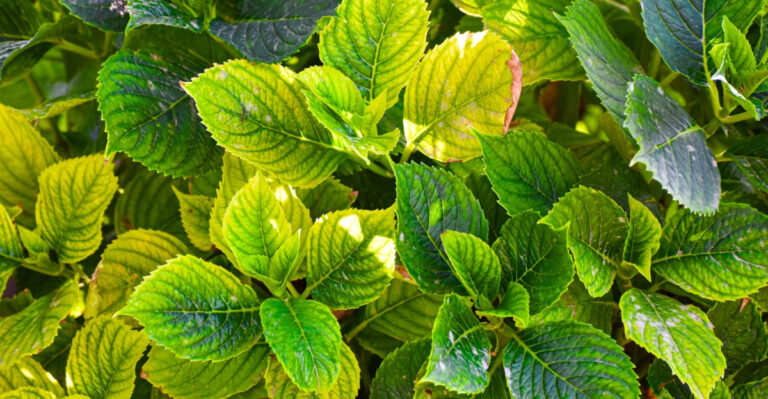
Once you see leaves genuinely beginning to unfold, a light, balanced fertilizer can help the plant build strength heading into the growing season. Avoid high-nitrogen formulas at this point because too much nitrogen pushes leafy green growth and can actually reduce the number of blooms you get.
A slow-release granular fertilizer with balanced numbers, something like a 10-10-10, applied around the drip line of the shrub works well for most hydrangea types.
Ohio soils, especially in areas with heavier clay content, can affect how well nutrients are absorbed. If your hydrangeas have been struggling with pale leaves or weak growth, a soil test can reveal whether pH or nutrient deficiencies are the real issue.
Bigleaf hydrangeas grown for blue blooms need acidic soil, so pH management matters as much as the fertilizer itself. Water thoroughly after applying any granular product.
4. Fruit Trees Build Energy Ahead Of Bloom And Fruit Set
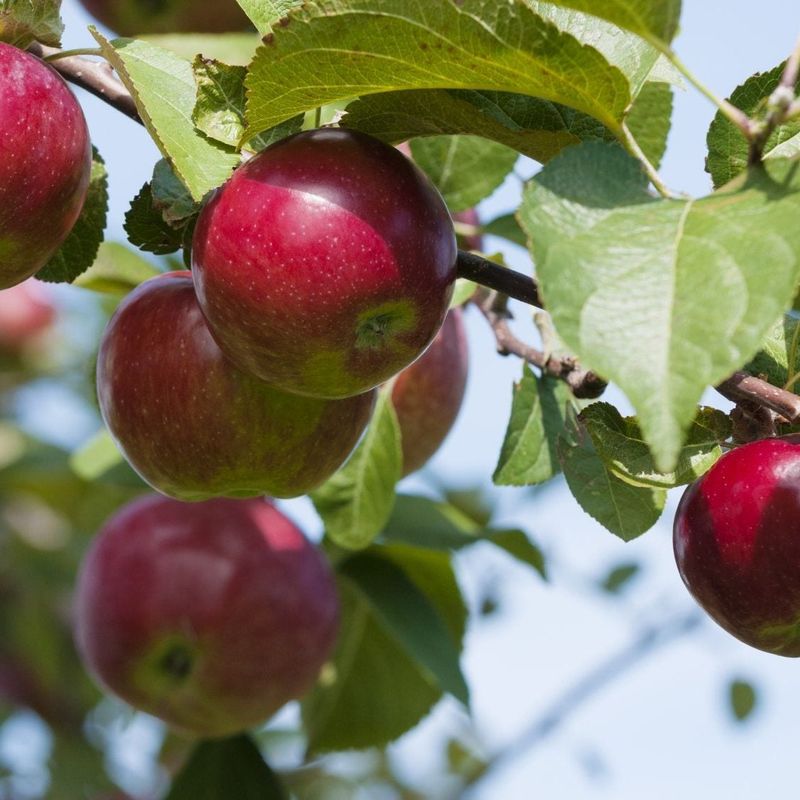
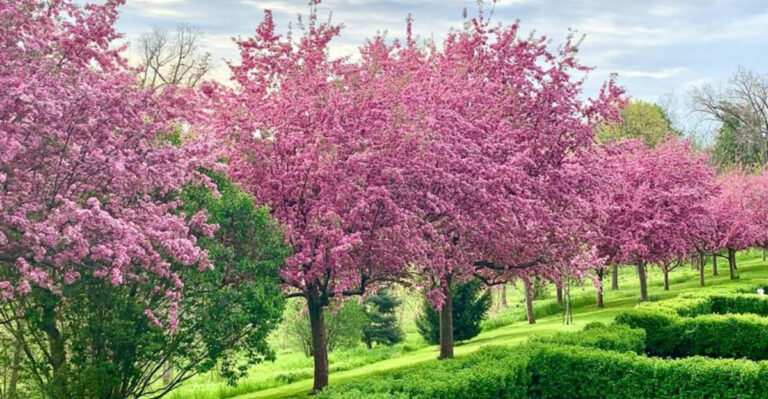
There is a narrow and important window for fertilizing fruit trees in Ohio, and April sits right at the heart of it. Apples and pears, two of the most commonly grown fruit trees in the state, benefit from a feeding just before or right as bloom begins.
Getting nutrients into the soil at this point helps the tree support both flowering and the early stages of fruit development.
A balanced fertilizer is usually the right call for established fruit trees. Excessive nitrogen is something to watch carefully because it tends to push heavy vegetative growth at the expense of fruit production.
If your tree put on more than twelve inches of new shoot growth last season, it likely does not need much nitrogen at all this spring. Younger trees that are still establishing may need a bit more support, but always lean conservative.
Apply fertilizer evenly under the entire canopy, out to the drip line, rather than piling it close to the trunk. Ohio State University Extension suggests using a soil test to guide fertilizer rates for fruit trees, since over-feeding is a more common mistake than under-feeding in home orchards.
Water the area after applying to help nutrients move into the root zone before bloom kicks into full gear.
5. Blueberries Need An Acidic Boost Early In The Season
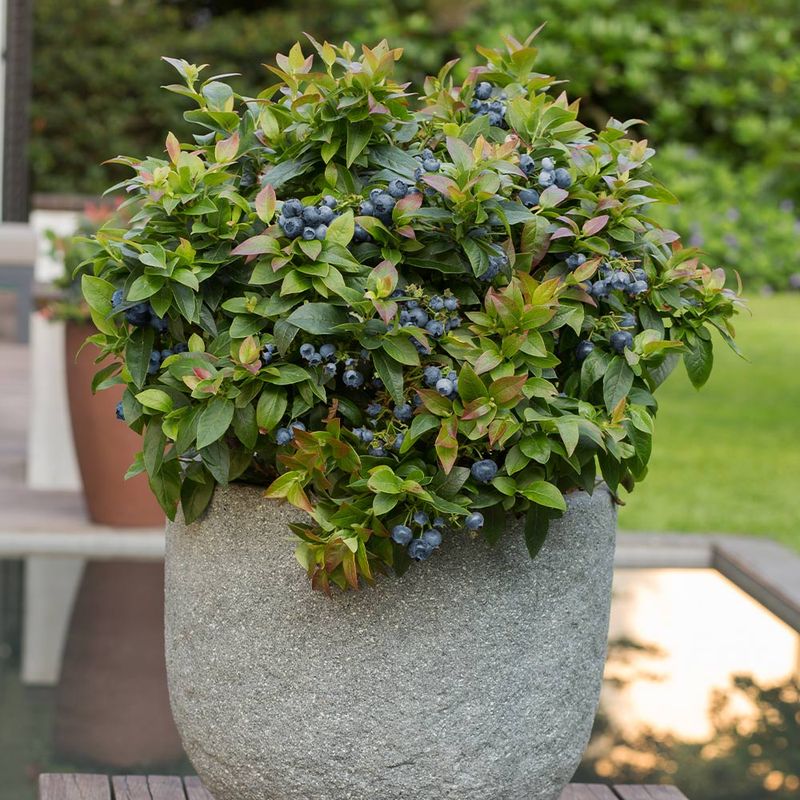
Blueberries are one of those plants that reward gardeners who pay close attention to soil chemistry. They are acid-loving plants, meaning they thrive when soil pH sits between 4.5 and 5.5.
Most Ohio soils, particularly in central and western parts of the state, tend to run closer to neutral or even slightly alkaline, which means blueberries often struggle without some intentional soil management.
In April, as new growth begins to push, blueberries benefit from a fertilizer formulated for acid-loving plants. Products labeled for azaleas, rhododendrons, or blueberries specifically are good options because they are designed to work in or help maintain acidic soil conditions.
Avoid reaching for a general-purpose fertilizer here, since many of those are not appropriate for plants with specific pH needs and can actually interfere with nutrient uptake.
Split your fertilizer application into two doses if possible, once in early spring and again around six weeks later, rather than applying everything at once. This approach is gentler on the roots and provides a more consistent nutrient supply through the growing season.
Keeping a thick layer of pine bark or wood chip mulch around blueberry plants also helps maintain soil acidity over time, which is just as important as the fertilizer itself for long-term success.
6. Established Perennials Kick Off Strong With Light Feeding
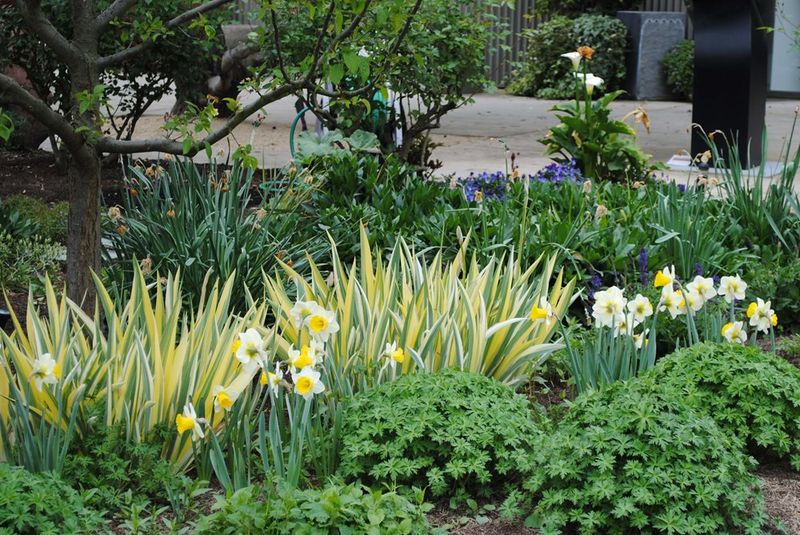
Coneflowers poking up through last year’s mulch, daylily fans fanning out in tight green clusters, and black-eyed Susans sending up fresh rosettes of leaves are all familiar April sights in Ohio perennial beds. These plants are tough, adaptable, and honestly do not need as much help as many gardeners think.
That said, a light feeding in early spring can give established perennials a gentle push heading into the season.
The emphasis here is on light. A thin layer of compost worked around the base of your perennials is often all they need, and it has the added benefit of improving soil structure over time.
If you prefer a granular fertilizer, choose one with a balanced or low-nitrogen formulation to avoid encouraging too much leafy growth at the expense of flowers. Heavy feeding can cause some perennials to grow tall and floppy, which means more staking headaches later in summer.
Perennials that have been in the ground for three or more years are generally well established and may not need any supplemental fertilizer at all if your soil is in decent shape. Spreading compost in fall is actually one of the most effective things you can do for perennial beds, making spring feeding less necessary.
Focus your fertilizing energy on younger plants or those showing signs of nutrient stress, like pale or yellowing foliage.
7. Spring-Flowering Shrubs Are Better Fed After Bloom
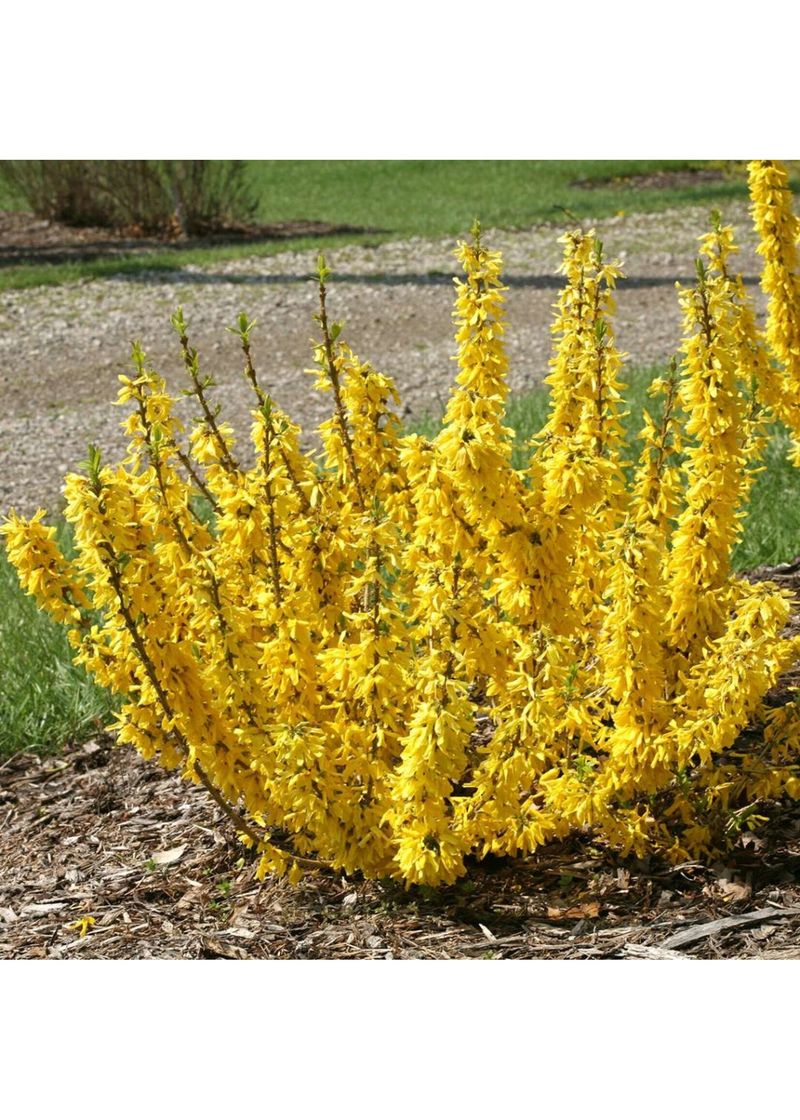
Forsythia bursting into yellow and lilacs loaded with fragrant purple clusters are among the most celebrated signs of Ohio spring, and it is tempting to want to feed them right away. Resist that urge.
Spring-flowering shrubs like lilac, forsythia, and flowering quince set their blooms on wood that grew during the previous season. Fertilizing them before they finish blooming does not help the current year’s flowers at all.
Worse, a nitrogen-heavy feeding in early spring can actually shift the plant’s energy toward producing new leafy growth rather than supporting the blooms that are already in progress. The result can be fewer flowers or blooms that fade more quickly than they should.
The payoff for waiting is real: feeding these shrubs right after flowering finishes gives them nutrients at exactly the moment they need to push new growth, which is the same wood that will carry next year’s blooms.
After bloom, a balanced slow-release fertilizer applied around the drip line of the shrub is a straightforward and effective approach. Avoid heavy pruning and heavy fertilizing at the same time, since both create significant demands on the plant simultaneously.
Watering well after feeding helps nutrients reach the root zone. For lilacs especially, maintaining a slightly alkaline soil pH is more important than fertilizer rate for encouraging strong flowering year after year.
8. Newly Planted Trees And Shrubs Should Not Be Fertilized Yet
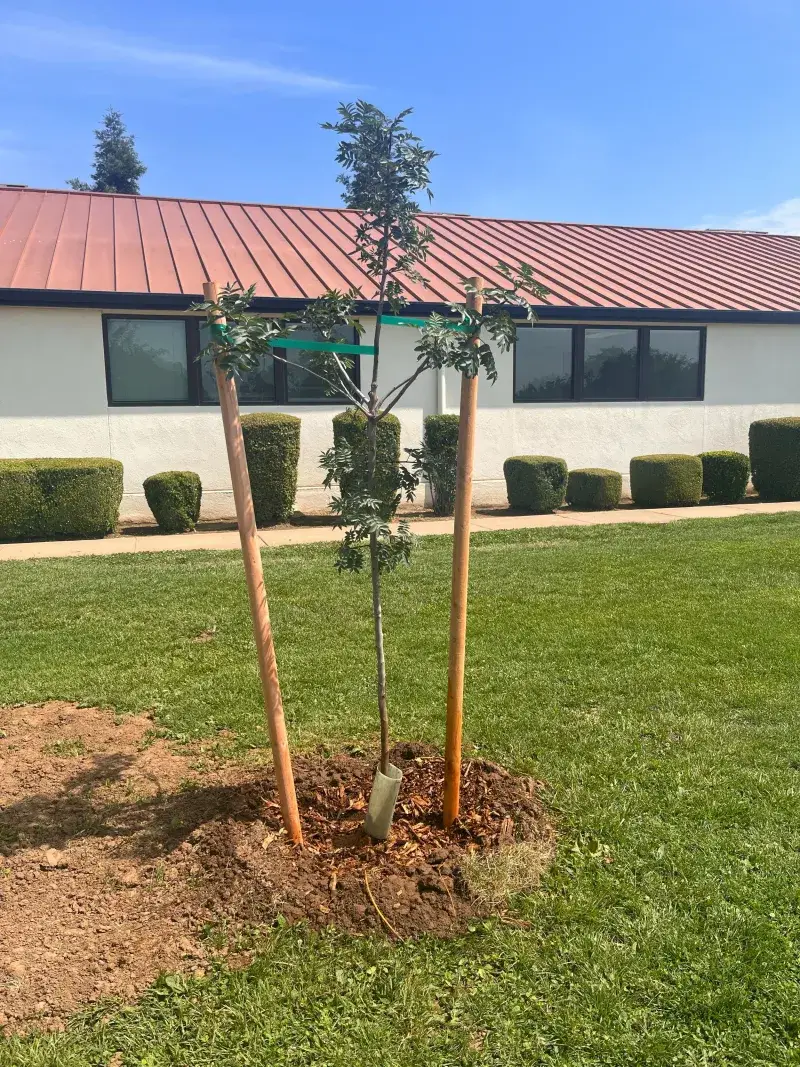
It makes sense to want to give a newly planted tree or shrub every advantage possible, but fertilizing right after planting is one of those well-intentioned moves that can actually work against you. When a tree or shrub goes into the ground, its first priority is not growing new leaves or branches.
The real work happening underground is root establishment, and that process takes time and energy that the plant needs to direct carefully.
Applying fertilizer too soon pushes top growth before the root system is ready to support it. This creates an imbalance that stresses the plant, especially during dry or hot spells later in the season.
Ohio State University Extension consistently advises gardeners to hold off on fertilizing newly planted trees and shrubs for at least the first growing season, focusing instead on proper watering and mulching.
A two to three inch layer of mulch around the base of a new planting, kept away from direct contact with the trunk, does more good in the first year than any fertilizer. It conserves moisture, moderates soil temperature, and reduces competition from grass and weeds.
Deep, consistent watering throughout the first summer is the single most important thing you can do to help a new tree or shrub get established. Save the fertilizer for next spring when roots are better anchored and the plant is ready to use those nutrients.
9. Native Plants Usually Thrive Without Extra Feeding
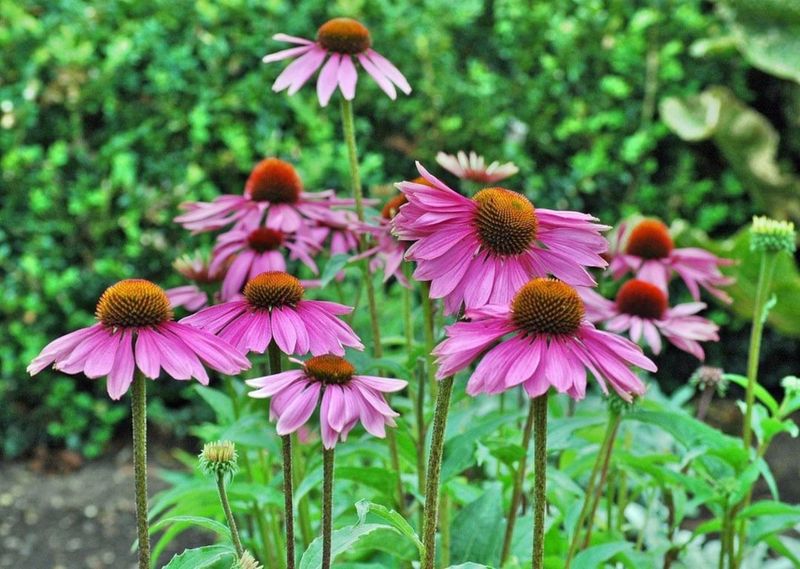
One of the most freeing realizations for Ohio gardeners is that many of the best plants for the landscape require almost no fertilizing at all. Native plants like wild bergamot, native coneflower, Ohio spiderwort, and wild blue indigo evolved over thousands of years in exactly the kind of soils found across this state.
They are tuned to low-nutrient conditions and often perform best when left to their own devices.
Adding fertilizer to native plantings can actually backfire. Extra nitrogen tends to make these plants grow tall and floppy, produces more foliage than flowers, and can give aggressive weeds a competitive edge in the same bed.
If your native garden is looking thin or struggling, the better first step is to check soil drainage and light levels rather than reaching for a fertilizer bag.
The exception might be natives growing in containers or in extremely poor, compacted, or disturbed soils where organic matter has been stripped away. In those cases, a light application of compost can help rebuild soil biology over time without overwhelming the plants with synthetic nutrients.
For most in-ground native plantings in Ohio, the best spring routine is simply clearing out withered stems from last year, adding a thin layer of leaf mulch if needed, and stepping back to let the plants do what they naturally do best.
10. Slow-To-Leaf-Out Plants Should Not Be Pushed Early
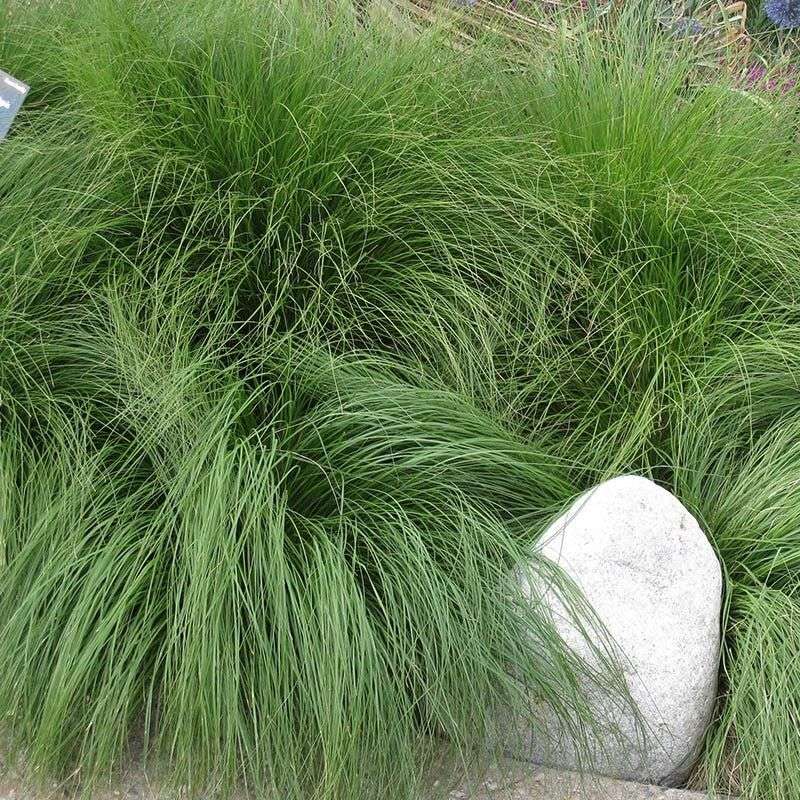
Every spring in Ohio, there are gardeners who start to panic when certain trees and shrubs still look completely dormant while everything else around them is leafing out. Black walnut, trumpet vine, and some ornamental grasses are classic examples of plants that simply take longer to wake up in spring.
That slow start is completely normal and not a sign that anything is wrong.
Fertilizing these plants before they show visible signs of active growth is a mistake worth avoiding. Nutrients sitting in the soil around a plant that is not yet actively growing can leach away before the plant ever gets to use them, especially if April brings heavy Ohio rain.
More importantly, fertilizing too early does not speed up dormancy break. The plant wakes up on its own schedule based on soil temperature and day length, not because nutrients are available.
The smart move is to watch for visible bud swell or the first signs of new leaf tissue before applying any fertilizer to late-leafing plants. For ornamental grasses, wait until you see green shoots pushing up from the crown before feeding or cutting back old stems.
Patience pays off here. Once these plants do break dormancy, they tend to grow quickly and robustly, and a light balanced fertilizer applied at that point will be put to much better use than anything applied in early April.