12 Plants To Grow After The Last Frost In North Carolina Piedmont In 2026
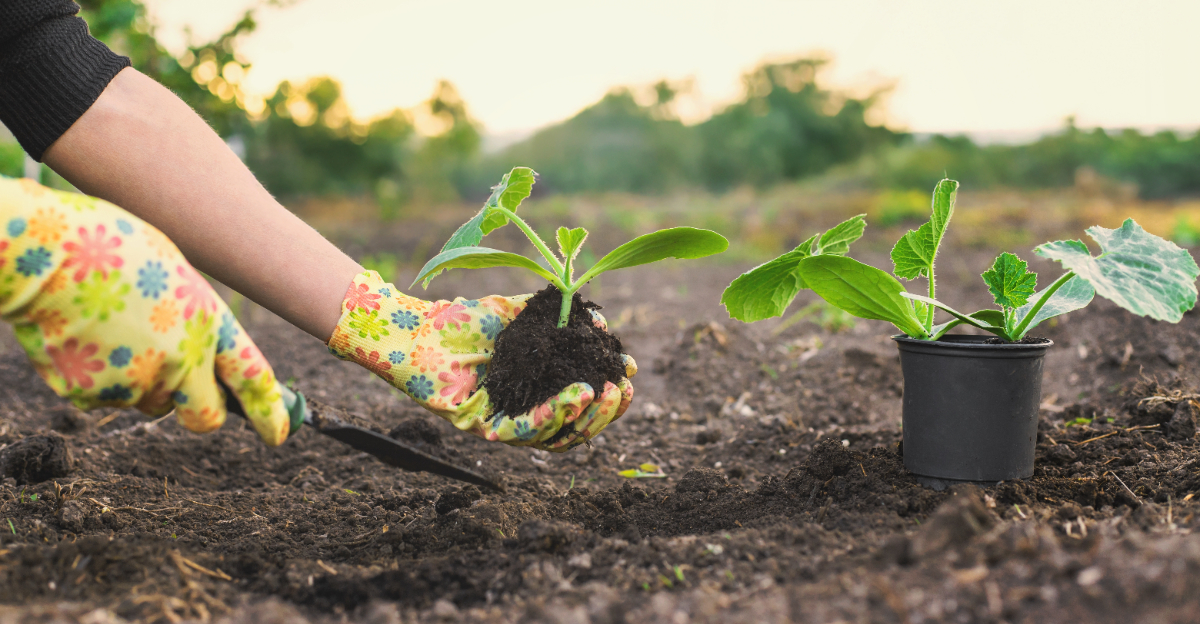
The moment the last frost fades in North Carolina’s Piedmont, everything changes in the garden. Warmer days, brighter sun, and rising soil temperatures open the door to a whole new wave of planting possibilities.
This is when summer favorites finally get their chance to shine, and choosing the right crops now can mean the difference between an average season and a truly abundant one.
Imagine lush growth, colorful blooms, and baskets full of fresh harvests in just a few short weeks. But timing matters, and planting the wrong varieties can slow your momentum fast. The good news is you are right at the perfect window to set your garden up for success.
In this guide, you will discover twelve excellent plants that thrive in the Piedmont’s post frost conditions and deliver beauty, flavor, and strong growth all summer long.
1. Tomato (Solanum Lycopersicum)
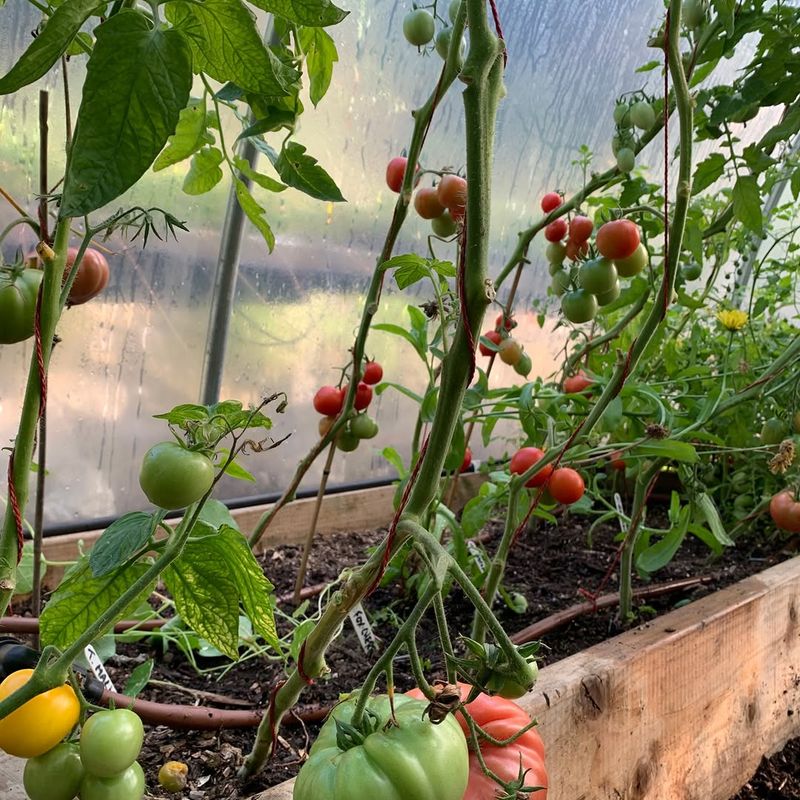
Nothing says summer gardening quite like plucking a sun-warmed tomato straight from the vine. Tomatoes need soil temperatures around 60 degrees or warmer before transplanting begins. Cold soil stunts root development and slows growth considerably.
Full sunlight makes all the difference for these plants. They crave at least six to eight hours of direct rays daily. Well-drained, fertile soil enriched with compost supports vigorous growth and heavy fruit production.
Transplant seedlings after mid-April when frost danger passes completely. Space plants about two feet apart to allow air circulation. Stake or cage them early to support branches as fruit develops.
Consistent watering keeps plants healthy and prevents blossom end rot. Mulch around the base helps retain moisture and regulate soil temperature. Feed with balanced fertilizer every few weeks during the growing season.
Choose varieties suited to Piedmont summers, whether heirlooms or hybrids. Early-maturing types often perform best in this region. Watch for hornworms and other pests as plants mature.
Harvest when fruits reach full color and feel slightly soft. Regular picking encourages continued production throughout summer. Tomatoes thrive when nighttime temperatures stay consistently warm and days remain sunny.
2. Pepper (Capsicum Annuum)
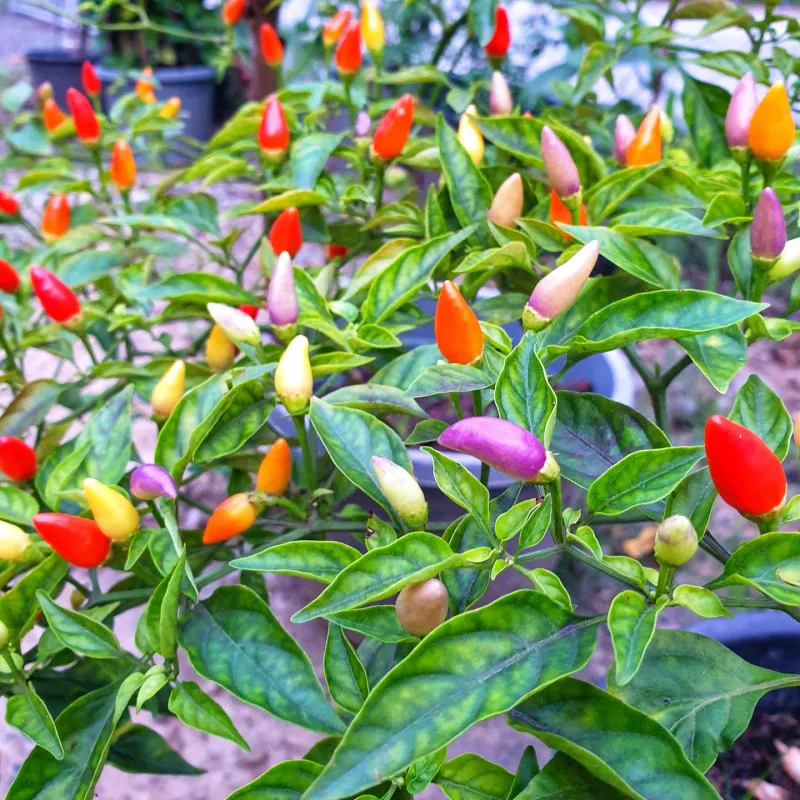
Peppers bring color and flavor to gardens once temperatures stabilize. These heat-loving plants refuse to grow in chilly conditions. Wait until nighttime lows stay above 55 degrees before planting outdoors.
Warm soil is absolutely essential for pepper success. Cold ground causes transplant shock and stunted growth. Soil should feel warm to the touch, not cool or damp.
Plant in full sun where they receive maximum warmth and light. Space transplants about 18 inches apart in rows. Prepare beds with compost or aged manure for nutrient-rich soil.
Peppers develop slowly at first, then grow rapidly as summer heat arrives. Consistent moisture supports steady fruit development. Avoid overwatering, which can lead to root problems.
Both sweet bell peppers and hot varieties thrive in Piedmont conditions. Choose types based on your taste preferences and cooking needs. Compact varieties work well in containers or small spaces.
Mulch helps maintain soil warmth and moisture levels. Support taller plants with small stakes if needed.
Harvest peppers at any stage, though fully ripe fruits offer maximum flavor and nutrition. Regular picking encourages more production throughout the season.
3. Eggplant (Solanum Melongena)
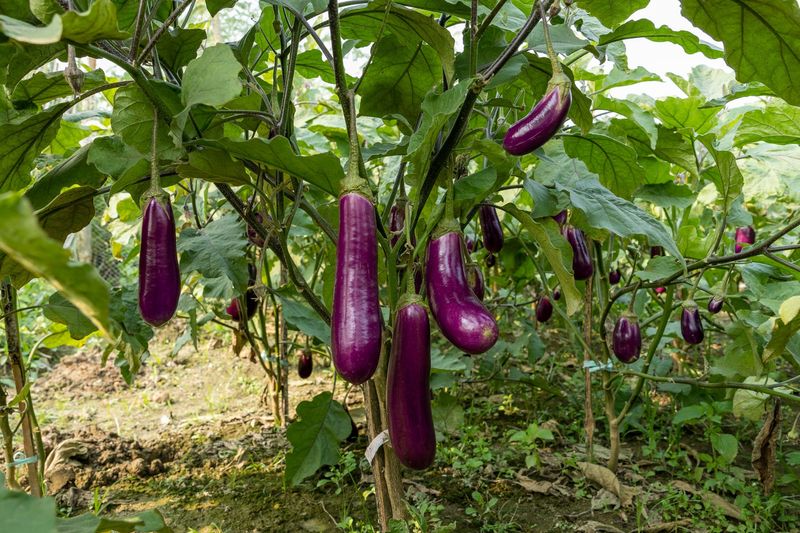
Eggplant demands serious warmth to perform well in gardens. This vegetable struggles in anything less than ideal heat. Plant only after soil and air temperatures remain consistently warm day and night.
Full sun exposure is non-negotiable for healthy eggplant growth. These plants need heat radiating from soil and sky. Well-drained beds prevent root rot and other moisture-related issues.
Transplant seedlings in late April or early May when conditions feel genuinely summery. Space plants two feet apart to accommodate their spreading growth habit. Enrich soil with organic matter before planting.
Eggplants grow slowly initially, then pick up speed as temperatures rise. Water deeply but infrequently to encourage strong root systems. Flea beetles can be troublesome, so monitor plants regularly.
Standard globe types and slender Asian varieties both succeed here. Choose based on your culinary preferences and available garden space. Container growing works if pots are large enough.
Harvest fruits when skin appears glossy and firm. Overripe eggplants become bitter and seedy. Regular harvesting promotes continued fruit set. These plants truly shine during the hottest weeks of summer when other crops slow down.
4. Cucumber (Cucumis Sativus)
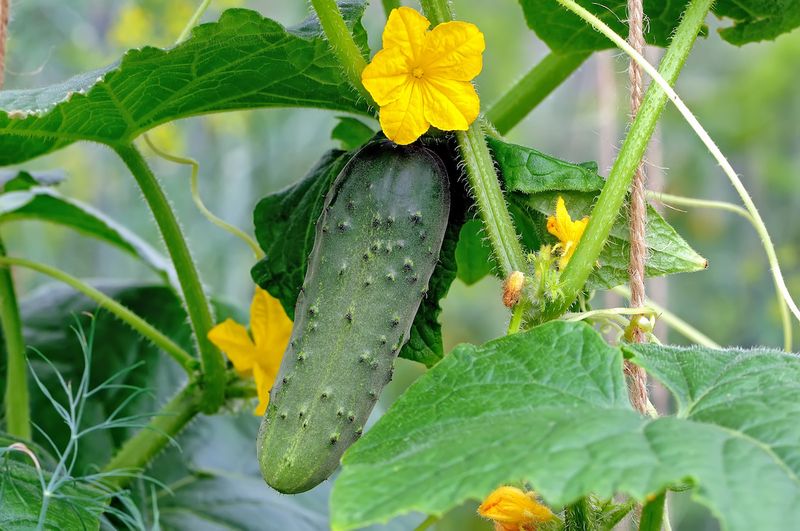
Cucumbers rank among the easiest warm-season crops for beginners. These vines germinate quickly and produce abundantly under the right conditions. Warm soil is the key to successful cucumber growing.
Direct seed into garden beds once soil reaches 65 degrees or warmer. Cold soil causes seeds to rot before sprouting. Full sun and consistent moisture produce the crispest, most flavorful fruits.
Plant in hills or rows depending on your space and growing style. Provide trellises for vining types to save space and keep fruits clean. Bush varieties work well in smaller gardens or containers.
Cucumbers need regular watering, especially during fruit development. Inconsistent moisture leads to bitter or misshapen fruits. Mulch helps maintain even soil moisture and temperature.
Slicing, pickling, and specialty varieties all thrive in Piedmont gardens. Choose disease-resistant cultivars when possible. Succession planting every two weeks extends your harvest window.
Pick cucumbers frequently to encourage more production. Overripe fruits left on vines signal plants to stop producing. Watch for cucumber beetles and treat promptly if populations grow.
These plants reward attentive care with weeks of fresh, crunchy harvests throughout summer.
5. Squash (Summer Varieties)
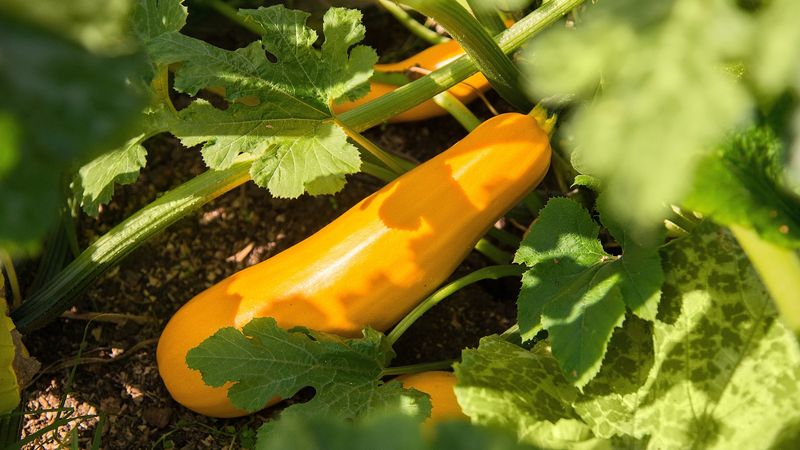
Summer squash grows with remarkable speed once planted in warm soil. Zucchini and yellow squash varieties produce so abundantly that gardeners often share extras with neighbors. These plants need warmth and space to reach their full potential.
Direct seed after frost danger passes completely. Soil should feel warm and workable, not cold or soggy. Plant seeds one inch deep in hills spaced three feet apart.
Full sun and fertile soil produce the heaviest yields. Squash plants develop large leaves that shade out weeds naturally. Water deeply at the base to keep foliage dry and prevent disease.
Bush varieties suit smaller gardens while vining types need more room. Both types produce similar yields when grown properly. Squash blossoms are edible and delicious when stuffed or fried.
Harvest fruits when small and tender for best flavor and texture. Large squash become tough and seedy. Check plants daily during peak production because fruits grow incredibly fast.
Squash vine borers can damage plants, so inspect stems regularly. Powdery mildew often appears late in the season but rarely affects overall production. These reliable plants provide fresh vegetables from early summer through first frost.
6. Okra (Abelmoschus Esculentus)
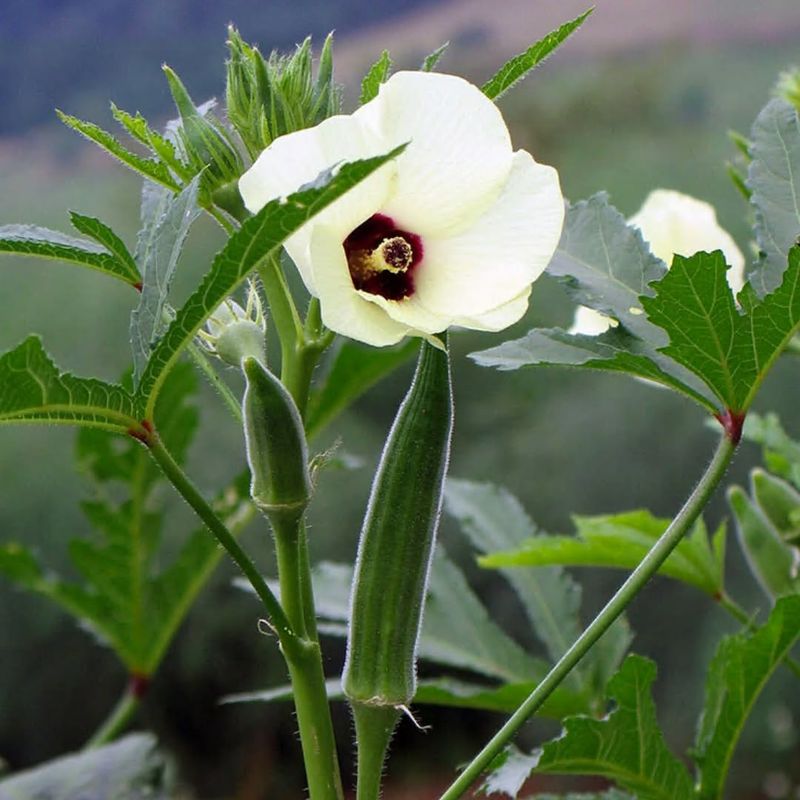
Okra thrives in heat that makes other vegetables wilt. This Southern favorite absolutely loves Piedmont summers. Plant only when soil and air temperatures remain consistently warm without cool snaps.
Direct seed into garden beds in late April or May. Seeds germinate best in soil above 70 degrees. Soaking seeds overnight speeds germination considerably.
Full sun is essential for productive okra plants. Space seeds or transplants 12 to 18 inches apart in rows. These plants grow tall, sometimes reaching five feet or more.
Okra needs little care once established in warm weather. Water during dry spells but avoid overwatering. These drought-tolerant plants handle summer heat better than most vegetables.
Standard green varieties and burgundy types both perform well here. Spineless cultivars make harvesting more comfortable. Harvest pods when three to four inches long for tender texture.
Pick every other day during peak production to keep plants producing. Overmature pods become tough and woody. Wear long sleeves when harvesting varieties with spiny leaves.
Okra continues producing until frost arrives in fall, making it one of the longest-producing warm-season crops available.
7. Sweet Corn (Zea Mays)
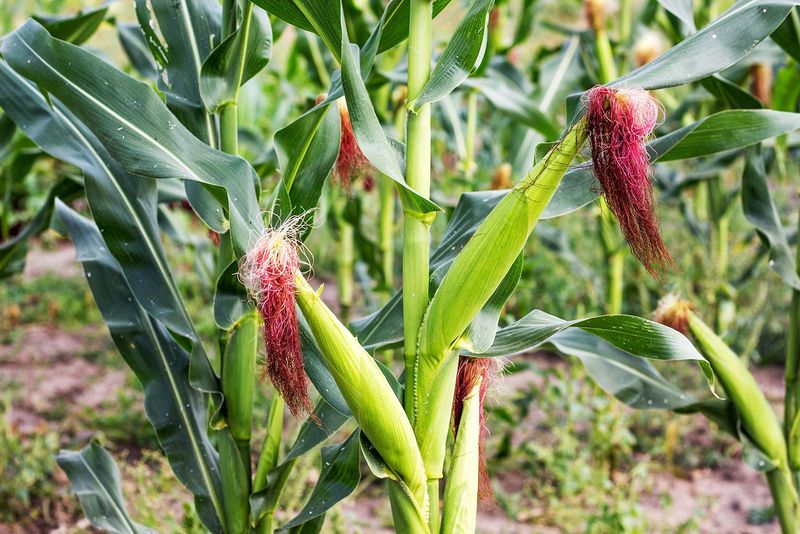
Fresh sweet corn tastes nothing like store-bought versions. Growing your own ensures peak sweetness and flavor. Corn needs warm soil and full sun to germinate and grow properly.
Plant seeds directly in garden beds when soil reaches 60 degrees or warmer. Cold soil leads to poor germination and rotting seeds. Space seeds four to six inches apart in blocks rather than single rows.
Corn relies on wind pollination, so block planting improves ear fill. Plant at least four rows for good pollination results. Shallow roots mean corn needs consistent moisture throughout the growing season.
Side-dress with nitrogen fertilizer when plants reach knee height. Corn is a heavy feeder that depletes soil nutrients quickly. Mulching helps retain moisture and suppress weeds between rows.
Choose early, mid-season, or late varieties based on desired harvest timing. Succession planting provides fresh corn over several weeks. Watch for earworms and treat if necessary.
Harvest when silks turn brown and kernels release milky juice when punctured. Timing is critical because sweetness decreases rapidly after picking. Cook or preserve corn immediately for best flavor.
Growing corn requires space and attention but rewards gardeners with unmatched summer sweetness.
8. Green Bean (Phaseolus Vulgaris)
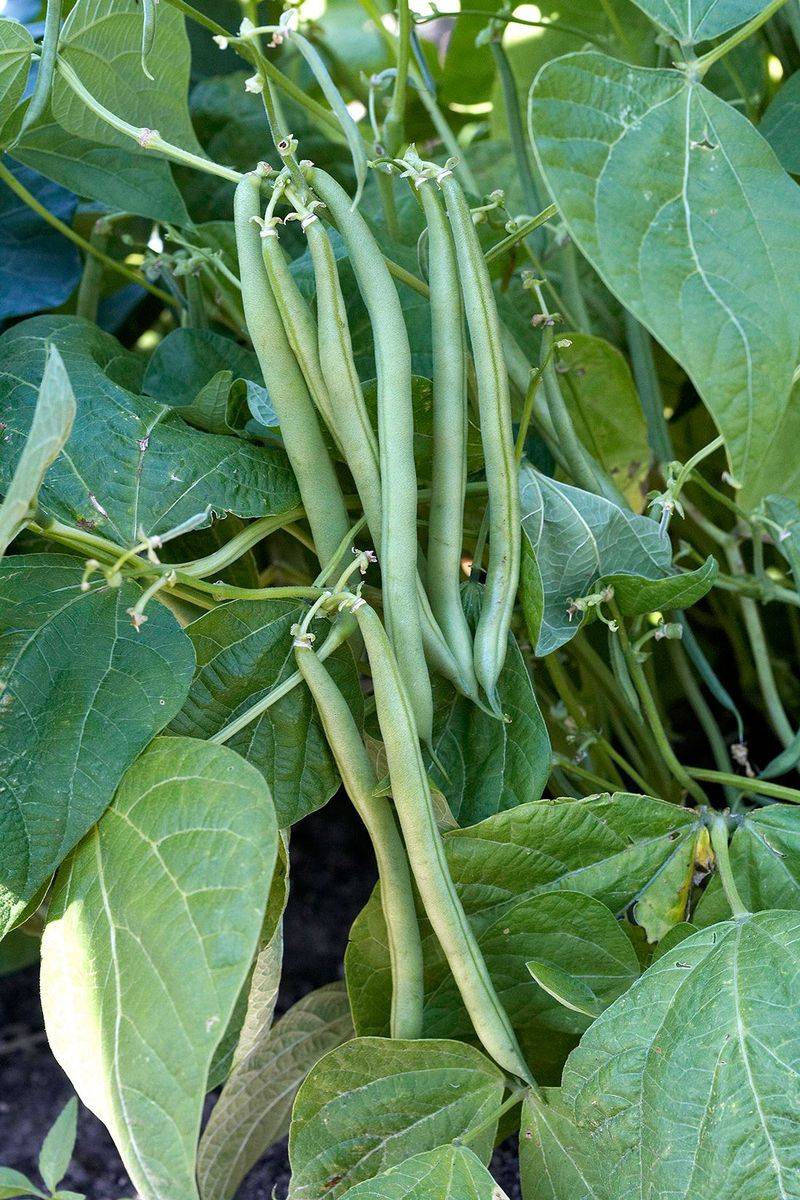
Green beans offer gardeners reliable production with minimal fuss. Both bush and pole types grow well in Piedmont gardens. These legumes prefer warm soil and cannot tolerate frost or cold temperatures.
Direct seed into prepared beds after soil warms to 60 degrees. Cold, wet soil causes seeds to rot before sprouting. Plant seeds one inch deep and three inches apart.
Bush beans mature quickly and produce all at once, perfect for canning. Pole beans climb supports and produce over a longer period. Both types need full sun and moderate moisture.
Beans fix nitrogen in soil, actually improving fertility as they grow. Avoid heavy fertilization, which promotes leaves over pods. Water consistently during flowering and pod development.
Harvest beans when pods snap crisply and seeds inside remain small. Regular picking encourages continued production. Morning harvest often yields crispest beans.
Succession plant bush beans every two weeks for continuous harvest. Pole beans produce until frost arrives in fall. Watch for Mexican bean beetles and handpick if populations appear.
Beans rarely need pesticides when grown in healthy soil. These productive plants provide fresh vegetables throughout summer with very little effort or space required.
9. Watermelon (Citrullus Lanatus)
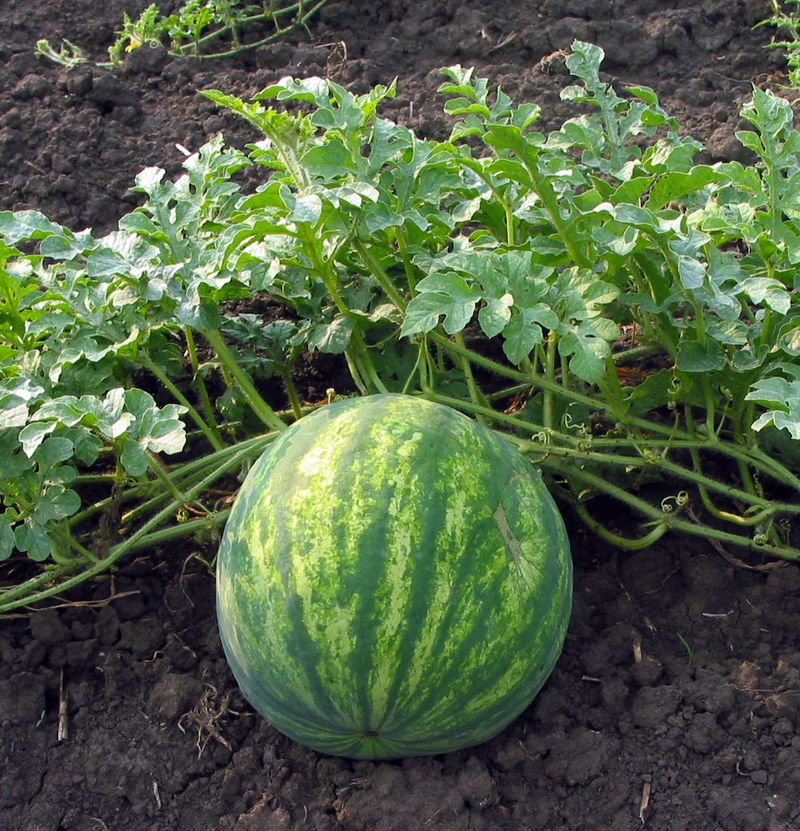
Watermelons embody summer in the South. These sprawling vines need space, warmth, and time to produce sweet, juicy fruits. Plant only when soil and weather conditions remain consistently warm.
Direct seed into hills or raised beds in late April or May. Soil should be 70 degrees or warmer for good germination. Space hills at least six feet apart to accommodate vigorous vine growth.
Full sun and well-drained soil are absolutely essential. Watermelons need long, hot growing seasons to develop full sweetness. Consistent moisture during fruit development prevents hollow heart and cracking.
Mulch around plants conserves moisture and keeps developing fruits clean. Black plastic mulch warms soil and suppresses weeds effectively. Side-dress with compost or balanced fertilizer when vines begin running.
Choose varieties suited to your available space and growing season length. Icebox types mature faster than large varieties. Personal-sized melons work well in smaller gardens.
Harvest when the bottom spot turns creamy yellow and the tendril nearest the fruit dries. Thumping melons is unreliable for judging ripeness. Watermelons stop ripening once picked, so timing matters.
These iconic fruits require patience and space but deliver unmatched summer refreshment.
10. Cantaloupe (Cucumis Melo)
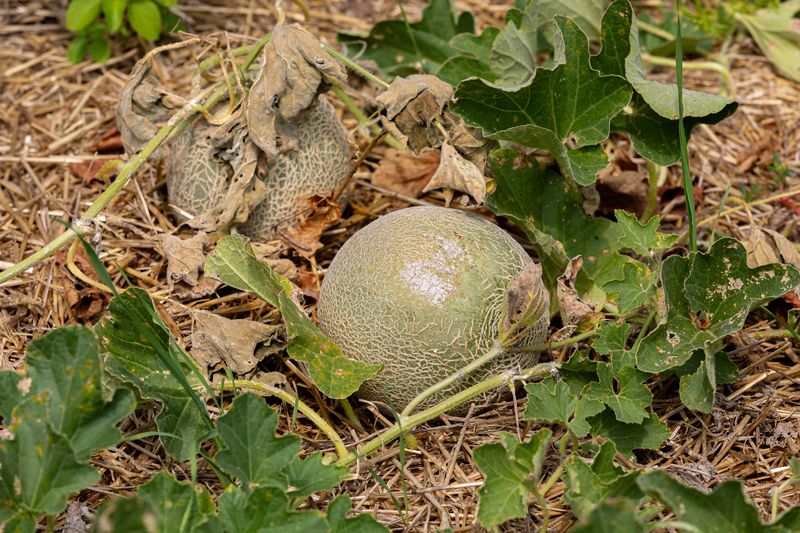
Cantaloupe brings fragrant sweetness to summer gardens. These melons need similar conditions to watermelons but mature somewhat faster. Warm soil and full sun are non-negotiable for success.
Plant seeds directly in garden beds after soil reaches 70 degrees. Space hills four to five feet apart for adequate vine spread. Well-drained soil prevents root rot and other moisture problems.
Cantaloupes need consistent watering during vine growth and early fruit development. Reduce watering as fruits near maturity to concentrate sugars. Too much late-season moisture dilutes flavor and causes splitting.
Full sun exposure ensures proper ripening and sweetness development. Mulch around plants keeps fruits clean and maintains soil moisture. Remove damaged or diseased fruits promptly.
Watch for powdery mildew, especially during humid weather. Good air circulation helps prevent fungal diseases. Choose disease-resistant varieties when available.
Harvest when fruits slip easily from vines with gentle pressure. The background color changes from green to tan or yellow at maturity. Fragrance intensifies as melons ripen fully.
Cantaloupes picked too early never develop full sweetness. These melons require attention to detail but reward careful growers with aromatic, delicious fruits perfect for fresh eating or fruit salads throughout summer months.
11. Zinnia (Zinnia Elegans)
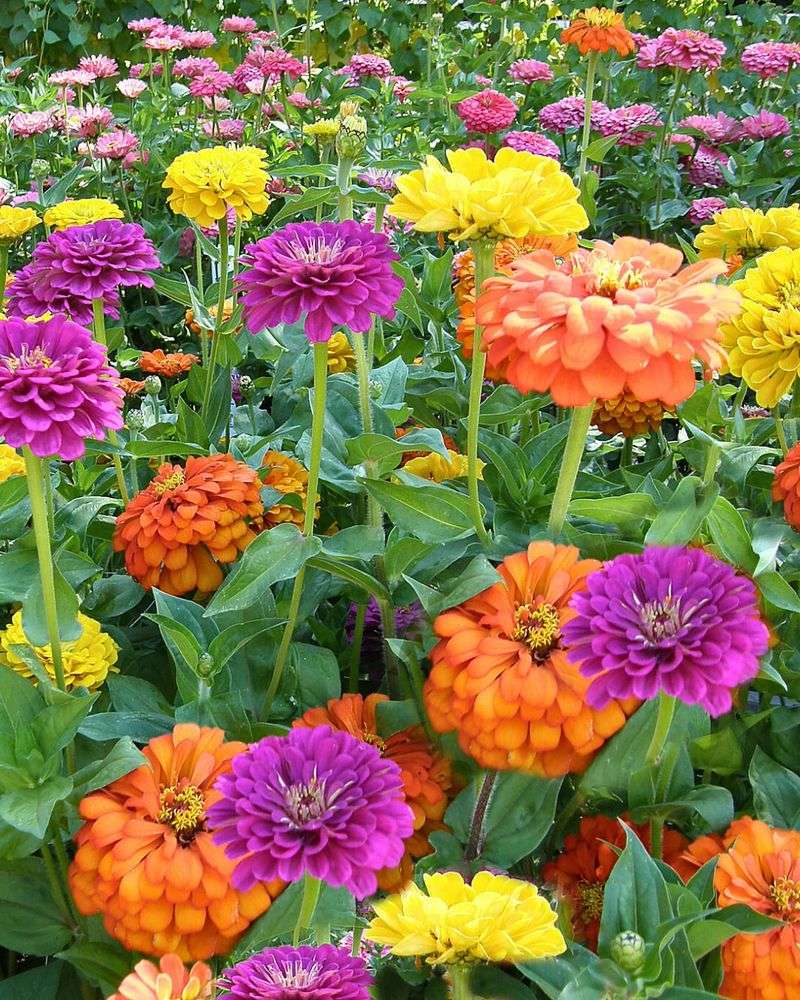
Zinnias brighten gardens with cheerful colors from summer through frost. These annual flowers grow easily from seed planted directly outdoors. Warm soil and sunny locations produce the most impressive displays.
Sow seeds after frost danger passes and soil warms nicely. Zinnias germinate quickly in warm conditions. Space seeds or thin seedlings to prevent overcrowding and improve air circulation.
Full sun produces the strongest stems and most abundant blooms. These flowers tolerate heat and humidity exceptionally well. Well-drained soil prevents root problems and promotes healthy growth.
Zinnias come in heights from six inches to four feet tall. Choose varieties based on garden design and desired use. Dwarf types work well as edging while tall varieties make excellent cut flowers.
Deadhead spent blooms regularly to encourage continuous flowering. Zinnias produce more flowers when harvested frequently. Water at soil level to keep foliage dry and prevent powdery mildew.
These flowers attract butterflies and other beneficial pollinators to gardens. Colors range from white through yellow, orange, pink, red, and purple. Some varieties feature bicolor blooms or unusual petal forms.
Zinnias provide reliable color with minimal care, making them perfect for beginning gardeners or anyone wanting low-maintenance beauty throughout the growing season.
12. Basil (Ocimum Basilicum)
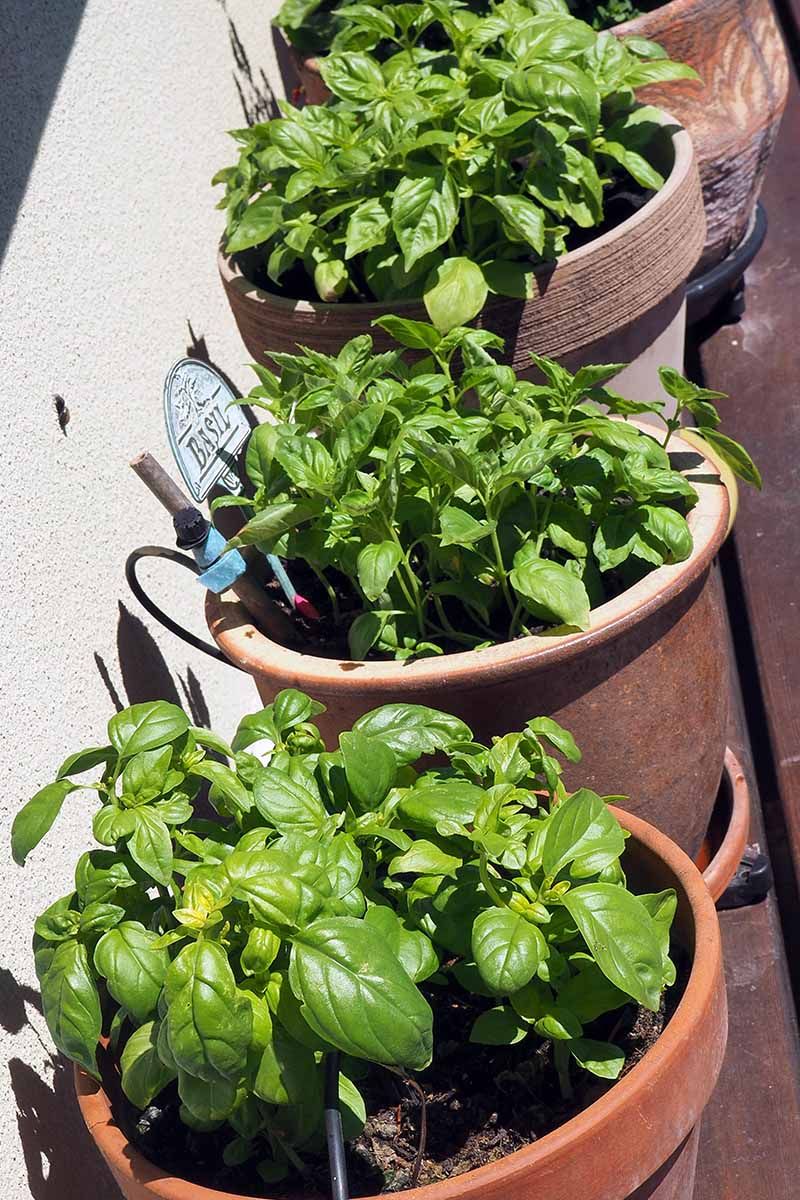
Basil fills gardens with fragrance while providing fresh herbs for cooking. This tender annual cannot tolerate any cold temperatures. Plant only when nights remain consistently warm without cool snaps.
Transplant seedlings or direct seed after soil reaches 70 degrees. Cold soil stunts growth and causes yellowing leaves. Full sun produces the most flavorful, aromatic foliage.
Space plants 10 to 12 inches apart in beds or containers. Basil grows well in pots on sunny patios or decks. Well-drained, fertile soil supports lush, productive plants.
Pinch stem tips regularly to encourage bushy growth and prevent flowering. Flowering reduces leaf production and changes flavor. Harvest leaves frequently to promote new growth.
Water consistently but avoid soggy soil that causes root rot. Basil wilts dramatically when dry but recovers quickly with watering. Mulch lightly around plants to maintain soil moisture.
Sweet basil remains most popular, but purple, lemon, and Thai varieties add interest. Each type offers unique flavors for different culinary uses. Watch for Japanese beetles that sometimes feed on leaves.
Basil continues producing until frost arrives in fall. Preserve excess harvest by freezing leaves in oil or making pesto to enjoy basil flavor long after growing season ends.