12 Plants To Grow Under Tomatoes For Stronger Vines In North Carolina
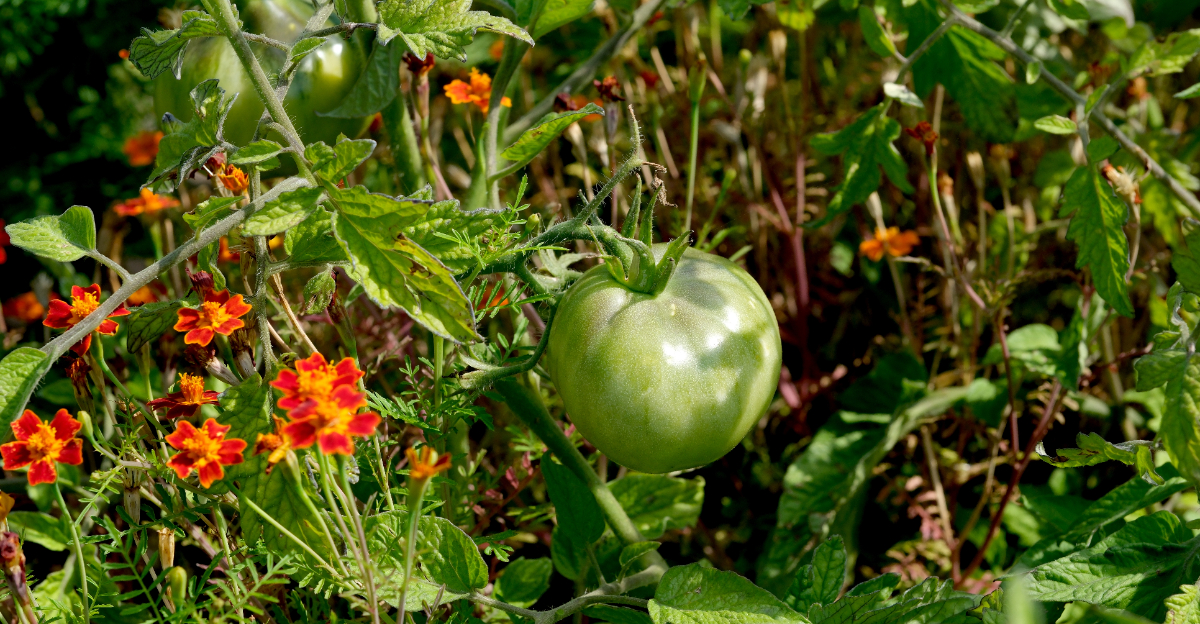
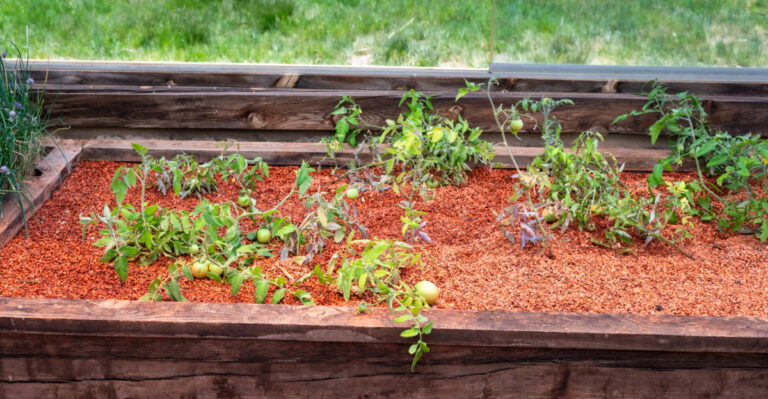
Tomatoes are the stars of many North Carolina gardens, but the real magic happens when you use the space around them wisely.
Instead of leaving bare soil under your tomato vines, smart gardeners fill that area with companion plants that work together to boost growth and productivity.
The right combinations can help shade the soil, reduce weeds, attract helpful pollinators, and even improve plant health.
In North Carolina’s warm, sunny climate, many crops share similar needs and thrive side by side, turning a simple tomato patch into a lively, balanced growing space.
Using this approach not only saves room but also creates a garden that feels fuller, healthier, and more productive from early summer through harvest time.
With the right companions beneath your tomatoes, every inch of soil can work harder while your garden becomes more diverse and rewarding.
1. Basil Helps Improve Tomato Growth And Garden Health
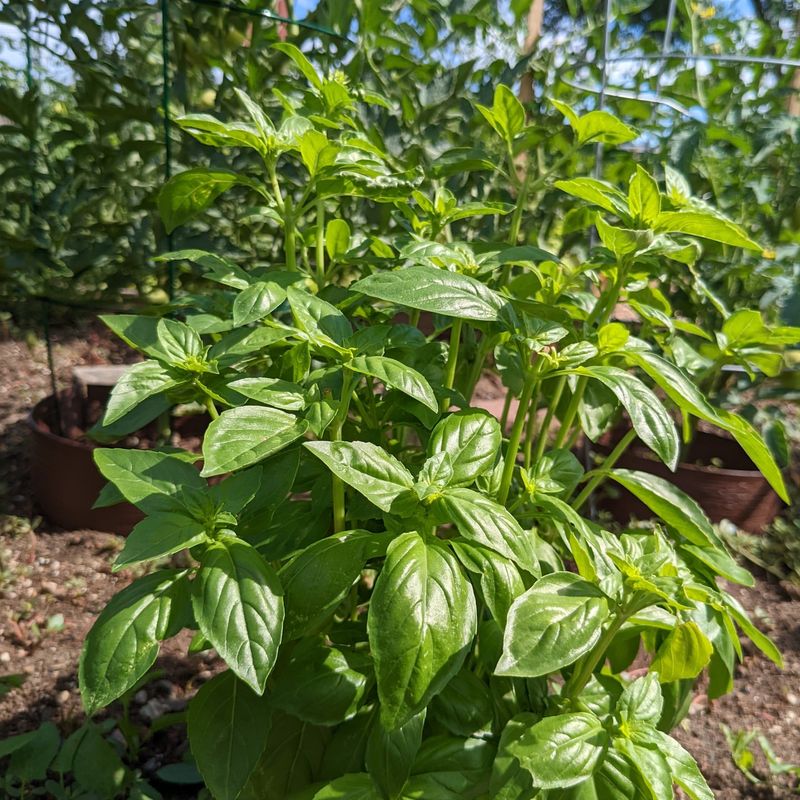
Basil stands as one of the most popular companions for tomatoes in gardens across North Carolina. This aromatic herb thrives in the same warm conditions that tomatoes love, making them natural neighbors in your garden beds.
Both plants prefer full sun exposure and well-drained soil with consistent moisture levels. The compact growth habit of basil makes it perfect for tucking beneath taller tomato plants.
You can harvest fresh leaves throughout the growing season without disturbing your tomato roots.
Basil grows quickly in North Carolina’s warm summers, reaching maturity in just six to eight weeks from planting.
This herb attracts beneficial pollinators like bees and butterflies to your garden space. The fragrant foliage adds aromatic diversity to your planting area while providing fresh herbs for your kitchen.
Many gardeners plant multiple basil varieties under their tomatoes to extend their harvest and add visual interest.
Space basil plants about twelve inches apart around the base of your tomato plants. Water both crops together since they have similar moisture requirements.
Regular harvesting of basil leaves encourages bushier growth and prevents the plants from flowering too early in the season.
North Carolina gardeners can plant basil after the last spring frost when soil temperatures reach sixty degrees. The herbs will continue producing until the first fall frost arrives.
2. Marigolds Help Support A Balanced Garden Environment
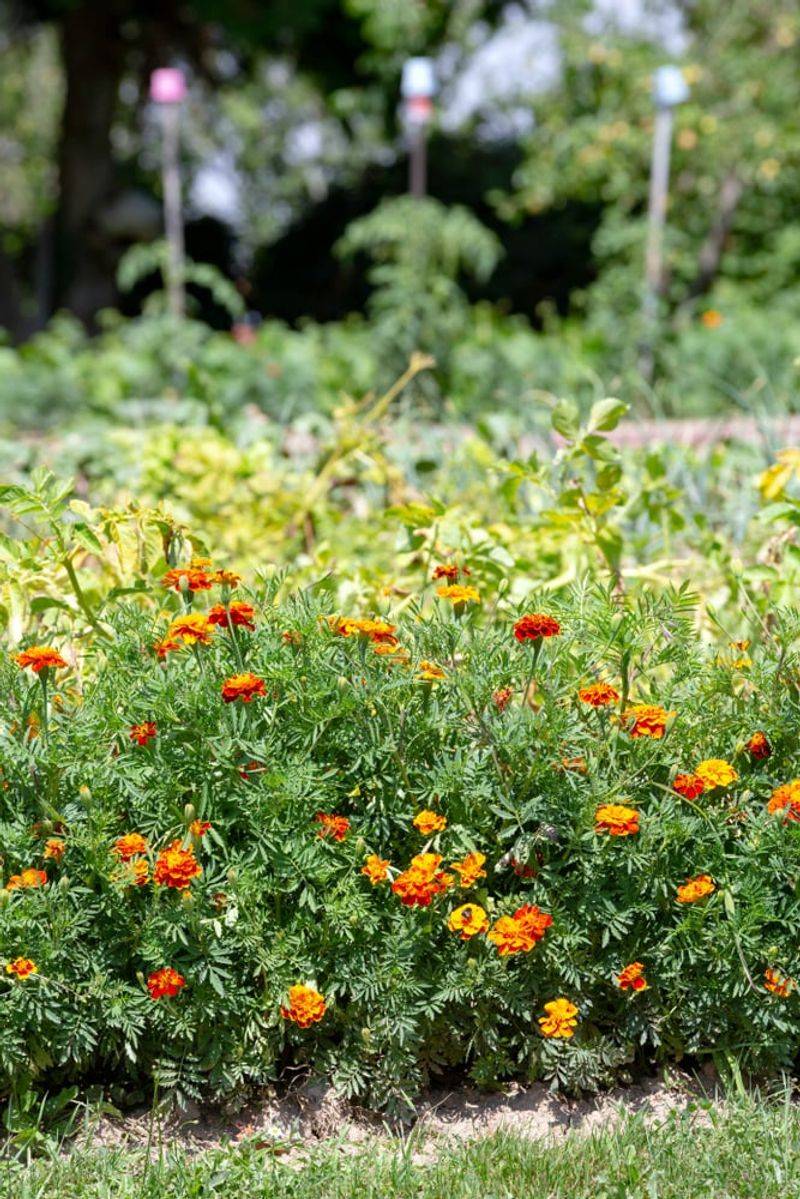
Marigolds bring vibrant color to the space beneath your tomato plants while contributing to garden biodiversity. These cheerful flowers have been used in companion planting for generations, earning their place in vegetable gardens worldwide.
Their bright blooms range from golden yellow to deep orange, creating visual appeal alongside your productive tomato vines.
French marigolds work especially well as understory plants because they stay compact and low-growing. They tolerate the partial shade that develops as tomato canopies expand through the season.
Marigolds thrive in North Carolina’s warm climate and bloom continuously from late spring through fall.
These flowers attract beneficial insects including hoverflies and ladybugs to your garden space. The strong scent of marigold foliage adds another layer of aromatic diversity to your planting beds.
Many gardeners appreciate how easy marigolds are to grow from seed or transplants. Plant marigolds in a ring around your tomato plants, spacing them eight to ten inches apart.
They need similar watering schedules as tomatoes, preferring consistent moisture without waterlogged soil.
Deadheading spent blooms encourages continuous flowering throughout the growing season.
North Carolina gardeners can direct-sow marigold seeds after the last frost or start transplants indoors earlier. These hardy annuals will bloom until cold weather arrives in autumn.
3. Nasturtiums Provide Ground Cover And Garden Diversity
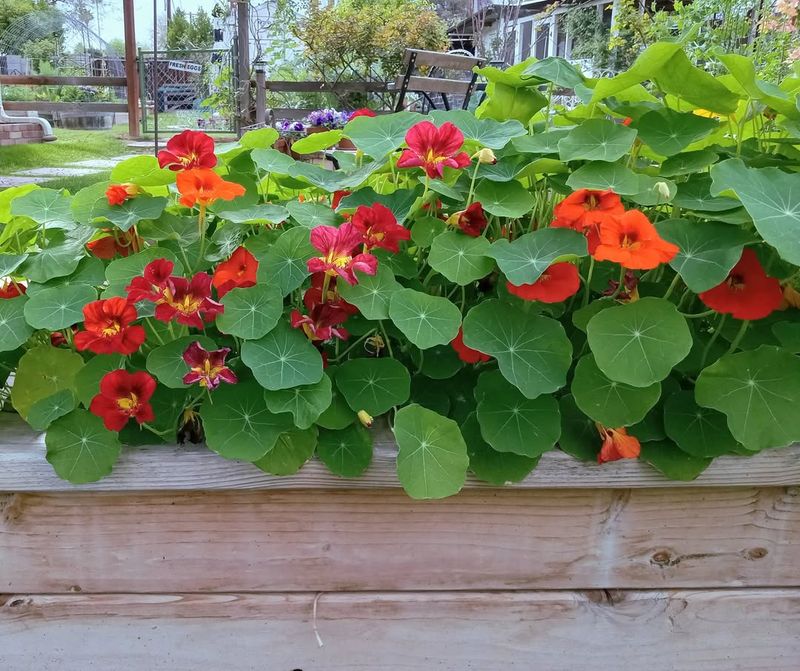
Nasturtiums create a living carpet beneath your tomato plants with their distinctive round leaves and bright flowers. These trailing plants spread horizontally across the soil surface, filling empty spaces that might otherwise grow weeds.
Both the leaves and flowers are edible, adding a peppery flavor to salads and garnishes. The low-growing habit of nasturtiums makes them ideal for underplanting taller crops like tomatoes.
They tolerate partial shade well once your tomato canopy develops fuller coverage. Nasturtiums bloom in shades of red, orange, yellow, and cream, bringing cheerful color to your garden beds.
These plants grow quickly from large seeds that are easy to handle and plant directly in the garden. Nasturtiums prefer slightly lean soil and actually produce more flowers when not over-fertilized.
This makes them perfect companions for tomatoes that receive regular feeding.
Space nasturtium seeds about ten to twelve inches apart around your tomato plants. They need moderate watering and can tolerate brief dry periods better than many garden plants.
The trailing vines will spread to cover bare soil as they mature through the season. North Carolina gardeners can plant nasturtiums after the last spring frost when soil warms up.
These fast-growing annuals will bloom within six weeks of planting and continue until frost. Their spreading nature helps suppress weeds while adding beauty to your tomato patch.
4. Chives Grow Well Near Tomatoes In Similar Conditions
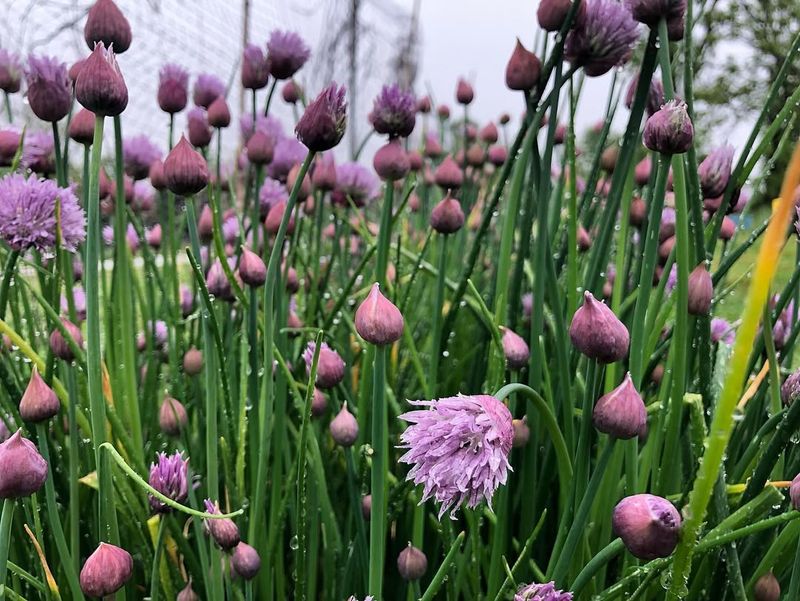
Chives form neat clumps of grass-like foliage that fit perfectly beneath tomato plants without competing for space. These perennial herbs return year after year in North Carolina gardens, making them a long-term companion for your tomato patch.
The mild onion flavor of chive leaves adds zest to countless recipes from spring through fall.
These hardy herbs tolerate the same growing conditions that tomatoes prefer, including full sun and well-drained soil. Chives develop deep root systems that differ from the spreading roots of tomatoes, allowing both plants to coexist peacefully.
The purple globe-shaped flowers that appear in late spring attract beneficial pollinators to your garden.
Gardeners appreciate how low-maintenance chives are once established in the garden. You can harvest the hollow leaves by cutting them near the base, and they will regrow quickly.
Regular harvesting actually encourages more tender new growth throughout the season.
Plant chive divisions or seedlings about eight inches apart around your tomato plants. They need regular watering during establishment but become more drought-tolerant as they mature.
Chives will spread slowly over time, forming attractive clumps that can be divided every few years.
In North Carolina, chives emerge early in spring before you transplant tomatoes. The herbs will continue growing through winter in milder regions of the state.
Their year-round presence makes them valuable companions in your permanent garden beds.
5. Lettuce Makes A Cool Season Underplanting Option
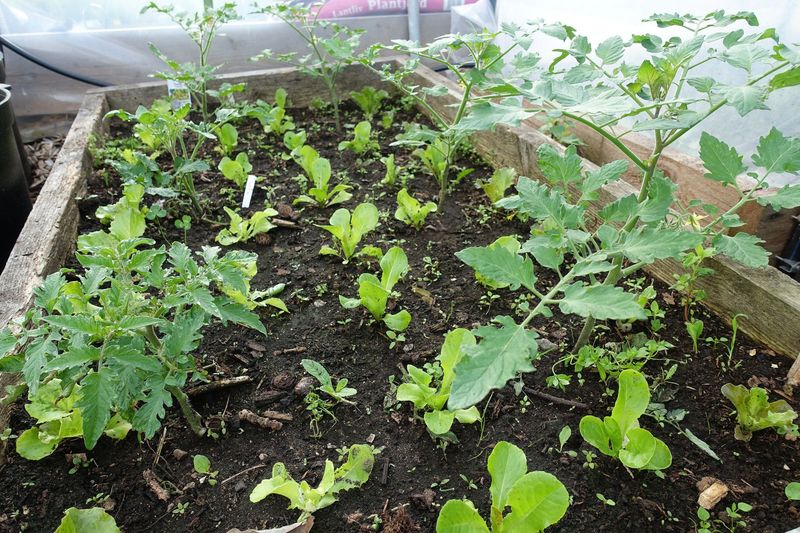
Lettuce thrives in the cool temperatures of early spring when you first transplant tomatoes into North Carolina gardens. The leafy greens appreciate the partial shade that develops as tomato plants grow taller through the season.
This timing allows you to harvest fresh salad greens before hot summer weather arrives.
Loose-leaf varieties work best as understory plants because you can harvest outer leaves continuously without removing the whole plant. Lettuce roots stay shallow and spread horizontally, occupying different soil zones than deeper tomato roots.
The fast-growing nature of lettuce means you can enjoy harvests within four to six weeks of planting.
Many gardeners succession-plant lettuce every two weeks in spring to extend their harvest season. As temperatures rise above seventy-five degrees, lettuce tends to bolt and turn bitter.
The shade from maturing tomato plants can help extend your lettuce harvest slightly into warmer weather.
Sow lettuce seeds or transplant seedlings about six inches apart around young tomato plants. Keep the soil consistently moist since lettuce has shallow roots that dry out quickly.
Morning watering works best to prevent fungal issues on the lettuce leaves. North Carolina gardeners can plant lettuce in early spring, several weeks before the last frost date.
You can also try fall plantings in late summer when temperatures begin cooling. The spring crop pairs perfectly with the early growth stage of tomato plants.
6. Spinach Grows Quickly Before Tomato Canopies Fill In
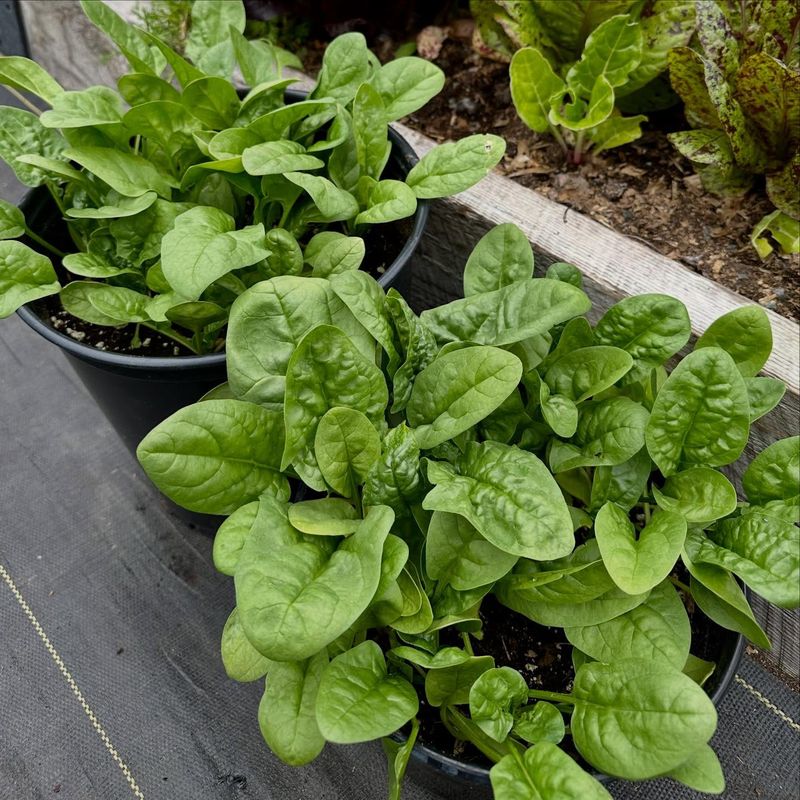
Spinach makes excellent use of garden space during the early weeks after transplanting tomatoes in spring. This nutritious leafy green prefers cool weather and will produce abundant harvests before summer heat arrives.
The compact rosette growth pattern of spinach allows it to nestle perfectly beneath young tomato plants.
Cool spring temperatures in North Carolina provide ideal conditions for spinach to thrive and produce tender leaves. You can begin harvesting outer leaves when they reach usable size, usually within five to six weeks of planting.
Spinach tolerates light frost, so you can plant it earlier than many other understory crops.
The shallow root system of spinach occupies the top few inches of soil without interfering with tomato roots. Both crops benefit from rich, well-amended soil with good drainage and consistent moisture.
Spinach will bolt and turn bitter once temperatures consistently exceed seventy degrees.
Plant spinach seeds about four inches apart in rows or clusters around your tomato transplants. Water regularly to keep soil evenly moist since spinach needs consistent moisture for tender leaf production.
Mulching around both crops helps retain soil moisture and regulate temperature.
North Carolina gardeners should plant spinach in early spring, about four to six weeks before the last expected frost. You can also try fall plantings in late summer for autumn harvests.
The spring crop will finish producing just as your tomato plants begin their vigorous growth phase.
7. Parsley Supports A Diverse And Productive Garden
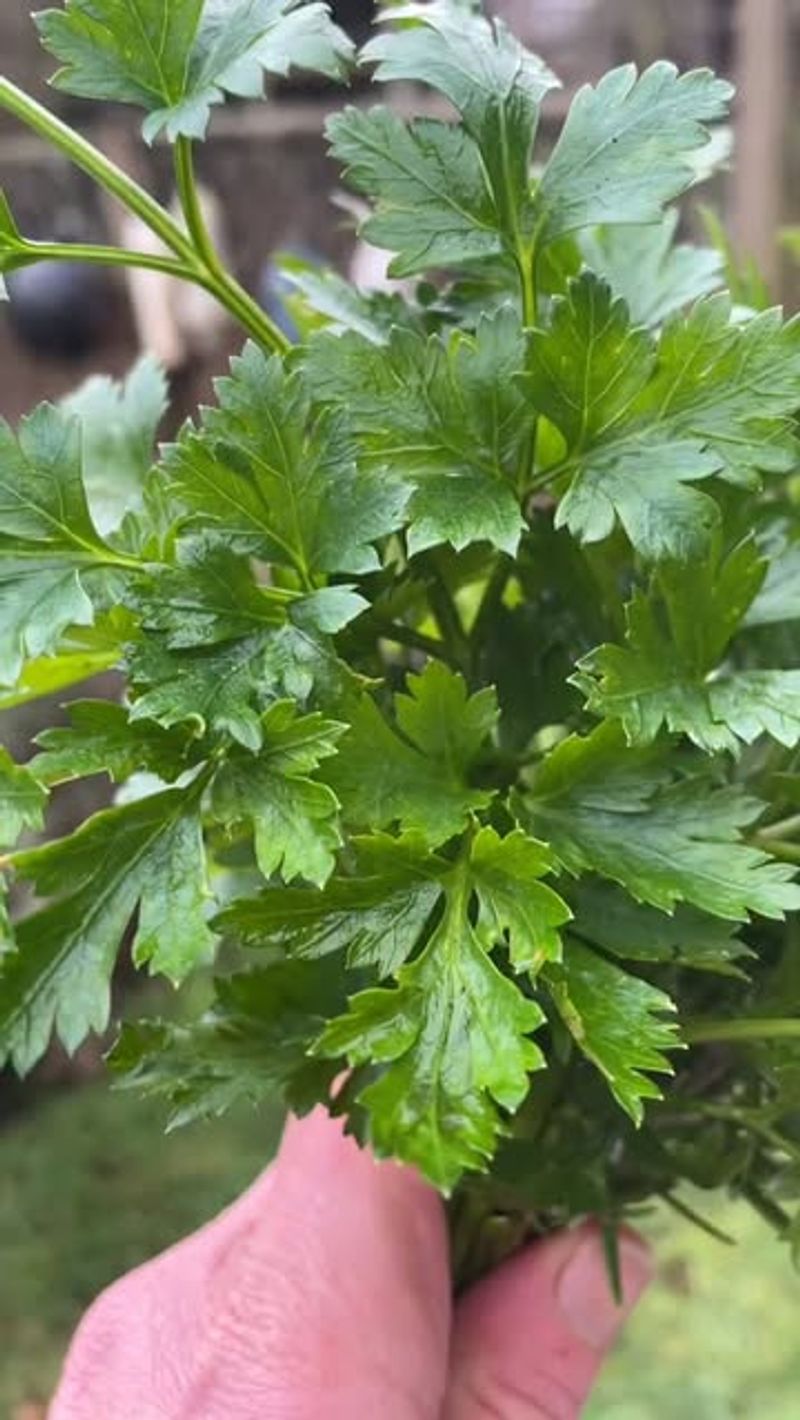
Parsley adds lush green foliage to the space beneath your tomato plants while providing fresh herbs for your kitchen. This biennial herb grows well in the same conditions that tomatoes prefer, including full sun to partial shade and rich soil.
Both flat-leaf and curly varieties work well as companion plants in North Carolina gardens.
The compact, mounding growth habit of parsley makes it suitable for underplanting without crowding tomato stems. Parsley develops a taproot that grows downward rather than spreading horizontally like tomato roots.
This herb attracts beneficial insects including parasitic wasps and hoverflies that help maintain garden balance.
Gardeners value parsley for its long harvest season that extends from spring through fall in North Carolina. You can continuously harvest outer stems throughout the growing season, and the plant will keep producing new growth.
Parsley even tolerates light frosts in autumn, often outlasting your tomato plants.
Plant parsley transplants or seeds about eight to ten inches apart around your tomato plants. Seeds can be slow to germinate, taking two to three weeks, so many gardeners prefer starting with transplants.
Water regularly and mulch around plants to maintain consistent soil moisture.
North Carolina gardeners can plant parsley in early spring alongside tomato transplants. The herb will establish during cool weather and continue thriving through summer heat.
As a biennial, parsley may overwinter in milder parts of the state and return the following spring.
8. Carrots Use Soil Space Below Tomato Roots
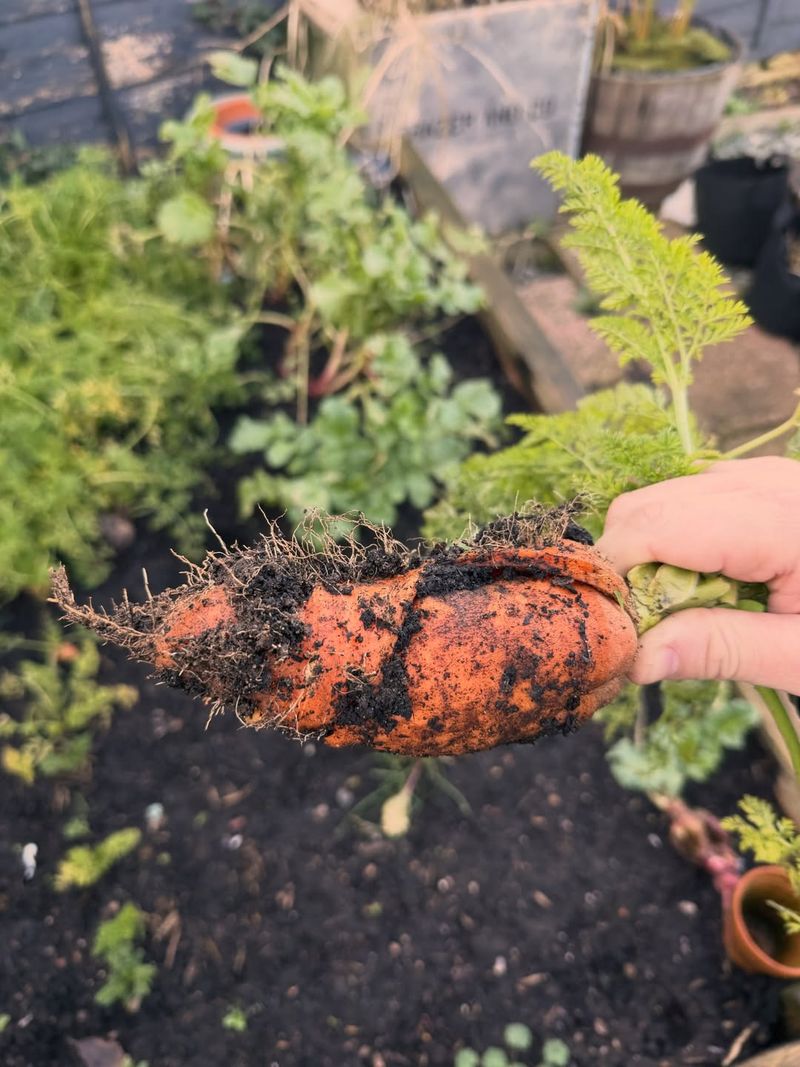
Carrots utilize vertical garden space by growing downward into the soil while tomatoes grow upward on stakes or cages. The feathery foliage of carrots stays low and compact, fitting neatly beneath taller tomato plants.
This root vegetable develops deep in the soil profile where it does not compete with the spreading roots of tomatoes.
Short or half-long carrot varieties work best for companion planting since they mature faster than full-size types. Loose, well-drained soil is essential for both crops, allowing carrot roots to grow straight and tomato roots to spread easily.
North Carolina gardeners should ensure their soil is free of rocks and clumps for best carrot development.
Timing your carrot planting carefully helps maximize garden productivity throughout the season. Plant carrot seeds in early spring when you transplant tomatoes, and they will mature as tomato plants reach full size.
You can succession-plant carrots every three weeks for continuous harvests.
Sow carrot seeds thinly about two inches apart around the base of tomato plants. Thin seedlings to four-inch spacing once they develop true leaves for best root development.
Keep soil consistently moist during germination, which takes ten to fourteen days.
North Carolina gardeners can plant spring carrots after the last frost date when soil temperatures reach forty-five degrees. Fall plantings in late summer work well too, maturing as tomato season winds down.
Carrots actually taste sweeter after experiencing light frost in autumn.
9. Radishes Grow Fast And Help Maximize Garden Space
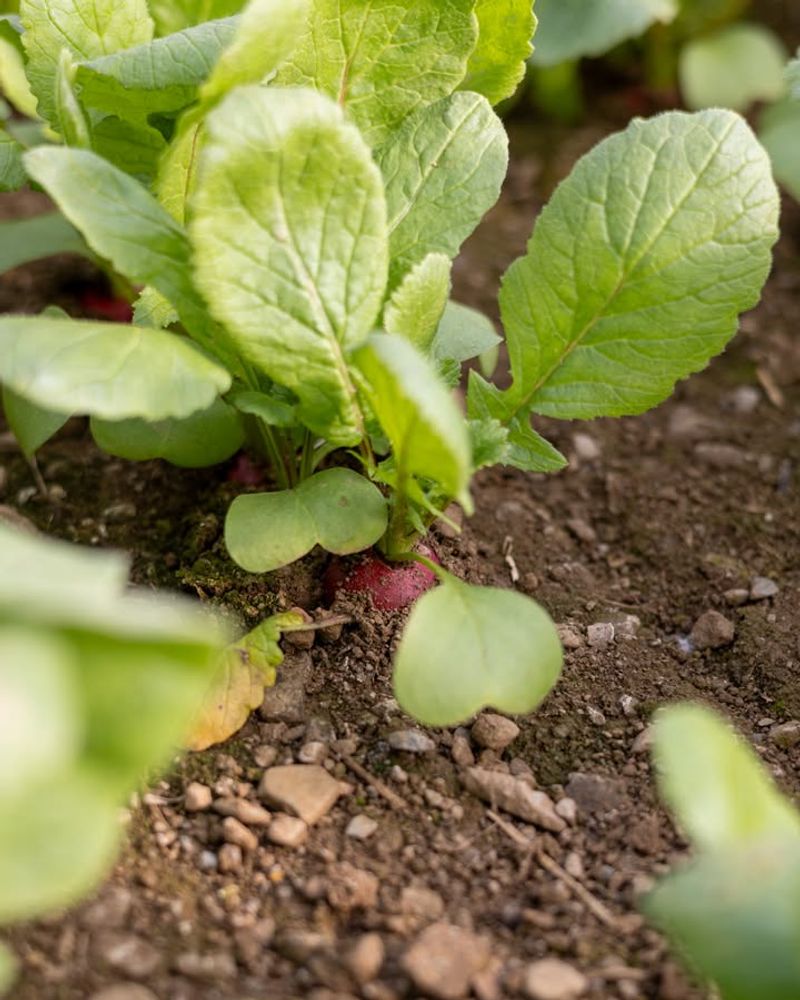
Radishes rank among the fastest-growing vegetables you can plant beneath tomato vines in North Carolina gardens. These quick crops mature in just three to four weeks from planting, providing early harvests while tomatoes are still establishing.
The compact size of radish plants makes them perfect for tucking into available spaces around tomato stems.
Spring radishes prefer cool weather and will produce the best quality roots before summer heat arrives. The rapid growth of radishes allows you to clear the space for other crops or mulch as tomato plants expand.
Radish foliage stays low and does not shade or compete with young tomato plants.
Many gardeners use radishes as a marker crop when planting slow-germinating seeds like carrots nearby. The quick-sprouting radishes show you where you planted and help break up soil crusting.
You can harvest radishes and enjoy them fresh while waiting for other crops to mature.
Sow radish seeds about one inch apart in rows or clusters around your tomato transplants. Thin seedlings to two-inch spacing for best root development and to prevent crowding.
Keep soil consistently moist since dry conditions cause radishes to become woody and hot-flavored.
North Carolina gardeners can plant radishes in early spring as soon as soil can be worked. You can succession-plant every week for continuous harvests through the cool season.
Stop planting radishes once temperatures consistently exceed seventy-five degrees.
10. Thyme Makes A Low Growing Companion Plant
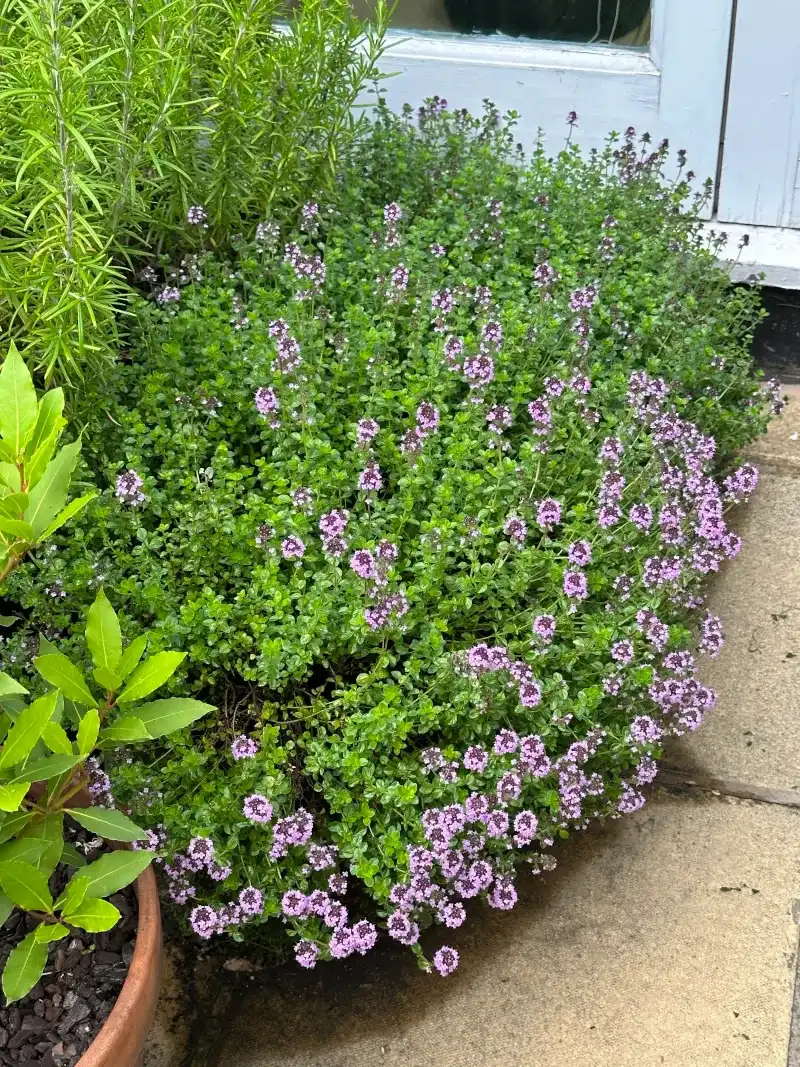
Thyme creates a fragrant carpet of tiny leaves beneath your tomato plants while requiring minimal maintenance. This woody perennial herb grows only four to six inches tall, making it one of the lowest-growing companions for tomatoes.
The spreading habit of thyme helps suppress weeds while adding aromatic diversity to your garden beds.
Multiple thyme varieties offer different flavors and growth habits for your garden, from common thyme to lemon and creeping types. All prefer the same sunny, well-drained conditions that tomatoes thrive in throughout North Carolina.
Once established, thyme becomes quite drought-tolerant and needs less frequent watering than your tomato plants.
The small purple or white flowers that appear on thyme in late spring attract beneficial pollinators to your garden. You can harvest thyme sprigs throughout the growing season for fresh or dried use in cooking.
Regular harvesting encourages bushier growth and prevents the plants from becoming woody.
Plant thyme transplants about twelve inches apart around your tomato plants, giving them room to spread. Young plants need consistent moisture during establishment but require less water as they mature.
Avoid overwatering thyme since it prefers slightly drier conditions than many garden plants.
North Carolina gardeners can plant thyme in spring after the last frost or in early fall. This perennial herb will survive winter in most parts of the state and return each spring.
Thyme makes an excellent long-term companion in permanent garden beds.
11. Garlic Shares Similar Growing Needs With Tomatoes
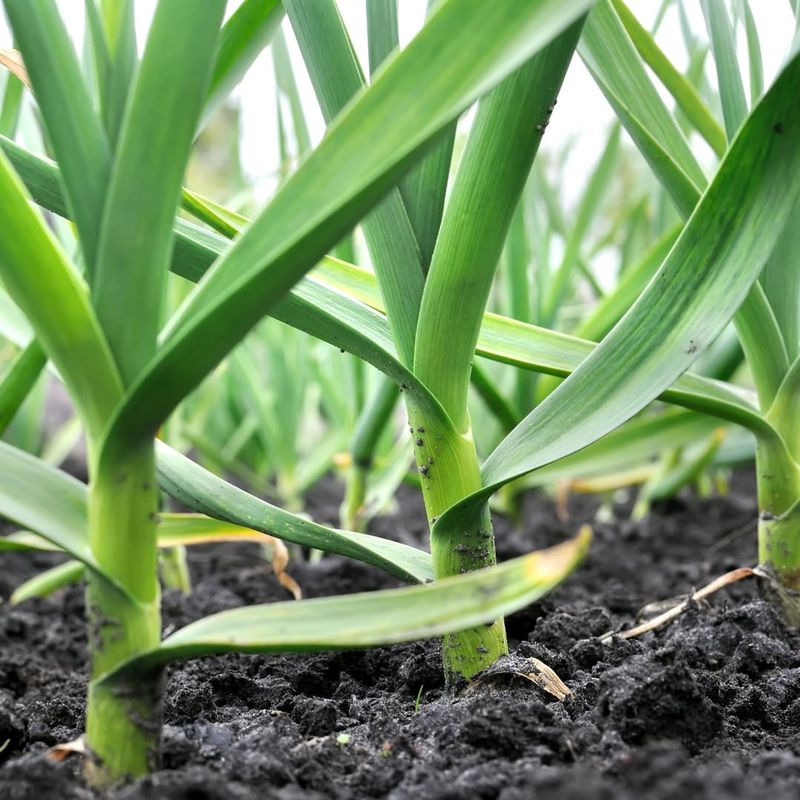
Garlic grows through fall and winter in North Carolina, reaching maturity just as you transplant tomatoes in spring. The vertical growth habit of garlic leaves allows both crops to share garden space efficiently.
Planting garlic cloves in autumn means you can harvest bulbs in early summer while tomatoes are still developing.
The narrow, upright foliage of garlic occupies minimal horizontal space around the base of tomato plants. Garlic develops most of its bulb underground during cool months before tomato roots spread extensively.
Both crops prefer rich, well-drained soil with consistent moisture and full sun exposure.
Many gardeners appreciate the dual harvest timeline that garlic and tomatoes provide in companion plantings. You can harvest garlic scapes in spring for a mild garlic flavor, then harvest full bulbs in early summer.
This clears space around maturing tomato plants just as they need more room to grow.
Plant individual garlic cloves four to six inches apart around where you plan to set tomato transplants. Push cloves two inches deep with the pointed end facing upward.
Mulch the planting area to protect garlic through winter and retain moisture.
North Carolina gardeners should plant garlic in October or November for best results. The cloves will develop roots in fall, grow slowly through winter, and bulb up in spring.
Harvest garlic when lower leaves turn brown, typically in June, then transplant tomatoes into the same space.
12. Clover Helps Improve Soil And Garden Biodiversity
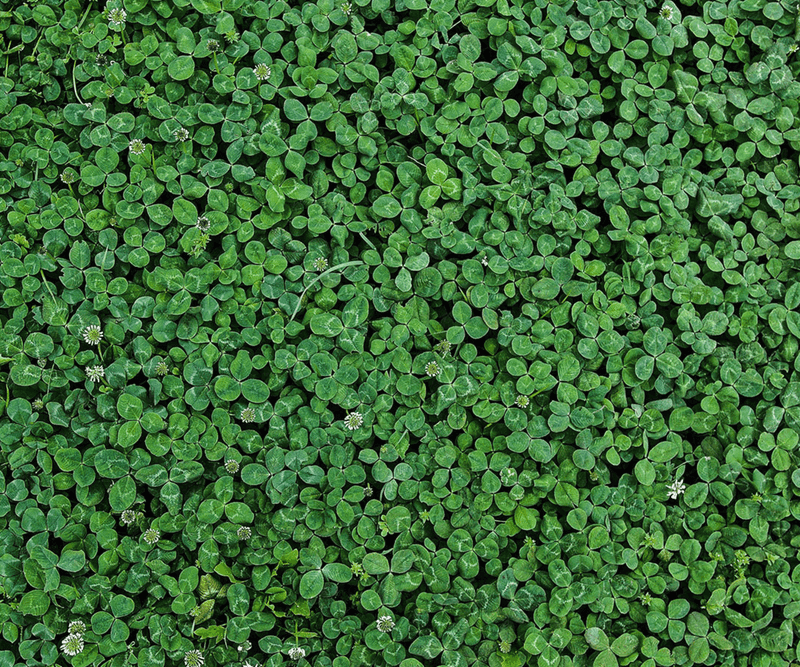
Clover serves as a living mulch beneath tomato plants, covering bare soil with dense green foliage. White Dutch clover grows only four to six inches tall, staying low enough to avoid interfering with tomato stems and foliage.
This nitrogen-fixing legume adds organic matter to your soil as it grows and eventually decomposes.
The dense growth of clover helps suppress weeds naturally while maintaining soil moisture around tomato roots. Clover tolerates moderate foot traffic and can handle the activity around your tomato plants during harvesting and maintenance.
The small white flowers attract beneficial pollinators including bees and butterflies to your garden space.
As a legume, clover forms nodules on its roots that convert atmospheric nitrogen into a form plants can use. This natural process may benefit nearby tomato plants by adding nitrogen to the soil over time.
Clover also improves soil structure with its fibrous root system that breaks up compacted areas.
Broadcast clover seeds around young tomato plants at a rate of about one ounce per hundred square feet. Keep the seeded area moist until germination occurs, usually within seven to ten days.
Once established, clover becomes quite drought-tolerant and requires minimal maintenance.
North Carolina gardeners can plant clover in early spring or fall for best establishment. The perennial nature of white clover means it will return each year in your garden beds.
Mow or trim clover occasionally if it grows taller than desired around your tomato plants.