7 Plants To Prune In April For Bigger Bloom Season In Pennsylvania
April can feel like the moment a Pennsylvania garden finally starts stretching awake. Fresh growth is showing up, the weather is getting friendlier, and it is tempting to just sit back and wait for the flowers to do their thing.
But this is also one of the best times to give certain plants a helpful push. A well-timed trim in April can lead to bushier growth, stronger stems, and a much more impressive bloom season once things really get going.
It is one of those small jobs that can make a surprisingly big difference. The key is knowing which plants actually benefit from it.
Prune the right ones now, and you can end up with more buds, better shape, and a garden that looks fuller and more colorful later on.
Miss the window, and some plants may get leggy or put less energy into flowering. For Pennsylvania gardeners who want bigger blooms without spending more money at the nursery, this is the kind of simple spring move that pays off in a big way.
1. Panicle Hydrangea
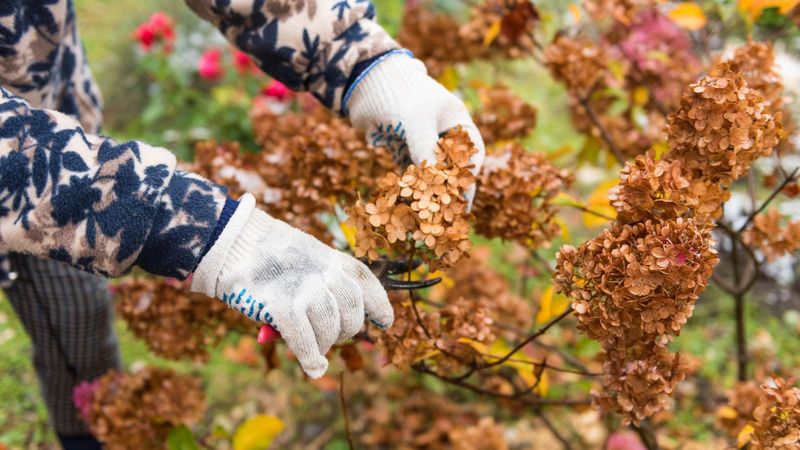
Few shrubs reward a spring pruning quite like panicle hydrangea. Varieties such as Limelight, Bobo, and Quick Fire are popular across Pennsylvania for good reason.
They are tough, reliable, and produce massive flower clusters every summer without much fuss.
Unlike some other hydrangeas, panicle types bloom on new wood. That means the flowers you enjoy in July and August grow on stems that sprouted this spring.
Pruning in April gives the plant a chance to push out strong new growth before the heat arrives. You are not losing any blooms by cutting back now.
A good rule of thumb is to cut last year’s growth back to a pair of healthy buds. You can reduce the overall height by about one-third to one-half depending on how large the shrub has gotten.
This helps control the size while encouraging sturdy new stems that can support big, heavy flower heads without flopping over.
April works well in Pennsylvania because the worst of winter is typically behind you, but the plant has not fully leafed out yet. That makes it easy to see the structure of the shrub and make smart cuts.
Sharp, clean pruning shears are a must to avoid tearing the stems. If you missed pruning in late winter, do not stress. An April prune still delivers great results.
Just get it done before new growth gets too long, and your panicle hydrangea will reward you with one of the best bloom seasons yet.
2. Group 3 Clematis
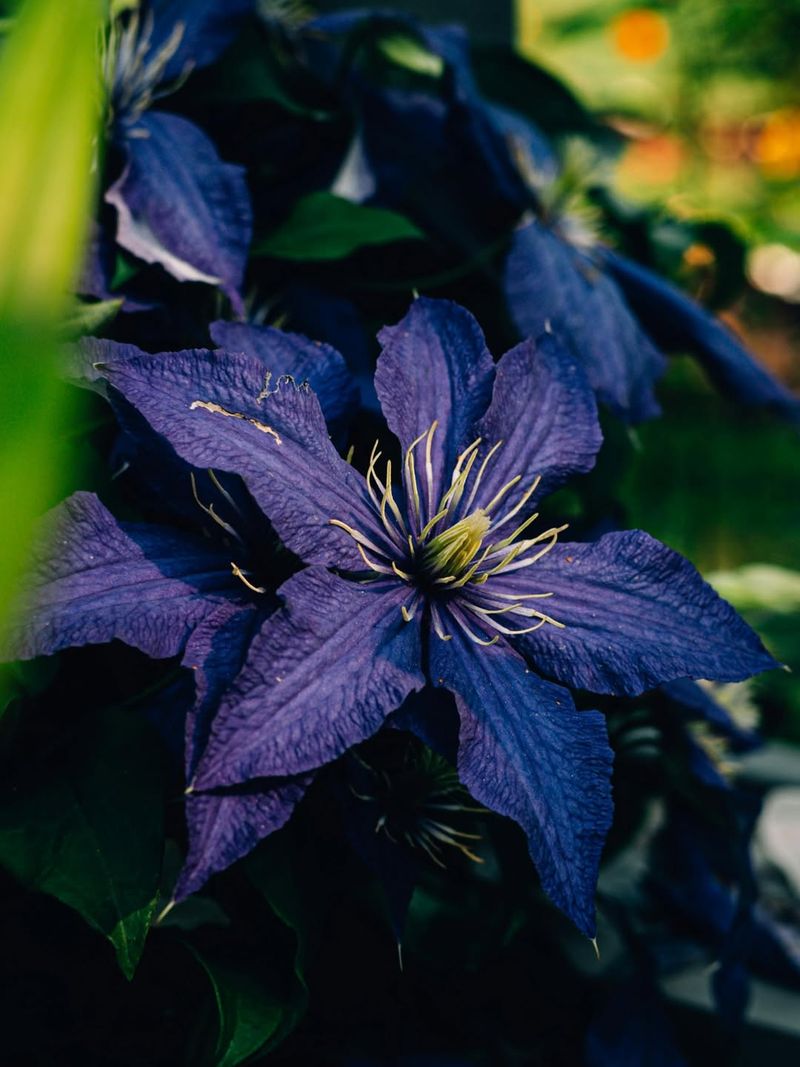
Not all clematis are created equal when it comes to pruning, and getting the group right matters a lot.
Group 3 clematis, which includes popular summer and fall bloomers like Jackmanii, Sweet Autumn, and Viticella varieties, flower on new growth produced in the current season. That makes them perfect candidates for a hard spring prune in Pennsylvania.
Cutting Group 3 clematis back in early spring is actually what keeps them performing their best. Left unpruned, these vines can become a tangled mess of old stems with flowers only appearing at the very tips.
A hard prune resets everything and encourages the plant to push out vigorous new growth from the base.
The standard advice is to cut the vines back to about eight to eighteen inches from the ground, making sure to prune just above a healthy pair of buds. It feels drastic the first time you do it, but the results are genuinely impressive.
The plant typically responds with strong, full growth that covers trellises and fences beautifully.
April is a great time for this task in Pennsylvania because new growth is just beginning to emerge at the base of the plant. You can clearly see where the live growth starts, which makes it easy to know exactly where to cut.
By late summer, a well-pruned Group 3 clematis will produce far more flowers than one that was left alone. More blooms, a tidier plant, and a healthier vine overall make this one of the most rewarding April pruning jobs in the garden.
3. Smooth Hydrangea
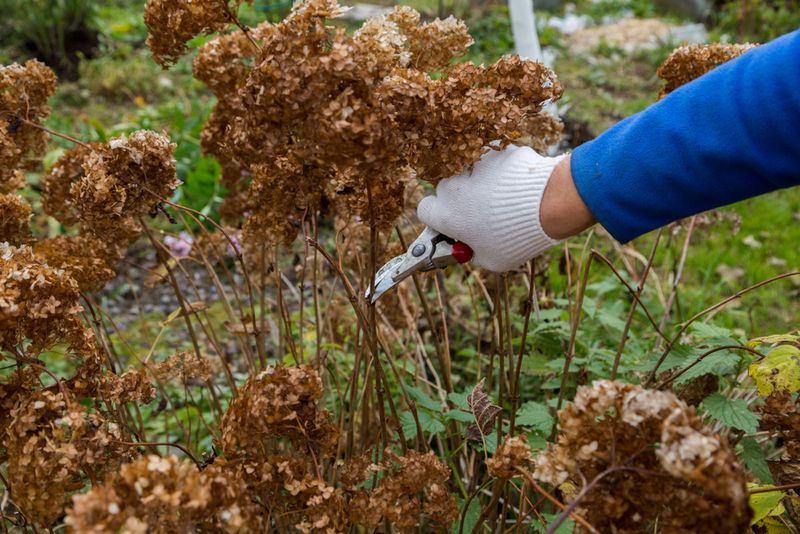
Smooth hydrangeas have a reputation for being nearly foolproof, and that holds true when it comes to pruning too.
Varieties like Annabelle and Incrediball are staples in Pennsylvania yards, and they absolutely love a good spring haircut. The best part is that you really cannot go wrong with the timing if you do it in April.
Just like panicle types, smooth hydrangeas bloom on new wood. Cutting them back in early spring encourages a fresh flush of strong stems, and those stems are what carry the big, round flower heads that make these shrubs so beloved.
Skipping the prune can lead to weak, floppy growth and smaller blooms. You can cut smooth hydrangeas back fairly hard, anywhere from six inches to about eighteen inches from the ground. Some gardeners go even shorter.
The plant will bounce back quickly once warm weather arrives. Do not be afraid to be bold with your cuts here.
One reason smooth hydrangeas are a much safer April prune than bigleaf types is that you are not risking next season’s buds.
Bigleaf hydrangeas bloom on old wood, so cutting them in spring can eliminate your flowers for the year. With smooth hydrangeas, that concern simply does not apply.
Pennsylvania gardens that still look tired and brown in early April are perfect candidates for this task. A hard prune now sets up smooth hydrangeas for a spectacular summer show, often with bigger blooms than the year before.
4. Russian Sage
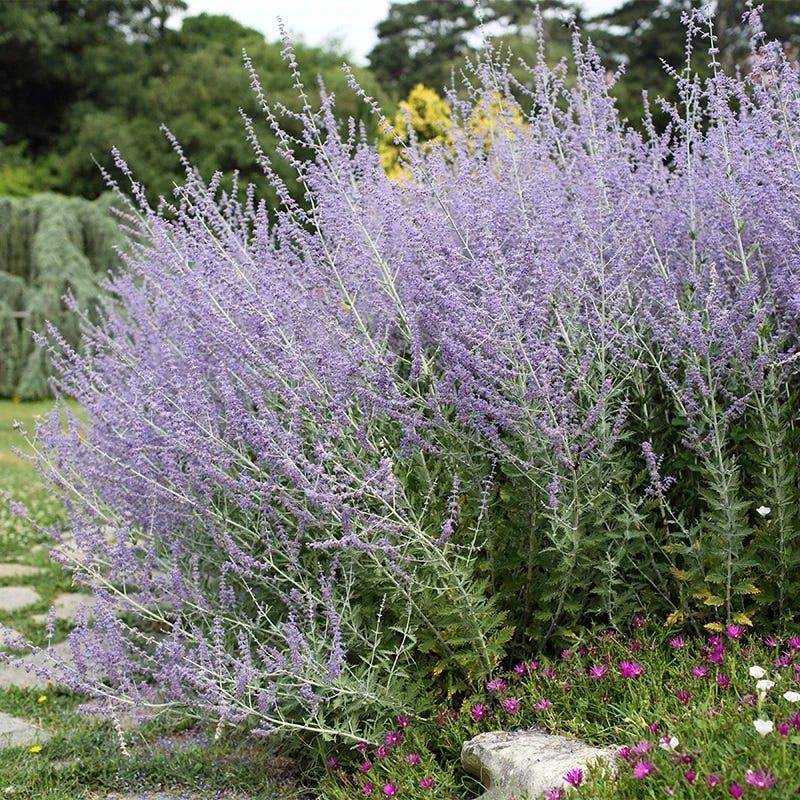
Walk through a Pennsylvania garden in early April and you will likely spot Russian sage looking rough and ragged after a long winter. The silvery stems stand stiff and gray, and the plant can appear almost lifeless.
Do not let that fool you. Russian sage is incredibly tough, and a hard spring prune is exactly what it needs to come back strong.
Russian sage blooms on new wood, so cutting it back hard in late winter or early spring does not cost you any flowers. In fact, skipping the prune often leads to a tall, floppy plant that needs staking by midsummer.
Nobody wants that. Getting in there with your pruners in April keeps the plant tidy and sets it up for a better growing season.
Cut the stems back to about four to six inches from the ground, just above where you can see new growth beginning to emerge. The fresh green shoots near the base are your guide. Make clean cuts and remove all the old woody material from last year.
One thing to keep in mind is that Russian sage can be slow to wake up in spring. Do not panic if the new growth seems minimal in early April.
Give it a couple of weeks and the plant will fill in quickly once temperatures warm up consistently.
By midsummer, a properly pruned Russian sage will stand upright, fill out beautifully, and produce those iconic lavender-blue flower spikes that pollinators absolutely love. It is a solid and satisfying April task for any Pennsylvania garden.
5. Roses
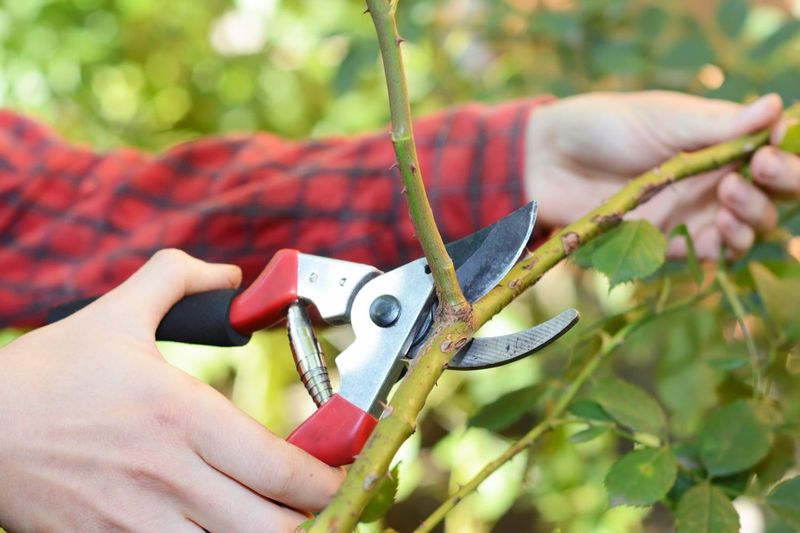
Roses are one of those plants that gardeners sometimes feel nervous about pruning, but April in Pennsylvania is actually one of the most practical windows to get it done.
The trick is to wait until you can see the buds starting to swell on the canes. That is your signal that the plant is waking up and ready to respond to a good prune.
Pruning too early in the season can be risky because late-winter cold snaps are still possible in Pennsylvania. If you cut back the canes before the worst of the cold has passed and then get hit with a frost, you may end up with more dieback than you bargained for.
Waiting until April lets you skip most of that risk while still getting your roses shaped up before they take off.
Start by removing any canes that look dark, shriveled, or clearly damaged from winter. Then focus on canes that are crossing or rubbing against each other.
Opening up the center of the plant improves air circulation and helps reduce disease pressure throughout the growing season.
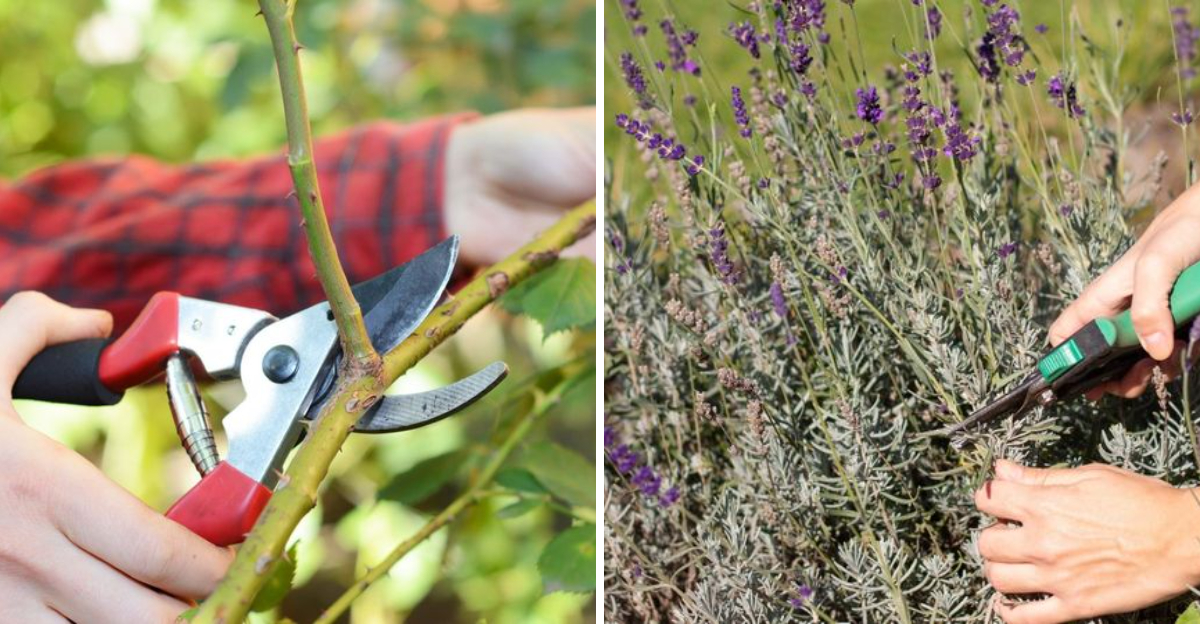
For most rose types, cutting canes back to about twelve to eighteen inches is a solid starting point. Make your cuts at a slight angle just above an outward-facing bud.
This directs new growth away from the center of the plant and encourages a nice, open shape.
A proper spring prune channels the plant’s energy into strong, productive canes that are built for flowering. Come June, your roses will look fuller and more vibrant for it.
6. Lavender
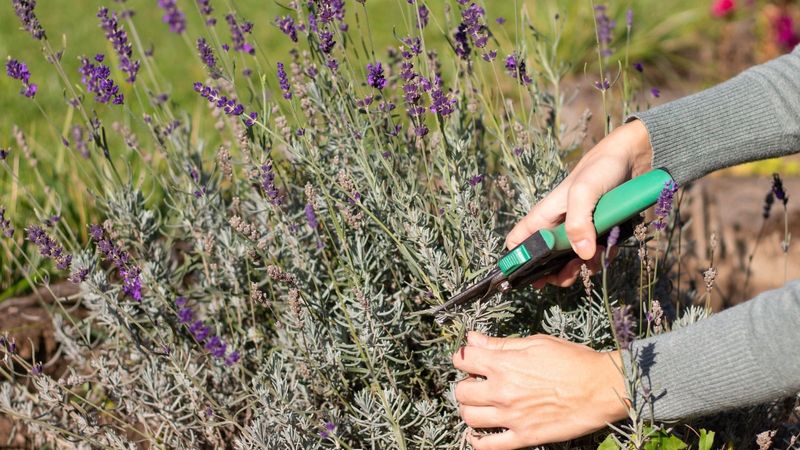
Lavender has a bit of a reputation for being finicky, but most of the time problems come down to one simple mistake: pruning it wrong.
April is actually a good time to tidy up lavender in Pennsylvania, as long as you follow a few important rules. The biggest one is to never cut back into the old, woody stems at the base of the plant.
When new growth starts appearing on the stems in spring, that is your cue to act. Light pruning at this stage removes any winter damage and encourages fresh, healthy shoots to develop.
Think of it as a gentle refresh rather than a dramatic overhaul. You are cleaning up, not starting over.
Use sharp pruning shears to trim back the tips of the stems, removing the dry or browned portions while leaving the new green growth intact. A good guideline is to cut back about one-third of the stem length at most.
Staying above the woody base is critical because lavender does not reliably regrow from old wood the way some other shrubs do.
Pennsylvania winters can be tough on lavender, especially in colder parts of the state. Spring pruning gives you a chance to assess how the plant came through and remove anything that did not survive.
A little cleanup now prevents the plant from wasting energy on stems that are not going to produce.
With the right spring prune, lavender will reward you with fragrant, full blooms by early summer. Pollinators will flock to it, and your garden will smell absolutely wonderful all season long.
7. Bluebeard (Caryopteris)
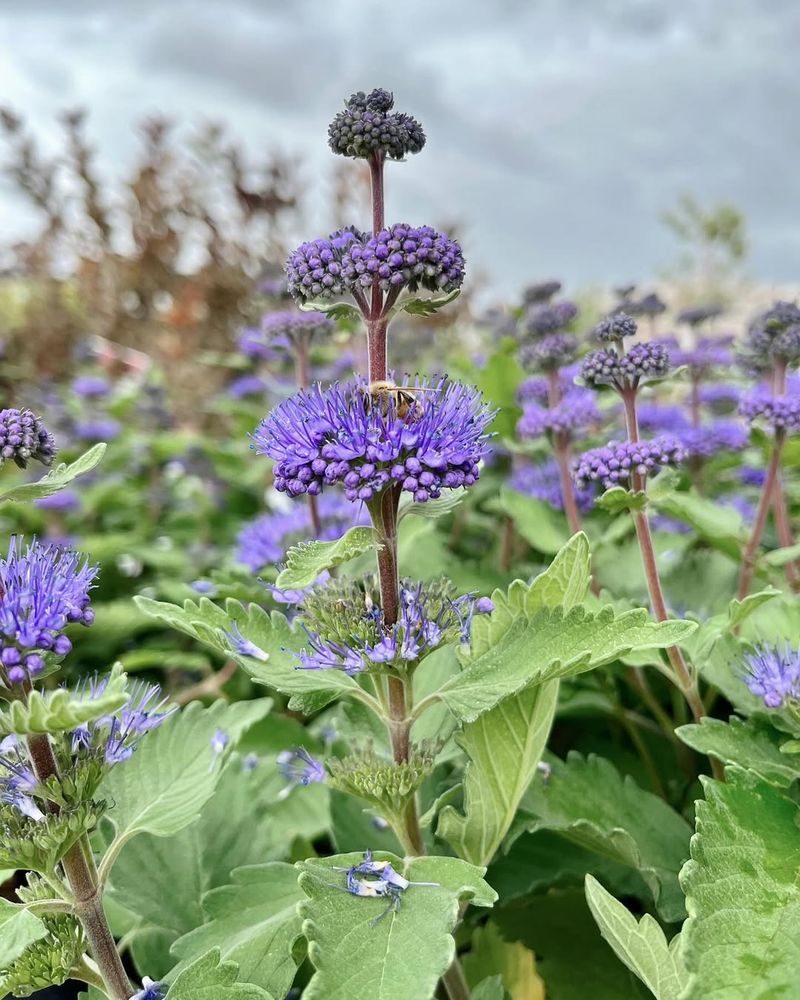
Bluebeard, also known by its botanical name Caryopteris, is one of those shrubs that a lot of Pennsylvania gardeners overlook, but it absolutely deserves a spot in your yard.
The blue and purple flower clusters that appear in late summer are stunning, and they attract butterflies and bees like nothing else.
The best part? Getting those blooms requires almost no effort beyond a simple spring prune.
Because bluebeard blooms on new wood, cutting it back in spring does not cost you a single flower. The plant will push out fresh, vigorous shoots after pruning, and those new stems are exactly what carry the season’s blooms.
Skip the prune and you often end up with a leggy, woody shrub that flowers sparsely at the tips.
Cut bluebeard back hard in April, reducing the stems to about three to six inches from the ground. Make your cuts just above a set of healthy buds.
The plant will look bare and almost alarming right after you finish, but new growth typically appears within a few weeks once the soil warms up.
In Pennsylvania, April is a natural fit for this task. The plant is still dormant or just barely waking up, which makes it easy to see the structure and make clean cuts. There is no guesswork involved.
Bluebeard is also one of the most drought-tolerant flowering shrubs you can grow, making it a smart and low-maintenance choice for Pennsylvania gardens. Prune it in April and it will give you one of the most cheerful late-summer displays on the block.