5 Plants To Prune In Early Spring And 5 You Should Never Touch In North Carolina
Understanding the right moment to prune can completely transform the way your garden performs throughout the year. In North Carolina, timing isn’t just helpful, it’s essential.
The state’s climate shifts quickly from mild winters to warm, humid spring days, and that rapid transition affects how and when plants respond to trimming.
Cut back too early or too late, and you could miss out on the best show your garden has to offer. Some plants respond beautifully to a careful pruning just before fresh growth begins, bouncing back with vigor and energy.
Others prefer a slower approach, rewarding gardeners who hold off with stronger structure and more impressive blooms later on.
Paying attention to these subtle differences can mean the difference between average results and a landscape that truly stands out.
When you get the timing just right, you’ll notice healthier growth, sturdier stems, and flowers that seem fuller and more vibrant as the seasons unfold.
1. Crape Myrtle Responds Well To Late Winter Or Early Spring Pruning
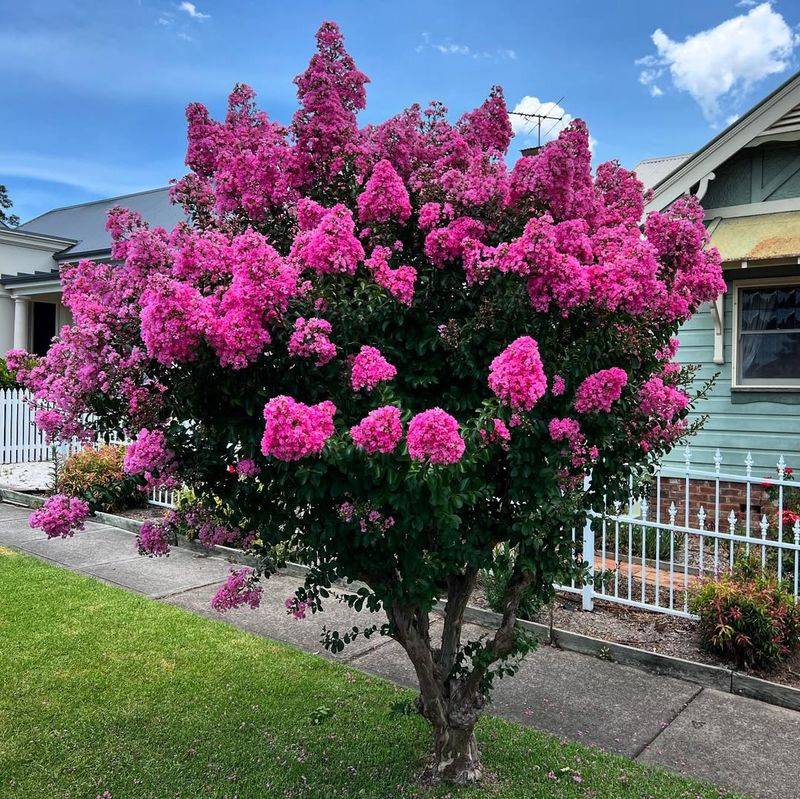
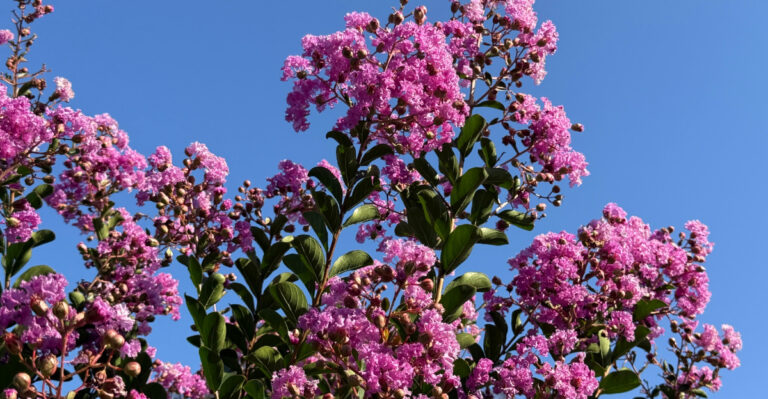
Crape myrtles are one of the most beloved flowering trees across North Carolina, and timing your pruning just right makes all the difference.
These trees bloom on new wood, meaning the fresh growth they push out each spring is exactly where the flowers will appear.
Pruning in late winter or very early spring, just before that new growth begins, gives the plant a clean start and encourages strong, vigorous shoots that produce the most blooms.
One thing worth knowing is that crape myrtles do not need heavy topping to perform well. Excessive cutting, sometimes called crape murder, actually weakens the tree over time and creates awkward, knobby growth.
Instead, focus on removing crossing branches, suckers growing from the base, and any stems smaller than a pencil in diameter.
Light shaping keeps the natural form beautiful while still encouraging that burst of new growth. In North Carolina, late February through mid-March is usually the sweet spot for pruning crape myrtles.
The trees are still dormant enough that cuts heal quickly, but spring warmth is close enough that new growth follows soon after. Using clean, sharp tools also helps prevent the spread of disease between cuts.
A little thoughtful pruning now sets up weeks of stunning summer color later, making this one of the most rewarding tasks in any Carolina garden.
2. Roses Benefit From Early Spring Structural Pruning
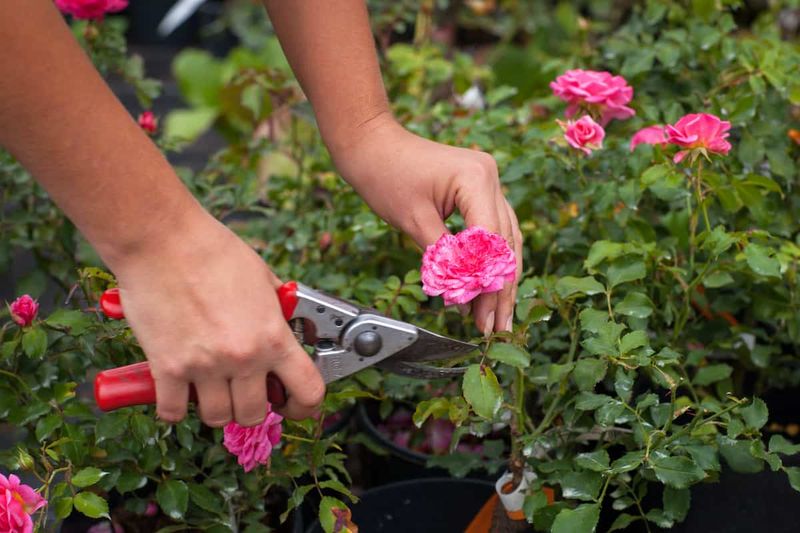
Few garden tasks feel as satisfying as giving your roses a fresh early spring trim and watching them explode into bloom a few weeks later.
In North Carolina, most shrub roses and hybrid tea roses should be pruned in late winter to very early spring, typically around late February or early March, right before the buds begin to swell.
Catching them at this stage means the plant can direct all its energy into healthy new growth rather than trying to sustain damaged or weak canes.
Structural pruning is the goal here, not just a light cleanup. Start by removing any canes that are visibly damaged, crossing each other, or growing toward the center of the plant.
Keeping the center open improves air circulation, which is especially important in North Carolina’s humid summers when fungal issues like black spot tend to flare up.
Aim to cut each remaining cane at a 45-degree angle just above an outward-facing bud. The height you prune to depends on the rose type, but a general guideline for hybrid teas is cutting back to about 12 to 18 inches from the ground.
Shrub roses can be pruned more lightly. Always use sharp, clean bypass pruners to make smooth cuts that heal faster.
Done right, early spring pruning turns a scraggly winter rose bush into a powerhouse of color by late spring.
3. Butterfly Bush Should Be Cut Back Before New Growth Appears
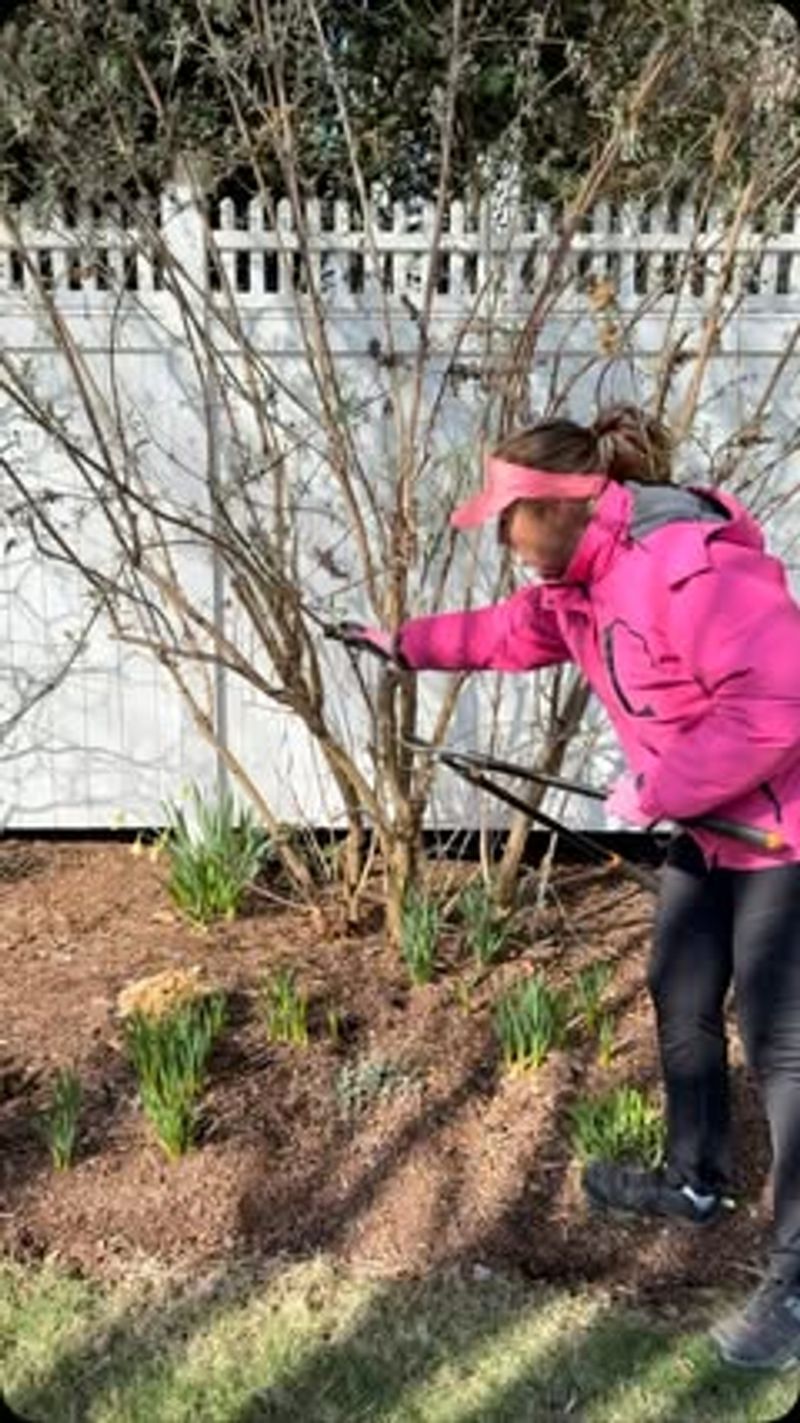
Butterfly bush has a reputation for being tough, and that toughness is exactly what makes it so easy to prune.
This shrub blooms exclusively on new wood, which means the fresh stems it produces each spring are where all those long, fragrant flower spikes will grow.
Cutting it back hard in early spring before those new shoots emerge gives the plant a powerful reset and leads to a much more impressive show of blooms from summer through fall.
In North Carolina, late February through March is the ideal window for this task. At that point, the old woody stems from the previous season are easy to identify, and the plant has not yet started pushing new growth.
Most gardeners cut butterfly bush back to about 12 inches from the ground, though some go even lower.
The plant bounces back quickly and often grows several feet by midsummer, producing its signature cone-shaped flower clusters that pollinators absolutely love.
One extra tip worth mentioning: butterfly bush can spread aggressively through self-seeding. Deadheading spent blooms throughout the season helps keep that in check.
Some newer sterile cultivars are available that produce fewer seeds, which is a smart choice for North Carolina gardeners who want the beauty without the spread.
Either way, that early spring cut is the single most important thing you can do to keep this shrub looking its best all season long.
4. Beautyberry Can Be Cut Back In Late Winter For Stronger Growth
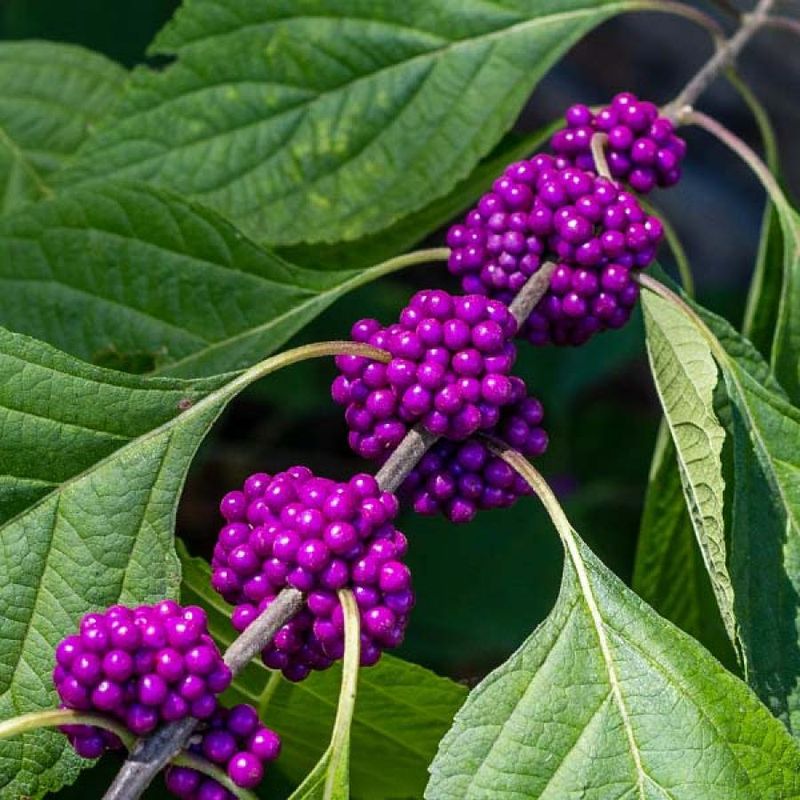
American beautyberry is one of those plants that genuinely surprises people who see it for the first time.
The clusters of vivid purple berries that line every stem in fall look almost too bright to be real, and the good news is that a simple late winter pruning is all it takes to maximize that spectacular show.
Beautyberry blooms and fruits on new wood, so cutting it back before fresh growth appears in spring is exactly the right move.
In North Carolina, late February to early March works well for this pruning. Many gardeners cut beautyberry back fairly aggressively, reducing the plant to about 12 to 24 inches from the ground.
This might seem drastic, but beautyberry is incredibly vigorous and will easily grow four to five feet tall again before fall.
The new growth it produces is where the flower clusters and, later, those stunning berry clusters will develop.
Skipping the pruning does not ruin the plant, but over time beautyberry can become quite woody and open in the center, producing fewer berries on a less attractive framework. A yearly late winter trim keeps it dense, full, and loaded with color.
Beyond the berries, this native shrub also attracts birds, making it a genuinely functional addition to any North Carolina yard. Sharp loppers and a few minutes in late winter are all it takes to set up months of beauty.
5. Ornamental Grasses Should Be Trimmed Before New Shoots Emerge

Ornamental grasses are some of the most low-maintenance plants you can grow, but they do have one non-negotiable annual task: cutting them back before spring growth begins.
Warm-season grasses like muhly grass, switchgrass, and fountain grass all push fresh new shoots from the base each spring, and those new shoots grow best when the old, dried foliage is out of the way.
Leaving the old growth in place can actually shade out and slow down the emerging new stems. In North Carolina, late February through early March is the right time to tackle this job.
For most ornamental grasses, cutting them back to about four to six inches from the ground works well.
Larger clumps like pampas grass or big bluestem can be cut back to around eight to twelve inches.
A pair of hedge shears or even a reciprocating saw makes quick work of large clumps that have been growing for several years.
One thing that makes this task easier is bundling the old foliage with twine before cutting, which lets you remove the whole bundle at once without scattering dried grass everywhere.
Timing really matters here because once those new green shoots start emerging, it becomes much harder to cut without accidentally damaging fresh growth.
Get ahead of the season, make that clean cut, and you will be rewarded with lush, graceful grasses that look incredible all summer and into fall.
6. Azaleas Should Be Pruned Only After They Finish Blooming
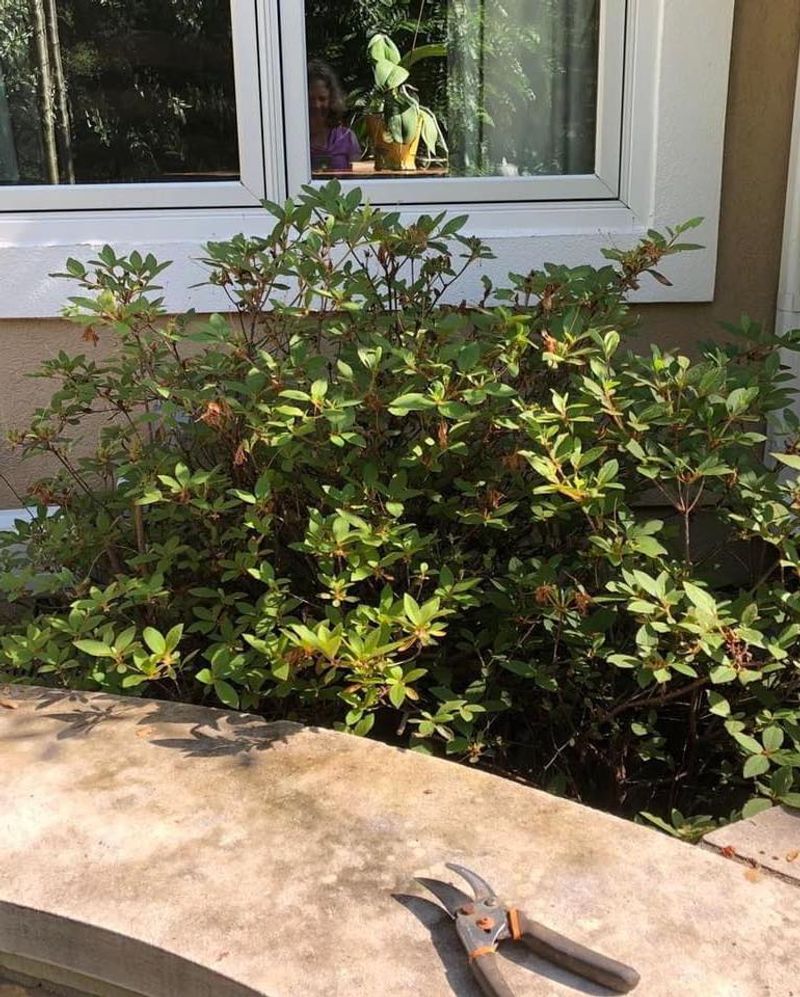
Azaleas are practically synonymous with spring in North Carolina, and few sights compare to a front yard full of them blazing with color in April.
Here is the catch though: azaleas bloom on old wood, meaning the flower buds for next spring are already forming on the current season’s growth by midsummer.
Pruning in early spring, even with the best intentions, removes those buds and trades a full bloom season for a year of nothing but green leaves.
The right time to prune azaleas is immediately after they finish flowering, typically in late April or May in most parts of North Carolina.
This short window gives the plant the rest of spring and early summer to push out new growth, and those new stems will carry next year’s flower buds.
Waiting just a few extra weeks after bloom ends protects the entire following year’s floral display.
When pruning, focus on shaping rather than heavily cutting back. Removing about one-third of the oldest, woodiest stems encourages fresh growth from the base while keeping the plant full and attractive.
Avoid shearing azaleas into tight balls, which reduces bloom and creates a stiff, unnatural look.
North Carolina’s spring can be unpredictable, but one thing stays consistent: the gardeners who resist the urge to prune their azaleas in early spring are always the ones with the most spectacular display come April.
7. Hydrangea Macrophylla Loses Blooms If Pruned Too Early
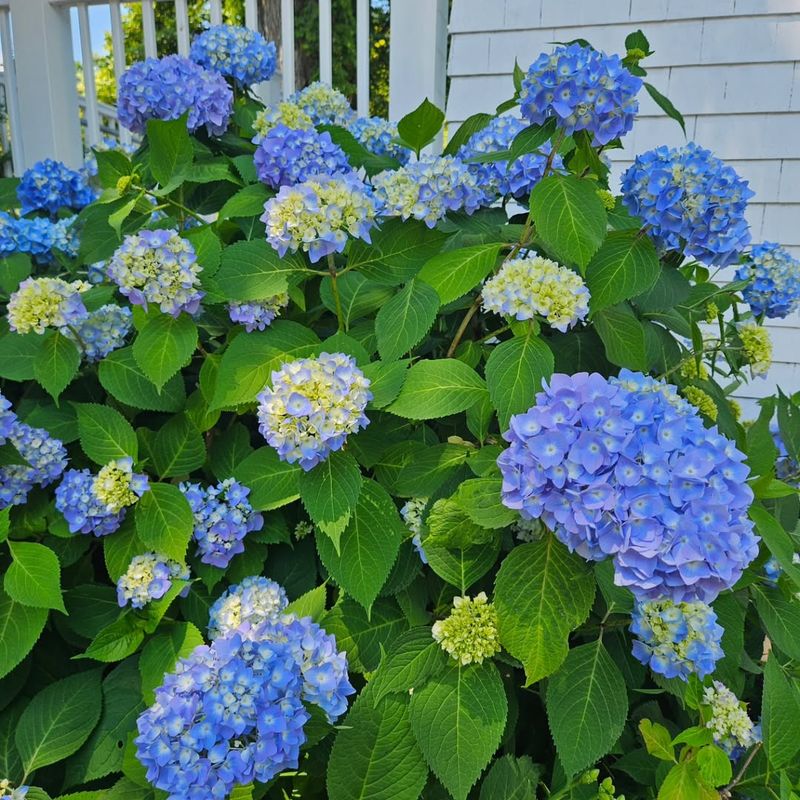
Bigleaf hydrangeas, also known as Hydrangea macrophylla, are the classic mophead and lacecap types with big, showy flower clusters in shades of blue, pink, and purple.
They are stunning when they bloom, but they have a quirk that trips up many gardeners: they flower on old wood.
That means the buds for this summer’s blooms are already sitting on the canes that grew last year, quietly waiting for warmer weather to arrive.
Pruning a bigleaf hydrangea in early spring removes exactly those buds, and the result is a plant that looks perfectly healthy all season but produces no flowers at all.
It is one of the most common and heartbreaking gardening mistakes in North Carolina yards. The plant is not doing anything wrong. The timing just was not right.
If your bigleaf hydrangea needs shaping, wait until after it finishes blooming, usually sometime in midsummer.
At that point, you can remove spent flower heads and lightly shape the plant without sacrificing next year’s buds.
If the shrub is very overgrown, you can remove one or two of the oldest canes at the base each year after bloom, gradually refreshing the plant over a few seasons.
Remontant varieties like the Endless Summer series bloom on both old and new wood, offering a little more flexibility, but even those benefit from post-bloom rather than early spring pruning in North Carolina’s climate.
8. Camellias Should Be Pruned After Flowering Ends
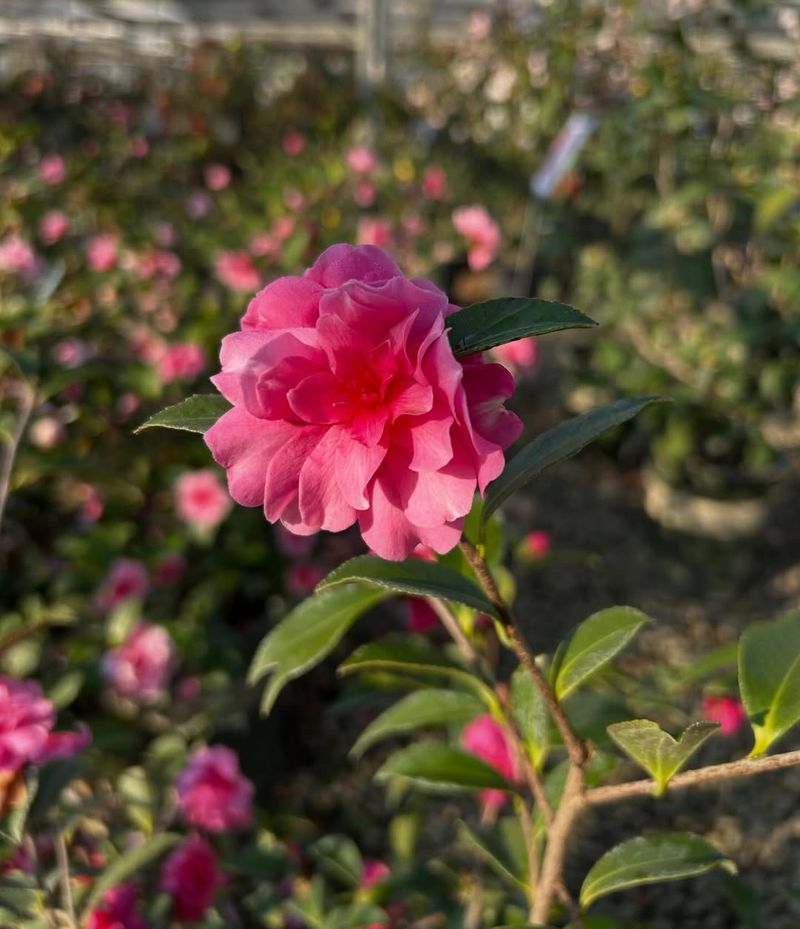
Camellias bring a kind of quiet elegance to North Carolina gardens that few other shrubs can match.
They bloom in fall, winter, or early spring depending on the variety, filling a season when most other plants are resting.
Because camellias flower on old wood, the buds that produce those gorgeous blooms developed on the previous season’s growth.
Reaching for the pruning shears in early spring means cutting away exactly what you have been waiting months to enjoy.
Timing your camellia pruning correctly is straightforward once you understand the pattern.
For fall-blooming camellias, prune lightly right after flowering ends, usually in November or December.
For winter and early spring bloomers, wait until the flowers fade completely, which might be anywhere from February to April depending on the variety and the year’s weather.
Either way, pruning immediately after bloom gives the plant a full growing season to produce new wood and set next year’s buds.
Camellias generally need less pruning than most flowering shrubs. Focus on removing crossing branches, any stems growing inward, and the occasional wayward shoot that disrupts the plant’s natural shape.
Heavy cutting is rarely necessary and can delay blooming for a full season. North Carolina gardeners who grow camellias often say the hardest part is simply being patient and waiting for the right moment.
That patience, though, is always paid back in full with another season of breathtaking blooms.
9. Forsythia Should Be Pruned After Spring Bloom
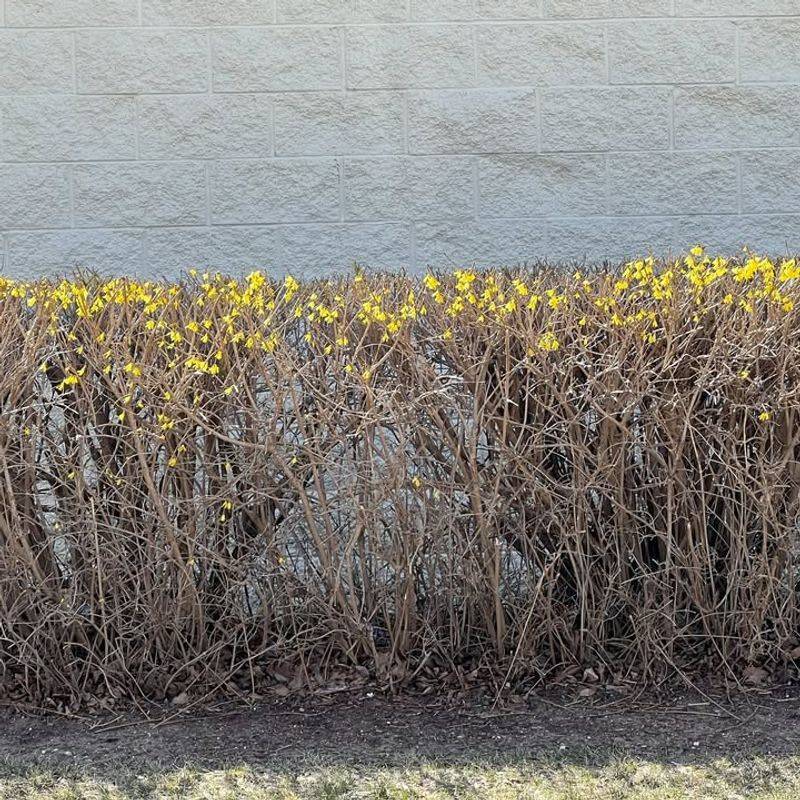
Forsythia is one of the most reliable signals that spring has arrived in North Carolina. Those bright yellow flowers appear on bare branches before a single leaf unfolds, creating a burst of color that looks almost electric against the grey late-winter landscape.
What many gardeners do not realize, though, is that forsythia flowers on old wood. Every one of those cheerful yellow blooms grew from buds that formed on stems during the previous growing season.
Cutting forsythia back in early spring, before it blooms, removes the very buds that would have opened into flowers.
The result is a healthy, leafy shrub that offers zero floral reward for the entire season. It is a frustrating outcome that is completely avoidable by simply waiting.
The best time to prune forsythia is right after the flowers fade, typically sometime in April across most of North Carolina.
Post-bloom pruning gives the plant the entire growing season to push out new stems, and those stems will carry next spring’s flower buds.
For older, overgrown forsythia, removing up to one-third of the oldest canes at ground level each year after bloom gradually rejuvenates the plant without sacrificing flowers.
Forsythia is tough and forgiving, but it will not forgive early spring pruning with a flower display.
Wait just a few weeks, let it put on its annual show, and then reach for the loppers. The blooms are always worth the wait.
10. Dogwood Trees Should Not Be Pruned In Early Spring
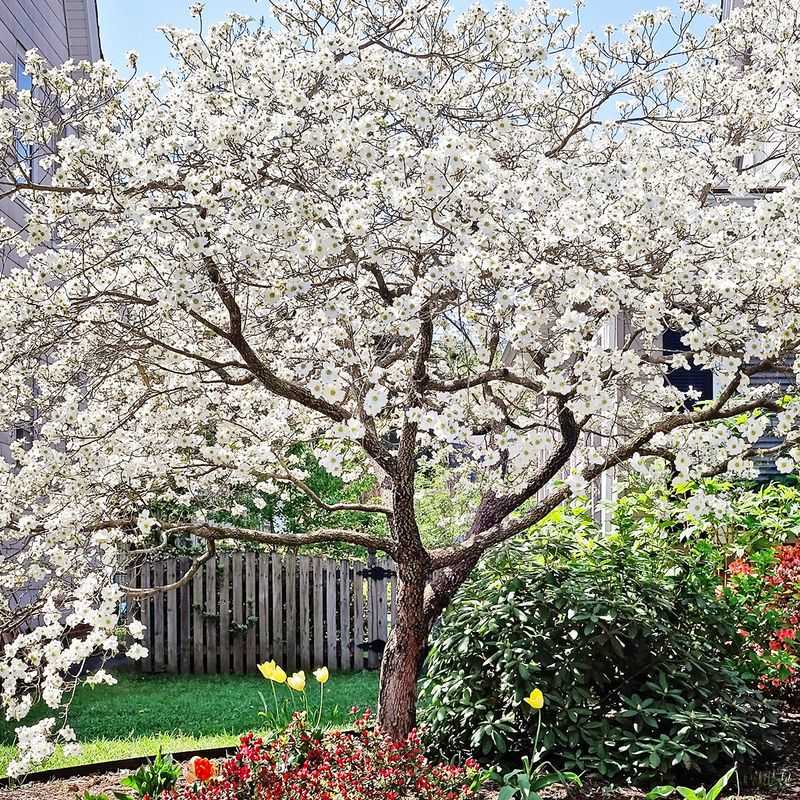
The flowering dogwood is practically the official tree of a North Carolina spring, and watching one in full bloom is genuinely one of the most beautiful things a garden can offer.
Those iconic white or pink bracts open on old wood, meaning the buds responsible for all that beauty formed during the previous growing season.
Pruning a dogwood in early spring, before or during bloom, removes buds that took an entire year to develop.
Beyond losing the flowers, there is another important reason to avoid pruning dogwoods in early spring.
Freshly cut wood in late winter and early spring is more vulnerable to certain fungal pathogens, including the one responsible for dogwood anthracnose, which has affected dogwood populations across the eastern United States.
Waiting until after the tree finishes blooming, and ideally until midsummer, reduces the risk of disease entering through pruning wounds.
When dogwoods do need pruning, the focus should be on removing broken branches, crossing limbs, or stems that are growing in problematic directions.
Dogwoods naturally develop a beautiful layered branching structure, and heavy pruning disrupts that form in ways that take years to recover from.
If your dogwood needs significant work, late summer after the tree has fully leafed out is a much safer window.
Gentle, thoughtful pruning done at the right time keeps these magnificent trees healthy and blooming brilliantly for decades to come.