6 Plants To Prune This March In Oregon And 3 You Should Leave Alone
Early spring can make any gardener a little impatient. The sun pops out, the soil starts warming up, and suddenly those pruning shears look very tempting.
It feels like the perfect moment to tidy everything up and give the yard a fresh start. But plants have their own schedule, and some of them are surprisingly picky about when they get a trim.
A few shrubs and perennials actually benefit from a good cut right now and will reward you with stronger growth and fuller blooms later on.
Others are already setting buds and will punish an eager gardener by skipping flowers entirely. Yes, plants can absolutely hold a grudge.
That’s why a little pruning strategy goes a long way in early spring. Knowing which plants welcome a trim and which ones need a little patience can make the difference between a thriving garden and one that looks slightly offended all summer long.
1. Roses
Few plants reward a good pruning session quite like roses do. In Oregon, March is prime time to cut back hybrid teas, floribundas, and grandifloras before they put all their energy into weak or crossing growth.
Sharp, clean shears are your best friend here.
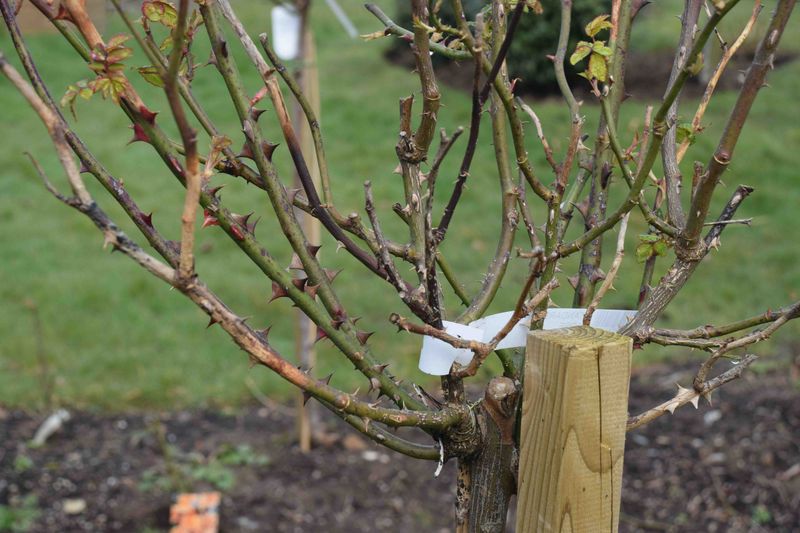
Start by removing any canes that look damaged, crossed, or crowded. Then cut the remaining healthy canes back by about one-third to one-half of their total height.
Always make your cut just above an outward-facing bud, angled slightly so water runs off.
Cutting above an outward-facing bud encourages the plant to grow outward instead of inward, which improves airflow. Good airflow means fewer fungal problems, which is especially important in Oregon’s famously wet spring weather.
Removing old or dead wood entirely also helps redirect the plant’s energy into fresh, strong growth.
After pruning, clean up all the clippings from around the base of the plant. Old leaves and stems can harbor pests and disease.
Many Oregon gardeners also apply a balanced fertilizer right after pruning to give their roses a strong head start into the growing season.
2. Hydrangeas (Panicle And Smooth Types)
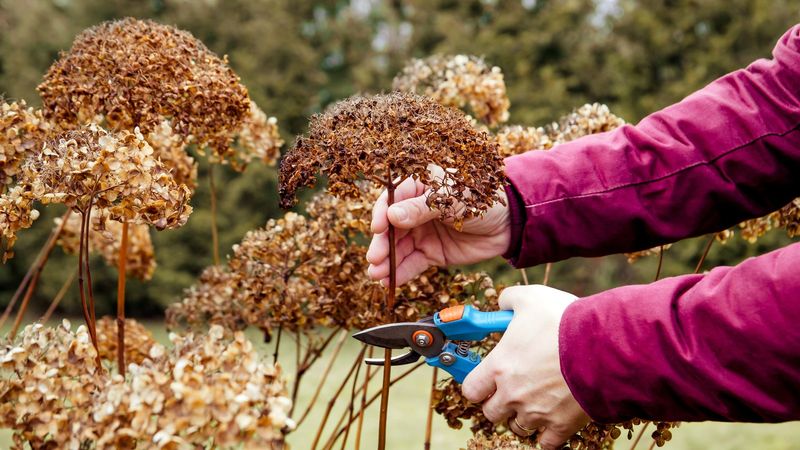
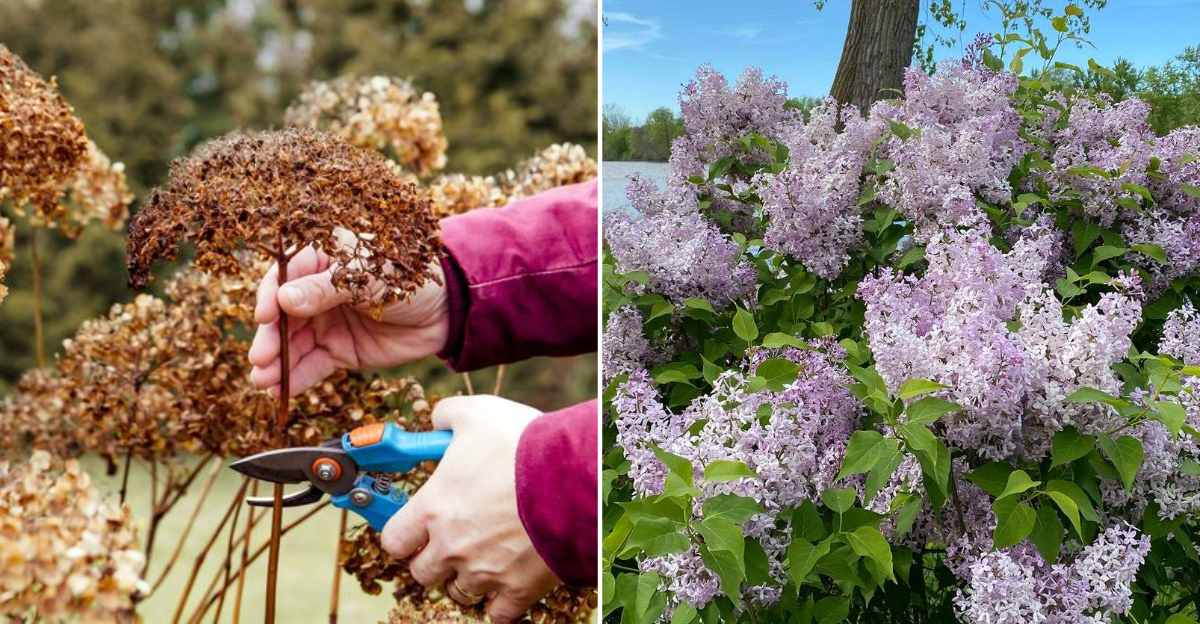
Not all hydrangeas are created equal, and knowing the difference can save your blooms. Panicle hydrangeas and smooth hydrangeas both flower on new wood, which means pruning them in March actually helps them produce more flowers, not fewer.
For panicle types, cut stems back to around 12 inches from the ground. Smooth hydrangeas, like the popular Annabelle variety, can be cut back to 12 to 18 inches above the ground.
Both respond well to this hard cutback by pushing out vigorous new stems loaded with flower buds.
Oregon gardeners love these hydrangeas because they are tough, reliable, and not fussy about soil. The wet winters here do not bother them at all, and they bounce back beautifully every spring after a good trim.
You will often see them lining front porches and garden borders all across the Willamette Valley.
One thing to remember is to always use clean, sharp tools when cutting. Ragged cuts can invite disease into the stem.
After you are done, add a layer of compost around the base to feed the roots as they wake up and prepare for a summer full of big, showy blooms.
3. Lavender
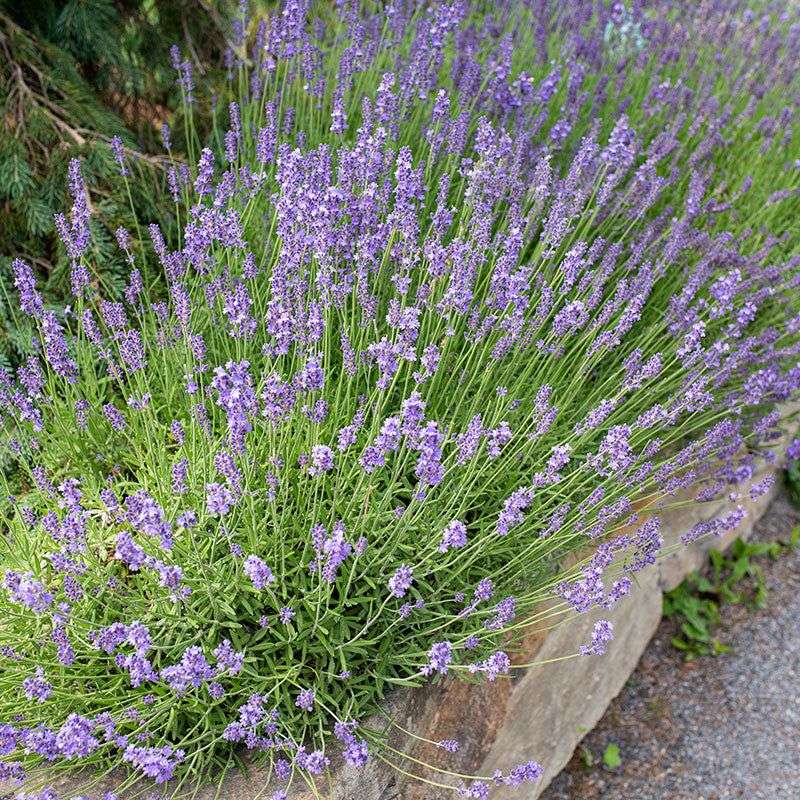
Lavender is one of those plants that looks effortless but actually needs a little tough love to stay healthy. Left unpruned year after year, lavender gets woody, sparse, and stops blooming well.
March in Oregon is the right time to step in and fix that.
The key with lavender is to never cut back into the old, woody brown stems. Always prune into the green growth, cutting the plant back by about one-third.
Think of it like giving it a firm haircut rather than a dramatic chop.
In Oregon, lavender thrives in the drier eastern parts of the state, but it also grows well in western Oregon when planted in well-drained soil and a sunny spot. The Pacific Northwest can be rainy, so good drainage is everything for keeping lavender happy and healthy long-term.
Pruning in early spring also helps shape the plant into a tidy mound, which looks great in the garden and makes harvesting easier later in the summer. After pruning, resist the urge to fertilize heavily.
Lavender actually prefers lean soil, and too much fertilizer encourages leafy growth at the expense of those fragrant, beautiful flower spikes everyone loves.
4. Blueberries
Oregon is one of the top blueberry-growing states in the country, and for good reason. The climate here is practically perfect for them.
But without regular pruning, blueberry bushes get crowded, produce smaller fruit, and slowly decline in productivity over time.
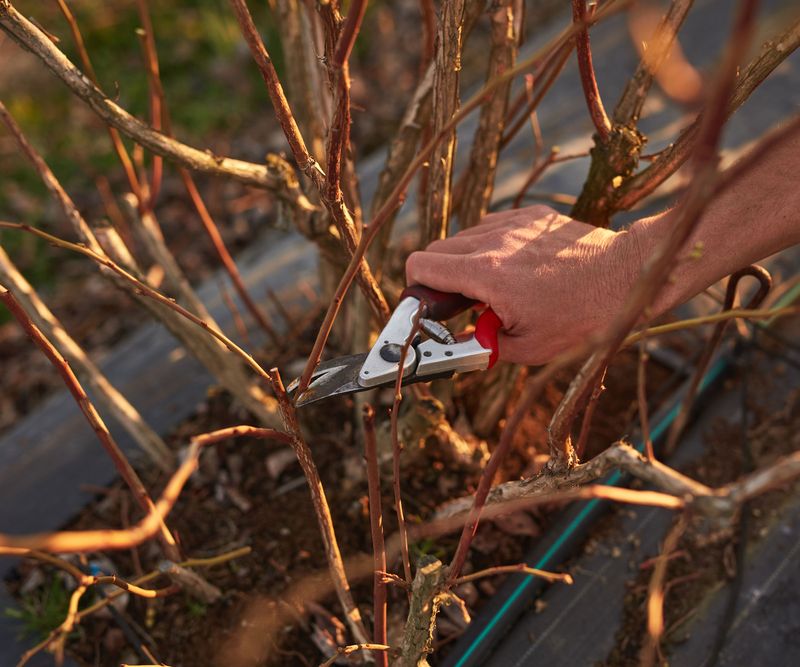
March is an ideal time to prune blueberries because the plants are still dormant but buds are starting to swell. Start by removing any canes that are more than six years old, since older wood produces far less fruit.
Also take out any thin, twiggy growth that will not support a good harvest.
Try to keep the center of the bush open so light and air can reach all parts of the plant. A crowded center leads to lower fruit quality and can also encourage fungal issues, which is something Oregon growers watch for closely given the region’s wet springs.
A good rule of thumb is to leave about six to eight strong, healthy canes on a mature bush. After pruning, add a layer of acidic mulch like wood chips or pine bark around the base.
Blueberries love acidic soil, and mulching helps maintain moisture and the right pH throughout the growing season.
5. Fruit Trees (Apple And Pear)
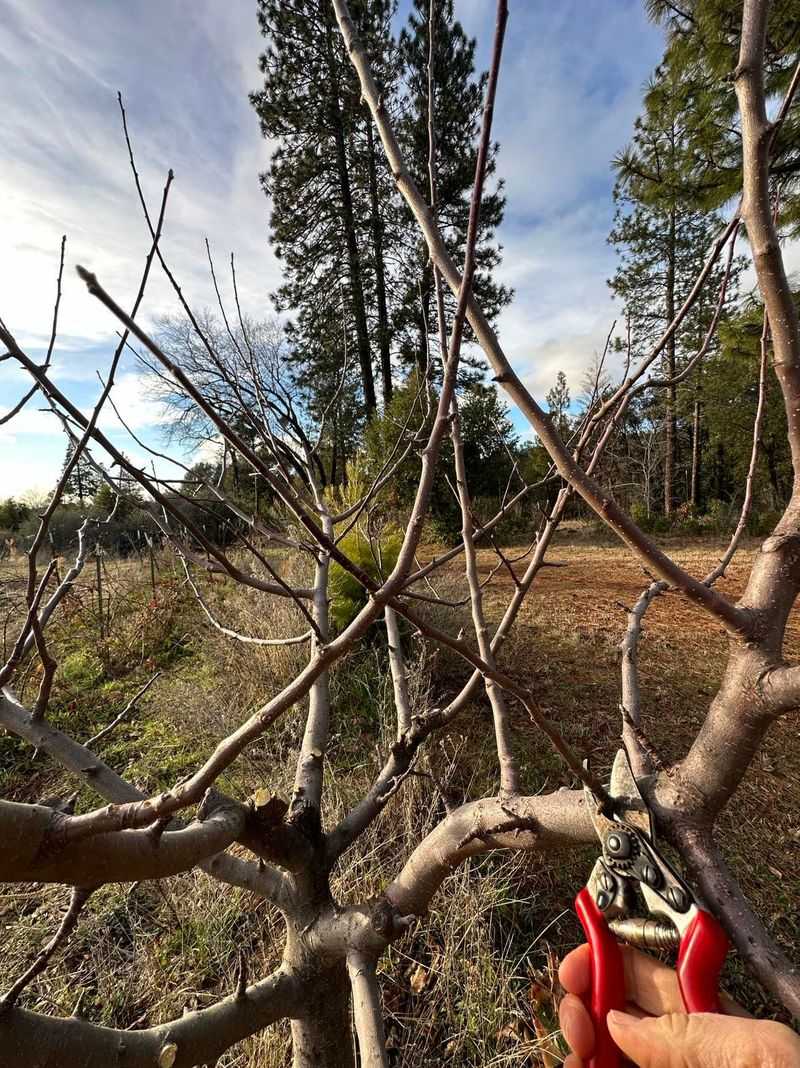
Apple and pear trees are a staple in Oregon gardens, from the backyard hobby grower to the serious home orchardist. Pruning them in March, just before the buds break open, sets the stage for a healthier tree and a better harvest later in the year.
Start by removing any branches that are broken, crossing, or growing straight up, which are called water sprouts. These vertical shoots drain energy from the tree without producing useful fruit.
Next, open up the canopy so sunlight can reach the inner branches, which is essential for ripening fruit evenly.
A well-pruned fruit tree in Oregon should have a shape that allows you to toss a hat through the middle of it. That old saying captures the idea perfectly.
Good light penetration means better fruit color, better flavor, and fewer pest problems hiding in dense, shaded areas.
Always make clean cuts just outside the branch collar, which is the slightly swollen area where the branch meets the trunk. Avoid leaving long stubs, as they can become entry points for disease.
Sharp tools make cleaner cuts, and cleaner cuts heal faster, which means your tree stays stronger and more productive for many years to come.
6. Summer-Flowering Spirea
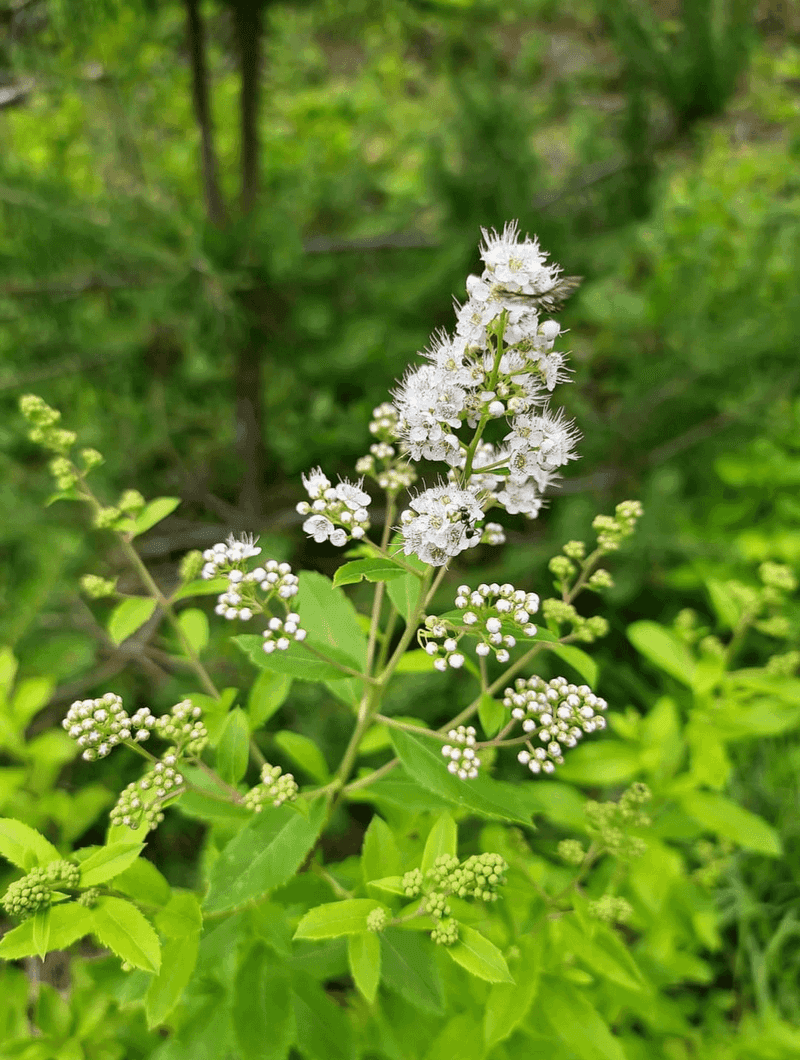
Summer-flowering spirea is a workhorse shrub that many Oregon gardeners rely on for reliable summer color.
Varieties like Anthony Waterer and Goldflame bloom on new wood, which makes March the perfect window for cutting them back hard and refreshing the whole plant.
Go ahead and cut these shrubs down to about 6 to 12 inches from the ground. It might feel dramatic, but these plants respond incredibly well to a hard prune.
Within weeks, you will see fresh new stems pushing up from the base, loaded with energy and ready to bloom.
Skipping this annual pruning leads to a woody, leggy shrub that blooms less and looks scraggly by midsummer.
Regular cutting keeps the plant compact, tidy, and full of vibrant flowers from summer right through early fall, which is a long and impressive show for any Oregon garden border.
After pruning, spirea appreciates a light feeding with a balanced fertilizer to support that burst of new growth. These shrubs are low-maintenance overall, and they handle Oregon’s rainy springs without complaint.
They are also drought-tolerant once established, making them a smart and attractive choice for gardeners across the Pacific Northwest who want big seasonal impact with minimal fuss.
7. Lilacs
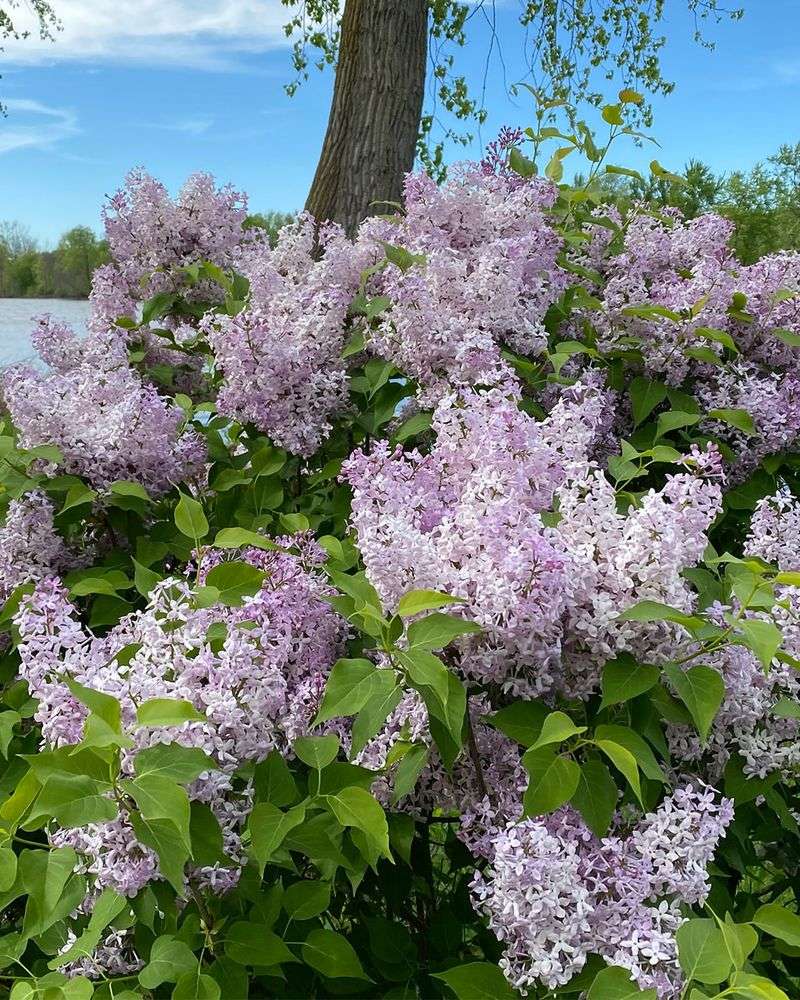
Lilacs are beloved across Oregon for their intoxicating fragrance and stunning spring blooms. But here is the thing, if you prune them in March, you are cutting off the very flower buds that have been developing since last summer.
That means no blooms for the entire year.
Lilacs bloom on old wood, meaning the flower buds formed on last year’s growth. Any pruning done before they bloom removes those buds entirely.
The best time to prune a lilac is right after the flowers fade in late spring, usually sometime in May or early June depending on where you are in Oregon.
Post-bloom pruning gives the plant the whole summer to develop new growth, which will carry next year’s flower buds. You can remove spent flower clusters, thin out crowded stems, and shape the shrub without sacrificing a single bloom.
It is all about timing with this plant.
Older lilac shrubs that have gotten very large and overgrown can be rejuvenated over three years by removing one-third of the oldest canes each season after blooming. This gradual approach keeps the plant producing flowers while slowly renewing its structure.
Oregon gardeners who are patient with their lilacs are always rewarded with spectacular spring displays year after year.
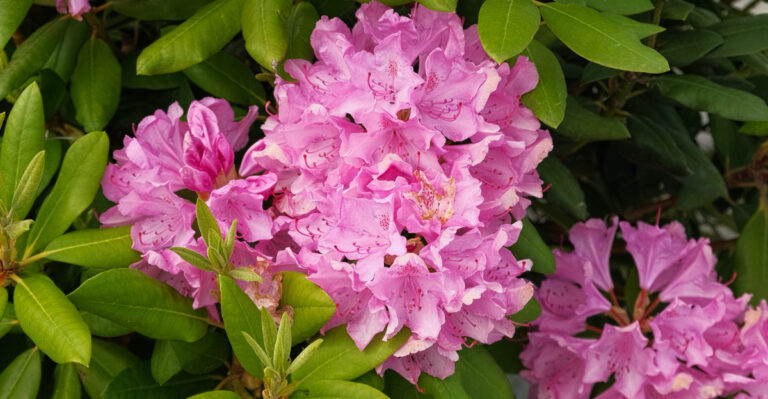
8. Rhododendrons
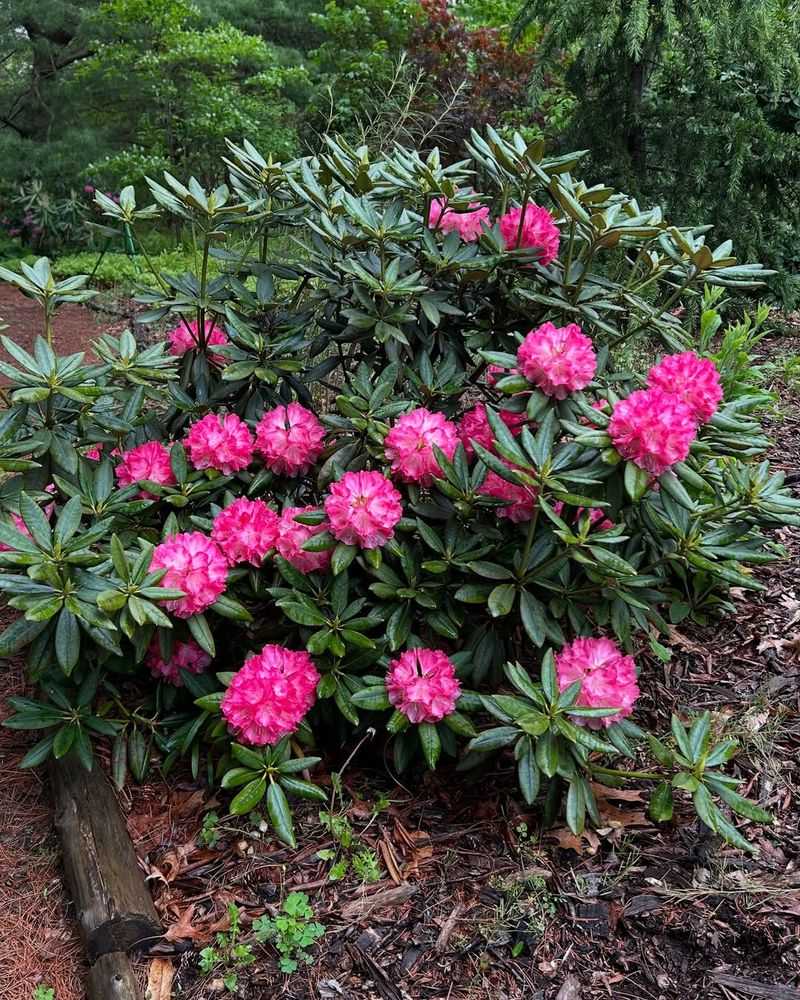
Walk through almost any neighborhood in western Oregon in April and May, and you will see rhododendrons putting on a show that stops people in their tracks.
These plants are practically synonymous with the Pacific Northwest, and they deserve to be treated with a little respect when it comes to pruning timing.
Pruning rhododendrons in March is a mistake most gardeners only make once. The flower buds are already fully formed and swelling on the tips of the branches.
Cut those tips off now, and you lose every single bloom for the season. It is a tough lesson but an easy one to remember.
The right time to prune rhododendrons is right after they finish blooming, usually in late May or early June in most parts of Oregon.
At that point, you can remove any dead wood, shape the plant, and encourage new growth that will carry next year’s buds through the rest of the summer.
If your rhododendron is healthy and well-shaped, it may not need pruning at all this year. These shrubs are naturally tidy growers.
Focus instead on deadheading spent blooms after flowering, which redirects the plant’s energy away from seed production and into building stronger growth for the following spring season.
9. Azaleas
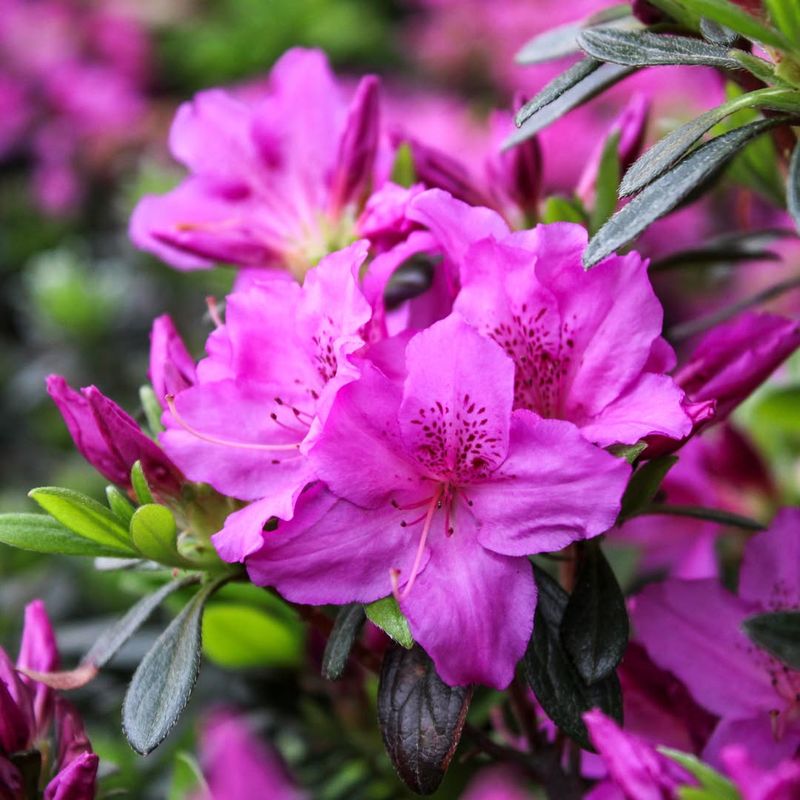
These stunning flowers are one of the most cheerful signs of spring across Oregon, bursting into color just when the winter grey starts to feel never-ending.
But they belong firmly on the do-not-touch list this March, and understanding why makes all the difference for getting those blooms every year.
Like rhododendrons, azaleas set their flower buds on old wood during the previous growing season. By the time March rolls around, those buds are right on the edge of opening.
Pruning now removes them before they ever get a chance to show their colors.
Wait until the flowers have fully faded before reaching for your shears. In Oregon, that window typically falls somewhere between late April and early June, depending on the variety and your location in the state.
Pruning right after blooming gives the plant the longest possible time to grow and set new buds for next spring.
Light shaping is all most azaleas ever need. They are not aggressive growers, and heavy pruning can stress them unnecessarily.
Focus on removing any crossing branches or awkward growth after blooming, and your azaleas will reward you with a reliable, colorful performance every single spring for many years to come in your Oregon garden.