10 Plants Virginians Rely On To Keep Rats Out Of Their Yards Naturally
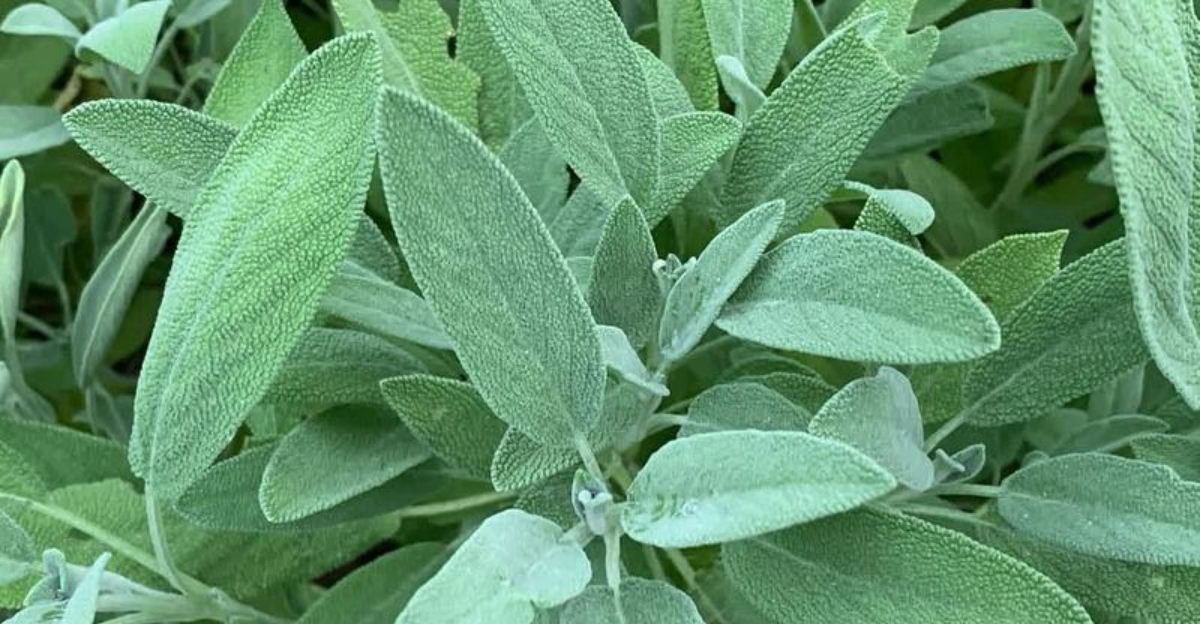
Virginia homeowners have always looked for practical, low-maintenance ways to keep their yards healthy and pest-free.
One of the simplest and most natural methods involves planting herbs and flowers that rats find unappealing.
These plants release scents or compounds that rodents instinctively avoid, making the yard a less welcoming place without relying on traps or harsh chemicals.
Many of these plants are already popular in Virginia landscapes for their beauty, fragrance, and easy care, which makes them a win-win.
Some grow well along foundation beds, others thrive in vegetable gardens, and several perform perfectly in containers near doors and patios.
By using the right combinations, homeowners can create natural barriers that help protect their outdoor spaces—and often their homes—from unwanted rodent visitors.
If you prefer a yard that both looks good and discourages pests in an environmentally friendly way, these time-tested plants offer a simple and effective solution.
1. Mint (Peppermint And Spearmint)
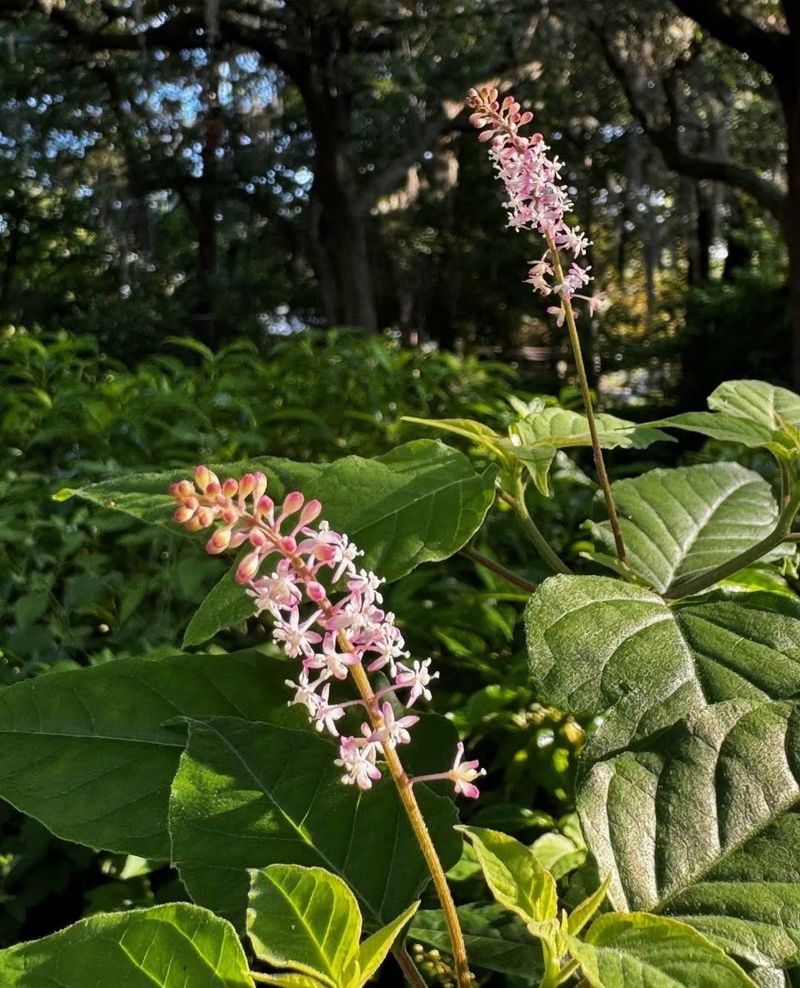
Menthol produces a powerful scent that overwhelms the sensitive noses of rats, making mint one of the most effective natural deterrents available.
When rats encounter this intense aroma, their scent pathways become confused, and they quickly move away from the area.
Virginia gardeners have found success planting mint along fence lines, near shed foundations, and around garden borders where rodents typically enter.
Peppermint tends to be stronger than spearmint, but both varieties work exceptionally well when planted densely.
The plants spread rapidly through underground runners, creating thick patches that maintain their potency throughout the growing season.
Fresh mint leaves can also be crushed and placed near entry points for an extra boost of protection.
Beyond rodent control, mint attracts beneficial pollinators like bees and butterflies to your yard.
The herb thrives in Virginia’s climate, tolerating both sun and partial shade while requiring minimal maintenance.
Harvesting mint regularly for teas and cooking actually encourages bushier growth, strengthening its protective barrier.
Container planting works well if you want to control its enthusiastic spreading habit.
During winter months, dried mint leaves can be scattered in problem areas to maintain some level of deterrent effect.
Combining different mint varieties creates layers of scent that rats find particularly unpleasant and disorienting.
2. Lavender (Lavandula Angustifolia)

Purple blooms and silvery foliage make lavender a stunning addition to any Virginia landscape while serving a practical pest-control purpose.
The essential oils contained in every part of this plant create an aromatic shield that rodents instinctively avoid.
Rats dislike the camphor-like qualities found in lavender’s scent, which interferes with their ability to detect food sources nearby.
English lavender varieties perform particularly well in Virginia’s climate zones, surviving mild winters and thriving in summer heat.
Planting lavender near doorways, patios, and garden entrances creates natural checkpoints that discourage rat activity.
The plant requires well-drained soil and full sun exposure, making it perfect for Virginia’s clay-based soils when amended properly.
Butterflies, bees, and hummingbirds adore lavender, bringing delightful wildlife to your yard while keeping unwanted visitors away.
Pruning lavender after flowering encourages dense growth, which intensifies its protective scent barrier.
Dried lavender bundles can be hung in garages, sheds, and storage areas where rats might seek shelter during colder months.
The plant’s drought tolerance makes it low-maintenance once established, requiring little water during Virginia’s typical summer conditions.
Spacing plants about eighteen inches apart creates overlapping scent zones that maximize effectiveness.
Combining lavender with other aromatic herbs amplifies the natural rodent-repelling properties throughout your entire yard.
3. Rosemary (Rosmarinus Officinalis)
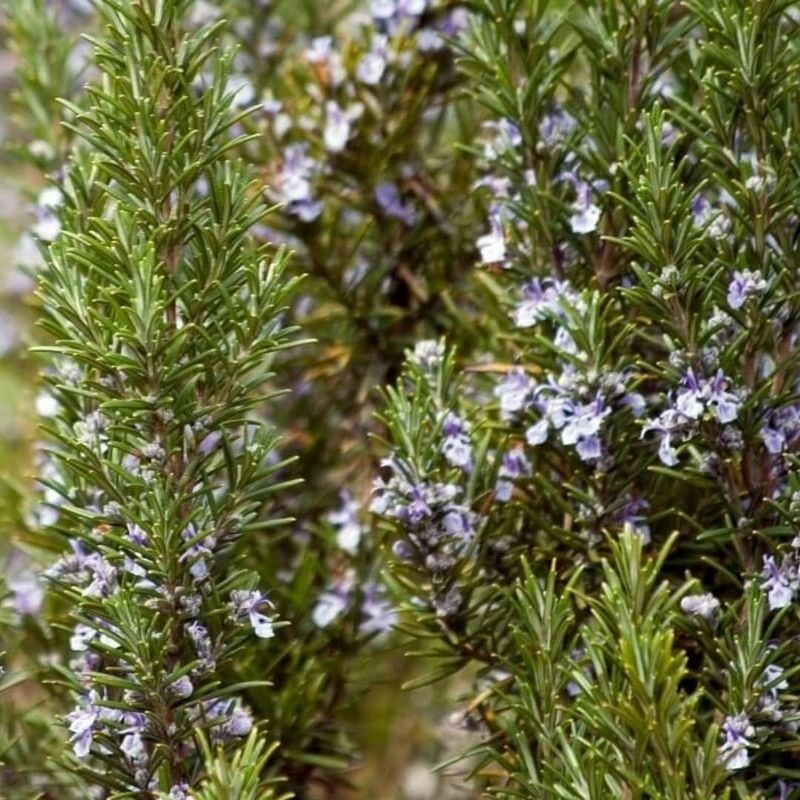
Needle-like leaves release a sharp, pine-scented oil that rats find extremely disagreeable, making rosemary an excellent choice for strategic placement.
This evergreen herb maintains its protective properties year-round, unlike many seasonal plants that lose effectiveness in winter.
Virginia gardeners often position rosemary near compost bins, vegetable gardens, and foundation plantings where rats commonly explore.
The plant’s woody structure and dense foliage create physical barriers in addition to its scent-based deterrent qualities.
Rosemary tolerates Virginia’s temperature fluctuations well, though some protection may be needed during harsh winter freezes.
Brushing against rosemary releases even more aromatic compounds, intensifying the unwelcoming environment for rodents.
Container growing allows you to move rosemary plants seasonally, concentrating protection where it’s needed most.
The herb’s culinary uses mean you’ll harvest regularly, which promotes bushier growth and stronger scent production.
Upright varieties can grow quite tall, creating living walls that rats prefer to avoid rather than navigate through.
Trailing rosemary works beautifully in raised beds and along retaining walls, covering potential hiding spots rats might otherwise exploit.
Combining rosemary with other Mediterranean herbs creates a multi-layered defense system that’s both beautiful and functional.
The plant’s drought resistance once established makes it perfect for Virginia gardeners seeking low-maintenance solutions to rodent problems.
4. Marigolds (Tagetes Spp.)
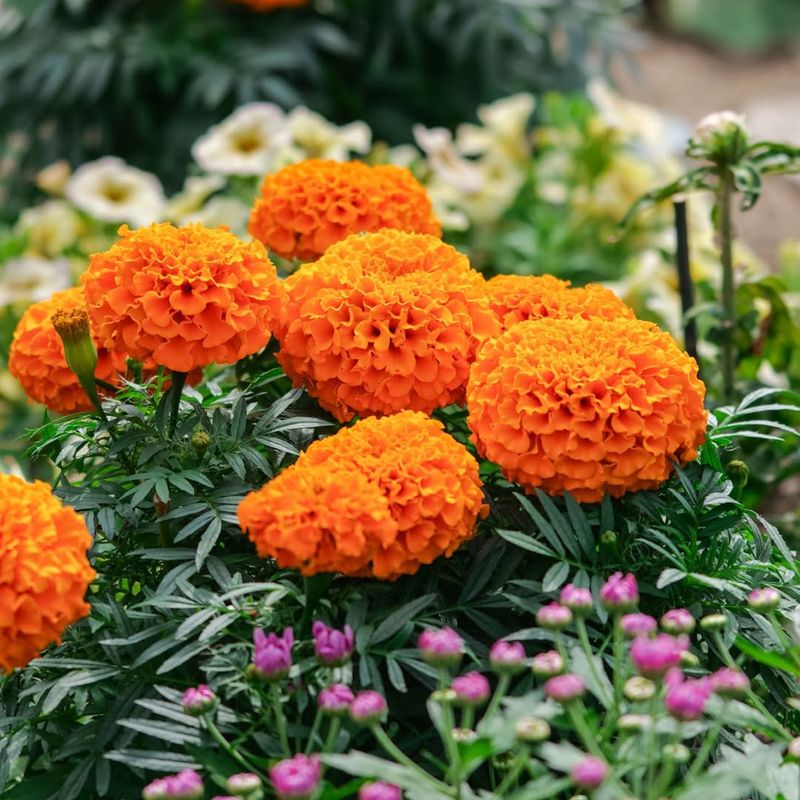
Bright orange and yellow blooms contain compounds that mammals find offensive, creating a cheerful yet effective rodent barrier.
The pungent scent comes from the foliage rather than the flowers, remaining strong throughout the entire growing season.
Marigold roots release substances into the soil that discourage burrowing, making them doubly effective against rats that tunnel near gardens.
French marigolds and African marigolds both work well in Virginia, with African varieties offering taller growth for larger protective zones.
Planting marigolds as border plants around vegetable gardens protects your harvest while adding vibrant color to the landscape.
The flowers bloom continuously from late spring through first frost, maintaining constant protection during peak rat activity months.
Rats associate the strong scent with danger and typically won’t cross through marigold plantings to reach other areas.
These annuals self-seed readily in Virginia gardens, returning year after year without replanting efforts.
Deadheading spent blooms encourages more flower production, which keeps the plants looking attractive while maintaining their protective qualities.
Marigolds thrive in full sun and tolerate Virginia’s summer heat without requiring excessive watering.
Companion planting marigolds with vegetables provides pest control for both above-ground insects and below-ground rodents.
The affordability and availability of marigold seeds make them accessible for gardeners working with any budget size.
5. Onions And Garlic (Allium Spp.)
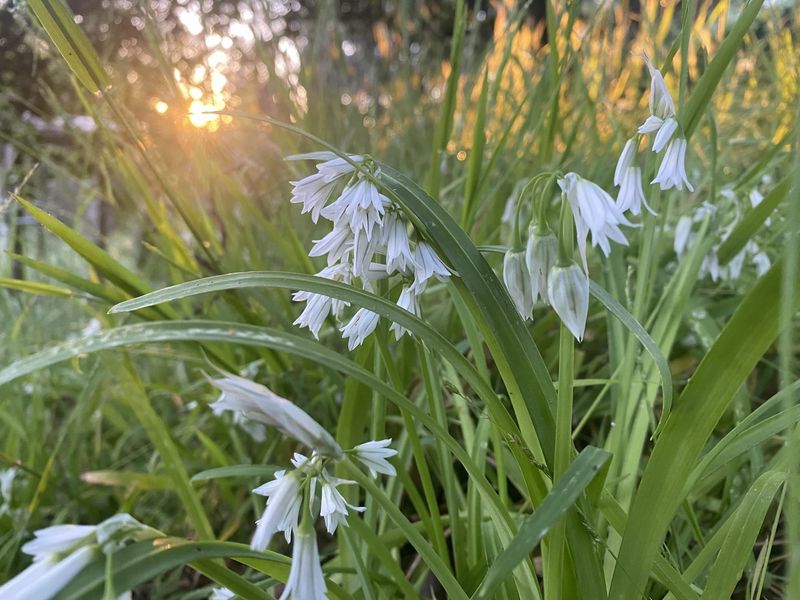
Sulfur compounds released by allium plants create an environment that rats find absolutely intolerable, making these vegetables powerful deterrents.
The pungent aroma intensifies when leaves are damaged or brushed against, creating an ever-present warning system for approaching rodents.
Virginia gardeners can plant garlic cloves in fall for spring harvest, providing year-round protection as the plants develop.
Onion sets planted in early spring mature quickly, establishing protective barriers around vulnerable garden areas before summer rat activity peaks.
Both plants’ underground bulbs release compounds into the soil that discourage burrowing and tunneling behavior.
Ornamental alliums offer the same protective qualities while providing stunning spherical blooms that enhance landscape aesthetics.
Planting garlic and onions around the perimeter of vegetable gardens creates a protective fence that rats rarely cross.
The plants require minimal care once established, making them ideal for busy gardeners seeking effective solutions.
Harvesting some bulbs while leaving others in place maintains continuous protection throughout the growing season.
Green onion varieties can be harvested repeatedly, with new growth constantly producing fresh deterrent compounds.
Chives, another allium family member, offers similar protective benefits while providing edible flowers and foliage.
Combining various allium species creates layers of sulfurous scent that rats find particularly overwhelming and unpleasant.
6. Basil (Ocimum Basilicum)
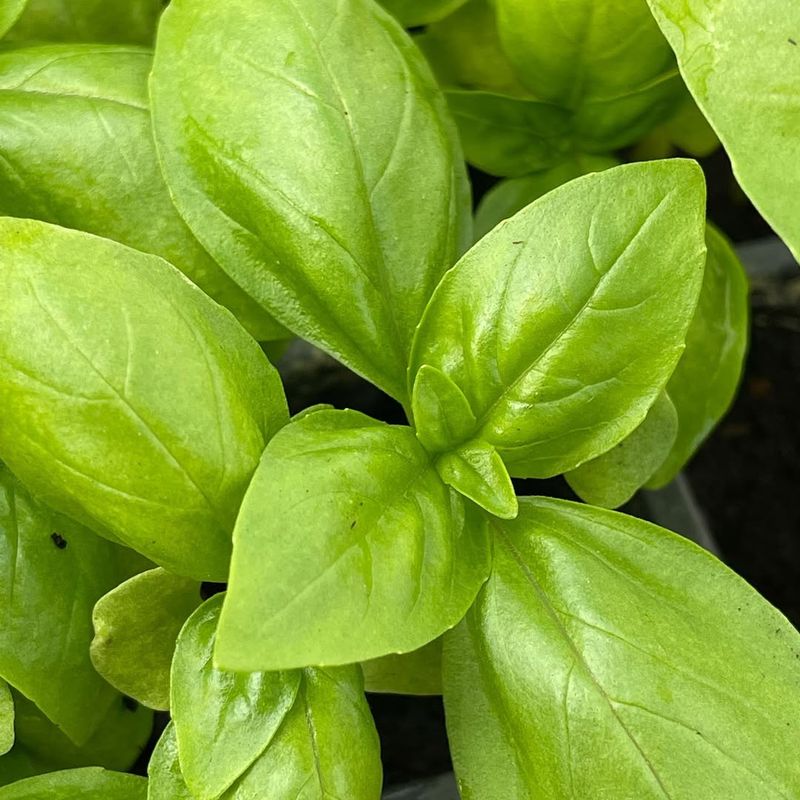
Sweet basil’s aromatic oils confuse and repel rats while attracting beneficial insects that support overall garden health.
The scent compounds in basil leaves interfere with rodents’ ability to locate food sources, encouraging them to search elsewhere.
Virginia’s warm summers create ideal conditions for basil to flourish, producing abundant foliage packed with protective essential oils.
Planting basil near tomatoes serves double duty, as the traditional companion planting benefits both species while deterring pests.
Purple basil varieties offer the same rodent-repelling properties while adding dramatic color contrast to garden beds.
Regular harvesting encourages bushier growth, which increases the plant’s protective coverage and aromatic intensity.
Thai basil and lemon basil provide variation in scent profiles, creating a more complex deterrent that rats find disorienting.
Container planting allows you to position basil strategically near doors, patios, and other entry points to your home.
The annual herb self-seeds readily in Virginia gardens, often returning voluntarily in areas where it previously grew.
Basil planted in raised beds creates elevated scent barriers that protect vegetables and herbs from ground-dwelling rodents.
Succession planting every few weeks ensures continuous fresh growth and maximum protective potency throughout the season.
Combining basil with other aromatic herbs creates a sensory overload that rats strongly prefer to avoid entirely.
7. Sage (Salvia Officinalis)
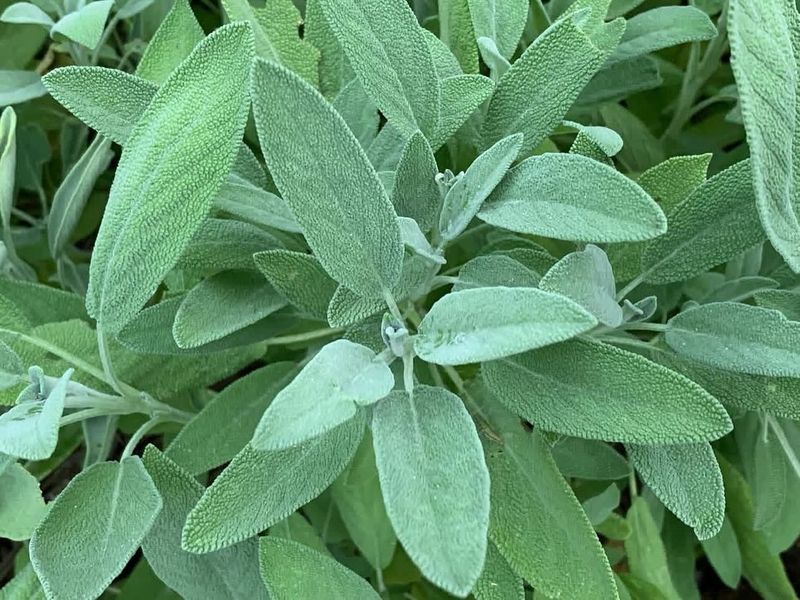
Fuzzy gray-green leaves produce camphoraceous oils that create an unwelcoming atmosphere for rats seeking shelter or food.
Common sage grows as a hardy perennial in most Virginia locations, providing year-round protection that intensifies during active growth periods.
The plant’s strong fragrance becomes even more pronounced in hot weather, coinciding perfectly with peak summer rat activity.
Positioning sage near foundations, walkways, and garden edges establishes protective zones in areas rats typically use as travel corridors.
Russian sage offers similar deterrent properties while providing stunning purple flower spikes that attract pollinators throughout summer.
The woody stems and dense foliage create physical obstacles in addition to the chemical deterrent provided by aromatic compounds.
Sage tolerates Virginia’s clay soils well when drainage is adequate, making it suitable for challenging garden spots.
Pruning sage in early spring encourages fresh growth loaded with potent oils that maximize rodent-repelling effectiveness.
Dried sage leaves maintain much of their scent, allowing you to use clippings as natural rodent deterrents in storage areas.
The plant’s drought tolerance once established makes it perfect for low-maintenance landscapes that still require pest protection.
Ornamental sage varieties provide color diversity while offering the same protective benefits as culinary types.
Combining sage with other Mediterranean herbs creates a cohesive planting scheme that’s both beautiful and functionally protective against rodents.
8. Daffodils (Narcissus Spp.)
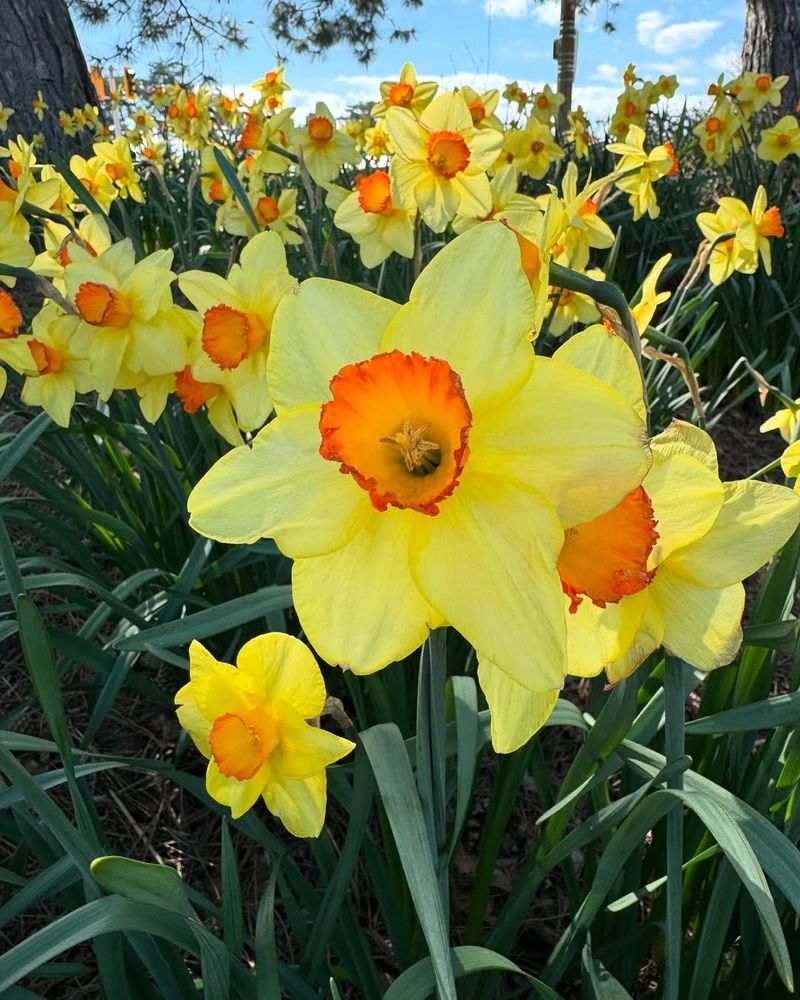
Bulbs contain alkaloid compounds that rats instinctively recognize as toxic, preventing them from digging in areas where daffodils grow.
Early spring blooms signal the end of winter while establishing protective zones before rat breeding season begins.
Virginia’s climate suits daffodils perfectly, with cold winters providing necessary chilling for spectacular spring displays.
Planting daffodil bulbs in fall creates underground barriers that discourage tunneling and burrowing throughout winter months.
The foliage remains after flowering, continuing to release protective compounds while photosynthesizing energy for next year’s blooms.
Rats that encounter daffodils quickly learn to avoid areas where these plants grow, creating lasting behavioral patterns.
Naturalizing daffodils in lawn areas creates widespread protection while adding seasonal beauty that requires minimal maintenance.
Different varieties bloom at staggered times, extending the protective window from late winter through mid-spring.
Deer and other wildlife also avoid daffodils, making them excellent choices for gardens facing multiple pest pressures.
The bulbs multiply naturally over time, expanding protective coverage without additional planting efforts or expense.
Combining daffodils with summer-blooming plants ensures year-round visual interest while maintaining continuous pest deterrence.
Container planting works well for patios and entryways where you want concentrated protection in high-traffic areas.
9. Catnip (Nepeta Cataria)
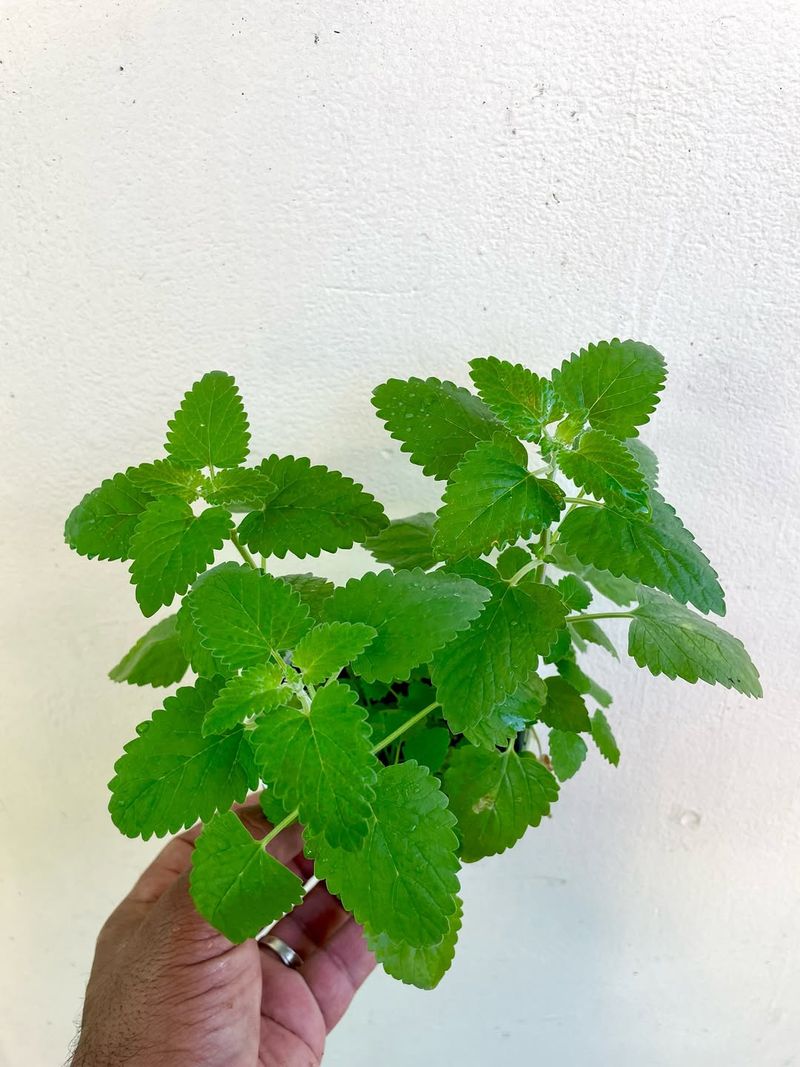
Nepetalactone compounds repel rats effectively while attracting cats, which serve as natural predators that discourage rodent activity.
Research has shown that catnip can be more effective than some commercial repellents at keeping rats away from treated areas.
Virginia’s climate supports vigorous catnip growth, with plants often reaching two to three feet tall when conditions are favorable.
The minty-scented foliage releases protective compounds continuously, with intensity increasing when leaves are crushed or damaged.
Neighborhood cats drawn to catnip create an additional layer of protection by patrolling areas where the plants grow.
Catnip spreads readily through self-seeding, establishing protective colonies that expand coverage naturally over time.
The plant tolerates poor soil conditions and drought, making it suitable for neglected areas where rats might otherwise establish territories.
Lavender-blue flowers attract bees and butterflies, supporting pollinator populations while maintaining rodent-deterrent properties.
Harvesting catnip for drying doesn’t diminish its protective qualities, as new growth quickly replaces what’s removed.
Container growing allows strategic placement near problem areas while controlling the plant’s enthusiastic spreading tendency.
The plant’s hardy nature means it survives Virginia winters, returning reliably each spring to resume protective duties.
Combining catnip with other aromatic plants creates a multi-sensory barrier that rats find particularly overwhelming and confusing.
10. Eucalyptus (Potted Or Small Varieties)

Intensely aromatic oils create a scent barrier so powerful that rats actively avoid areas where eucalyptus is present.
The medicinal fragrance comes from compounds like eucalyptol, which overwhelms rodent sensory systems and drives them away.
Container growing works best in Virginia since most eucalyptus varieties aren’t winter-hardy in the region’s climate zones.
Positioning potted eucalyptus near doorways, patios, and garage entrances creates protective checkpoints that rats won’t cross.
The plants grow quickly during Virginia’s warm season, producing abundant foliage loaded with protective essential oils.
Dwarf varieties like Eucalyptus gunnii stay manageable in containers while providing the same deterrent properties as larger species.
Moving containers indoors during winter allows the plants to continue providing protection in garages and storage areas.
Crushing a few leaves and placing them near potential entry points amplifies the protective effect in targeted locations.
The silvery-blue foliage adds unique visual interest to container arrangements while serving its practical pest-control purpose.
Eucalyptus tolerates container culture well, requiring only regular watering and occasional feeding during the growing season.
The scent remains potent even as leaves dry, making fallen foliage useful as natural mulch that continues deterring rodents.
Combining eucalyptus with other potted aromatic plants creates mobile protective units that can be repositioned as needed throughout your property.