15 Plants With Huge, Show-Stopping Flowers For Georgia Gardens
If subtle isn’t your style, Georgia gardens have plenty of room to go big—or go home.
Thanks to long growing seasons, warm nights, and fertile soil, this is a place where flowers don’t just bloom… they perform.
We’re talking bold petals, oversized blooms, and plants that stop neighbors mid-walk and make visitors ask, “What is that?”
In Georgia, the right plants can turn a simple yard into a jaw-dropping display without demanding constant attention.
These are flowers built for heat and humidity, thriving where delicate bloomers quickly tap out.
When chosen wisely, big flowers don’t just add color—they anchor the landscape, create focal points, and bring serious wow-factor from spring through fall.
Whether you’re filling a sunny border, framing a porch, or upgrading curb appeal, dramatic blooms do the heavy lifting.
These plants aren’t shy, and that’s exactly the point. If you’re ready to trade dainty for daring, these show-stoppers are made to shine in Georgia gardens—and once they start blooming, there’s no looking away.
1. Hardy Hibiscus For Dinner-Plate-Sized Blooms
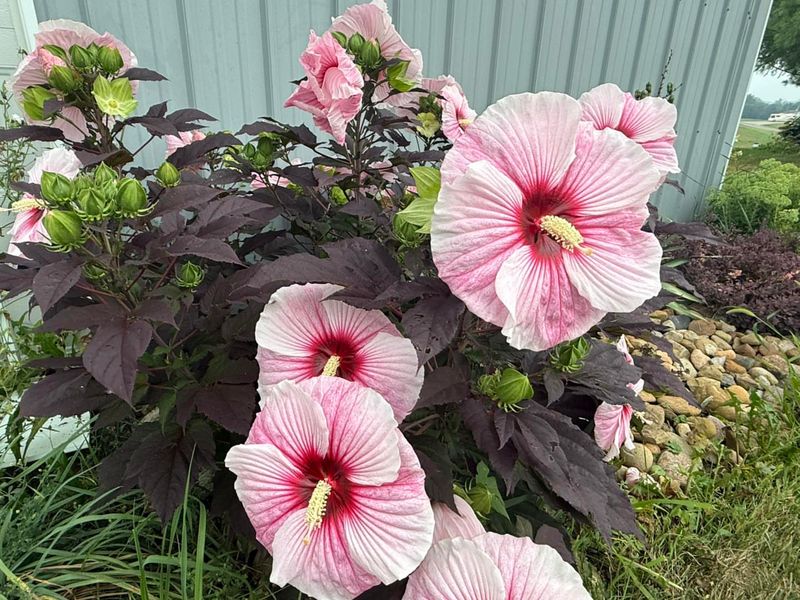
Few flowers can rival the sheer size of hardy hibiscus blooms, which regularly reach eight to twelve inches across and sometimes even larger.
These perennial powerhouses put on their best show during the hottest months of summer when many other plants start to struggle in Georgia’s heat and humidity.
Unlike their tropical cousins, hardy hibiscus varieties can survive Georgia winters and return year after year with even more impressive displays.
The flowers come in stunning shades of white, pink, red, and even deep burgundy, often with contrasting centers that add extra visual interest.
Plant them in full sun where they’ll receive at least six hours of direct light daily for the most prolific blooming.
Hardy hibiscus loves consistent moisture, so water deeply during dry spells and add a layer of mulch to help retain soil moisture.
These plants can grow quite tall, reaching four to six feet in height, so position them toward the back of borders or use them as dramatic focal points.
Cut back the stems in late winter before new growth emerges, and watch as they quickly shoot up to produce those magnificent dinner-plate-sized flowers that make every garden visitor stop and stare in amazement.
2. Magnolia Trees With Iconic Oversized Blossoms
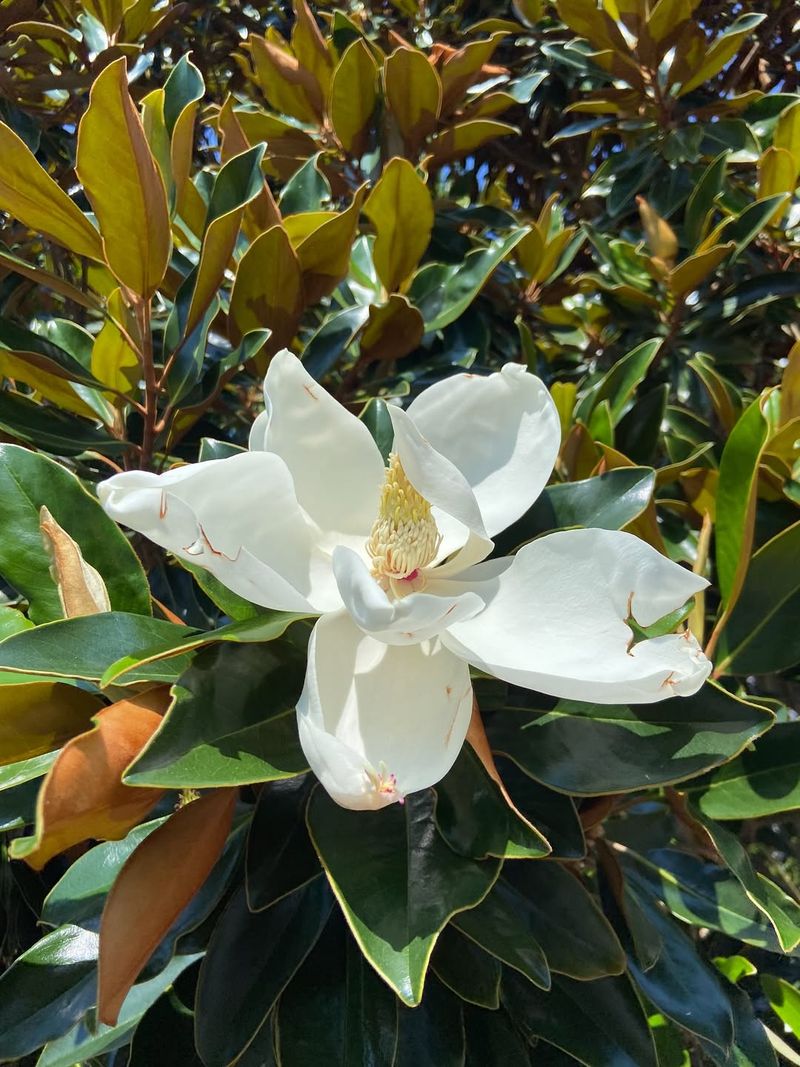
Magnolias are practically synonymous with Southern gardens, and their massive blooms are a big reason why.
Varieties like the Southern magnolia and saucer magnolia produce flowers that can measure six to ten inches across, creating a breathtaking display that announces spring’s arrival.
Georgia’s climate is absolutely perfect for these iconic trees, which thrive in the mild winters and warm, humid summers.
The flowers appear before or just as the leaves emerge, making them even more dramatic against bare branches or early foliage.
Saucer magnolias offer stunning pink and white blooms, while Southern magnolias feature creamy white flowers with a lemony fragrance that fills the entire garden.
These trees become permanent landscape anchors that grow more beautiful with age, developing character and presence that smaller plants simply cannot match.
Plant magnolias in a spot with well-drained soil and protection from strong winds that might damage those delicate oversized petals.
They prefer slightly acidic soil, which is naturally found in many parts of Georgia, making them relatively low-maintenance once established.
With their combination of massive flowers, glossy foliage, and stately form, magnolias bring timeless elegance and Southern charm to any garden space.
3. Dinnerplate Dahlias For Jaw-Dropping Seasonal Color
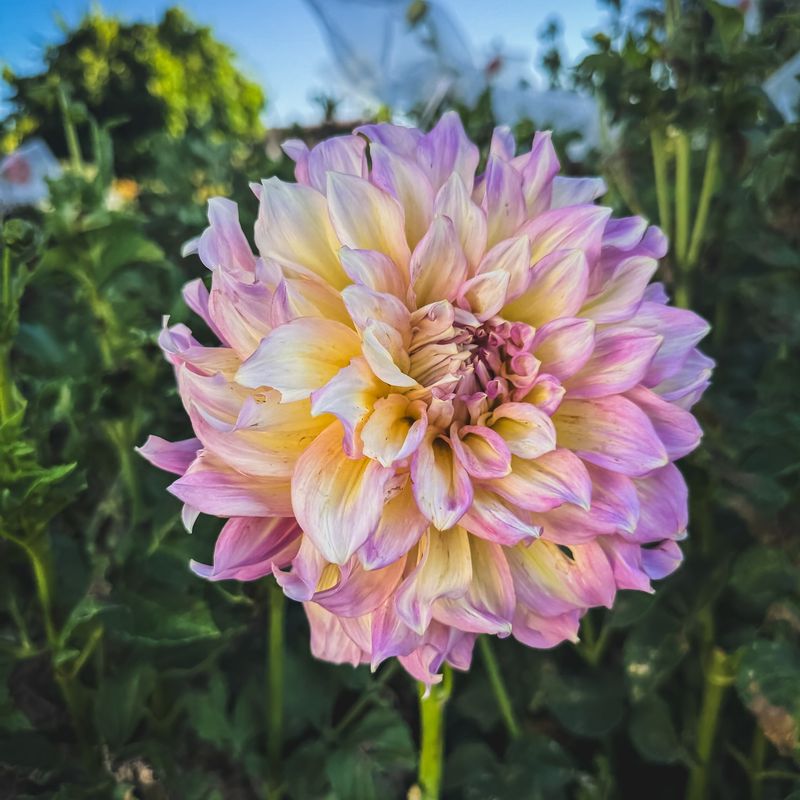
Dinnerplate dahlias live up to their name with blooms that genuinely rival the size of your dining plates, often reaching ten to twelve inches across.
These show-stopping flowers come in an incredible array of colors and forms, from soft pastels to electric brights, ensuring there’s a perfect variety for every garden style.
Plant dahlia tubers after the last frost date in spring when soil temperatures have warmed to at least sixty degrees.
They absolutely need full sun to produce those massive blooms, so choose a location that receives six to eight hours of direct sunlight daily.
Georgia’s summer heat can be intense, so provide afternoon shade in the hottest regions and keep the soil consistently moist but not waterlogged.
Stake the plants early because those enormous flowers can become quite heavy and will topple over without proper support.
Dahlias are hungry feeders, so enrich the soil with compost before planting and fertilize regularly throughout the growing season.
Pinch out the center bud when plants are young to encourage bushier growth and more flowering stems.
The blooms make incredible cut flowers that last for days in arrangements, so plant extras specifically for bringing that jaw-dropping beauty indoors.
4. Tree Peonies For Elegant, Oversized Spring Flowers
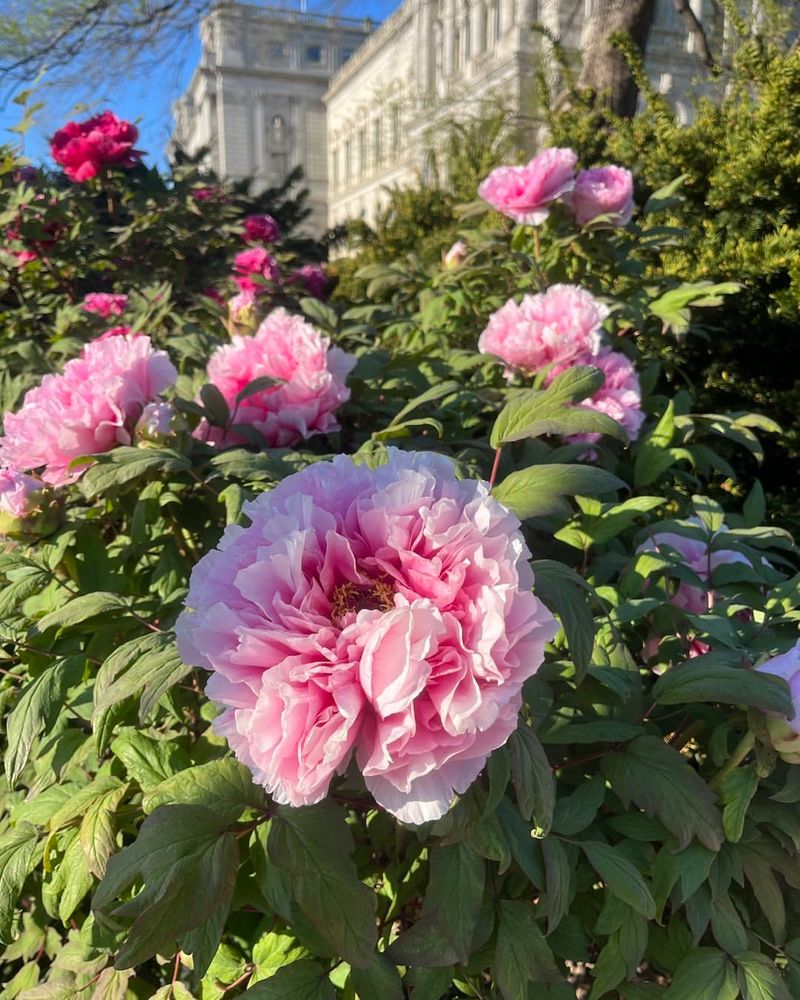
Tree peonies produce some of the most luxurious blooms you’ll ever see, with flowers reaching six to eight inches across and featuring layers of silky, ruffled petals.
Unlike herbaceous peonies that grow from the ground each year, tree peonies develop woody stems that become more impressive with each passing season.
These elegant plants take a few years to fully establish and reach their blooming potential, but the wait is absolutely worth it for those spectacular spring flowers.
Northern Georgia gardens with cooler winters are ideal for tree peonies, though some varieties can adapt to warmer regions with proper care.
Plant them in a location with morning sun and afternoon shade to protect those delicate petals from intense heat.
The blooms come in stunning colors including soft pinks, rich corals, deep purples, and pristine whites, often with contrasting centers that add extra drama.
Tree peonies prefer well-drained soil enriched with organic matter, and they benefit from a layer of mulch to keep roots cool.
Once established, these plants are remarkably long-lived and can bloom reliably for decades with minimal intervention.
Their combination of oversized flowers, attractive foliage, and woody structure makes them true garden treasures that reward patient gardeners with unforgettable spring displays.
5. Canna Lilies For Tropical-Scale Flowers
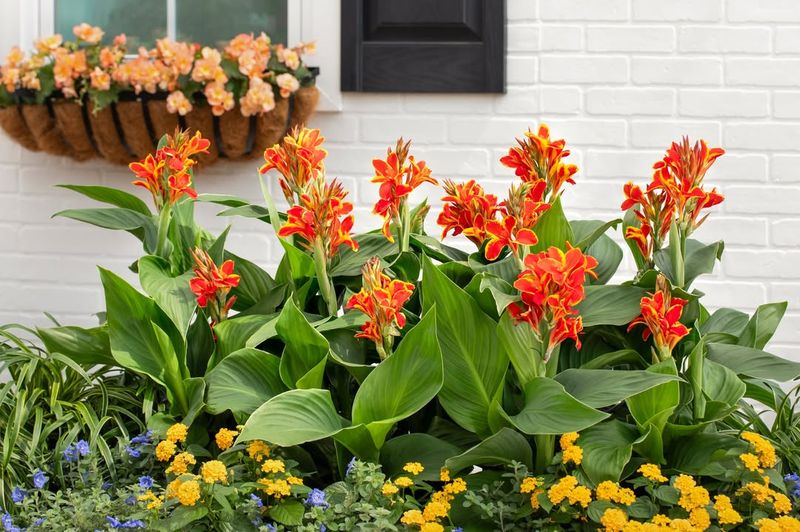
Canna lilies bring tropical flair to Georgia gardens with their bold blooms and equally dramatic foliage that creates instant visual impact.
While individual flowers measure four to five inches across, they cluster together on tall stalks to create massive displays of color that dominate the landscape.
The flowers come in fiery shades of red, orange, yellow, and coral, with some varieties featuring stunning bicolor combinations.
Georgia’s hot, humid summers are absolutely perfect for cannas, which thrive in conditions that make other plants wilt.
Plant them in full sun where they’ll receive plenty of direct light, though they can tolerate some afternoon shade in the hottest areas.
Cannas love moisture and will reward you with more prolific blooming when kept consistently watered throughout the growing season.
The foliage adds just as much drama as the flowers, with varieties offering green, bronze, or even striped leaves that reach impressive heights.
These plants spread through rhizomes and will form substantial clumps over time, creating even more impact in the garden.
In most of Georgia, cannas will return year after year, though gardeners in the coldest regions may need to provide winter mulch protection for the rhizomes beneath the soil.
6. Sunflowers For Towering Blooms And Instant Impact
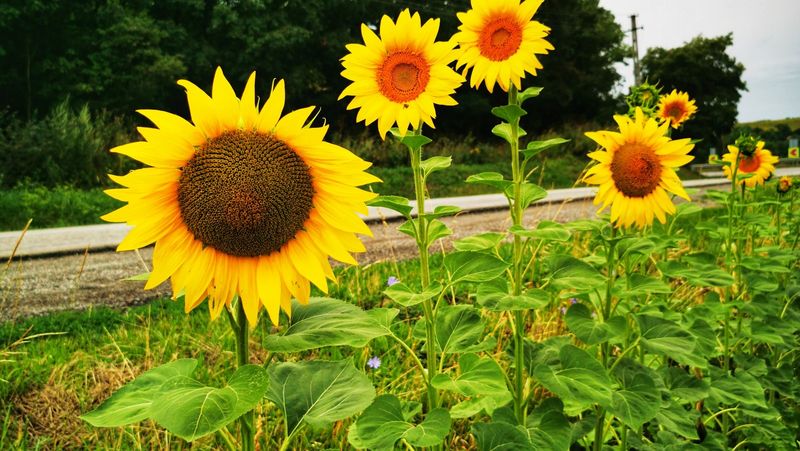
Giant sunflower varieties produce some of the most impressive blooms you can grow, with flower heads that can measure twelve to fifteen inches across or even larger.
These cheerful giants shoot up quickly from seed, often reaching heights of eight to twelve feet and creating vertical drama that transforms any garden space.
Plant sunflower seeds directly in the garden after the last frost date, spacing them about two feet apart to give each plant room to develop.
They need full sun and well-drained soil, but once established, sunflowers are remarkably tough and can handle Georgia’s summer heat with ease.
The massive flower heads follow the sun across the sky when young, creating a dynamic element that brings movement and life to the garden.
Sunflowers make excellent background plants or can be grown along fences where their height won’t shade out smaller neighbors.
Birds absolutely love the seeds that develop after flowering, adding wildlife interest to your garden in late summer and fall.
For continuous blooms, plant new seeds every two weeks through early summer to extend the flowering season.
These towering plants with their enormous flower heads create instant impact and never fail to bring smiles to everyone who sees them reaching toward the sky.
7. Angel’s Trumpet For Dramatic, Hanging Flowers
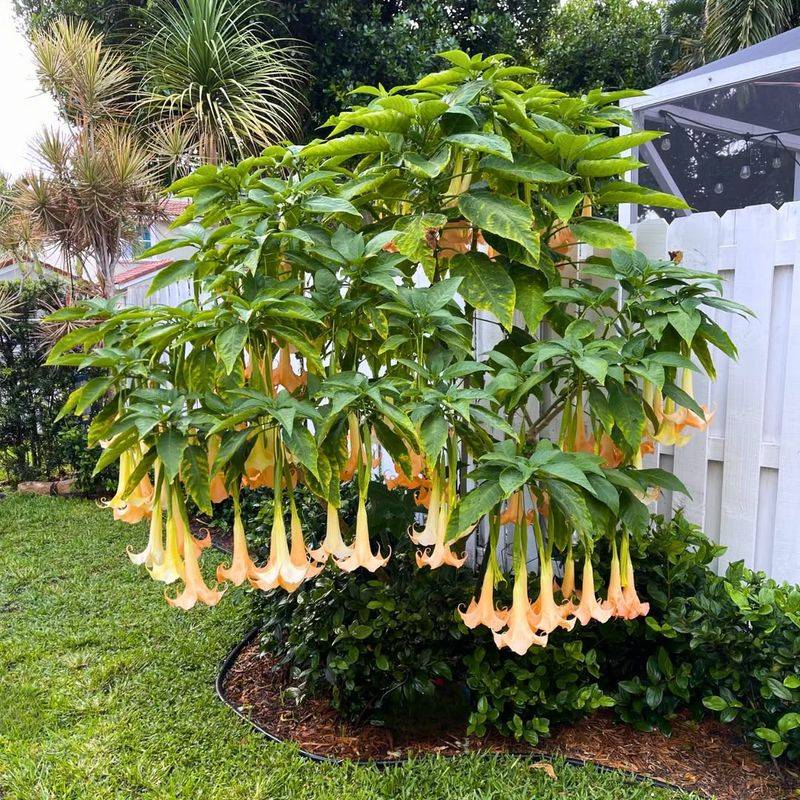
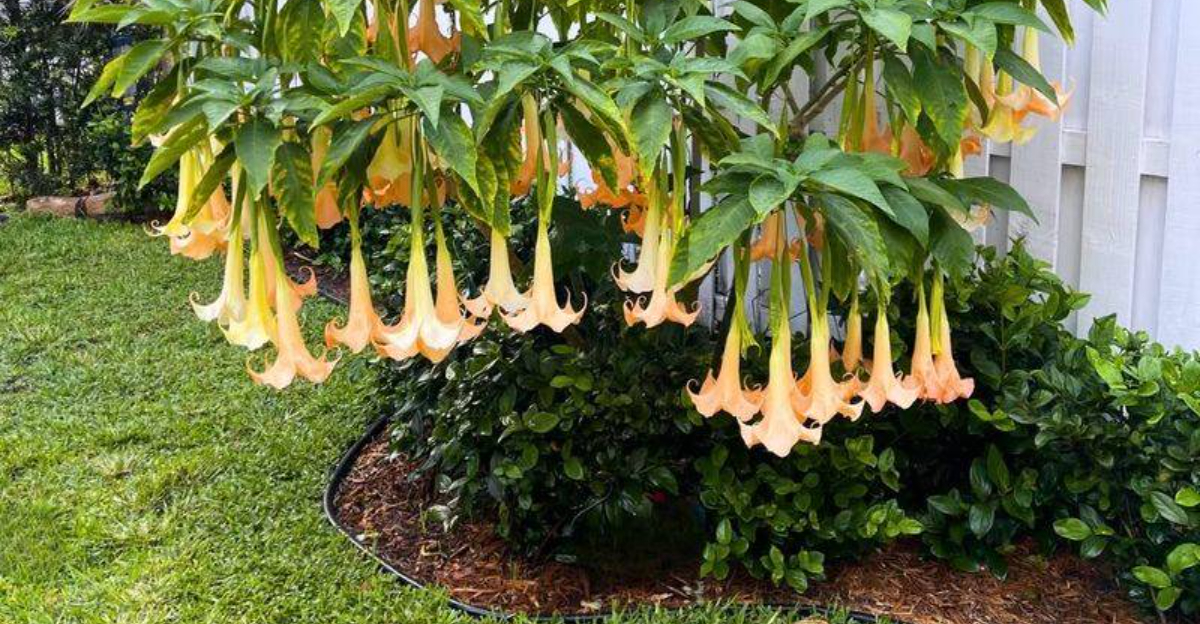
Angel’s trumpet produces extraordinary hanging flowers that can measure eight to ten inches long, creating a display so dramatic it seems almost unreal.
The trumpet-shaped blooms dangle downward from the branches, and many varieties release an intoxicating fragrance that becomes especially strong in the evening hours.
Colors range from pure white to soft yellow, peachy coral, and even pink, with some varieties featuring flowers that change color as they mature.
In Georgia, angel’s trumpet can be grown as a large shrub or small tree in warmer areas, or as a container plant that moves indoors during winter in colder regions.
These plants prefer a spot with morning sun and afternoon shade, along with rich, consistently moist soil that supports their vigorous growth.
Angel’s trumpet blooms most prolifically during warm weather, often producing waves of flowers from late spring through fall.
Position these plants where you can enjoy their evening fragrance, such as near patios or along walkways where people will pass by.
All parts of angel’s trumpet contain compounds that require careful handling, so plant them away from areas where children or pets play unsupervised.
With their oversized hanging blooms and heavenly scent, these plants create an unforgettable focal point that showcases nature’s ability to produce truly spectacular flowers.
8. Clematis Varieties With Extra-Large Flowers
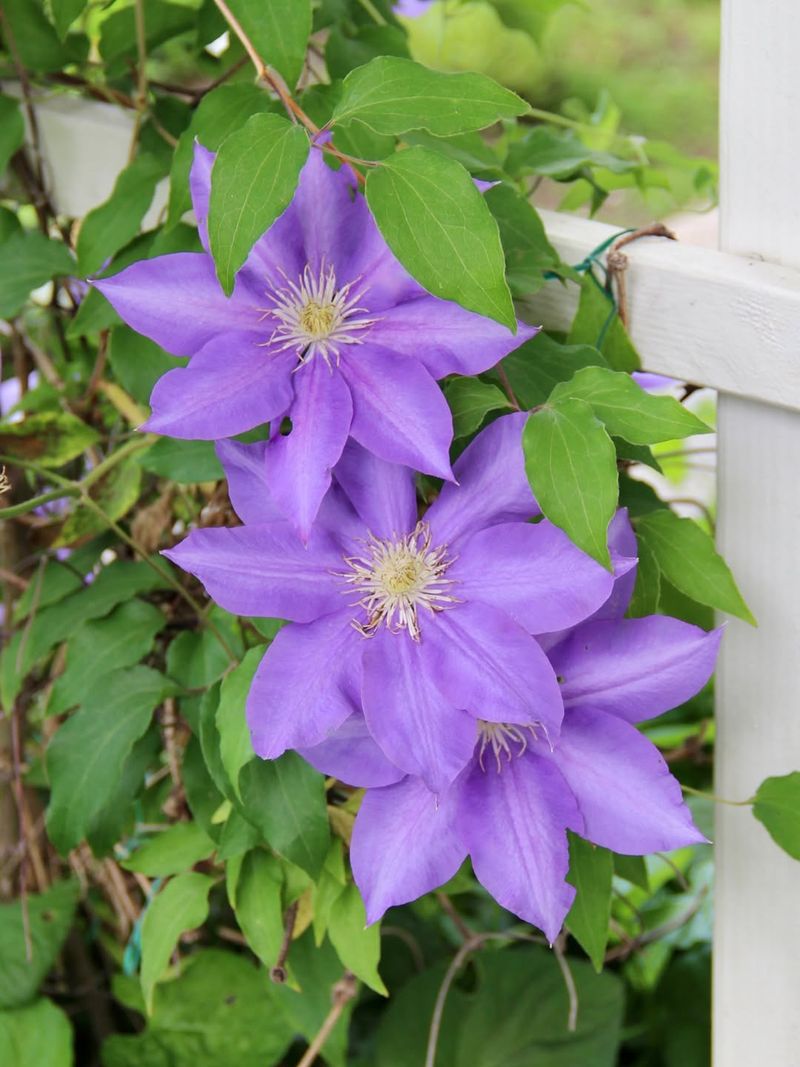
Large-flowered clematis varieties produce blooms that can reach six to eight inches across, transforming ordinary fences and arbors into spectacular floral displays.
Popular varieties like ‘Henryi’ with white flowers or ‘The President’ with deep purple blooms are particularly known for their impressive size and reliable performance.
These vining plants climb using tendrils that wrap around supports, so provide a trellis, arbor, or fence for them to scale.
Clematis famously prefers to have its roots in cool, shaded soil while its vines reach upward to bask in the sunshine.
Plant them with a layer of mulch or low-growing groundcover to shade the root zone, and position the base where it receives some protection from the hottest afternoon sun.
Georgia gardeners should choose varieties suited to their specific pruning group to ensure proper care and maximum blooming.
Water consistently during the growing season, especially during Georgia’s hot summer months when clematis can become stressed without adequate moisture.
The flowers appear on new or old wood depending on the variety, so understanding your specific clematis type helps you prune correctly for the best bloom production.
These climbing beauties bring vertical interest and those stunning oversized flowers to spaces that might otherwise go unnoticed in the garden.
9. Lotus For Massive Aquatic Blooms
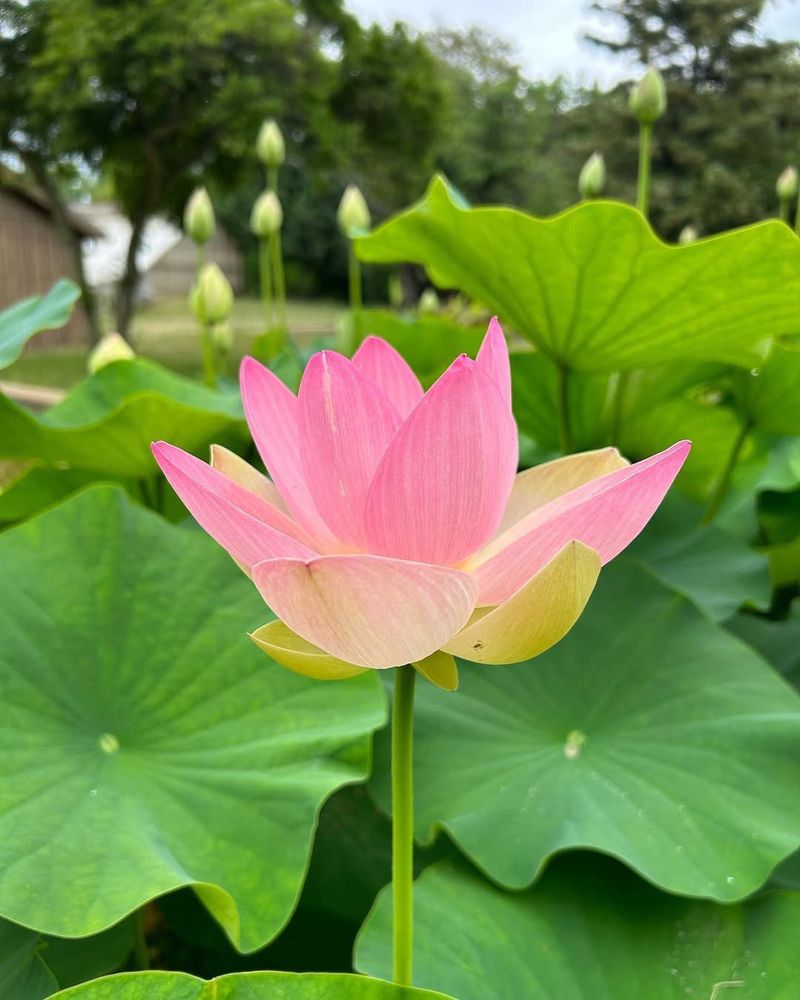
Lotus flowers are among the most spectacular aquatic blooms you can grow, with flowers that can measure eight to twelve inches across rising majestically above the water.
These ancient plants have been revered for centuries in many cultures, and it’s easy to understand why when you see those enormous, pristine blooms emerging on tall stems.
The flowers come primarily in shades of pink and white, with some varieties offering yellow or even bicolor blooms that add extra visual interest.
Georgia’s warm climate is excellent for lotus plants, which thrive in the heat and can handle the humidity that comes with water gardening.
You’ll need a pond or large water feature to grow lotus successfully, as they require standing water that’s at least twelve inches deep.
Plant lotus tubers in large containers filled with heavy soil and submerge them in your pond where they’ll receive full sun for most of the day.
The huge, circular leaves that float on or rise above the water surface are nearly as impressive as the flowers themselves.
Lotus plants go dormant in winter but will return each spring to produce even more of those magnificent blooms that seem to float effortlessly above the water.
Creating a water garden with lotus adds a serene, exotic element that transforms your outdoor space into something truly extraordinary.
10. Giant Zinnias For Bold, Easy Color
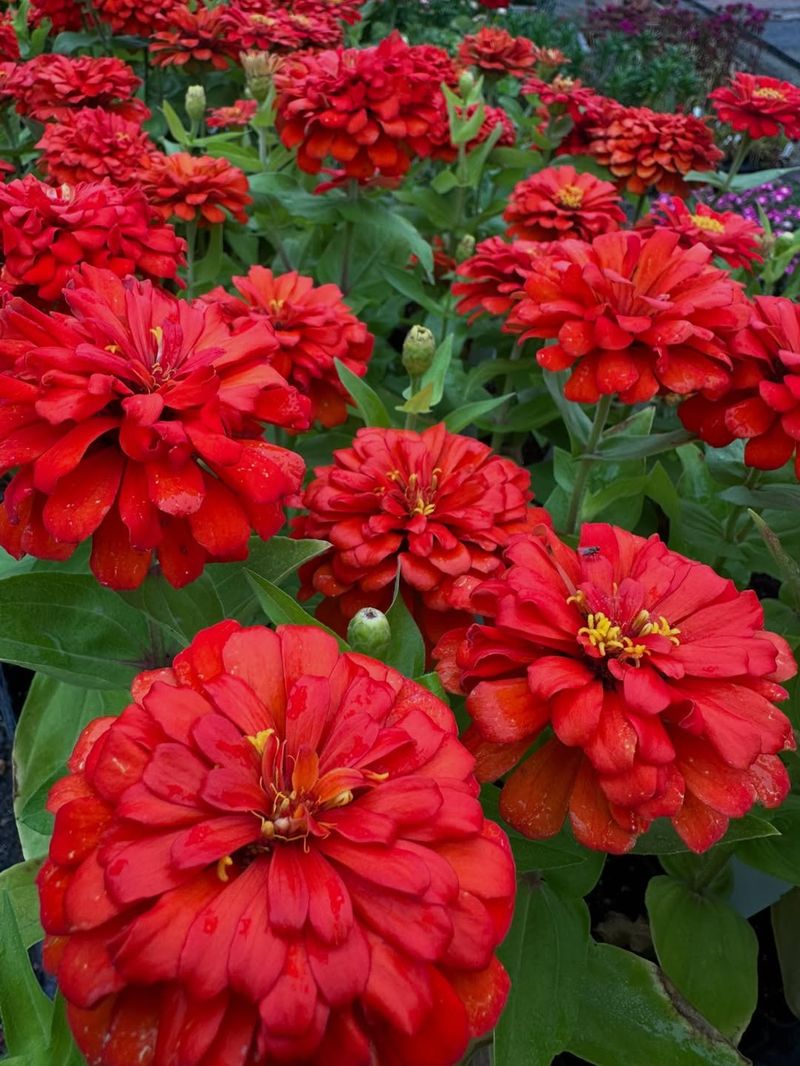
Giant zinnia varieties produce blooms that measure four to six inches across, delivering maximum color with minimal fuss for busy Georgia gardeners.
These cheerful annuals are incredibly easy to grow from seed, making them perfect for beginning gardeners or anyone who wants quick results.
Zinnias absolutely thrive in Georgia’s summer heat, continuing to bloom prolifically even when temperatures soar and other flowers start to fade.
The color range is spectacular, including every shade imaginable except true blue, so you can easily find varieties to match any garden color scheme.
Plant zinnia seeds directly in the garden after the last frost, spacing them about twelve inches apart to allow good air circulation.
They need full sun and well-drained soil but are otherwise remarkably undemanding once established.
Zinnias make outstanding cut flowers that last for days in arrangements, so plant extra rows specifically for bringing that bold color indoors.
Deadhead spent blooms regularly to encourage continuous flowering throughout the entire summer and well into fall.
These plants attract butterflies and other beneficial pollinators, adding movement and life to your garden beyond the beautiful blooms themselves.
With their combination of large, bold flowers, easy care requirements, and heat tolerance, giant zinnias are perfect for creating maximum impact with minimum effort in Georgia gardens.
11. Hydrangeas With Huge Mophead Blooms
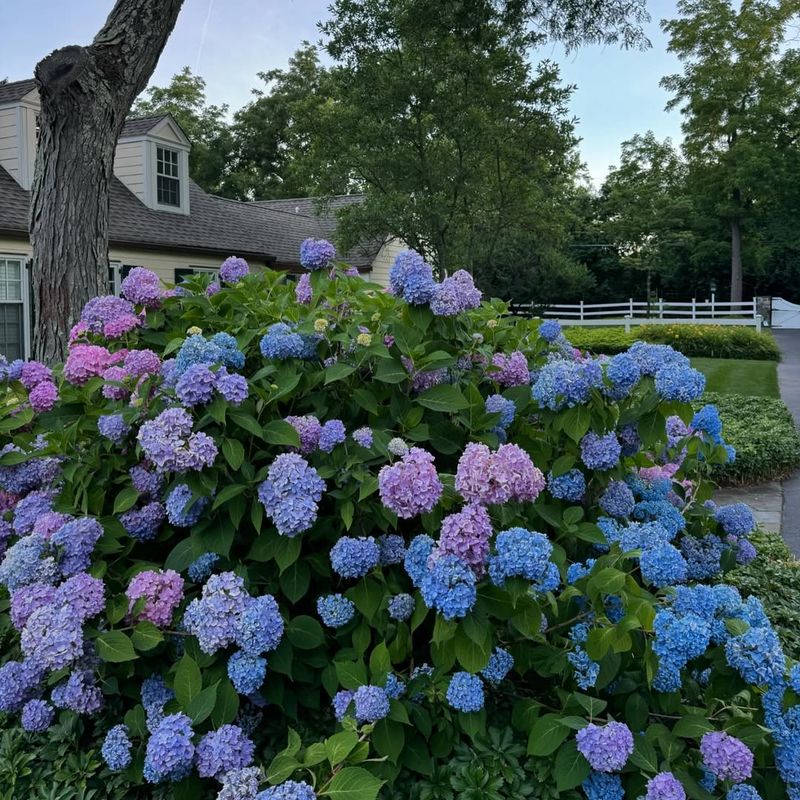
Mophead hydrangeas produce enormous flower clusters that can measure eight to ten inches across, creating spherical blooms that look almost too perfect to be real.
These classic Southern shrubs are beloved for their ability to produce those massive flower heads in shades of blue, pink, purple, or white depending on soil conditions.
The color of hydrangea blooms is influenced by soil pH, with acidic soils producing blue flowers and alkaline soils creating pink blooms.
Georgia’s naturally acidic soil in many areas means you’ll often get those stunning blue hydrangeas without any special amendments.
Plant hydrangeas where they’ll receive morning sun and afternoon shade, as too much direct sunlight can stress the plants and reduce bloom size.
These moisture-loving shrubs need consistent watering, especially during Georgia’s hot summer months when they can wilt dramatically if allowed to dry out.
Add a thick layer of mulch around the base to help retain soil moisture and keep roots cool during the heat.
The large flower heads appear in early to midsummer and often hold their color for weeks, providing long-lasting impact in the garden.
Even after the blooms fade, they develop attractive antique tones that add interest through fall and can be cut for dried arrangements that preserve their beauty indoors.
12. Oriental Lilies For Enormous, Fragrant Flowers
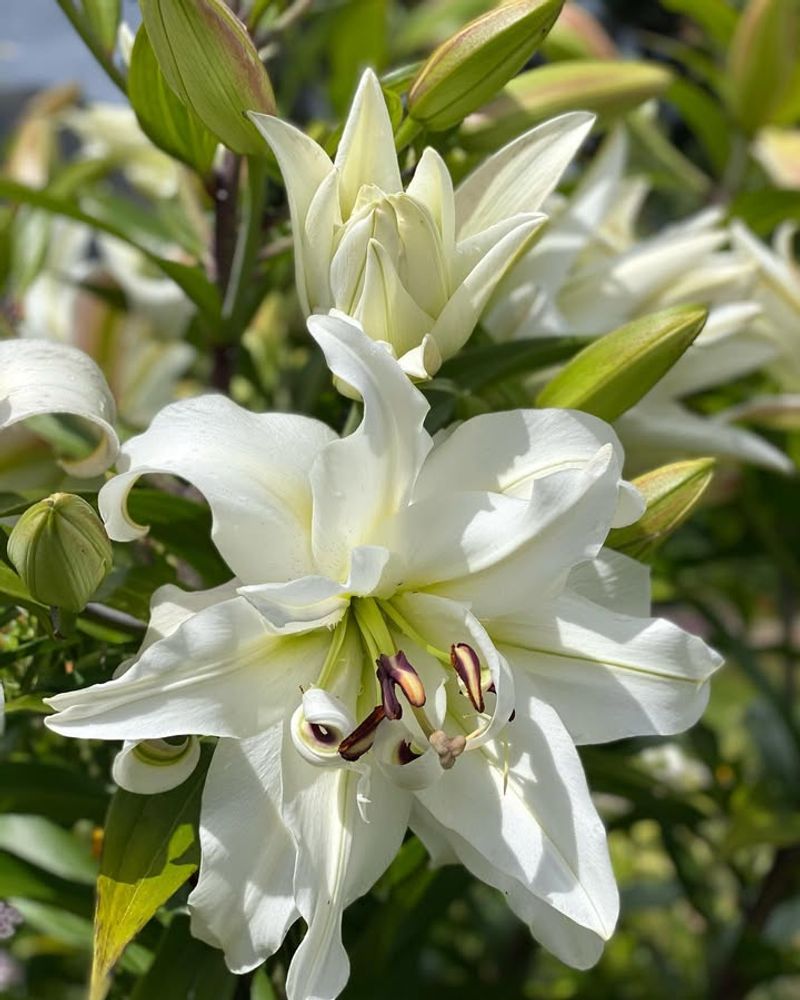
Oriental lilies produce some of the most dramatic and fragrant blooms you can grow, with individual flowers measuring six to eight inches across.
The flowers feature elegant, swept-back petals that often display spots or stripes, creating intricate patterns that add to their sophisticated appearance.
Colors range from pristine white to soft pink, deep rose, and even burgundy, with many varieties offering stunning bicolor combinations.
The fragrance of Oriental lilies is legendary, filling entire garden areas with a sweet, heady perfume that’s especially noticeable during evening hours.
Plant lily bulbs in fall or early spring, setting them about six to eight inches deep in well-drained soil enriched with organic matter.
These bulbs need excellent drainage because they’ll rot if left sitting in waterlogged soil, which can be a concern during Georgia’s rainy periods.
Choose a location with full sun to light shade, and provide some afternoon protection in the hottest parts of Georgia.
Stake the tall flower stems as they grow to prevent those heavy blooms from toppling over, especially during summer thunderstorms.
Oriental lilies bloom in midsummer, providing spectacular color and fragrance during a time when many spring bulbs have finished flowering.
With their combination of enormous blooms, intoxicating scent, and elegant form, these lilies bring sophistication and drama to any Georgia garden.
13. Moonflowers For Oversized Night-Blooming Drama
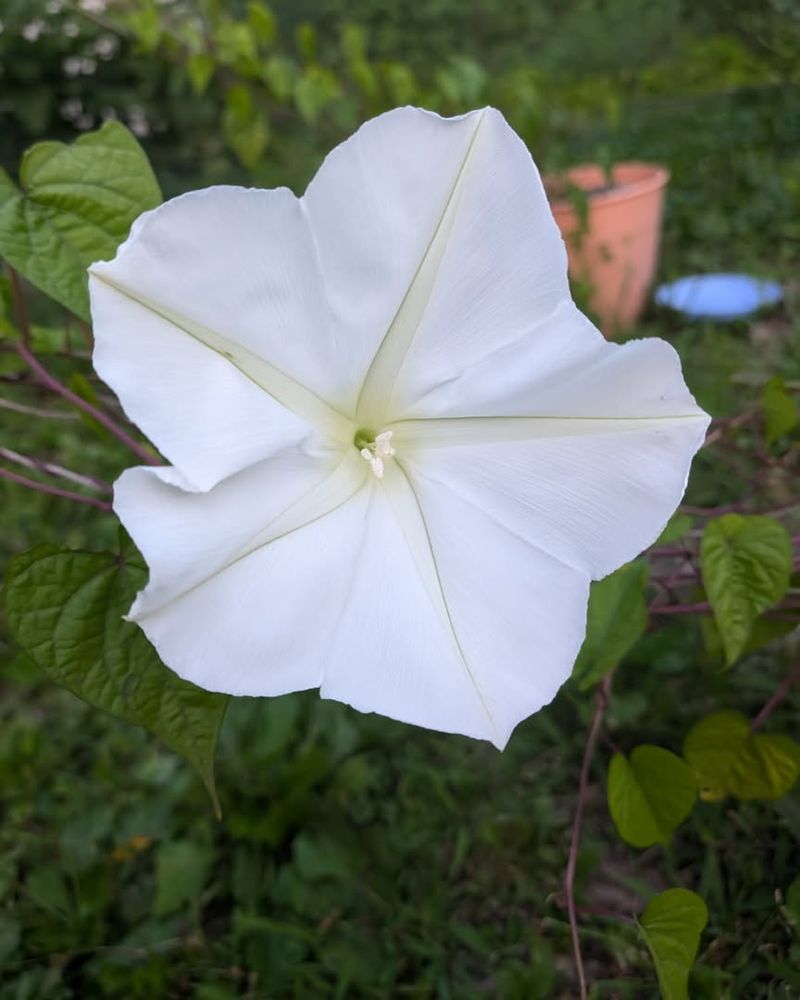
Moonflowers produce spectacular white blooms that measure five to six inches across, opening dramatically in the evening to create a magical nighttime garden experience.
These vigorous vines are related to morning glories but bloom after sunset, unfurling their luminous flowers that seem to glow in the twilight.
The blooms release a sweet, jasmine-like fragrance that becomes stronger as darkness falls, attracting night-flying moths that pollinate the flowers.
Georgia’s warm nights are perfect for moonflowers, which thrive in the heat and humidity that can stress other flowering vines.
Plant seeds after the last frost in a sunny location, providing a sturdy trellis or arbor for the vines to climb as they can reach ten to fifteen feet.
Moonflowers need full sun during the day to fuel their nighttime blooming, so choose a spot that receives at least six hours of direct sunlight.
Position these vines near patios, decks, or bedroom windows where you can enjoy their evening display and intoxicating fragrance.
Each flower opens for just one night before fading, but the plants produce so many buds that new blooms appear continuously throughout summer.
Watching moonflowers open is entertainment in itself, as the tightly furled buds spiral open within minutes once the process begins at dusk.
14. Protea For Exotic, Statement-Making Flowers
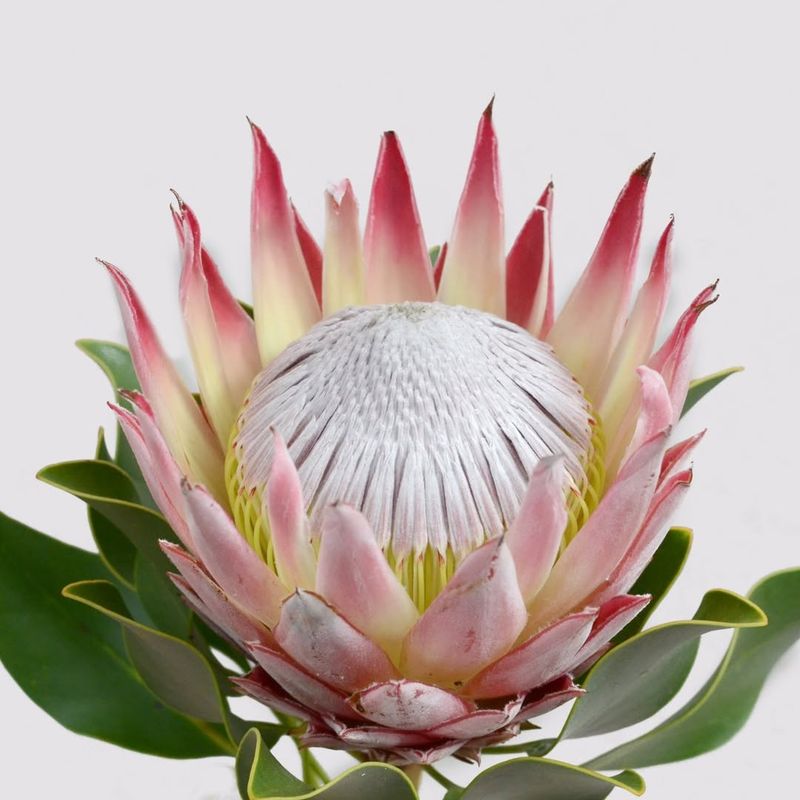
Protea flowers are among the most unusual and dramatic blooms you can attempt in Georgia, with their sculptural forms measuring five to seven inches across.
These exotic South African natives feature spiky, architectural flower heads that look more like art installations than traditional garden flowers.
Colors range from soft pinks and creams to vibrant oranges and deep reds, often with contrasting textures that make each bloom a conversation starter.
Growing protea in Georgia presents challenges because they require excellent drainage and are sensitive to the humidity and summer rainfall typical of the region.
Southern coastal Georgia or areas with sandy, well-drained soil offer the best chances for success with these exotic beauties.
Plant protea in raised beds or on slopes where water drains away quickly, and avoid heavy clay soils that retain moisture.
These plants need full sun and protection from excessive rain during their growing season to prevent root problems.
Protea flowers are incredibly long-lasting both on the plant and as cut flowers, making them valuable for arrangements that need to endure.
While they’re not the easiest plants for Georgia gardens, adventurous gardeners in the right locations can create stunning displays that showcase these exotic statement-makers.
The challenge of growing protea successfully makes the reward of those spectacular blooms even more satisfying when you achieve it.
15. How To Design A Garden Around Oversized Flowers
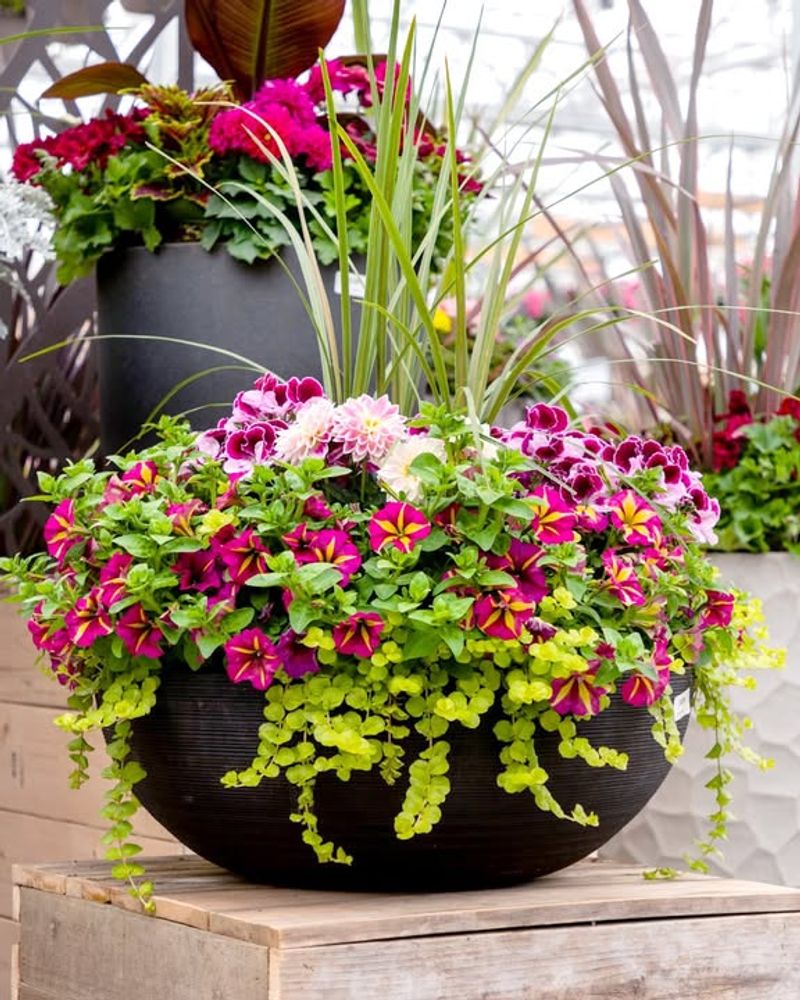
Creating a garden around oversized flowers requires thoughtful planning to ensure the space feels bold and dramatic without becoming overwhelming or chaotic.
Start by considering scale and proportion, using those massive blooms as focal points rather than filling every available space with giant flowers.
Balance is essential, so pair large-flowered plants with supporting cast members that have smaller blooms or interesting foliage to create contrast.
Proper spacing is crucial because crowded plants compete for resources and can look messy rather than impressive, so give each specimen room to showcase its full glory.
Consider bloom times when selecting your plants, mixing early, mid, and late-season bloomers to ensure continuous interest throughout the growing season.
Use structural elements like evergreen shrubs or ornamental grasses to provide a framework that grounds those dramatic flowers and prevents the garden from looking scattered.
Think about viewing angles and place your largest blooms where they can be appreciated from multiple perspectives, such as near seating areas or along main pathways.
Color coordination matters too, so decide whether you want a harmonious palette or bold contrasts, then select flower colors that support your vision.
With thoughtful design that balances those show-stopping blooms with supporting plants and proper spacing, your Georgia garden will feel both dramatic and cohesive throughout the entire year.