9 Plants You Can Add Under Roses In Pennsylvania For Stronger Growth In 2026
Have you ever looked at the soil under your roses in your Pennsylvania garden and wondered if that empty space could be doing more?
That thought often comes up when roses are growing well on top, yet the ground beneath them looks bare or underused.
In Pennsylvania gardens, roses respond strongly to what’s happening at their roots, even when everything above ground seems fine.
Not every bare patch is a problem, and many roses grow just fine without companions.
When growth feels weaker than expected or plants seem less resilient year after year, though, it usually points to what the soil environment is missing.
The plants growing nearby can quietly influence moisture balance, nutrient use, and overall soil health. Those effects add up over time.
Understanding which plants support roses rather than compete with them can change how your garden performs.
Choosing the right underplantings helps Pennsylvania roses grow stronger in 2026 and makes the entire bed work harder without extra effort.
1. Lavender
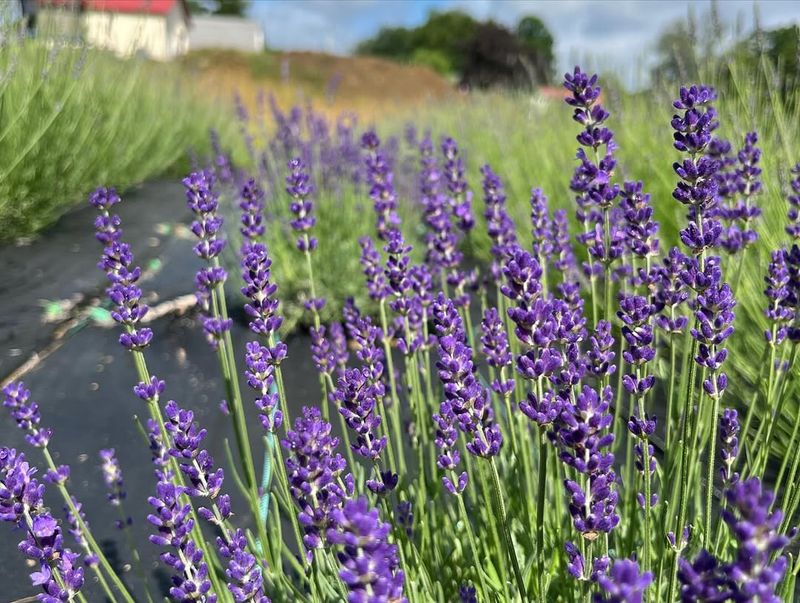
Purple blooms and a calming scent make this Mediterranean herb a star performer in Pennsylvania rose gardens. You’ll notice how well it pairs with roses when the two bloom together in early summer.
This aromatic plant loves full sun and well-drained soil, which matches perfectly with what your roses need. Pennsylvania gardeners appreciate how it handles hot summers and mild winters without much fuss.
Beneficial insects like bees and butterflies flock to its fragrant flowers, helping pollinate your entire garden. At the same time, pests like aphids tend to stay away from the strong scent.
Your roses will benefit from improved air circulation around their base when you plant lavender nearby. Better airflow means less moisture buildup and fewer fungal problems.
Spacing matters when you’re planting lavender under roses in Pennsylvania gardens. Leave about 12 to 18 inches between plants so each one has room to spread.
Pruning lavender in early spring keeps it compact and encourages fresh growth. Cut back about one-third of the plant to maintain its rounded shape.
Pennsylvania’s clay-heavy soil can be improved by adding compost before planting lavender. This helps with drainage and gives roots a healthy start.
Watering needs are minimal once lavender establishes itself in your garden. Only water during extended dry spells to keep plants looking their best.
You can harvest lavender stems in mid-summer when flowers are just opening. Use them fresh or dried for crafts, cooking, or home fragrance.
2. Allium
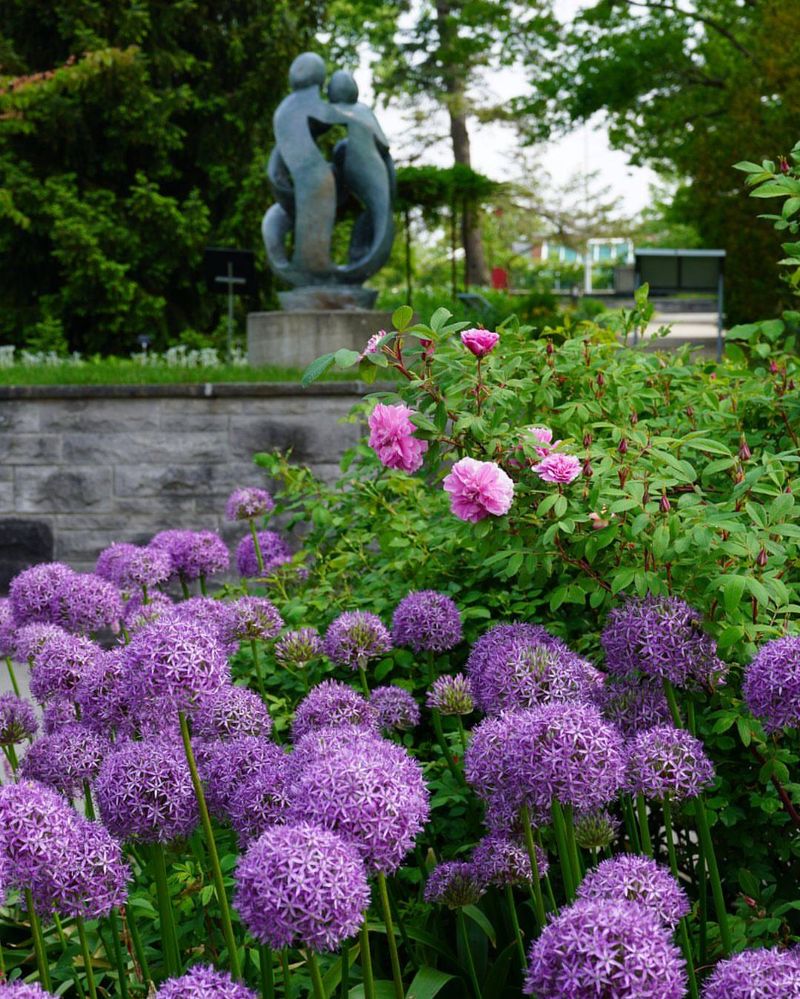
Round purple globes on tall stems create a striking contrast when planted near roses in Pennsylvania landscapes. These ornamental onions add height and drama to your garden beds throughout late spring.
Planting allium bulbs in fall gives them time to establish strong roots before winter arrives. Pennsylvania’s cold season actually helps them develop better blooms for the following year.
Deer and rabbits avoid alliums because of their onion-like scent, protecting your roses from browsing animals. This natural deterrent works better than many store-bought repellents.
Your soil should drain well since alliums don’t tolerate standing water around their bulbs. Mix in sand or perlite if your Pennsylvania garden has heavy clay.
Alliums attract pollinators while their foliage is still green and growing in spring. Butterflies and bees visit the spherical flower heads regularly.
After blooming, the seed heads remain decorative even as they dry out naturally. Many gardeners in Pennsylvania leave them standing for winter interest.
Spacing bulbs about 6 to 8 inches apart creates a full display without overcrowding. Plant them in clusters of five or seven for the best visual impact.
Fertilizing isn’t usually necessary if you add compost to your beds each spring. Alliums are light feeders compared to roses.
Taller varieties like ‘Globemaster’ work especially well as backdrop plants for shorter roses. Shorter types fit nicely at the front edge of your garden.
3. Catmint
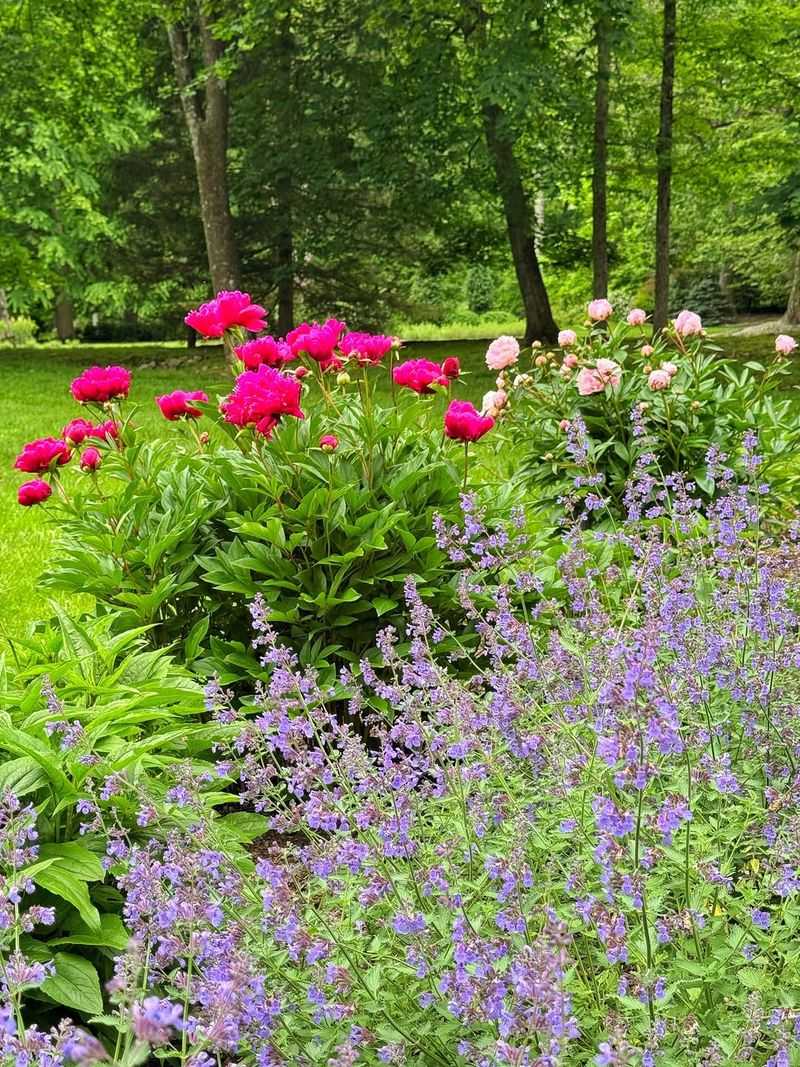
Soft blue-purple flowers cascade over silvery foliage, creating a misty effect around your rose bushes in Pennsylvania. This hardy perennial blooms from late spring through early fall if you deadhead spent flowers.
Catmint tolerates Pennsylvania’s summer heat remarkably well compared to other perennials. It keeps flowering even during July and August when temperatures climb.
Your roses will appreciate how catmint attracts beneficial predatory insects to the garden. Ladybugs and lacewings that feed on aphids love visiting these flowers.
Deer rarely bother catmint because of its minty, pungent aroma when leaves are crushed. This helps create a protective barrier around more vulnerable plants like roses.
Pennsylvania gardeners find catmint incredibly easy to grow in various soil types. It adapts to both sandy and clay soils as long as drainage is adequate.
Shearing plants back by half after the first bloom cycle encourages a fresh flush of flowers. This keeps your garden looking tidy and extends the blooming season.
Root systems spread gradually but aren’t aggressive like some ground covers. You can easily control catmint’s size by dividing clumps every three years.
Minimal watering is needed once plants establish themselves in your Pennsylvania garden. They’re quite drought-tolerant during typical summer conditions.
Varieties like ‘Walker’s Low’ stay compact at about 18 inches tall, perfect for edging rose beds. They won’t shade out your roses or compete too heavily for nutrients.
4. Salvia
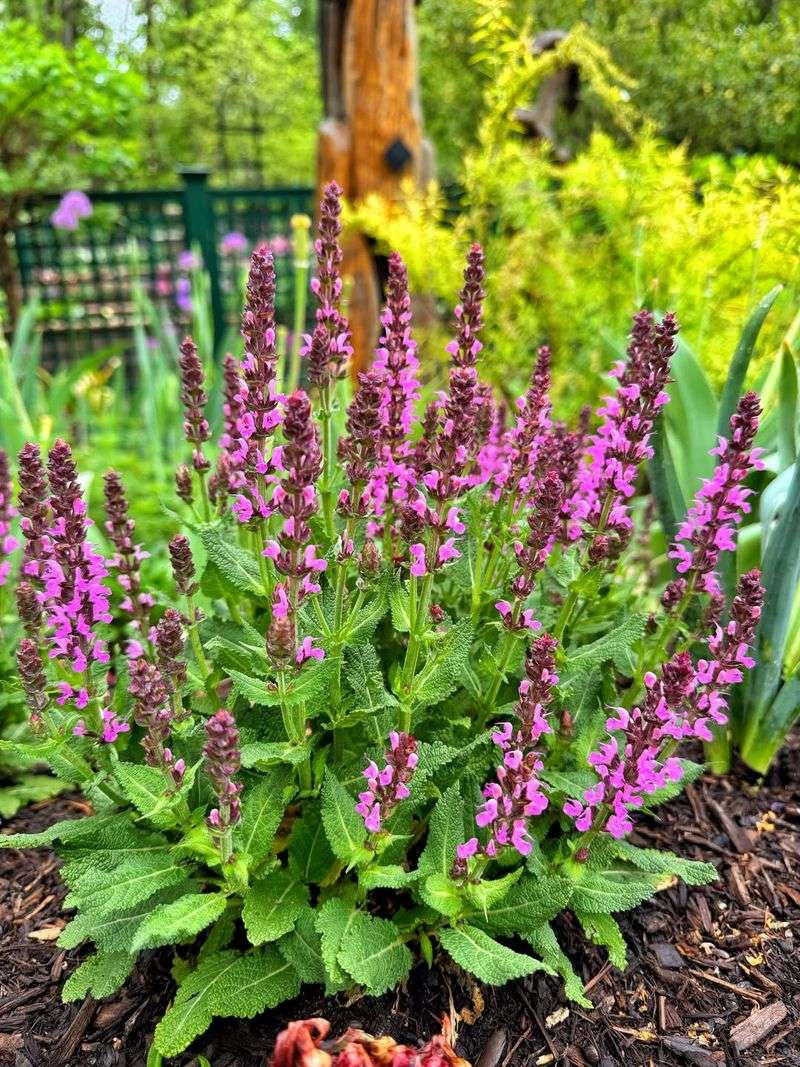
Spiky flower stalks in shades of blue, purple, and red create vertical interest beneath your Pennsylvania roses. This diverse plant family offers options for every color scheme and garden style.
Hummingbirds visit salvia flowers constantly during summer months, adding movement and life to your garden. Pennsylvania gardeners love watching these tiny birds dart between blooms.
Heat and humidity don’t slow down most salvia varieties during Pennsylvania summers. They continue flowering reliably when other plants start looking tired.
Your roses benefit from salvia’s ability to attract parasitic wasps that control caterpillars and aphids. These helpful insects keep pest populations naturally balanced.
Well-drained soil is essential for salvias to thrive in Pennsylvania’s climate. Amend heavy clay with organic matter before planting.
Deadheading spent flower spikes promotes continuous blooming from June through September. Simply snip off faded flowers where they meet the stem.
Pennsylvania’s winter temperatures can challenge some salvia species, so choose hardy varieties like ‘May Night’ or ‘Caradonna.’ These perennials return reliably year after year.
Spacing plants 12 to 15 inches apart allows good air movement around both salvias and roses. This reduces moisture-related issues during humid Pennsylvania summers.
Fertilizing lightly in spring with compost provides sufficient nutrients for the growing season. Salvias don’t need heavy feeding to perform well.
Foliage remains attractive even when plants aren’t blooming, keeping your rose bed looking good. The textured leaves add visual interest throughout the season.
5. Yarrow
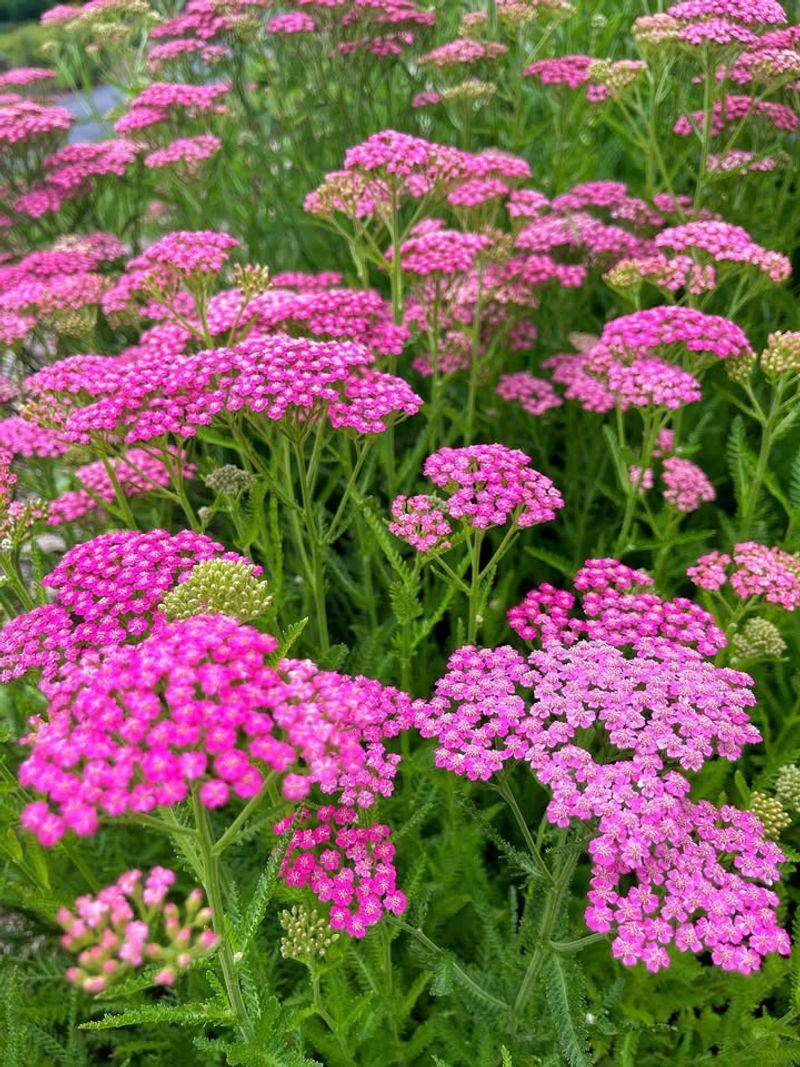
Flat-topped flower clusters in white, yellow, pink, and red bring a cottage garden feel to Pennsylvania rose plantings. These tough perennials bloom from early summer well into fall with minimal care.
Pennsylvania’s variable weather doesn’t faze yarrow plants at all. They handle heat, cold, drought, and humidity better than most garden perennials.
Beneficial insects like hoverflies and parasitic wasps gather on yarrow’s landing-pad flowers. These helpful bugs then move to your roses to control aphids and other pests.
Your soil doesn’t need to be rich for yarrow to flourish in Pennsylvania gardens. In fact, it performs better in average to lean soil conditions.
Fern-like foliage stays attractive throughout the growing season, even when flowers fade. The feathery leaves provide textural contrast to rose foliage.
Cutting back yarrow after the first bloom cycle often produces a second round of flowers. This extends color in your garden through early autumn.
Pennsylvania gardeners appreciate how yarrow tolerates both wet springs and dry summers. Its deep roots help it access moisture when surface soil dries out.
Spacing plants 18 to 24 inches apart prevents overcrowding as they mature. Yarrow clumps expand gradually but remain manageable.
Dividing established clumps every three to four years keeps plants vigorous and blooming heavily. Spring or fall work equally well for division in Pennsylvania.
Deer typically avoid yarrow because of its strong, slightly bitter scent. This helps protect your entire rose bed from browsing wildlife.
6. Geranium
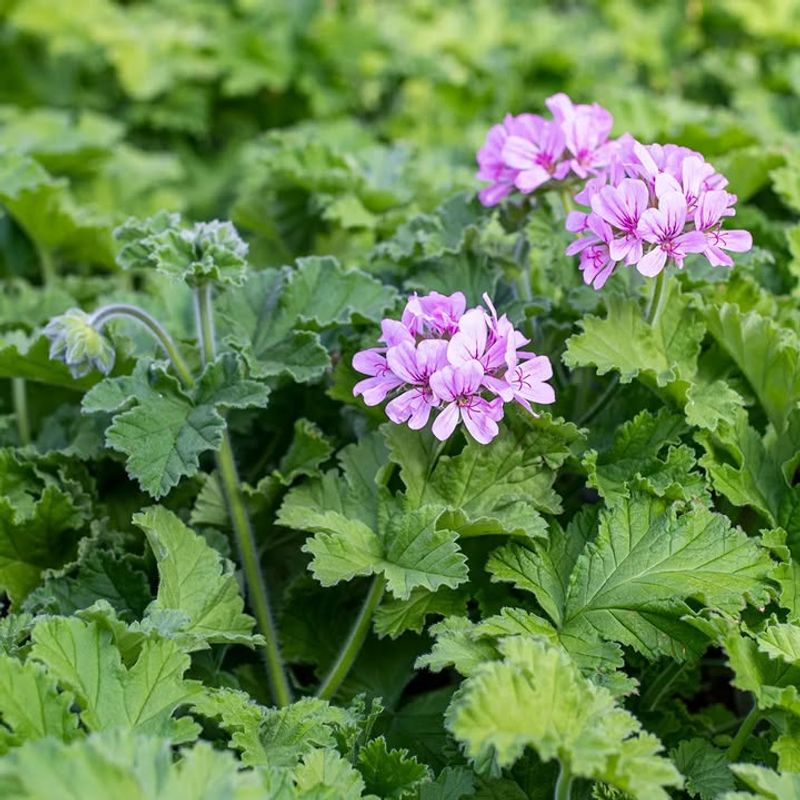
Hardy geraniums spread into attractive mounds covered with delicate flowers in shades of pink, purple, and blue. Pennsylvania gardeners rely on these perennials to fill space beneath roses without competing aggressively.
These true geraniums differ completely from the annual geraniums sold at garden centers. They’re cold-hardy perennials that return year after year in Pennsylvania gardens.
Your roses will appreciate how geranium foliage creates a living mulch around their base. This helps keep soil cooler and retains moisture during hot Pennsylvania summers.
Blooming starts in late spring and continues through early summer for most varieties. Some types produce scattered flowers into fall, especially in Pennsylvania’s mild autumns.
Geraniums adapt to various light conditions, from full sun to partial shade under rose canes. This flexibility makes them ideal companions for roses of different sizes.
Pennsylvania’s clay soil works fine for hardy geraniums as long as it doesn’t stay waterlogged. Mix in compost to improve texture and drainage.
Cutting back plants after the main bloom period encourages fresh foliage growth. New leaves stay attractive through fall and often develop nice color before frost.
Varieties like ‘Rozanne’ bloom exceptionally long, from May through October in Pennsylvania. This extended season provides constant color beneath your roses.
Spacing geraniums 12 to 18 inches apart creates a full ground cover effect. They’ll knit together into a continuous carpet within two growing seasons.
Minimal maintenance is needed once these perennials establish in your Pennsylvania garden. They rarely need dividing and tolerate neglect better than most plants.
7. Chives
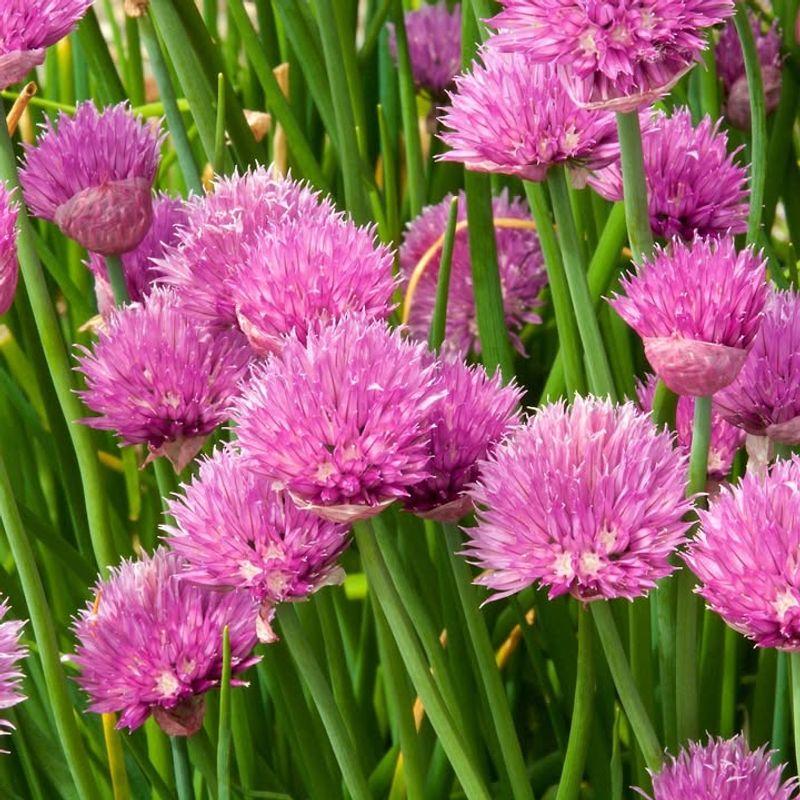
Grass-like foliage topped with purple pompom flowers makes chives both ornamental and edible in Pennsylvania rose gardens. These members of the onion family bloom in late spring, adding cheerful color.
Pennsylvania gardeners love how chives naturally repel aphids that often attack roses. The onion scent confuses pests and keeps them away from nearby plants.
Your kitchen benefits from having fresh chives just steps away from your door. Snip leaves anytime during the growing season for salads, soups, and garnishes.
Chives tolerate Pennsylvania’s winter cold without any protection needed. They’re among the first plants to emerge in spring, often pushing through late snow.
Pollinators visit chive flowers enthusiastically, especially bees and butterflies. This increased pollinator activity benefits your entire Pennsylvania garden.
Dividing chive clumps every two to three years keeps them productive and vigorous. Simply dig up clumps in spring or fall and separate into smaller sections.
Well-drained soil helps chives thrive, though they’re more tolerant of moisture than many herbs. Pennsylvania’s typical garden soil works well with a bit of added compost.
Deadheading spent flowers prevents excessive self-seeding around your garden. However, leaving a few seed heads attracts goldfinches in late summer.
Spacing plants 8 to 12 inches apart creates a nice edging effect along rose beds. Their compact size won’t overwhelm smaller rose varieties.
Pennsylvania’s humid summers don’t cause problems for chives like they do for some herbs. Good air circulation around roses helps both plants stay healthy.
8. Lady’s Mantle
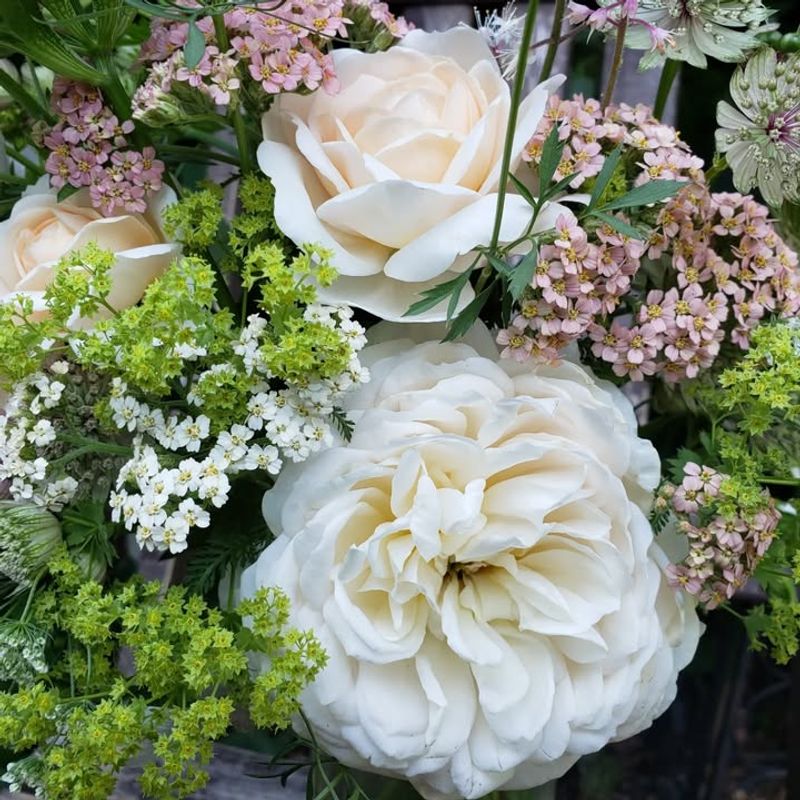
Scalloped leaves catch morning dew in perfect silver droplets, creating magical effects in Pennsylvania rose gardens. Chartreuse flowers appear in early summer, forming airy clouds above the foliage.
Pennsylvania’s spring rains bead up beautifully on the water-repellent leaves. Watching these droplets glisten in morning sun makes this plant worth growing for foliage alone.
Your roses benefit from lady’s mantle’s mounding habit that suppresses weeds effectively. Once established, few weeds can push through the dense foliage.
Partial shade works well for lady’s mantle in Pennsylvania gardens, making it perfect for planting under taller rose varieties. It tolerates more shade than most rose companions.
Soil moisture is important for keeping lady’s mantle looking its best during Pennsylvania summers. Mulch around plants to help retain moisture between waterings.
Cutting back foliage after flowering keeps plants looking fresh and compact. New leaves emerge quickly and remain attractive through fall.
Self-seeding can occur if you don’t remove spent flowers promptly. Pennsylvania gardeners often appreciate a few volunteer seedlings but remove extras to prevent overcrowding.
Spacing plants 15 to 18 inches apart allows them to form attractive clumps without touching. This spacing also ensures good air circulation around rose stems.
Pennsylvania’s winter cold doesn’t harm established lady’s mantle plants. They return reliably each spring with minimal care needed.
Deer rarely bother lady’s mantle, helping protect your entire rose planting. The slightly fuzzy leaves don’t appeal to browsing animals.
9. Thyme
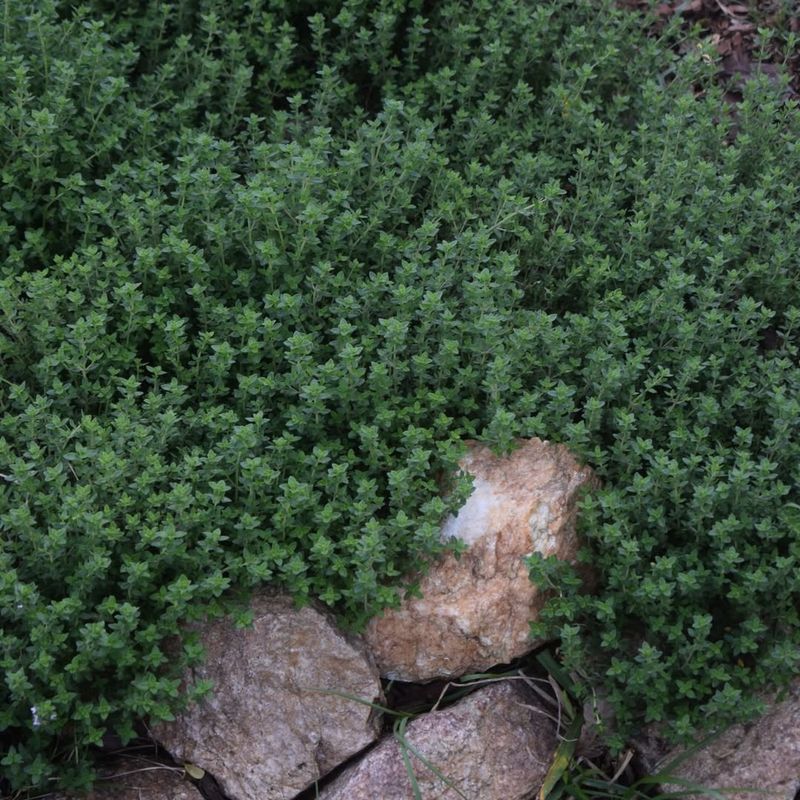
Low-growing mats of aromatic foliage hug the ground beneath Pennsylvania roses, releasing fragrance with every brush. Tiny flowers in pink, purple, or white attract bees throughout summer.
Pennsylvania’s hot, dry spells don’t stress thyme plants once they’re established. Their Mediterranean heritage makes them naturally drought-tolerant in your garden.
Your roses appreciate how thyme’s shallow roots don’t compete with their deeper root systems. Both plants can thrive together without fighting for nutrients or water.
Culinary varieties like common thyme or lemon thyme add edible interest to ornamental plantings. Harvest sprigs anytime for cooking without harming the plant.
Well-drained soil is absolutely essential for thyme success in Pennsylvania gardens. Heavy clay must be amended with sand and compost before planting.
Creeping varieties spread slowly to form a living mulch around rose bases. This helps keep soil cool and reduces weed growth naturally.
Pennsylvania winters can damage some thyme varieties, so choose hardy types like ‘Elfin’ or common thyme. These bounce back reliably each spring.
Trimming plants lightly after flowering keeps them compact and encourages dense growth. This also prevents woody stems from developing in the center.
Spacing thyme plants 6 to 12 inches apart creates a continuous ground cover effect. They’ll fill in gaps within one or two growing seasons.
Beneficial insects like predatory beetles hide in thyme’s dense foliage during the day. At night, they emerge to hunt aphids and other rose pests.