6 Plants You Can Safely Prune In Georgia In Early March And What To Skip
Early March in Georgia can feel like a green light to grab the pruners and start cutting everything back. Temperatures are shifting, buds are swelling, and the garden looks ready for a reset.
But not every plant appreciates an early trim, and the wrong cut right now can cost you blooms later.
If you want to shape your yard without setting it back, timing matters more than enthusiasm. Some plants respond beautifully to a light prune in early March, pushing out stronger growth as the season warms.
Others need more patience.
Knowing what to trim and what to leave alone keeps your garden healthier, fuller, and right on track for spring.
1. Crape Myrtle Needs Structural Cleanup Before New Growth Starts
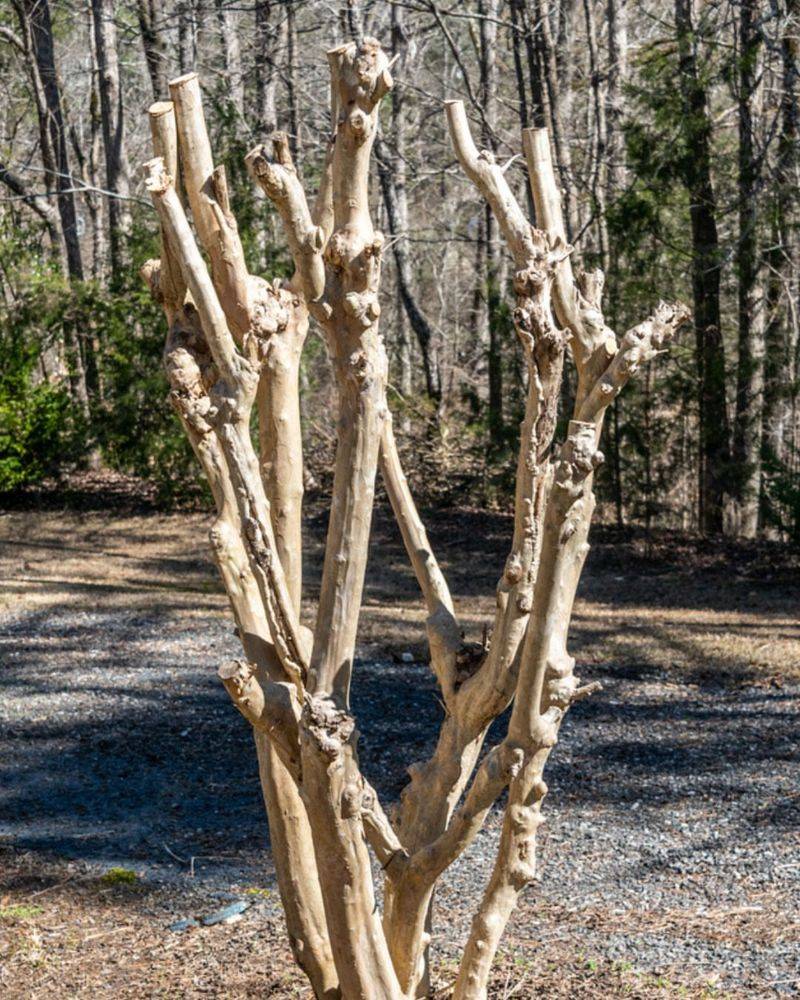
Skip the topping and grab your loppers instead. Crape myrtles in Georgia are still fully dormant in early March, making this the ideal window to do real structural work without any guesswork about where new growth will emerge.
Focus on removing branches that cross through the center of the canopy, anything rubbing against another branch, and any suckers shooting up from the base. You want good airflow and a clean branching structure before the buds break.
If you can see the shape clearly now, you can make smarter cuts.
Crape myrtle bark is thin, so clean, sharp cuts matter. Ragged cuts left by dull blades invite problems you don’t want to deal with mid-summer.
A quality bypass pruner or lopper handles most of the work on younger trees.
Avoid removing more than a third of the canopy at once. Georgia summers are brutal, and a well-structured canopy gives the tree shade and balance when the heat arrives.
Let the natural vase shape guide every cut you make.
Step back every few cuts and look at the overall silhouette before continuing. The goal is balance, not perfection, and it is easy to remove more than you intended if you move too quickly.
Thinning selective interior branches also allows more light to reach the center, encouraging stronger flowering later in the season. Strong structure now supports heavier bloom clusters without limbs bending or splitting in summer storms.
Handled correctly, early March pruning in Georgia sets crape myrtles up for cleaner growth, better airflow, and a more polished look all the way through peak heat.
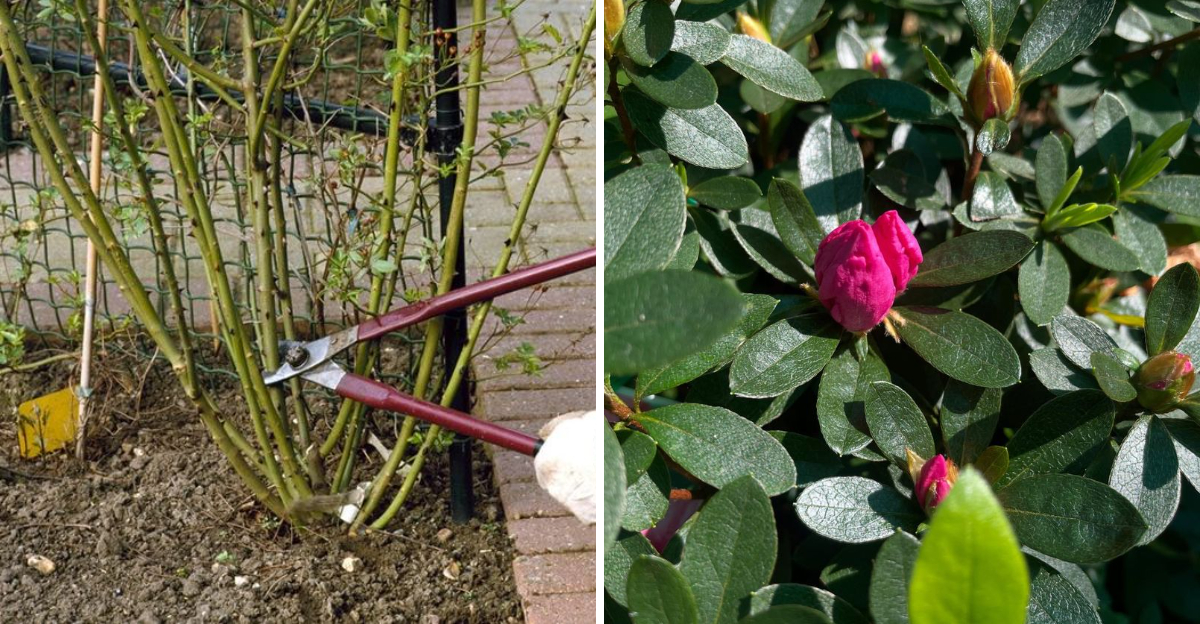
2. Roses Benefit From A Hard Reset Before Spring Flush
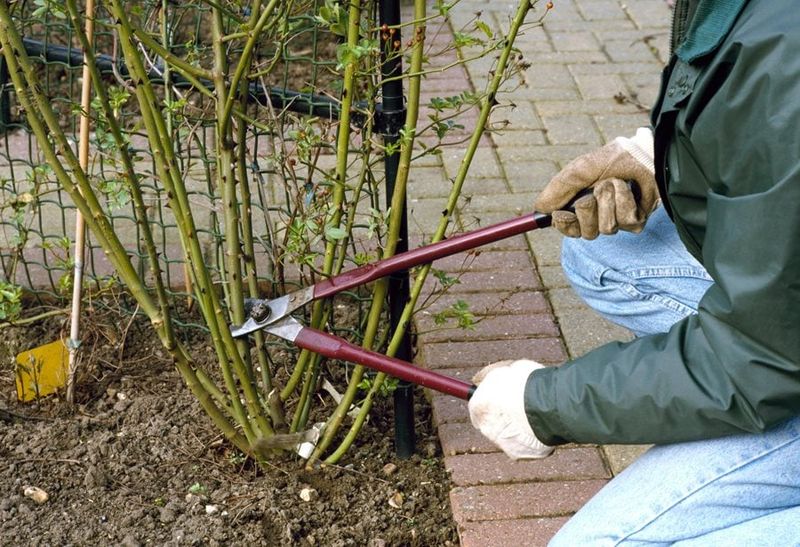
Roses in Georgia practically beg to be cut back hard in early March, and most gardeners who hesitate end up with a tangled, weak flush of growth they regret by May. Now is the time to be bold.
Cut hybrid teas and grandifloras back to about 12 to 18 inches from the ground. Look for outward-facing buds and make your cuts just above them at a slight angle.
Remove any canes thinner than a pencil and anything showing dark or shriveled centers when you cut across them.
Georgia’s early spring warm-ups can fool roses into pushing tender new growth quickly, so getting those cuts done before bud swell gives the plant a clean slate. Leaving old, crowded canes standing just means more competition for energy that should go toward strong new shoots.
After cutting, clean up all the debris from around the base. Old leaves and clippings sitting on the soil can harbor fungal spores, and Georgia’s humidity in spring creates perfect conditions for black spot to spread fast.
A fresh layer of mulch after pruning keeps moisture steady and gives your roses a solid start.
3. Butterfly Bush Responds Best To A Late Winter Cutback
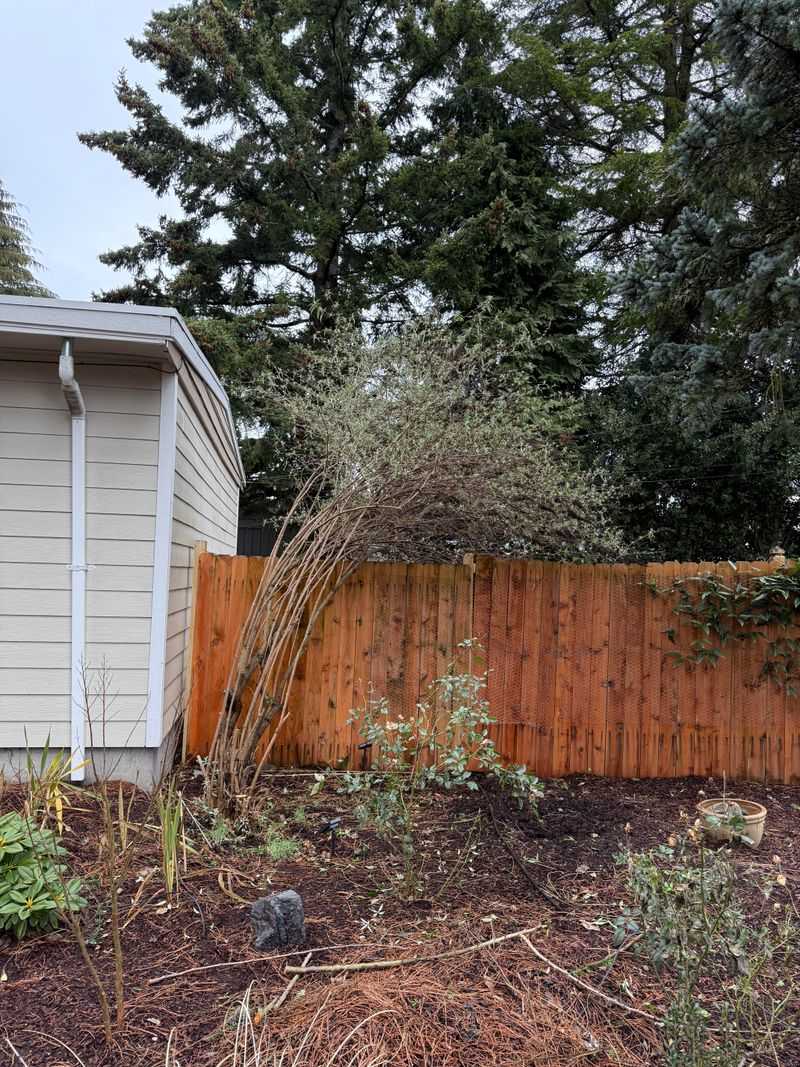
Butterfly bush almost looks like it gave up over winter, and that scraggly appearance is your signal to cut it back hard. Left unpruned, it pushes weak, floppy growth that never performs the way you want through the Georgia summer.
Cut the entire plant back to about 12 inches from the ground. You’ll see thick, woody base stems, and that’s fine.
New growth pushes from those lower nodes once temperatures climb. Georgia’s warm springs give butterfly bush enough time to fully recover and reach blooming size well before summer pollinators arrive.
Some gardeners worry about cutting so aggressively, but butterfly bush is tough. It bounces back fast in the South, often doubling in size between March and June.
The harder you cut, the more vigorous the new growth tends to be.
One thing worth noting: butterfly bush can self-seed aggressively in Georgia. After pruning, watch for seedlings popping up around the base later in spring and pull them out early if you want to control spread.
Deadheading spent blooms through summer also keeps the plant focused on producing fresh flower spikes rather than setting seed.
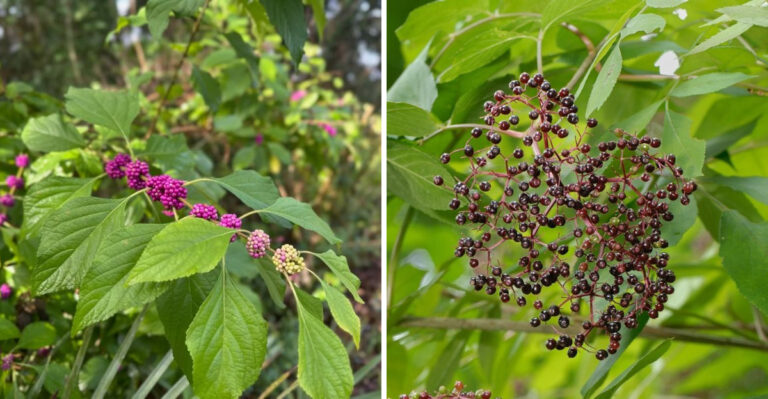
4. Beautyberry Can Be Cut Low For Stronger Spring Growth
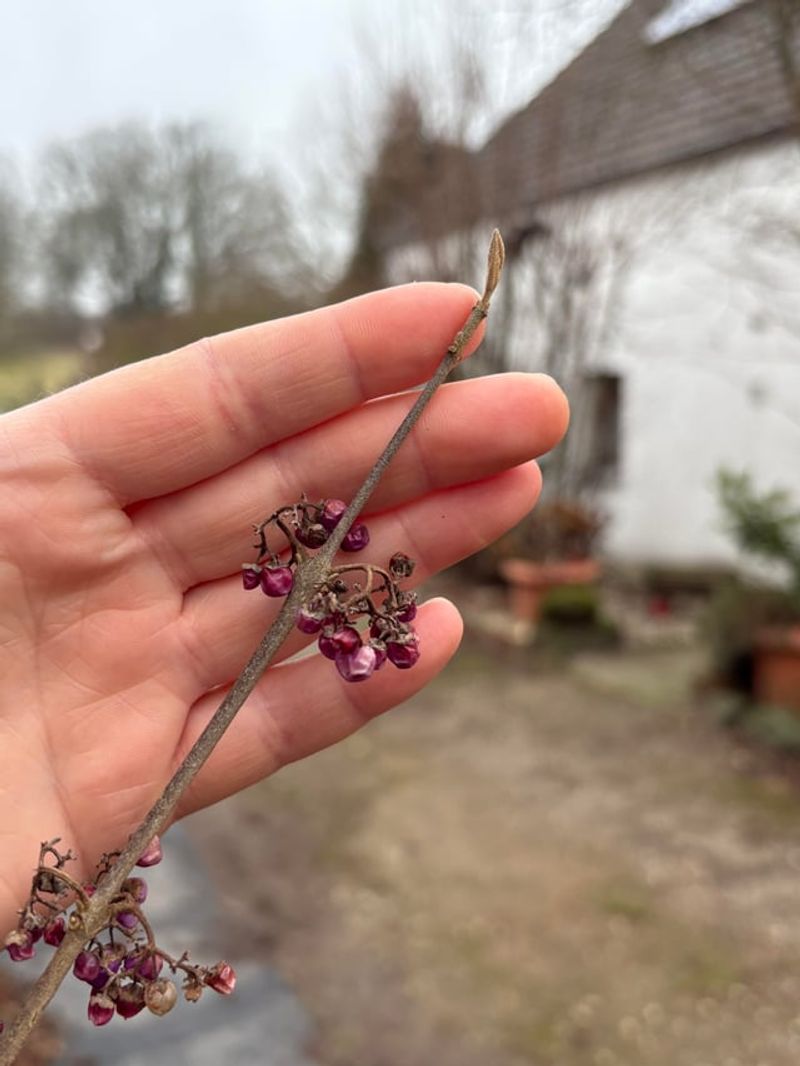
Beautyberry is one of those shrubs that genuinely rewards aggressive pruning, and early March in Georgia is exactly the right moment to go low. Cut it all the way down to about 6 to 12 inches from the ground and don’t second-guess yourself.
New canes push up from the base with remarkable speed once Georgia’s soil starts warming up.
Those fresh canes are what carry the berries in fall, and younger growth tends to produce a much heavier berry load than old, woody stems that were left standing year after year.
If you’ve been letting beautyberry grow unpruned for a few seasons, the difference after a hard cutback is dramatic. Plants that looked tired and sparse suddenly push out thick, arching canes that fill in beautifully by midsummer.
Beautyberry doesn’t need perfect soil or heavy feeding to respond well after pruning. A light application of balanced fertilizer in mid-March gives it a small boost, but honestly, Georgia’s naturally warm springs do most of the work.
Just make sure the base isn’t sitting in standing water after heavy spring rains, since good drainage keeps the root system healthy and active through the growing season.
5. Knockout Roses Handle Early March Pruning With No Problem
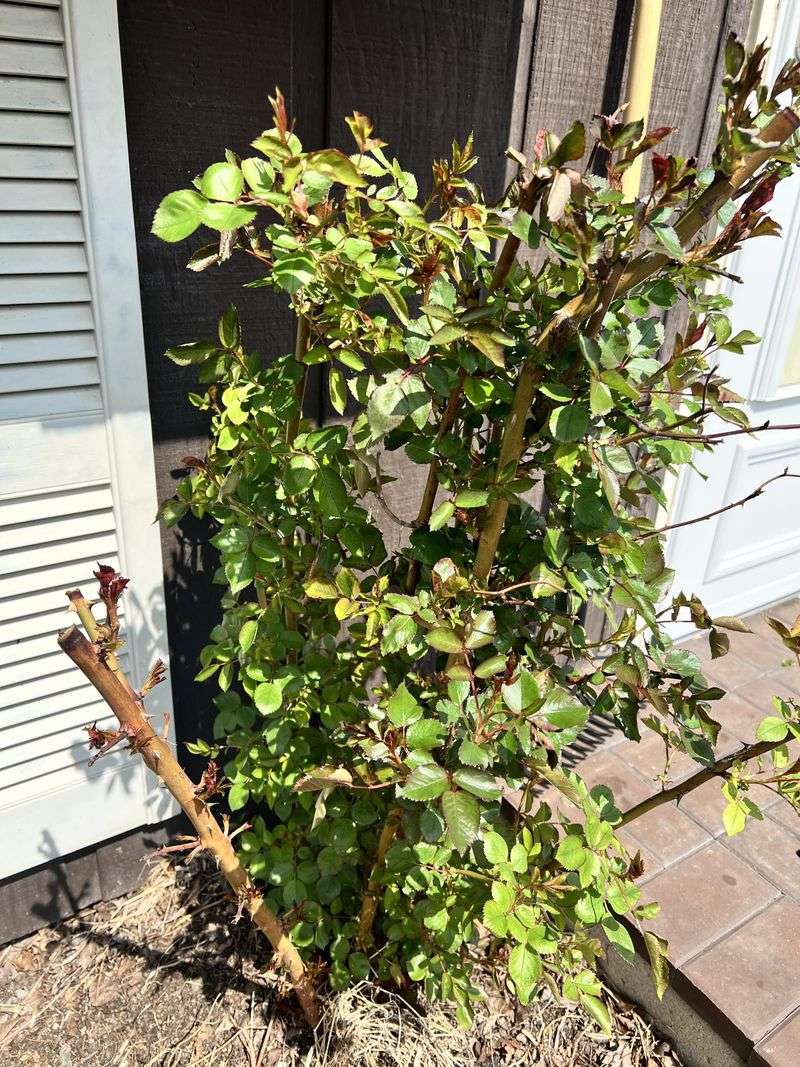
Knockout roses are forgiving plants, but that doesn’t mean you should skip pruning them. Early March in Georgia is prime time to cut them back and reset their shape before the season’s first flush of blooms arrives.
Aim to cut Knockouts back by about one-third to one-half their total height. If they’ve been allowed to grow tall and leggy over several seasons, you can go even harder without much worry.
These roses push back reliably in Georgia’s climate, often looking better than ever after a serious cutback.
Remove any crossing canes, damaged wood, and branches growing back toward the center of the plant.
Open structure means better airflow, which matters a lot in Georgia where humidity can encourage fungal problems on rose foliage through summer.
One practical tip: after pruning, rake up all the clippings and dispose of them rather than leaving them in the bed. Even Knockout roses aren’t immune to black spot and rust, and old foliage sitting around the base gives those issues a head start.
A clean bed and a fresh mulch layer after pruning sets the whole season up well. Knockouts in Georgia can give you blooms from spring all the way into November with the right early care.
6. Panicle Hydrangeas Can Be Trimmed Without Sacrificing Blooms
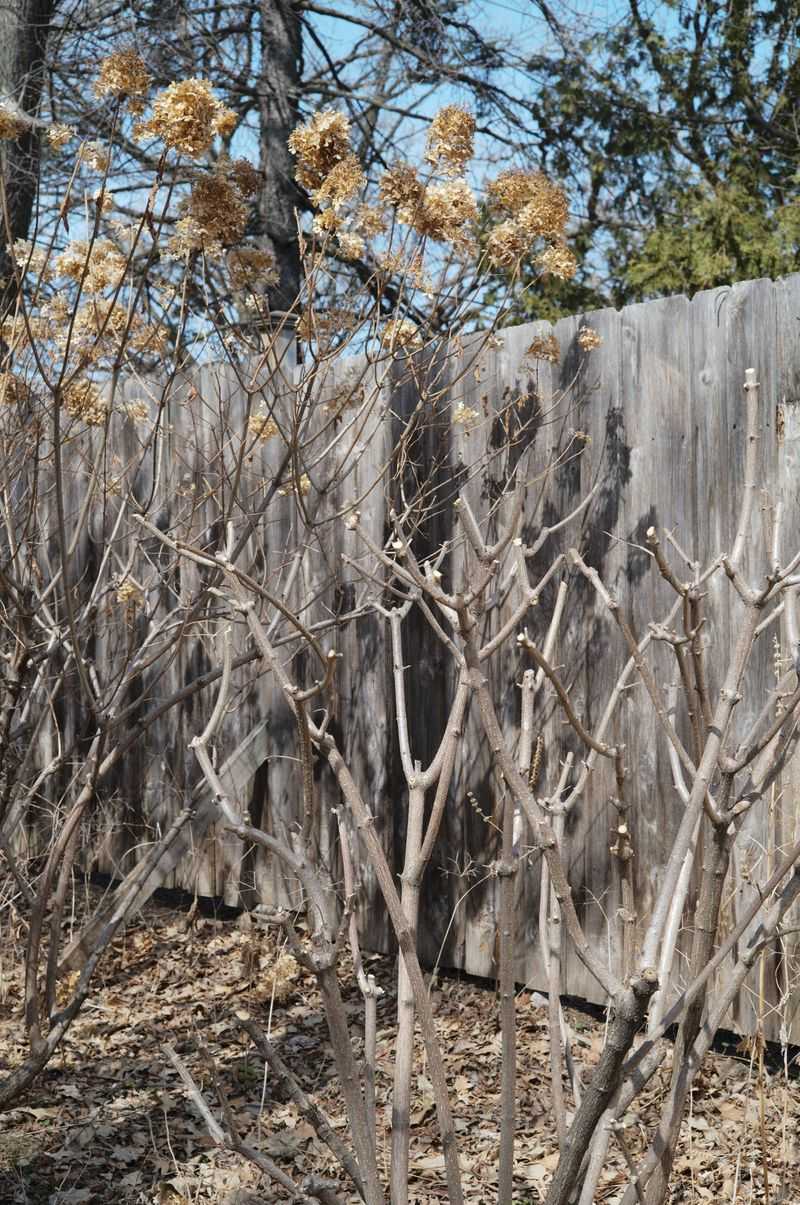
Panicle hydrangeas are the one type of hydrangea you can confidently prune in early March in Georgia without worrying about losing your blooms.
Unlike their cousins, panicle varieties bloom on new wood, meaning the flowers you’ll see this summer haven’t grown yet.
Cut back last year’s stems by about one-third to clean up the shape and encourage strong new growth. Those dried, papery flower heads from last season can be removed now too.
Some gardeners leave them through winter for visual interest, but by early March they’ve done their job.
Limelight, Quick Fire, and Pinky Winky are all popular panicle varieties throughout Georgia, and all of them respond well to this timing. You’ll notice new buds breaking at the base of trimmed stems within a few weeks of a warm stretch.
Avoid cutting panicle hydrangeas all the way to the ground the way you might with butterfly bush. They bloom best when left with a short framework of established woody stems.
A light to moderate trim is all you need to keep the plant tidy, encourage larger flower heads, and maintain a manageable size in smaller Georgia landscape beds where space is often at a premium.
7. Azaleas Are Already Loaded With Hidden Spring Color
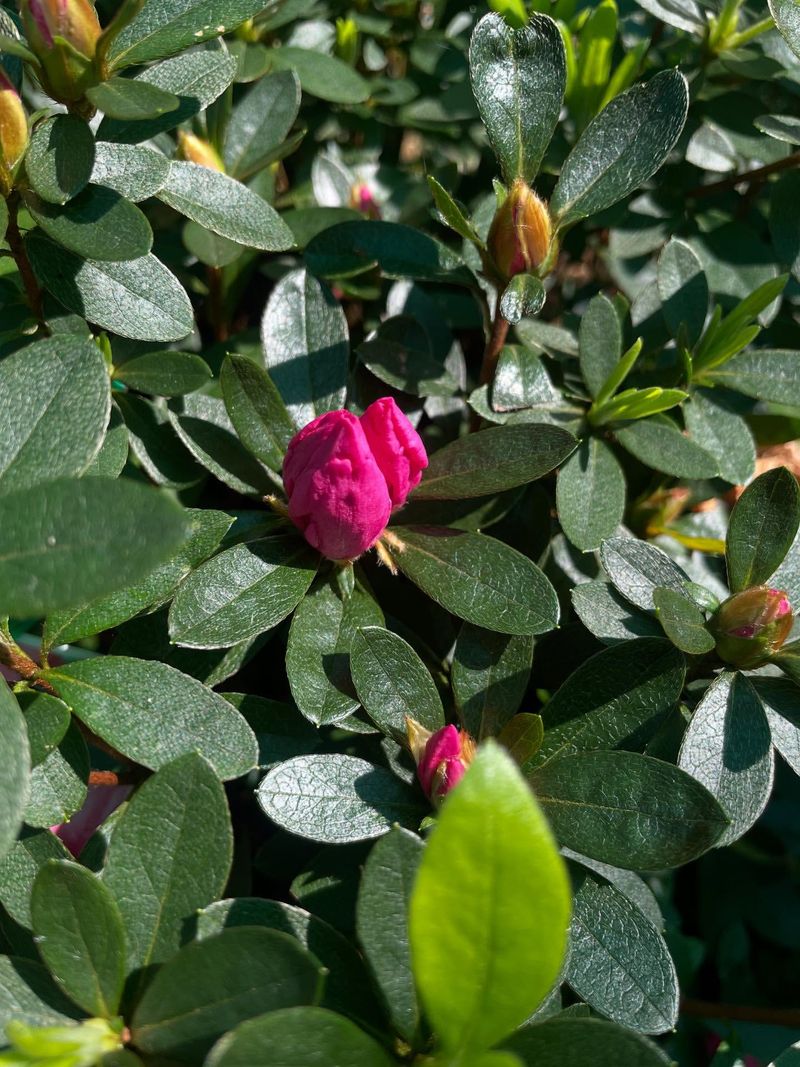
Put the pruners down and walk away from the azaleas. By early March in Georgia, azalea flower buds have been quietly developing since last fall, and every single one of those buds is sitting right at the tips of the branches you’d be cutting off.
Azaleas bloom on old wood, meaning the flowers you’re about to enjoy this spring were set months ago. Pruning now doesn’t just tidy up the plant.
It removes the entire bloom. You’ll end up with a neat shrub and no flowers, and you’ll be waiting until next spring to see color again.
If azaleas in your Georgia yard have gotten too large or lost their shape, the right time to prune is within about four to six weeks after they finish blooming in spring.
That window gives the plant enough time to set new buds for the following year before summer ends.
Light deadheading of spent flowers after bloom is fine and won’t affect next year’s bud set. Just avoid any major shaping or hard cuts until after the show is over.
Georgia azalea season is too beautiful and too short to sacrifice it over a pruning mistake that’s easy to avoid with a little patience.
8. Camellias Are Not Done Yet Even If They Look Tidy
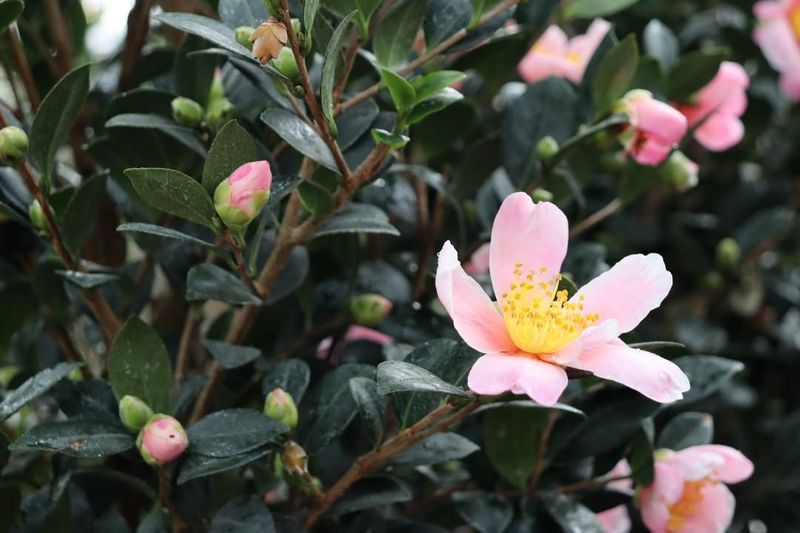
Camellias in Georgia are still putting on a show in early March, and some varieties haven’t even hit their peak yet. Pruning now would cut off blooms that are either open or just days away from opening, and that’s not a trade worth making.
Japanese camellias typically bloom from late fall through early spring depending on the variety. Sasanqua types bloom earlier in fall, while japonicas can carry blooms well into March across much of Georgia.
Until the last flower drops, leave the plant alone completely.
After blooming finishes, camellias can be pruned to manage size and shape. That window usually falls somewhere between late March and early May in Georgia, depending on how late your specific variety blooms.
Pruning after that point risks cutting into buds that are already forming for next season.
Camellias don’t require heavy pruning to stay healthy. Light shaping to remove crossing branches or reduce height is usually all that’s needed.
If a plant has gotten seriously overgrown, a harder renovation prune can be done in stages over two to three years rather than all at once.
Georgia’s mild winters mean camellias rarely suffer cold damage that forces emergency pruning anyway, so patience is usually all you need.
9. Oakleaf Hydrangea Is Blooming On Last Year’s Growth
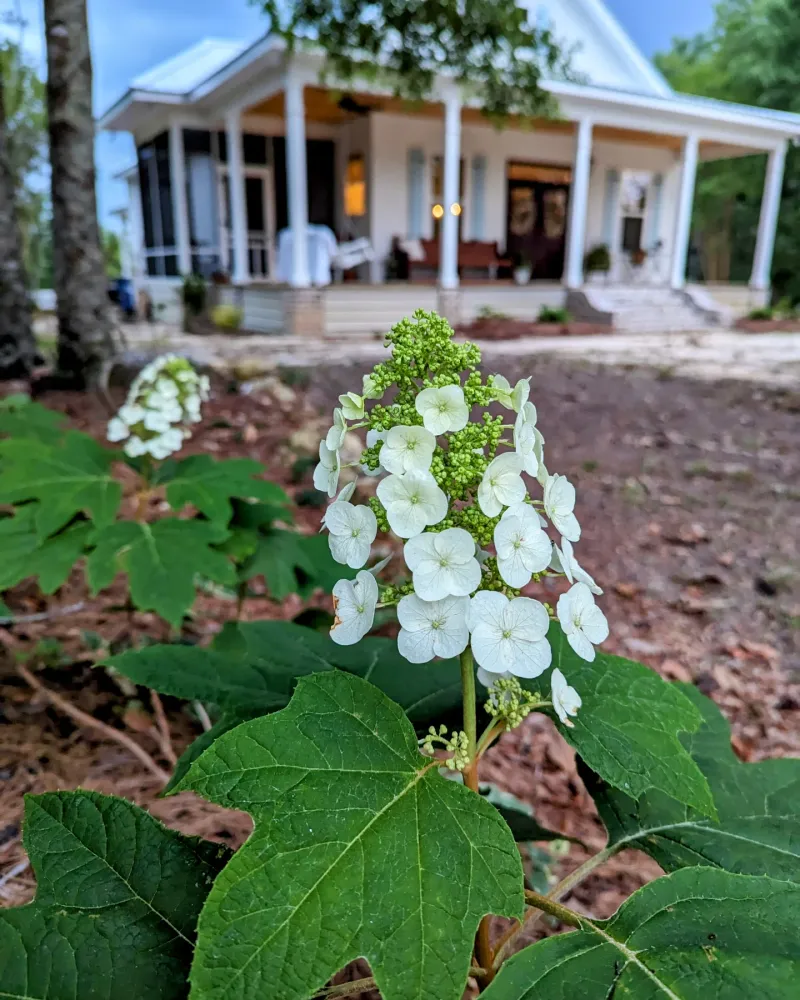
Oakleaf hydrangea is one of Georgia’s most striking native-adapted shrubs, and it’s also one of the easiest to accidentally ruin with a well-intentioned early March pruning session.
Every bloom you’ll see this summer is already locked inside buds sitting on last year’s wood right now.
Cut those stems in early March and you’re removing the entire flower crop for the season. Oakleaf hydrangeas bloom on old wood, just like bigleaf varieties, so the timing rules are the same.
Wait until after flowering is completely finished before touching them with pruners.
In Georgia, oakleaf hydrangeas typically bloom from late May through June. After the flowers fade, you have a reasonable window through mid-July to do any light shaping or size management without affecting next year’s bud set.
Keep cuts minimal since these shrubs have a naturally beautiful layered structure worth preserving.
One of the best things about oakleaf hydrangeas in Georgia is their multi-season interest.
Dried flower heads persist through fall and winter, the foliage turns rich burgundy in autumn, and the peeling cinnamon-colored bark adds texture through the cold months.
Pruning too early doesn’t just cost you blooms. It interrupts that whole seasonal rhythm that makes this plant worth growing in the first place.