5 Plants You Should Fertilize During March In Oregon And 4 You Should Skip
March in Oregon feels like the garden slowly stretching after a long winter nap. Buds start to swell, early flowers pop up, and gardeners finally get an excuse to head outside with gloves and a bag of fertilizer.
It is tempting to feed everything in sight, but plants are a bit pickier than that. Some are hungry and ready for a spring boost, while others would rather be left alone for a few more weeks.
Feed the right ones now and they will reward you with strong growth and better blooms. Feed the wrong ones and you might end up with weak growth, fewer flowers, or a plant that looks a little confused about the season.
A little timing and plant know-how can turn that March fertilizer into a real garden win you can enjoy all year long.
1. Roses
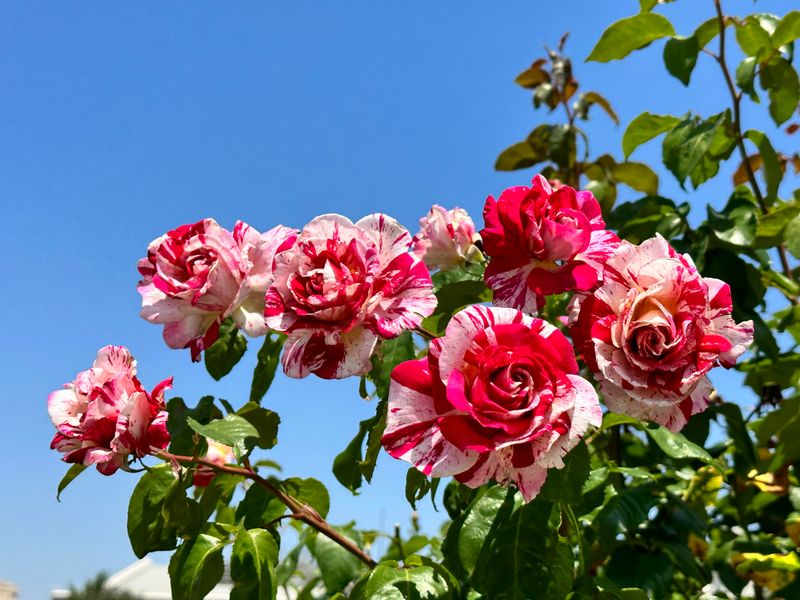
Few plants reward early attention quite like roses do. In Oregon, March is the sweet spot for getting roses off to a strong start.
As soon as you spot tiny red buds swelling on the canes, it is time to act. That early bud swell is your signal that roots are active and ready to absorb nutrients.
Use a balanced rose fertilizer or a slow-release granular blend. Sprinkle it evenly around the base of the plant, keeping it a few inches away from the main cane.
Water it in well after applying so the nutrients reach the root zone quickly.
Oregon soils can be heavy and clay-like in many areas, especially in the Willamette Valley. Adding a bit of compost along with your fertilizer helps improve drainage and soil structure.
Roses fed in March tend to produce more blooms, stronger stems, and better disease resistance throughout the season. Skipping this early feeding often means slower growth and fewer flowers come summer.
A little effort now goes a very long way with these classic garden favorites.
2. Blueberries
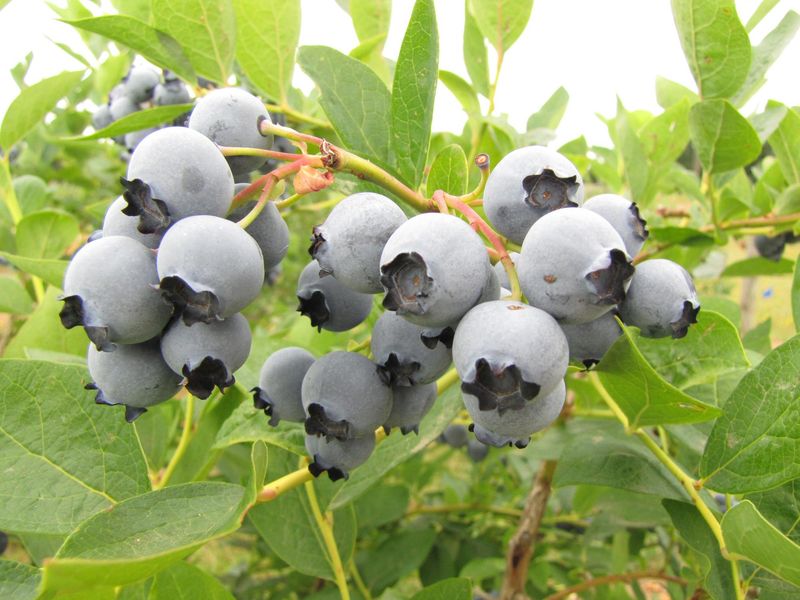
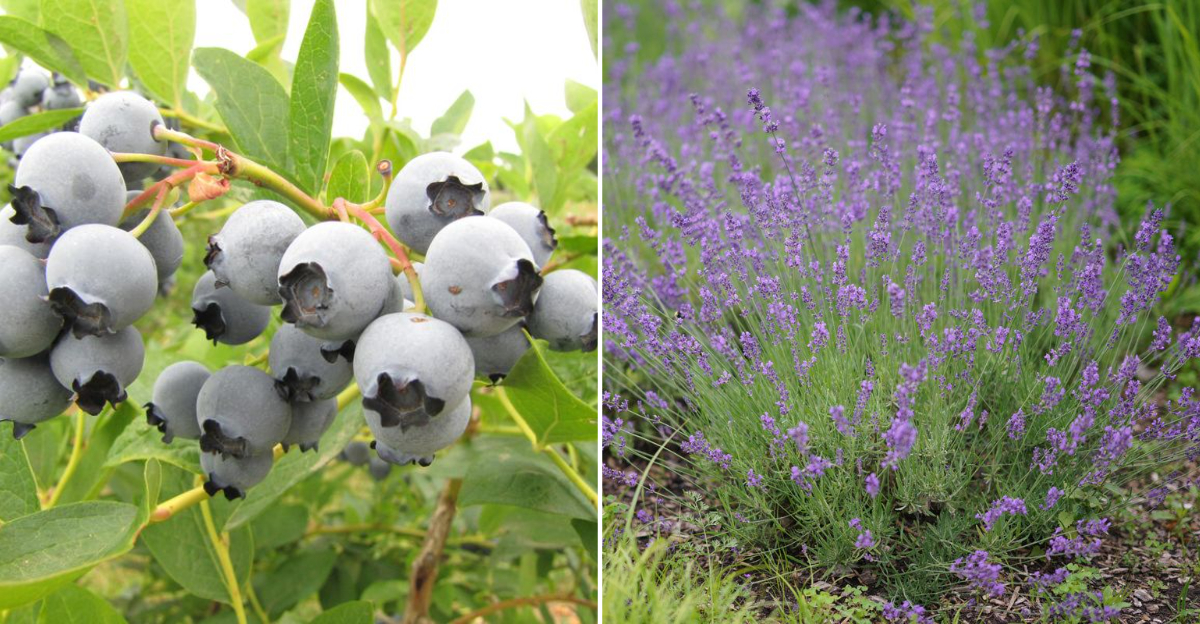
These amazing berries are one of Oregon’s most beloved backyard fruits, and March is exactly the right time to give them a boost. Before new growth really takes off, a light feeding helps the plant build energy for flowering and fruiting later in the season.
Getting this timing right makes a noticeable difference in berry size and harvest quantity.
Always use a fertilizer made for acid-loving plants. Blueberries need a lower soil pH, somewhere between 4.5 and 5.5, to absorb nutrients properly.
Regular garden fertilizers can throw off that balance and actually slow growth instead of helping it. Look for products labeled for azaleas, rhododendrons, or blueberries specifically.
Spread the fertilizer evenly under the plant’s canopy and water it in thoroughly. Avoid piling it against the main stem.
In Oregon’s wet spring climate, nutrients can move quickly through the soil, so a slow-release formula works especially well here. Adding a layer of pine bark or wood chip mulch after fertilizing helps hold moisture and keeps the soil acidic.
With a little care in March, your blueberry bushes can reward you with an impressive harvest by midsummer.
3. Rhododendrons
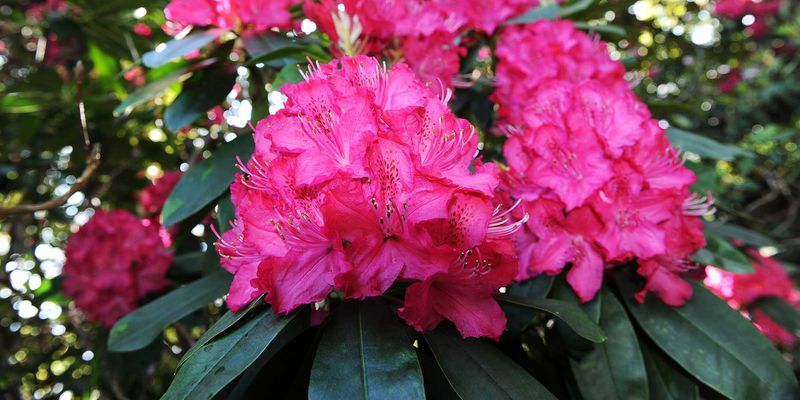
March is a great month to fertilize them, right before those magnificent flower buds open up. Feeding at this stage supports strong blooms and healthy new leaf growth for the rest of the year.
Just like blueberries, rhododendrons love acidic soil. Use a fertilizer specifically formulated for acid-loving plants or one labeled for rhododendrons and azaleas.
Avoid anything with high nitrogen content only, since a balanced formula with phosphorus and potassium produces better overall plant health and more vivid flowers.
Scatter the fertilizer lightly under the drip line of the shrub, which is the outer edge of the branches. Do not dig it in deeply because rhododendron roots are shallow and fragile.
Water gently after applying. Oregon’s natural rainfall often does the job for you in March.
One important tip: never over-fertilize rhododendrons. Too much can cause leaf burn and reduce flowering.
A single moderate application in early spring is usually all these beautiful shrubs need to look their absolute best through late spring and into early summer.
4. Fruit Trees (Apple, Pear, Cherry)
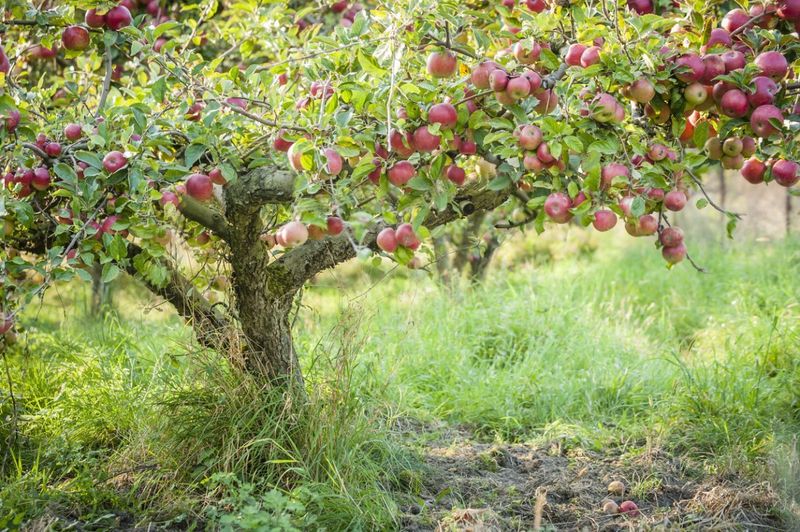
Waking up a fruit tree in March with the right fertilizer can set the tone for the entire growing season. Apples, pears, and cherries in Oregon all benefit from an early spring feeding just as their buds begin to swell.
This is when the tree is gearing up for a big push of energy, and nutrients in the soil help fuel that process.
A balanced fertilizer, something like a 10-10-10 blend, works well for most fruit trees. Spread it evenly under the canopy, from about a foot away from the trunk all the way out to the drip line.
Never pile fertilizer directly against the bark. Water the area well after applying to help nutrients soak into the root zone.
Oregon’s varied climate means timing can differ slightly depending on where you live. Gardeners in warmer southern Oregon valleys may need to act a bit earlier than those in the cooler northern Willamette Valley.
Watch your trees closely for bud swell as your best guide. Avoid fertilizing after midsummer, as late feeding can push soft new growth that struggles in cold fall weather.
A well-timed spring application keeps fruit trees productive and vigorous year after year.
5. Lawn Grass
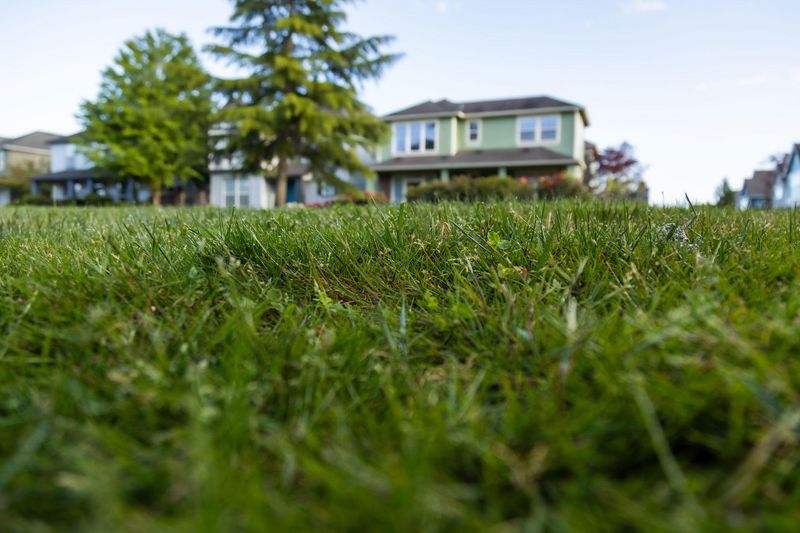
Oregon lawns are mostly made up of cool-season grasses like tall fescue, perennial ryegrass, and bluegrass. These grasses grow best when soil temperatures sit between 50 and 70 degrees Fahrenheit.
In many parts of Oregon, March soil is still a bit too cold for fertilizer to be truly effective, so timing matters more than most people realize.
For best results, wait until late March at the earliest, or even into April, before feeding your lawn. Applying fertilizer too early pushes leafy top growth before roots are ready to support it.
That can actually weaken your grass over time. A slow-release or organic fertilizer is a smart choice because it feeds the lawn gradually as temperatures warm up.
If your lawn looks thin or pale after winter, a light application of a nitrogen-focused fertilizer toward the end of March can give it a gentle nudge. Test your soil if you can, since Oregon soils vary widely from the coast to the valleys to the high desert.
Knowing what your lawn actually needs prevents wasted money and over-fertilization. A healthy lawn treated with care in early spring will stay thick, green, and weed-resistant all the way through the warmer months ahead.
6. Lavender
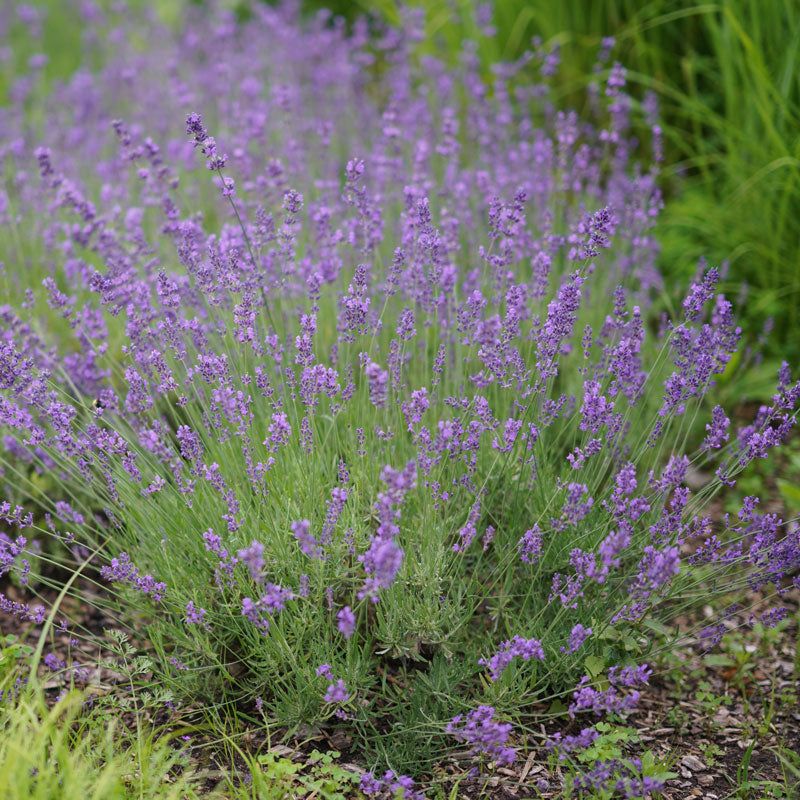
Lavender is a plant that truly thrives on neglect, and March is actually one of the worst times to fertilize it in Oregon. This Mediterranean herb evolved in poor, rocky, well-drained soils.
Feeding it with fertilizer, especially anything nitrogen-heavy, pushes lots of leafy green growth but significantly reduces the fragrant flower production that everyone loves.
Rich soil and extra nutrients can also make lavender plants floppy and more vulnerable to the wet conditions that Oregon springs are known for. Too much moisture combined with over-fertilized growth is a common reason lavender struggles in the Pacific Northwest.
The plant prefers lean conditions where it has to work a little.
Instead of fertilizing in March, focus on pruning back any dead or woody stems from last year. Good airflow and sharp drainage matter far more to lavender than food.
If your soil is extremely poor, a very light application of a low-nitrogen fertilizer in late spring after blooming begins is acceptable, but even that is often unnecessary. Most Oregon lavender plants do best when left alone in early spring.
Let the soil stay lean, keep the drainage sharp, and this fragrant beauty will reward you with stunning blooms all summer long.
7. Salal
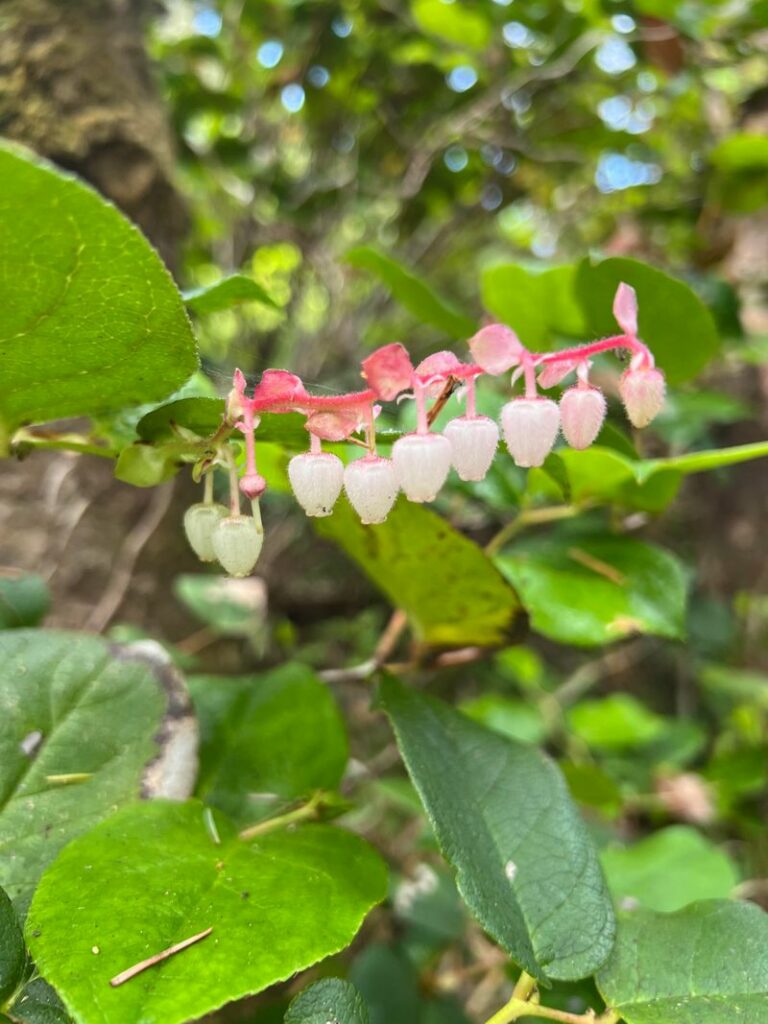
This is one of Oregon’s most iconic native plants, found growing wild along the coast and throughout the shaded forests of the Pacific Northwest.
Its glossy leaves and graceful arching stems make it a popular choice for natural-style gardens and woodland landscaping.
But fertilizing salal in March is something you should definitely skip.
Native plants like salal have spent thousands of years adapting to Oregon’s naturally lean, acidic forest soils. They have built-in relationships with soil fungi called mycorrhizae that help them pull nutrients from the ground without any outside help.
Adding fertilizer disrupts that natural system and can actually stress the plant rather than support it.
Over-fertilizing salal often results in weak, leggy growth that looks out of place in a naturalistic garden. It can also make the plant more vulnerable to pests and disease.
The best thing you can do for salal in March is simply leave it alone. If you want to improve its growing conditions, add a thin layer of leaf mulch or wood chips around the base to mimic the forest floor it loves.
Salal is low-maintenance by nature, and that is exactly what makes it such a rewarding plant for Oregon gardeners who want beauty without much effort.
8. Oregon Grape
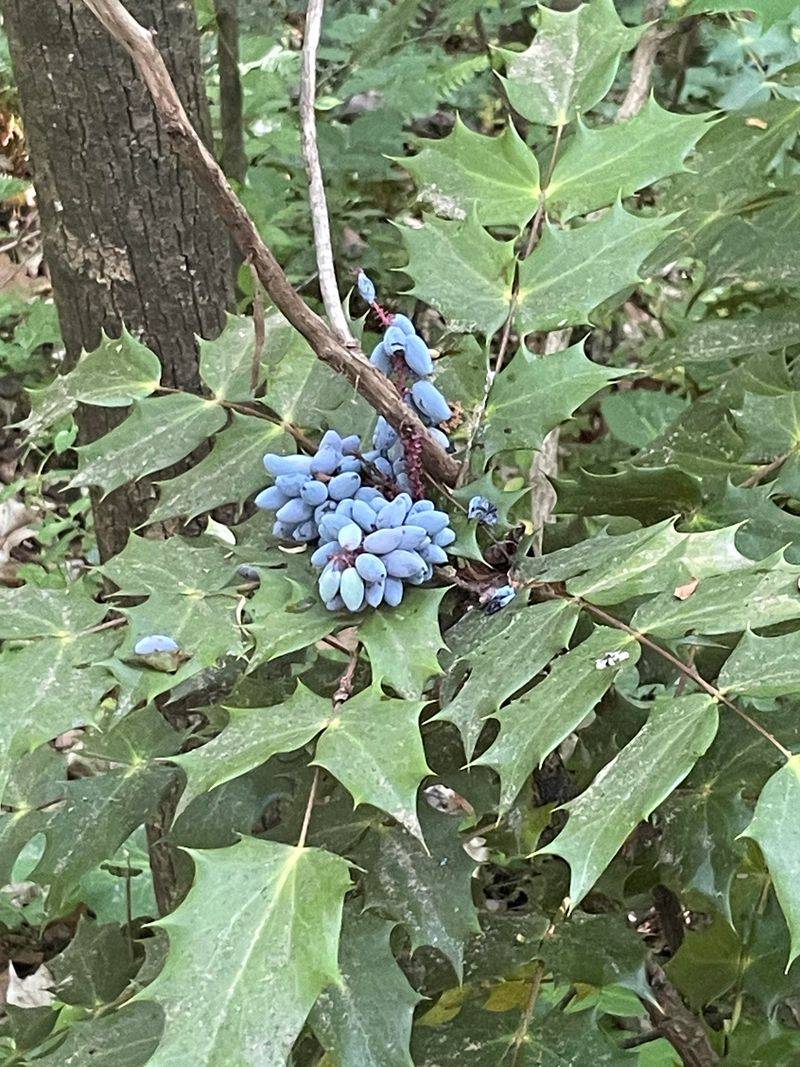
Oregon grape is not just a beautiful native shrub, it is actually the official state plant of Oregon. With its bold, holly-like leaves and cheerful yellow spring flowers, it adds year-round structure to any Pacific Northwest garden.
Despite its toughness and visual appeal, fertilizing Oregon grape in March is something most gardeners should avoid.
Like salal, Oregon grape is a native plant perfectly tuned to Oregon’s natural soil conditions. It grows wild on rocky slopes, in dry forests, and along shaded hillsides without any human help at all.
Fertilizing it in early spring can trigger a flush of soft new growth that is more vulnerable to late frosts and spring pests. The plant simply does not need the extra push.
If your Oregon grape looks healthy and is producing its signature clusters of tart blue-purple berries each fall, that is a clear sign it is thriving on its own. Resist the urge to feed it.
Instead, give it a light pruning after flowering to keep the shape tidy if needed. A layer of bark mulch around the base helps retain moisture during Oregon’s dry summers.
Treat it like the resilient native it is, and it will ask very little of you in return.
9. Japanese Maples
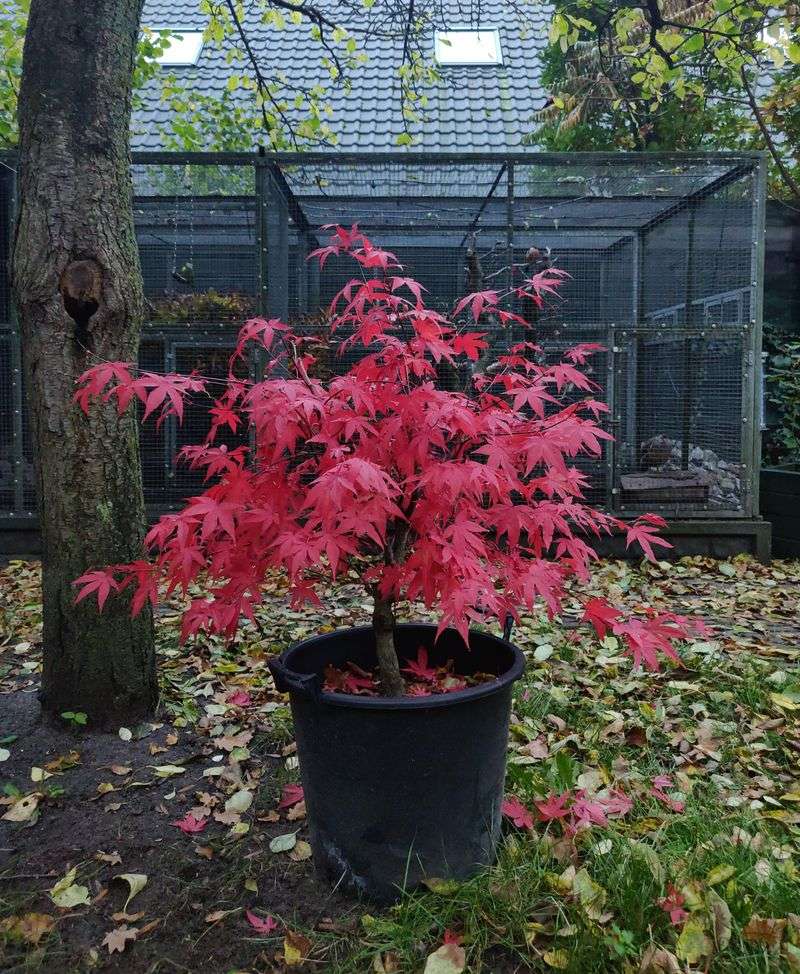
Maples are some of the most stunning ornamental trees you can grow in Oregon, with their delicate lacy leaves and rich fall colors. But March is not the time to reach for the fertilizer bag.
These trees are just waking up from dormancy, and their new growth is extremely tender and sensitive to nutrient overload in early spring.
Fertilizing Japanese maples too early pushes rapid new leaf growth before the tree has fully settled into the season. That soft new growth is highly vulnerable to Oregon’s unpredictable late spring frosts, which can cause significant damage to the emerging leaves.
Burned or blackened leaf tips are a common result of both frost damage and early over-fertilization.
Wait until late spring, around May or early June, before giving Japanese maples any fertilizer. When you do feed them, use a gentle, slow-release formula with a balanced nutrient ratio.
Avoid high-nitrogen products that push fast, weak growth. In Oregon’s mild but unpredictable climate, patience really pays off with these trees.
Good mulching in March is a much better early-season task. A two to three inch layer of organic mulch around the base keeps roots cool, holds moisture, and slowly feeds the soil as it breaks down over the growing season.