6 Plants You Should Fertilize This March In California And 3 You Should Skip
California gardens rarely stay quiet for long. By March, many plants are already waking up, pushing out fresh leaves, and gearing up for a busy growing season.
It’s the kind of moment that makes gardeners want to grab a bag of fertilizer and start sprinkling it everywhere. A little boost now should mean bigger growth later, right?
Well, sometimes yes. Sometimes… not so much.
Certain plants appreciate an early feeding and will quickly turn those nutrients into lush foliage, stronger roots, and plenty of flowers or fruit. Others prefer a slower start and can actually struggle if they’re fed too soon.
A smart gardener knows that timing can make a big difference. Feed the right plants now and they’ll take off beautifully.
Feed the wrong ones and you might end up with leggy growth, fewer blooms, or plants that look a bit confused about the season.
1. Citrus Trees
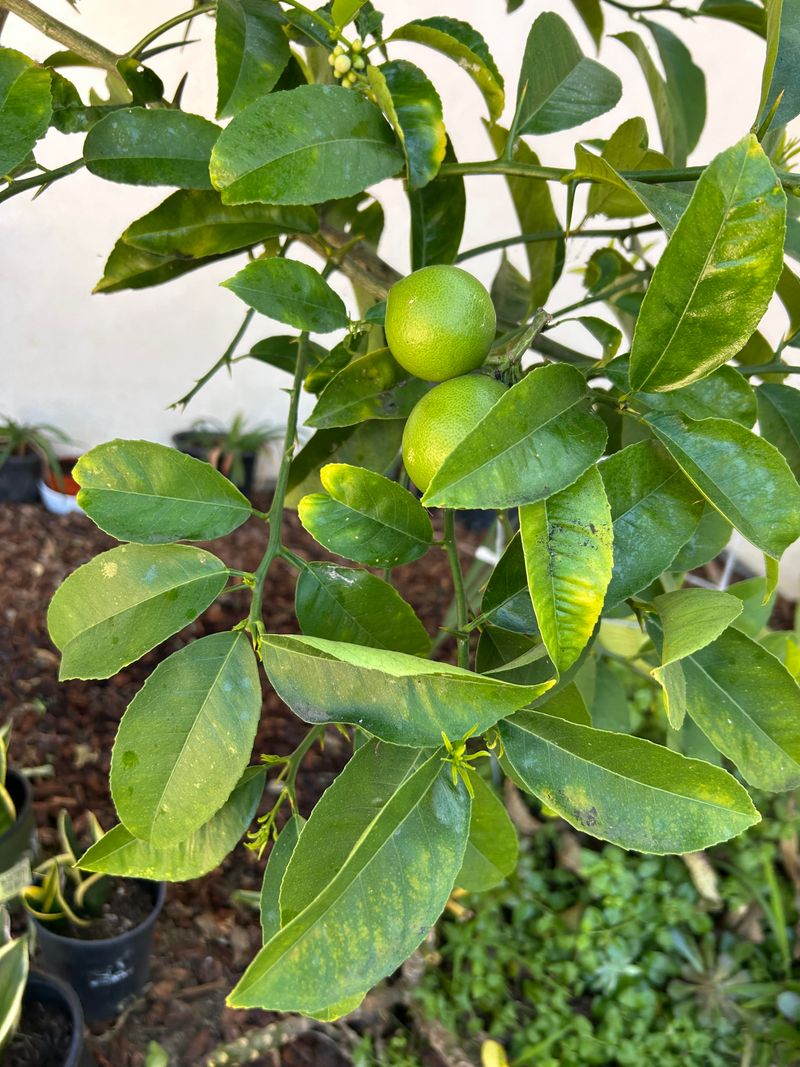
Few things say “California garden” like a citrus tree loaded with bright fruit. March is one of the best times to fertilize your citrus, whether you are growing oranges, lemons, limes, or grapefruits.
The trees are coming out of winter and starting to push new growth, which means they are hungry and ready to absorb nutrients.
Use a fertilizer made specifically for citrus trees. These products are formulated with the right balance of nitrogen, phosphorus, and potassium, plus trace minerals like zinc and iron that citrus trees love.
You can find citrus-specific fertilizers at most garden centers across California.
Spread the fertilizer evenly under the canopy of the tree, but keep it away from the trunk. Water it in well after applying.
If your tree has been looking pale or producing small fruit, a March feeding can help turn things around quickly.
Citrus trees in California typically need fertilizing three times a year: once in late winter or early spring, once in late spring, and once in summer. Starting in March sets your tree up for a strong growing season.
Consistent feeding leads to bigger fruit and healthier foliage all year long.
2. Roses
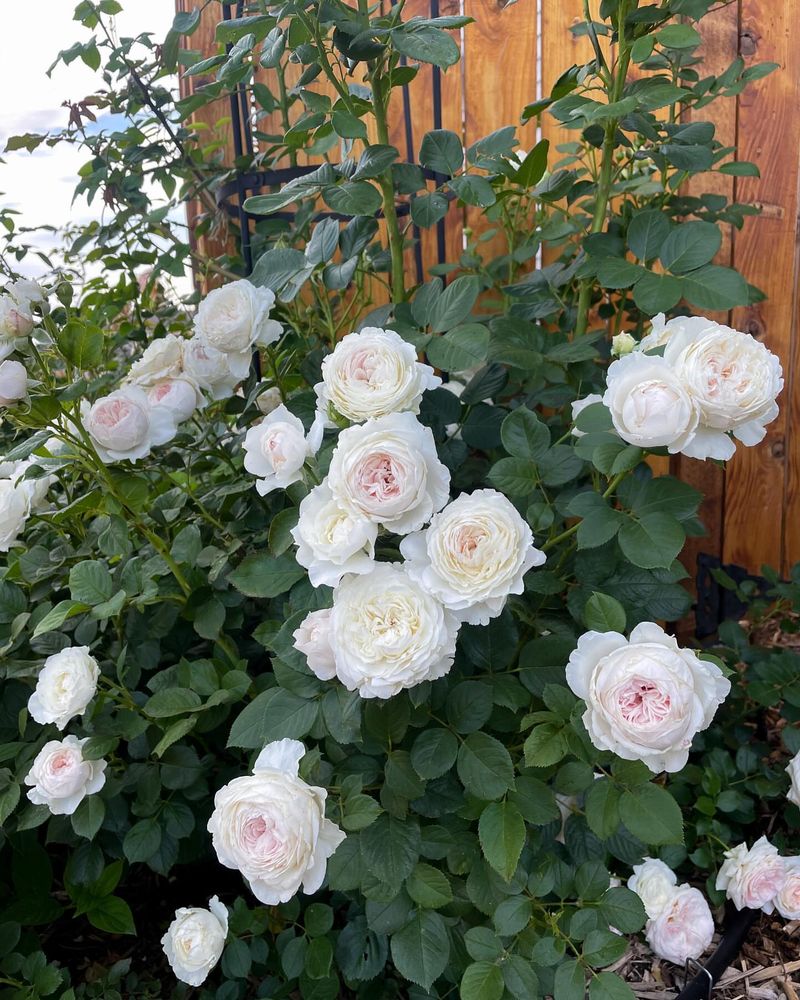
Roses are practically a love language in California gardens, and March is when they truly start showing off. By now, you have likely already done your late-winter pruning.
New growth is pushing out from the canes, and that is your signal to start feeding.
A balanced rose fertilizer works well at this stage. Look for one with a good nitrogen content to push leafy growth, but make sure it also has phosphorus to support blooming later in spring.
Organic options like alfalfa meal or fish emulsion are popular choices among California rose growers who prefer a more natural approach.
Apply fertilizer every four to six weeks throughout the growing season, starting now. Water your roses before and after fertilizing to prevent root burn.
Roses growing in sandy coastal soils may need more frequent feeding than those in heavier inland soils.
One thing many gardeners overlook is the importance of soil pH for roses. They prefer a slightly acidic soil, around 6.0 to 6.5.
If your soil is off, even the best fertilizer will not perform well. A quick soil test can tell you exactly where you stand and help you get the most out of every feeding this spring.
3. Avocado Trees
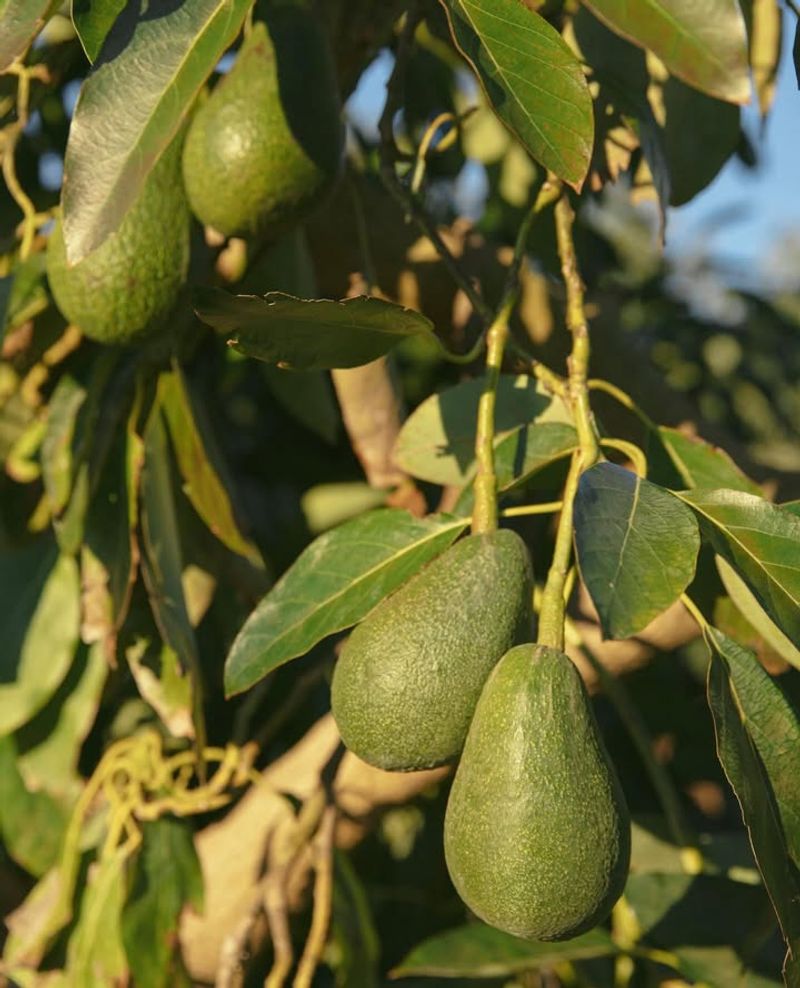
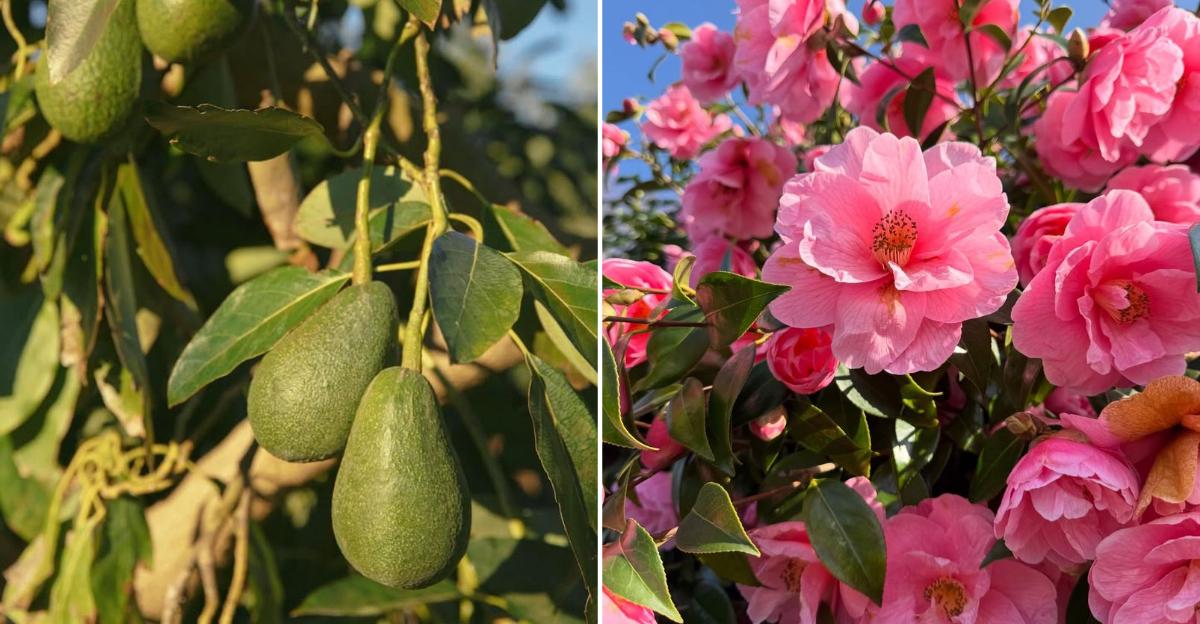
California produces more avocados than any other state in the country, and for good reason. The climate here is perfect for these trees.
If you are lucky enough to have an avocado tree in your yard, March is a great time to give it a boost.
Avocado trees are heavy feeders, especially when they are actively growing and setting fruit. Use a fertilizer designed for avocados or citrus, as these trees have similar nutrient needs.
A product with a good nitrogen ratio will encourage strong leafy growth, which the tree needs to support fruit development later in the season.
Spread the fertilizer in a wide ring around the tree, well beyond the drip line. Avocado roots spread out far from the trunk, so getting the fertilizer out where the roots actually are makes a big difference.
Water thoroughly after applying.
Avoid over-fertilizing, especially with too much nitrogen late in the season, as this can push leafy growth at the expense of fruit.
In Southern California, where avocado trees are especially common, growers often use a slow-release formula in March to provide steady nutrition through the spring flush of growth.
Starting the season right gives your tree the foundation it needs for a productive year.
4. Blueberries
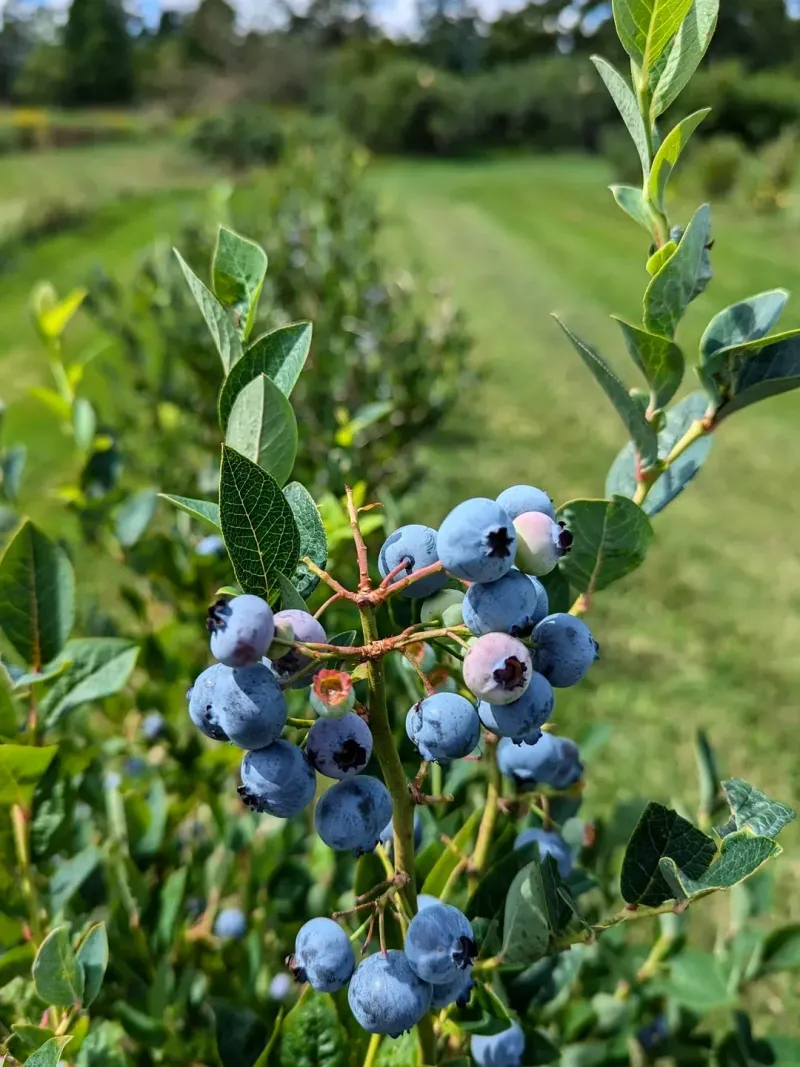
Growing blueberries in California takes a little extra effort, but the payoff is absolutely worth it. These plants have very specific soil needs, and getting your fertilizing routine right in March can set the stage for a sweet, productive harvest.
Blueberries need acidic soil, ideally with a pH between 4.5 and 5.5. In many parts of California, the soil is naturally more alkaline, so you may need to amend it with sulfur or use an acid-forming fertilizer.
Products labeled for azaleas and rhododendrons often work well for blueberries too, since these plants share similar soil preferences.
Apply fertilizer in early spring just as new growth begins, which in California often happens in late February or March depending on your region. Use a light hand since blueberries are sensitive to over-fertilization.
Too much fertilizer, especially nitrogen, can burn the roots and actually reduce your harvest.
Split your fertilizer application into two doses: one in early spring and one about six weeks later. This gives the plants a steady supply of nutrients without overwhelming them.
Mulching around the base of the plants with pine bark or wood chips also helps maintain soil acidity and keeps moisture in during California’s warm spring days.
5. Camellias
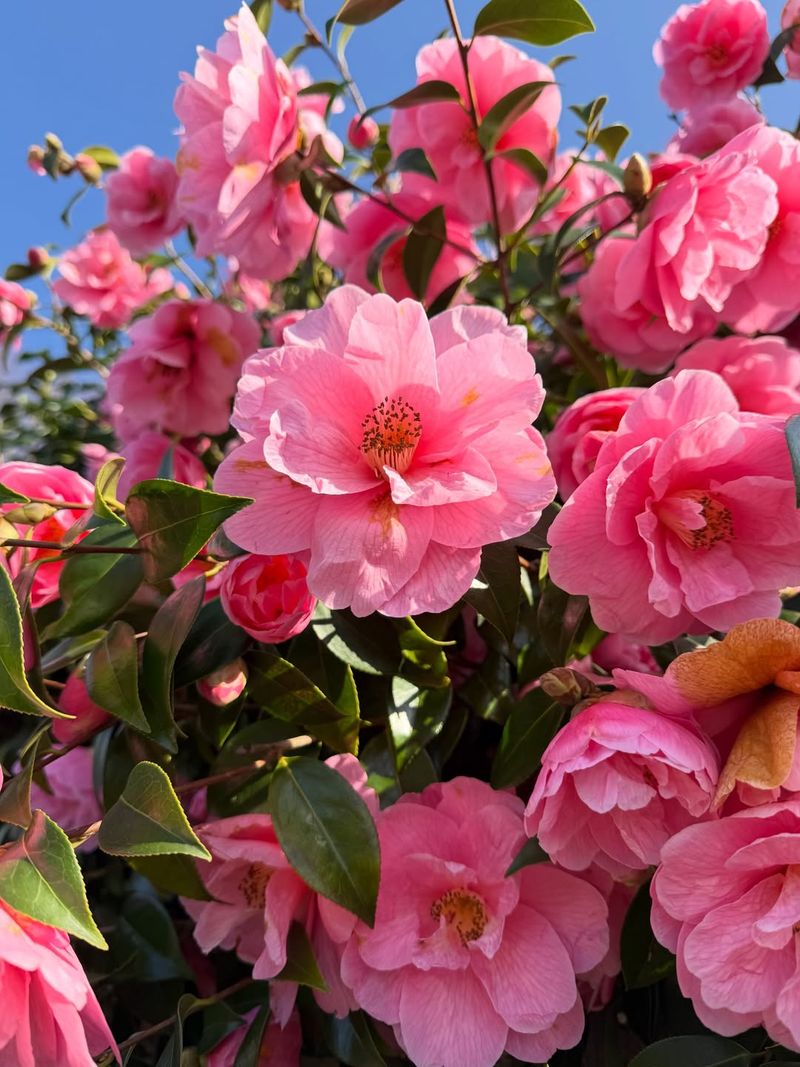
Camellias are some of the most elegant plants you can grow in a California garden. They bloom in late fall through early spring, filling the yard with gorgeous flowers when most other plants are taking a break.
By March, many camellias are finishing up their bloom cycle, and that is exactly when fertilizing becomes important.
Right after blooming is the ideal window to feed camellias. At this point, the plant shifts its energy from flowering to putting out new leaves and building strength for next year.
A fertilizer formulated for camellias or acid-loving plants works best. Look for one with a lower phosphorus level and a moderate nitrogen content.
Scatter the fertilizer evenly under the canopy and water it in well. Avoid getting fertilizer too close to the base of the trunk.
Camellias have shallow roots, so a gentle, even application is much better than dumping it all in one spot.
In Northern California, where camellias are especially beloved, gardeners often follow up with a second light feeding in late spring. This helps the plant build the energy reserves it needs for next season’s blooms.
Keeping your camellia well-fed and in slightly acidic soil, around pH 5.5 to 6.5, will reward you with spectacular flowers year after year.
6. Azaleas
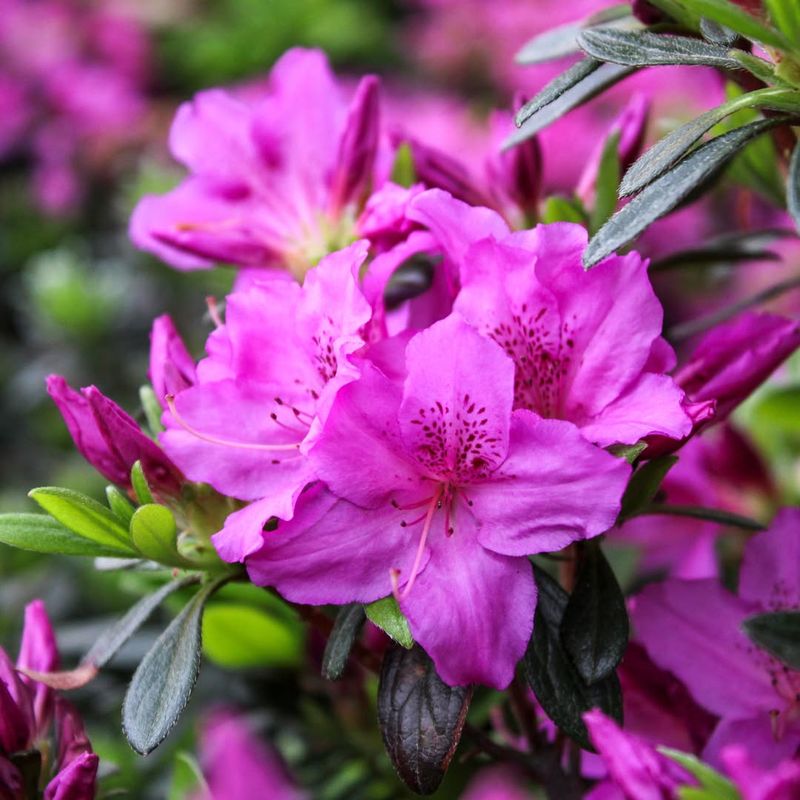
Wait, hold on. Before you reach for that fertilizer bag, there is something you should know about azaleas.
Most gardening experts actually recommend skipping fertilizer for azaleas in early spring, especially if they are still blooming or just about to bloom.
Here is why. Fertilizing azaleas while they are in bloom, or just before, can actually shorten the flowering period.
The plant redirects energy into pushing new leafy growth instead of holding onto its beautiful blossoms. In California, where azaleas often bloom from late winter through early spring, March can still fall right in the middle of their peak flowering time.
The better approach is to wait until after the flowers have fully dropped. Once blooming is completely finished, usually by late spring, you can apply a fertilizer made for acid-loving plants.
This gives the azalea what it needs to grow strong new shoots and set buds for next year without cutting the current bloom season short.
If your azaleas are in a shaded garden in the Bay Area or a cool coastal spot in Central California, they may bloom even later into spring. Always watch the plant, not the calendar.
Feeding at the right time, rather than just the right month, is what truly makes the difference for healthy, long-blooming azaleas in your yard.
7. California Native Plants (Many Prefer Low-Nutrient Soil)
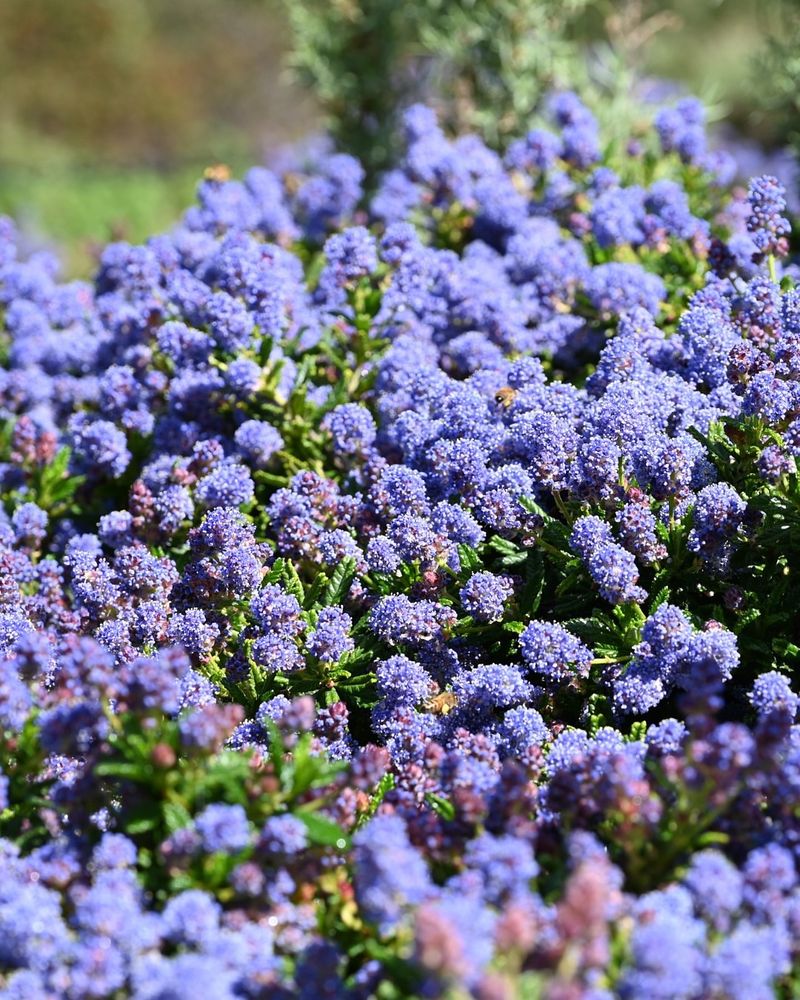
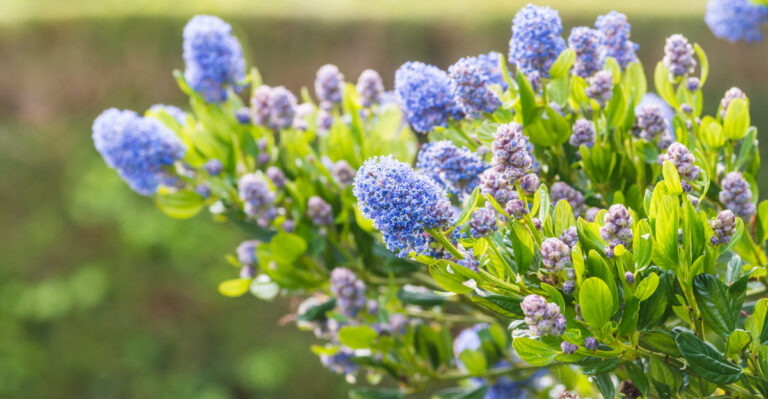
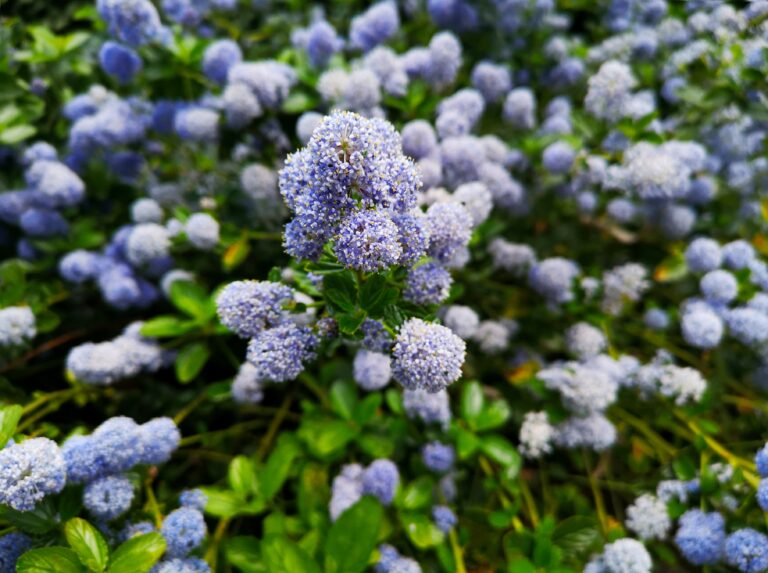
One of the most common mistakes California gardeners make is treating native plants the same way they treat everything else in the garden. California natives like ceanothus, toyon, manzanita, and California poppies evolved in low-nutrient, often rocky soils.
They simply do not need, and often cannot handle, extra fertilizer.
Adding fertilizer to most California native plants in March can actually cause real problems. Too much nitrogen pushes rapid, weak growth that is more prone to pests and less able to handle drought.
It can also shorten the lifespan of some native shrubs, which are naturally adapted to lean conditions.
The best thing you can do for your native plants this March is to leave them alone. Let them do what they have been doing for thousands of years in California’s unique landscape.
If anything, a light layer of wood chip mulch around the base will help retain moisture as the dry season approaches.
If you have a new native plant that was installed within the last year, a very light application of a low-nitrogen, organic fertilizer might help it get established. But for established natives, especially those that have been in the ground for two or more years, fertilizing is almost never necessary.
Trust the plant and trust the soil it was born to grow in.
8. Lavender
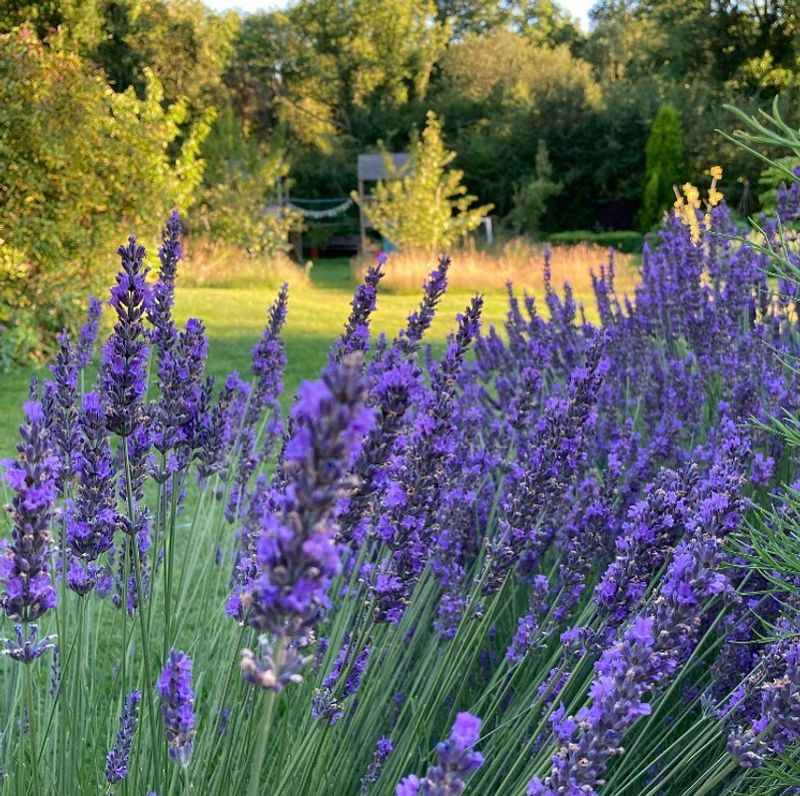
Lavender is one of those plants that actually thrives on a little neglect. It comes from the dry, rocky hillsides of the Mediterranean, and it has carried that tough, low-maintenance personality into California gardens everywhere from Sonoma to San Diego.
Fertilizing lavender in March is one of the easiest ways to accidentally make it worse. When you feed lavender with a nitrogen-rich fertilizer, the plant responds by pushing out a lot of soft, leafy growth.
That sounds good, but it is not. Lavender with too much lush growth tends to flop over, loses its compact shape, and actually produces less fragrance and fewer flowers.
Lavender wants poor, well-drained soil. It is perfectly happy without any added nutrients.
In fact, many experienced California gardeners say the best lavender they have ever grown was planted in almost pure gravel or sandy soil with zero fertilizer ever applied.
If you feel like you need to do something for your lavender this March, give it a light pruning instead. Trim back the dead or woody stems to encourage fresh growth from the base.
Make sure it is planted in a spot with excellent drainage, since lavender hates sitting in wet soil. That kind of care will do far more good than any fertilizer ever could.
9. Succulents
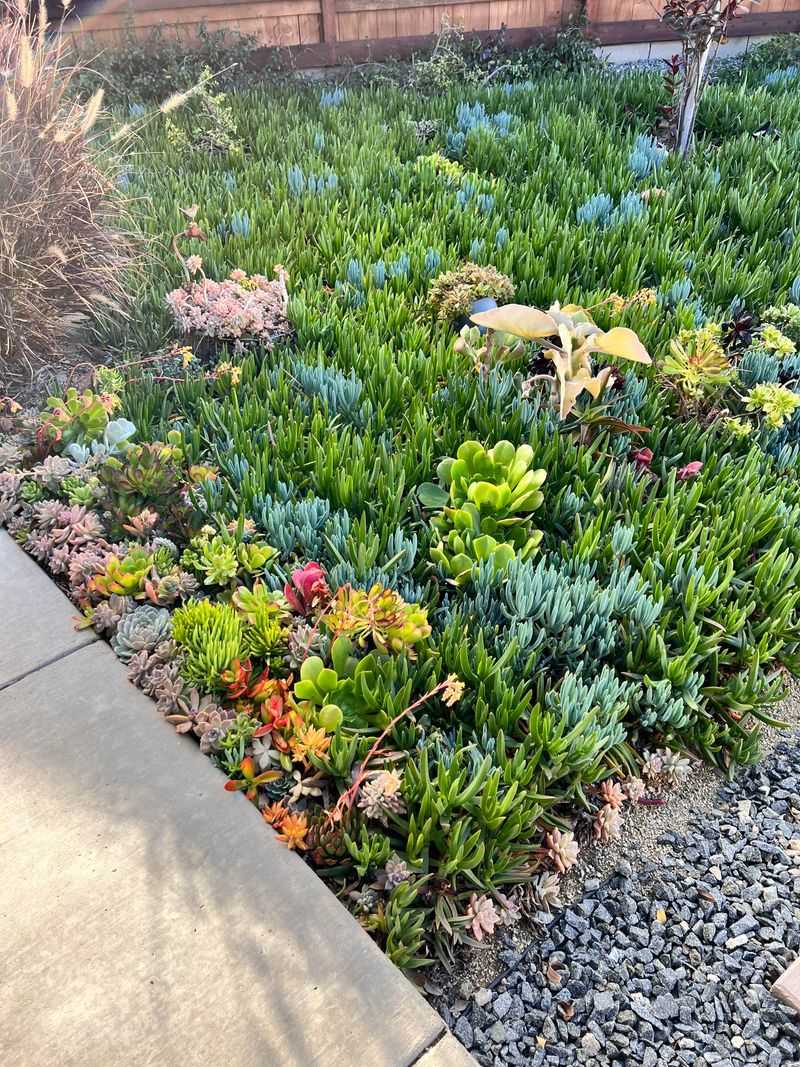
Succulents are everywhere in California, and for good reason. They are stunning, water-wise, and incredibly low-maintenance.
But that low-maintenance reputation also means many gardeners are tempted to “help” them with fertilizer in spring. In most cases, that help is not needed and can actually backfire.
Most succulents store nutrients in their thick leaves and stems. They are built for survival in nutrient-poor environments, which is why they are so popular in California’s water-conscious gardening culture.
Adding fertilizer in March, when some succulents are just starting to wake up from a semi-dormant winter period, can push unnatural growth that looks stretched and pale.
If you do want to fertilize your succulents, wait until they are actively growing, usually from late spring through early summer. Use a very diluted, balanced fertilizer, about half the recommended strength, and only apply it once or twice during the growing season.
Less is always more with these plants.
Container succulents may benefit from a light feeding more than those planted in the ground, since nutrients in potting mix deplete over time. But even then, go easy.
The goal is to support the plant, not push it into overdrive. In California’s warm climate, a healthy succulent left mostly alone will almost always outperform one that has been over-fertilized.