7 Plants You Should Leave Alone After Freeze Damage In Michigan Gardens
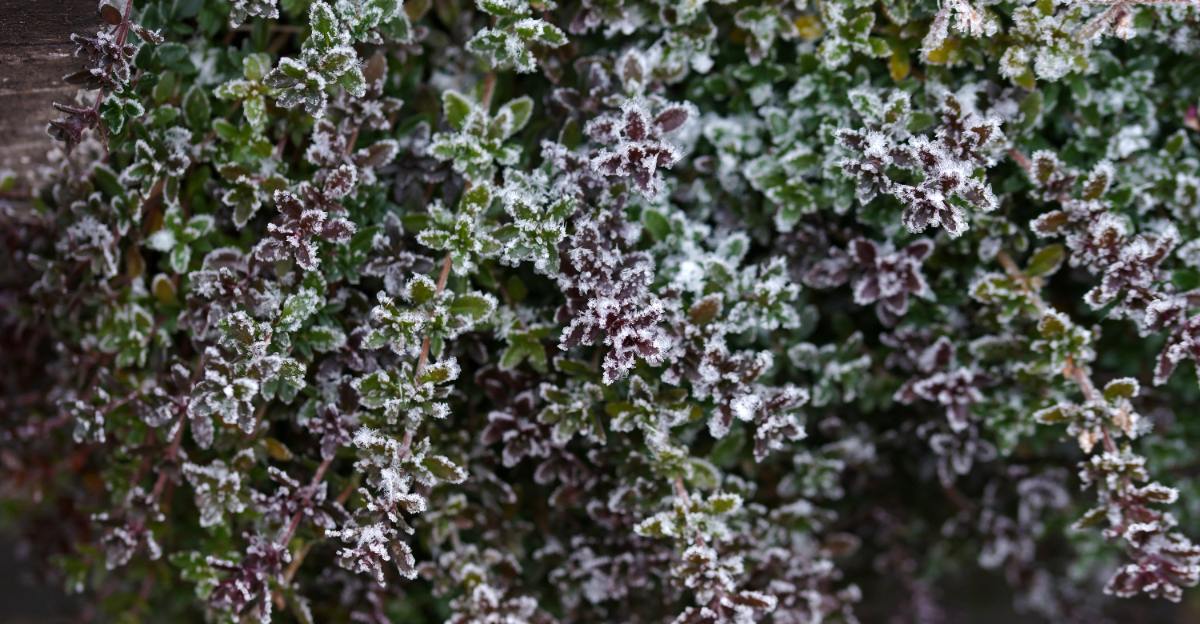
The heavy frost of a Michigan winter often leaves a landscape of scorched foliage and brittle stems that can trigger an immediate urge to prune.
Across the Mitten State, from the wind-whipped shores of Lake Huron to the snowy valleys of Grand Rapids, the sight of a battered garden bed can feel like a total loss.
However, these damaged outer layers actually serve as a vital thermal blanket, insulating the vulnerable crowns and root systems against the next inevitable cold snap.
Rushing into a major cleanup before the mid-May frost line passes can inadvertently expose the tender green heart of your perennials to late-season temperature swings.
By practicing strategic patience and leaving these weathered structures intact, you provide the necessary structural support for a robust spring surge.
This calculated restraint ensures your garden retains its natural defenses, allowing a more resilient and vibrant sanctuary to emerge once the Great Lakes humidity finally settles in.
1. Perennials With Root Systems Still Intact

It might look like your garden is a total mess after a Michigan freeze, but do not grab those pruning shears just yet.
Perennials like Echinacea purpurea, commonly known as Purple Coneflower, are much more resilient than their frost-bitten tops suggest.
The above-ground parts may look brown and beaten, but underneath the soil, those root systems are often very much alive and ready to push through again.
The roots of perennials act like a battery, storing energy through the cold winter months so the plant can recharge when warmer temperatures return.
Cutting back the stems too early can actually expose the crown of the plant to more cold damage, which slows recovery significantly.
Those dried stems also help trap insulating snow, which protects the roots from the deepest temperature dips Michigan winters can throw at them.
Patience really pays off here. Wait until you spot new green growth pushing up from the base before you consider any trimming.
In Michigan gardens, that new growth usually starts showing up in mid to late spring. Once you see those fresh shoots, you can safely remove the old damaged stems.
Giving your perennials this breathing room is one of the smartest and simplest things you can do for a thriving spring garden.
2. Bulbs Like Tulips, Daffodils, And Crocus
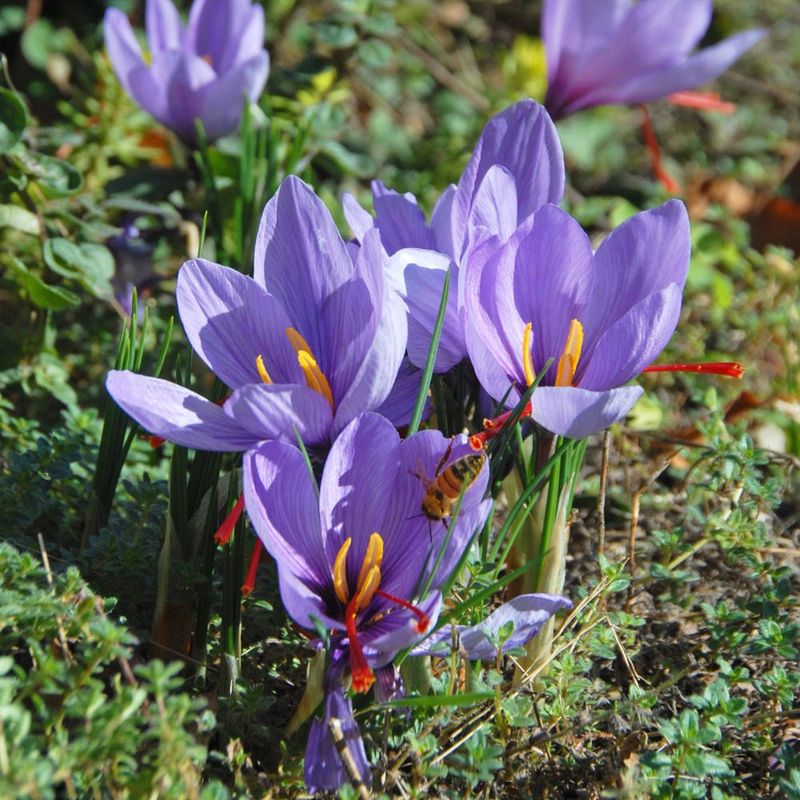
There is something almost magical about bulbs. Even after a brutal Michigan freeze leaves their leafy tops looking soggy and brown, those underground bulbs are quietly holding on, packed full of stored energy just waiting for warmer days.
Narcissus, Tulipa, and Crocus species are all built this way, designed by nature to survive cold snaps without needing any help from you.
Bulbs store all their nutrients in the fleshy tissue underground, which acts as insulation against frost.
Even if the green tops get zapped by a late freeze, the bulb itself is usually fine a few inches below the surface.
Digging them up or disturbing the soil around them after freeze damage is one of the most common mistakes Michigan gardeners make, and it can prevent them from blooming the following season entirely.
The best approach is simply to leave them alone and let nature do its work. If the foliage looks rough, resist the urge to pull it.
Let it yellow and fade on its own schedule, because the plant is still pulling nutrients back down into the bulb during that process.
Come spring, you will likely be rewarded with a fresh round of blooms that make all that patience completely worth it. Michigan gardeners who trust their bulbs are rarely disappointed.
3. Evergreen Shrubs Built For Cold Winters
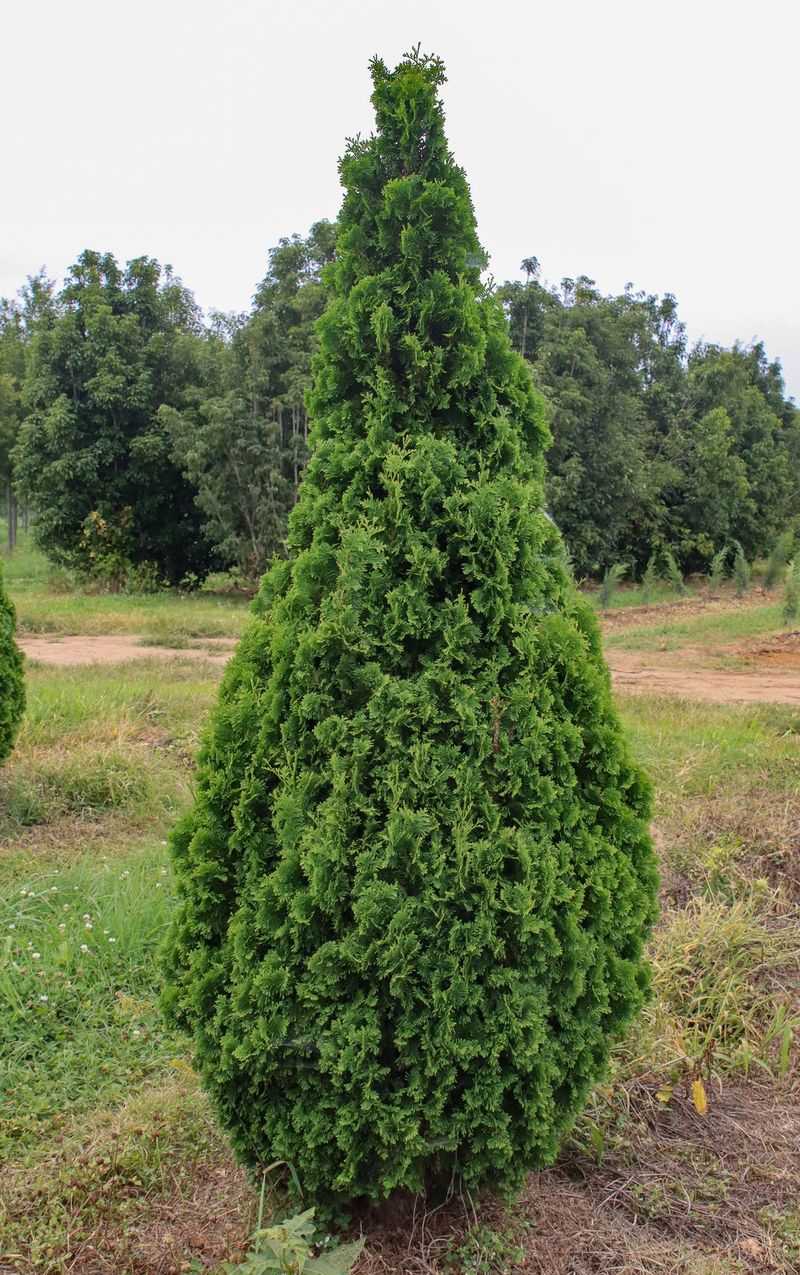
Evergreen shrubs have been surviving Michigan winters long before any of us started worrying about them.
Plants like Thuja occidentalis, known as Arborvitae, and Ilex glabra, or Inkberry Holly, are specifically adapted to handle cold, frost, and even ice-coated branches without giving up.
When you see their foliage turning brown or bronze after a freeze, that is not necessarily a sign of serious trouble.
That discoloration is actually a normal stress response. The plant is pulling moisture inward to protect its core tissues, which is a smart survival strategy.
The woody stems and root systems of these shrubs can remain perfectly viable even when the outer leaves look rough.
Pruning them back immediately after freeze damage removes branches that might still push out new growth, setting the plant back further than the freeze itself did.
Michigan gardeners should hold off on any cutting until late spring, when the shrub has had a chance to show where new growth is emerging. You might be surprised at how much of the plant bounces back on its own.
Give the shrub a gentle scratch test on a small branch to check for green tissue underneath the bark before making any decisions.
A little patience goes a long way when it comes to protecting your evergreen investment through a tough Michigan winter season.
4. Hydrangeas That Bloom On Old Wood
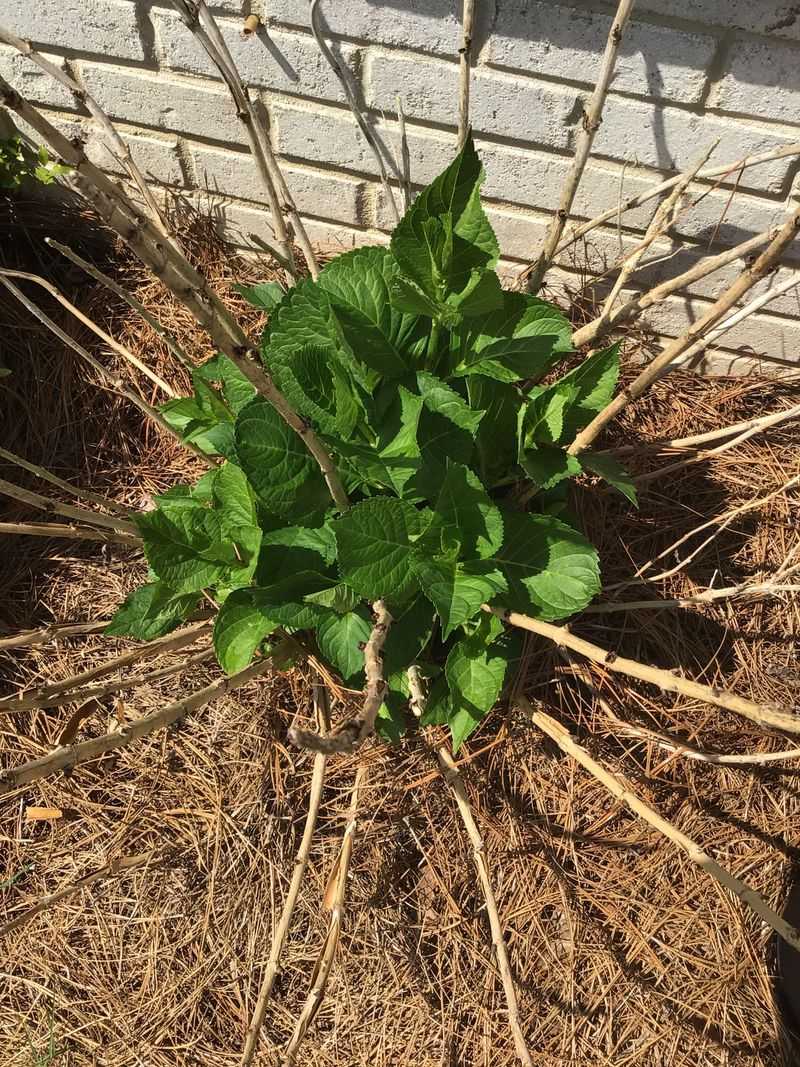
Hydrangeas are some of the most beloved flowering shrubs in Michigan gardens, but they are also some of the most misunderstood when it comes to freeze damage. Hydrangea macrophylla, the Bigleaf Hydrangea, is a prime example.
After a hard freeze, its stems can look completely gone, all brown and shriveled, leading many gardeners to assume the worst and start cutting everything back to the ground. Here is where patience becomes your best gardening tool.
Bigleaf Hydrangeas bloom on old wood, meaning the flower buds for next season form on the stems that grew the previous year.
If you prune those stems away after freeze damage, you are removing the very wood that would have given you those gorgeous blooms.
Hydrangea arborescens, or Smooth Hydrangea, is a bit more forgiving since it blooms on new growth, but it still benefits from a wait-and-see approach.
Give your hydrangeas time to show you what survived the Michigan winter before reaching for the clippers. Small green buds along the stems are a great sign that recovery is underway.
Scratch the bark lightly with your fingernail and look for green tissue underneath, which tells you the stem is still alive.
Once you confirm which stems are truly not recovering, you can trim selectively. Until then, those seemingly rough-looking branches might just surprise you come blooming season.
5. Fruit Trees Like Apple, Pear, And Plum
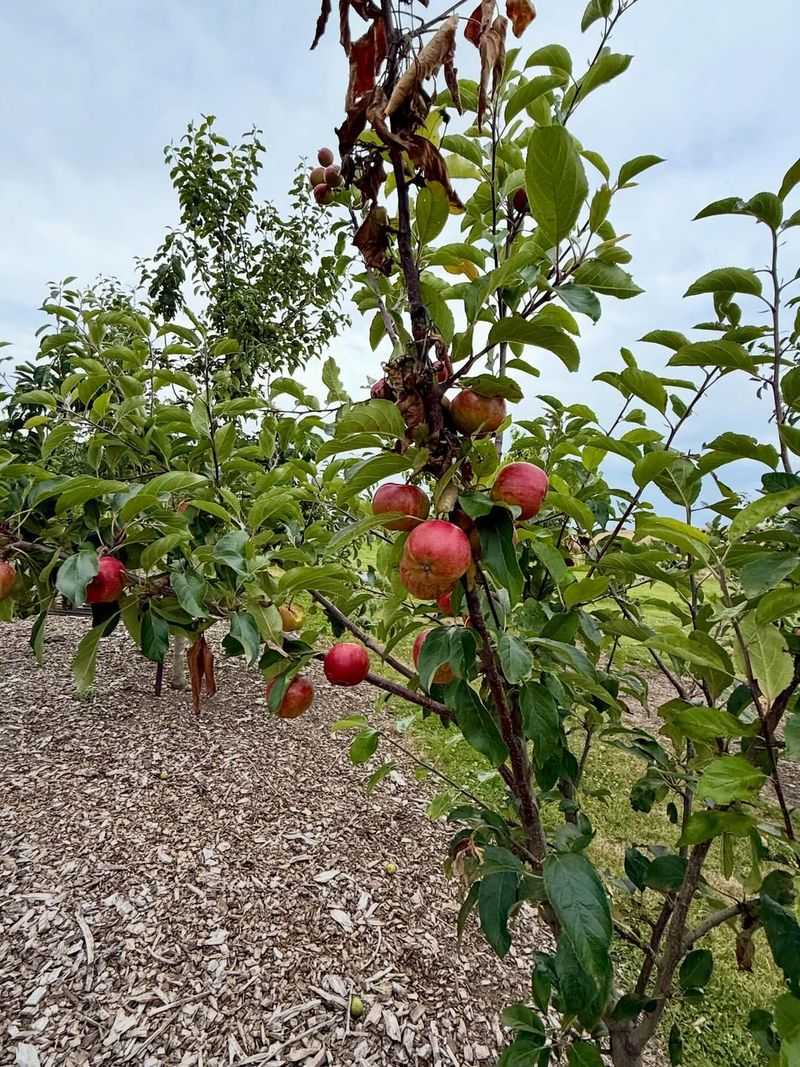
Fruit trees are a long-term investment in your Michigan garden, and a late freeze can feel like a real gut punch when you see the flower buds turning brown and mushy.
Malus domestica, the common Apple tree, and Prunus domestica, the Plum tree, are both susceptible to late-season cold snaps that target their blossoms.
But losing flower buds does not mean you have lost the tree. The root systems of established fruit trees run deep and wide, giving them incredible reserves to draw from after a freeze event.
Even branches that look completely gone can sometimes push out new growth once Michigan temperatures stabilize in spring.
Pruning too early after freeze damage is risky because you may remove wood that still has viable tissue, cutting the tree off from its own recovery process before it even begins. Wait until the tree has had a few warm weeks to respond.
You will start to see leaf buds swelling and opening on branches that survived, which gives you a clear picture of what actually needs to be removed.
A scratch test on the bark works great here too since green beneath the surface means the branch is still in good shape.
Michigan fruit tree growers who wait and assess carefully before pruning tend to see much better long-term results and healthier harvests in the seasons that follow.
6. Roses That Surprise You Every Spring
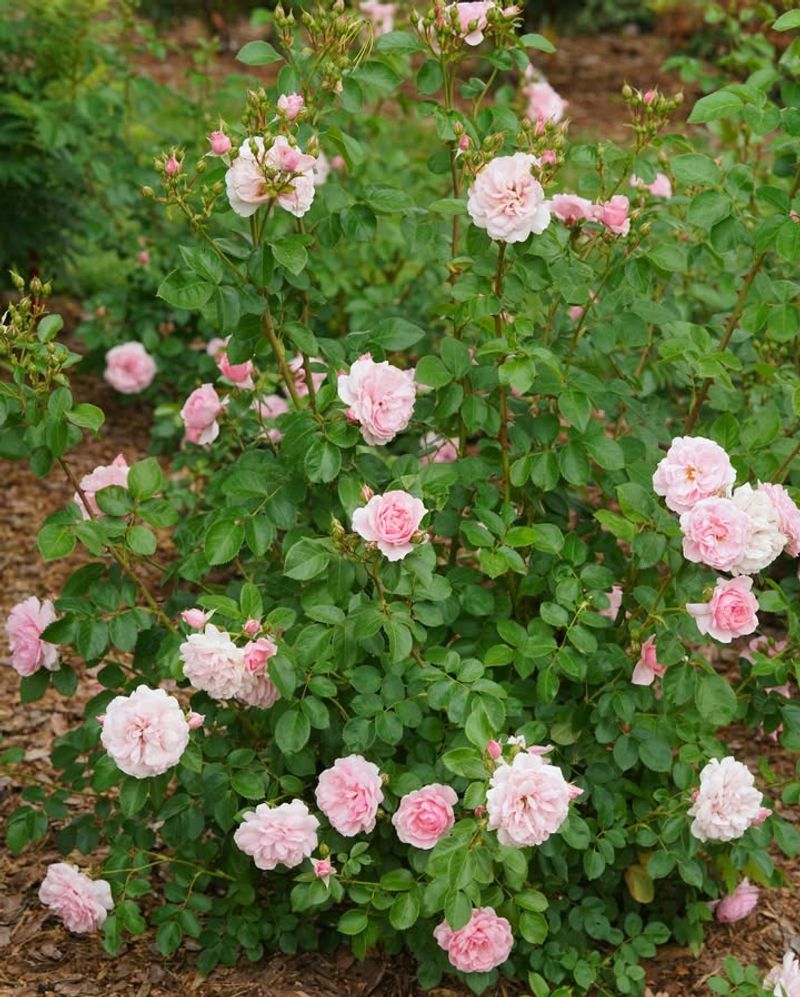
Roses have a reputation for being fussy, but Michigan gardeners who have grown them for a few seasons know better.
Rosa spp., including climbing roses and hardy shrub varieties, can look absolutely rough after a hard freeze.
The canes turn brown and brittle, and the whole plant might seem like it is past saving. But appearances can be very deceiving when it comes to roses. The root systems of roses, especially established ones, are remarkably tough.
Even when the above-ground canes sustain significant freeze damage, those roots are quietly waiting for warmer soil temperatures to send energy back upward.
Shrub roses bred for cold climates, which are popular choices in Michigan gardens, often push out strong new growth from the base even when the upper canes do not survive.
Cutting everything back immediately after a freeze removes that potential before you even give it a chance.
Hold off until after the last frost date for your specific area in Michigan, then check each cane carefully.
A quick scratch of the bark with your thumbnail will reveal green tissue in surviving canes and dry, tan tissue in ones that truly need removal. Prune only what is clearly not recovering and give the rest a chance to fill back in naturally.
Roses reward patience in a big way, often bouncing back fuller and more vibrant than you expected after a cold Michigan winter.
7. Perennial Herbs That Keep Coming Back
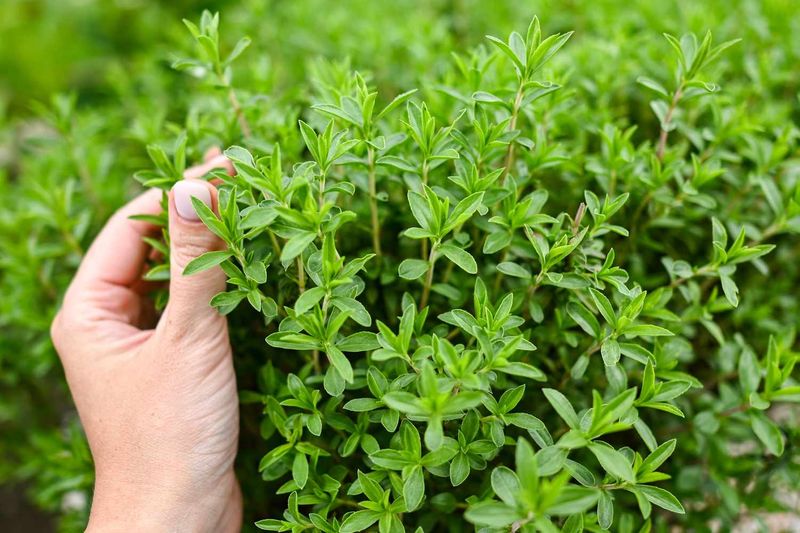
Perennial herbs are tougher than most people give them credit for, especially in a Michigan garden where freeze events are just part of life.
Thymus vulgaris, Salvia officinalis, and Origanum vulgare, better known as Thyme, Sage, and Oregano, are all capable of surviving a hard freeze even when their tops look completely fried.
The woody base and root systems of these herbs hold onto life long after the visible foliage has taken a hit.
One of the biggest mistakes Michigan gardeners make is trimming these herbs back to the ground right after a freeze.
That damaged foliage actually acts as a natural shield, protecting the crown and roots from additional cold exposure.
Removing it too soon leaves the most vulnerable parts of the plant exposed to any late-season cold snaps that Michigan springs are known for throwing in unexpectedly.
Wait until you see fresh green growth pushing out from the base or along the lower stems before you do any trimming.
Thyme especially tends to show new growth close to the ground, while Sage and Oregano may push from the crown.
Once new growth is clearly visible, trim back the brown portions to tidy things up and encourage a full, healthy flush of new leaves.
These herbs are worth the wait, and a Michigan garden stocked with fresh Thyme, Sage, and Oregano come summer is a truly rewarding thing.