8 Plants You Should Never Grow Near Lavender In Ohio
Lavender looks easygoing, right? Silvery leaves, soft purple blooms, and that calming scent make it feel like it gets along with everything.
Not so fast. Plant the wrong neighbors beside it in an Ohio garden and things can go downhill quickly.
Ever seen lavender turn leggy, dull, or just give up? The culprit often sits right next to it.
Some plants crave rich soil and constant moisture, while lavender prefers the opposite. That mismatch can turn a healthy plant into a struggling one before you notice.
Many gardeners mix plants for looks, then wonder why one thrives and the other fades. It is like putting a sun lover in the shade and expecting magic.
Want your lavender to stay compact, fragrant, and full of life? Take a closer look at what grows around it and avoid the combinations that quietly sabotage its success.
1. Mint Spreads Fast And Takes Over
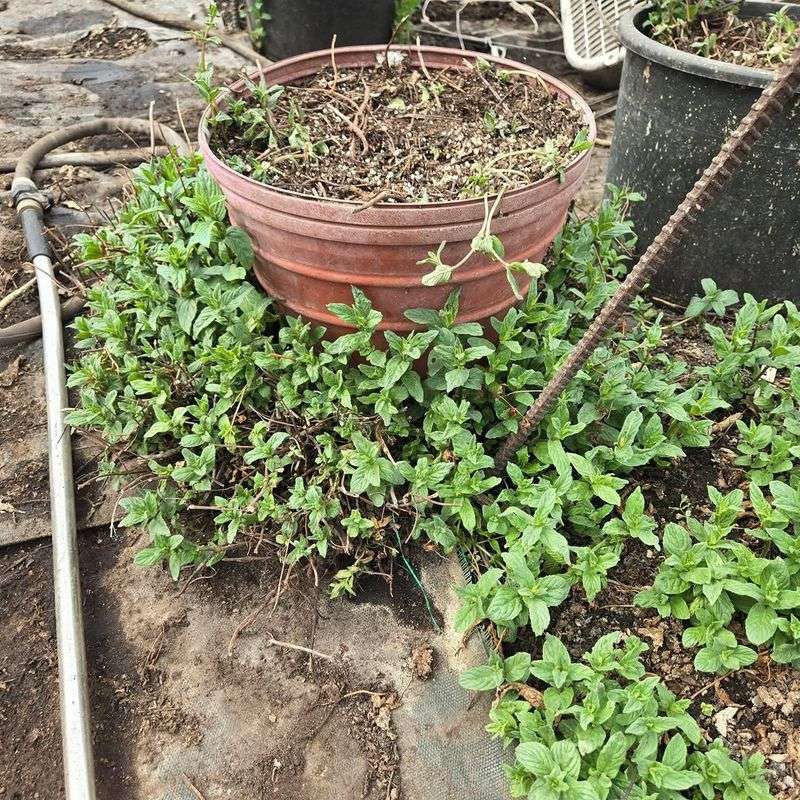
Few plants in the garden world have the audacity of mint. One season it is a tidy little herb in the corner of your bed, and the next it has quietly sent underground runners in every direction, claiming territory it was never invited into.
For lavender, which needs open air circulation and room to breathe, this kind of aggressive neighbor is genuinely bad news.
According to Ohio State University Extension, lavender performs best in well-drained soil with full sun and relatively low competition from surrounding plants. When mint moves in close, it creates crowding that reduces airflow around lavender’s stems and leaves.
Poor airflow in Ohio’s humid summers is one of the leading causes of fungal problems in lavender.
Beyond the space issue, mint tends to thrive in moist, rich soil conditions. If you are watering mint regularly to keep it happy, that extra moisture is soaking into the same root zone where lavender is trying to stay dry.
The two plants are essentially pulling the bed in completely different directions.
The smartest solution is to grow mint in a container rather than directly in the ground. That way you get to enjoy the herb without letting it bully everything around it.
Keep that container well away from your lavender bed and both plants will be far better off for it.
2. Hostas Need Shade And Cooler Conditions
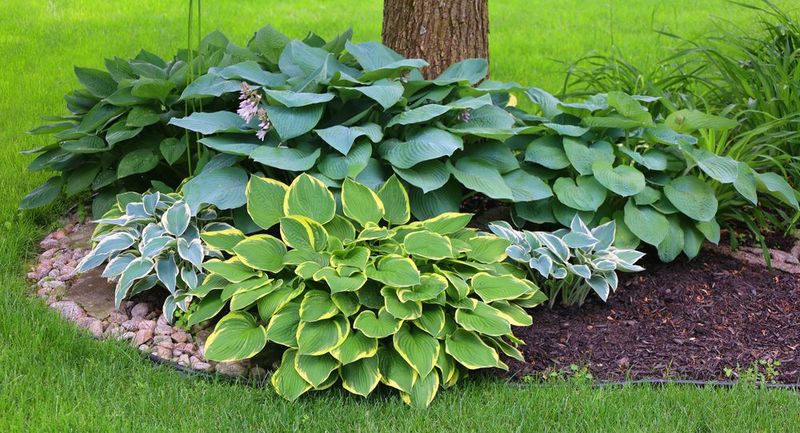
Walk through almost any Ohio neighborhood in summer and you will spot hostas tucked under trees, lining shaded walkways, and filling corners where little else wants to grow. They are reliable, beautiful, and incredibly popular.
But put them next to lavender and you are setting up a situation where at least one plant is going to be unhappy, and it is usually both.
The core problem is that hostas are shade lovers that want consistently moist, fertile soil. Ohio State University Extension notes that hostas perform best with regular moisture and protection from intense afternoon sun.
That is almost the exact opposite of what lavender wants. Lavender needs full sun for at least six to eight hours a day and soil that drains quickly and stays relatively dry between waterings.
Your Ohio Garden Changes Every Week. Your Plan Should Too.
Gardening in Ohio changes quickly throughout the season. Every Friday you’ll receive a simple weekly plan showing exactly what to plant, prune, fertilize, harvest, and protect so you never miss the right timing.
If you try to compromise and give both plants something in between, neither one thrives.
The hostas may scorch and struggle in too much sun, while the lavender sits in soil that stays wetter than it should, making it vulnerable to root rot, which is already a real risk in Ohio’s heavier soils.
Instead of pairing them, give hostas their own shaded spot and fill the sunny lavender bed with plants that share similar needs, like thyme, sage, or ornamental grasses. Both plants will reward you for keeping them in their own ideal conditions.
3. Impatiens Keep Soil Too Wet
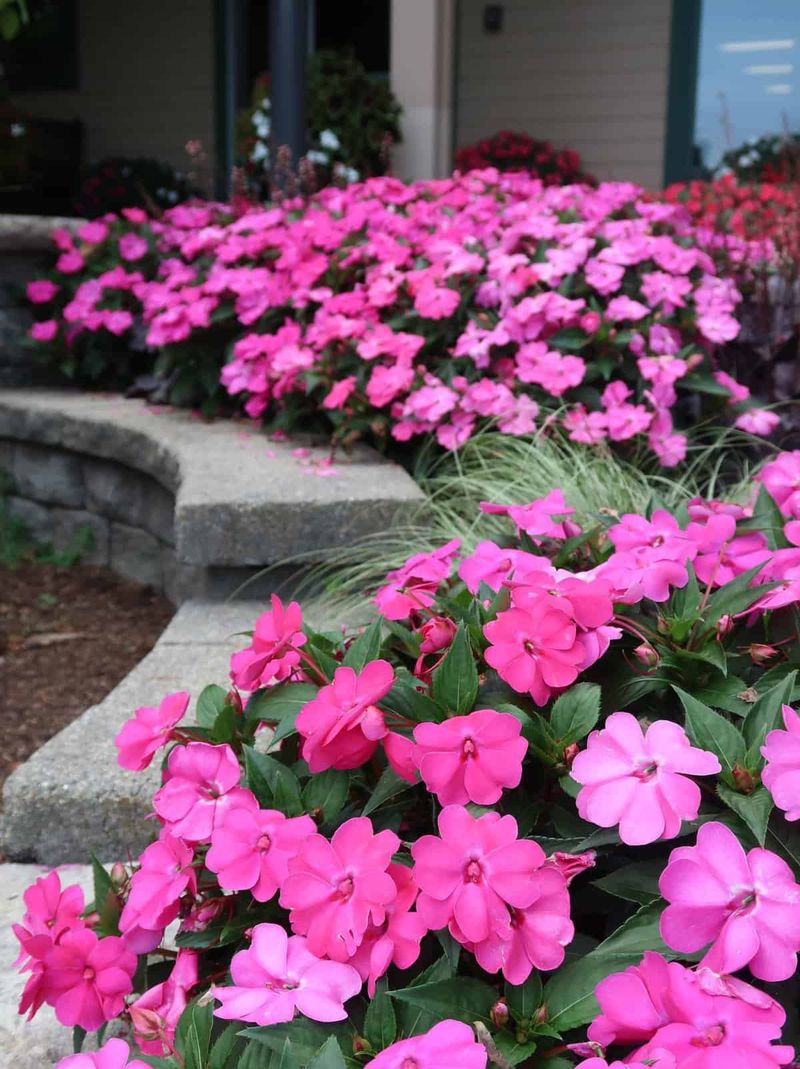
If you have ever grown impatiens, you know how thirsty they are. Miss a day or two of watering in a hot Ohio summer and they will droop dramatically to let you know they are not pleased.
That constant need for moisture is exactly what makes them such a poor match for lavender, which genuinely prefers to dry out between waterings.
Lavender wants full sun and sharp drainage. Impatiens are classic shade-loving annuals that need consistently moist soil and protection from strong afternoon sun.
These two sets of requirements do not overlap in any meaningful way. If you plant them together and try to water enough to keep the impatiens happy, the lavender roots will sit in damp soil far longer than they can comfortably tolerate.
Ohio’s summer humidity already creates challenges for lavender by slowing the evaporation that helps keep its roots dry. Adding a moisture-demanding plant nearby and then watering frequently on top of that only compounds the problem.
The lavender will likely show signs of stress, including yellowing foliage and weak, floppy stems.
A much better approach is to plant impatiens in a separate shaded border or container where they can get the steady moisture they need without affecting your lavender.
Think of them as plants for two completely different garden zones, not roommates sharing the same bed.
4. Astilbe Thrives In Constant Moisture
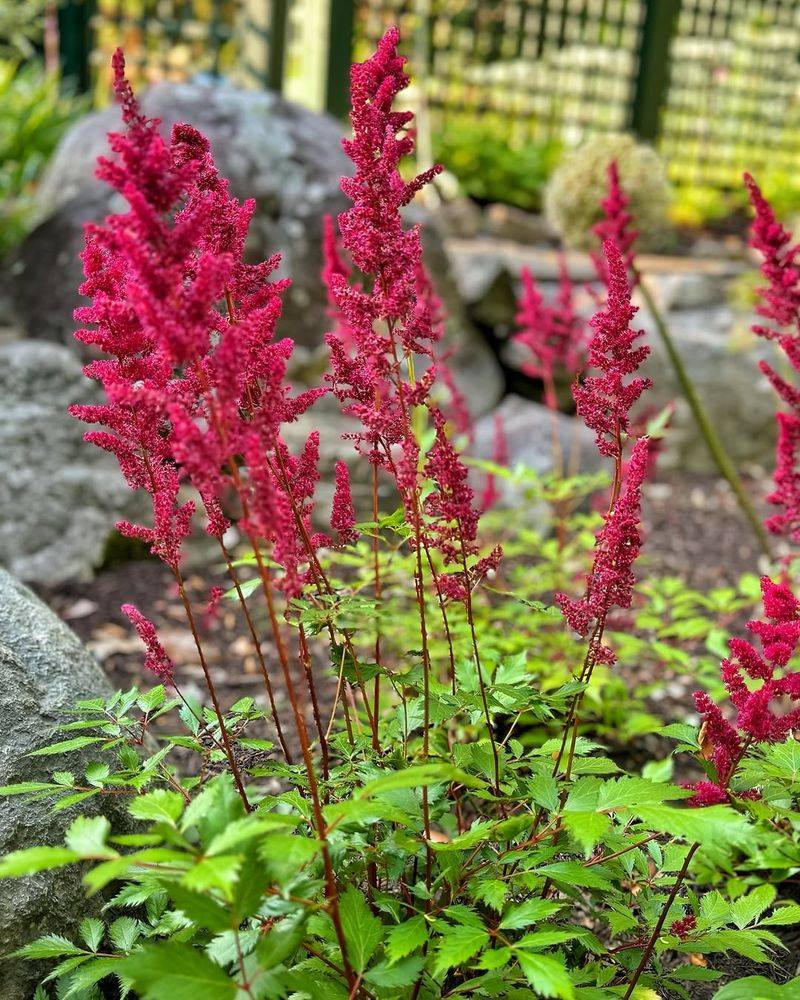
There is something undeniably elegant about astilbe. Those feathery plumes in shades of pink, red, white, and purple are a showstopper in the right garden setting.
The catch is that the right setting for astilbe is almost the exact opposite of what lavender needs, and forcing them to share space usually leads to frustration on both sides.
Astilbe is a perennial that thrives in moist, humus-rich soil and prefers partial shade or filtered light. Lavender, by contrast, wants lean, fast-draining soil and as much direct sun as Ohio can offer.
When you try to grow them in the same bed, the watering schedule alone becomes a contradiction. Water enough to keep astilbe from wilting and you risk keeping lavender roots far too wet.
In Ohio, where summer rain can already push soil moisture higher than lavender prefers, planting astilbe nearby adds another layer of unnecessary moisture stress.
Lavender roots that stay consistently damp are far more vulnerable to rot, and once root rot sets in, recovery is very difficult.
If you love astilbe, give it a dedicated spot near a rain garden, a downspout area, or a partially shaded border where moisture naturally collects. Then let your lavender have the hot, dry, sunny bed it was built for.
Both plants will genuinely thrive when they are not competing for completely different conditions.
5. Hydrangeas Need More Water
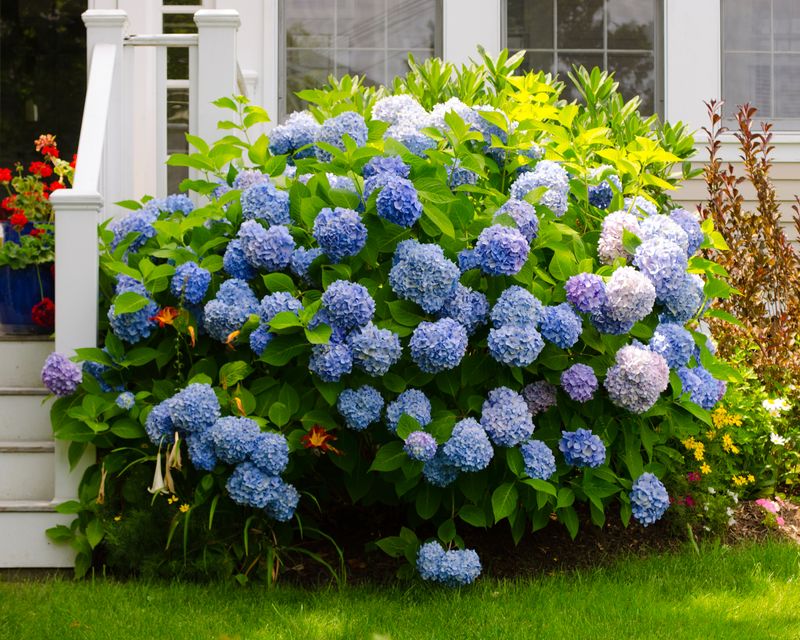
Hydrangeas are one of the most beloved shrubs in Ohio gardens, and for good reason. Their enormous flower clusters in shades of blue, pink, purple, and white are genuinely spectacular.
But loving hydrangeas and pairing them with lavender are two very different things, and trying to do both in the same bed tends to create a tug-of-war that neither plant wins.
According to Ohio State University Extension, hydrangeas perform best in moist, organically rich soil with consistent watering, especially during dry spells. They also appreciate some afternoon shade in Ohio’s hotter summers.
Lavender wants the opposite: full sun all day, low-fertility soil, and excellent drainage that keeps roots from sitting in moisture. When you water a hydrangea the way it needs to be watered, you are creating soil conditions that work against lavender at the same time.
The size difference also matters. A mature hydrangea can grow quite large and may eventually cast shade over nearby lavender, reducing the sunlight that lavender depends on for healthy growth and strong fragrance production.
Rather than crowding them together and watching both underperform, give each plant its own dedicated space. Plant hydrangeas in a slightly shadier spot with richer, moister soil, and let lavender have a raised bed or slope with fast drainage and full sun.
That separation is what allows both to look their absolute best through the season.
6. Azaleas Prefer Acidic Soil
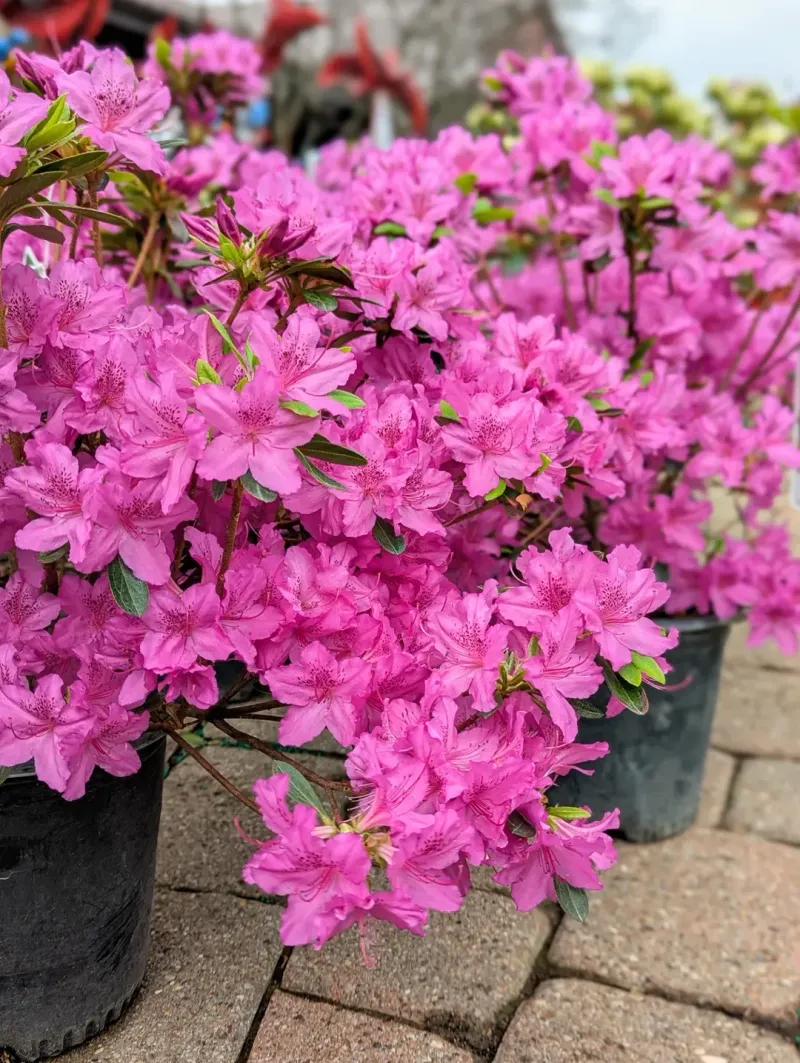
Spring-blooming azaleas are practically a symbol of the season in many Ohio gardens, and their bold color display is hard to beat.
However, the soil conditions that azaleas need to thrive are quite different from what lavender prefers, making them a tricky combination in any shared planting area.
Ohio State University Extension notes that azaleas require acidic soil, typically with a pH between 4.5 and 6.0, along with consistent moisture and good organic matter content.
Lavender, on the other hand, actually performs better in soil that is slightly alkaline or neutral, roughly in the 6.5 to 7.5 pH range, and it strongly dislikes heavy organic amendments that hold moisture around its roots.
If you amend your soil to make it more acidic for azaleas, you are moving it further away from what lavender wants.
Beyond pH, azaleas often prefer some afternoon shade and more protected planting sites, which again conflicts with lavender’s appetite for full, direct sun throughout the day.
Ohio gardeners who try to split the difference and create middle-ground conditions often find that both plants look mediocre rather than spectacular.
The practical fix is straightforward: put azaleas in a bed where you can properly acidify the soil and provide the right moisture and light levels. Then let lavender have its own well-drained, sunny spot with lean soil.
Neither plant is demanding when it gets what it actually needs.
7. Ferns Need Shade And Damp Soil
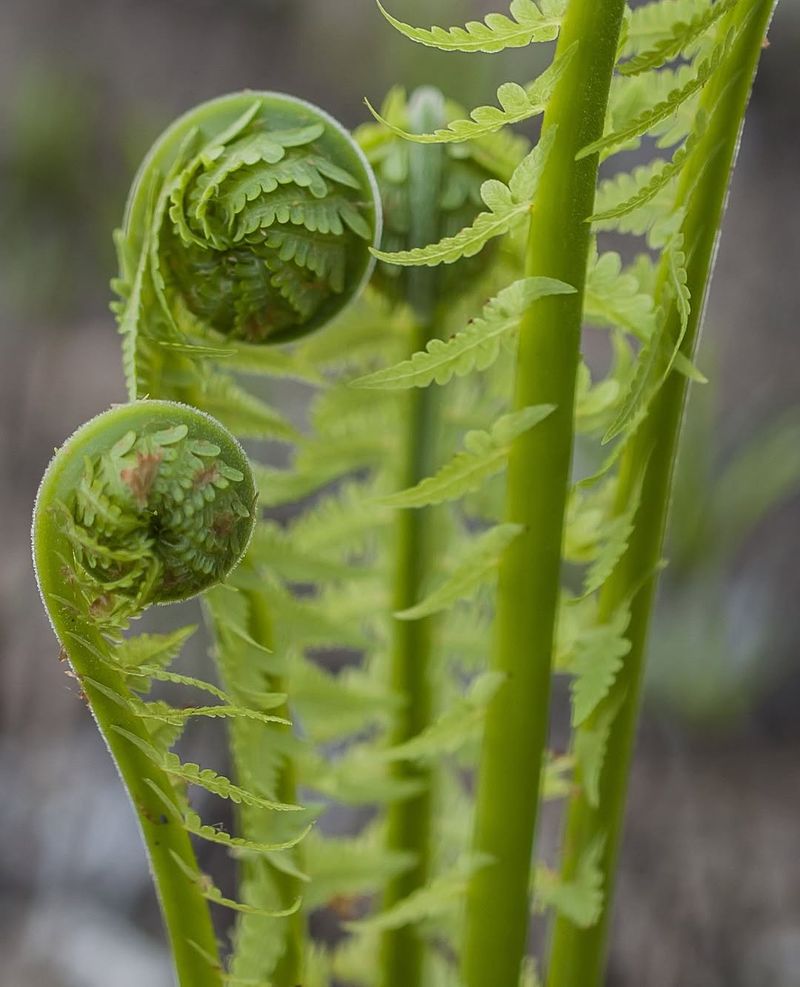
Garden ferns have a timeless, woodland charm that works beautifully in the right setting.
The problem is that the setting they love, shaded, moist, and rich with organic matter, is essentially the opposite of what lavender needs.
Put them too close together and at least one of them will spend the season looking stressed.
Most common landscape ferns, including ostrich fern and cinnamon fern, which are popular in Ohio gardens, prefer consistent moisture and shade or partial shade. Ferns are plants that generally need humus-rich, evenly moist soil to perform well.
Lavender, of course, wants lean soil that drains fast and full sun exposure for the majority of the day.
If you place ferns near lavender and try to water enough to keep the ferns happy, the lavender roots end up sitting in moisture longer than they should.
Ohio summers can already be humid enough to cause issues for lavender, and adding a moisture-loving neighbor that encourages more frequent watering only increases the risk of root and stem problems.
The good news is that ferns are absolutely wonderful plants when they are in the right location. A shaded corner, a woodland garden path, or a spot near a water feature suits them perfectly.
Reserve your sunny, well-drained beds for lavender and plants that share its preference for bright light and lean conditions.
8. Bleeding Heart Struggles In Heat
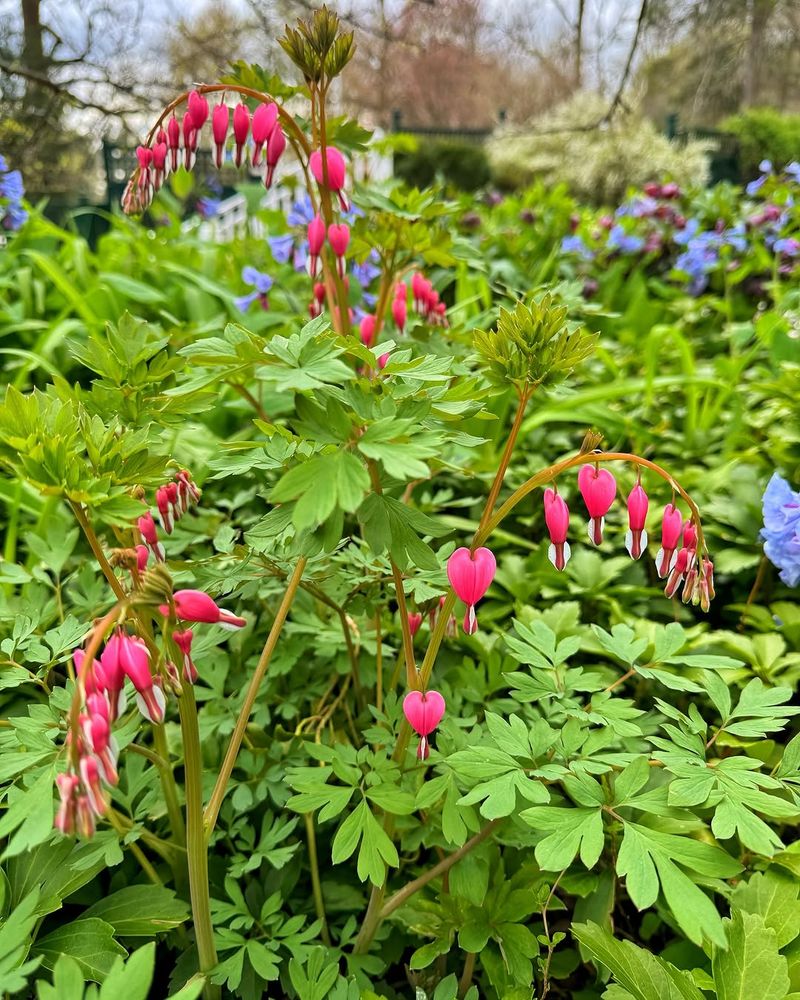
Bleeding heart is one of those plants that gardeners genuinely adore, and it is easy to see why. Those arching stems lined with dangling, heart-shaped flowers are unlike anything else in the spring garden.
But as enchanting as bleeding heart is, it belongs in a very different environment than lavender, and pairing them tends to leave bleeding heart looking worn out by midsummer.
Bleeding heart prefers cool, moist, partially shaded conditions. It actually tends to go dormant in summer when temperatures rise and soil dries out, which is precisely the kind of hot, dry, sunny environment that lavender flourishes in.
In Ohio, where summer heat and humidity arrive reliably by July, bleeding heart in a full-sun lavender bed would likely fade quickly and look ragged well before the season ends.
Beyond the heat issue, bleeding heart prefers richer, more moisture-retentive soil than lavender can comfortably tolerate.
If you water the bed to support the bleeding heart through summer, lavender roots stay wetter than they should, increasing the risk of fungal problems and root stress.
A far better plan is to tuck bleeding heart into a shaded border near a fence or under deciduous trees where it gets dappled spring light and stays cooler through the season.
Let lavender have the hottest, sunniest spot in the yard where it can spread its fragrance and bloom to its full potential.