7 Plants You Should Never Grow Next To Your Zinnias In North Carolina Gardens
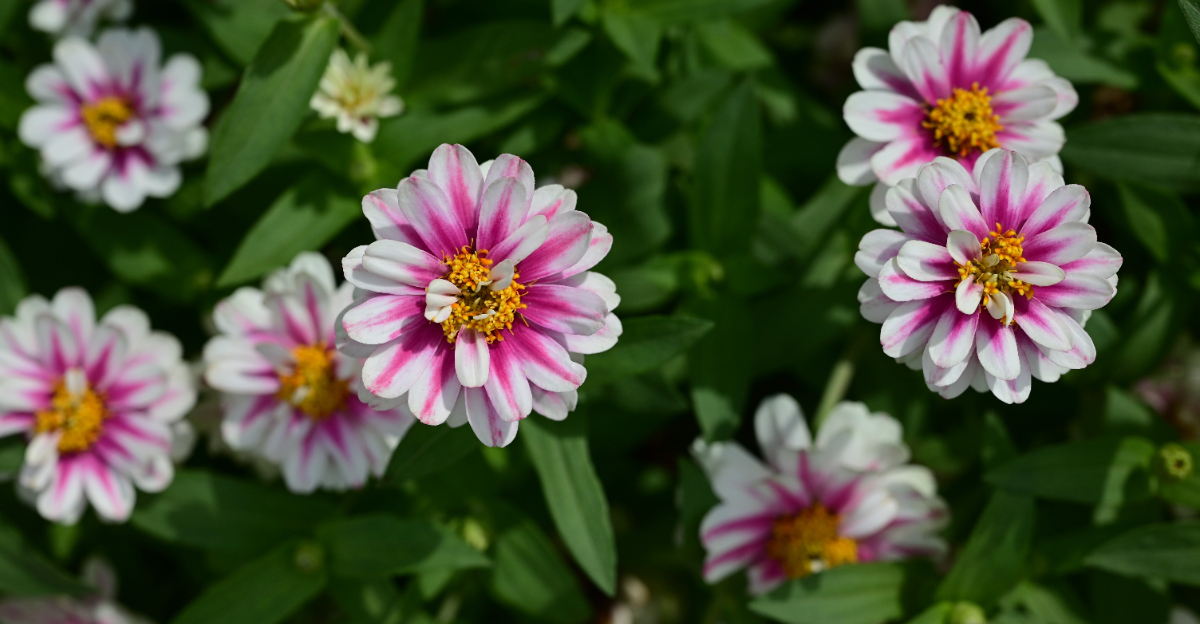
North Carolina gardens truly come to life when those cheerful and bright zinnias start to pop up in the summer sun.
These colorful flowers are famous for blooming all season long and bringing plenty of happy butterflies and bees to your yard.
While they are very easy to grow in our local climate, they do not get along with every other plant in the soil.
Some plants can actually crowd out your flowers or steal all the nutrients from the ground. If you want a garden that looks like a professional masterpiece, you need to know which plants to keep far away.
Making the right choices for your flower beds will ensure your zinnias stay strong and vibrant until the very last warm day. We have the best tips to help you pick the perfect spot for a healthy and glowing landscape.
1. Impatiens
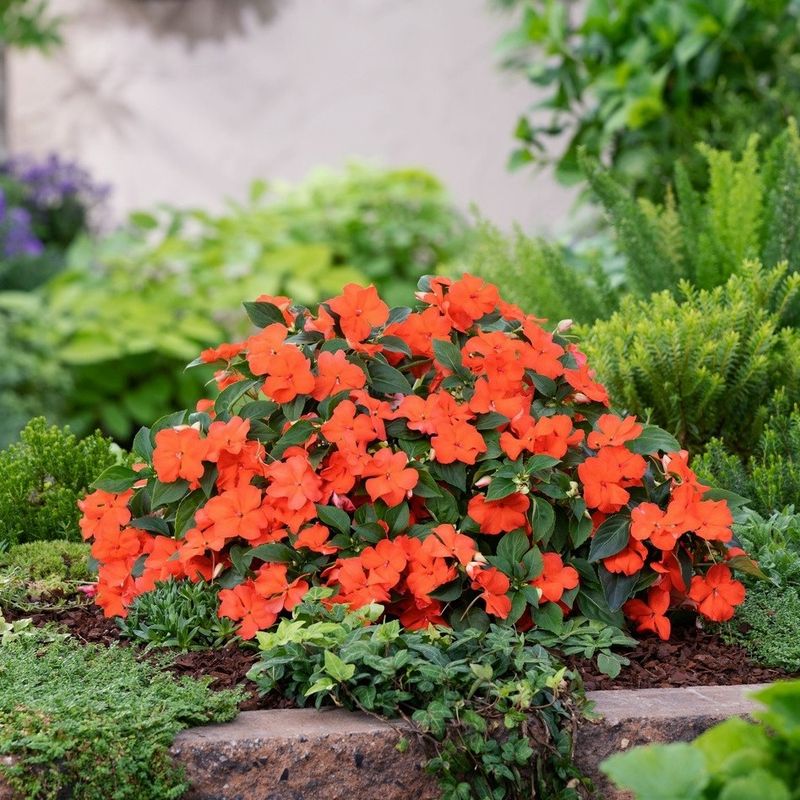
Impatiens look lovely in a garden, but planting them right next to your zinnias in North Carolina is a recipe for frustration.
These two plants could not be more different when it comes to water. Impatiens need consistently moist soil to stay healthy and keep blooming all season long.
Zinnias, on the other hand, prefer well-drained soil and do surprisingly well even when things get a little dry.
North Carolina summers can be intense, and if you water enough to keep impatiens happy, your zinnias may end up sitting in soggy soil that invites root rot and fungal issues.
Too much moisture around zinnia roots weakens the plant over time and makes it far more vulnerable to powdery mildew, which is already a common problem in humid North Carolina summers.
On the flip side, if you water just enough for the zinnias, the impatiens will look stressed, wilted, and sad within days.
Trying to balance both plants in the same bed puts you in a tough spot every single time you reach for the hose.
Separate them into different areas of your yard where each plant can get exactly what it needs.
Impatiens thrive beautifully in shadier, moister spots, while your zinnias will absolutely love a sunny, well-drained bed all to themselves.
2. Petunias
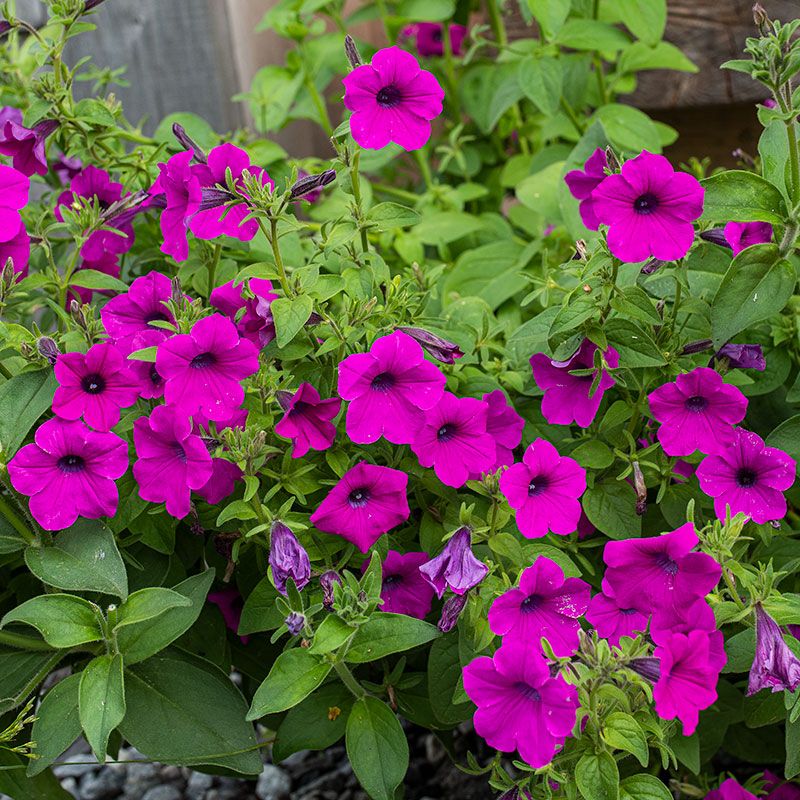
Petunias and zinnias might seem like a dream team since both produce gorgeous, colorful blooms.
However, pairing them together in a North Carolina garden bed can quietly cause problems that sneak up on you before you even notice something is wrong. One of the biggest concerns is pests.
Petunias are known to attract aphids and whiteflies, and once those insects show up, they do not stay on just one plant. They spread fast, and zinnias become targets just as quickly.
North Carolina’s warm, humid growing season gives these pests plenty of time to multiply and cause real damage to both plants throughout summer.
Beyond the pest issue, petunias actually prefer a bit of shade during the hottest parts of the day, while zinnias absolutely demand full sun from morning to afternoon.
Putting them in the same bed means one plant will always be growing in less than ideal conditions, and neither will perform at its best.
Petunias also tend to sprawl and spread, which can crowd out zinnia stems and reduce airflow around them.
Poor airflow is one of the top reasons zinnias develop powdery mildew in North Carolina’s sticky summer heat.
Give your petunias their own space in a slightly shadier corner, and let your zinnias soak up all the sunshine they crave without any competition nearby.
3. Cucumbers
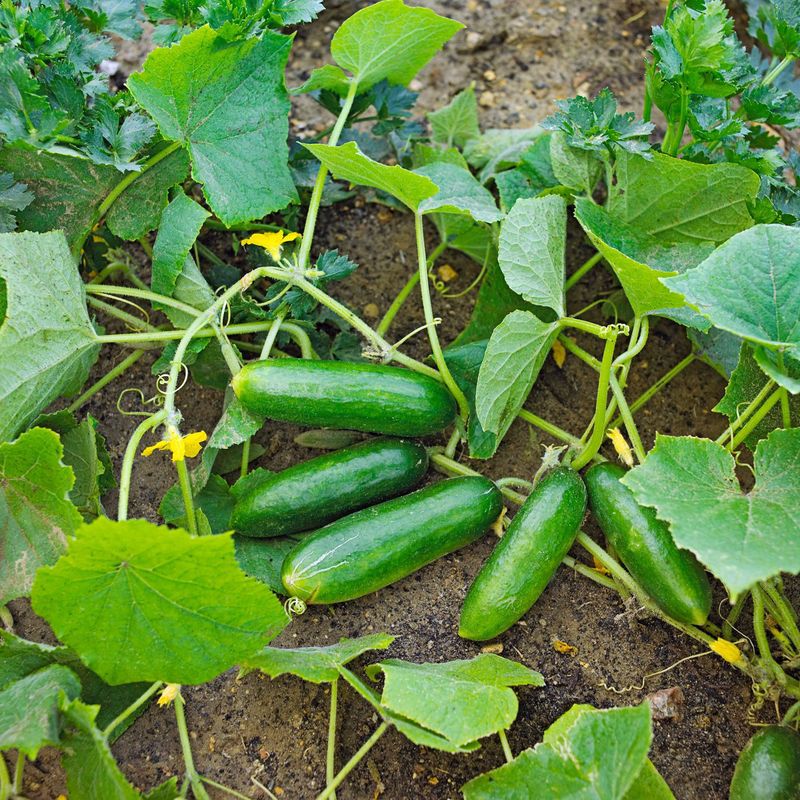
Cucumbers and zinnias might seem like an unlikely pairing, but North Carolina gardeners sometimes tuck flowers into vegetable beds for a pop of color.
Planting cucumbers right next to your zinnias, though, is something worth reconsidering before the season gets going.
Both cucumbers and zinnias are highly susceptible to powdery mildew, which is a fungal disease that spreads easily in warm, humid conditions.
North Carolina summers are practically perfect weather for powdery mildew to thrive, and when two vulnerable plants grow side by side, the risk of infection jumps significantly.
Once it appears on one plant, it moves quickly to the other. Cucumbers are also heavy drinkers and feeders, pulling a lot of water and nutrients from the soil.
This can create an uneven growing environment where your zinnias struggle to access what they need to produce those big, bold blooms everyone loves.
The competition gets especially intense during dry stretches in a North Carolina summer. Cucumber vines also tend to sprawl across the ground and can tangle around zinnia stems, reducing airflow even further and making fungal problems worse.
Managing two plants with overlapping disease risks and different resource demands in the same space is a constant uphill battle.
Keep cucumbers in their own raised bed or row, and your zinnias will reward you with healthier, longer-lasting blooms all season.
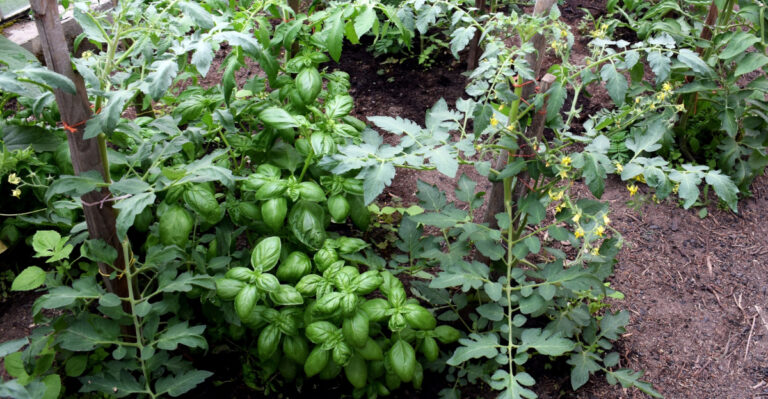
4. Tomatoes
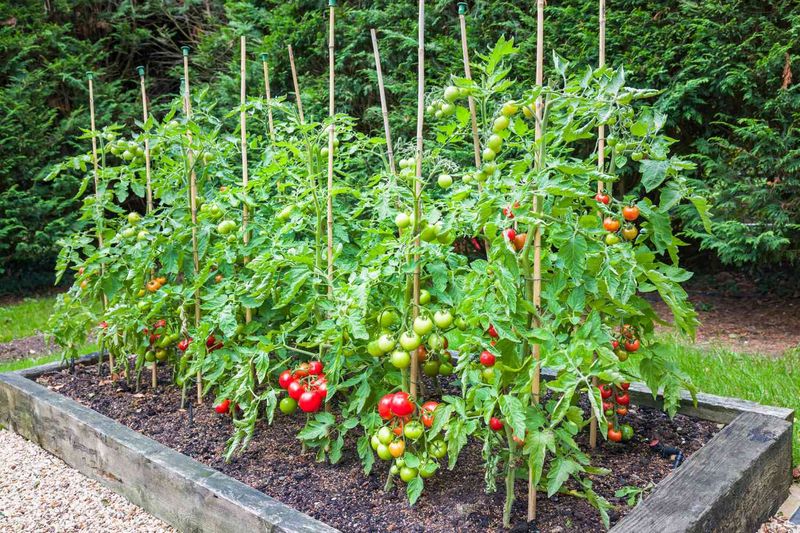
Tomatoes are one of the most popular vegetables in North Carolina gardens, and it is easy to understand why. They are rewarding, delicious, and fun to grow.
But tucking your zinnia plants right beside the tomato bed is not the best move you can make for either crop this season.
Tomatoes are heavy feeders, meaning they pull large amounts of nitrogen, phosphorus, and potassium from the soil as they grow. Zinnias also need a steady supply of nutrients to fuel all those beautiful blooms.
When these two plants compete in the same soil, neither one gets everything it needs, and you may notice stunted growth or fewer flowers on your zinnias as a result. Disease spread is another serious concern.
Tomatoes are prone to early blight, a fungal disease that creates dark, spreading spots on leaves and weakens the plant over time.
Early blight spores can travel through the air and water splashing off the soil, making nearby zinnias vulnerable to similar fungal infections during North Carolina’s rainy summer months.
Tomato plants also grow tall and bushy, which can cast shade over shorter zinnia plants nearby.
Zinnias need full sun to bloom at their brightest, and even partial shading from tomato foliage can reduce their flower output noticeably.
Plant your tomatoes in a dedicated vegetable row and give your zinnias a sunny flower bed where they can truly thrive without any nutrient or light competition.
5. Carrots

Carrots are a cool-season favorite for many North Carolina gardeners, and they bring a satisfying crunch to the table.
However, planting them anywhere near your zinnias can quietly hold back their growth before you even realize what is happening underground.
Zinnias develop broad, leafy foliage as the season progresses, and that lush growth can cast a surprising amount of shade over shorter, ground-level plants nearby.
Carrots need full sun to develop properly, and even moderate shading from zinnia leaves can slow their growth and reduce the size of the roots you eventually harvest.
Sunlight is not just about warmth for carrots. It directly impacts photosynthesis in the leafy tops, which fuels energy production for the root below the soil.
Less sun means less energy, and that shows up in smaller, sometimes misshapen carrots that do not reach their full potential size.
North Carolina’s growing season is long enough for great carrot harvests, but only when conditions are right from the start.
Root crops like carrots also prefer loose, well-worked soil without too much competition from neighboring root systems.
Zinnias have fibrous roots that spread outward and can interfere with the downward growth of developing carrot roots.
For the best results in a North Carolina garden, grow your carrots in a dedicated bed with full sun exposure and no tall flowering neighbors casting shadows over their growing space throughout the day.
6. Peppers
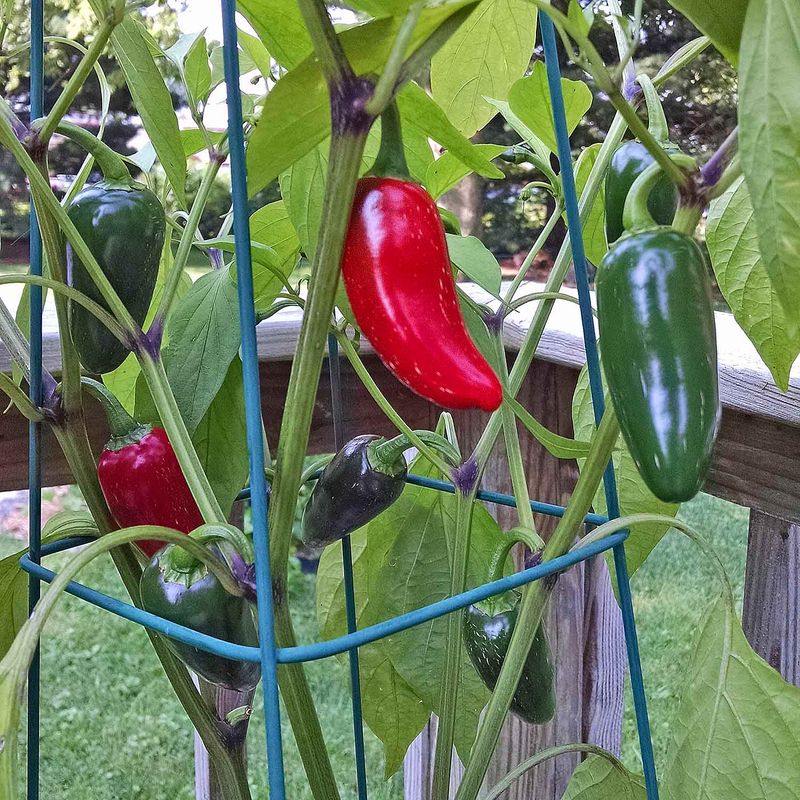
Peppers are a staple in North Carolina vegetable gardens, bringing heat and flavor to summer cooking.
Growing them right next to your zinnias, though, creates a set of challenges that can affect both plants before the season even hits its peak.
One of the most pressing concerns is verticillium wilt, a soil-borne fungal disease that peppers are particularly vulnerable to.
This disease lives in the soil and can spread to nearby plants, including zinnias, especially when the two share the same garden bed for an entire growing season.
Once verticillium wilt takes hold in the soil, it is notoriously difficult to manage and can linger for years.
Both peppers and zinnias have relatively similar nutrient needs, which sounds like it could be convenient, but it actually means they end up competing directly for the same resources in the soil.
During North Carolina’s long, hot summer, that competition can leave both plants underfed and underperforming compared to what they could achieve with more space and dedicated nutrition.
Watering is another sticking point. Peppers prefer slightly more consistent moisture than zinnias, which thrive with a bit more drying time between waterings.
Trying to keep both plants happy with the same watering schedule in the same bed is harder than it sounds, especially during unpredictable North Carolina weather patterns.
Giving each plant its own dedicated growing space makes managing their individual needs so much easier all season long.
7. Corn
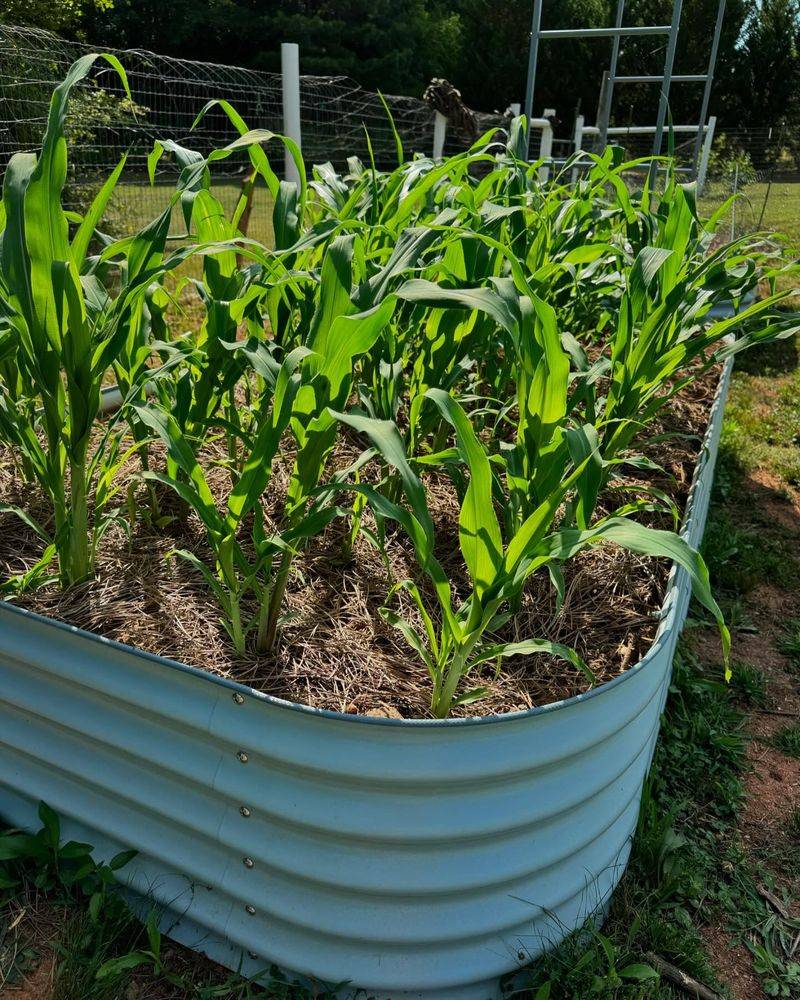
Corn is a beloved summer crop across North Carolina, and there is nothing quite like fresh corn straight from the garden.
But if you are thinking about planting corn anywhere near your zinnias, it is worth pausing and reconsidering the layout of your garden space first.
Corn grows remarkably tall, often reaching six to eight feet or more by midsummer. All that height creates a dense canopy of leaves that blocks sunlight from reaching anything planted nearby.
Zinnias are sun-loving flowers that need several hours of direct light each day to bloom well, and the shade from corn stalks can significantly reduce the number of flowers your zinnias produce throughout the season.
Stretched, leggy zinnia stems are a telltale sign that a plant is not getting enough sunlight.
When zinnias grow in the shadow of corn, they reach upward desperately trying to find light rather than putting energy into producing those wide, colorful blooms that make them so popular in North Carolina gardens.
The overall plant becomes weaker and more prone to flopping over in summer storms. Corn also competes heavily for soil nutrients, particularly nitrogen, and its root system spreads widely underground.
Zinnias planted too close may find the soil around them already depleted by the time they really need those nutrients to fuel peak blooming.
Keep corn on the far end of your garden and give your zinnias a wide-open, sunny bed where they can bloom freely and brilliantly all summer long.