7 Plants You Should Never Prune During March In Pennsylvania
March in Pennsylvania feels like the unofficial start of gardening season. The snow begins to fade, the soil softens, and it becomes tempting to grab the pruning shears and start tidying everything in sight.
Trimming plants can make a yard look instantly neater, and many gardeners feel eager to get ahead before spring growth really takes off. But this is one moment where a little restraint can save your plants from serious stress.
Some plants simply do not respond well to early spring pruning. Cutting them back at the wrong time can remove developing flower buds, slow down growth, or leave them vulnerable to lingering cold snaps.
Instead of helping the plant, the trim ends up setting it back for the entire season.
Understanding which plants should be left alone in March helps protect your garden’s future blooms. A little patience now often leads to fuller growth, healthier branches, and a much more impressive display later in the year.
1. Forsythia (Forsythia x Intermedia)
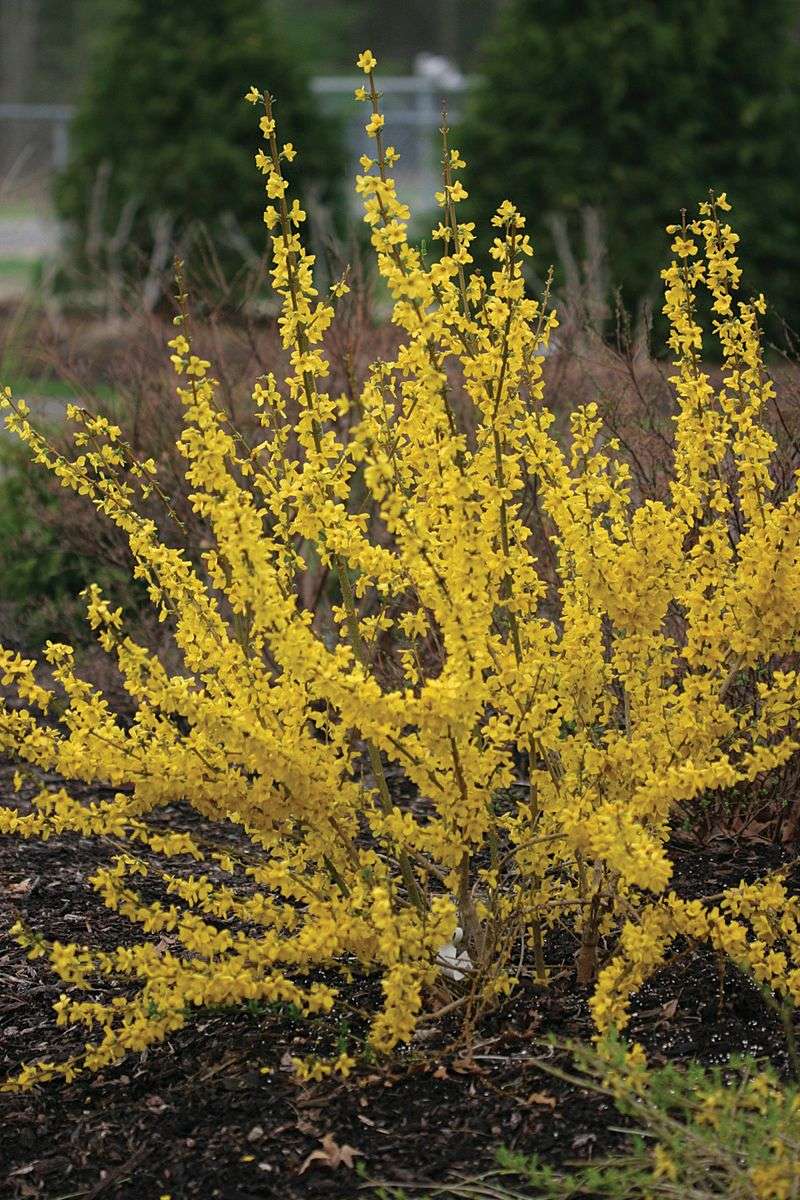
Few sights say “spring is here” quite like a forsythia bush exploding in bright yellow blooms. If you live in Pennsylvania and have one of these cheerful shrubs in your yard, you already know how much joy they bring after a long, cold winter.
But pruning forsythia in March is one of the biggest mistakes a gardener can make. Forsythia blooms on old wood. That means the flower buds are already sitting on last year’s branches, just waiting for warmer temperatures to open up.
When you prune in March, you are cutting off those buds before they ever get a chance to bloom. The result? A forsythia bush full of green leaves and zero flowers for the entire season.
Many Pennsylvania gardeners make this mistake because forsythia looks bare and scraggly in late winter, making it tempting to clean it up. But that bare look is completely normal.
The plant is simply dormant and getting ready to burst into color.
The right time to prune forsythia is right after it finishes blooming in late spring. Once those yellow flowers fade, grab your shears and shape the bush however you like.
Cutting it back at this point encourages strong new growth that will carry next year’s flower buds. You can remove up to one-third of the oldest branches to keep the plant healthy and full.
Patience is truly the key with forsythia. Wait just a few extra weeks, and your yard in Pennsylvania will thank you with a stunning yellow display every single spring.
2. Lilacs (Syringa Vulgaris)
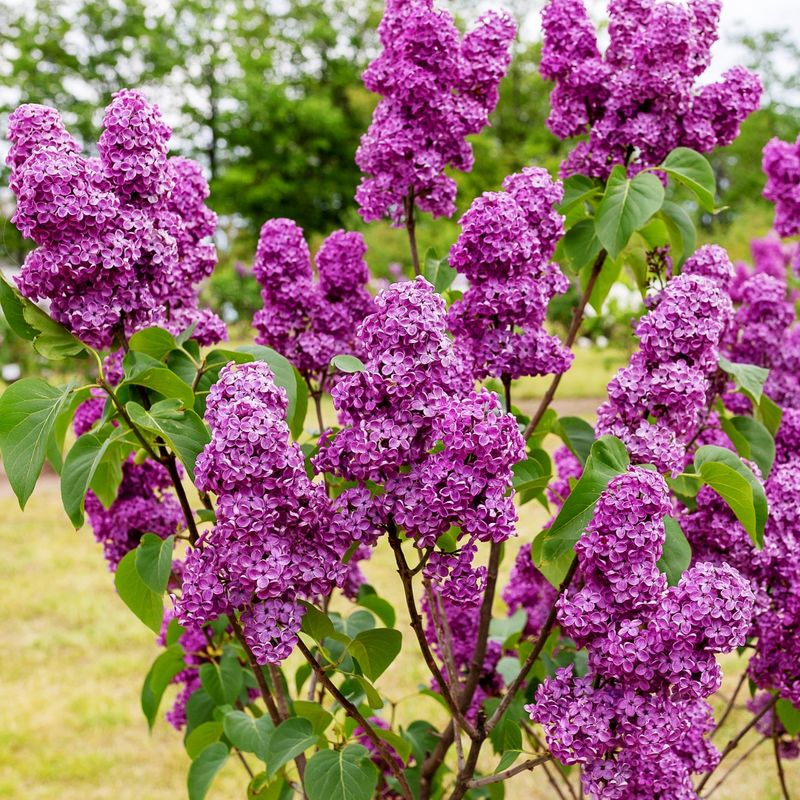
Walk past a lilac bush in full bloom and you will never forget that sweet, unmistakable fragrance. Lilacs are a beloved staple in Pennsylvania gardens, and they have been growing in yards across the state for generations.
Some lilac bushes have been thriving in the same spot for over 50 years, passed down through families like a living heirloom.
Lilacs bloom on old wood, just like forsythia. The flower buds form on branches that grew during the previous year, and by March, those buds are already set and ready to go.
Pruning in March means you are snipping off the very buds that would have given you those gorgeous purple, white, or pink flower clusters in late spring. Once those buds are gone, they will not come back until next year.
In Pennsylvania, March weather can be unpredictable. Some days feel almost warm, which makes gardeners want to get busy outside.
But resist the urge to trim your lilac bush during this month. The plant needs those old branches intact to deliver its seasonal show.
The best time to prune lilacs is immediately after they finish blooming, usually in late May or early June in Pennsylvania. At that point, you can remove spent flower clusters, thin out crowded branches, and shape the bush without losing next year’s blooms.
Removing older, thicker stems at the base encourages fresh growth. Keep in mind that lilacs need several years of growth before they bloom heavily, so every bud counts. Treat them kindly and they will reward you season after season.
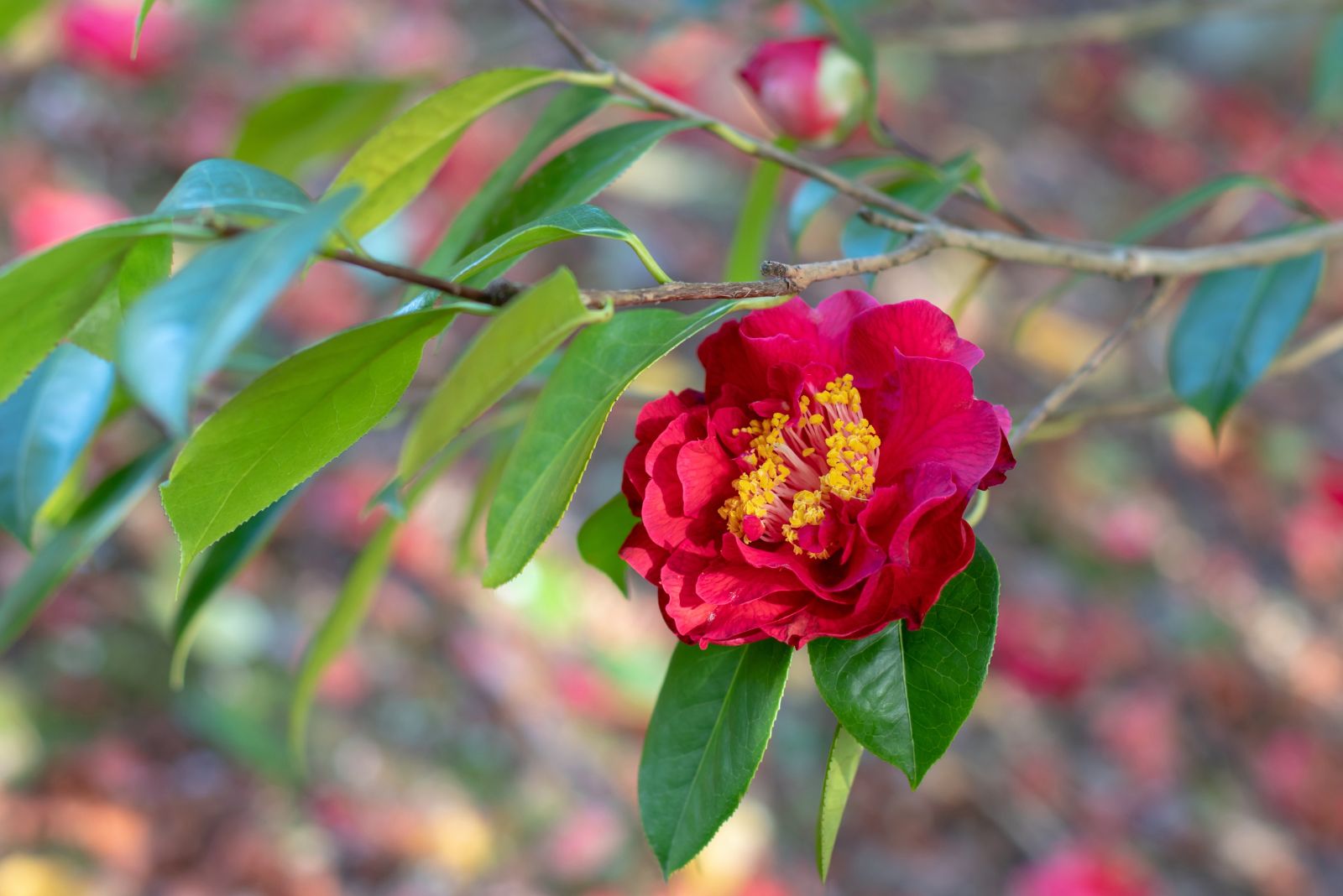
3. Common Camellia (Camellia Japonica)
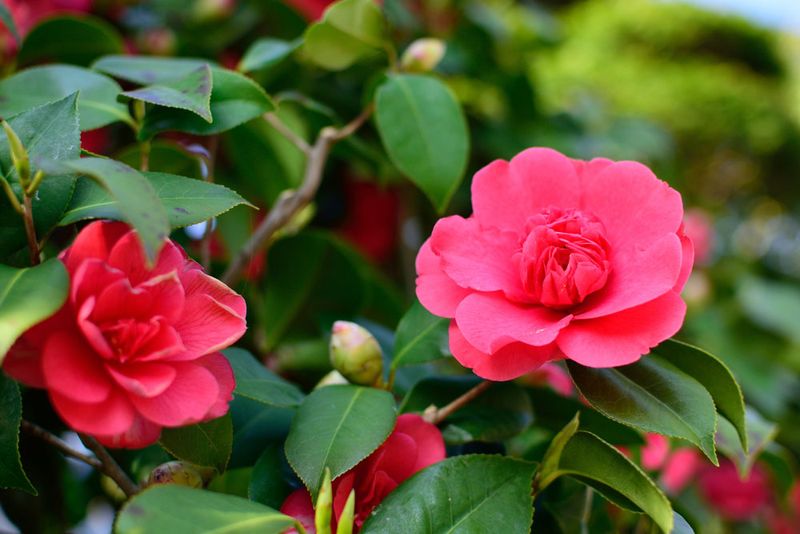
Camellias are a little unexpected in Pennsylvania gardens, but gardeners in the southeastern parts of the state have been growing them successfully for years.
With their lush, glossy leaves and stunning rose-like flowers, camellias add a touch of elegance that is hard to match. Getting them to bloom well, though, requires knowing exactly when not to prune them.
Common camellias bloom on old wood. Their flower buds develop on last year’s growth, and by March, those buds are already formed and preparing to open.
Cutting back a camellia in March is like throwing away a gift before you even open it. You lose the blooms for the whole season, and the plant has to start all over again building up new buds for the following year.
Camellias can be a bit finicky in Pennsylvania because of late frosts. March is still a risky month for cold snaps that can damage tender new growth.
Pruning at this time not only removes flower buds but also leaves fresh cuts exposed to freezing temperatures, which can stress the plant further.
Wait until right after the camellia finishes blooming in early spring before picking up your pruning shears. At that point, you can shape the plant, remove any crossing or damaged branches, and encourage a fuller, more compact form.
Light pruning works best for camellias. They do not respond well to heavy cutting, so work gradually over a few seasons if major reshaping is needed.
With the right timing, your camellia will stay healthy and bloom beautifully year after year in your Pennsylvania garden.
4. Flowering Dogwood (Cornus Florida)
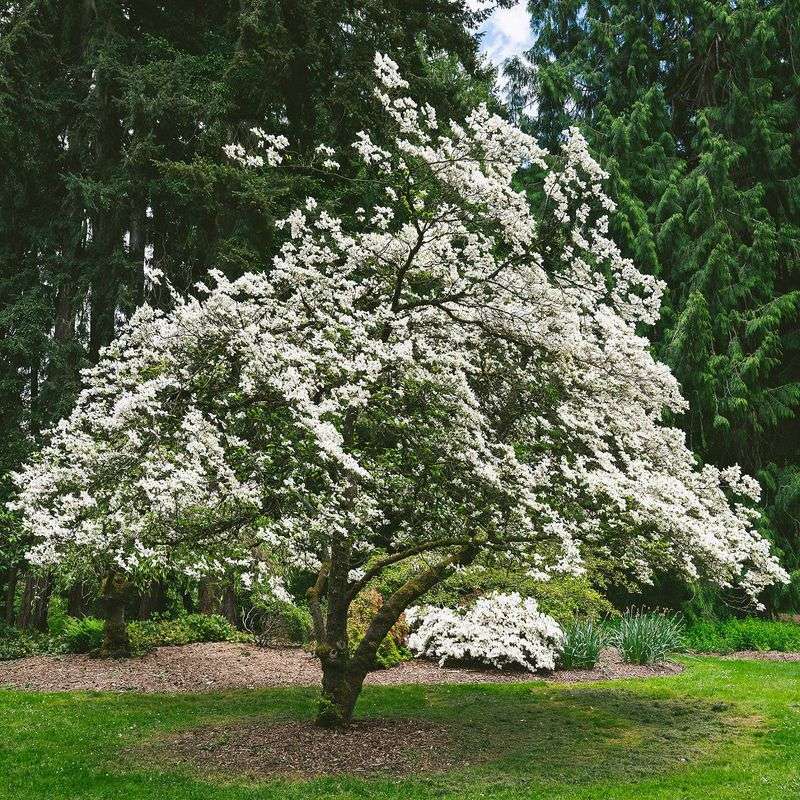
There is something almost magical about a flowering dogwood tree in full bloom. The white or pink bracts spread out like delicate wings against a blue spring sky, making it one of the most recognizable trees in Pennsylvania landscapes.
Dogwoods are native to the eastern United States, and they thrive in the woodland edges and garden beds found all across the state.
Flowering dogwoods set their flower buds on old wood, meaning those buds are already tucked into last year’s branches by the time March arrives.
Pruning too early in the season removes those buds, and you will spend the entire spring and summer looking at a dogwood tree with nothing but leaves. That is a real disappointment when you know how spectacular the blooms can be.
March is also not a great time to prune dogwoods because fresh pruning wounds can attract the dogwood borer, a pest that can seriously weaken the tree over time. Waiting until after bloom time reduces this risk significantly.
Pennsylvania gardeners should always be mindful of pests and timing when working with dogwoods.
The ideal time to prune a flowering dogwood is after it has finished blooming in late spring, usually around May in Pennsylvania. At that point, remove any dry, crossing, or damaged branches.
Keep the natural shape of the tree as much as possible, since dogwoods have a beautiful layered form that looks best when not over-pruned.
Light, careful pruning at the right time keeps your dogwood strong, healthy, and ready to put on a breathtaking show every single spring.
5. Wisteria (Wisteria Sinensis)
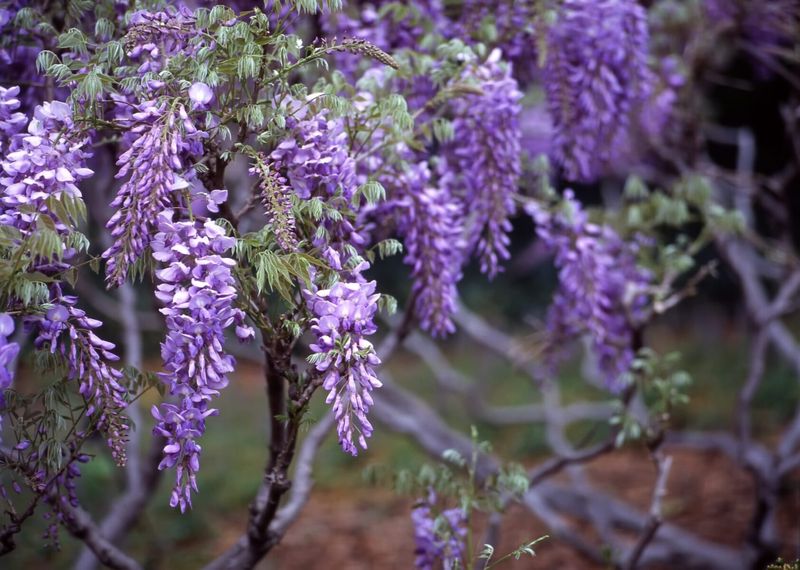
Wisteria is one of those plants that stops people in their tracks. Those long, draping clusters of purple flowers look like something out of a fairy tale, and once wisteria gets established in a Pennsylvania garden, it can put on a show that lasts for decades.
But it is also a plant that demands respect when it comes to pruning schedules. Wisteria flowers on old wood. The flower buds form on short spurs that grow from last year’s branches, and by March, those spurs are loaded with potential blooms.
Cutting the vine back in March removes those buds entirely, leaving you with a vigorous, leafy vine and no flowers at all for the season. Given how much energy wisteria puts into growing, that is a frustrating outcome.
Wisteria is already known for being aggressive. In Pennsylvania, it can grow several feet in a single season, wrapping around structures and nearby plants with surprising strength.
The temptation to cut it back hard in early spring is understandable, but doing so in March will cost you the blooms.
The right approach is to prune wisteria after it blooms in late spring or early summer. At that point, cut back the long, whippy shoots to five or six leaves to keep the plant tidy and encourage flowering spurs to develop.
A second light trim in late summer can also help keep growth in check without affecting next year’s buds.
With consistent, well-timed pruning, your wisteria will reward you with stunning floral cascades that make your Pennsylvania garden the talk of the neighborhood every spring.
6. Bigleaf Hydrangea (Hydrangea Macrophylla)
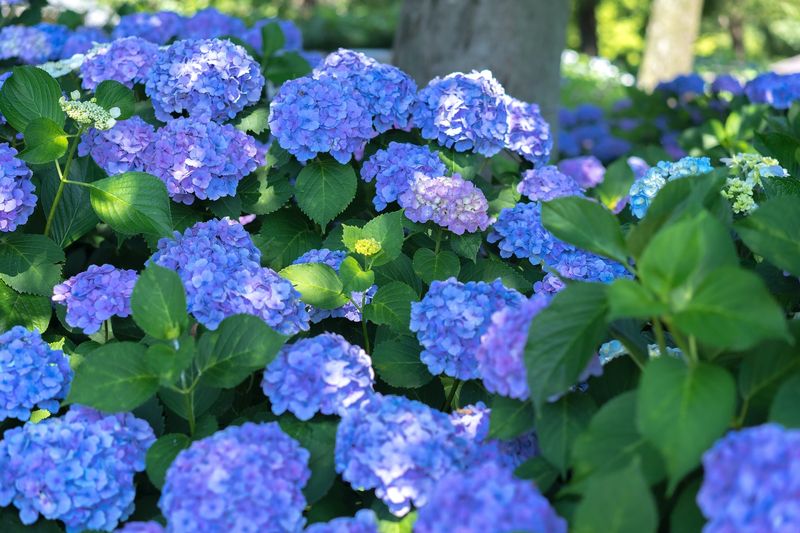
Bigleaf hydrangeas are the ones with those big, round mophead flowers in shades of blue, pink, and purple that show up on every gardening social media feed in summer. They are incredibly popular in Pennsylvania gardens, and for good reason.
But they are also one of the most commonly over-pruned plants in the state, especially in early spring.
Hydrangea macrophylla blooms on old wood. That means the flower buds for this coming summer are already sitting on the stems that survived the winter.
In Pennsylvania, those stems can look a bit rough after a cold winter, which makes gardeners want to cut them all the way back. Doing that in March leaves you with a healthy-looking shrub that produces zero blooms all season.
A good trick is to wait until you see small green buds beginning to swell on the stems, which usually happens in April or May in Pennsylvania.
Any stems that show no signs of life at that point can be removed. Stems that are budding should be left alone or only lightly shaped at the tips.
After the blooms fade in late summer, that is the ideal window for more thorough pruning. Remove spent flower heads, cut back dry or crossing branches, and lightly shape the overall plant.
Avoid cutting back into old wood any more than necessary. Bigleaf hydrangeas also benefit from a layer of mulch over the roots in winter to protect the base of the stems from harsh Pennsylvania cold.
Small steps like this go a long way toward keeping your blooms plentiful year after year.
7. Clematis ‘Montana’
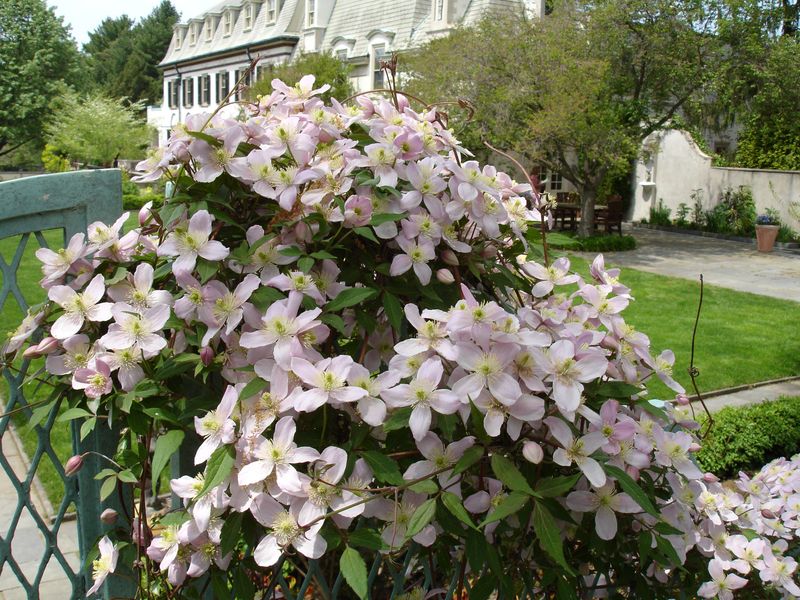
Clematis Montana is the kind of vine that makes fences and trellises look absolutely spectacular. Covered in small, star-shaped pink or white flowers in late spring, it is one of the most rewarding climbers you can grow in a Pennsylvania garden.
The key to getting that stunning floral display, though, is knowing exactly when to leave it alone.
Like the other plants on this list, Clematis Montana blooms on old wood. The flower buds form on stems from the previous growing season, and by March, those stems are full of promise.
Pruning in March strips away all of that potential, and you will spend the spring watching a bare vine leaf out without a single flower. That is especially disappointing considering how spectacular the blooms can be when the plant is left to do its thing.
Clematis Montana is actually one of the more vigorous clematis varieties, and it can grow quite large over time. In Pennsylvania, it climbs enthusiastically once established, covering fences, pergolas, and garden walls with ease.
Because it grows so vigorously, the temptation to cut it back hard in early spring is real, but March is absolutely the wrong time.
After the flowers fade in late spring, that is your window to prune. You can remove dry or weak stems, cut back overly long shoots, and lightly shape the vine to keep it manageable.
Avoid heavy pruning of Clematis Montana, since it can take a couple of seasons to recover and bloom again after a severe cut.
Light, thoughtful trimming right after flowering keeps this beautiful vine happy and blooming reliably in your Pennsylvania garden for many years to come.