6 Plants You Should Prune In Late Winter In Ohio (And 4 To Leave Alone)
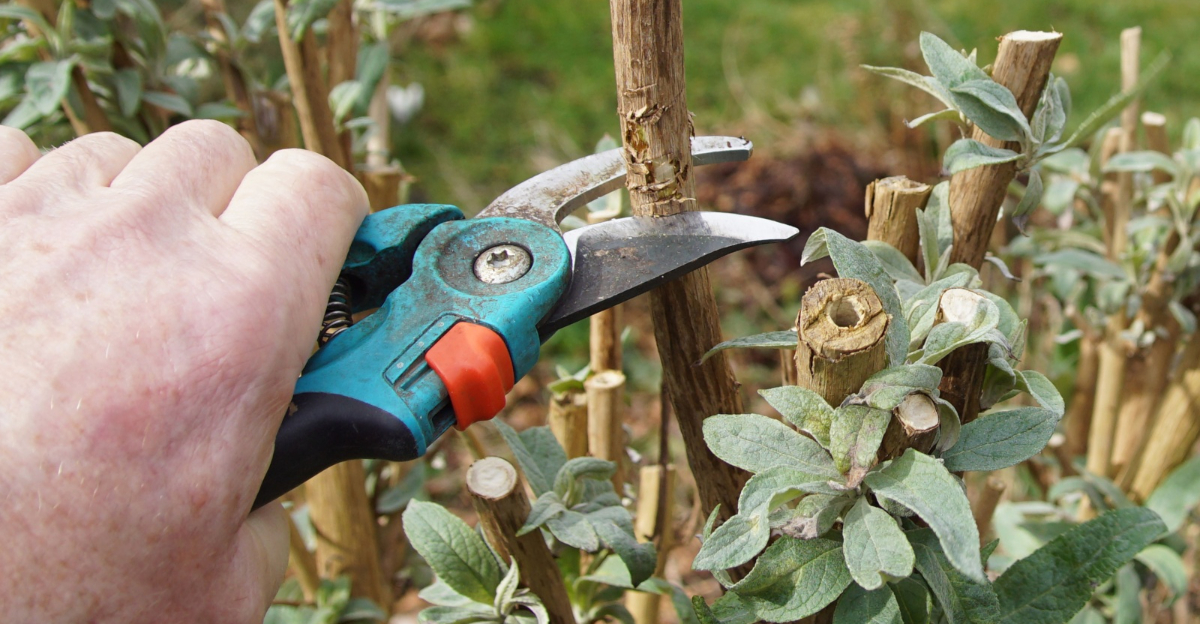
Late winter in Ohio has a certain mood. The snowbanks are shrinking, the driveway is a mess of salt and slush, and cabin fever starts nudging you toward the yard.
You grab the pruners, step outside, and eye every bare branch like it owes you something. It feels productive.
It feels like spring is close. This is the moment many gardeners make cuts they regret.
Some plants in Ohio actually benefit from a late winter trim while still dormant. Others are already holding tiny flower buds, just waiting for the first warm stretch.
One wrong snip now can mean a bloomless spring. Before you start clipping everything in sight, it helps to know which plants welcome a late winter reset and which ones need you to back away slowly.
A handful truly benefit from attention right now, while several others are far better left untouched until later in the season.
1. Hydrangeas That Bloom On New Wood Benefit From A Fresh Start
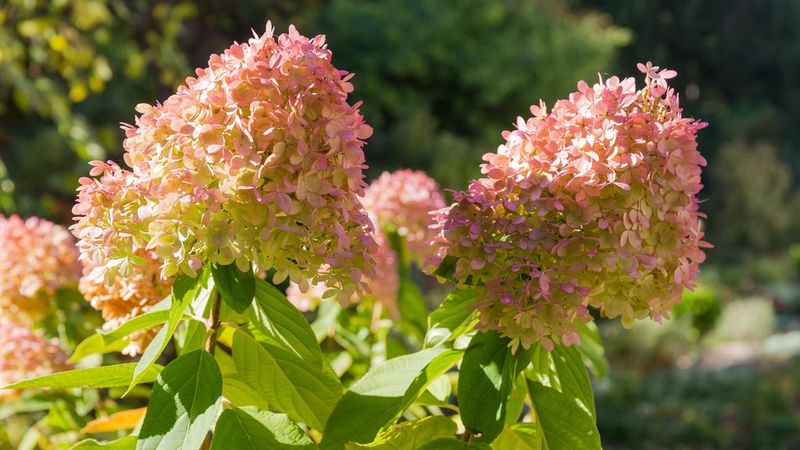
Smooth hydrangeas and panicle hydrangeas are forgiving favorites in Ohio gardens because they bloom on new wood, meaning the flowers form on stems that grow in the current season. Late winter pruning removes old, woody stems and encourages fresh shoots that will carry large, showy blooms by midsummer.
Unlike their mophead cousins, these varieties can be cut back hard without losing flower power.
In Ohio, late February through mid-March is ideal for trimming these hydrangeas, especially after the worst of the cold has passed. Cut stems back to about 12 to 18 inches above the ground, leaving a sturdy framework.
This promotes strong new growth and prevents the plant from becoming leggy or top-heavy.
Panicle hydrangeas, with their cone-shaped flower clusters, respond especially well to structural pruning. Remove any crossing branches or damaged wood to improve airflow and reduce the risk of fungal issues in Ohio’s humid summers.
Smooth hydrangeas, often called Annabelle types, can be pruned even more aggressively.
Pruning now also makes it easier to spot broken or diseased stems before spring growth hides them. Clean cuts heal quickly as temperatures warm, and the plant channels energy into producing strong, flower-bearing branches rather than maintaining old, unproductive wood.
2. Summer Blooming Spirea Responds Best To Early Season Cutting
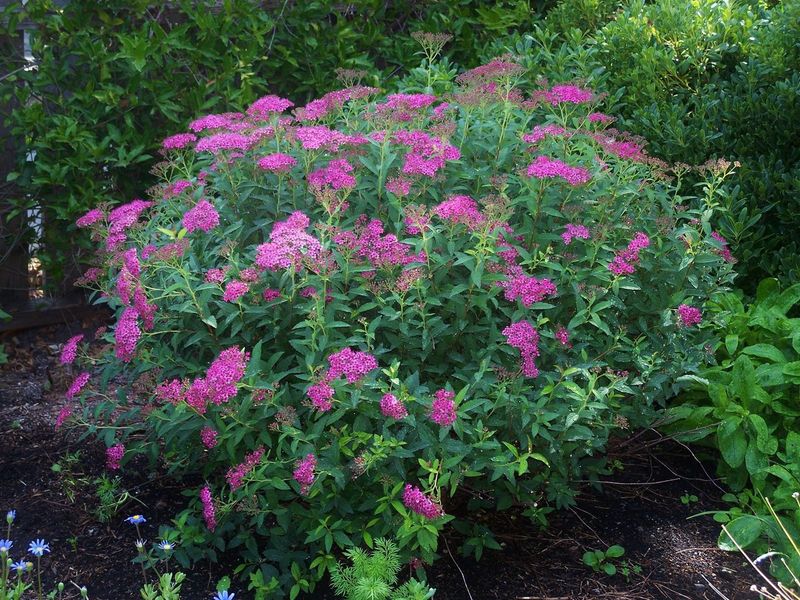
Summer blooming spirea varieties like Goldflame and Anthony Waterer produce their pink or red flower clusters on new growth, making late winter the perfect time to shape and refresh them. Pruning before the buds break encourages a flush of vigorous shoots that will bloom reliably from June through August.
Skipping this step often results in a tangled, overgrown shrub with fewer flowers.
Ohio gardeners should aim to prune spirea in late February or early March, depending on the severity of the winter. Cut back about one-third of the oldest stems to ground level to rejuvenate the plant and promote a tidy, rounded shape.
You can also trim back the remaining stems by a few inches to encourage branching.
This type of pruning prevents the plant from becoming woody and sparse at the base, a common problem with neglected spirea. Removing old wood improves air circulation and sunlight penetration, which helps prevent powdery mildew during Ohio’s warm, humid summers.
Avoid pruning spring blooming spirea varieties at this time, as they flower on old wood and should be trimmed right after blooming. Summer bloomers, however, thrive with an early season reset that sets them up for months of colorful, pollinator-friendly flowers.
3. Knock Out And Repeat Blooming Roses Need A Seasonal Reset
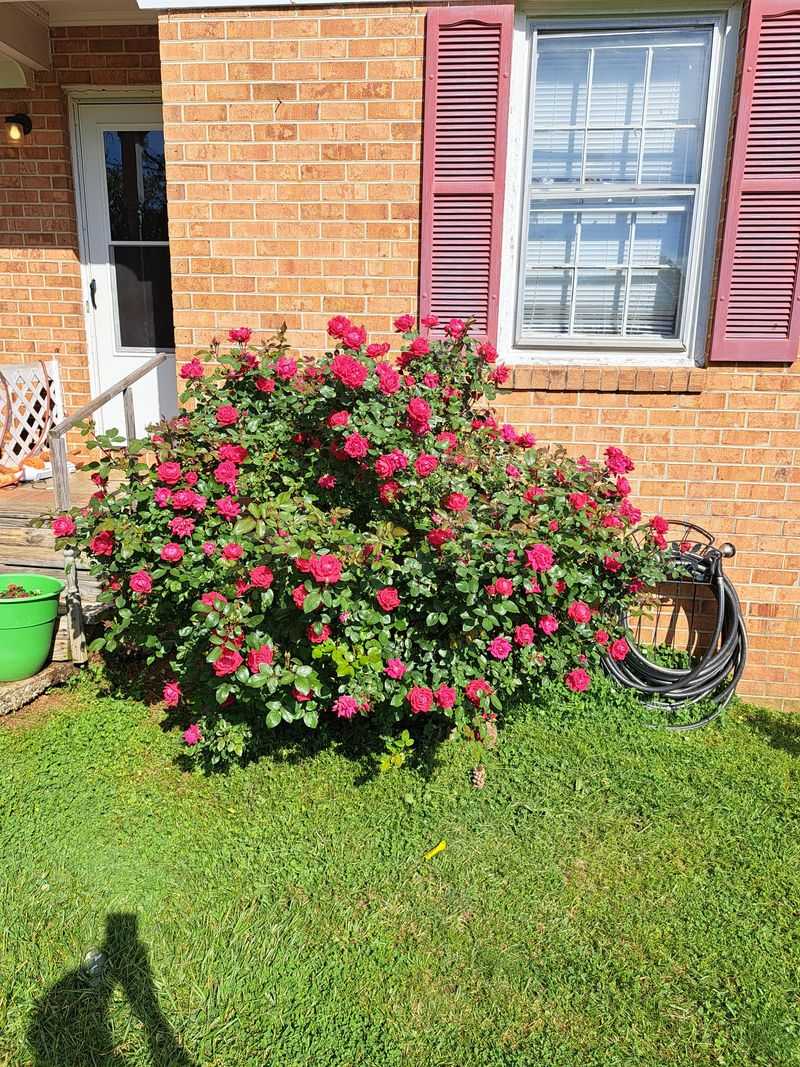
Repeat blooming roses, including the popular Knock Out series, benefit greatly from a late winter pruning session that removes winter damage and shapes the plant for a season of continuous blooms. Ohio winters can be tough on roses, leaving behind broken canes, blackened tips, and crossing branches that invite pests and disease.
Cutting back now clears away the damage and encourages strong new growth.
Plan to prune roses in late February through mid-March, just before the buds begin to swell. Cut canes back to about 12 to 18 inches above the ground, making clean cuts just above an outward-facing bud.
This promotes an open, vase-shaped structure that improves airflow and reduces the risk of black spot and powdery mildew.
Remove any withere, damaged, or spindly canes entirely, along with any growth that crosses through the center of the plant. Knock Out roses are particularly forgiving and will bounce back quickly from aggressive pruning, often producing their first flush of blooms by late May.
Late winter pruning also makes it easier to apply dormant oil or fungicide if needed, as the plant is still bare and easy to access. A seasonal reset keeps roses healthy, compact, and blooming reliably from spring through fall.
4. Crape Myrtle Should Be Pruned Before Growth Starts
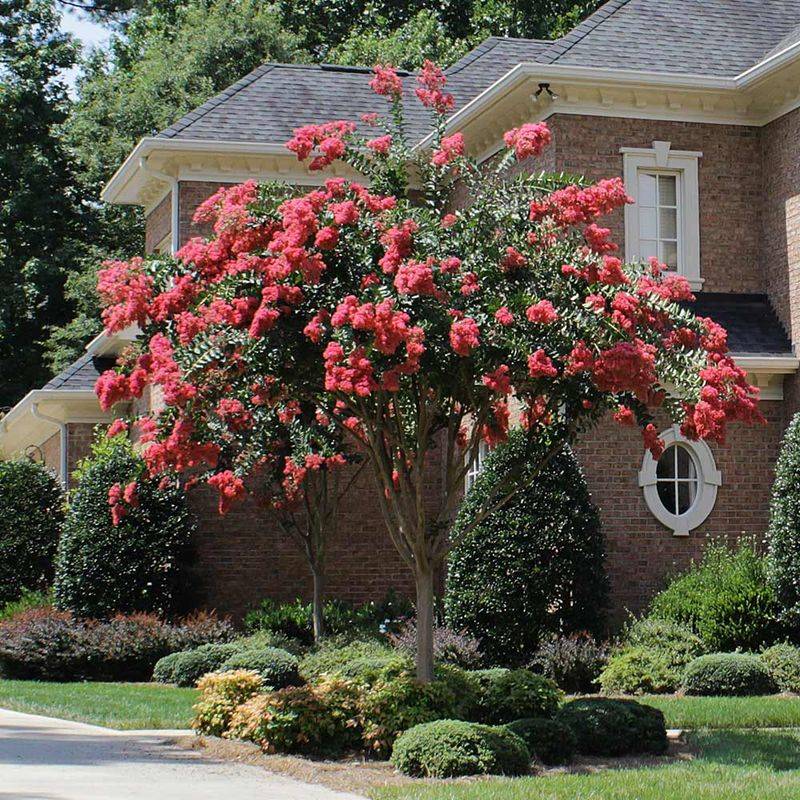
In southern Ohio and protected Zone 6 locations, cold-hardy crape myrtle varieties can perform well and benefit from late winter pruning. Because these shrubs bloom on new wood, shaping them before spring growth begins encourages strong stems and better flowering by midsummer.
Prune crape myrtles in late February or early March, before buds begin to swell. Focus on removing small, twiggy growth and any branches that cross or crowd the center of the plant.
Avoid the common mistake of topping or heavily cutting back the main trunks, a practice sometimes called crape murder that ruins the tree’s natural form.
Instead, selectively thin out branches to improve structure and airflow. Remove any suckers growing from the base and trim back the tips of last year’s growth by a few inches to encourage branching and more flower clusters.
Crape myrtles bloom on new wood, so pruning now will not reduce flowering. In fact, it often increases bloom production by directing energy into fewer, stronger shoots.
Late winter is also a good time to assess winter damage and remove any stems that did not survive Ohio’s cold snaps.
5. Ornamental Grasses Grow Better After A Late Winter Cutback
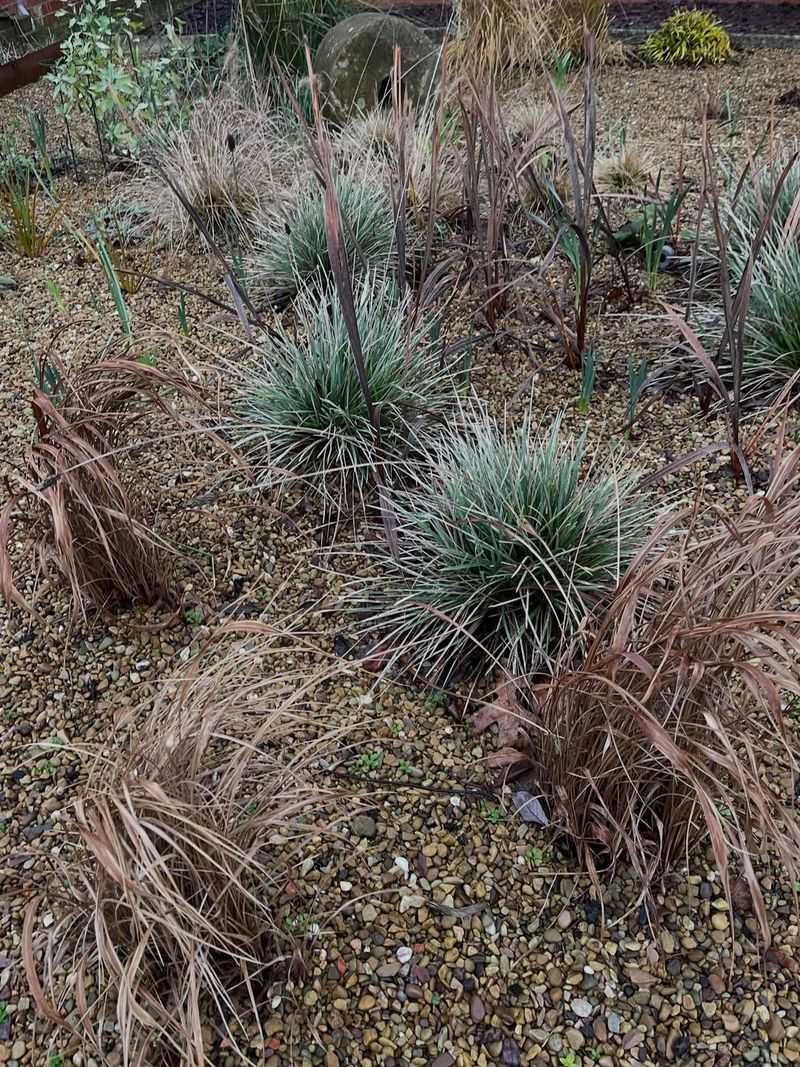
Ornamental grasses like miscanthus, switchgrass, and fountain grass provide winter interest with their dried plumes and rustling foliage, but they need to be cut back before new growth emerges in spring. Late winter is the ideal time to trim grasses down to just a few inches above the crown, removing old foliage that would otherwise smother tender new blades.
In Ohio, late February through early March is the best window for cutting back ornamental grasses, especially before you see green shoots poking through the base. Use sharp hedge shears or electric trimmers to cut the entire clump down to about 4 to 6 inches above ground level.
Gather the dried foliage and remove it to prevent fungal issues.
Cutting back too early exposes the crown to freeze-thaw cycles that can cause damage, while waiting too long risks cutting into new growth. Timing this task correctly ensures the grass emerges cleanly and grows vigorously through the season.
Ornamental grasses are low-maintenance plants, but this annual cutback is essential for keeping them healthy and attractive. It also makes it easier to divide overgrown clumps if needed.
After pruning, apply a light layer of compost around the base to nourish the roots as they wake up for the growing season.
6. Butterfly Bush Blooms Stronger With A Hard Cut
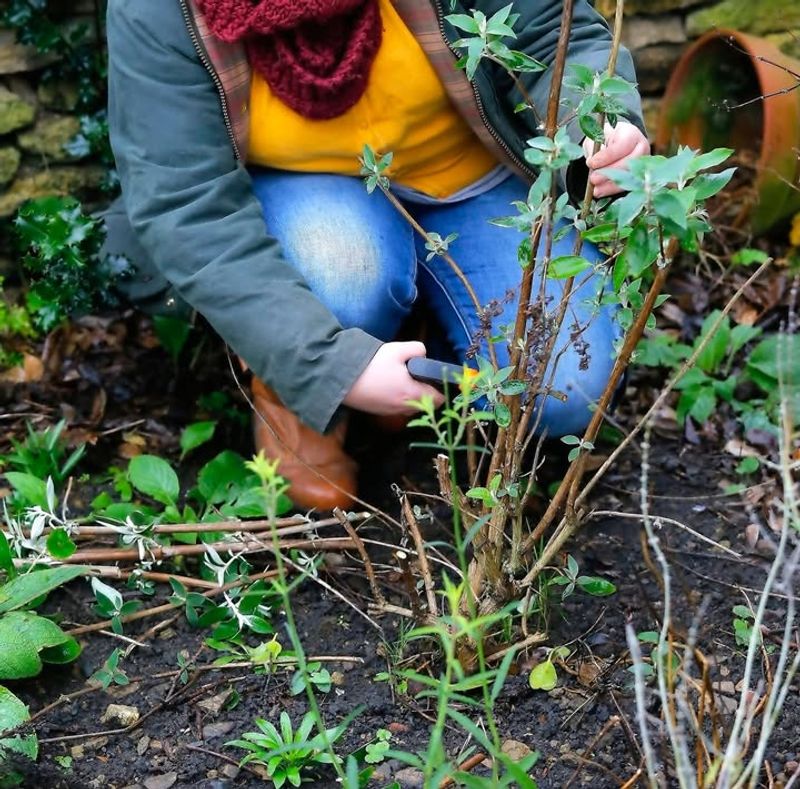
Butterfly bush is a magnet for pollinators and produces waves of fragrant blooms from summer through fall, but it needs aggressive pruning to perform at its best. This fast-growing shrub blooms on new wood, so cutting it back hard in late winter encourages a flush of strong, flower-laden stems that will attract butterflies and hummingbirds all season long.
Ohio gardeners should prune butterfly bush in late February or early March, before new growth begins. Cut all stems back to about 12 inches above the ground, leaving a low framework of sturdy branches.
This may seem drastic, but butterfly bush responds quickly, often growing several feet by midsummer and producing abundant blooms.
Without regular pruning, butterfly bush becomes woody, leggy, and sparse at the base, with fewer flowers and a less attractive form. Hard pruning rejuvenates the plant and keeps it compact and manageable, especially important in smaller gardens.
Remove any stems that look damaged or weak, and clear away old foliage and debris from around the base to reduce the risk of overwintering pests. Butterfly bush is remarkably resilient and will bounce back quickly once temperatures warm, rewarding your efforts with months of colorful, pollinator-friendly blooms.
7. Spring Blooming Hydrangeas Set Buds Too Early
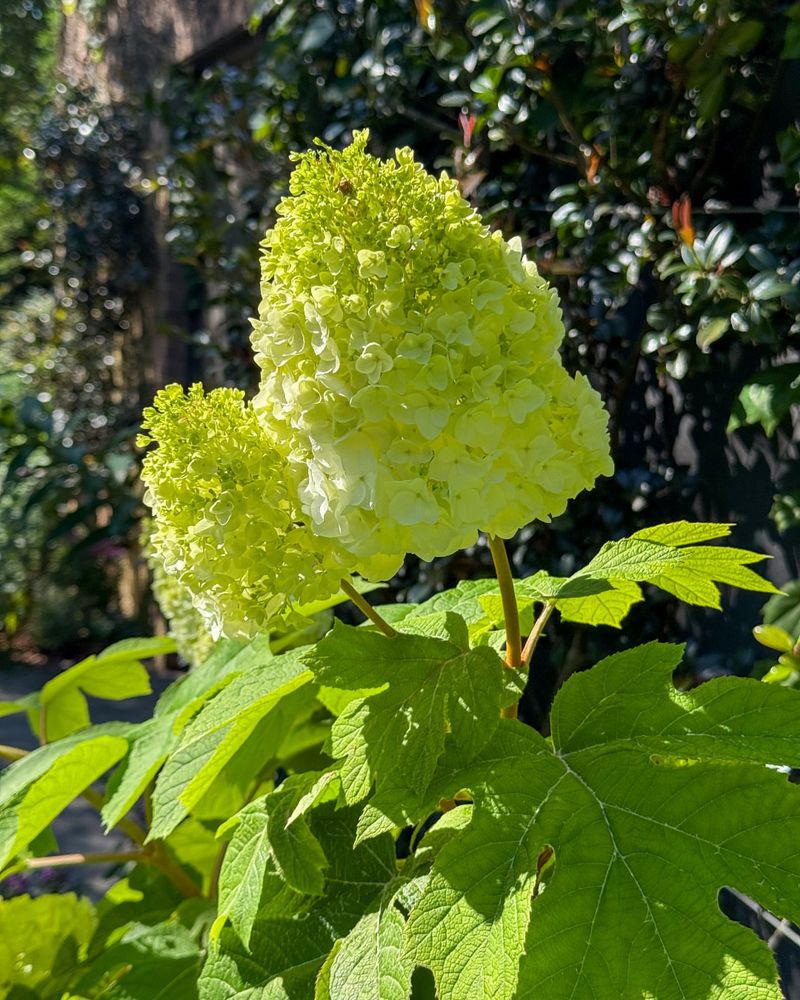
Bigleaf hydrangeas and oakleaf hydrangeas are stunning in spring and early summer, but they bloom on old wood, meaning their flower buds form in late summer and fall of the previous year. Pruning these varieties in late winter removes those precious buds and results in little to no blooms when warm weather arrives.
Ohio gardeners often make this mistake, expecting all hydrangeas to respond the same way to pruning.
If you prune a bigleaf hydrangea in February or March, you are cutting off the stems that would have produced big, colorful mophead or lacecap flowers in June. Instead, leave these plants alone until after they finish blooming, then trim back only the spent flower heads and any withered or damaged wood.
Oakleaf hydrangeas follow the same rule. Their cone-shaped white blooms appear on stems that grew the previous season, and late winter pruning sacrifices that display.
These hydrangeas are also valued for their fall foliage and peeling bark, so maintaining their natural shape is important.
If your hydrangea has suffered winter damage, wait until mid-spring to assess which stems are truly gone. Even stems that look brown may sprout new growth from lower buds, preserving some of the bloom potential for the season.
8. Lilacs Already Formed Their Flower Buds
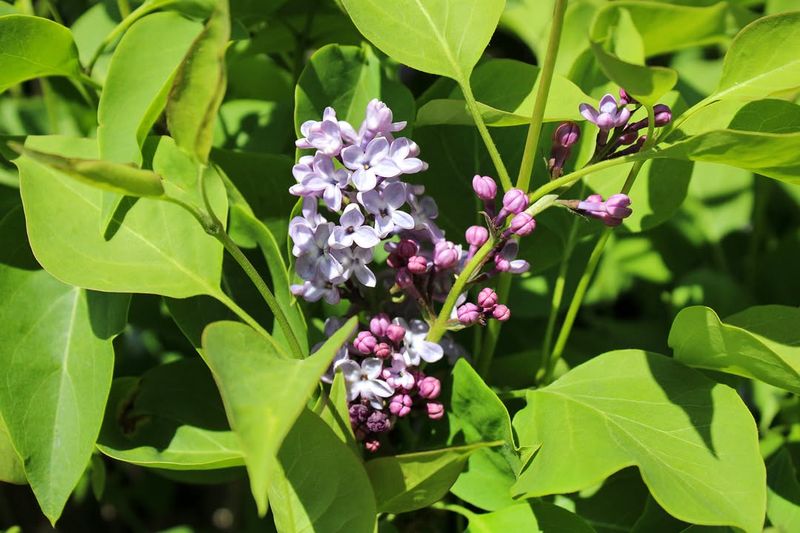
Lilacs are one of the most beloved spring bloomers in Ohio, filling the air with fragrance and producing clusters of purple, white, or pink flowers in May. But their blooming schedule depends entirely on buds that form in late summer and sit dormant through winter.
Pruning lilacs in late winter removes those buds and leaves you with a green shrub and no flowers come spring.
Many gardeners assume that because lilacs look overgrown or messy in late winter, it is a good time to trim them back. But doing so sacrifices the entire spring display.
Instead, wait until immediately after the flowers fade, usually by early June, to shape or rejuvenate the plant.
Lilacs bloom on old wood, and the best time to prune is within a few weeks of flowering. This gives the plant the rest of the growing season to produce new stems that will form buds for the following year.
Late winter pruning disrupts this cycle and results in disappointment.
If your lilac has overgrown its space or become too dense, plan a post-bloom pruning session to thin out the oldest stems and improve airflow. Removing spent flowers after blooming also prevents seed formation and redirects energy into stronger growth and better blooms next season.
9. Forsythia Should Only Be Trimmed After Flowering
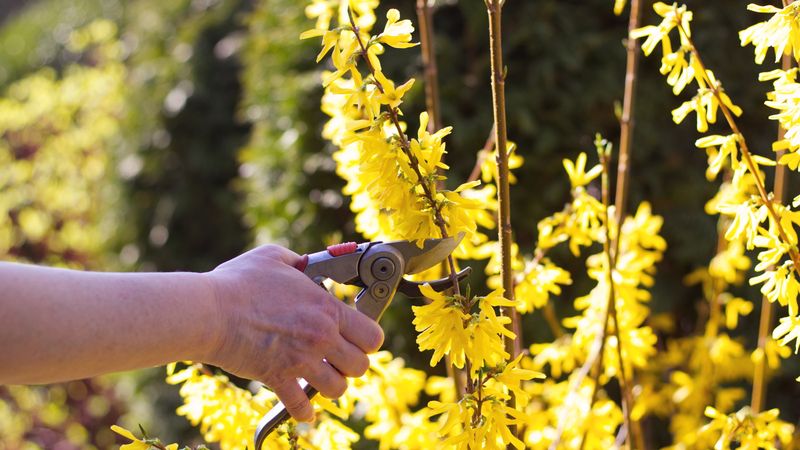
Forsythia is one of the earliest signs of spring in Ohio, lighting up the landscape with bright yellow blooms in March or April. Those cheerful flowers appear on stems that grew the previous year, and the buds that will produce them are already in place by late winter.
Pruning forsythia now means cutting off the very branches that would have bloomed, leaving you with a bare shrub when you should be enjoying color.
Forsythia blooms on old wood, so the only time to prune is immediately after the flowers fade, usually by late April or early May. This allows the plant to produce new growth through the summer that will bloom the following spring.
Late winter pruning disrupts this cycle and results in little to no flowering.
If your forsythia has become overgrown, resist the urge to cut it back in February. Wait until after it blooms, then remove up to one-third of the oldest stems to rejuvenate the plant and improve its shape.
Forsythia responds well to post-bloom pruning and will quickly fill in with fresh, vigorous growth.
Late winter is a time to leave forsythia alone and anticipate the burst of yellow that signals the end of Ohio’s long winter. Patience now ensures a spectacular spring display.
10. Azaleas And Rhododendrons Bloom On Old Wood
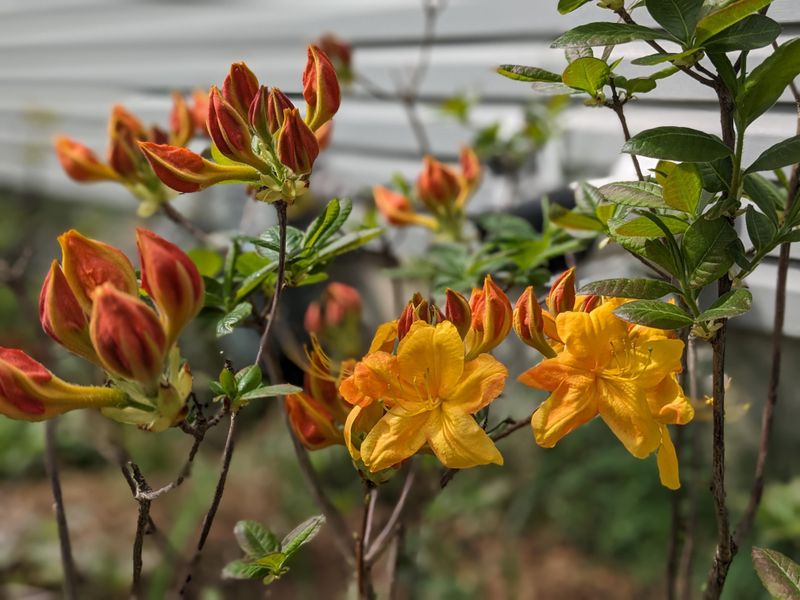
Azaleas and rhododendrons are prized for their spectacular spring blooms, which appear on buds that form in late summer and fall of the previous year. Pruning these shrubs in late winter removes those buds and eliminates the flowers you have been waiting months to see.
Ohio gardeners should leave these plants alone until after they finish blooming, then trim only as needed to shape or remove damaged wood.
Both azaleas and rhododendrons bloom on old wood, meaning the stems that will flower this spring are already set. Cutting them back in February or March sacrifices the entire bloom cycle.
Instead, wait until late May or June, after the flowers fade, to prune.
If winter damage is a concern, wait until mid-spring to assess the plant. Stems that look brown may still produce healthy growth from lower buds, preserving some of the flowering potential.
Removing them too early is a mistake that costs you blooms.
Post-bloom pruning allows you to shape the plant and remove spent flowers, which prevents seed formation and encourages stronger growth. Azaleas and rhododendrons are slow growers, so heavy pruning is rarely necessary.
A light touch after flowering is usually all they need to maintain their natural, graceful form and prepare for another season of stunning blooms.