7 Plants You Should Prune This February In Arizona And 3 To Hold Back
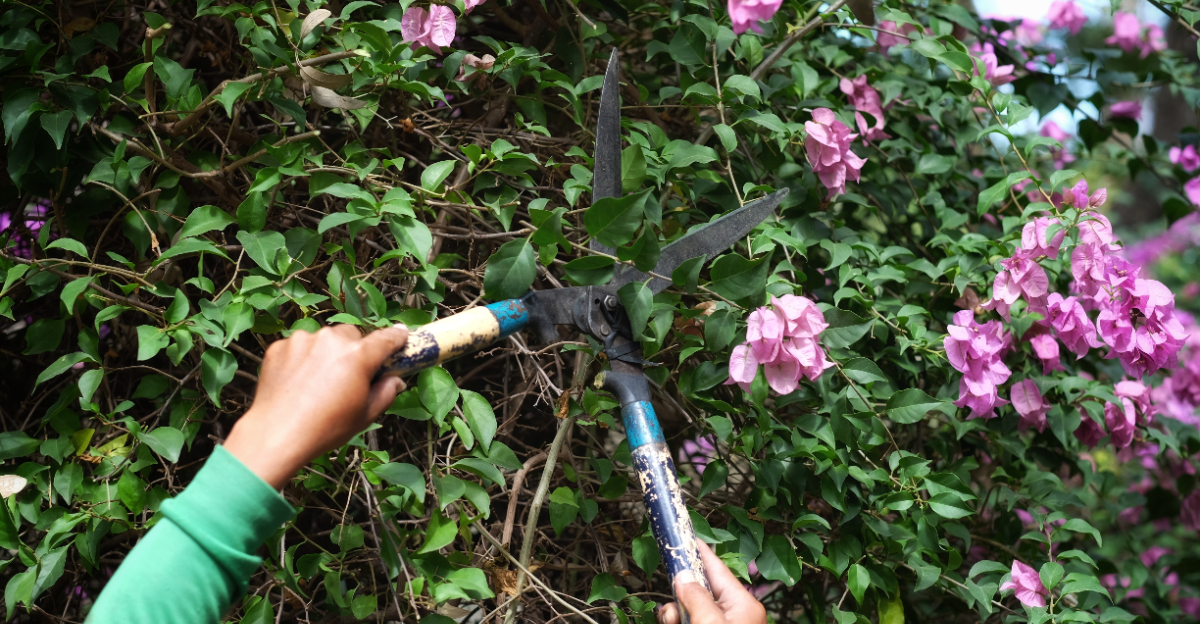
February is the calm before Arizona gardens wake up, and this is where smart gardeners get ahead. What you do right now shows up later in stronger growth, cleaner shape, and better blooms.
This is one of the few moments where small cuts make a big difference.
In Arizona, winter pruning isn’t about rushing or cutting everything back. Some plants respond well to attention now, while others are better left alone.
Knowing which is which saves you from weak growth and disappointing results once spring heat arrives.
A few well-timed snips can improve airflow, guide new growth, and set plants up for a healthier season. Arizona’s mild winter gives you a rare window to prune without pushing plants too hard, making February one of the most useful months in the garden.
1. Dormant Growth Makes Roses Ready For Seasonal Pruning
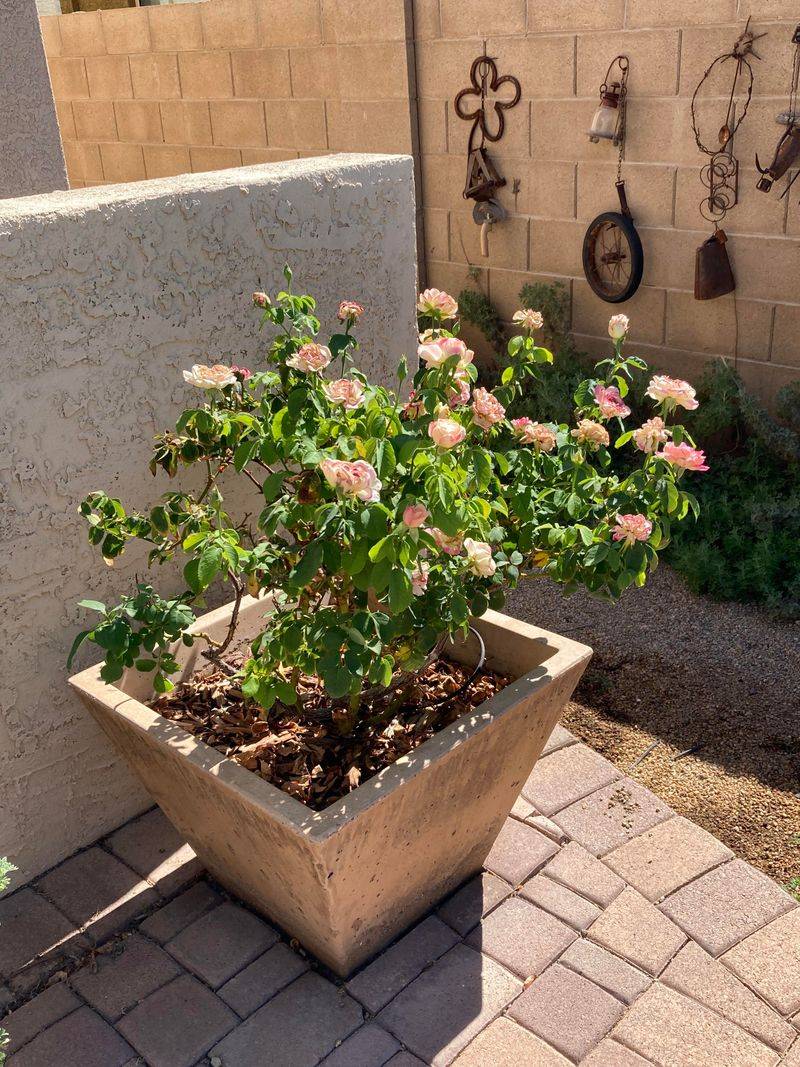
Arizona rose bushes enter a semi-dormant state during winter months, making February the perfect window for major pruning work. Growth slows considerably when temperatures drop, allowing gardeners to reshape plants without causing excessive stress.
Removing old canes and crossing branches now encourages vigorous new growth once spring warmth returns.
Most rose varieties in Arizona benefit from cutting back about one-third of their height this month. Clean cuts made at 45-degree angles just above outward-facing buds direct new growth away from the plant’s center, improving air circulation throughout the growing season.
Hybrid teas, floribundas, and grandifloras all respond well to February pruning across Arizona’s lower desert regions. Climbing roses need lighter trimming, focusing mainly on removing spent lateral branches while preserving the main canes.
Always use sharp, clean pruning shears to prevent spreading diseases between cuts.
Timing matters significantly with roses in Arizona’s climate. Pruning too early risks exposing new growth to late frosts, while waiting too long means cutting into active growth that wastes the plant’s energy reserves.
Mid to late February typically offers the sweet spot for most Arizona gardeners.
2. Late Winter Timing Works Best For Bougainvillea Clean-Up
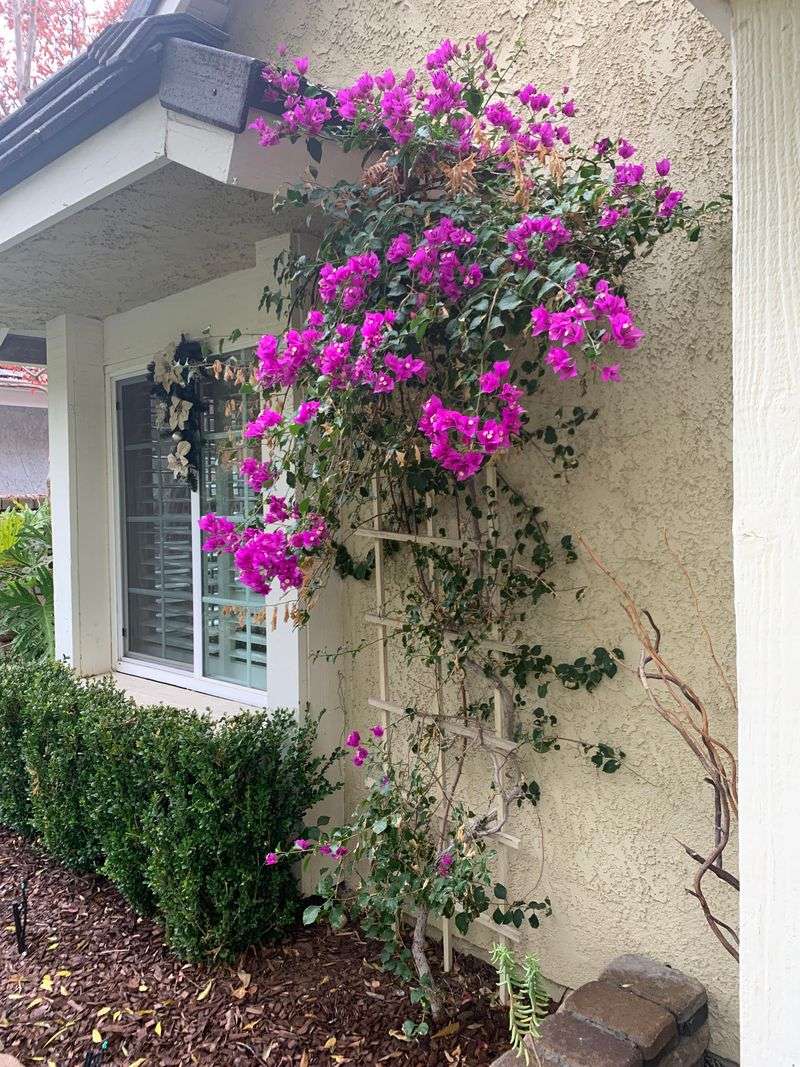
Bougainvillea vines grow with incredible enthusiasm throughout Arizona’s warm seasons, often becoming unruly masses of thorny branches and brilliant color. February provides an excellent opportunity to reclaim control before spring growth explodes.
These Mediterranean natives tolerate aggressive pruning remarkably well when tackled during their slower growth period.
Heavy pruning now won’t compromise spring flowering because bougainvillea blooms on new wood. Cutting back overgrown sections by half or even two-thirds encourages bushier, more compact growth patterns.
Remove any frost-damaged tips from January cold snaps, as these brown sections won’t recover and only detract from the plant’s appearance.
Arizona gardeners can shape bougainvillea into trees, shrubs, or controlled vines through strategic February pruning. Wear thick gloves and long sleeves because those thorns are seriously sharp and plentiful.
Make cuts just above leaf nodes to promote branching at desired locations.
Container-grown bougainvillea especially benefits from late winter pruning to maintain manageable sizes. Plants grown in pots throughout Phoenix, Tucson, and other Arizona cities often need more frequent trimming than their in-ground counterparts.
Root pruning can also happen now if plants have become severely pot-bound.
3. Structural Shaping Is Safest Now On Vitex Trees
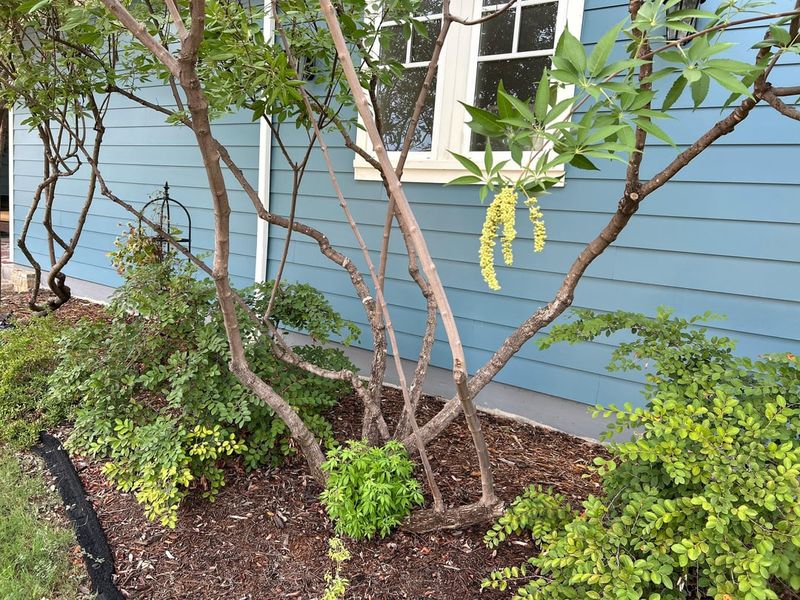
Vitex trees bring gorgeous purple blooms to Arizona landscapes each summer, but they need proper shaping to develop strong structures. February pruning allows gardeners to address structural issues before sap flow increases and new growth begins.
These deciduous trees lose their leaves in winter across most of Arizona, making it easy to see the branch framework clearly.
Young vitex trees benefit tremendously from training cuts made during their first several years. Select three to five main scaffold branches spaced evenly around the trunk, removing competing leaders and crossing branches.
Established trees need lighter maintenance pruning, focusing on removing suckers and any branches growing toward the tree’s center.
Vitex responds to pruning by producing vigorous new growth, so avoid removing more than one-quarter of the canopy in a single season. These trees bloom on current season’s growth, meaning February cuts won’t reduce summer flowering.
Many Arizona gardeners prefer keeping vitex as large multi-stemmed shrubs rather than single-trunk trees.
Watch for winter damage on branch tips, particularly after unusually cold nights in Flagstaff or Prescott. Brown, dried branch ends should be cut back to healthy wood.
Proper February pruning sets vitex up for robust growth and spectacular blooming throughout Arizona’s hot summer months.
4. Cool-Season Pruning Helps Lantana Reset Before Spring
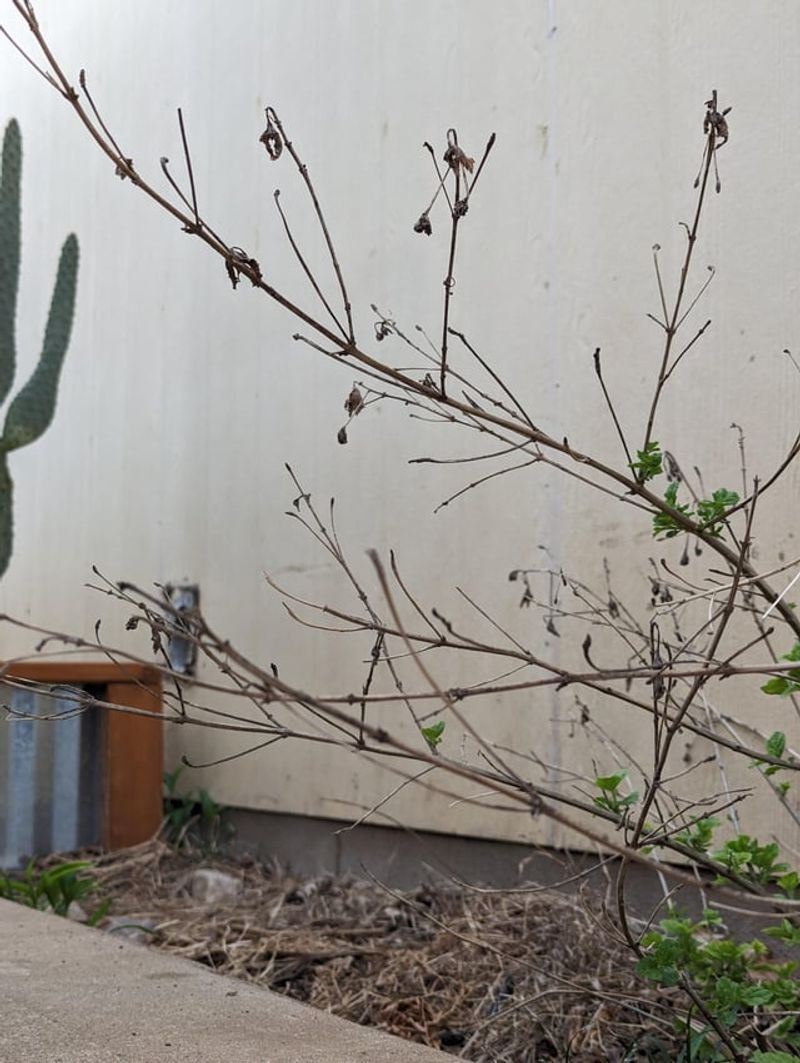
Lantana handles Arizona’s intense summer heat like a champion, blooming continuously through conditions that wilt many other plants. February pruning helps these tough perennials reset after winter, removing frost-damaged growth and encouraging fresh, vigorous stems.
Cold-damaged lantana looks pretty rough by late winter, with brown foliage and crispy branch tips throughout the plant.
Cutting lantana back hard in February promotes compact, bushy growth for the upcoming season. Many Arizona gardeners reduce plants to 6-12 inches above ground level, eliminating all the winter-damaged material in one session.
Don’t worry about cutting too much because lantana regrows incredibly quickly once temperatures warm.
Trailing lantana varieties used as groundcovers benefit from the same aggressive approach. Shear back sprawling stems to encourage denser growth and better coverage.
These plants can look lifeless after cold January nights in Phoenix or Tucson, but they bounce back vigorously from roots protected by soil.
Late February timing works particularly well across Arizona’s lower elevations where last frost dates typically fall in early to mid-March. Pruning too early risks exposing tender new growth to damaging cold, while waiting too long means cutting into active growth.
Fresh mulch applied after pruning helps conserve soil moisture and moderate root zone temperatures.
5. Old Growth Removal Encourages Healthier Oleander Branching
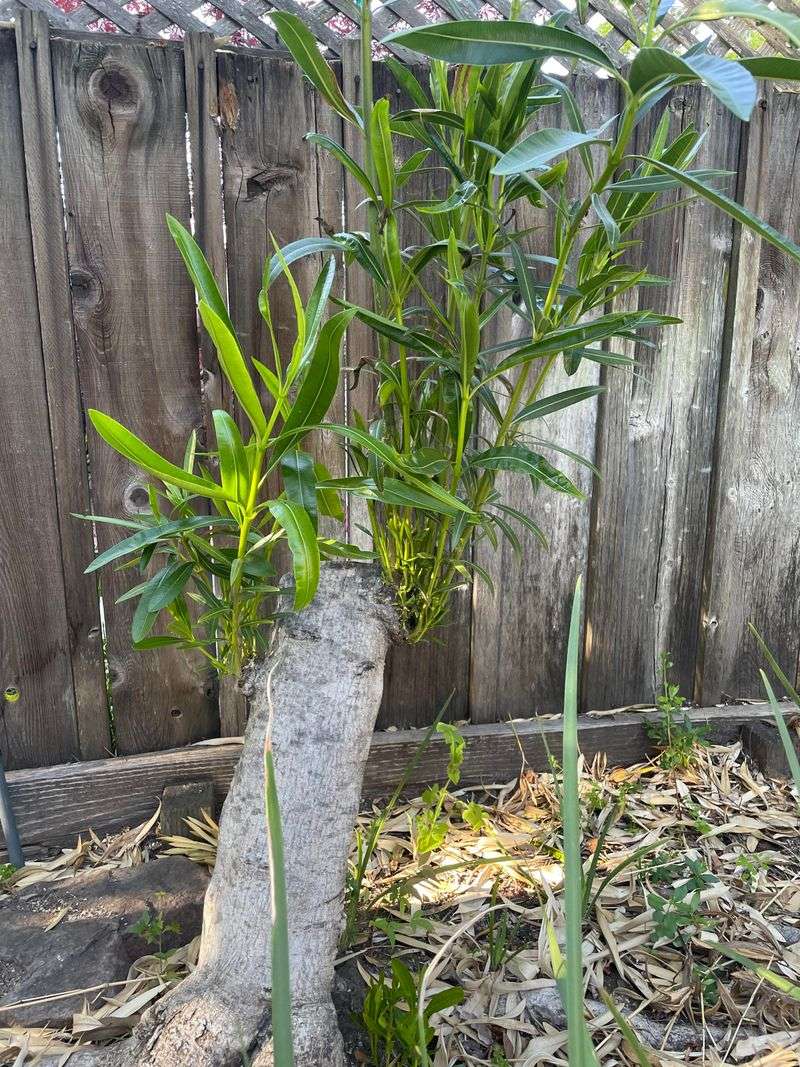
Oleanders form the backbone of many Arizona landscapes, providing year-round screening and colorful warm-season blooms. These Mediterranean shrubs tolerate pruning during most months, but February offers advantages for major renovation work.
Cooler temperatures reduce plant stress while allowing gardeners to work comfortably without extreme heat.
Mature oleanders often develop thick, woody trunks with sparse foliage concentrated at branch tips. Rejuvenation pruning in February addresses this leggy growth pattern by removing one-third of the oldest stems at ground level.
This technique encourages fresh shoots from the base, gradually renewing the entire plant over three years.
Arizona gardeners maintaining oleander hedges can shape plants now without sacrificing summer blooms. Light to moderate trimming of hedge tops and sides maintains neat appearances while preserving most flower buds.
Avoid shearing into perfectly rectangular shapes because this removes too many flowering shoots and creates unnatural appearances.
Always wear gloves when pruning oleanders because all plant parts contain toxic sap that irritates skin and mucous membranes. Never burn oleander trimmings, as smoke carries toxins.
Many Arizona municipalities require bagging oleander waste separately from other yard debris. Proper February pruning keeps these workhorses looking fresh throughout Phoenix, Mesa, Scottsdale, and surrounding communities.
6. Controlled Cuts Improve Airflow On Texas Sage
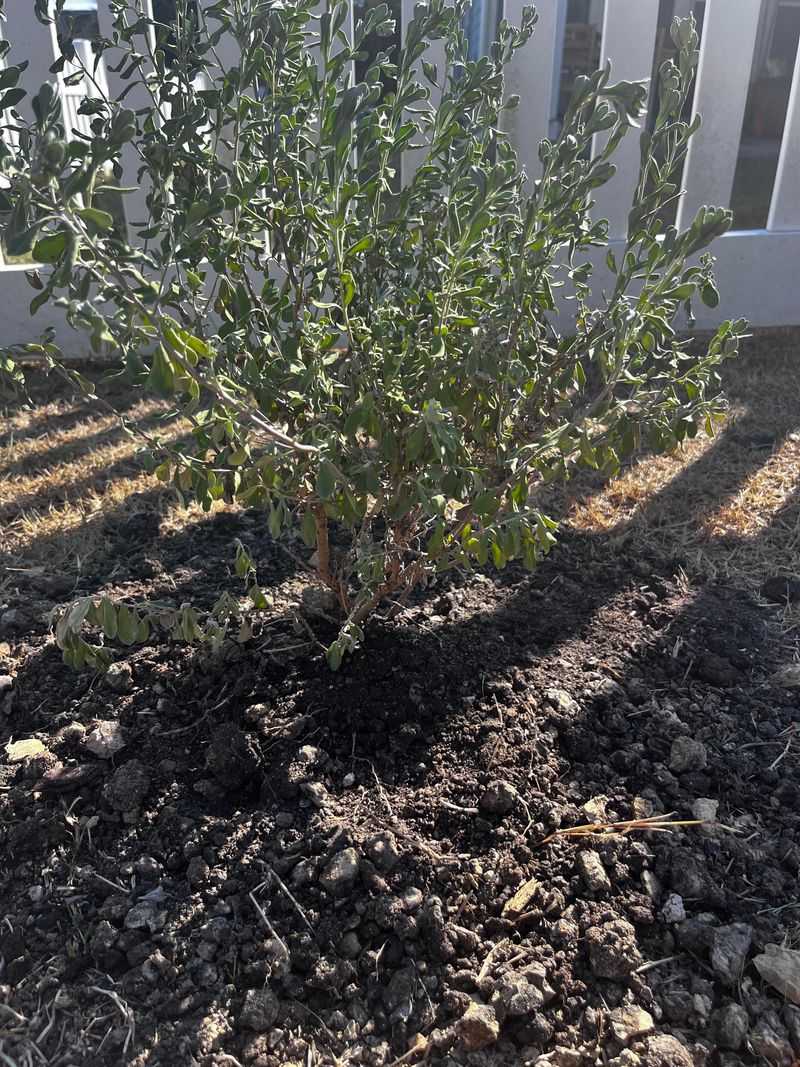
Texas sage brings silvery foliage and spectacular post-monsoon blooms to Arizona xeriscapes. These drought-tough natives rarely need extensive pruning, but strategic February trimming improves plant health and appearance.
Winter months provide the best window for shaping because plants aren’t actively flowering or dealing with extreme heat stress.
Focus February pruning efforts on opening up dense Texas sage canopies to improve air circulation. Remove crossing branches and any stems growing toward the plant’s interior.
Better airflow reduces moisture retention within the foliage, lowering disease pressure during Arizona’s humid monsoon season months later.
Avoid shearing Texas sage into tight balls or boxes because this practice removes most flowering wood and creates unnatural shapes. Instead, use hand pruners to selectively remove individual branches, maintaining the plant’s naturally rounded form.
Step back frequently while working to assess overall shape and balance.
Older Texas sage plants sometimes develop bare lower sections as foliage concentrates toward branch tips. Rejuvenation pruning in February can address this issue by cutting back leggy stems to encourage new growth closer to the base.
These tough plants tolerate aggressive pruning remarkably well across all Arizona regions. Light shaping now prepares plants for their spectacular summer and fall flowering displays that follow monsoon moisture.
7. February Pruning Keeps Desert Willow Manageable Before Bloom
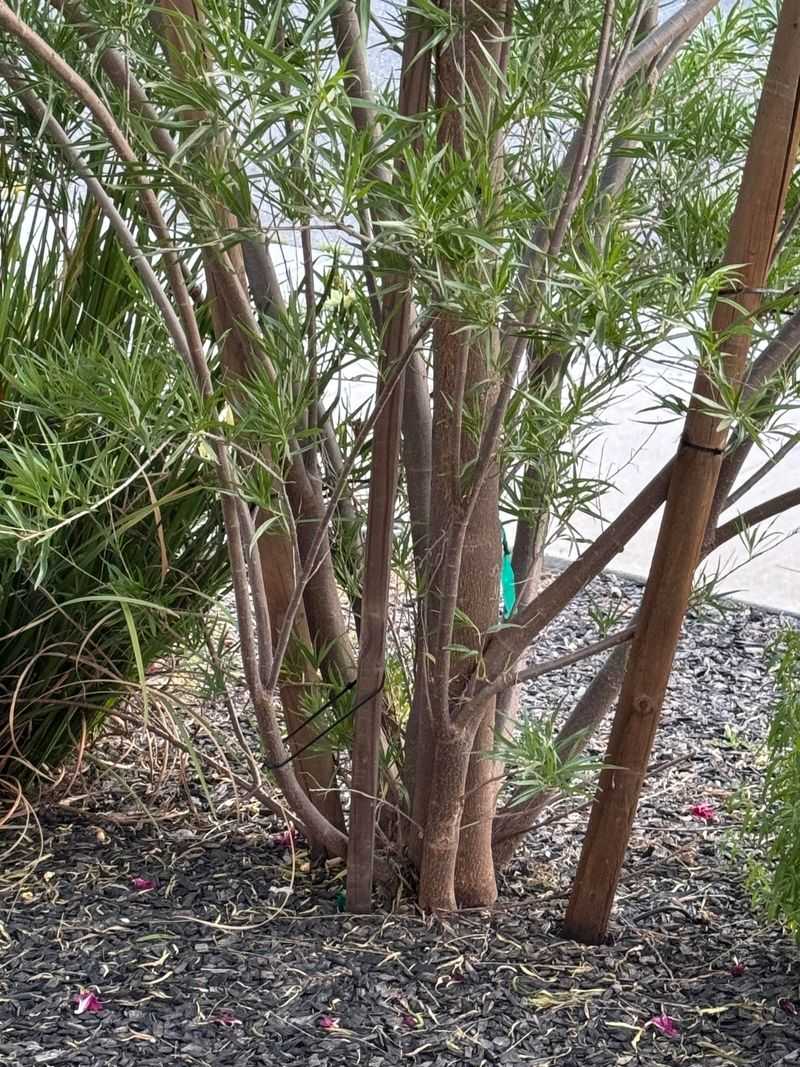
Desert willows rank among Arizona’s most beloved native trees, producing orchid-like flowers throughout the warm season. These deciduous trees drop leaves in winter, revealing their branch structure clearly for pruning assessment.
February provides the final opportunity to shape desert willows before spring growth begins and flower buds develop.
Young desert willows benefit from training that establishes strong framework branches. Select three to five main scaffolds radiating from the trunk at different heights, removing competing leaders and poorly placed branches.
Established trees need minimal pruning beyond removing crossing branches and occasional thinning to maintain open canopies.
Many Arizona gardeners prefer keeping desert willows as large multi-trunk shrubs rather than single-trunk trees. This growth habit suits the plant’s natural form and creates fuller, more dramatic landscape specimens.
Remove root suckers and low branches to maintain clear trunk space beneath the canopy.
Desert willows bloom on new growth, so February pruning won’t reduce flowering. Avoid heavy pruning during the growing season because this stimulates excessive vegetative growth at the expense of flowers.
These trees handle Arizona’s extreme conditions beautifully when given proper structure through strategic winter pruning. Plants growing throughout Tucson, Phoenix, and other low desert communities respond well to late winter maintenance.
8. Early Cuts Can Remove Spring Flowers From Citrus Trees
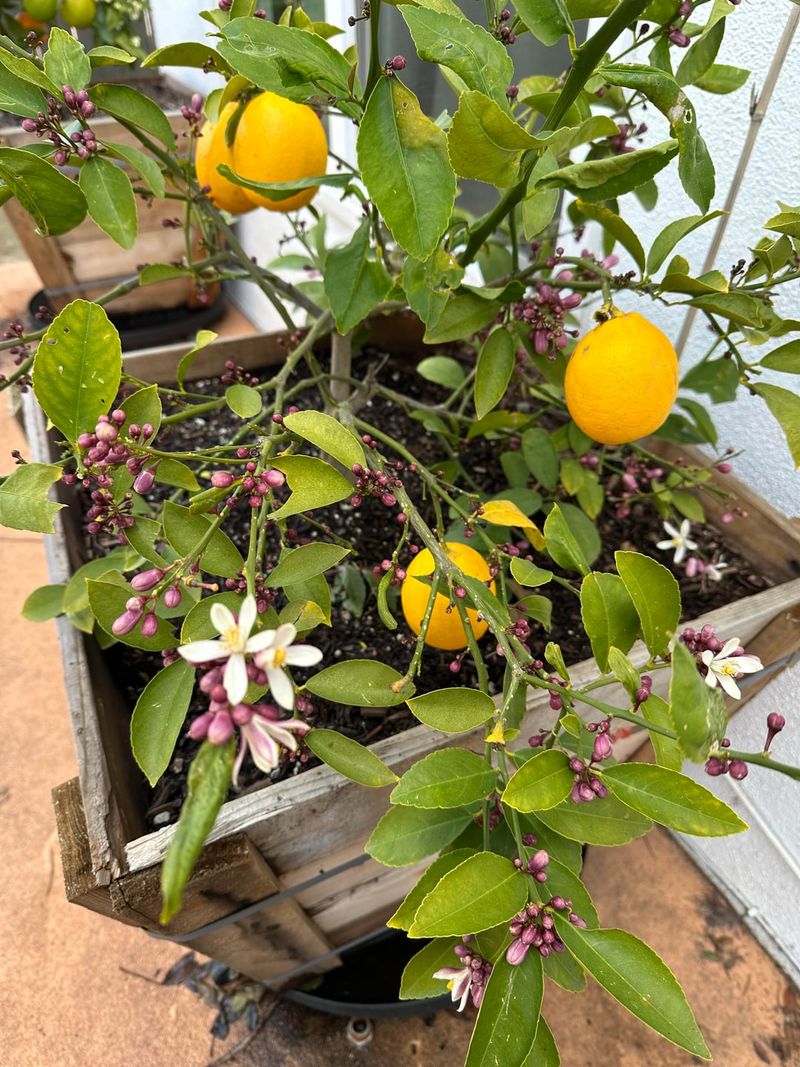
Citrus trees fill Arizona yards with fragrant blossoms each spring, typically flowering between March and May depending on variety and location. February pruning poses significant risks because flower buds are already forming on branch tips even though they’re not yet visible.
Removing these developing buds eliminates the spring bloom and subsequent fruit crop.
Most citrus varieties need minimal pruning under normal circumstances. These evergreen trees naturally develop attractive rounded canopies without extensive shaping.
Resist the temptation to prune citrus in February unless removing branches that are frost-damaged or suckers growing below the graft union.
Arizona gardeners dealing with freeze damage from January cold snaps should wait until April to assess and remove affected branches. Citrus trees often look worse than they actually are after cold weather, with damaged leaves masking healthy wood beneath.
Premature pruning in February risks removing branches that would have recovered once warmer weather arrived.
Water sprouts and vigorous vertical shoots can be removed anytime without affecting flowering. These non-productive branches drain energy from fruit production while contributing little to the tree’s structure.
Save major citrus pruning for late spring or early summer across Phoenix, Tempe, Gilbert, and other Arizona citrus-growing regions. Patience now preserves the fragrant blooms and delicious fruit that make growing citrus so rewarding.
9. Cold Sensitivity Makes Hibiscus Risky To Prune Too Soon
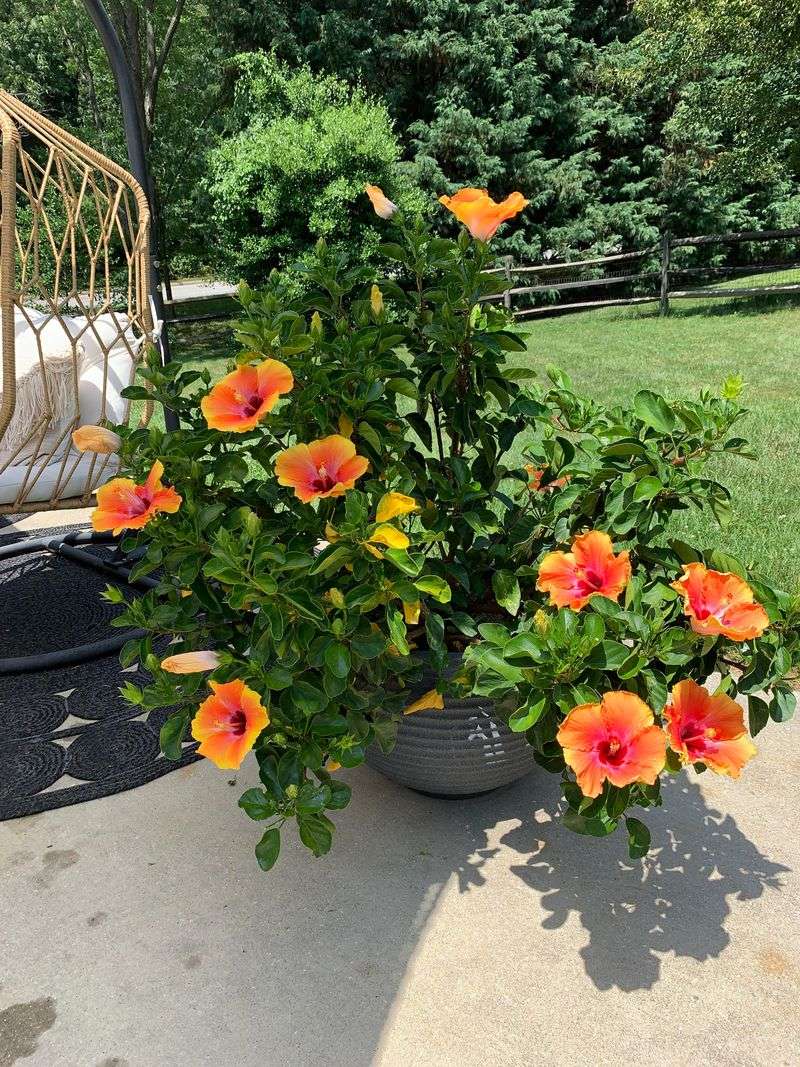
Tropical hibiscus brings bold, dinner-plate-sized blooms to Arizona patios and gardens throughout the warm season. These frost-sensitive plants suffer damage when temperatures drop below 32 degrees, making February pruning potentially problematic.
Cutting hibiscus now stimulates tender new growth that remains vulnerable to late-season cold snaps through mid-March across most Arizona communities.
Arizona’s last average frost dates vary significantly by elevation and location. Low desert areas around Phoenix typically see their final freeze risk pass by early March, while higher elevations face frost potential into April.
Pruning hibiscus before these dates risks exposing fresh shoots to damaging cold that sets plants back significantly.
Wait until consistent nighttime temperatures remain above 50 degrees before pruning tropical hibiscus. This timing typically arrives in late March or early April across Arizona’s lower deserts.
Pruning then allows new growth to emerge into warm, stable conditions that support rapid, healthy development.
Hardy hibiscus varieties tolerate cold better than their tropical cousins but still benefit from delayed pruning. Hold off trimming hibiscus across Chandler, Glendale, Peoria, and surrounding Arizona areas until spring warmth arrives reliably.
10. New Growth Damage Increases When Palo Verde Is Cut Now
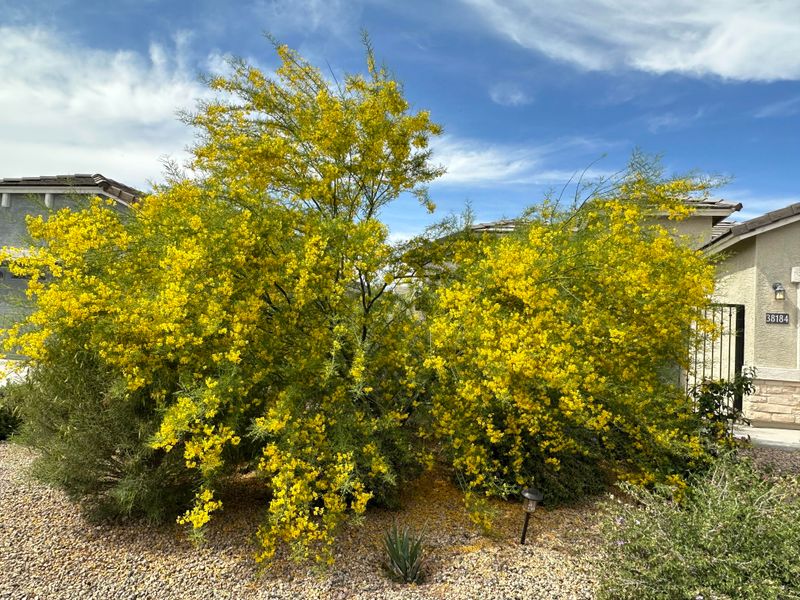
Palo verde trees symbolize Arizona’s Sonoran Desert with their brilliant yellow spring blooms and distinctive green bark. These iconic natives need virtually no pruning under normal circumstances, and February cuts can actually cause more harm than good.
Palo verdes begin active growth earlier than many people realize, with sap flow increasing significantly by late February.
Pruning palo verde now stimulates vigorous new shoots that emerge just as trees prepare for their spectacular spring flowering display. This timing disrupts the plant’s natural energy allocation, potentially reducing bloom intensity.
Fresh cuts also create entry points for palo verde beetles and other pests that become active as temperatures warm.
These desert-adapted trees develop naturally attractive structures without human intervention. Resist the urge to shape or thin palo verde canopies unless removing branches that clearly need attention or addressing safety hazards.
Even then, wait until after spring flowering concludes in May or early June.
Young palo verde trees sometimes require training to develop strong structures, but this work should happen during summer months rather than late winter. Arizona gardeners throughout Scottsdale, Paradise Valley, Cave Creek, and other desert communities should appreciate palo verde’s natural form rather than imposing formal shapes.
February pruning risks damaging these beloved natives just as they prepare for their most beautiful seasonal display.