7 Plants You’ll Never Need To Replant In Your Pennsylvania Garden
There’s a certain kind of gardening exhaustion that hits sometime around mid-summer. You’ve already replanted twice, spent more at the nursery than you planned, and you’re looking at your beds wondering why you put in all that work for plants that clearly have no intention of sticking around.
It’s a cycle that a lot of Pennsylvania gardeners know way too well. Breaking out of it is actually simpler than most people think.
The secret is shifting toward plants that genuinely commit to your garden for the long haul. No annual replacements, no crossing your fingers through winter, and no starting from scratch every single spring just to get back to where you were the year before.
Pennsylvania’s climate, with its cold winters and humid summers, is actually perfect for a wide range of perennials and long-lived plants that thrive on being left alone. Plant them once and they just keep delivering, year after year.
1. Coneflower (Echinacea Purpurea)
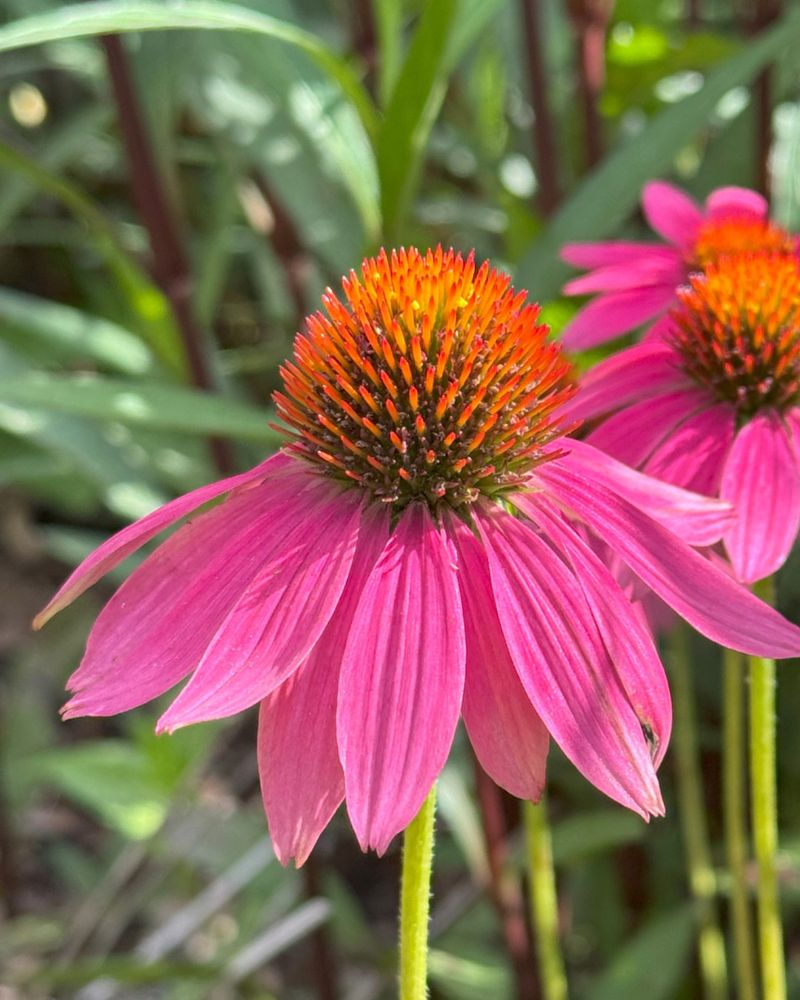
Few flowers are as cheerful and reliable as the coneflower. With its bright purple petals and spiky orange center, this plant has been brightening up Pennsylvania gardens for generations.
Native to North America, coneflowers have adapted perfectly to the region’s weather patterns, making them one of the smartest choices for any low-maintenance garden.
Once you plant coneflowers, they come back every single year without any help from you. They are incredibly drought-tolerant once they settle in, which means even during dry Pennsylvania summers, they keep on blooming.
The roots go deep into the soil, storing energy so the plant can push back up each spring with full strength.
Pollinators absolutely love coneflowers. Bees, butterflies, and even goldfinches flock to them throughout the summer and into early fall.
Planting a patch in your yard is basically like setting up a free wildlife sanctuary right outside your window.
Coneflowers do best in full sun and well-drained soil, but they are surprisingly forgiving if conditions are not perfect. They can handle some shade and even clay-heavy Pennsylvania soil without much complaint.
Deadheading spent blooms encourages more flowers, but honestly, you can skip that step and the plant will still perform beautifully.
Over time, coneflower clumps will spread and multiply on their own. You can divide them every few years to share with neighbors or fill in new spots in your garden.
It is hard to find a plant that gives you more beauty for less effort anywhere in Pennsylvania.
2. Black-Eyed Susan (Rudbeckia Hirta)
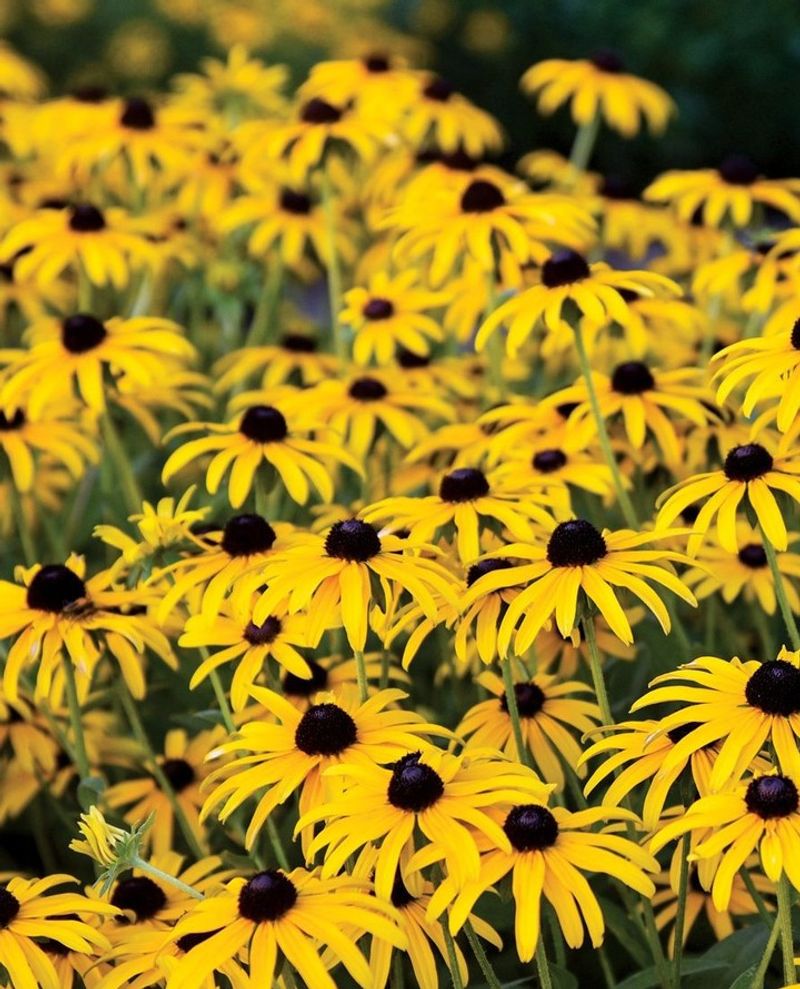
Sunny, bold, and practically unstoppable, Black-Eyed Susans are one of the most recognizable wildflowers across Pennsylvania.
Their golden-yellow petals surrounding a rich brown center make them impossible to miss, and once they find a home in your garden, they almost never leave.
Technically classified as a short-lived perennial or biennial, these plants have a secret weapon: they self-seed like champions.
Every fall, the flower heads dry out and drop hundreds of tiny seeds right back into the soil. Come spring, new plants sprout up naturally, filling in gaps and spreading slowly across your garden beds.
Your Pennsylvania Garden Changes Every Week. Your Plan Should Too.
Gardening in Pennsylvania changes quickly throughout the season. Every Friday you’ll receive a simple weekly plan showing exactly what to plant, prune, fertilize, harvest, and protect so you never miss the right timing.
You get the look of replanting without ever actually doing it. Pennsylvania gardeners have relied on this trick for decades.
Black-Eyed Susans thrive in full sun and tolerate a wide range of soil types, including the rocky or clay-heavy ground common in many parts of Pennsylvania. They handle summer heat well and bounce back quickly after dry spells.
Watering them occasionally during their first season helps them establish strong roots faster.
These flowers also pair beautifully with coneflowers and ornamental grasses, creating a natural, meadow-like look that requires almost zero upkeep. Birds love to snack on the seed heads in late fall and winter, adding another layer of wildlife interest to your yard.
If your garden starts to feel a little overcrowded after a few years, simply pull out some of the new seedlings in spring. Managing them takes only minutes, making Black-Eyed Susans one of Pennsylvania’s most effortless garden stars.
3. Daylilies (Hemerocallis Spp.)
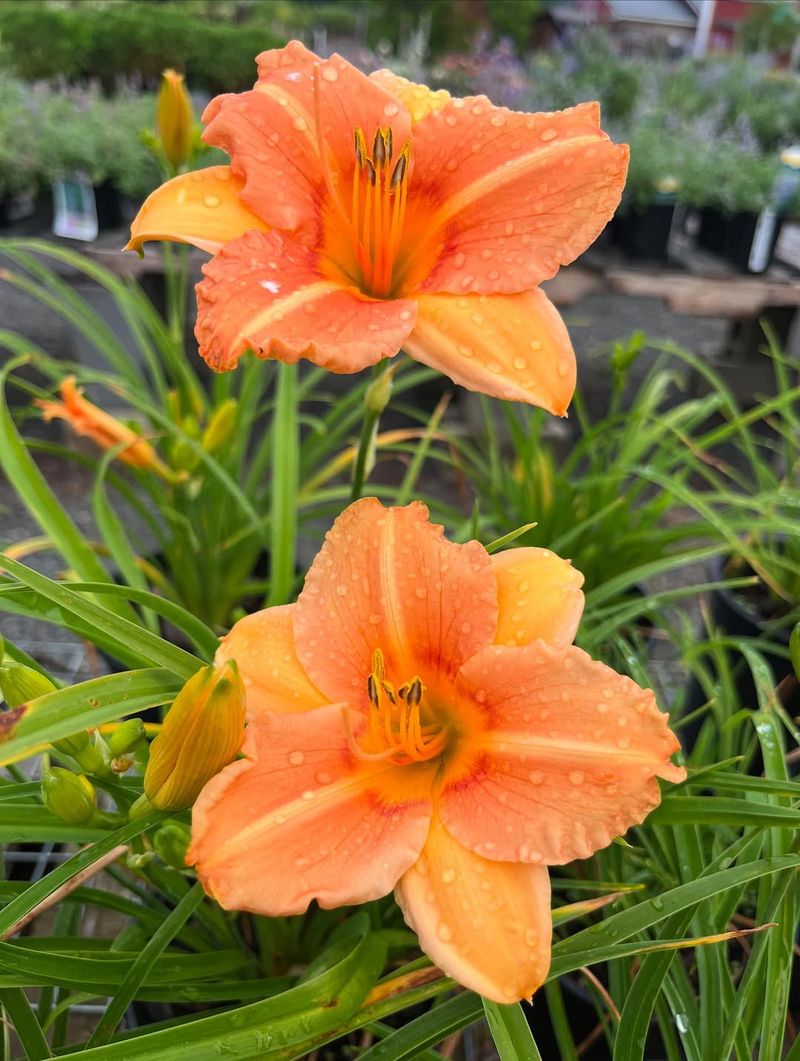
Ask any experienced Pennsylvania gardener what plant they trust the most, and daylilies will likely come up fast. These tough, adaptable perennials have earned their reputation by thriving in conditions that would stress out most other plants.
Poor soil, dry spells, neglect, you name it, daylilies handle it all without skipping a beat. Daylilies multiply steadily over the years. Each clump grows wider and wider, producing more and more blooms every season.
You never need to replant them because they just keep expanding on their own. After several years, you can divide the clumps and spread them to other parts of your Pennsylvania yard, giving you even more flowers for free.
They come in an enormous range of colors, from classic orange to deep red, soft yellow, and even lavender-tinted varieties.
Bloom times vary by cultivar, so with a little planning, you can have daylilies flowering from late spring all the way through late summer. Mixing early, mid, and late-season varieties keeps your garden looking fresh for months.
Full sun brings out the best in daylilies, but they also perform well in partial shade. Established plants rarely need watering unless Pennsylvania is going through an unusually long dry stretch.
A light layer of mulch around the base helps retain moisture and keeps weeds from competing for space.
One fun fact: daylily blooms each last only one day, but each stem carries multiple buds that open in sequence. So even though individual flowers are brief, the overall show lasts for weeks at a time.
4. Hostas (Hosta Spp.)
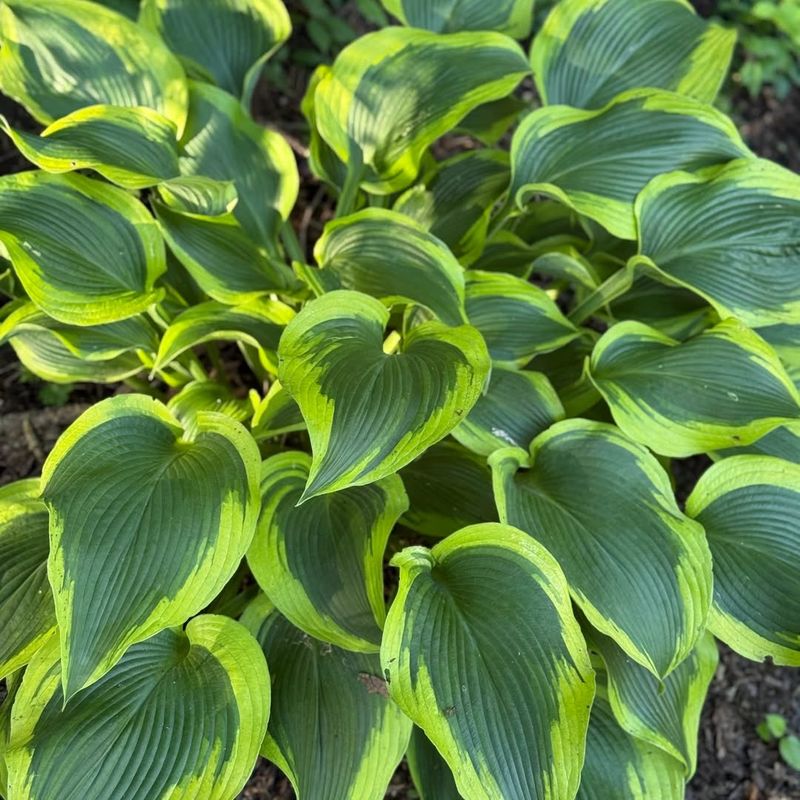
Shady spots in a Pennsylvania garden can feel like a puzzle. Most flowering plants demand full sun, leaving those darker corners looking bare and uninspiring.
Hostas solve that problem completely. These leafy perennials are practically made for shade, and they come back every spring looking better than the year before.
What makes hostas so special is how they grow larger and more impressive with each passing year. A small plant you tuck into the ground this spring could easily become a dramatic, wide-spreading clump within three or four years.
The leaves come in a stunning range of sizes, textures, and colors, from deep blue-green to bright chartreuse and creamy white variegated patterns.
Pennsylvania winters do not slow hostas down at all. They go dormant in late fall, disappearing underground entirely, and then push back up reliably every spring once temperatures warm up.
You do not need to do anything special to help them through the cold months. They handle it on their own, season after season.
Hostas grow best in moist, well-drained soil with plenty of organic matter mixed in. Adding compost around the base each spring gives them a nice boost.
They prefer consistent moisture, so watering during dry Pennsylvania summers keeps the leaves looking lush and healthy rather than scorched at the edges.
Slugs can occasionally bother hostas, especially in very damp conditions. Spreading a little diatomaceous earth around the base or using a copper barrier tape tends to keep them away without any harsh chemicals.
Beyond that minor issue, hostas are about as trouble-free as perennials get.
5. Bee Balm (Monarda Didyma)
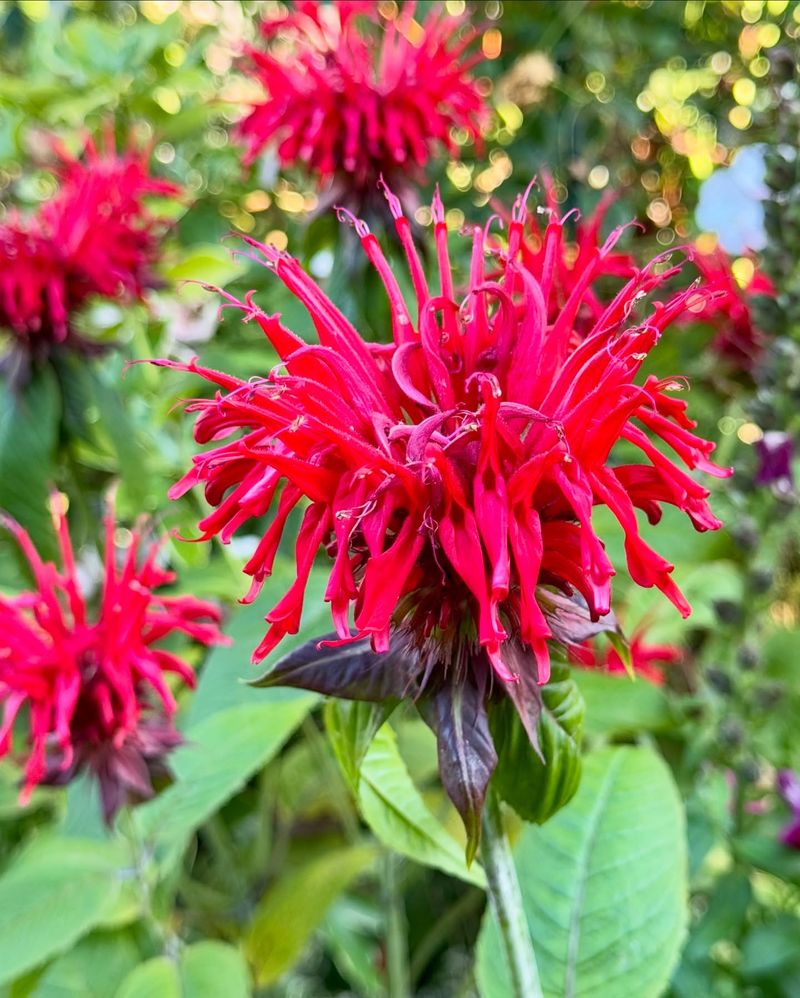
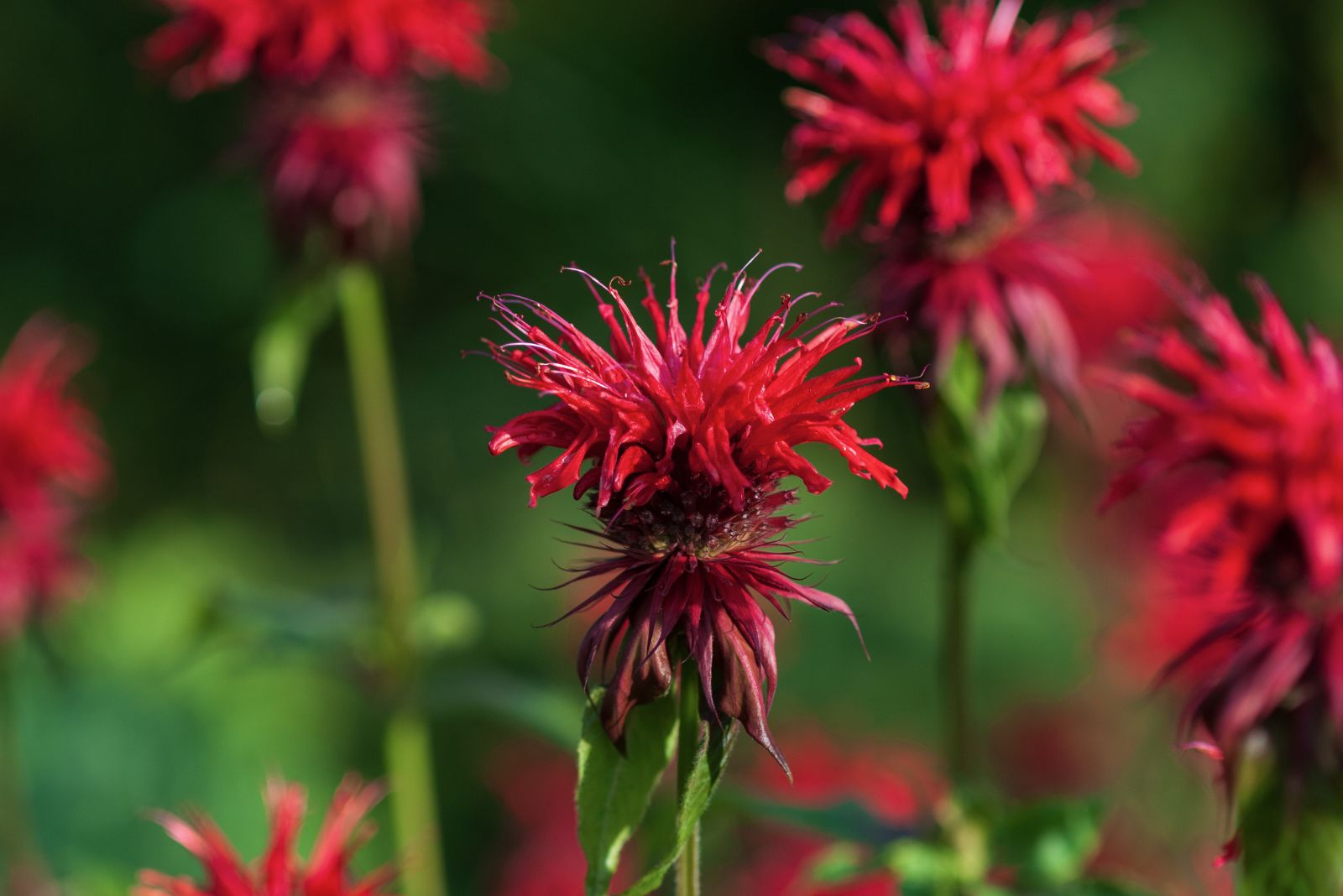
There is something almost magical about watching a patch of Bee Balm in full summer bloom. The shaggy, firework-like flowers in shades of red, pink, and purple look unlike anything else in the garden.
Native to eastern North America, including Pennsylvania, this plant feels completely at home in local soil and weather conditions.
Bee Balm is a spreader, and that is actually a good thing when you want a plant that keeps coming back without any replanting. Each year, the clump pushes outward from the center, sending up new stems around the edges.
Over time, a single plant can fill a good-sized garden bed all on its own. If it spreads too far, simply pull up the outer stems in spring to keep things tidy.
Pollinators go absolutely wild for Bee Balm. Bumblebees, hummingbirds, and butterflies visit the blooms constantly throughout the summer.
Planting it near a window or patio gives you a front-row seat to all that activity. It is one of the most wildlife-friendly plants you can grow anywhere in Pennsylvania.
Full sun to partial shade suits Bee Balm well. It prefers moist soil and does especially well near rain gardens or areas that stay a little damp.
Good air circulation around the plants helps prevent powdery mildew, which can occasionally appear on the leaves during humid Pennsylvania summers. Spacing plants about 18 inches apart usually solves that problem before it starts.
The leaves are also wonderfully aromatic, smelling faintly of oregano when brushed. Some Pennsylvania gardeners even use fresh Bee Balm leaves to make a pleasant herbal tea.
6. Sedum / Stonecrop (Hylotelephium Spp.)
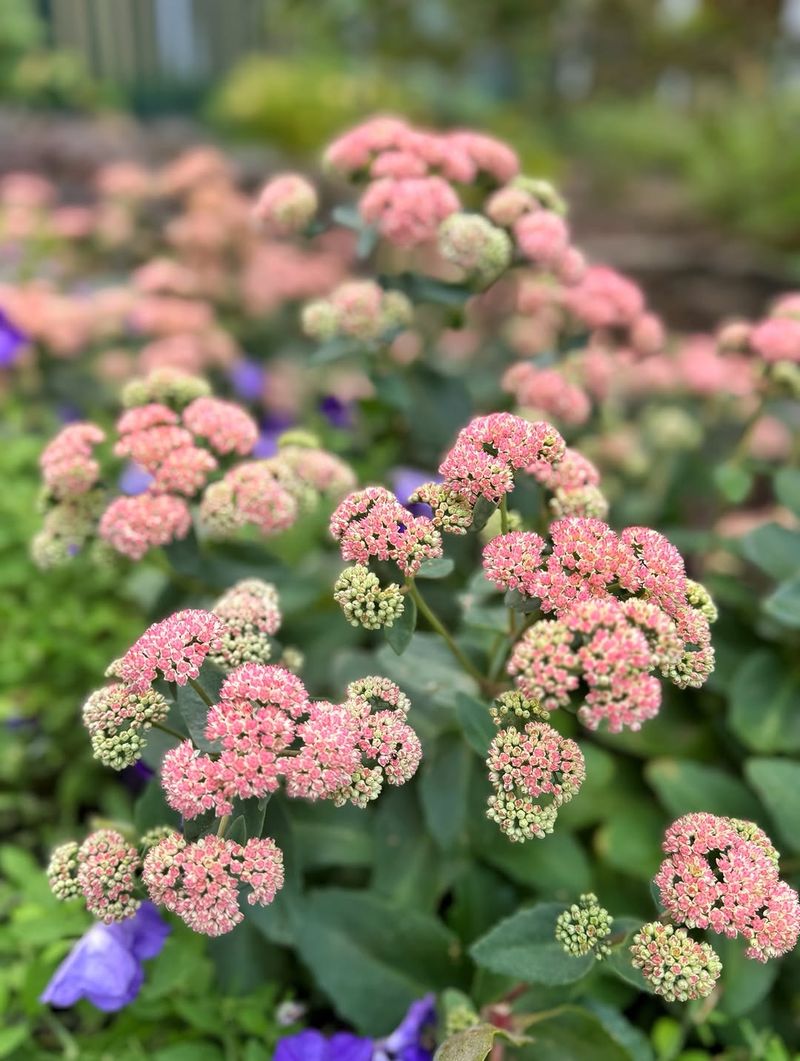
If there is one plant built for tough love, it is Sedum. Also known as Stonecrop, this succulent-like perennial laughs in the face of drought, poor soil, and bitter Pennsylvania winters.
Gardeners who forget to water, skip the fertilizer, and rarely weed their beds will find Sedum waiting patiently through it all, ready to bloom when summer arrives.
Sedum stores water in its thick, fleshy leaves, which is why it handles dry spells so easily. During Pennsylvania’s occasional summer droughts, most plants start to struggle, but Sedum keeps on growing without a fuss.
The leaves stay plump and healthy even when rainfall is scarce for weeks at a time. The flowers are a late-season bonus that many gardeners truly appreciate.
Blooming from late summer into fall, Sedum provides color at a time when most other perennials have already finished for the year.
The flat-topped flower clusters attract butterflies and bees right up until the first frost, extending your garden’s wildlife value deep into autumn.
Sedum thrives in full sun and well-drained soil. It actually prefers lean, somewhat rocky conditions, making it a fantastic choice for Pennsylvania gardens with sandy or gravelly ground.
Planting it in overly rich or wet soil can cause the stems to flop over, so resist the urge to over-amend the planting area.
Once established, Sedum clumps slowly expand each year and rarely need dividing more than every four or five years. Cutting the stems back to the ground in late fall or early spring keeps the plants looking neat and encourages strong, upright new growth each season.
7. Peonies (Paeonia Spp.)
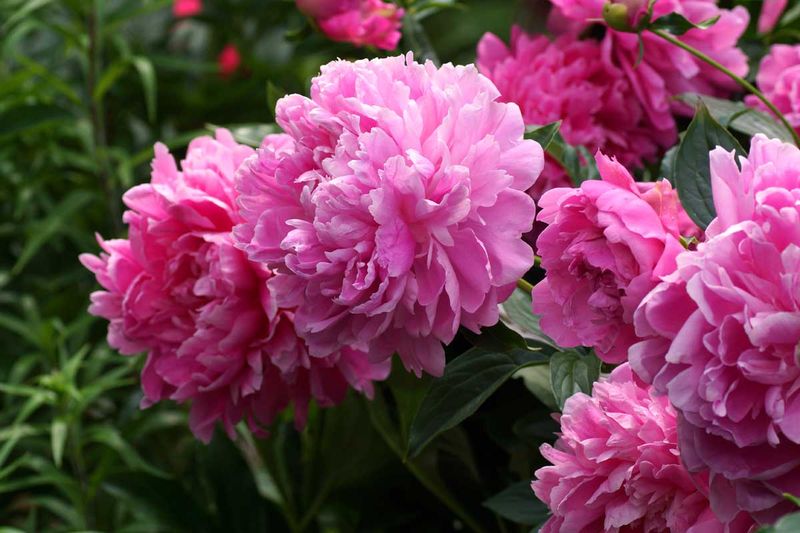
Peonies have been growing in Pennsylvania gardens for well over a hundred years, and there is a very good reason for that kind of staying power. These long-lived perennials are legendary for their reliability.
Plant one correctly and it can bloom faithfully in the same spot for 50 years or more without ever needing to be moved or replaced. That is not a typo, it is genuinely that impressive.
The blooms are absolutely breathtaking. Big, fluffy, and intensely fragrant, peony flowers in shades of white, pink, coral, and deep red are a highlight of the late spring garden across Pennsylvania.
Cutting a few stems and bringing them inside fills a whole room with their sweet scent. Many people grow peonies specifically for use as cut flowers because they are simply stunning in arrangements.
Peonies need full sun and well-drained soil to perform at their best. The most important thing to remember when planting them is not to bury the crown too deep.
The eyes, which are the pink buds on the root, should sit no more than one to two inches below the soil surface. Planting too deeply is the most common reason peonies fail to bloom in Pennsylvania gardens.
Once established, peonies need very little care. A light application of balanced fertilizer in early spring and some support from a peony ring or wire cage to hold up the heavy blooms is really all they ask for.
They handle Pennsylvania winters without any extra protection. Ants are often seen crawling on peony buds in spring. They are actually harmless and are just attracted to a sweet nectar the buds produce. No need to worry about them at all.