Poinsettia Care Mistakes New Mexico Homeowners Often Make During The Holidays
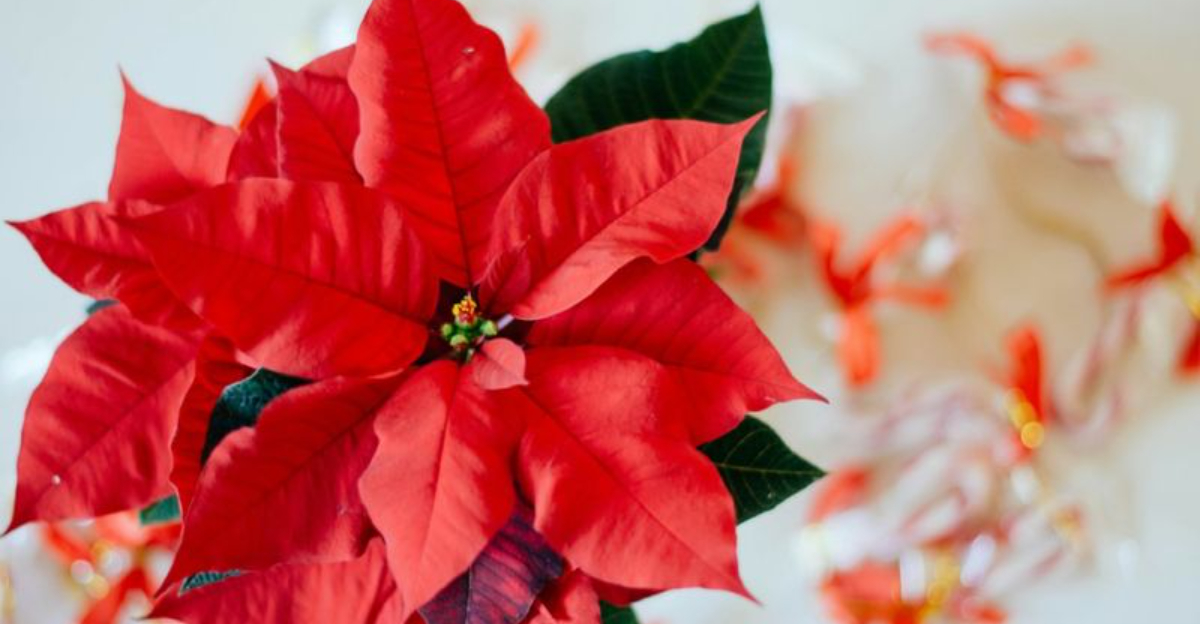
Poinsettias arrive in New Mexico homes each holiday season, bringing bold color and instant cheer to living rooms, entryways, and tabletops.
These festive plants look sturdy at first glance, yet they can be surprisingly sensitive.
A blast of dry indoor heat, a cold draft near a window, or uneven watering can send them downhill faster than expected.
What starts as a small oversight often turns into drooping leaves or fading color right in the middle of the celebration.
New Mexico’s climate adds extra challenges.
Dry air and sudden temperature shifts push poinsettias out of their comfort zone, making proper care more important than many homeowners realize.
These plants show stress quickly, though the warning signs are easy to miss during a busy holiday schedule.
Once problems set in, recovery becomes harder with each passing day.
Understanding common poinsettia care mistakes keeps frustration off the table.
Simple adjustments in placement, watering, and temperature help these holiday favorites stay vibrant longer.
With the right approach, poinsettias hold their shape, color, and charm throughout the season.
A little awareness goes a long way, allowing these classic plants to remain a bright and cheerful part of the holidays rather than a source of last minute disappointment.
1. Placing Your Poinsettia Near Cold Drafts Or Heating Vents
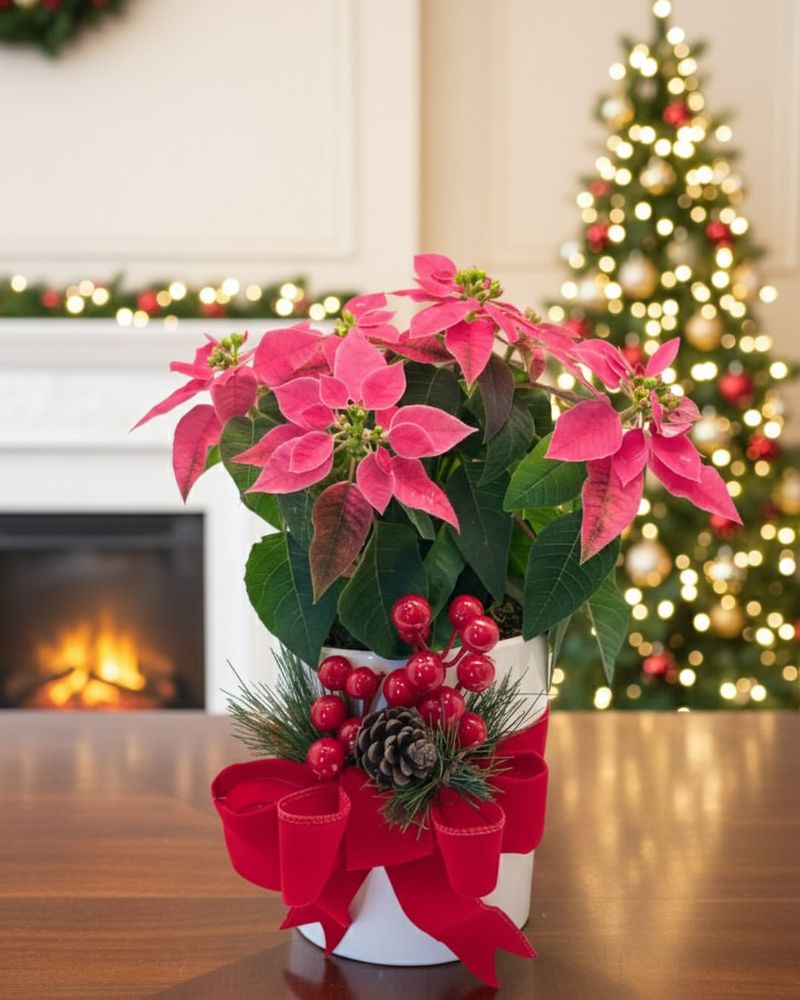
Temperature swings can wreak havoc on your poinsettia faster than almost anything else.
These tropical plants absolutely hate sudden changes in temperature, whether hot or cold.
When you place your poinsettia next to a drafty window or door, the cold air hits the leaves and causes them to drop within days.
New Mexico winters can get surprisingly chilly at night, and those temperature drops near windows affect your plant more than you realize.
On the flip side, positioning your poinsettia too close to a heating vent creates another problem entirely.
The constant blast of hot, dry air dries out the leaves and soil way too quickly.
Your plant will start looking crispy and sad, with leaves curling at the edges.
The ideal spot for your poinsettia is away from both extremes, in a location with steady temperatures between 65 and 75 degrees.
Find a place with bright, indirect light that stays consistently warm throughout the day and night.
Avoid putting your plant near exterior doors that open frequently, letting in bursts of cold air.
Also steer clear of fireplaces, space heaters, and radiators that create hot zones.
A stable environment makes all the difference in keeping your poinsettia looking fresh and vibrant through the entire holiday season in your New Mexico home.
2. Overwatering Or Letting The Soil Stay Soggy
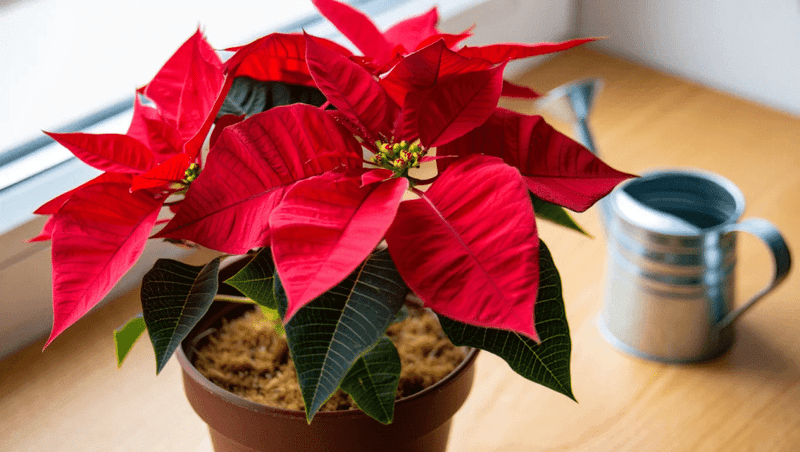
Nothing ruins a poinsettia faster than too much water sitting around its roots.
Many well-meaning plant owners think more water equals healthier plants, but poinsettias strongly disagree with that logic.
When soil stays constantly wet, the roots cannot breathe properly and start to rot.
Root rot happens quickly with poinsettias, and once it starts, saving the plant becomes nearly impossible.
You might notice yellowing leaves, a mushy stem base, or a sour smell coming from the soil.
The dry climate in New Mexico can be deceiving because the air feels dry, but that does not mean your plant needs constant watering.
Check the soil with your finger before adding any water.
Stick your finger about an inch down into the soil, and only water if it feels dry to the touch.
When you do water, make sure excess water drains completely out of the bottom of the pot.
Never let your poinsettia sit in a saucer full of standing water.
Empty the saucer after watering so the roots stay healthy and happy.
A good watering schedule usually means watering once every few days, but always let the plant tell you when it needs a drink by checking that soil moisture first.
3. Not Providing Enough Bright Indirect Light
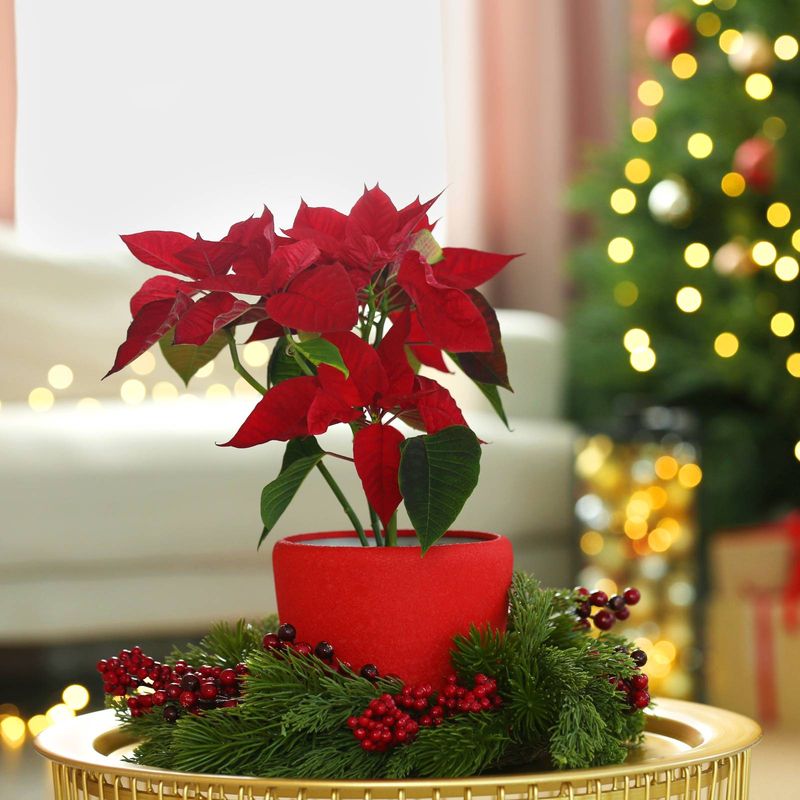
Light makes a huge difference in how long your poinsettia keeps its colorful bracts looking vibrant.
Without enough light, those beautiful red, pink, or white leaves start fading to green and the plant becomes leggy and weak.
Poinsettias need at least six hours of bright, indirect sunlight each day to maintain their holiday glow.
Many New Mexico homeowners tuck their poinsettias into dark corners or hallways where they look pretty but do not get nearly enough light.
The plant might survive in low light for a while, but it will not thrive or keep its festive appearance.
South-facing or west-facing windows work wonderfully for poinsettias, especially during our sunny New Mexico winters.
Just make sure to filter the light with a sheer curtain if the sun gets too intense during midday.
Direct, harsh sunlight can actually scorch the leaves, creating brown spots and crispy edges.
The goal is bright light that illuminates the plant without the sun’s rays hitting it directly.
If you notice your poinsettia stretching toward the light or losing its compact shape, that tells you it needs a brighter location.
Move it closer to a window or find a sunnier spot in your home.
Proper lighting keeps the colors bold and the plant structure strong throughout the entire holiday season.
4. Forgetting About New Mexico’s Extremely Dry Indoor Air
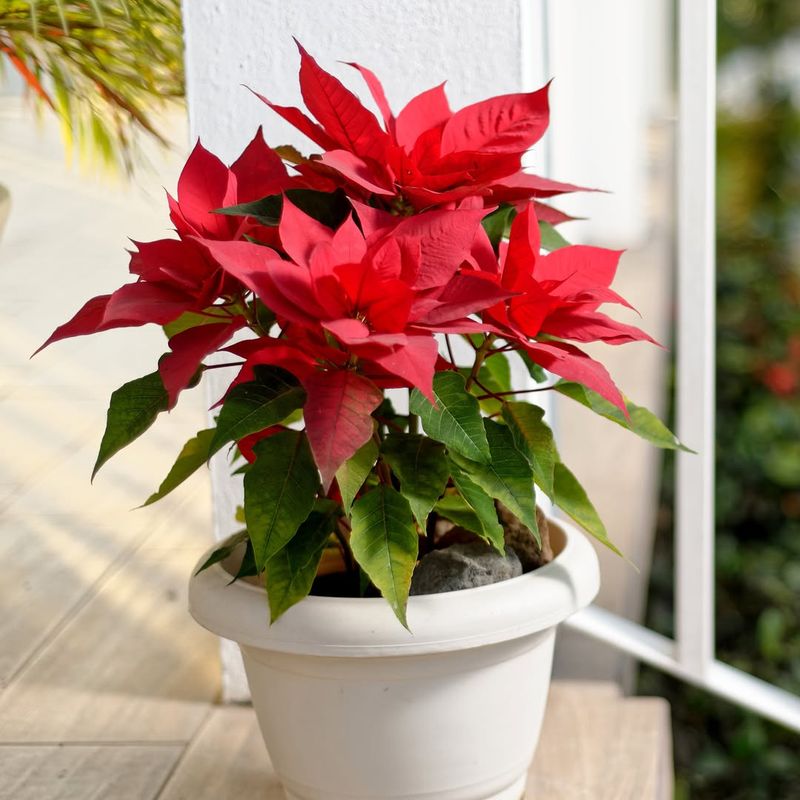
New Mexico’s desert climate creates some of the driest indoor air in the country, especially during winter when heaters run constantly.
Poinsettias come from tropical regions where humidity stays much higher than what we experience here.
When humidity drops too low, poinsettia leaves start showing stress signs like brown, crispy edges and overall wilting.
Many homeowners do not realize their indoor air might have humidity levels below 20 percent during winter months.
Poinsettias prefer humidity around 50 to 60 percent, which seems almost impossible to achieve in our dry climate.
You can help your plant by using a few simple tricks to increase moisture in the air around it.
Grouping several plants together creates a mini-ecosystem where they share moisture through transpiration.
Placing your poinsettia on a tray filled with pebbles and water also works well, as long as the pot sits above the water line rather than in it.
Running a humidifier near your plants makes the biggest difference and benefits all your houseplants, not just poinsettias.
Misting the leaves provides temporary relief but does not solve the underlying humidity problem.
Keep your poinsettia away from forced-air heating vents that blast dry air directly onto the leaves.
Addressing the dry air issue helps your plant stay healthier and more attractive throughout the holidays in your New Mexico home.
5. Leaving Your Poinsettia In Decorative Foil Wrapping
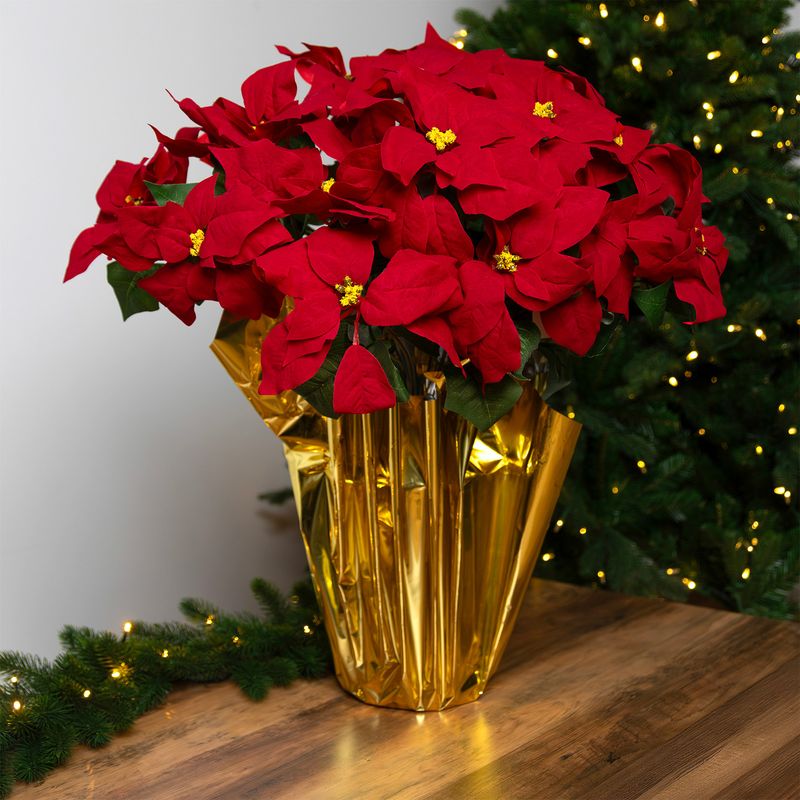
That pretty foil wrapping your poinsettia came in might look festive, but it creates a serious drainage problem.
Most people leave the foil on because it adds to the holiday decoration, not realizing it traps water at the bottom of the pot.
When you water your plant, the excess moisture has nowhere to go and just sits there, soaking the roots constantly.
This creates the perfect conditions for root rot and fungal problems that can ruin your plant quickly.
The foil also hides what is happening at the base of the pot, so you cannot see if water is pooling dangerously.
Remove the foil completely or at least poke several large drainage holes in the bottom before putting your plant back in its decorative cover.
Better yet, use the foil-wrapped pot as an outer decorative container and keep your poinsettia in its original plastic pot with drainage holes.
When you water, take the plant to the sink, water it thoroughly, let it drain completely, and then return it to the decorative wrapper.
This simple step prevents so many problems and keeps your poinsettia roots healthy.
You can also place the plastic pot on a saucer inside a prettier basket or container for a decorative look without drainage issues.
New Mexico homeowners often overlook this detail, but proper drainage matters more than fancy packaging.
Your poinsettia will thank you with longer-lasting beauty when its roots can breathe properly.
6. Exposing The Plant To Temperature Shock During Transport
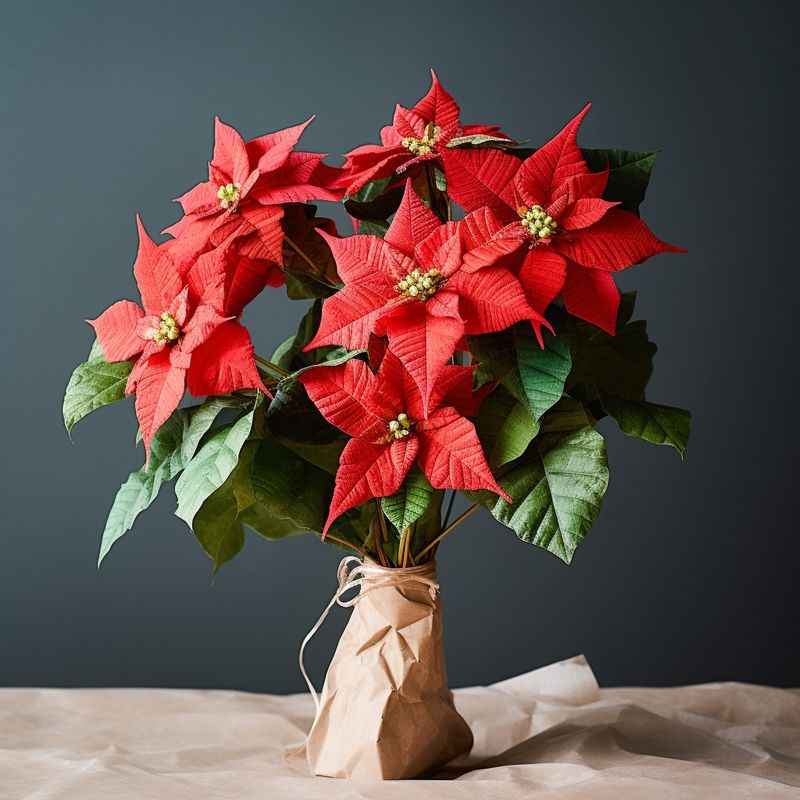
The journey from the store to your home can damage your poinsettia before you even get it inside.
Even a few minutes of exposure to cold temperatures can cause lasting harm to these sensitive tropical plants.
When temperatures drop below 50 degrees, poinsettias experience shock that shows up as dropped leaves and wilting within a day or two.
New Mexico evenings can get quite cold during the holiday shopping season, and that quick dash from the store to your car matters more than you think.
Always ask the store to sleeve or wrap your poinsettia in paper or plastic before you take it outside.
This protective covering shields the plant from cold wind and temperature drops during transport.
Warm up your car before loading your plant, and place it in the heated passenger area rather than the trunk.
Never leave a poinsettia sitting in a cold car while you run other errands.
Get your plant home and inside as quickly as possible.
Once inside, let it adjust to room temperature gradually rather than placing it immediately next to a heat source.
Remove any protective wrapping after the plant acclimates to your home for about an hour.
Taking these precautions during transport prevents damage that cannot be undone later.
A little extra care during those first few minutes pays off with a healthier, longer-lasting plant throughout the holiday season.
7. Using Cold Tap Water Straight From The Faucet
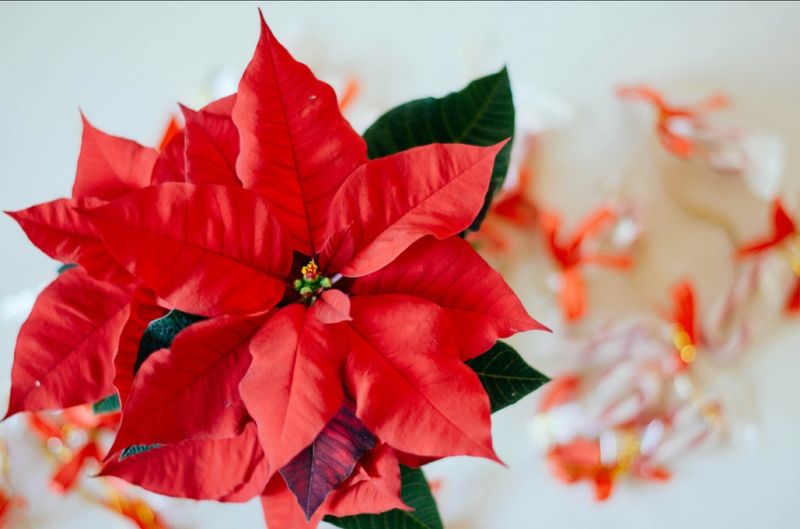
Water temperature might seem like a small detail, but it actually matters quite a bit to your poinsettia’s health.
Cold water shocks the roots and can slow down the plant’s ability to absorb moisture and nutrients properly.
Many New Mexico homeowners simply fill a watering can straight from the cold tap and pour it on their plants without thinking twice.
During winter, tap water can be especially cold, and that temperature difference stresses your tropical poinsettia.
The roots prefer water that feels lukewarm or room temperature, similar to the comfortable environment the rest of the plant enjoys.
Let your watering can sit out for a few hours before using it, which allows the water to reach room temperature naturally.
This also gives chlorine time to evaporate, which benefits your plant even more.
You can also mix a bit of warm water with cold tap water to achieve a comfortable temperature quickly.
Test the water on your wrist like you would for a baby’s bottle, aiming for a neutral feeling that is neither hot nor cold.
This simple adjustment helps your poinsettia absorb water more efficiently and reduces unnecessary stress on the plant.
Your plant will respond with healthier growth and better leaf retention when you pay attention to these small but important details.
Room temperature water is one of those easy fixes that makes a real difference in plant care success.
8. Neglecting To Check For Pests That Hide Under Leaves
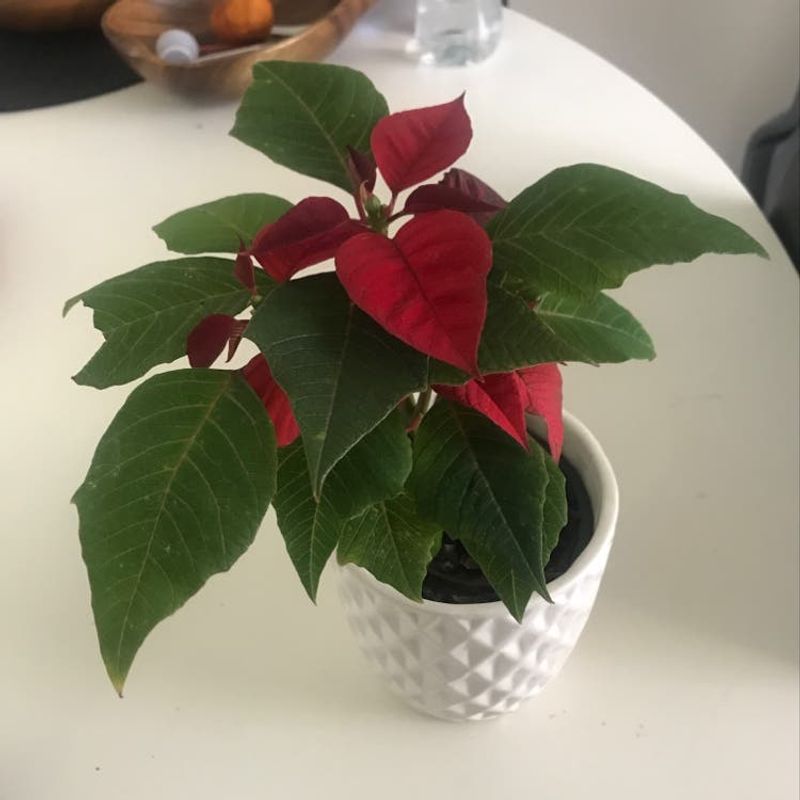
Pests love poinsettias just as much as we do, and they often hitch a ride home from the store without you noticing.
Whiteflies, spider mites, and mealybugs commonly hide on the undersides of poinsettia leaves where they are hard to spot.
These tiny troublemakers feed on plant sap, weakening your poinsettia and causing leaves to yellow, curl, or drop off.
By the time you notice something is wrong, the pest population might already be well established and spreading to your other houseplants.
New Mexico’s dry indoor air actually encourages spider mites, which thrive in low-humidity conditions.
Make it a habit to inspect your poinsettia regularly, especially the undersides of leaves where pests like to hide.
Look for tiny moving dots, sticky residue, fine webbing, or small cotton-like masses.
Catching pest problems early makes them much easier to handle before they get out of control.
If you spot pests, isolate your poinsettia from other plants immediately to prevent spreading.
Wash the leaves gently with lukewarm water and mild soap, or use an insecticidal soap specifically designed for houseplants.
Neem oil also works well as a natural pest control option.
Regular inspections take just a minute but can save your plant from serious damage.
Keeping your poinsettia pest-free ensures it stays beautiful and healthy throughout the entire holiday season in your home.