8 Poinsettia Mistakes Utah Homeowners Often Make During The Holidays
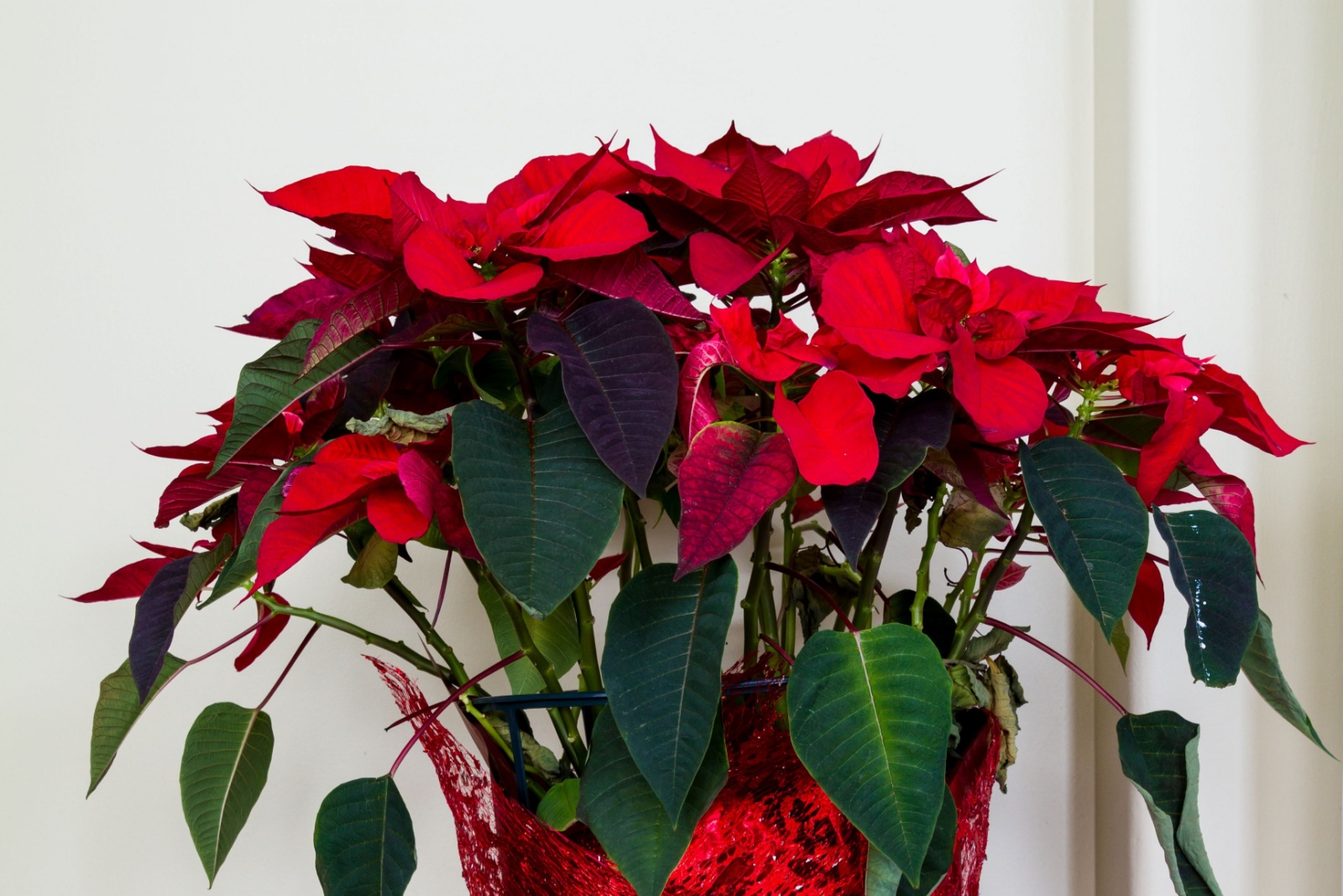
Poinsettias burst into Utah homes each December with fiery color and holiday flair.
Their dramatic bracts promise weeks of cheer, yet the plants often collapse under conditions that seem harmless at first.
Dry furnace air zaps moisture from leaves, cold drafts strike without warning, and bright winter sun scorches delicate tissue.
Utah’s climate creates a tough arena for a plant that thrives under controlled greenhouse care.
Many poinsettias fail early because of simple missteps that escape notice during the rush of the holidays.
A stronger understanding of these missteps allows each plant to shine from the moment it enters the house until the final day of the season.
1. Placing Poinsettias In Drafty Locations Near Doors And Windows
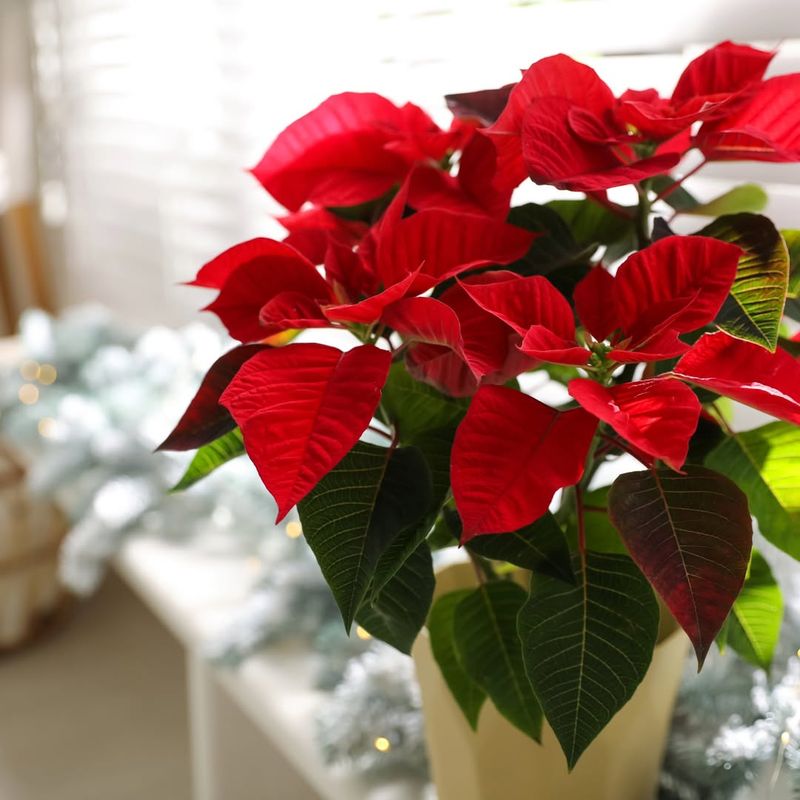
Cold drafts can shock your poinsettia faster than you might imagine, especially during Utah’s harsh winter months when temperatures drop dramatically.
Many homeowners place their poinsettias near entryways or windows for display purposes, not realizing that every time the door opens, a blast of freezing air hits the plant.
Poinsettias are tropical plants that originated in Mexico, so they absolutely hate sudden temperature changes.
Even a few minutes of exposure to cold drafts can cause the leaves to drop within days.
Windows can also be problematic because cold glass creates chilly air pockets that settle around your plant.
Utah winters are particularly brutal, with nighttime temperatures often plummeting well below freezing.
Your poinsettia needs a stable environment away from exterior doors, windows, and heating vents that blow hot and cold air unpredictably.
Find a cozy spot in your home where the temperature stays consistently between 65 and 70 degrees.
A dining room table, hallway console, or living room shelf away from exterior walls works perfectly.
Protect your plant from temperature swings, and it will reward you with vibrant color throughout the entire holiday season.
2. Overwatering Or Letting The Soil Become Bone Dry
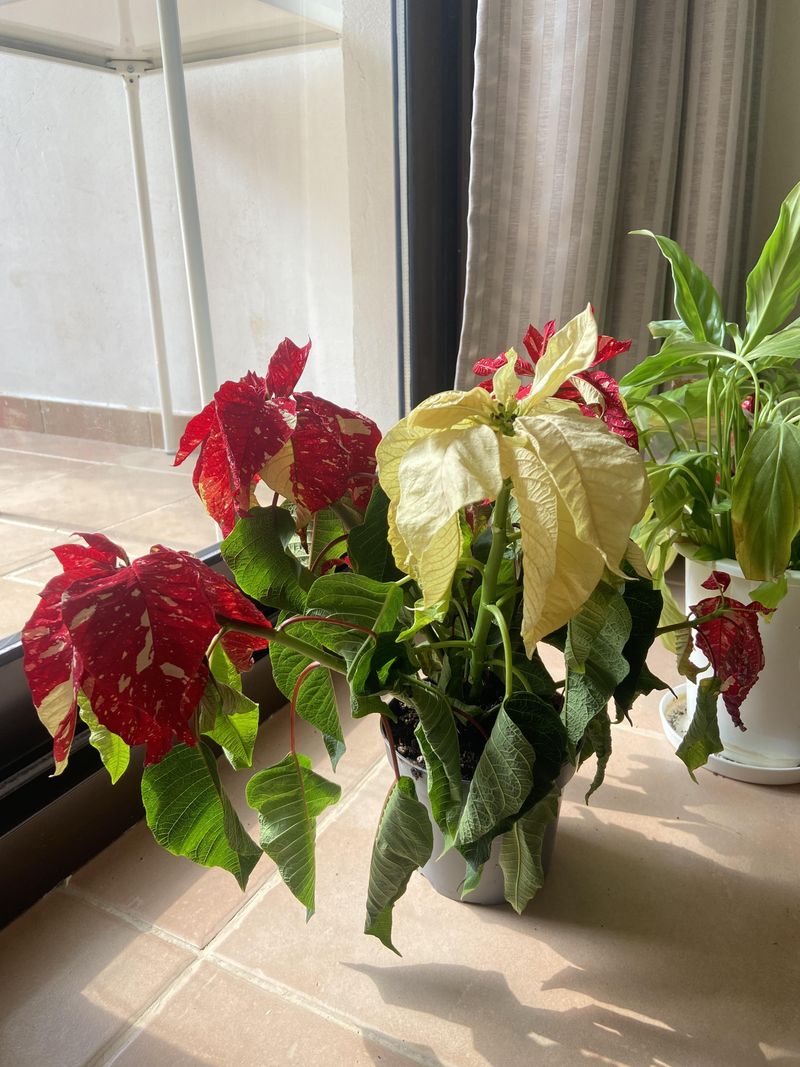
Finding the right watering balance for poinsettias confuses many Utah homeowners, leading to either soggy roots or parched plants.
Some people water their poinsettias every single day, thinking more water means healthier growth.
Others forget about watering entirely until the leaves start drooping sadly.
Both approaches spell trouble for your festive plant.
Overwatering is actually the number one reason poinsettias fail in homes across Utah.
When roots sit in waterlogged soil, they cannot breathe properly and begin to rot.
You will notice yellowing leaves, mushy stems, and a generally unhappy-looking plant.
On the flip side, letting the soil dry out completely stresses the plant and causes leaf drop.
The best approach is to check the soil with your finger before watering.
Stick your finger about an inch deep into the soil.
If it feels dry at that depth, water thoroughly until water drains from the bottom.
Always empty the saucer beneath the pot so your poinsettia does not sit in standing water.
In Utah’s dry climate, you will probably need to water every few days, but always check first rather than following a rigid schedule.
3. Forgetting To Remove The Decorative Foil Wrapper Completely
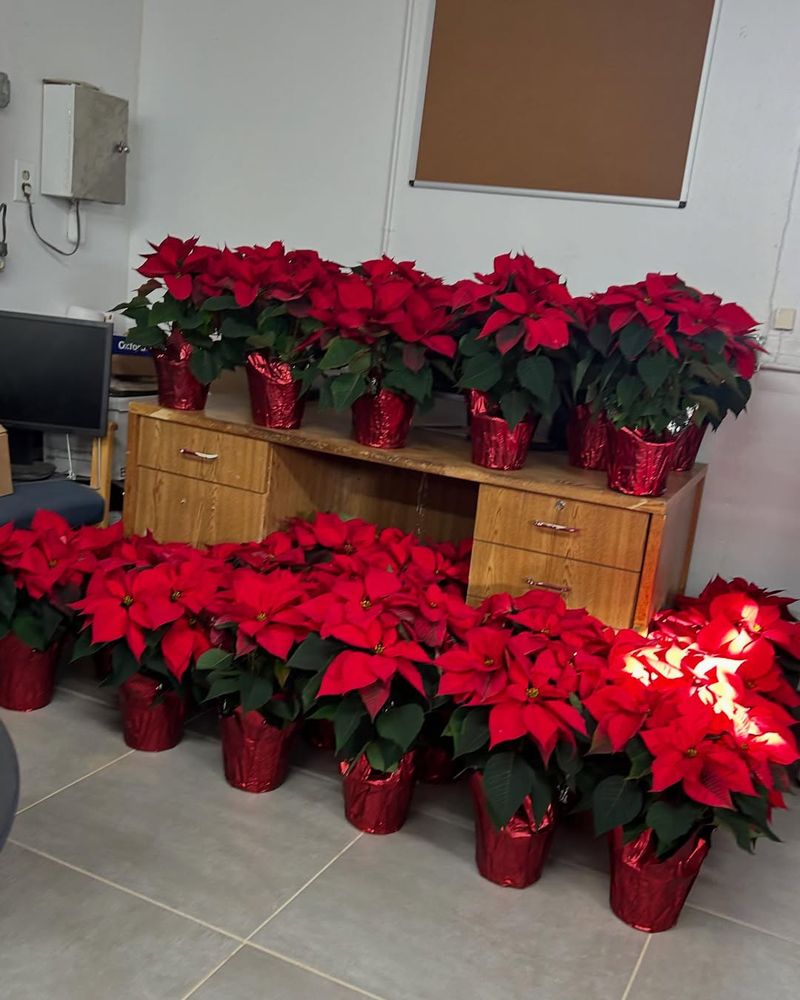
That pretty foil wrapper your poinsettia came in looks festive, but it can actually harm your plant if you are not careful.
Most people leave the foil on for decoration without realizing it traps water at the bottom of the pot.
When you water your poinsettia, excess water drains through the pot’s holes but then sits trapped inside the foil wrapper.
Your plant essentially sits in a puddle, which leads to root rot and other moisture-related problems.
Utah homeowners often discover this mistake too late, after the damage has already occurred.
You have two good options for handling the decorative wrapper.
First, you can remove it entirely and place your poinsettia in a more decorative pot with proper drainage.
Second, you can poke several drainage holes in the bottom of the foil to let excess water escape.
If you choose the second option, make sure to place a saucer underneath to catch the draining water.
Always check under the foil after watering and pour out any accumulated water.
This simple step takes only a few seconds but makes a huge difference in keeping your poinsettia healthy.
Your plant will thank you with vibrant bracts that last throughout the entire holiday season.
4. Exposing Plants To Extreme Temperature Swings During Transport
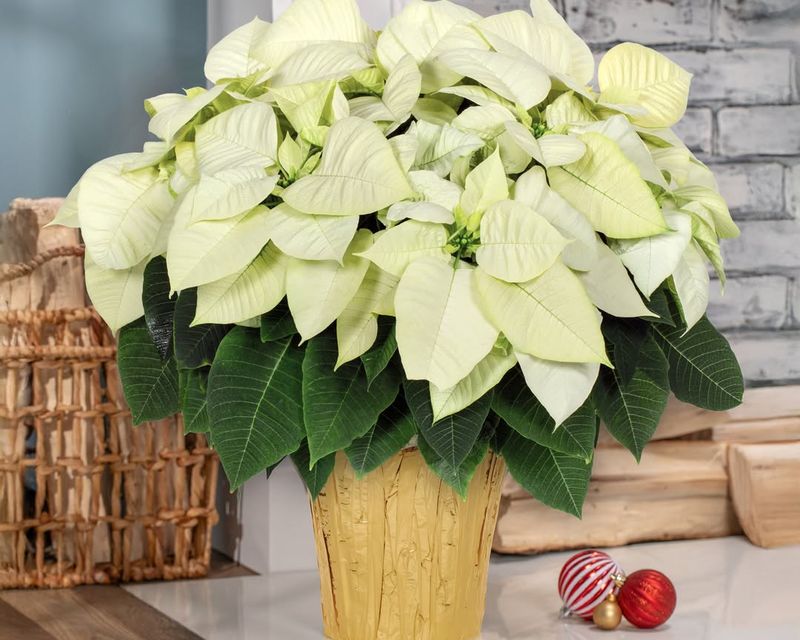
The journey from the store to your home can be surprisingly dangerous for your poinsettia, especially during Utah’s frigid winter weather.
Many people pick up their poinsettias, carry them to the car without protection, and drive home without giving temperature a second thought.
Even a brief exposure to freezing temperatures can cause permanent damage to these sensitive tropical plants.
Poinsettias start suffering when temperatures drop below 50 degrees, and Utah winters regularly dip well below that mark.
Just a few minutes in your cold car or a quick dash from the parking lot can shock the plant.
You might not notice the damage immediately, but within a day or two, leaves will start dropping and the colorful bracts will fade.
Always ask the store to wrap your poinsettia in a protective sleeve or bring your own blanket to cover it during transport.
Warm up your car before placing the plant inside, and avoid making multiple stops on the way home.
Think of your poinsettia as a passenger who needs warmth and protection from the elements.
This extra care during the first few minutes of ownership sets the stage for a healthy, beautiful plant that will brighten your home all season long.
5. Positioning Plants Too Close To Heating Vents Or Fireplaces

Heat sources might seem cozy during Utah’s cold winters, but they can quickly turn your beautiful poinsettia into a withered mess.
Fireplaces, radiators, and heating vents create dry, hot air that poinsettias absolutely cannot tolerate.
Many homeowners place their poinsettias on fireplace mantels for holiday display, not realizing the heat rising from below is slowly cooking the plant.
Heating vents are equally problematic because they blast hot, dry air directly onto the leaves.
This artificial heat causes rapid moisture loss, leading to crispy, brown leaf edges and premature bract fading.
Your poinsettia might look fine for the first few days, but the damage accumulates quickly.
Soon you will notice the leaves curling, browning, and eventually dropping off.
Utah’s indoor heating systems run constantly during winter, making this mistake especially common among local homeowners.
Keep your poinsettia at least three feet away from any heat source, including space heaters and wood stoves.
Choose a location with stable, moderate temperatures rather than a spot that gets blasted with heat.
If you must display your plant near a fireplace, only do so when the fireplace is not in use.
Your poinsettia will stay healthier and more vibrant when it enjoys consistent, moderate warmth rather than intense heat blasts.
6. Neglecting To Provide Adequate Bright Indirect Light

Light requirements often get overlooked by Utah homeowners who focus mainly on watering and temperature.
Poinsettias need plenty of bright, indirect light to maintain their stunning red, pink, or white bracts.
Without enough light, the colorful bracts fade to pale versions of their original brilliance, and the plant becomes leggy and weak.
Many people tuck their poinsettias into dark corners or hallways where they look decorative but receive minimal natural light.
Utah’s winter days are already shorter, which means your poinsettia gets even less light than it would during other seasons.
South-facing or east-facing windows provide ideal lighting conditions, offering bright light without the harsh, direct rays that can scorch leaves.
If your home lacks good natural light, consider moving your poinsettia closer to windows during the day.
Avoid placing it in direct afternoon sun, which can be too intense even through glass.
Poinsettias need about six hours of indirect bright light daily to stay healthy and maintain their vibrant color.
If you notice your plant stretching toward the light or the bracts losing their intensity, relocate it to a brighter spot.
Proper lighting makes a dramatic difference in how long your poinsettia stays beautiful throughout the holiday season.
7. Fertilizing Too Much Or At The Wrong Time
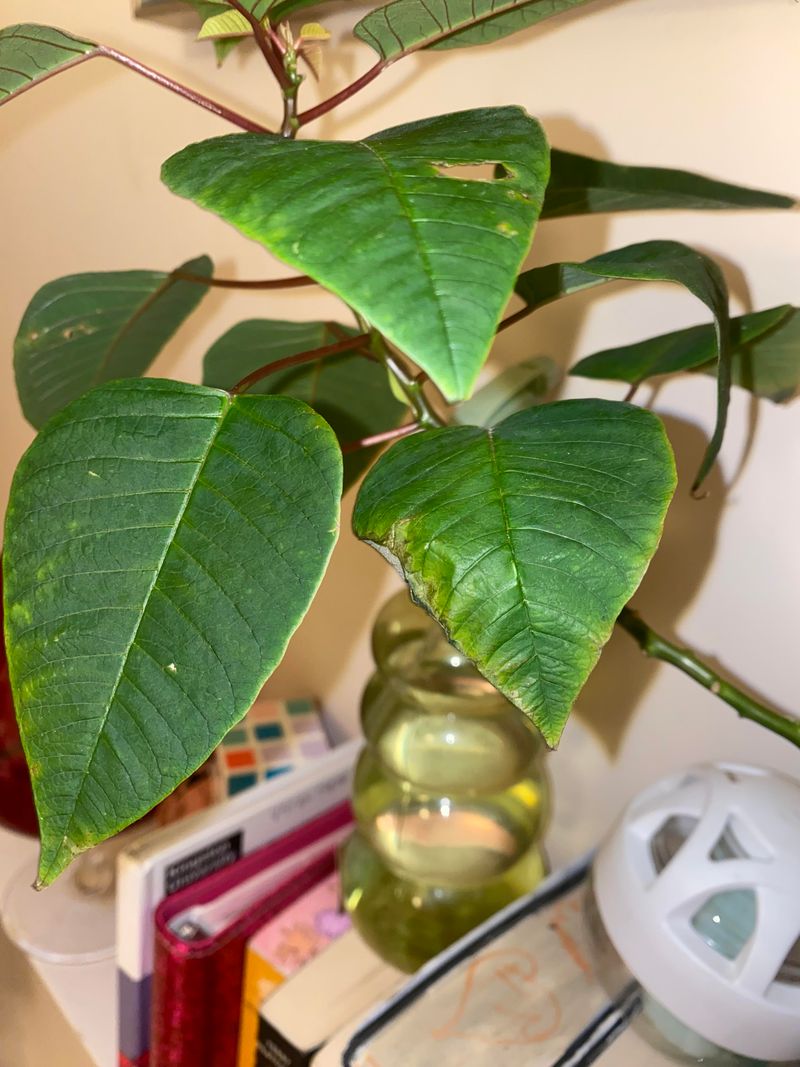
Fertilizer seems like it should help your poinsettia thrive, but timing and amount matter tremendously.
During the holiday season, your poinsettia is actually in its display phase, not its active growing phase.
Adding fertilizer during this time does more harm than good because the plant is not actively producing new growth.
Many Utah homeowners mistakenly feed their poinsettias weekly, thinking they are providing essential nutrients.
Too much fertilizer causes salt buildup in the soil, which burns the roots and leads to brown, crispy leaf edges.
Your plant might also develop weak, spindly growth instead of the compact, healthy form you want.
While your poinsettia displays its colorful bracts through December and January, skip the fertilizer entirely.
The plant has everything it needs already and just wants to maintain its current appearance.
If you plan to keep your poinsettia after the holidays and encourage it to rebloom next year, you can start a gentle fertilizing schedule in spring.
Use a balanced, water-soluble fertilizer diluted to half strength once a month during the growing season.
Less is definitely more when it comes to feeding poinsettias.
Focus your energy on proper watering, lighting, and temperature instead of pushing unnecessary nutrients onto a plant that is already performing beautifully.
8. Ignoring Early Warning Signs Of Pest Problems
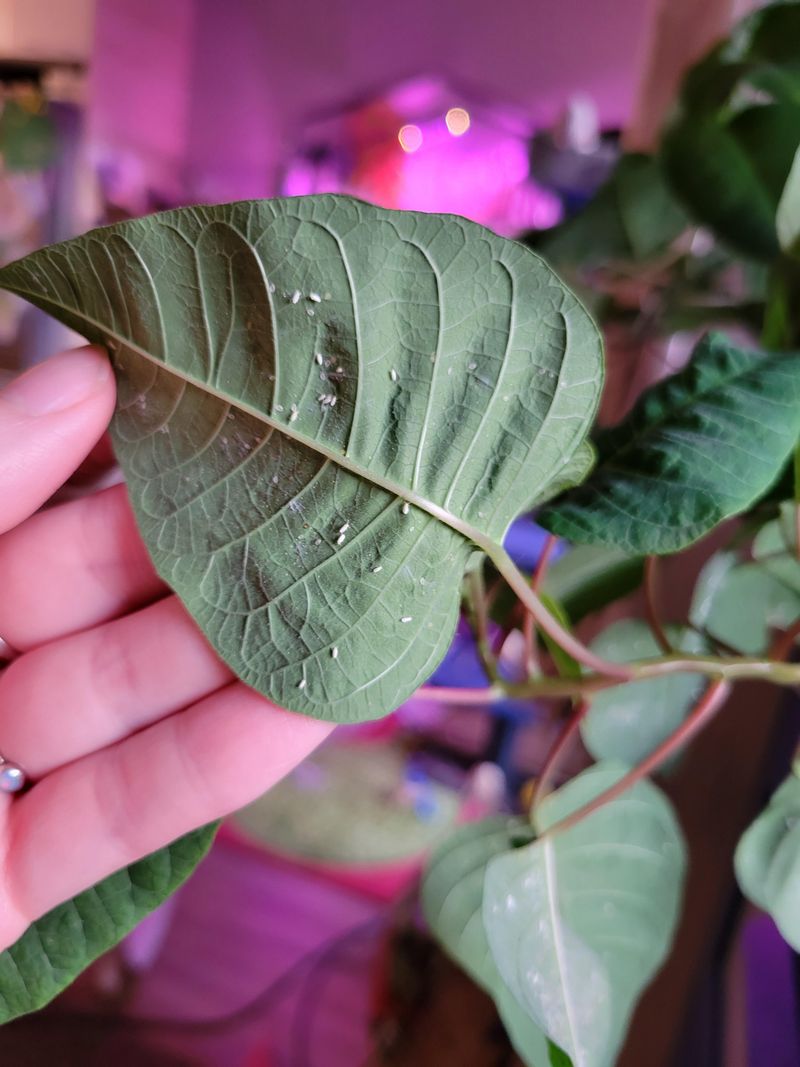
Pests might seem unlikely during winter, but they absolutely can attack your indoor poinsettias, especially in Utah’s dry climate.
Whiteflies, spider mites, and mealybugs love poinsettias and can multiply rapidly in the warm, dry conditions inside your home.
Many homeowners do not inspect their plants regularly and miss the early signs of infestation.
By the time they notice something wrong, the pests have established a strong presence that is difficult to eliminate.
Check the undersides of leaves weekly for tiny insects, sticky residue, or fine webbing.
Whiteflies look like tiny white moths that fly up when you disturb the plant.
Spider mites create fine webbing between leaves and stems, while mealybugs appear as small white cottony masses.
If you spot pests early, you can often control them with a simple solution of water and mild dish soap.
Spray the affected areas thoroughly, making sure to hit the undersides of leaves where pests hide.
Repeat the treatment every few days until the problem resolves.
For severe infestations, you might need a horticultural oil or insecticidal soap from your local garden center.
Prevention works better than treatment, so inspect new plants carefully before bringing them home and isolate them from other houseplants for a week or two.