10 Poison Ivy Removal Tips Virginia Gardeners Should Know Before Touching Anything
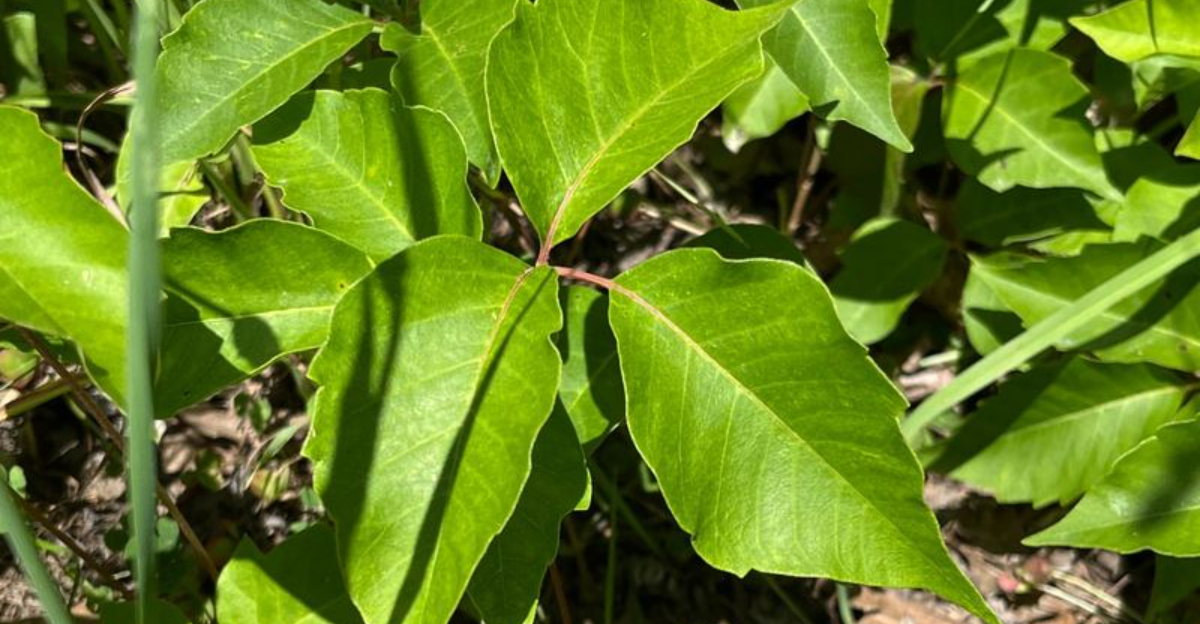
Poison ivy is beautiful in its own sneaky way—but for Virginia gardeners, it’s the enemy lurking in yards, fences, and even flower beds.
One careless touch can lead to itchy, painful rashes that last for days.
Before you grab a pair of gloves and start yanking, it’s crucial to know how to handle it safely.
Poison ivy looks innocent, but it’s packing a powerful punch—don’t go in unprepared!
These ten removal tips help Virginia gardeners tackle poison ivy without turning their garden into a week-long battle of irritation and infection.
From identifying the plant and wearing proper protective gear to smart removal techniques and disposal methods, each step reduces the risk of contact while ensuring the ivy doesn’t return.
Ignoring these precautions can make a bad situation worse—or worse yet, land you in the doctor’s office.
One mistake can cost you days of itching and frustration.
For gardeners in Virginia, knowledge and preparation are key.
With these tips, you can safely reclaim your yard, prevent future outbreaks, and garden confidently even in areas where poison ivy lurks.
Handle it smartly, and your garden—and your skin—will thank you.
1. Learn To Identify Poison Ivy In Every Season
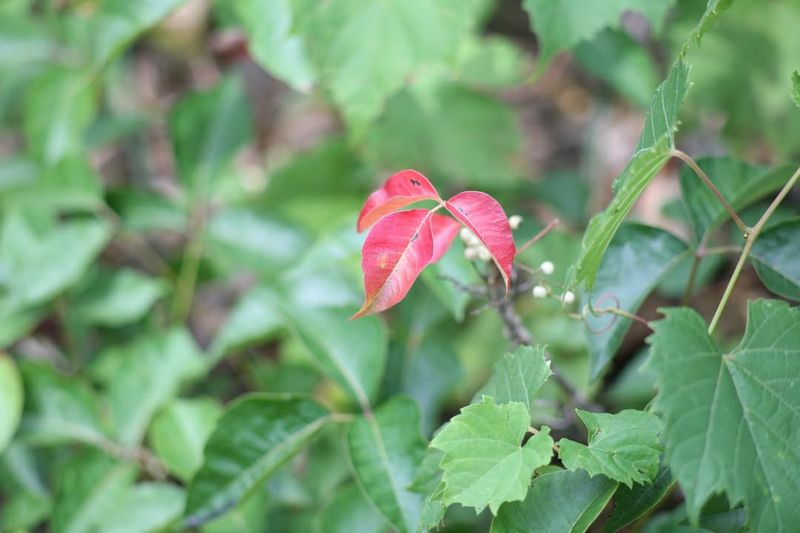
Recognition is your first line of defense when dealing with poison ivy, and this plant changes its appearance dramatically throughout the year in Virginia’s climate.
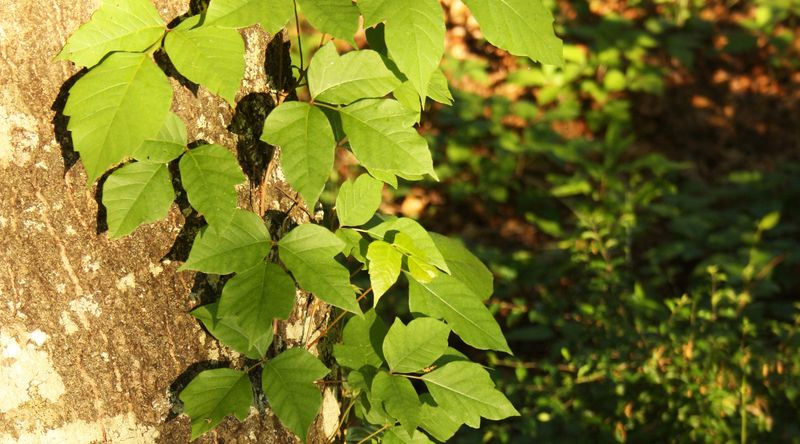
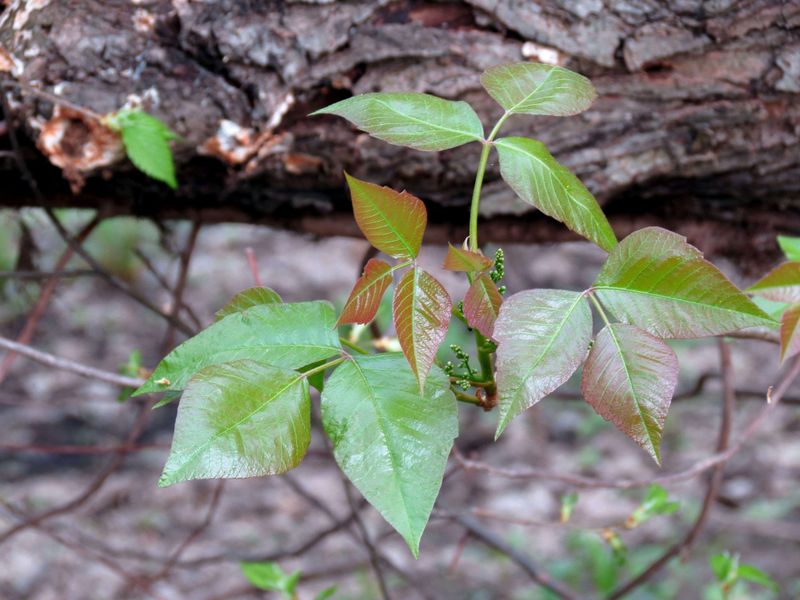
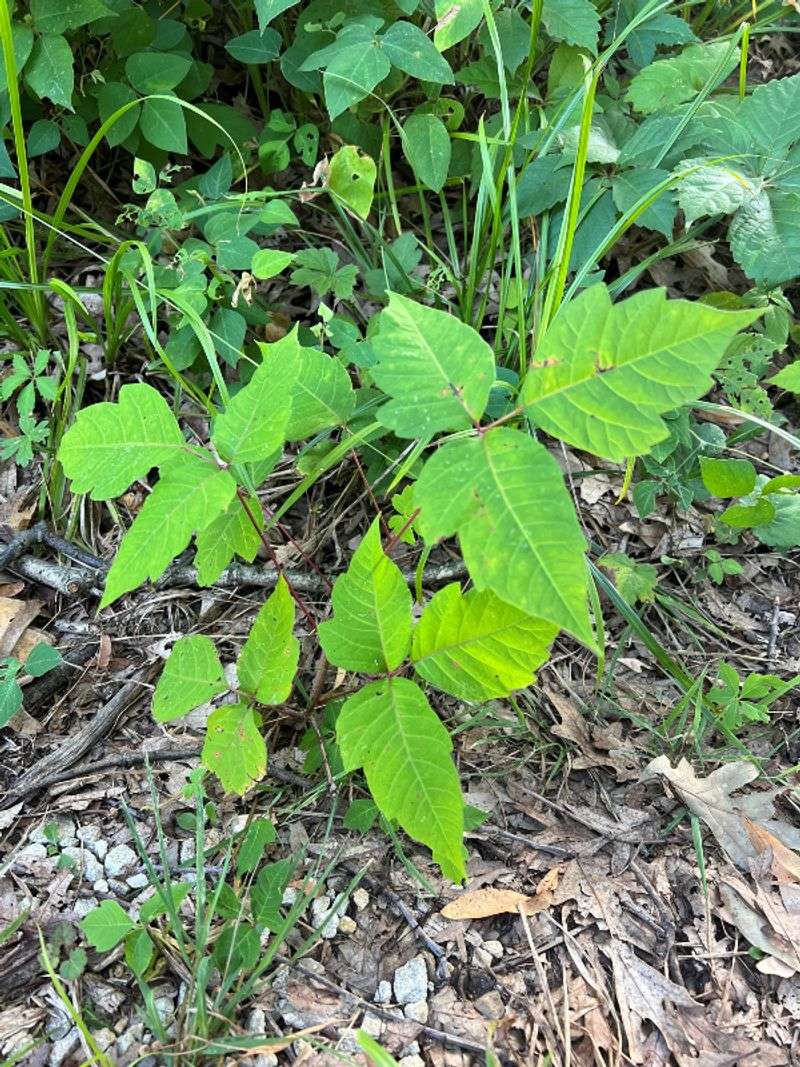
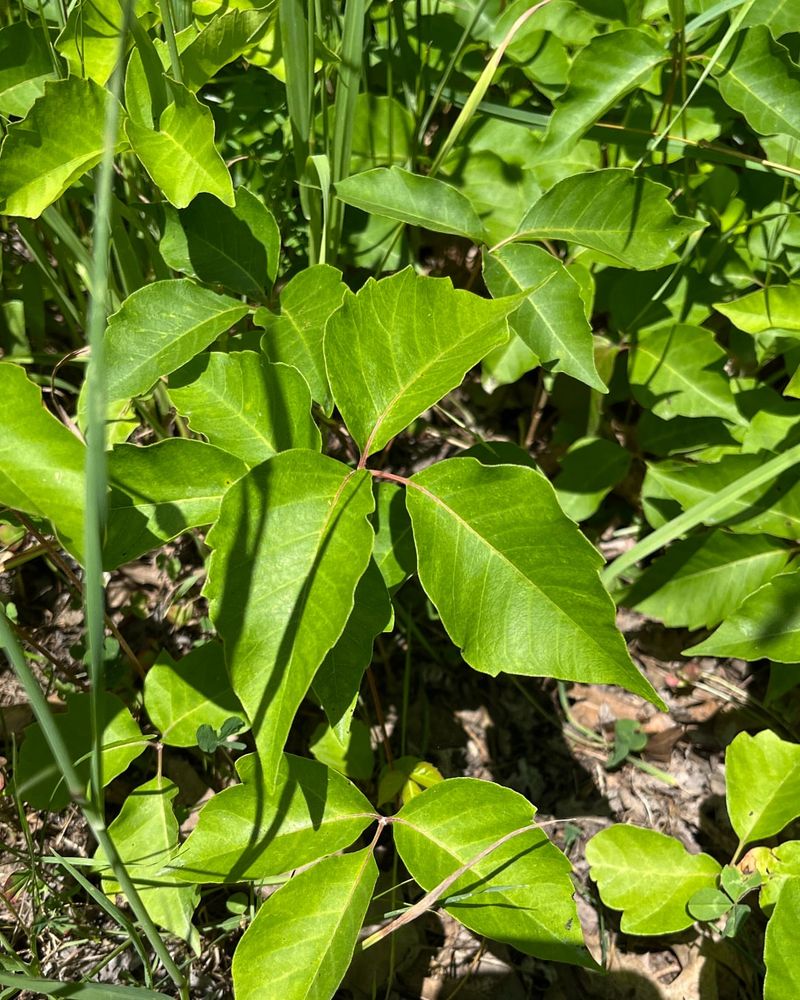
During spring, you’ll notice bright green leaves emerging in clusters of three, often with a reddish tint that makes young growth stand out against other vegetation.
The famous saying “leaves of three, let it be” becomes especially important during this season when new gardeners might mistake it for other harmless plants.
Summer brings lush, glossy green foliage that can sometimes develop small white berries, and the leaves may grow quite large depending on sunlight exposure.
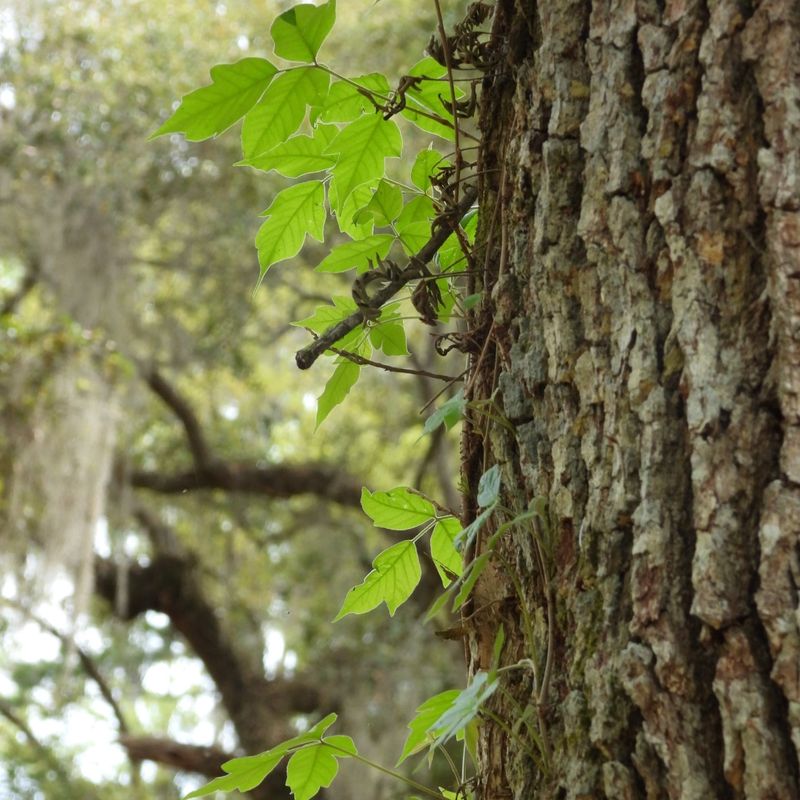
The plant might climb trees as a woody vine or spread along the ground as a low shrub, making it adaptable to various garden environments.
Pay attention to the middle leaflet, which typically has a longer stem than the two side leaves.
Fall transforms poison ivy into a stunning but dangerous display of red, orange, and yellow leaves that rival any ornamental plant for autumn color.
Many unsuspecting gardeners have been fooled by this beautiful foliage and paid the price with severe rashes.
Winter is perhaps the trickiest season because the leaves drop completely, leaving behind hairy, rope-like vines that still contain potent urushiol oil.
Even brushing against these bare vines while pruning other plants can cause reactions, so year-round vigilance is essential for Virginia gardeners.
2. Never Pull Poison Ivy With Bare Hands
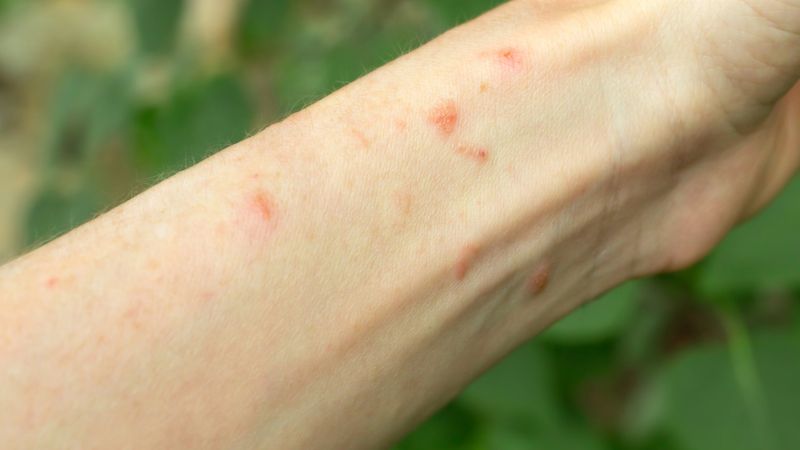
Your skin is incredibly vulnerable to urushiol, the colorless oil found in every part of the poison ivy plant, and direct contact with bare hands is the fastest way to develop a painful, blistering rash.
This oil is remarkably persistent and can remain active on surfaces for months or even years, meaning that plants that have been cut down or removed from the ground still pose a serious threat.
Even tiny amounts of urushiol can trigger severe allergic reactions in most people, with symptoms appearing anywhere from a few hours to several days after exposure.
The oil transfers easily from plant material to anything it touches, including gardening gloves, tools, clothing, pet fur, and even the handles of your wheelbarrow.
Many gardeners have developed mysterious rashes days after their initial removal work because they touched contaminated items without realizing the danger.
Gloves themselves can become weapons if you touch your face, arms, or other exposed skin while wearing them during removal work.
Plants that have been removed from the soil and left to wither still contain active urushiol throughout their stems, leaves, and roots.
Some people mistakenly believe that once poison ivy turns brown or appears dried out, it becomes safe to handle, but this is a dangerous misconception.
The oil remains chemically stable and potent regardless of the plant’s condition, so treating every piece of poison ivy with extreme caution is the only safe approach for Virginia gardeners tackling this persistent pest.
3. Wear The Right Protective Gear Before Starting
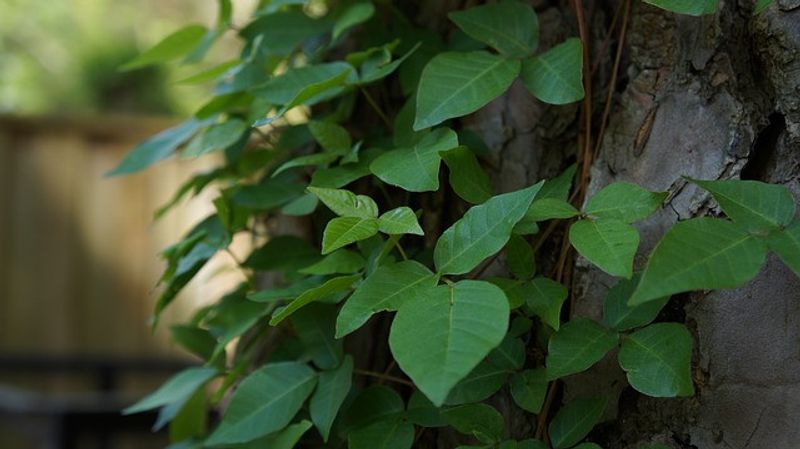
Proper protective equipment creates a barrier between you and the harmful oils that make poison ivy so problematic, and investing in the right gear will save you from weeks of uncomfortable itching.
Start with disposable nitrile gloves rather than fabric or leather options, as these materials can absorb and hold urushiol oil even after washing.
Layer these under heavy-duty rubber gloves for extra protection, especially if you’ll be handling larger vines or working for extended periods.
Long sleeves and pants made from tightly woven fabric provide essential coverage for your arms and legs, and tucking your pants into your socks creates a seal that prevents vines from sneaking underneath.
Choose old clothing that you can either dispose of immediately after the job or wash separately from your regular laundry using hot water and plenty of detergent.
Some experienced gardeners in Virginia prefer disposable coveralls for large removal projects, as these can be thrown away completely without worry.
Eye protection is often overlooked but critically important, especially when cutting vines overhead or using pruning tools that might flick sap toward your face.
Safety glasses or goggles shield your eyes from accidental contact with plant material and urushiol oil.
When you finish your removal work, carefully remove all protective gear by turning gloves and clothing inside out as you take them off, minimizing contact with the contaminated outer surfaces.
Place everything directly into heavy-duty garbage bags, seal them tightly, and dispose of them properly to prevent the oils from spreading to other areas of your home or garden.
4. Choose The Right Time To Remove It
Timing your poison ivy removal project strategically can make the task significantly easier and safer, with certain seasons and weather conditions offering distinct advantages for Virginia gardeners.
Early spring presents an excellent window for removal because the plants are just beginning their growth cycle and haven’t yet developed their full canopy of leaves, making it easier to see what you’re working with.
The cooler temperatures also mean you’ll be more comfortable wearing protective clothing for extended periods.
Late fall offers another prime opportunity once the leaves have dropped but before winter fully sets in, as you can clearly see the vine structure without the distraction of foliage.
The plant’s energy reserves are lower during this dormant period, which can make removal more effective and reduce the likelihood of regrowth.
However, remember that those bare vines are still coated in urushiol oil and require the same precautions as leafy plants.
Weather conditions matter just as much as the season when planning your removal work.
Choose a calm, dry day without wind to prevent cut pieces from blowing around your yard and spreading contamination.
Avoid working right after rain when plants are wet, as moisture can help urushiol oil spread more easily to your skin and clothing.
Morning hours often provide the best conditions before afternoon heat makes wearing protective gear uncomfortable, and you’ll have plenty of daylight to complete the job thoroughly and safely without rushing through the cleanup process.
5. Cut Vines Before Pulling Roots
Strategic cutting is your secret weapon against poison ivy because it weakens the plant’s ability to recover and makes the removal process much more manageable for home gardeners.
Start by cutting the main vines at ground level using sharp pruning shears or loppers, which prevents the plant from immediately channeling energy back into new growth.
This approach also reduces the amount of plant material you need to handle at once, minimizing your exposure risk throughout the project.
When you cut climbing vines that have attached themselves to trees or fences, make your cuts at both the base and about four to five feet up the trunk or structure.
The section left on the tree will gradually wither and release its grip over several weeks, allowing you to remove it later when it poses less risk of oil transfer.
Trying to pull living vines off surfaces often results in breaking them into multiple pieces that scatter around your work area.
After cutting, wait several days or even a couple of weeks before attempting to dig out the root system, giving the plant time to weaken considerably.
This waiting period makes root removal significantly easier because the plant has stopped actively growing and transporting nutrients.
Mark the cut stumps with bright flags or stakes so you can easily locate them later when it’s time to excavate the roots.
Patience during this phase pays off with more complete removal and less chance of the poison ivy returning to haunt your Virginia garden in future seasons.
6. Never Burn Poison Ivy
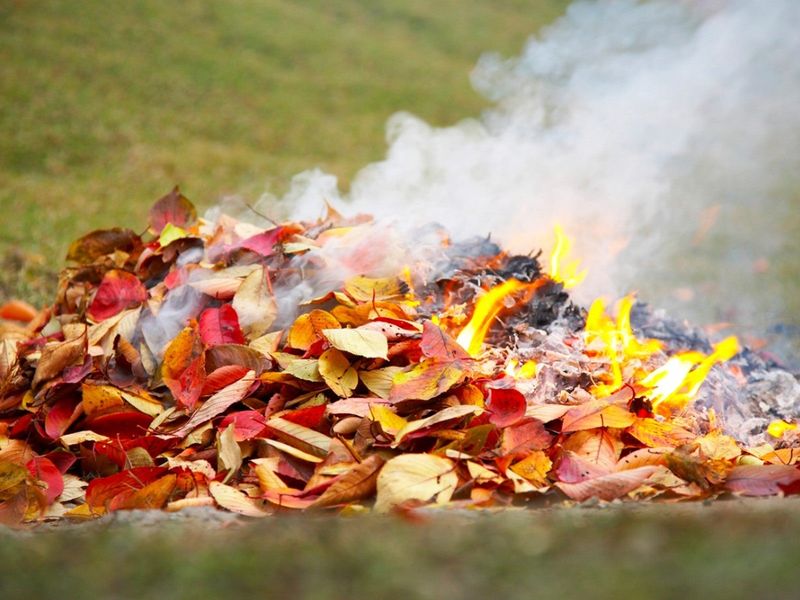
Burning poison ivy might seem like a quick solution for disposing of removed plant material, but this approach creates serious health hazards that far outweigh any perceived convenience.
When poison ivy combusts, the urushiol oil becomes airborne in smoke particles that can travel considerable distances on the wind, potentially affecting anyone who breathes them in.
These toxic fumes can cause severe respiratory distress, including painful inflammation of the lungs, throat, and nasal passages that may require emergency medical treatment.
The danger extends beyond respiratory issues to include potential damage to your eyes if smoke drifts into your face during burning.
Many people have ended up in emergency rooms after inhaling poison ivy smoke during brush pile burning, not realizing that the innocent-looking vines mixed in with other yard waste posed such a serious threat.
The reaction can be particularly severe because the urushiol particles can reach deep into lung tissue where they cause inflammation that takes weeks to heal.
Virginia has specific regulations regarding outdoor burning, and many counties prohibit burning yard waste altogether due to fire safety and air quality concerns.
Even where burning is technically permitted, introducing poison ivy into a fire violates common sense safety practices and puts your neighbors at risk as well.
Instead, bag all removed poison ivy material securely and dispose of it through your regular trash service or take it to an approved landfill facility.
The extra effort required for proper disposal is a small price to pay compared to the potential medical consequences of burning this hazardous plant.
7. Bag Everything Immediately
Containment is crucial when removing poison ivy because every piece of plant material you leave exposed is an opportunity for urushiol oil to spread to unintended surfaces.
Have heavy-duty plastic garbage bags ready before you begin cutting, and place cut vines, leaves, and roots directly into bags as you work rather than piling them on the ground.
This immediate bagging strategy prevents contaminated plant parts from touching your lawn, patio, or other garden areas where family members and pets might encounter them later.
Double-bagging provides extra security against tears and leaks, especially when dealing with woody vines that have sharp cut ends capable of puncturing plastic.
Seal each bag tightly with twist ties or duct tape as soon as it’s full, and label them clearly with “POISON IVY” in permanent marker so anyone handling the bags knows to exercise caution.
Never overfill bags to the point where they’re difficult to close properly, as exposed plant material defeats the entire purpose of containment.
Keep filled bags in a secure location away from children, pets, and high-traffic areas until trash collection day arrives.
Some Virginia municipalities have specific guidelines for disposing of hazardous plant material, so check with your local waste management department if you’re unsure about proper disposal procedures.
Never leave bagged poison ivy sitting in your garage or shed for extended periods, as the urushiol oil can potentially transfer through the bags to other items.
Prompt, careful disposal protects everyone in your household from accidental exposure and marks the final step in responsible poison ivy removal.
8. Clean Tools And Clothes Right Away

Thorough cleaning after poison ivy removal prevents the frustrating scenario of developing a rash days or weeks later from contaminated equipment, making this step just as important as the removal itself.
Urushiol oil clings tenaciously to metal, plastic, fabric, and rubber surfaces, and it won’t simply evaporate or wash away with plain water.
Start by wiping down all tools with rubbing alcohol or a specialized poison ivy wash product while still wearing your protective gloves, paying special attention to handles, blades, and any surface that contacted plant material.
After the initial wipe-down, wash tools thoroughly with hot water and dish soap, which helps break down the oily residue.
Some experienced Virginia gardeners keep a dedicated bucket of soapy water on hand during removal projects for repeated tool cleaning throughout the work session.
Let tools air dry completely before storing them, and consider keeping poison ivy removal tools separate from your regular gardening equipment to minimize cross-contamination risks.
Clothing requires special handling to ensure complete urushiol removal and prevent washing machine contamination.
Wash contaminated garments separately from your regular laundry using the hottest water the fabric can tolerate and a full dose of heavy-duty detergent.
Run the washing machine through an extra rinse cycle with hot water after removing the contaminated clothes to flush any residual oils from the drum.
Some gardeners prefer to simply dispose of heavily contaminated clothing rather than risk incomplete cleaning, especially when dealing with fabric gloves or old clothes that were already destined for retirement.
Your skin will thank you for this meticulous attention to cleanup details.
9. Use Herbicides Carefully (And Only If Needed)
Chemical control can be effective for stubborn poison ivy infestations, but it should be your backup plan rather than your first approach, used only when physical removal proves impractical or insufficient.
Herbicides containing glyphosate or triclopyr are most effective against poison ivy, working by being absorbed through the leaves and transported throughout the plant to destroy the entire root system.
Timing matters significantly with chemical treatments, as poison ivy is most vulnerable to herbicides during active growth periods in late spring and early summer.
Application technique affects both effectiveness and safety when using herbicides around your Virginia garden.
Use a pump sprayer or foam applicator to target poison ivy specifically rather than broadcasting chemicals across your entire yard, which protects desirable plants and reduces environmental impact.
Apply herbicides on calm days to prevent drift onto vegetables, flowers, or ornamental plants, and follow label directions precisely regarding mixing ratios and application rates.
Understand that herbicides don’t provide instant results with poison ivy, and you may need multiple applications spaced several weeks apart to completely eliminate established plants.
The leaves will gradually turn yellow and brown over several days or weeks as the chemical works through the plant’s system.
Avoid touching treated plants even after they appear withered, as urushiol oil remains active regardless of the plant’s health status.
Consider herbicides as part of an integrated approach that combines chemical treatment with physical removal, especially for large infestations where manual removal alone might be overwhelming or when poison ivy keeps returning despite your best efforts at digging out roots.
10. Know When To Call A Professional
Some poison ivy situations exceed the reasonable scope of DIY removal, and recognizing these scenarios can save you from injury, extensive property damage, or weeks of miserable rashes.
Large infestations that cover hundreds of square feet or have climbed high into valuable trees often require professional equipment and expertise that typical homeowners don’t possess.
Trained removal specialists have access to specialized protective gear, commercial-grade herbicides, and techniques for safely handling extensive poison ivy growth without spreading contamination throughout your property.
Consider professional help when poison ivy has intertwined itself with desirable plants that you want to preserve, as separating them without damaging either plant requires skill and patience.
Professionals can also assess whether complete removal is feasible or if ongoing management might be a more realistic approach for your particular situation.
They bring experience in identifying the full extent of root systems and can ensure more complete removal that reduces the likelihood of regrowth.
Personal health considerations should also factor into your decision about professional removal services.
If you’re among the small percentage of people who are extremely sensitive to urushiol or have had severe reactions in the past, hiring professionals protects you from potentially dangerous exposure.
Similarly, if you have physical limitations that make wearing heavy protective gear uncomfortable or if the affected area requires climbing ladders or working on slopes, professional services provide a safer alternative.
Virginia has numerous reputable landscaping and pest control companies experienced in poison ivy removal, and their services often prove cost-effective when you factor in the time, equipment, and potential medical expenses associated with DIY attempts on challenging infestations.