Poisonous Creatures Alabama Homeowners Should Watch Out For
Alabama’s warm climate and long growing seasons invite all kinds of wildlife to share the land, and not every visitor plays nice.
Some creatures carry venom that can turn a quiet afternoon into a painful wake up call.
They hide in tall grass, slip under porches, or curl up in woodpiles where homeowners least expect them.
A backyard that looks peaceful can still hold a few surprises that bite back when given the chance.
Many people assume trouble shows up loud and obvious, yet poisonous creatures often rely on silence and camouflage.
One careless step during yard work or one curious reach near a dark corner can lead to a close call.
Knowing what to watch for gives homeowners the upper hand.
Awareness turns panic into preparedness and keeps small problems from turning into big ones.
A little caution goes a long way in Alabama yards.
When you recognize the signs, shapes, and habits of dangerous creatures, everyday tasks feel less risky.
Gardening, mowing, and relaxing outdoors stay enjoyable instead of nerve racking.
Nature brings beauty and balance, but it also demands respect.
Staying informed helps homeowners protect their space, their families, and their peace of mind without losing sleep over every rustle in the grass.
1. Copperhead Snake
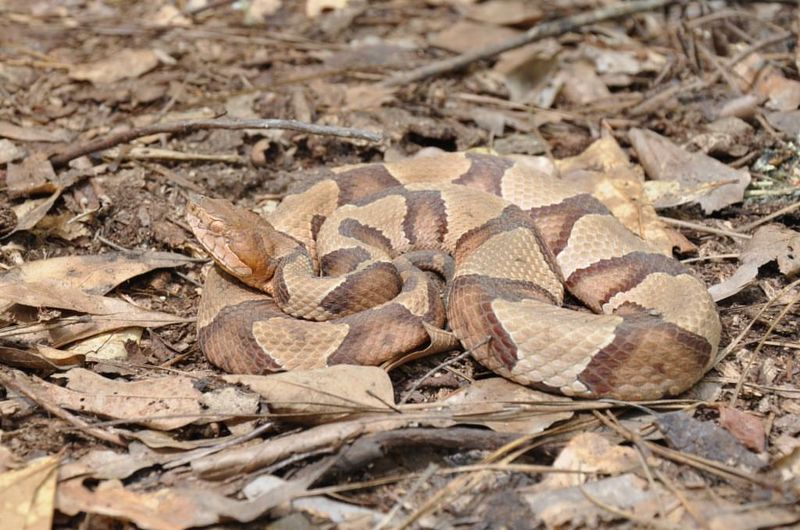
Copperheads rank among the most commonly encountered venomous snakes across Alabama, especially in wooded areas and near water sources.
Their copper-colored heads and distinctive hourglass markings make them somewhat easier to identify than other species.
These snakes blend remarkably well with leaf litter, making them nearly invisible when resting on the ground.
Homeowners often find copperheads near woodpiles, under porches, or in overgrown gardens where rodents are plentiful.
They rarely act aggressively unless stepped on or cornered.
Most bites occur when people accidentally disturb them during yard work or outdoor activities.
If you spot a copperhead near your Alabama home, keep a safe distance and never attempt to catch or handle it.
Remove potential hiding spots like brush piles and keep grass trimmed short.
Wearing boots and gloves while gardening provides extra protection.
These snakes play an important role in controlling rodent populations, so professionals recommend relocating them rather than harming them.
Contact a licensed wildlife removal expert if one takes up residence too close to your living spaces.
Teaching children to recognize and avoid these snakes helps prevent accidental encounters around your property.
2. Eastern Diamondback Rattlesnake
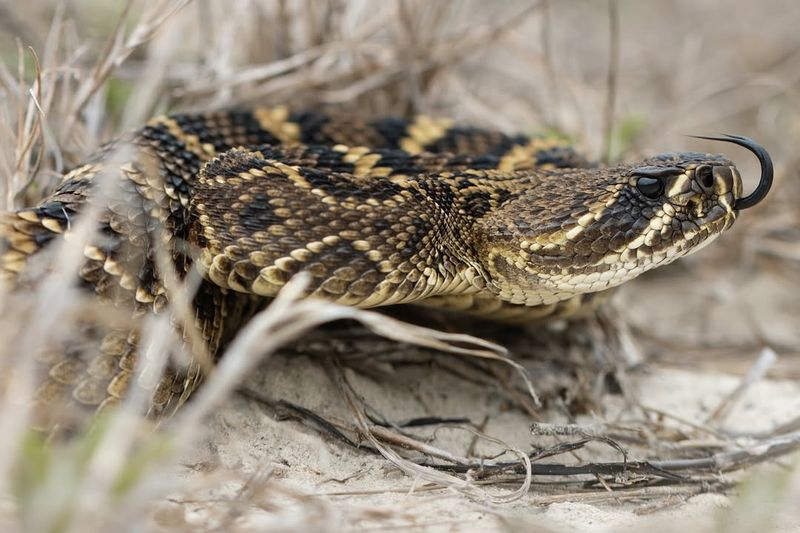
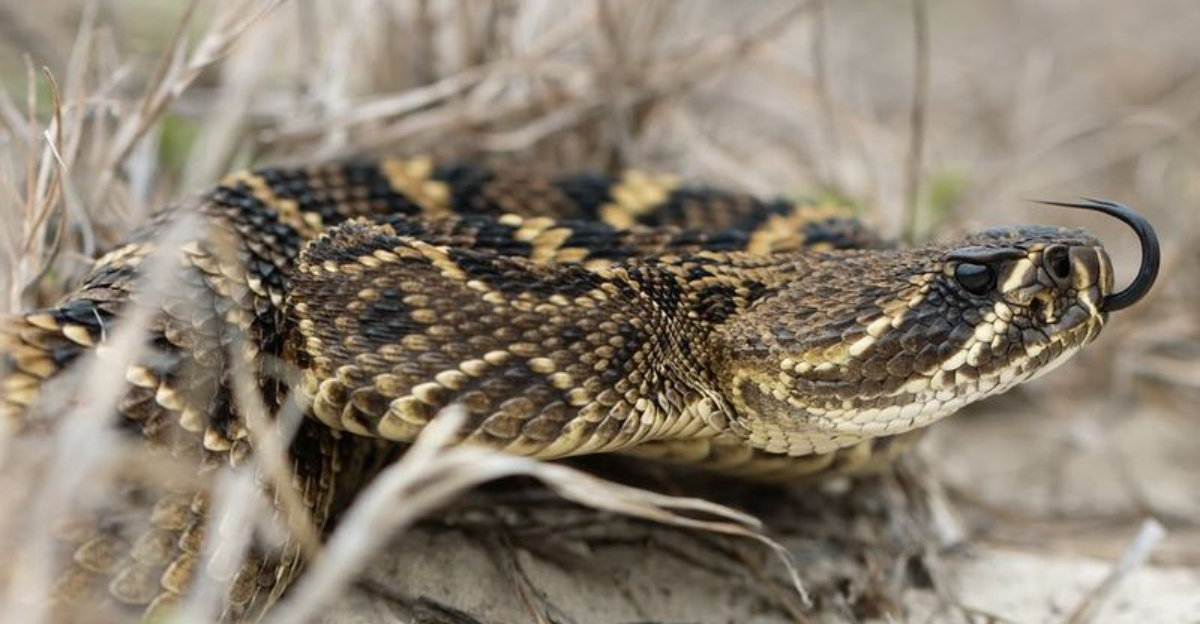
Alabama’s largest venomous snake commands respect with its impressive size and potent venom.
Eastern diamondbacks can grow over six feet long and display bold diamond patterns along their backs.
The distinctive rattle at the tail end serves as nature’s warning system, buzzing loudly when the snake feels threatened.
These massive reptiles prefer pine forests, coastal areas, and sandy regions throughout southern Alabama.
Population numbers have declined significantly due to habitat loss, making encounters less common than in past decades.
When spotted, they typically coil defensively and rattle vigorously before striking.
Maintaining awareness while walking through tall grass or wooded areas helps prevent surprise meetings with these impressive snakes.
They hunt primarily at dawn and dusk, so extra caution during these times proves wise.
Never reach into holes, under logs, or into dense vegetation without checking first.
Their venom can cause serious tissue damage and requires immediate medical attention.
Keep emergency numbers handy and know the location of the nearest hospital.
Creating a snake-proof fence around play areas offers added security for families with young children exploring outdoor spaces in Alabama.
3. Cottonmouth Water Moccasin
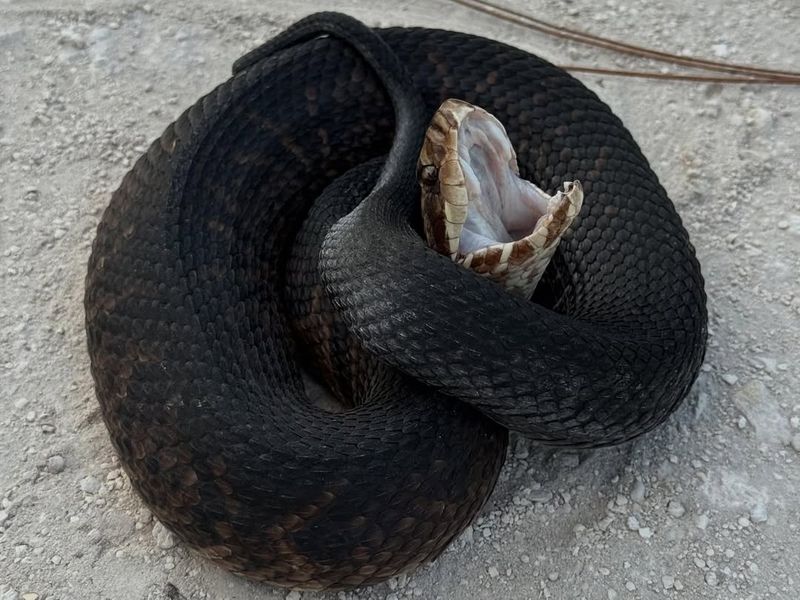
Water moccasins earn their nickname from the startling white interior of their mouths, which they display when feeling defensive.
These semi-aquatic snakes thrive in swamps, streams, and lakes throughout Alabama.
Their dark coloration and chunky bodies distinguish them from harmless water snakes sharing the same habitats.
Unlike many snakes that flee when approached, cottonmouths sometimes hold their ground or even move toward perceived threats.
This bold behavior makes them particularly concerning for homeowners with waterfront property.
They often sun themselves on logs, rocks, or boat docks during warmer months.
Swimming in Alabama’s natural waters requires extra vigilance, especially in murky or vegetation-filled areas where these snakes hunt.
They feed on fish, frogs, and small mammals, so areas with abundant prey attract them.
Clearing debris from shorelines and dock areas reduces hiding spots.
Young cottonmouths have bright yellow tail tips they wiggle to lure prey, a detail that helps with identification.
If you encounter one near your property, give it plenty of space to retreat.
Installing motion-activated lights near water features can discourage nighttime visits from these adaptable hunters around Alabama homes.
4. Timber Rattlesnake

Mountain regions and heavily forested areas of Alabama provide perfect habitat for timber rattlesnakes, which prefer cooler, elevated terrain.
Their variable coloration ranges from yellow to dark brown with distinctive crossbands.
Like their diamondback cousins, they possess a rattle that warns potential threats to back away.
These snakes show remarkable patience as ambush predators, sometimes remaining motionless for days waiting for prey to wander past.
Hikers and homeowners in rural Alabama should watch where they step, especially near rocky outcrops and fallen logs.
They become more active during spring and fall when temperatures moderate.
Timber rattlers generally avoid confrontation and use their camouflage as a first line of defense.
Their venom potency varies by individual, but all bites require urgent medical care.
Carrying a cell phone during outdoor activities ensures you can call for help quickly.
Property owners can discourage these snakes by eliminating rodent populations and removing debris that provides shelter.
Stone walls and rock gardens sometimes attract them as basking spots.
Regular inspections of outbuildings and sheds help catch problems early before snakes become established residents on your Alabama property.
5. Southern Black Widow Spider
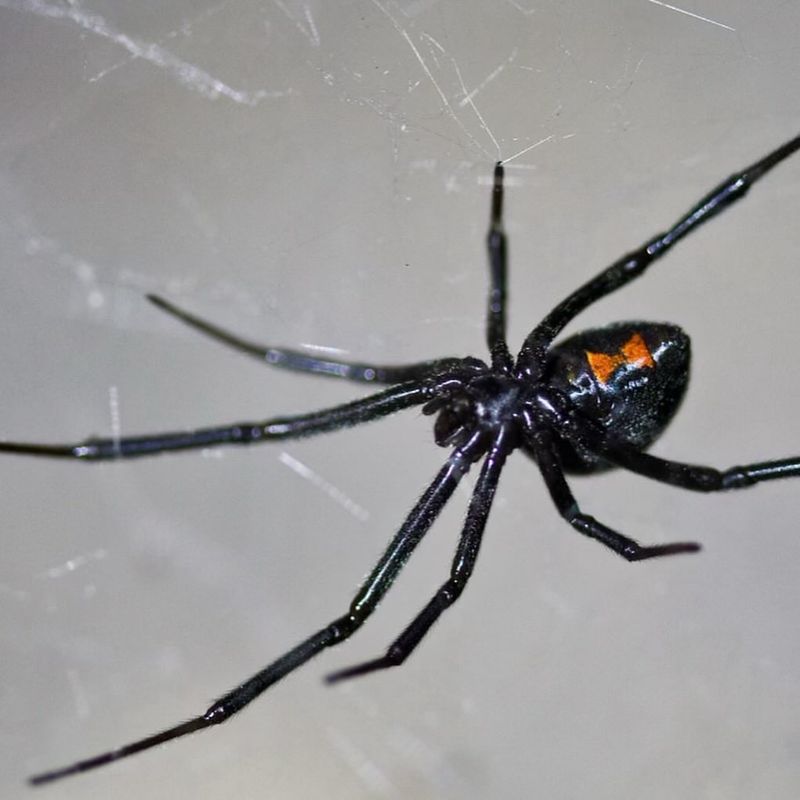
Shiny black bodies adorned with the infamous red hourglass marking make female black widows instantly recognizable to most Alabama residents.
These spiders construct irregular, sticky webs in undisturbed areas like garages, sheds, and outdoor furniture.
Males and juveniles lack the dramatic coloring and pose minimal threat to humans.
Black widows prefer dark, quiet spaces where they can hunt insects undisturbed.
Reaching into storage boxes, putting on gardening gloves, or moving firewood without looking first often leads to accidental contact.
Their neurotoxic venom causes severe muscle pain and cramping that can last for days.
Regular cleaning and decluttering of storage areas reduces hiding spots these spiders favor.
Shaking out shoes, gloves, and clothing before wearing them becomes second nature for cautious Alabama homeowners.
Sealing cracks and gaps in foundations prevents them from moving indoors.
Despite their fearsome reputation, black widows rarely bite unless trapped against skin or protecting egg sacs.
They actually help control pest populations around your property.
If you discover webs, use a stick to remove them while wearing protective gear, or contact pest control professionals for safe removal from your Alabama home.
6. Brown Recluse Spider
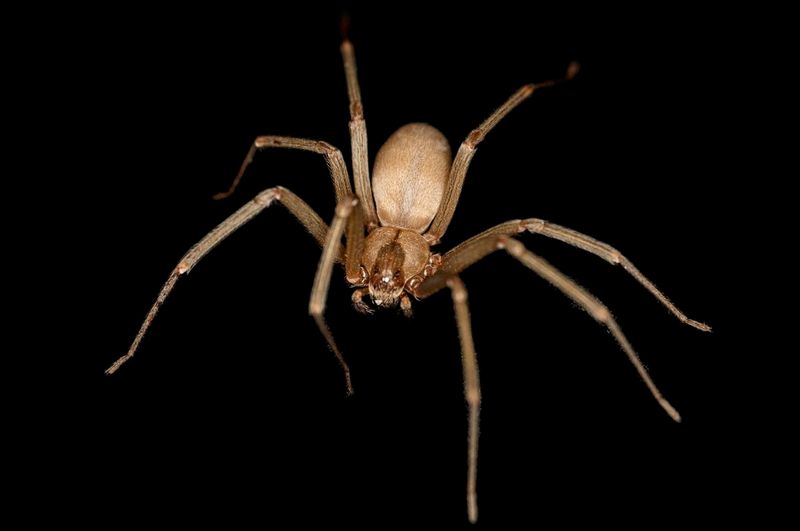
A violin-shaped marking on the back serves as the calling card for brown recluse spiders, though this feature can be difficult to spot on their small bodies.
These shy arachnids live up to their name, preferring isolation in closets, attics, and behind furniture throughout Alabama homes.
Unlike most spiders with eight eyes, brown recluses have only six arranged in pairs.
Their venom contains enzymes that can cause tissue damage and slow-healing wounds in some people.
Most bites happen when the spider gets trapped in clothing or bedding.
Symptoms may not appear immediately, developing over several hours or even days after contact occurs.
Reducing clutter and vacuuming regularly removes both spiders and the insects they hunt.
Storing seasonal clothing in sealed plastic containers provides better protection than cardboard boxes.
Installing door sweeps and repairing window screens keeps them from wandering inside.
Brown recluses thrive in undisturbed areas, so items stored long-term in Alabama basements or attics warrant extra caution when handling.
Sticky traps placed along baseboards help monitor spider activity.
Professional pest control treatments offer the most effective solution for established infestations in your home.
7. Scorpions
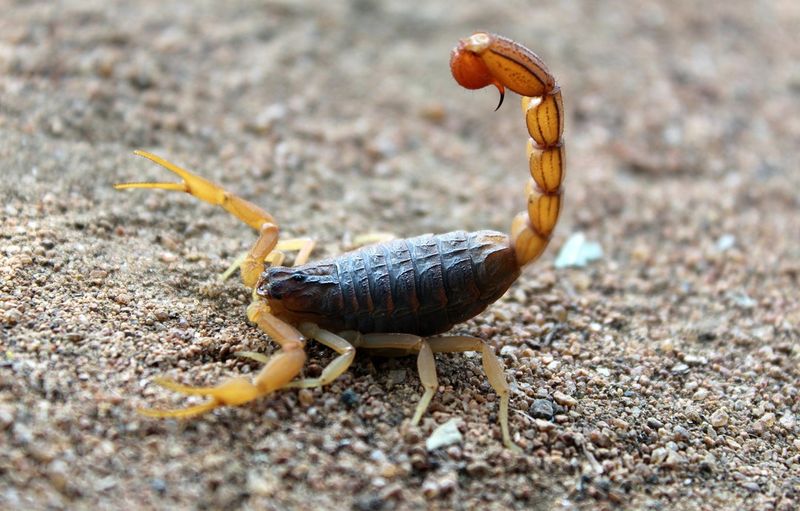
Several scorpion species call Alabama home, though they receive less attention than their desert-dwelling relatives out west.
The southern devil scorpion and striped bark scorpion appear most frequently around human dwellings.
These nocturnal hunters glow under ultraviolet light, a trait that helps homeowners locate them after dark.
Alabama scorpions typically measure one to three inches long and pack a sting comparable to a wasp, causing localized pain and swelling.
They hide under rocks, loose bark, and debris during daylight hours.
At night, they emerge to hunt insects and other small prey around your property.
Scorpions can squeeze through remarkably small openings to enter homes seeking moisture and shelter.
Checking shoes and shaking out towels before use prevents painful encounters.
They often crawl up walls and can drop from ceilings, making overhead awareness important.
Sealing cracks in foundations and around utility lines blocks entry points into Alabama homes.
Removing yard debris and keeping firewood away from the house reduces outdoor populations.
Using a blacklight flashlight during evening inspections reveals their presence.
While their stings rarely cause serious medical problems, children and those with allergies should seek medical evaluation after any scorpion encounter.
8. Fire Ants
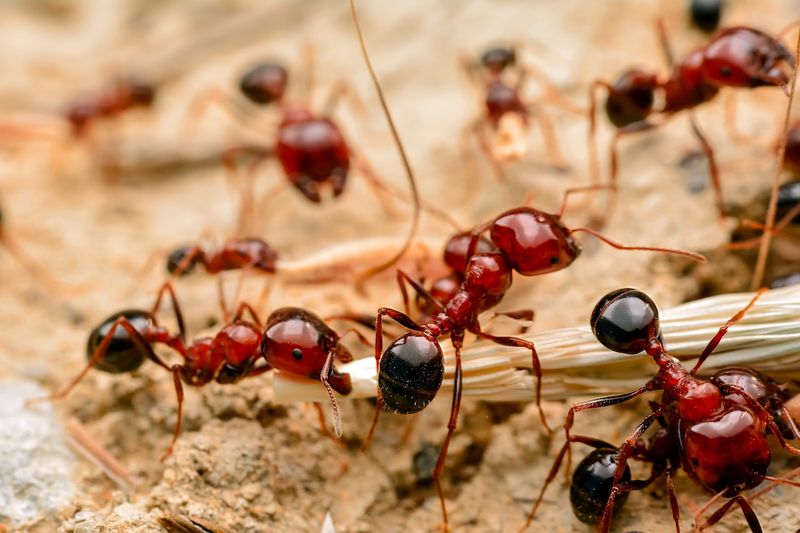
Red imported fire ants have become one of Alabama’s most persistent pest problems since arriving decades ago.
These aggressive insects build large mounds in yards, parks, and fields across the state.
When disturbed, hundreds of ants swarm out simultaneously, climbing onto the intruder before stinging in coordinated attacks.
Each ant can sting multiple times, injecting venom that causes burning pain and pustules at sting sites.
Some people develop severe allergic reactions requiring emergency medical care.
Children playing outdoors and pets face the highest risk of encountering these territorial insects around Alabama properties.
Fire ant colonies can contain over 200,000 workers and multiple queens, making elimination challenging for homeowners.
They prefer sunny locations and often build mounds near sidewalks, driveways, and foundations.
After rain, colonies may temporarily relocate indoors seeking dry ground.
Regular yard inspections help catch new mounds while they remain small and easier to treat.
Numerous control products exist, from baits to contact insecticides, each with specific application methods.
Professional pest control services offer the most reliable long-term management for severe infestations.
Teaching family members to recognize and avoid fire ant mounds prevents most stings around your Alabama home and yard.
9. Puss Caterpillar
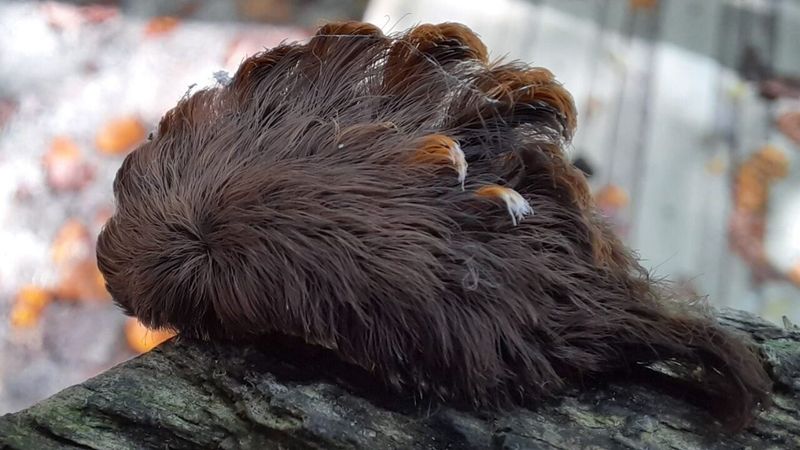
Looking more like a tiny Persian cat than a dangerous insect, puss caterpillars fool people with their soft, fuzzy appearance.
These unusual creatures rank among the most venomous caterpillars in North America.
Hidden beneath the hair-like covering lie sharp, venomous spines that deliver an intensely painful sting upon contact.
Alabama residents encounter them most often during late spring and fall when they feed on oak, elm, and citrus trees.
The pain from touching one has been compared to a broken bone, spreading quickly from the contact site.
Symptoms can include nausea, headache, and swollen lymph nodes in severe cases.
Children naturally want to touch these seemingly cuddly caterpillars, making education about them essential for Alabama families.
They sometimes drop from trees onto people below or crawl onto outdoor furniture.
Inspecting play areas and picnic spots before use helps prevent accidental contact.
If stung, use tape to remove any spines stuck in the skin, then wash the area thoroughly.
Applying ice packs and taking pain relievers helps manage symptoms.
Seek medical attention if severe reactions develop.
Removing them from trees near your home requires caution; wearing thick gloves and using tools rather than bare hands protects you from these deceptively dangerous Alabama caterpillars.