12 Poisonous Creatures California Homeowners Should Know About

California’s mild climate and diverse landscapes make it an ideal place to live—and an ideal place for dangerous wildlife to thrive close to home.
From quiet suburban yards to cluttered garages and nearby hiking paths, poisonous creatures often share the same spaces homeowners use every day.
Many of them stay hidden, striking only when disturbed, which makes accidental encounters far more common than people expect.
Some of these animals deliver painful stings or bites, while others inject venom capable of causing serious medical emergencies.
Children, pets, and unsuspecting homeowners face the highest risk, especially during warmer months when outdoor activity increases.
A simple task like gardening, moving storage boxes, or stepping outside at night can quickly turn risky without awareness.
These creatures are not limited to remote deserts or deep forests.
They adapt well to human environments, taking shelter under rocks, inside sheds, or along fences and woodpiles.
Recognizing what lives nearby can make the difference between a close call and a trip to the emergency room.
This guide highlights twelve poisonous creatures every California homeowner should know to help keep homes, families, and pets safer year-round.
1. Western Rattlesnake
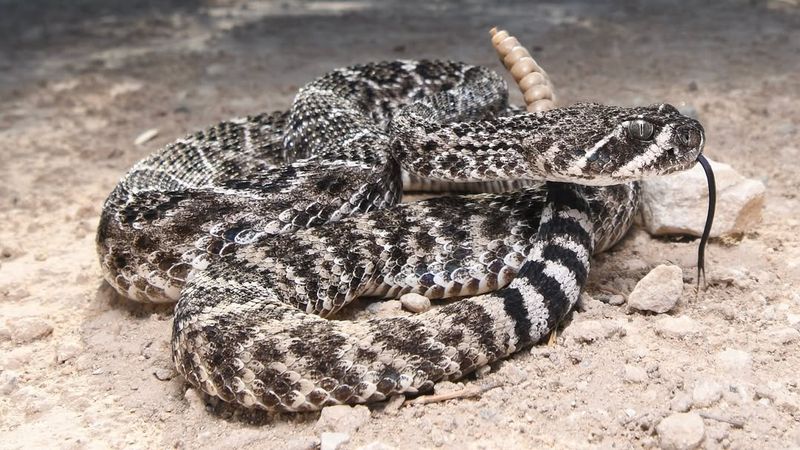
Spotting a rattlesnake in your backyard might sound scary, but these reptiles actually prefer avoiding humans whenever possible and only strike when cornered.
The Western Rattlesnake, commonly found throughout California, uses its iconic rattle as a warning system to alert people and animals to back away slowly.
Their venom contains toxins that damage tissue and blood cells, making immediate medical attention absolutely necessary if someone receives a bite from one.
These snakes typically hide under rocks, woodpiles, or dense vegetation during hot afternoons, emerging during cooler morning and evening hours to hunt rodents.
Homeowners should keep grass trimmed short, remove debris piles, and seal gaps under sheds to discourage rattlesnakes from settling near living spaces.
Wearing boots during hikes and watching where you place your hands while gardening reduces accidental encounters significantly and keeps everyone much safer.
California law protects rattlesnakes in many areas, so calling wildlife professionals for safe removal is always better than attempting to handle them yourself.
Teaching children to recognize the distinctive rattle sound and triangular head shape helps them know when to freeze and call for adult help immediately.
Respecting these creatures from a distance allows both humans and rattlesnakes to coexist peacefully throughout California’s diverse landscapes without unnecessary conflict or danger.
2. Black Widow Spider
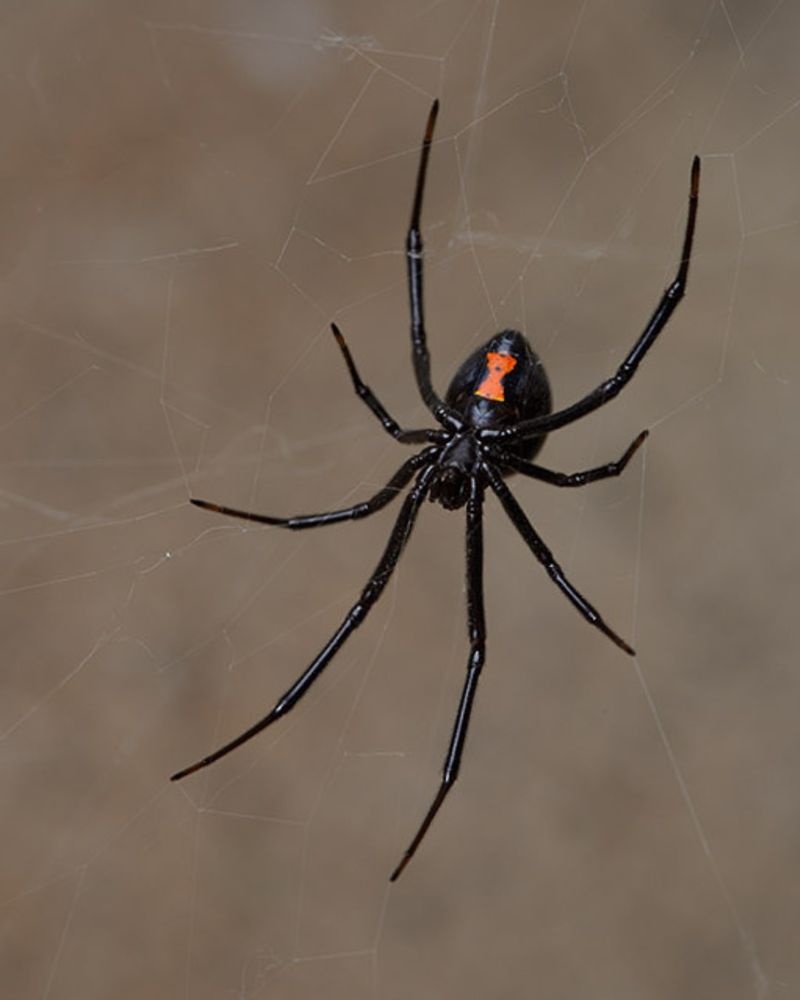
That shiny black spider with the red hourglass marking underneath is one of California’s most infamous residents, known for delivering painful bites when disturbed.
Female Black Widows pack venom strong enough to cause severe muscle cramps, nausea, and breathing difficulties, though fatalities remain extremely rare with modern treatment.
Males are much smaller and harmless, but females defend their egg sacs aggressively, making accidental contact in garages or sheds particularly dangerous for homeowners.
These spiders build irregular, tangled webs in undisturbed areas like outdoor furniture, storage boxes, firewood piles, and underneath porch railings where they rarely encounter people.
Wearing gloves while moving stored items, shaking out shoes before wearing them, and regularly cleaning cluttered spaces dramatically reduces your chances of surprise encounters.
Black Widows are not aggressive hunters and will flee rather than attack unless they feel trapped or threatened by sudden movements nearby.
Recognizing the symptoms of a Black Widow bite—which include severe abdominal pain, muscle rigidity, and excessive sweating—helps victims seek appropriate medical care quickly.
Hospitals stock antivenom that effectively treats serious reactions, and most people recover completely within a few days with proper medical supervision and supportive treatment.
Preventing infestations by sealing cracks, removing webs regularly, and keeping outdoor areas tidy protects families while respecting these spiders’ important role controlling insect populations.
3. Brown Widow Spider
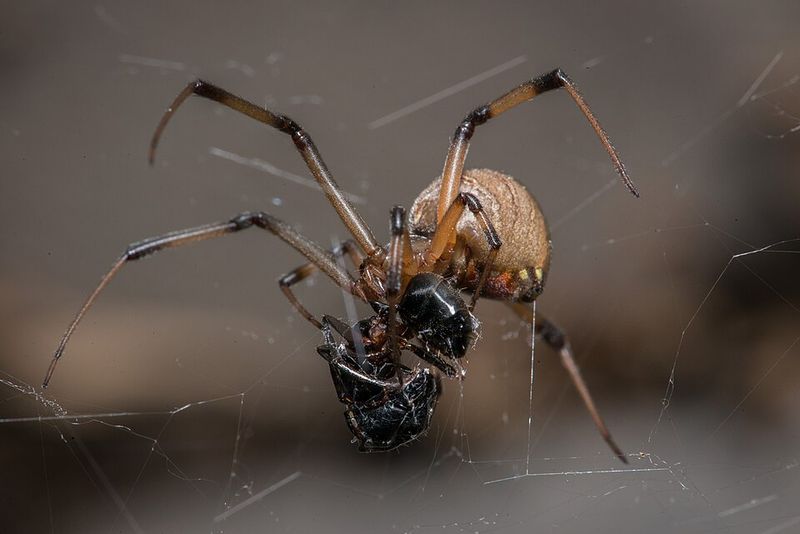
Often mistaken for their more famous cousins, Brown Widow spiders have been spreading rapidly across California neighborhoods, building webs in mailboxes, playground equipment, and patio furniture.
Their venom is actually more potent than Black Widows, but they inject much smaller amounts, resulting in milder symptoms that usually include localized pain.
The distinctive spiky egg sacs resembling tiny sea mines help identify Brown Widow infestations before anyone accidentally disturbs their hiding spots around homes.
These spiders display varied coloring from tan to dark brown with an orange or yellowish hourglass marking underneath, making them slightly harder to identify.
Brown Widows tend to be less aggressive than Black Widows and often pretend deceased when threatened rather than biting immediately in self-defense.
However, reaching into dark spaces without looking first remains risky because any spider will defend itself when directly touched or squeezed accidentally.
Checking outdoor furniture before sitting down, inspecting toys left outside overnight, and wearing gloves during yard work prevents most Brown Widow encounters effectively.
Children should learn to look before reaching into storage bins, under outdoor tables, or behind decorative items where spiders commonly establish their messy webs.
Regular web removal with a stick or broom, combined with sealing entry points into garages and sheds, keeps Brown Widow populations under control.
Professional pest control services can treat persistent infestations safely without endangering family members or pets who use outdoor spaces regularly throughout the year.
4. California Bark Scorpion
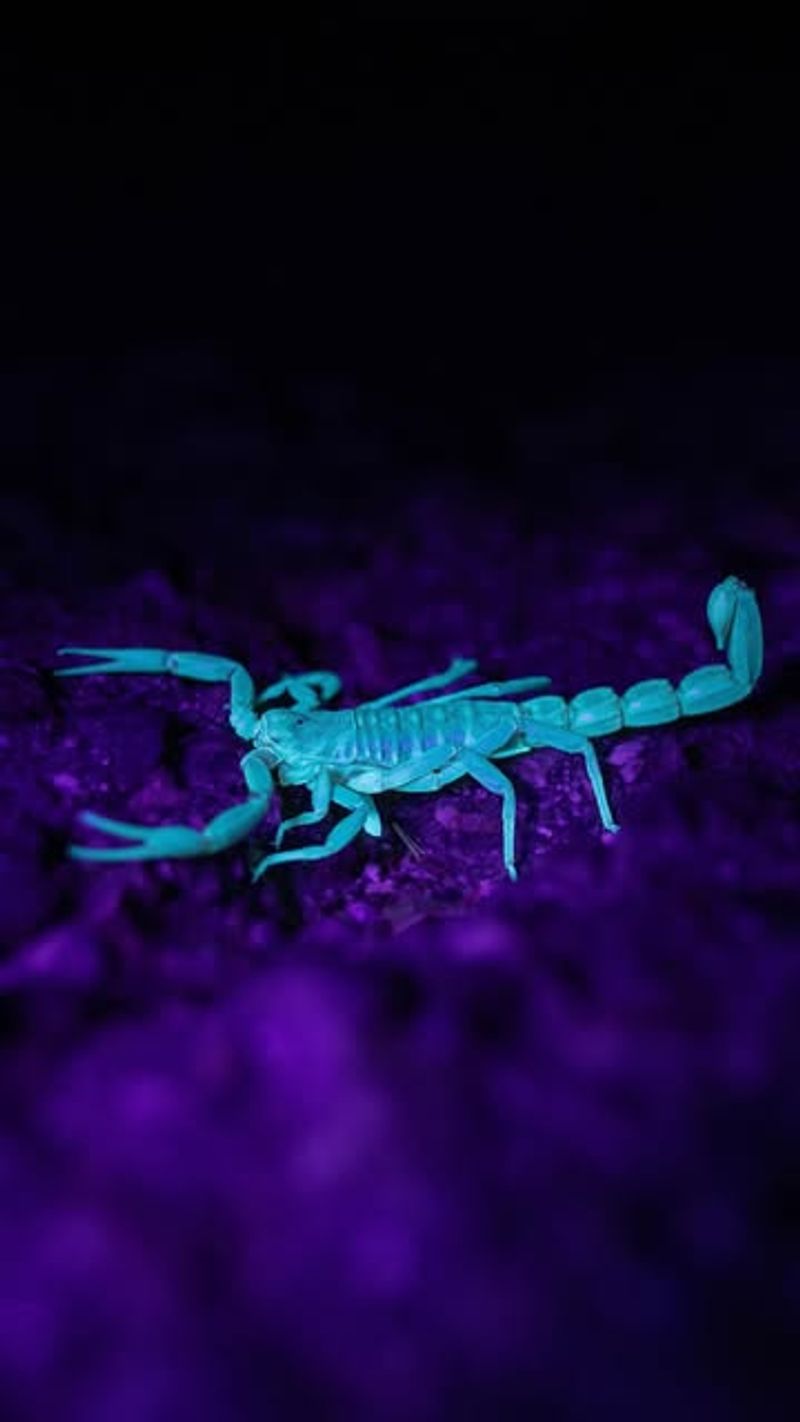
Scorpions might seem like desert creatures, but California Bark Scorpions frequently wander into homes seeking moisture, especially during extremely hot or dry weather conditions.
Their pale tan color and slender pincers distinguish them from other scorpion species, and their sting delivers venom that causes intense burning pain locally.
Most healthy adults experience only temporary discomfort, but young children and elderly individuals sometimes develop more serious reactions requiring medical observation and treatment.
These nocturnal hunters hide during daylight hours under rocks, inside shoes, beneath bark, or within folded towels left outside on patio furniture overnight.
UV flashlights make scorpions glow bright blue-green in darkness, helping homeowners locate and remove them safely before anyone gets stung accidentally.
Sealing cracks around windows and doors, fixing leaky pipes, and eliminating standing water sources discourages scorpions from entering living spaces seeking moisture.
Shaking out clothing and bedding before use, checking shoes each morning, and teaching kids to avoid reaching into dark corners reduces sting risks significantly.
Scorpions cannot climb smooth surfaces well, so placing bed legs in glass jars creates a barrier protecting sleepers from nighttime visitors crawling up.
Ice packs and over-the-counter pain medications usually manage sting symptoms effectively at home, though severe reactions like difficulty breathing or excessive drooling warrant immediate emergency care.
Understanding scorpion behavior and taking simple preventive measures allows California families to coexist safely with these ancient arachnids.
5. Tarantula Hawk Wasp
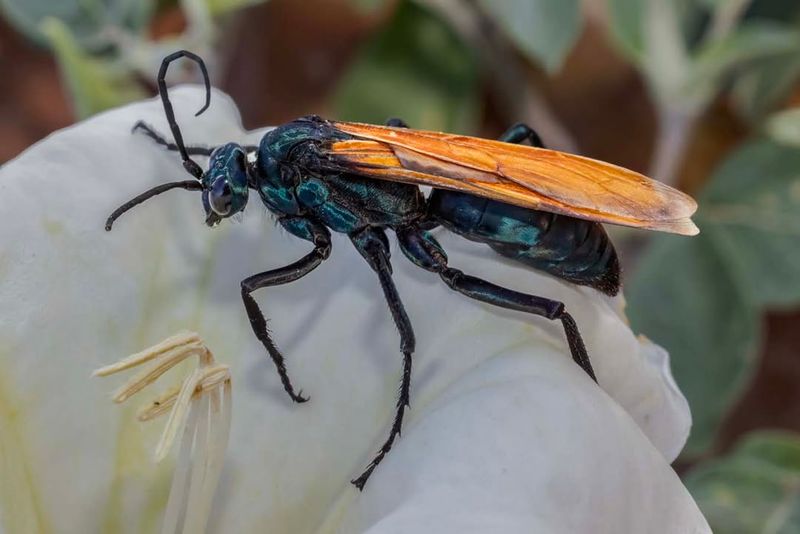
Imagine a wasp so large and intimidating that even tarantulas fear it—that’s the Tarantula Hawk, a creature with one of the most excruciating stings.
With metallic blue-black bodies and vivid orange wings, these wasps look like something from a science fiction movie buzzing around California gardens and trails.
Fortunately, they are generally docile toward humans and only sting when grabbed, stepped on, or directly threatened by careless movements near their territory.
Female Tarantula Hawks hunt tarantulas to paralyze them and lay eggs inside, providing food for their developing larvae in an extraordinary life cycle.
The sting pain ranks among the highest on the insect sting pain index, described as blinding and immediate, though it typically subsides within minutes.
Despite the intense pain, the venom poses little medical danger to healthy individuals beyond temporary agony that makes victims want to scream loudly.
These wasps feed on nectar from flowers, especially milkweed, so avoiding swatting at large wasps near blooming plants prevents accidental defensive stings effectively.
Wearing shoes outdoors, watching where you sit during picnics, and teaching children to observe insects calmly rather than swatting wildly reduces encounter risks.
Tarantula Hawks rarely nest near human structures, preferring undisturbed soil in natural areas where tarantulas live abundantly throughout southern California regions.
Respecting these impressive insects from a safe distance allows appreciation of their role controlling tarantula populations without experiencing their legendary defensive sting firsthand.
6. Pacific Sea Nettle
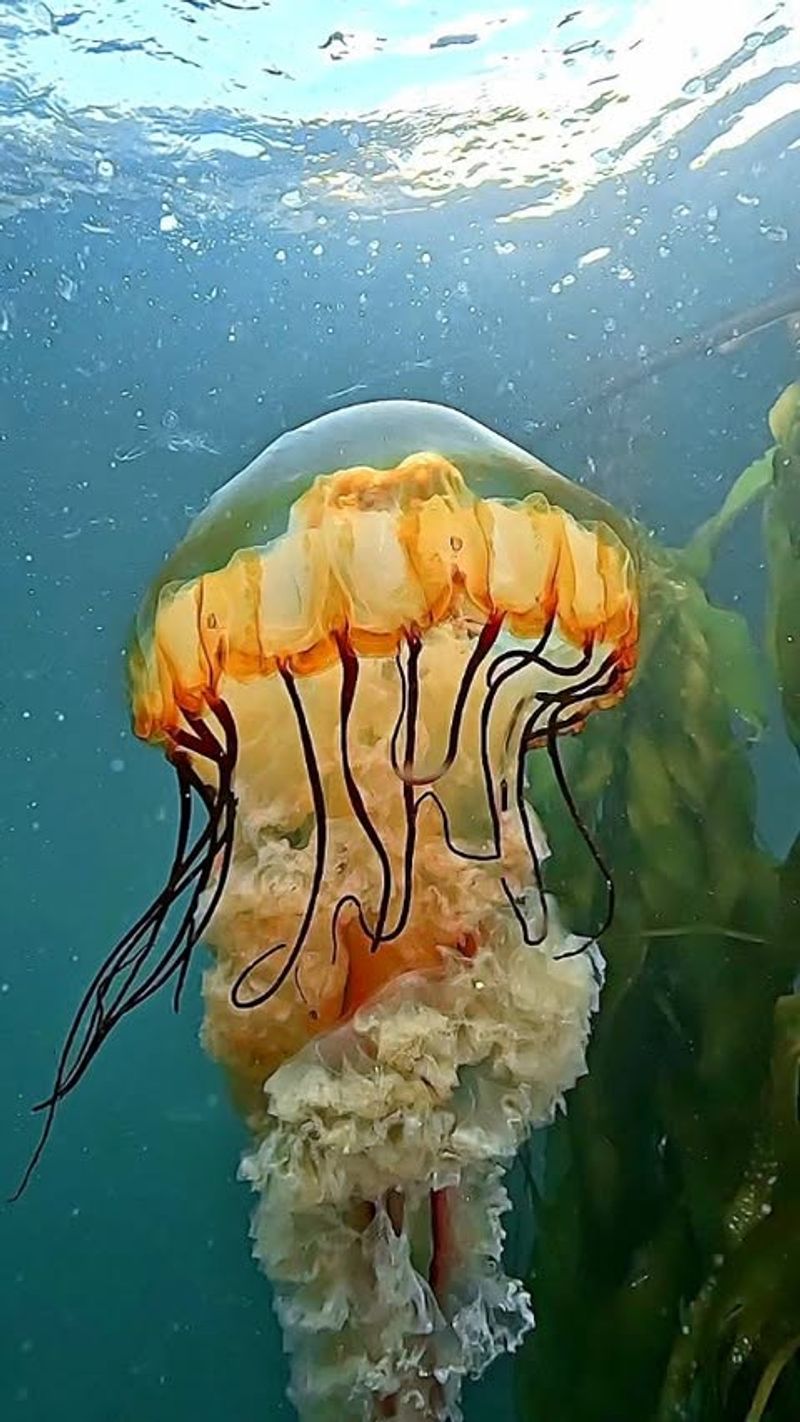
Beach days along California’s coastline sometimes bring unexpected encounters with Pacific Sea Nettles, beautiful jellyfish with golden-orange bells and flowing tentacles that deliver stinging cells.
Their tentacles can extend several feet, creating invisible hazards for swimmers who accidentally brush against them while enjoying ocean activities and water sports.
The stings cause burning pain, red welts, and sometimes allergic reactions that require medical attention, especially when large areas of skin contact multiple tentacles.
These jellies drift with ocean currents and often wash ashore in large numbers during certain seasons, creating hazards even for beachcombers walking along tidelines.
Lifeguards typically post warning signs when jellyfish blooms occur, alerting visitors to stay cautious and avoid entering water during peak jellyfish activity.
Vinegar applications help neutralize remaining stinging cells on skin, while hot water immersion reduces pain more effectively than ice for most jellyfish stings.
Teaching children never to touch jellyfish—even deceased ones on the beach—prevents painful stings because tentacles retain stinging capability for hours after washing ashore.
Wearing rash guards or wetsuits provides some protection during swimming, though avoiding waters with visible jellyfish remains the safest strategy for families.
Watching for floating jellies before entering the ocean and asking lifeguards about current conditions helps beachgoers make informed decisions about water safety.
Pacific Sea Nettles play important ecological roles in ocean food webs, so respecting them from a distance protects both swimmers and these fascinating creatures.
7. Portuguese Man o’ War
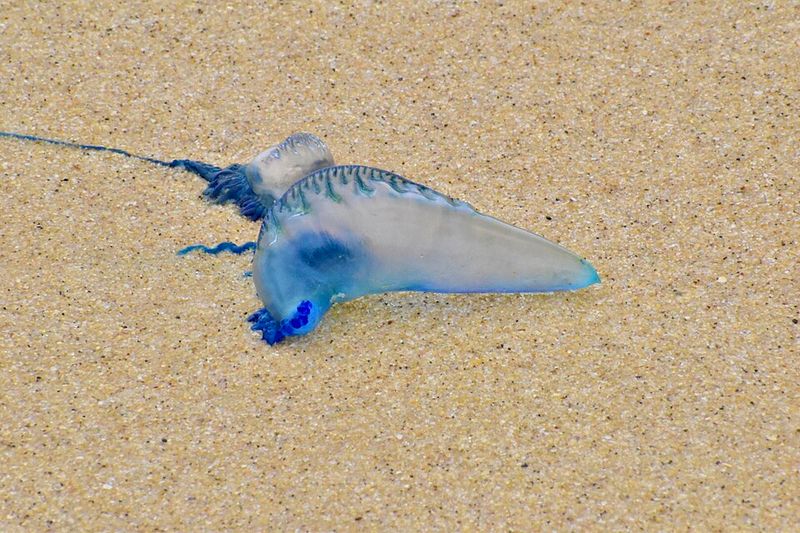
Though technically not a single jellyfish but a colonial organism, the Portuguese Man o’ War occasionally drifts into California waters, bringing tentacles that deliver extremely painful stings.
Its distinctive blue or purple gas-filled bladder floats on the surface like a small balloon, while tentacles trailing beneath can reach 30 feet long.
Contact with these tentacles causes immediate intense pain, red whip-like welts, and sometimes serious allergic reactions that require emergency medical treatment for affected swimmers.
Strong winds and unusual ocean currents sometimes push these creatures toward California beaches, where they strand in groups creating hazardous conditions for unsuspecting beachgoers.
Even detached tentacles washed up on sand retain their stinging power for days, making beach walks potentially dangerous during Portuguese Man o’ War strandings.
Lifeguards close beaches or post warnings when these creatures appear, and ignoring such warnings can result in extremely unpleasant and dangerous encounters.
Rinsing stings with seawater—never fresh water—and carefully removing tentacles with tweezers or a card helps minimize venom exposure without spreading stinging cells further.
Hot water immersion at temperatures around 110 degrees Fahrenheit provides the most effective pain relief for Portuguese Man o’ War stings at home.
Severe reactions including difficulty breathing, chest pain, or extensive stings covering large body areas require immediate emergency room evaluation and treatment by professionals.
Respecting beach closures and warning signs, watching where you step, and educating family members about Portuguese Man o’ War identification keeps everyone safer during coastal visits.
8. California Cone Snail
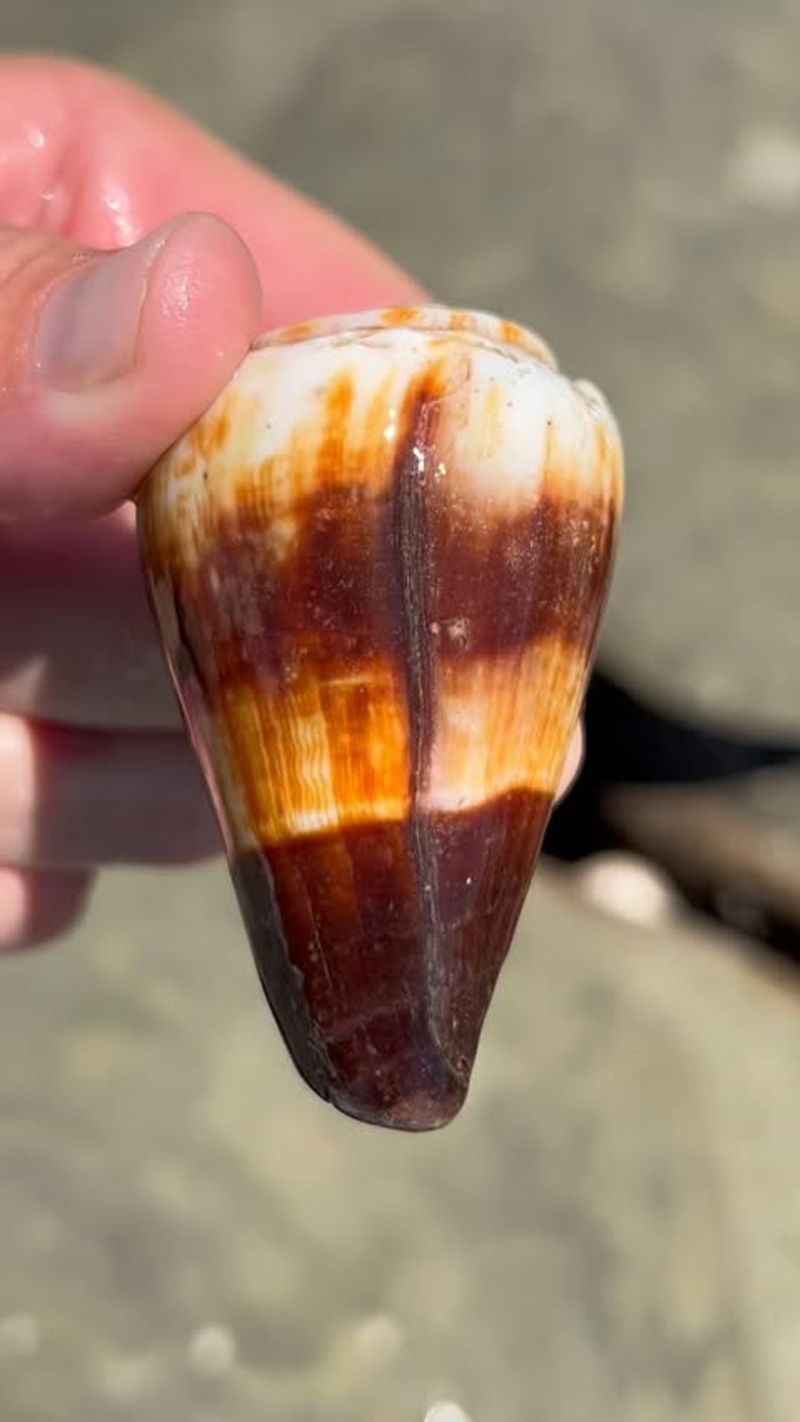
Beachcombers searching California tidepools might spot beautiful cone-shaped shells, but picking them up can be dangerous if a California Cone Snail still inhabits it.
These marine snails possess a harpoon-like tooth that injects venom capable of causing numbness, muscle paralysis, and respiratory problems in severe cases rarely seen.
While California species are less toxic than their tropical relatives, any cone snail encounter deserves caution and respect from curious tidepoolers exploring rocky shores.
Cone snails are predatory creatures that hunt small fish and worms, using their venom to immobilize prey quickly before consuming it whole overnight.
Humans typically get stung when handling live shells without realizing the snail can extend its proboscis and deliver venom through clothing in some instances.
Symptoms range from localized numbness to more concerning systemic effects depending on the amount of venom injected and individual sensitivity to toxins.
Observing shells in tidepools without touching them, or gently turning them over with a stick, allows safe examination without risking accidental stings effectively.
Teaching children the “look but don’t touch” rule for unfamiliar marine life protects them from cone snails and other potentially dangerous tidepool inhabitants.
If stung, immobilizing the affected area, keeping it below heart level, and seeking medical evaluation ensures proper treatment for any developing symptoms.
California’s cone snails remain relatively uncommon in shallow waters, but awareness and caution during tidepool exploration prevents the rare but potentially serious encounters with these venomous mollusks.
9. Blue-Ringed Octopus
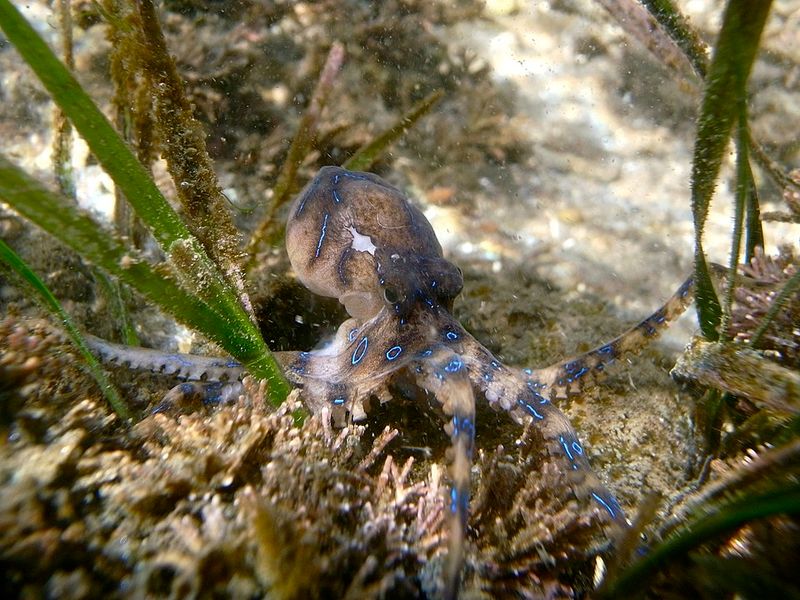
Among the ocean’s most beautiful yet dangerous creatures, the Blue-Ringed Octopus occasionally appears in California’s southern coastal waters, displaying iridescent blue rings when threatened.
Despite their tiny size—often no larger than a golf ball—these octopuses carry venom powerful enough to cause paralysis and respiratory failure within minutes.
The venom contains tetrodotoxin, the same dangerous compound found in pufferfish, and currently no antivenom exists for treating serious Blue-Ringed Octopus envenomations effectively.
These octopuses normally appear tan or beige, with their brilliant blue rings only becoming visible when they feel threatened or agitated by nearby movement.
Curious tidepoolers sometimes encounter them hiding in small crevices, under rocks, or within discarded shells along rocky California coastlines during low tides.
Bites are painless initially, so victims might not realize they’ve been envenomed until numbness and tingling spread rapidly from the bite site.
Never handling small octopuses found in tidepools, no matter how fascinating they appear, prevents potentially fatal encounters with these rare but dangerous creatures.
If someone suspects a Blue-Ringed Octopus bite, immediate emergency services contact is critical because respiratory support may become necessary as paralysis progresses quickly.
Victims remain conscious even while paralyzed, so maintaining breathing through rescue breathing or mechanical ventilation until the venom wears off saves lives consistently.
Fortunately, Blue-Ringed Octopus encounters remain extremely rare in California, but awareness protects the occasional tidepooler who might stumble upon one of these stunning yet lethal animals.
10. California Newt
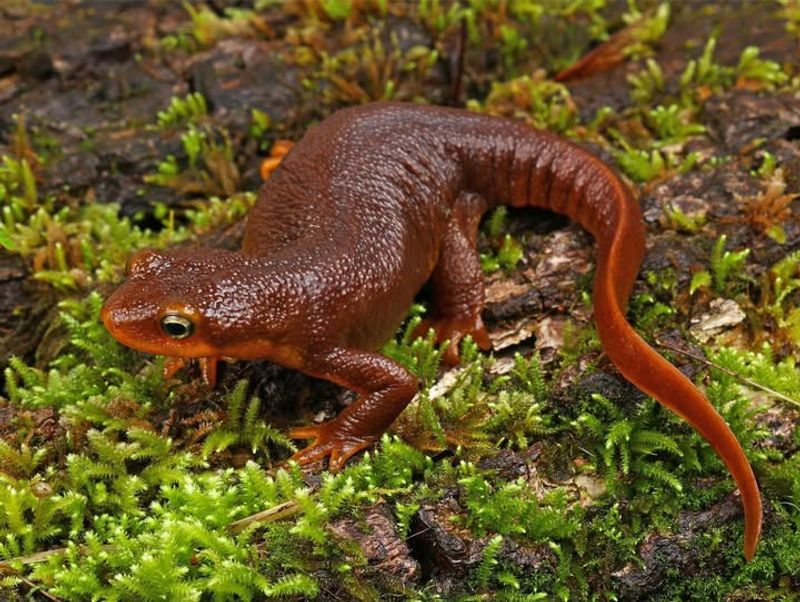
Wandering through California’s forests and streams, you might encounter the charming California Newt, an amphibian that looks harmless but secretes one of nature’s most potent toxins.
These orange-brown salamanders produce tetrodotoxin through their skin, the same powerful neurotoxin found in pufferfish that can cause paralysis and serious medical emergencies.
Simply handling newts rarely causes problems, but touching your mouth, eyes, or food afterward can transfer enough toxin to cause numbness and other symptoms.
California Newts migrate to breeding ponds during winter rains, sometimes crossing roads in large numbers where they become vulnerable to vehicles and curious onlookers.
Children naturally want to pick up these slow-moving creatures, but teaching them to observe wildlife without touching protects them from accidental poisoning effectively.
Pets, especially dogs, sometimes mouth newts during walks, leading to excessive drooling, vomiting, and potentially life-threatening reactions requiring immediate veterinary intervention and care.
Washing hands thoroughly with soap after any contact with newts, frogs, or salamanders prevents toxin transfer to sensitive areas like eyes or mouth.
Supervising pets closely near streams and ponds during newt breeding season keeps them from investigating these toxic amphibians out of curiosity or prey drive.
California Newts play vital roles in forest ecosystems by controlling insect populations, so appreciating them from a respectful distance benefits both humans and wildlife.
Understanding that bright coloration often signals toxicity in nature helps people recognize potential dangers and adjust their behavior accordingly during outdoor adventures.
11. Rough-Skinned Newt
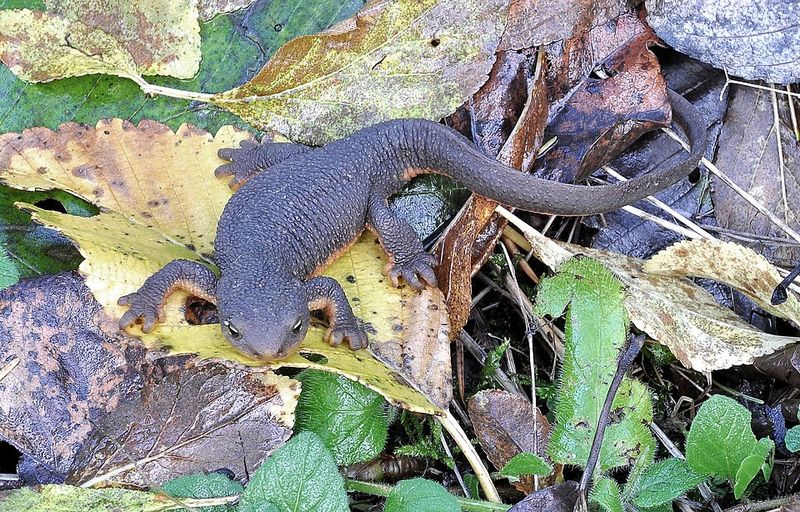
Found in Northern California’s moist forests, the Rough-Skinned Newt carries enough tetrodotoxin in its skin to make it one of the most poisonous terrestrial animals.
Their dark brown backs and brilliant orange bellies make them easily recognizable, and that bright coloring serves as nature’s warning sign to potential predators.
A single Rough-Skinned Newt contains sufficient toxin to harm multiple adult humans, though poisoning requires ingesting the newt or transferring skin secretions to mucous membranes.
These newts move slowly across forest floors, making them tempting targets for curious children and pets who don’t understand the serious risks involved.
Unlike bites or stings, newt poisoning happens through ingestion or mucous membrane contact, causing symptoms like numbness, dizziness, and potentially respiratory paralysis.
Dogs that bite or mouth Rough-Skinned Newts can experience rapid onset of severe symptoms requiring emergency veterinary care to prevent tragic outcomes.
Educating family members never to handle newts, especially avoiding any mouth contact, prevents the overwhelming majority of poisoning incidents in California communities.
Hikers who encounter newts on trails should simply step around them carefully, allowing these important amphibians to continue their slow journey unharmed.
Rough-Skinned Newts spend much of their lives in forests but migrate to ponds and lakes for breeding, making them visible during rainy seasons.
Appreciating their ecological importance while maintaining safe distance protects both humans and these remarkable creatures that have evolved such powerful chemical defenses against predators throughout California’s wilderness areas.
12. California Pufferfish
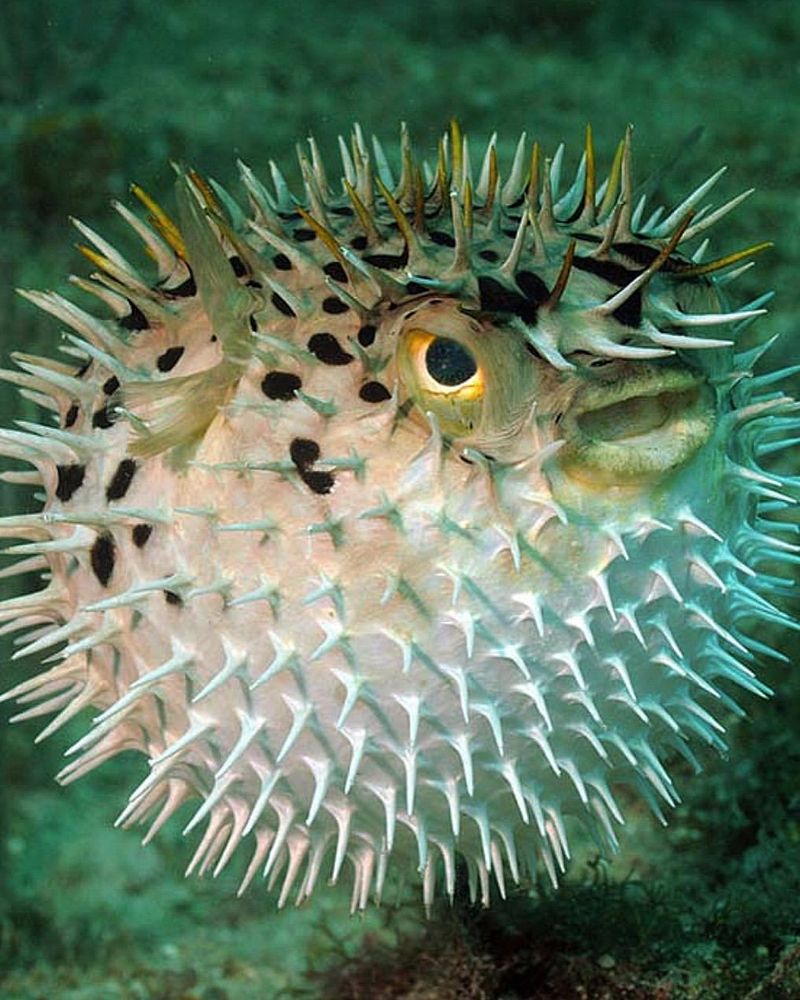
Swimming along California’s coast, divers occasionally spot pufferfish, fascinating creatures that inflate into spiky balls when threatened by predators or curious humans nearby.
California Pufferfish contain tetrodotoxin concentrated in their liver, ovaries, and skin, making them extremely dangerous if consumed despite their seemingly harmless appearance.
This powerful neurotoxin blocks sodium channels in nerves, causing paralysis that can progress to respiratory failure without appropriate medical intervention and supportive care.
Fishermen sometimes accidentally catch pufferfish and might consider eating them, unaware that improper preparation can result in fatal poisoning within hours of consumption.
In Japan, specially trained chefs prepare pufferfish as the delicacy fugu, but California has no such certified preparation, making any consumption incredibly risky.
Symptoms of pufferfish poisoning begin with tingling lips and tongue, progressing rapidly to numbness, muscle weakness, and potentially respiratory paralysis requiring mechanical ventilation.
Releasing any pufferfish caught accidentally prevents temptation to experiment with preparing this dangerous seafood at home without proper training or expertise available.
Divers should observe these charming fish from a distance, appreciating their unique defensive behavior without touching or harassing them unnecessarily during underwater encounters.
California Pufferfish pose no threat to swimmers or divers who simply admire them, as the toxin resides internally rather than being delivered through bites.
Understanding which marine species are safe to consume and which harbor fatal toxins protects adventurous eaters from tragic mistakes that emergency rooms cannot always reverse successfully despite best efforts.