10 Poisonous Creatures Every Georgia Homeowner Should Know
Georgia’s warm weather and lush landscapes invite all kinds of wildlife into backyards, flower beds, and shady corners.
Most animals keep to themselves, but a few can pack a punch that turns a peaceful day outdoors into a painful memory.
Homeowners who enjoy gardening, landscaping, or simply relaxing on the porch often cross paths with creatures that look harmless at first glance.
Some hide under rocks, some cling to branches, and others slip silently through tall grass.
Spotting them before they become a problem can save time, trouble, and a trip to the doctor.
Knowledge acts as a strong shield.
When you understand which creatures pose real risks, you gain the upper hand.
Garden projects, weekend cleanups, and yard chores move forward without fear nipping at your heels.
Identifying the shapes, colors, and habits of poisonous species turns guesswork into confidence, and confidence goes a long way when dealing with the natural world.
Georgia’s wildlife brings beauty, but it also brings hazards that call for sharp eyes and a cool head.
A simple heads up today can keep tomorrow’s surprises from landing too close for comfort.
1. Copperhead Snake
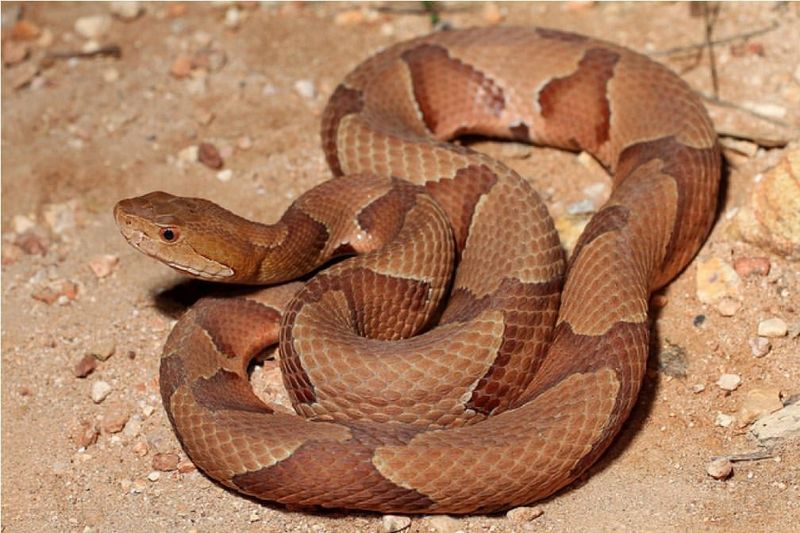
Copperheads are one of the most common venomous snakes you’ll find around Georgia homes, especially in wooded areas and suburban neighborhoods.
Their bodies feature beautiful hourglass-shaped bands in shades of brown, tan, and copper that help them blend perfectly into leaf litter.
Most people never notice these snakes until they accidentally step too close.
Adults typically grow between two and three feet long, making them medium-sized snakes.
They prefer to hide under logs, in rock piles, or near old stumps where they hunt for mice and other small animals.
If you’re working in your garden or moving firewood, always wear thick gloves and boots for protection.
Copperheads rarely bite unless someone accidentally touches or steps on them.
When threatened, they often freeze in place rather than slither away, which increases the chance of accidental contact.
Their venom is relatively mild compared to other venomous snakes, but bites still require immediate medical attention.
Keep your yard free of debris piles and tall grass to make your property less attractive to these reptiles.
Georgia homeowners should learn to identify copperheads since they’re so common throughout the state.
2. Eastern Diamondback Rattlesnake
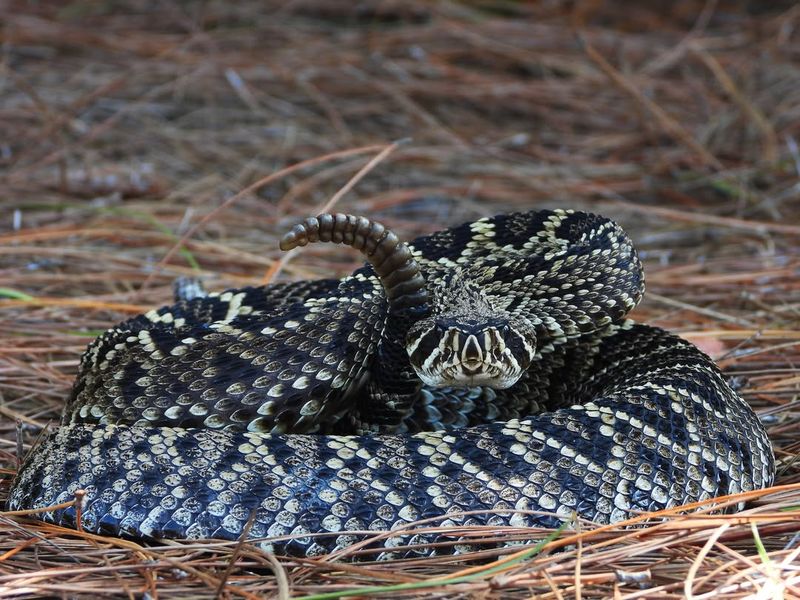
Georgia’s largest venomous snake commands respect wherever it appears.
The eastern diamondback rattlesnake can reach lengths of up to six feet and weighs considerably more than other local snakes.
Its body displays bold diamond-shaped patterns in black and brown, and the distinctive rattle at the tail’s end serves as nature’s warning system.
These impressive reptiles prefer pine forests, coastal areas, and sandy habitats throughout southern Georgia.
Despite their fearsome reputation, they’re actually quite shy and prefer to avoid human contact whenever possible.
When they do feel threatened, the loud rattling sound gives people plenty of warning to back away slowly.
Unfortunately, habitat loss has made these snakes less common than they once were in Georgia.
If you encounter one near your home, give it a wide berth and contact wildlife control professionals.
Never attempt to handle or move a rattlesnake yourself.
Their venom is extremely potent and can cause serious tissue damage.
Keep your property clear of brush piles and maintain short grass to discourage these snakes from settling near your house.
Always watch where you step when hiking through Georgia’s wilderness areas.
3. Black Widow Spider
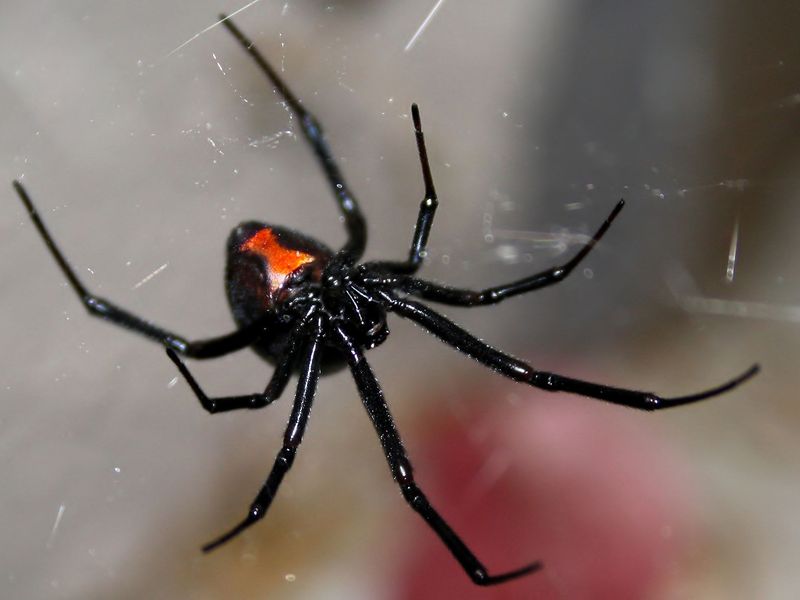
Few spiders are as instantly recognizable as the black widow with her shiny black body and bright red hourglass marking.
Female black widows are the ones to worry about, as males are much smaller and rarely bite.
These spiders love dark, undisturbed spaces like garages, sheds, woodpiles, and crawl spaces throughout Georgia.
Their webs look messy and irregular compared to the neat, circular webs of harmless spiders.
Black widows aren’t aggressive and usually bite only when accidentally pressed against skin or when protecting their egg sacs.
Most bites happen when people reach into dark corners without looking or put on shoes that have been sitting unused.
The venom affects the nervous system and can cause muscle pain, cramps, and other uncomfortable symptoms.
Children and elderly people may experience more severe reactions.
To prevent encounters, wear gloves when moving stored items and shake out shoes and clothing before wearing them.
Regular cleaning of storage areas helps reduce spider populations around your Georgia home.
If you spot black widows frequently, consider calling a pest control service.
These spiders serve an important role eating insects, but they shouldn’t live inside your living spaces.
4. Brown Recluse Spider
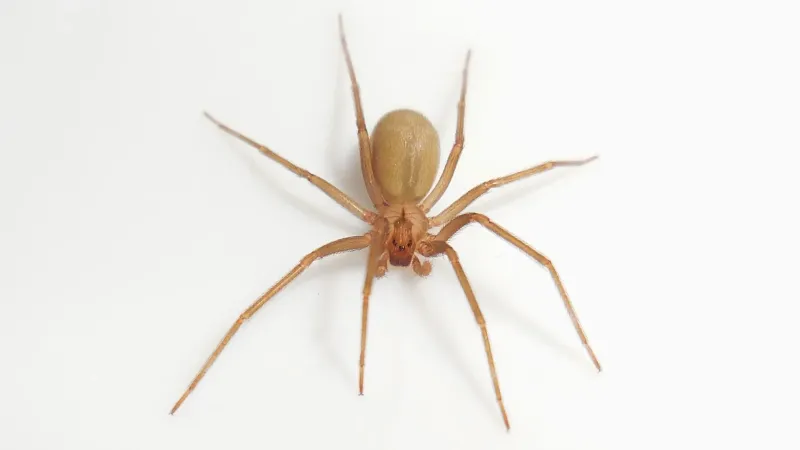
Brown recluse spiders earned their name because they genuinely prefer to avoid people and hide in quiet, undisturbed areas.
These tan to brown spiders sport a distinctive violin-shaped marking on their back, though this can be hard to see without close inspection.
Unlike most spiders that have eight eyes, brown recluses have only six arranged in three pairs.
They’re not native to all parts of Georgia, being more common in the northern and western regions of the state.
These spiders don’t build typical webs for catching prey but instead hunt at night.
During the day, they hide in closets, attics, basements, and behind furniture.
Bites usually happen when someone unknowingly traps the spider against their skin.
The venom can cause tissue damage that takes weeks or months to heal completely.
Many suspected brown recluse bites are actually other conditions, so proper identification is important.
Reduce your risk by keeping storage areas organized and sealed.
Use plastic containers instead of cardboard boxes, which spiders love to hide in.
Georgia residents should regularly vacuum and dust to discourage these spiders from settling in their homes.
5. Southern Black Widow Spider
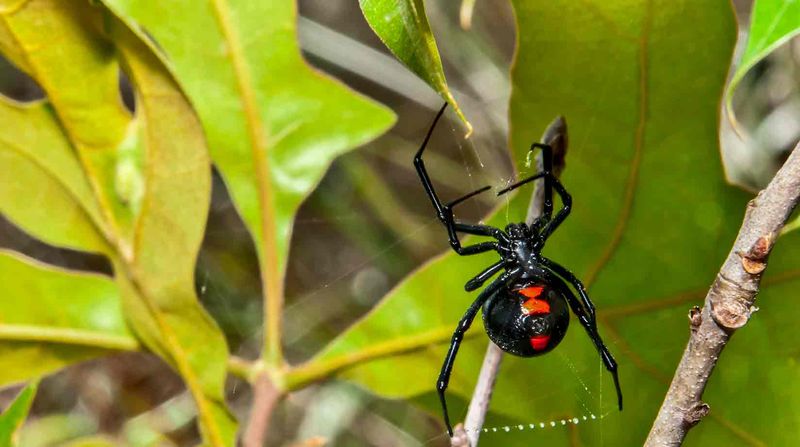
Close relatives to the regular black widow, southern black widows are equally common throughout Georgia’s warmer regions.
These spiders look very similar to their cousins but sometimes have additional red markings on their back along with the classic hourglass underneath.
They thrive in Georgia’s climate and can be found year-round, though they’re most active during warmer months.
Outdoor structures like playground equipment, patio furniture, and grills provide perfect hiding spots for these arachnids.
Children playing outside may encounter them more frequently than adults.
Teaching kids to recognize these spiders and avoid touching them is an important safety lesson for Georgia families.
The venom works similarly to other black widow species, affecting the nervous system and causing significant discomfort.
Symptoms can include muscle cramps, nausea, and difficulty breathing in severe cases.
Before using outdoor equipment that hasn’t been touched in a while, inspect it carefully.
Knock on hollow structures and watch for spiders scurrying away.
Wearing gloves when gardening or handling outdoor items adds an extra layer of protection.
Keep firewood stored away from your house and elevated off the ground to discourage southern black widows from nesting nearby.
6. Cottonmouth Snake
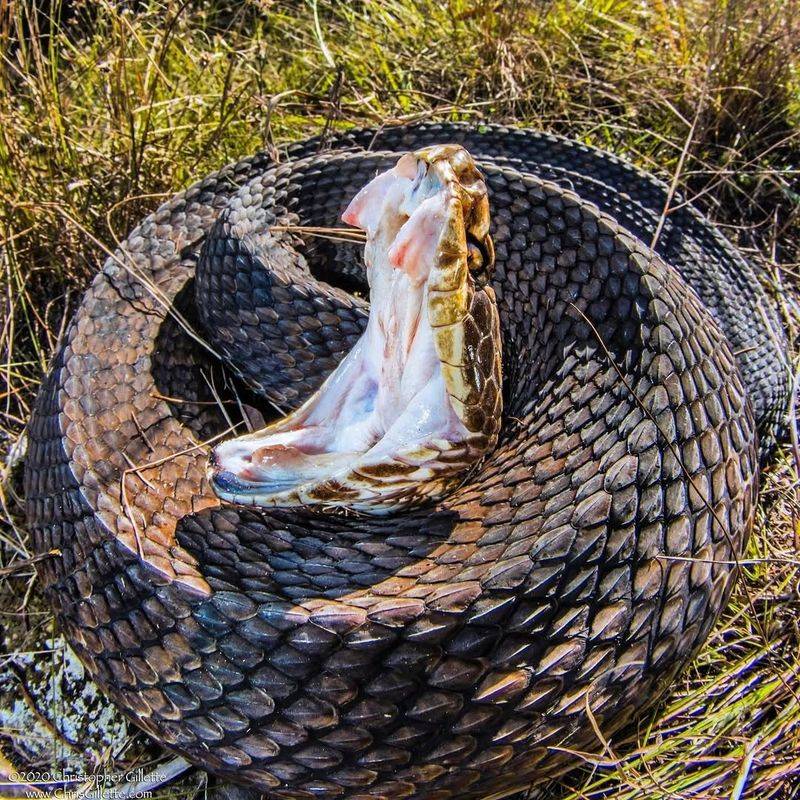
Water lovers beware: cottonmouths are Georgia’s only venomous water snake.
Also called water moccasins, these thick-bodied snakes live near rivers, swamps, ponds, and streams throughout the state.
Their name comes from the bright white interior of their mouth, which they display as a warning when threatened.
Adults can grow quite large, sometimes reaching over four feet in length.
Their coloring ranges from dark brown to black, often with faint banding that becomes less visible as they age.
Many harmless water snakes get mistaken for cottonmouths, causing unnecessary panic.
True cottonmouths have vertical pupils, a blocky head, and a thick body that doesn’t taper much toward the tail.
They often swim with their head held high above the water’s surface.
These snakes are more defensive than other venomous species in Georgia and may stand their ground rather than retreat.
If you’re fishing, boating, or swimming in Georgia waters, always watch where you place your hands and feet.
Never reach under rocks or logs near the water’s edge.
Give any snake near water plenty of space until you can positively identify it as harmless.
7. Timber Rattlesnake
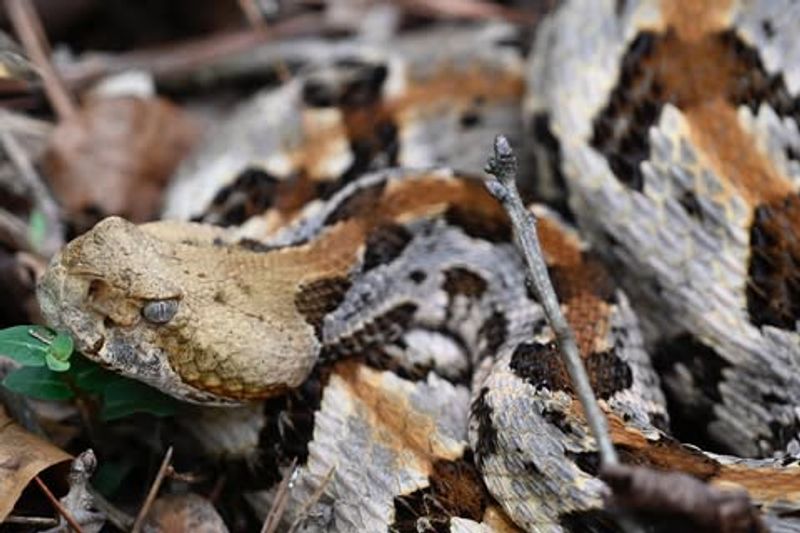
Georgia’s mountainous regions provide perfect habitat for timber rattlesnakes, one of the state’s most impressive reptiles.
These snakes display variable coloring from yellow to gray to nearly black, with dark chevron-shaped bands running down their backs.
Like their eastern diamondback cousins, they have rattles that make a distinctive buzzing sound when vibrated rapidly.
Timber rattlesnakes prefer rocky hillsides, forests, and areas with plenty of cover.
They’re surprisingly docile for venomous snakes and usually try to escape rather than confront people.
Many will remain motionless and rely on camouflage rather than rattling or striking.
These snakes play an important role in controlling rodent populations throughout northern Georgia.
Conservation efforts protect them since their numbers have declined in many areas.
Homeowners living in mountainous parts of Georgia should be especially aware of these snakes during spring and fall when they’re most active.
Never attempt to handle or relocate a timber rattlesnake yourself.
Their venom is powerful and requires immediate medical treatment if a bite occurs.
When hiking in Georgia’s mountains, stick to cleared trails and watch where you sit or place your hands during rest breaks.
8. Brown Widow Spider
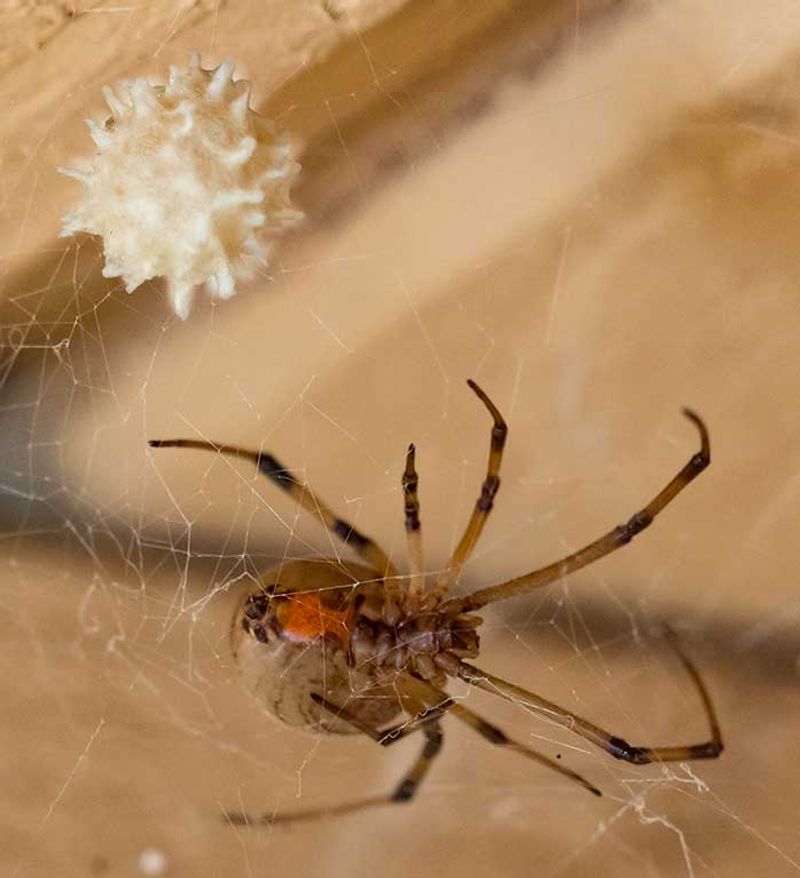
Originally from Africa, brown widows have established themselves throughout Georgia in recent years.
These spiders are lighter in color than black widows, ranging from tan to dark brown with variable markings.
Their hourglass marking is usually orange or yellowish rather than bright red.
One distinctive feature is their egg sacs, which look like tiny spiky balls rather than the smooth sacs of black widows.
Brown widows prefer outdoor structures and are often found on fences, mailboxes, and the undersides of outdoor furniture throughout Georgia.
They seem to outcompete black widows in some areas, becoming the dominant widow species.
Interestingly, their venom is less potent than their black widow relatives, though bites should still receive medical attention.
Many people experience only localized pain and swelling rather than the systemic symptoms black widow venom causes.
Despite being less dangerous, brown widows are more common around Georgia homes, increasing the chance of encounters.
Check outdoor items before using them, especially during warm months when these spiders are most active.
Regular cleaning of outdoor spaces helps control their populations.
Georgia homeowners should familiarize themselves with both black and brown widows to properly assess risk levels.
9. Coral Snake
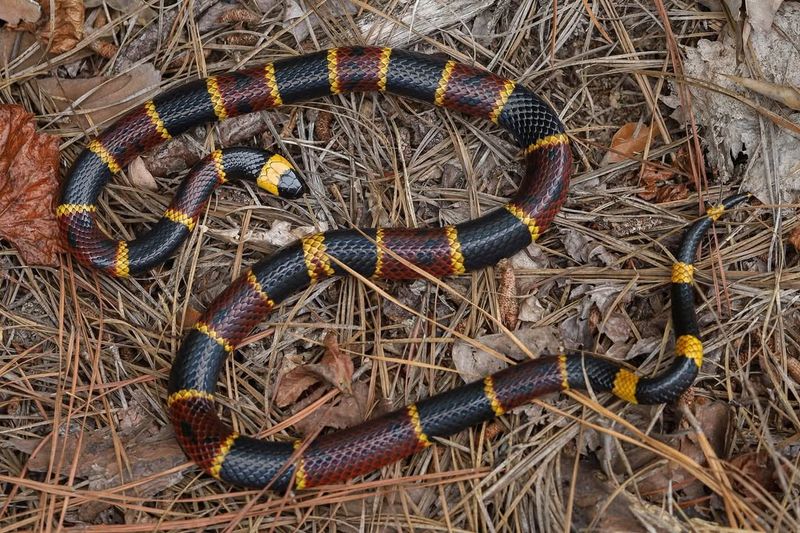
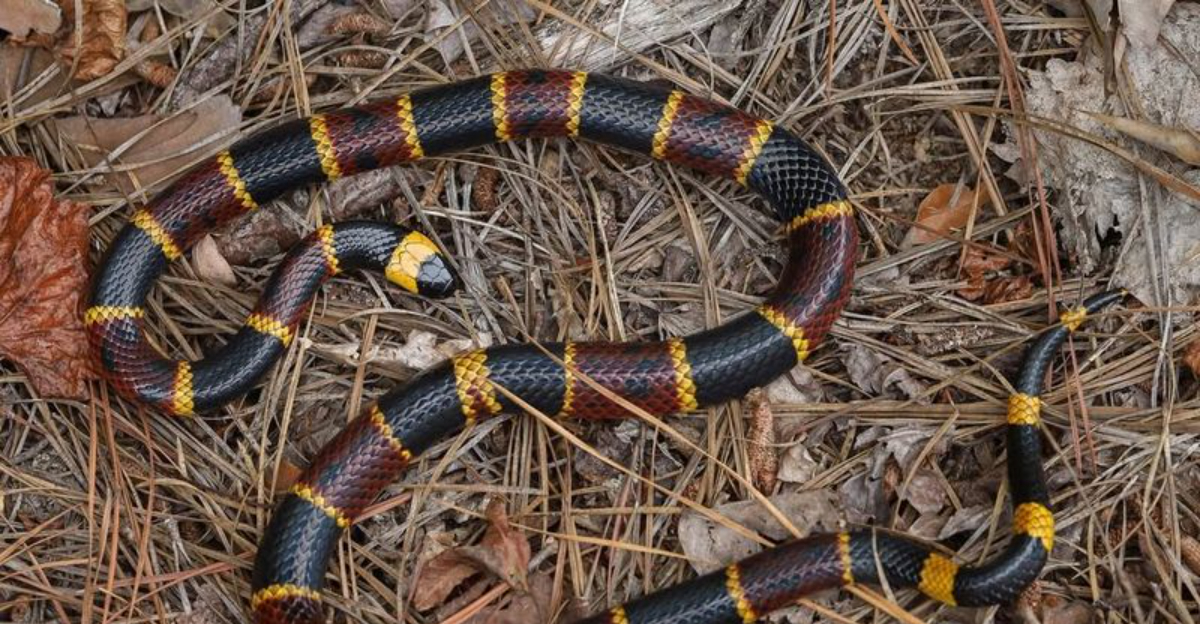
Stunningly beautiful but potentially dangerous, coral snakes are Georgia’s most colorful venomous species.
Their bodies display bright bands of red, yellow, and black in a specific pattern that helps distinguish them from harmless mimics.
Remember the rhyme: red touches yellow can hurt a fellow; red touches black is safe for Jack.
These shy snakes are relatively rare in Georgia and spend most of their time underground or hidden under leaf litter.
They’re most active during early morning hours and after rain when they come to the surface.
Coral snakes have small mouths and short fangs, making bites on humans uncommon.
Most bites occur when someone tries to handle or harass the snake.
Their venom affects the nervous system differently than pit vipers like rattlesnakes and copperheads.
Symptoms may not appear immediately but can become serious without treatment.
Southern Georgia residents are more likely to encounter these snakes than those in northern parts of the state.
If you see a coral snake, simply leave it alone and it will go on its way.
Never attempt to catch or handle any brightly colored snake in Georgia without expert identification.
10. Pygmy Rattlesnake
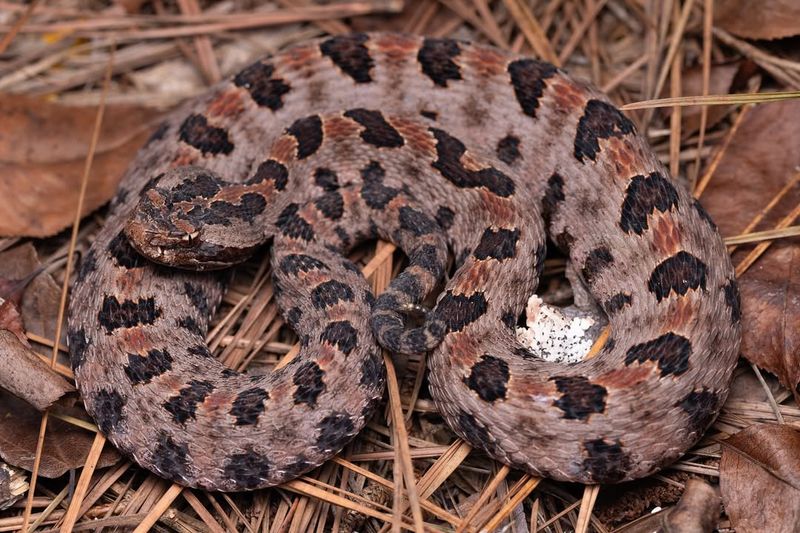
Don’t let the name fool you into thinking these snakes aren’t worth your attention.
Pygmy rattlesnakes may only grow to about two feet long, but they pack venom and attitude into their small bodies.
Their gray or tan bodies feature dark spots running down the back and a distinctive orange or rust-colored stripe down the middle.
The rattle is so tiny it sounds more like a buzzing insect than a typical rattlesnake warning.
These snakes live throughout Georgia in various habitats including forests, wetlands, and even suburban areas.
They’re often found near water but aren’t as aquatic as cottonmouths.
Pygmy rattlesnakes are feisty and quick to strike when disturbed, despite their small size.
While their venom is less potent than larger rattlesnakes, bites are still painful and require medical evaluation.
Their small size makes them easy to overlook when walking through vegetation or working in the yard.
Georgia homeowners should be especially careful when moving leaf piles or working in gardens during warm months.
These snakes help control insect and small rodent populations around your property.
If you encounter one, give it space and allow it to retreat naturally rather than trying to move or harm it.