10 Poisonous Creatures Every Oklahoma Homeowner Should Watch For
Oklahoma life promises wide skies, red dirt pride, and quiet nights, yet danger can hide in plain sight.
A tidy yard or cozy porch may host more than friendly wildlife.
Venom earns no invitation and gives no alert.
One careless step can turn a calm afternoon into a race against the clock.
Old sayings ring true: forewarned stays forearmed, and an ounce of sense saves a pound of trouble.
From back fences to tool sheds, poisonous creatures stake claims across the state.
They thrive in heat, shadows, and neglect, and they strike when respect runs thin.
Homeownership brings freedom, but it also brings duty.
Knowledge acts as the best fence money can buy.
When eyes know what to spot, panic loses its grip.
This article arms Oklahoma homeowners with clear insight into the threats that share the land.
Each creature carries a signature mark, a preferred haunt, and a risk that no family should brush aside.
With facts on your side, you can cut danger off at the pass, protect loved ones, and keep your home a safe harbor rather than a roll of the dice.
Preparation today keeps tomorrow steady, calm, and free from hard lessons for every homeowner.
1. Brown Recluse Spider
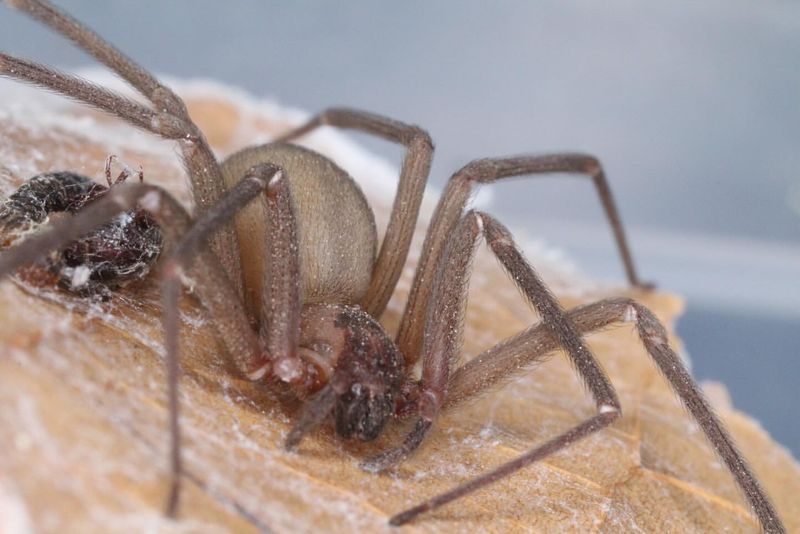
Violin-shaped markings on their backs make brown recluse spiders one of Oklahoma’s most recognizable venomous creatures.
These tan to dark brown spiders prefer quiet, undisturbed spaces like closets, attics, and storage boxes.
Most bites happen when people accidentally disturb them while moving stored items or putting on clothes that have been sitting unused.
Their venom destroys tissue around the bite area, sometimes creating wounds that take months to heal properly.
Pain might not start immediately, but within hours, redness and swelling typically appear.
Check shoes and clothing before wearing them, especially items stored in garages or basements.
Seal cracks in walls and foundations to prevent these spiders from entering your home.
Reduce clutter in storage areas since brown recluses love hiding in cardboard boxes and piles of fabric.
Sticky traps placed along baseboards help monitor spider activity in your house.
If bitten, capture the spider if possible for identification and seek medical attention right away.
Clean the bite area with soap and water, then apply ice to reduce swelling.
Children and elderly family members face higher risks from bites, so extra caution matters in homes with vulnerable residents.
2. Western Diamondback Rattlesnake
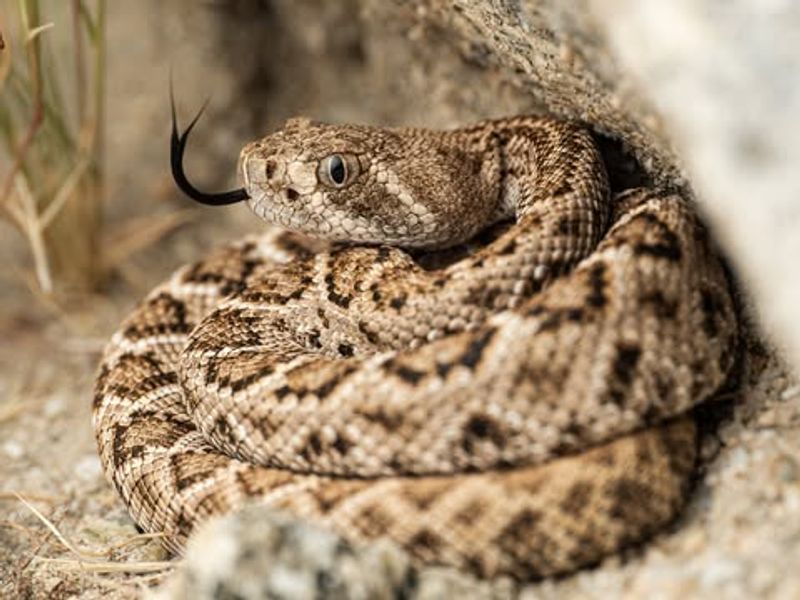
A distinctive rattling sound serves as nature’s warning system when you encounter this heavy-bodied snake.
Western diamondbacks grow quite large, sometimes reaching five feet in length with thick, muscular bodies.
Diamond patterns running down their backs give these reptiles their name and make them easier to identify from safe distances.
They prefer rocky areas, grasslands, and brush piles where they hunt for rodents and small mammals.
During hot summer months, they become more active at dawn and dusk when temperatures cool down.
Never approach or attempt to handle any rattlesnake, even if it appears sluggish or uninterested.
Their strikes happen incredibly fast, and their venom causes severe tissue damage and intense pain.
Keep grass trimmed short around your property and remove brush piles that might attract these snakes.
Rock walls and wood piles should sit away from your house and outdoor living spaces.
Teach children to recognize the rattling sound and back away slowly if they hear it.
Wear boots and long pants when hiking or working in areas with tall grass or rocky terrain.
If bitten, remain calm, remove jewelry near the bite, and get to a hospital immediately for antivenom treatment.
3. Black Widow Spider
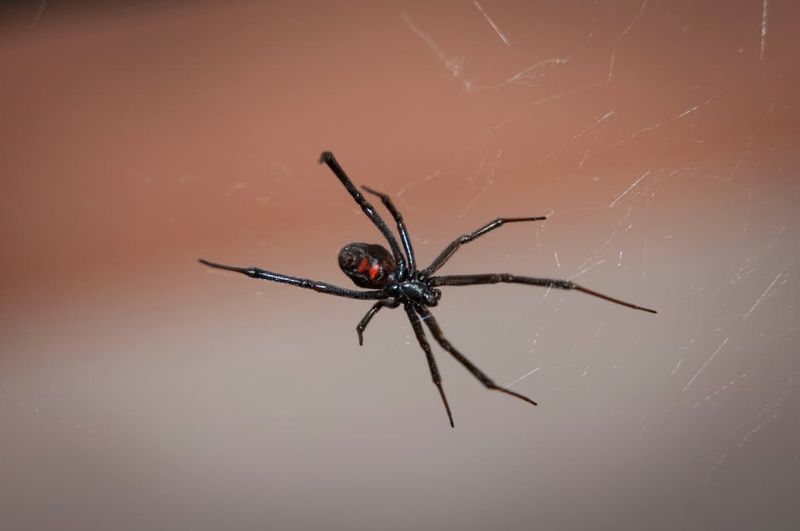
Shiny black bodies and red hourglass markings make female black widows instantly recognizable to careful observers.
These spiders build messy, irregular webs in protected outdoor areas like woodpiles, sheds, and under deck furniture.
Male black widows look completely different and pose no threat to humans at all.
Only females carry venom strong enough to cause serious symptoms in people.
Bites feel like sharp pinpricks, followed by muscle cramps, nausea, and difficulty breathing in severe cases.
Small children and older adults experience more serious reactions than healthy adults do.
Wear gloves when moving firewood, reaching into dark spaces, or cleaning out storage areas where spiders might hide.
Inspect outdoor furniture cushions before sitting down, especially items left outside for extended periods.
Black widows rarely bite unless trapped against skin or defending their egg sacs.
Remove webs regularly from outdoor structures to discourage these spiders from establishing permanent homes near your family.
Vacuum up any spiders found indoors rather than crushing them with your bare hands.
Medical treatment often includes muscle relaxants and pain medication, though antivenom exists for severe reactions requiring hospital care.
4. Copperhead Snake

Copper-colored heads give these venomous snakes their common name and help with quick identification in the wild.
Hourglass-shaped bands cross their tan to pinkish-brown bodies in distinctive patterns that blend perfectly with fallen leaves.
This camouflage makes copperheads especially dangerous since people often step near them without noticing their presence.
They prefer wooded areas, rocky hillsides, and overgrown gardens where they hunt for mice, frogs, and insects.
Unlike rattlesnakes, copperheads stay silent when threatened, relying on their camouflage instead of warnings.
Their venom causes significant pain and swelling but rarely leads to life-threatening situations in healthy adults.
Most bites occur when people accidentally step on them or reach into areas where snakes rest unseen.
Keep leaf piles away from walkways and play areas where children spend time outdoors.
Install outdoor lighting along paths and entry points to help spot snakes during evening hours.
Garden gloves protect hands when pulling weeds or moving rocks and logs in landscaped areas.
Watch where you step when walking through wooded areas, especially during spring and fall when copperheads actively hunt.
Seek medical attention after any bite to receive proper wound care and pain management from healthcare professionals.
5. Timber Rattlesnake
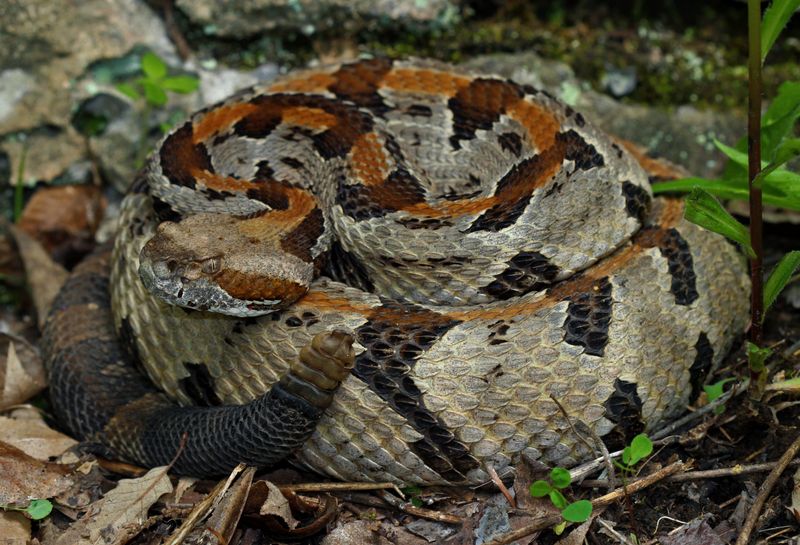
Mountain forests and rocky outcrops throughout eastern Oklahoma provide ideal habitat for these impressive rattlesnakes.
Color variations range from yellowish-brown to gray, with dark chevron bands creating striking patterns along their backs.
Adults can reach five feet in length, making them one of Oklahoma’s larger venomous snake species.
A rusty-colored stripe often runs down the center of their backs, adding another identifying feature.
They tend to be less aggressive than other rattlesnake species, preferring to remain motionless and hidden when people approach.
This calm behavior sometimes leads to dangerous close encounters when hikers fail to notice them on trails.
Their venom contains powerful toxins that destroy blood cells and damage tissue around bite sites.
Pregnant females gather in communal dens during late summer, increasing the chance of multiple snake encounters in certain locations.
Stay on marked trails when hiking in forested areas known for timber rattlesnake populations.
Use walking sticks to probe ahead in tall grass or rocky areas before stepping forward.
Never sit on logs or rocks without checking for snakes first, especially in remote wilderness areas.
Cell phone service may be limited in timber rattlesnake habitat, so carry first aid supplies and emergency contact information when exploring these regions.
6. Western Cottonmouth
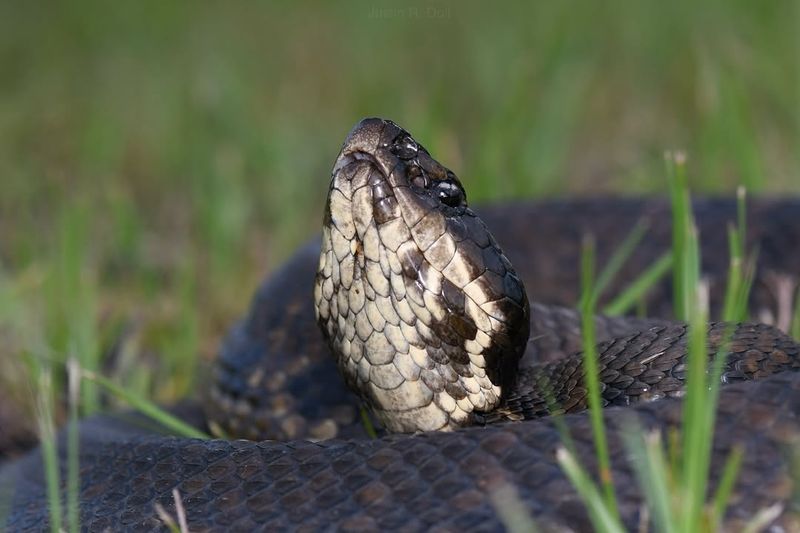
Bright white mouth interiors flash as warnings when these semi-aquatic snakes feel threatened by approaching people.
This defensive display earned them the nickname water moccasin among Oklahoma residents.
Dark olive to black bodies with thick builds distinguish cottonmouths from harmless water snakes found in similar habitats.
They live near ponds, streams, marshes, and drainage ditches where they hunt for fish, frogs, and small mammals.
Unlike most water snakes that flee quickly, cottonmouths often hold their ground and display aggressive defensive behavior.
Their venom destroys blood cells and tissue, causing severe pain and swelling around bite locations.
Most encounters happen when people step near them along shorelines or accidentally disturb them while fishing.
Watch carefully where you step when walking near any body of water, especially in areas with thick vegetation.
Avoid reaching into hollow logs or brush piles near water sources where these snakes might rest during daytime hours.
Keep pets on leashes near ponds and streams since curious animals often get bitten while investigating interesting scents.
Teach children to respect all snakes near water and maintain safe distances from anything that resembles a cottonmouth.
Emergency medical care should be sought immediately after any suspected cottonmouth bite for proper antivenom treatment and monitoring.
7. Scorpions
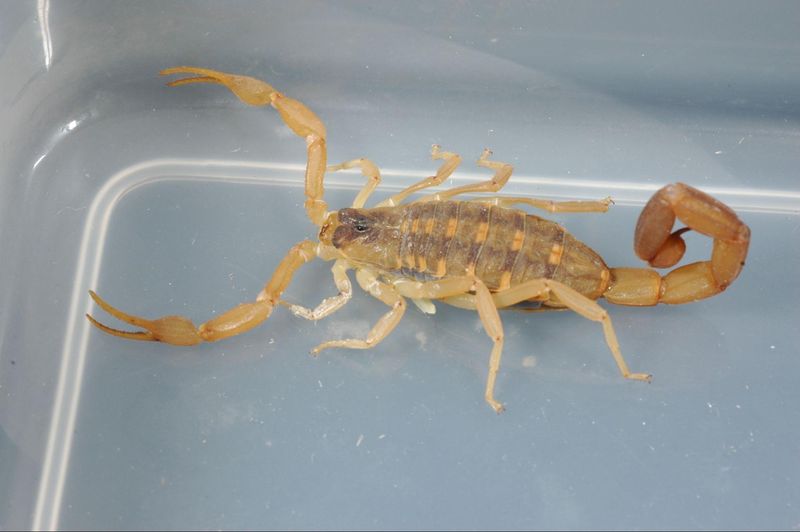
Striped bark scorpions represent the most common venomous scorpion species found throughout Oklahoma homes and yards.
Pale yellow to tan coloration with dark stripes helps identify these nocturnal creatures that hide during daylight hours.
They measure only two to three inches long but pack a painful sting in their curved tails.
Scorpions hide under rocks, logs, loose bark, and inside shoes or clothing left on floors overnight.
Their venom causes intense burning pain, numbness, and swelling at the sting site.
Most healthy adults experience symptoms similar to bee stings, though young children may have more serious reactions.
Check shoes, gloves, and clothing before wearing them, especially items stored in garages or outdoor sheds.
Shake out towels and bedding that have been outside or in storage areas.
Seal cracks around windows, doors, and foundations to prevent scorpions from entering your home.
Remove debris piles, firewood stacks, and excess vegetation from areas immediately around your house foundation.
Use a blacklight flashlight at night to spot scorpions, as they glow bright blue-green under ultraviolet light.
Apply ice packs to stings and take over-the-counter pain medication for relief while monitoring symptoms carefully at home.
8. Massasauga Rattlesnake
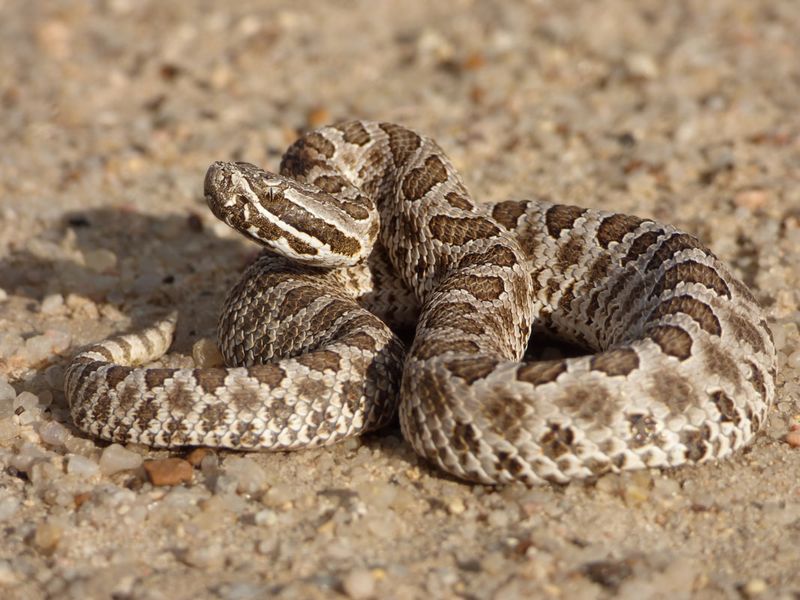
Small size makes massasauga rattlesnakes easy to overlook in tall grass and wetland areas where they commonly live.
Adults rarely exceed two feet in length, making them Oklahoma’s smallest rattlesnake species.
Gray to brown bodies feature dark blotches arranged in rows down their backs and sides.
They prefer wet prairies, marshes, and areas near streams where they hunt for small rodents and amphibians.
Population numbers have declined significantly, making encounters less common than with other venomous snake species.
Their small size means less venom per bite compared to larger rattlesnakes, though medical attention remains essential.
Shy temperament leads them to avoid confrontation, but they will strike if stepped on or cornered accidentally.
Listen carefully for their high-pitched rattle, which sounds quieter and different from larger rattlesnake species.
Wear waterproof boots when walking through marshy areas or wet grasslands during warm weather months.
Keep dogs on leashes in wetland habitats since they might disturb hidden snakes while exploring interesting scents.
Avoid disturbing vegetation unnecessarily when hiking through known massasauga habitat areas.
Their protected status in some regions means you should never attempt to harm or relocate these rare snakes yourself.
9. Tarantulas
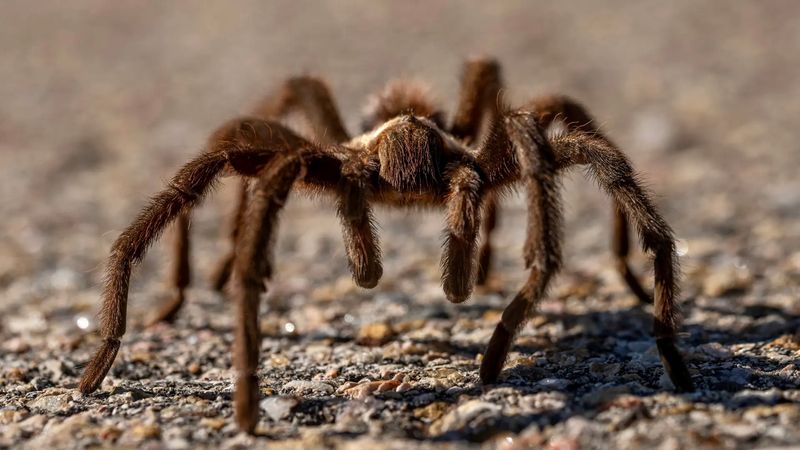
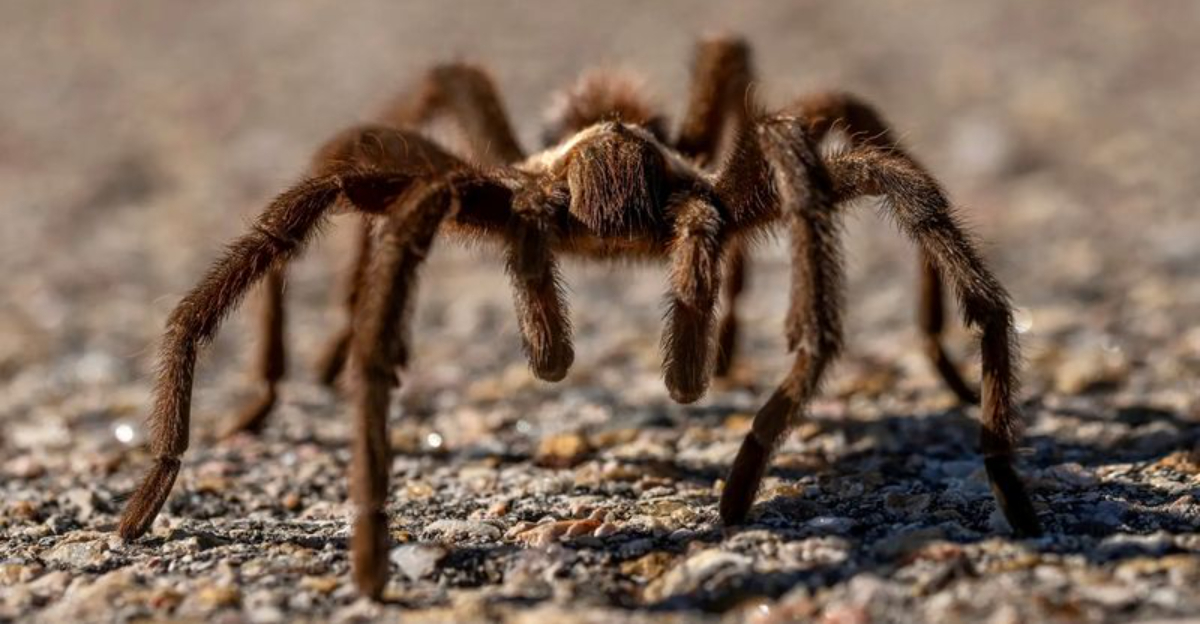
Large, hairy spiders wandering across roads and yards during late summer surprise many Oklahoma residents unfamiliar with tarantulas.
Males travel long distances searching for mates during their breeding season, leading to increased sightings.
Brown to black coloration and bodies reaching three to four inches across make them impossible to miss.
Despite their intimidating appearance, Oklahoma tarantulas have relatively mild venom that rarely causes serious problems for humans.
Bites feel similar to bee stings, causing localized pain and swelling but seldom requiring medical treatment.
They prefer to flee rather than bite, only using their fangs when directly handled or trapped.
Urticating hairs on their abdomens pose a bigger concern than bites for most people.
When threatened, tarantulas flick these barbed hairs toward perceived dangers, causing skin irritation and eye problems if contact occurs.
Never handle wild tarantulas or allow children to touch them, even though they appear docile and slow-moving.
Simply leave them alone and they will continue on their way without causing any trouble.
If one enters your home, gently guide it into a container using a broom and release it outside away from your house.
Wash hands thoroughly if you touch a tarantula or areas where one has been recently.
10. Wheel Bug
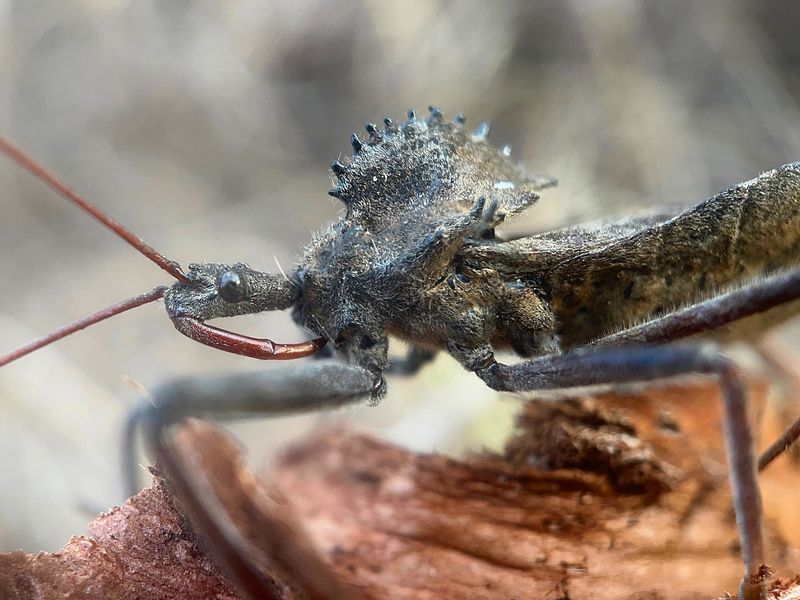
A bizarre cogwheel-shaped crest rising from their backs makes wheel bugs look like creatures from science fiction movies.
These large insects belong to the assassin bug family and use piercing mouthparts to inject prey with powerful enzymes.
Gray to brown coloration and bodies reaching one and a half inches long make them Oklahoma’s largest true bug species.
They benefit gardens by hunting caterpillars, beetles, and other plant-damaging insects throughout the growing season.
Problems arise only when people accidentally grab them or press them against skin while gardening or doing yard work.
Their defensive bite injects the same digestive enzymes they use on prey, causing intense burning pain that can last for hours.
Swelling, numbness, and redness develop around bite sites and may persist for several days.
Some people experience nausea and other systemic symptoms from wheel bug bites requiring medical evaluation.
Wear gloves when pruning plants or harvesting vegetables where these beneficial insects might be hunting for food.
Inspect tomato plants and fruit trees carefully before reaching into foliage where wheel bugs commonly patrol for prey.
Teach children to observe insects without touching them, even species that appear harmless or interesting.
Clean bite areas with soap and water, apply ice for pain relief, and monitor symptoms closely for signs of infection or allergic reactions.