Poisonous Trees Every Nevada Homeowner Should Avoid
Nevada’s landscapes may dazzle with desert blooms and towering shade trees, but not everything that grows in your yard is as innocent as it seems.
Behind the beauty of some common trees lurk hidden dangers like poisonous berries, skin-irritating sap, and branches that can pose hazards. For homeowners and garden enthusiasts, understanding these risks isn’t just smart, it’s essential.
Choosing the wrong tree could turn a serene yard into a potential safety concern. Here is a breakdown of the trees Nevada residents should approach with caution, helping you create a yard that’s both beautiful and safe.
1. Oleander (Nerium Oleander)
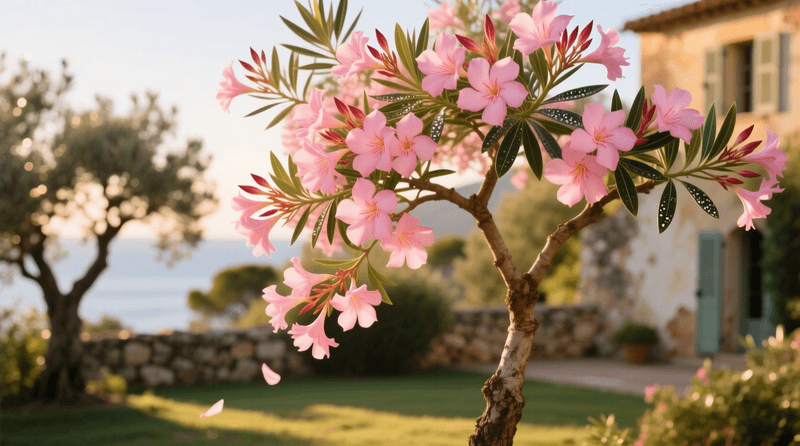
Few plants look as inviting as the oleander, with its clusters of bright pink or white flowers that seem to bloom endlessly in Nevada’s dry heat.
Yet behind that beauty lies a serious danger.
Oleander is considered one of the most toxic ornamental plants commonly used in landscaping. Every single part of the plant contains powerful toxins known as cardiac glycosides, chemicals that directly affect the heart.
Leaves, flowers, stems, roots, and even the smoke from burning its branches can cause serious harm to people and animals.
Oleander is extremely common in Nevada neighborhoods because it thrives in harsh desert conditions. It tolerates drought, poor soil, and intense heat, which makes it very attractive for low-maintenance landscaping.
Many homeowners plant it as a privacy hedge or decorative shrub without realizing how toxic it truly is. Because the plant grows thick and dense, it is often placed along fences, sidewalks, and yards where children and pets can easily reach it.
Children and animals are especially vulnerable. The bright flowers can attract curiosity, and even a small amount of the plant can cause poisoning if ingested.
Symptoms may include nausea, vomiting, stomach pain, dizziness, and an irregular heartbeat. In severe cases, exposure can lead to confusion, fainting, or loss of consciousness.
Some people may also experience skin irritation after touching the milky sap.
If you have oleander on your property, it may be wise to consider replacing it with safer, drought-tolerant plants.
When handling oleander, always wear gloves and avoid touching your face. Most importantly, never burn trimmed branches, as inhaling the smoke can also be dangerous.
2. Black Locust (Robinia Pseudoacacia)
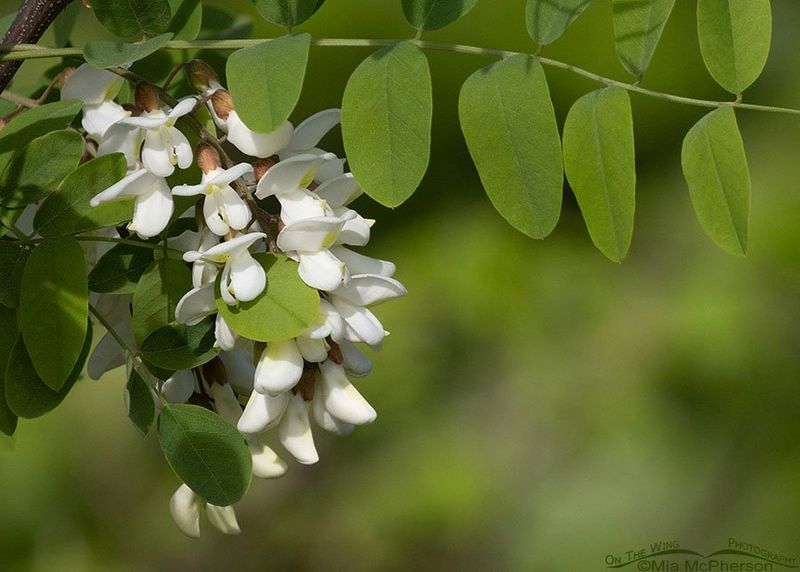
The black locust has a sneaky reputation. Its fragrant white flower clusters smell almost like honey, and the wood is incredibly strong, making it seem like a great addition to any yard.
However, the bark, leaves, and seeds contain a toxic protein called robin, which can cause serious problems for both people and animals.
Black locust trees occur in parts of Nevada, particularly in disturbed areas and older plantings.
Horses and livestock are particularly vulnerable to this tree, and even small amounts of bark or leaves can trigger symptoms such as weakness, loss of appetite, stomach pain.
Children who chew on twigs or seeds out of curiosity are also at risk, which makes the tree a potential concern for families.
The tricky part is that black locust looks genuinely impressive. It can grow tall, often reaching over 50 feet, and provides generous shade during hot summers.
In addition, it is extremely drought-resistant and tolerant of poor soils.
These qualities make it attractive to homeowners in Nevada who are searching for low-maintenance landscaping solutions that can survive dry conditions.
But the hidden danger is real and should not be brushed aside. While the tree may appear beautiful and practical, its toxic properties require careful consideration.
If you have children, pets, horses, or other animals that spend time in the yard, this tree may pose an unnecessary risk.
Consulting with a local arborist or landscaping professional about safe removal methods and safer native or non-toxic alternatives can help you create a yard that is both beautiful and safe for everyone.
3. Tree of Heaven (Ailanthus Altissima)
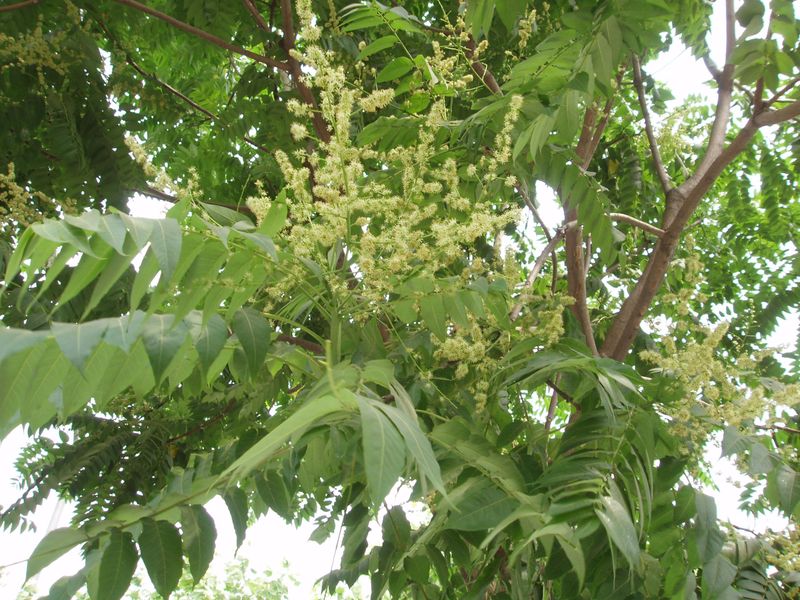
Do not let the name fool you. Tree of heaven is considered one of the most invasive and problematic trees in the American West, and Nevada is no exception.
Despite its pleasant-sounding name, this fast-growing tree can quickly become a serious issue for homeowners and local ecosystems.
Originally introduced from China in the 18th century as an ornamental shade tree, it has since spread aggressively across cities, suburbs, and rural areas.
Today, tree of heaven commonly appears along roadsides, vacant lots, railways, and even in cracks in sidewalks or building foundations. It thrives in disturbed soil and harsh conditions, allowing it to outcompete many native plants.
One reason for its dominance is a chemical compound it releases called ailanthone. This natural toxin suppresses the growth of nearby vegetation, giving the tree an advantage while reducing plant diversity around it.
In addition to harming surrounding plants, some people may experience negative reactions when handling the tree.
Direct contact with its sap or crushed leaves can cause skin irritation or rashes, and the strong odor released by the plant may trigger headaches or nausea in sensitive individuals.
What makes this tree especially frustrating is how difficult it is to eliminate once established. Simply cutting it down rarely works, because the roots quickly produce new shoots.
Its extensive root system can spread widely underground and may even damage pipes, sidewalks, and building foundations. Homeowners who identify this tree early should act quickly.
Wearing gloves and protective clothing during removal is important, and consulting a professional arborist experienced with invasive species is often the most effective solution.
4. Chinaberry Tree (Melia Azedarach)
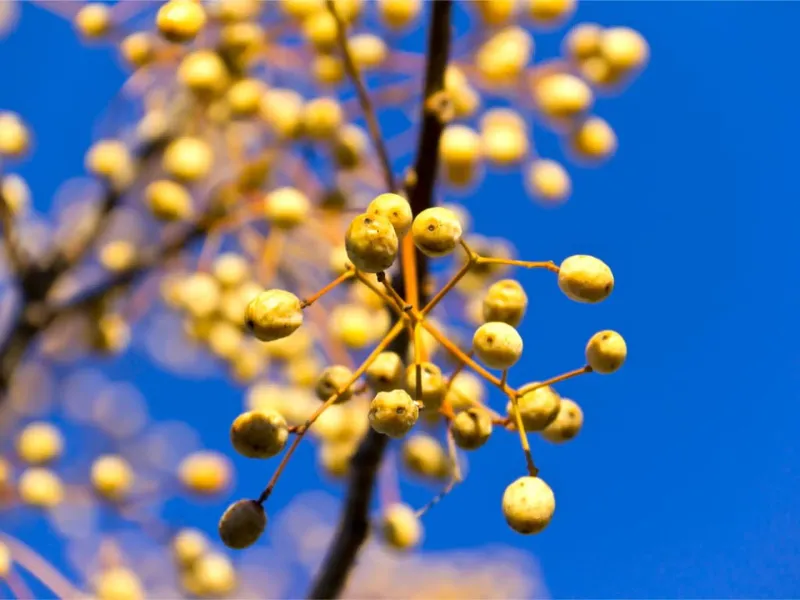
Walk past a chinaberry tree in late summer and you will notice the cheerful clusters of small yellow berries hanging from its branches. They look almost edible, and that is exactly what makes this tree so dangerous.
Chinaberry berries contain tetranortriterpenes, a group of toxic compounds that affect the nervous system. Eating even a small number of berries can cause vomiting, confusion, difficulty breathing, and in severe cases, seizures.
The bark and leaves also carry lower levels of the same toxins, making the whole tree a hazard.
Chinaberry trees have found a comfortable home in Nevada’s warmer zones, partly because they handle heat and drought surprisingly well. They grow fast and provide good shade, which is why some homeowners planted them years ago.
If you have one in your yard, especially near a play area or garden where kids spend time, it deserves a second look. Replacing it with a native Nevada shade tree is a much safer long-term choice.
Always consult a local expert before attempting removal on your own.
5. Elderberry (Sambucus Species)
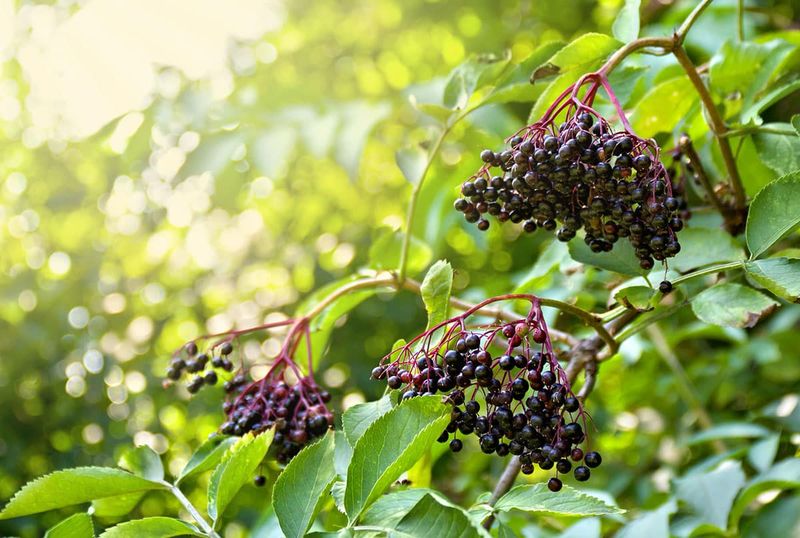
Elderberry has a complicated reputation. On one hand, the ripe dark berries are used in syrups, jams, and health supplements.
On the other hand, the raw berries, leaves, bark, and unripe fruit contain cyanogenic glycosides, compounds that break down into a form of cyanide when consumed without proper preparation.
Several elderberry species grow wild and in cultivated gardens across Nevada. Homeowners sometimes encourage them because of their perceived health benefits, without realizing that raw consumption can cause nausea, vomiting, and dizziness.
Children playing near these shrub-like trees may eat the berries out of curiosity, which is a real concern.
Cooking or properly processing elderberries neutralizes most of the toxic compounds, but raw consumption is never a safe bet. The leaves and stems are always considered toxic regardless of preparation.
If you have elderberry tree, make sure everyone in the household knows not to snack on anything without it being properly prepared first. Labeling the plant and keeping a close eye on children and pets is a simple but effective safety measure.
Knowledge here is genuinely your best protection.
6. Yew (Taxus Species)
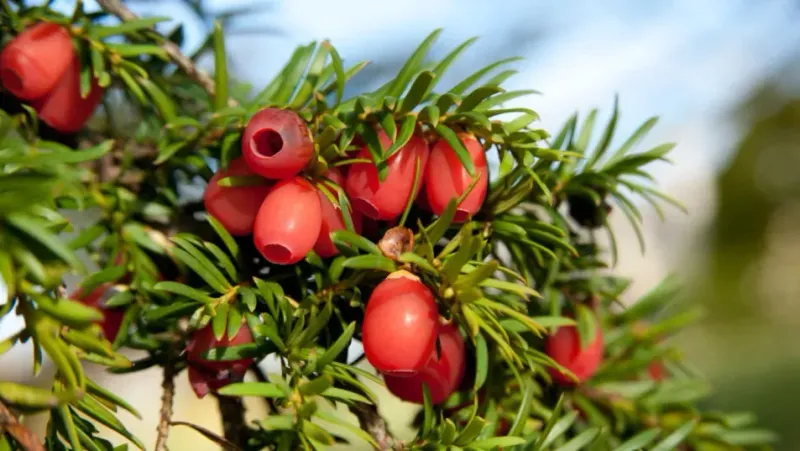
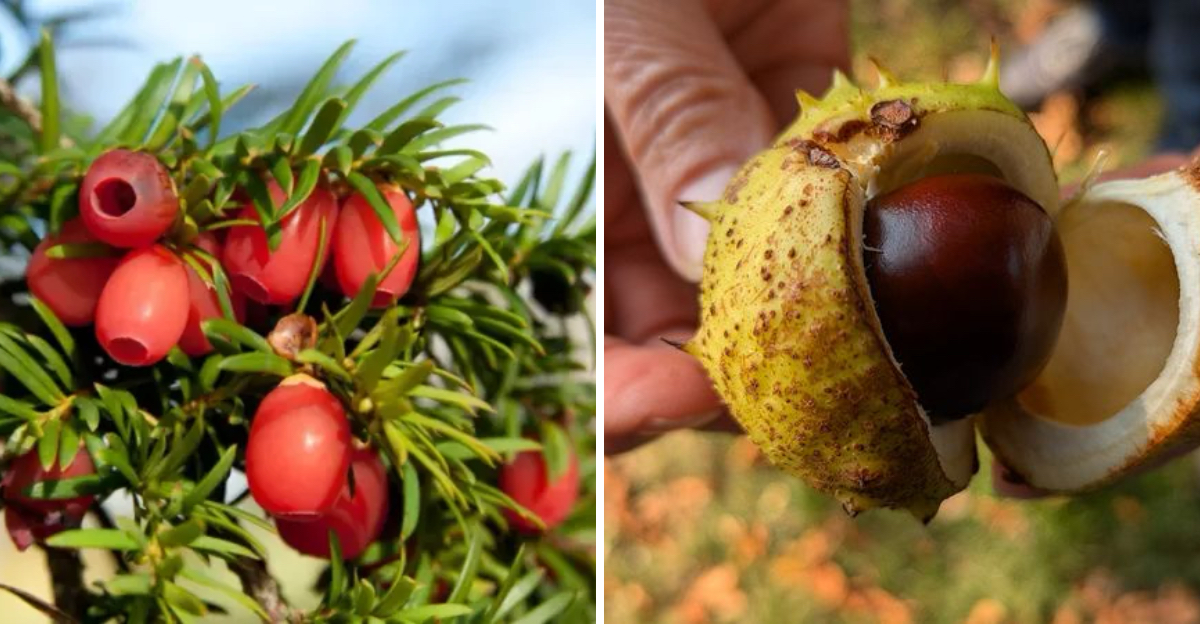
Yew trees have been planted in gardens and landscapes for centuries, prized for their deep green foliage and the striking red berries. Nearly every part of the yew tree is highly toxic, with the exception of the fleshy red coating around the seed.
The seed inside that red coating is especially dangerous.
Taxine, the primary compound in yew needles and seeds, can interfere with heart function rapidly. Symptoms of yew exposure can appear quickly and escalate fast, making it one of the more alarming trees to have in a yard with children or pets.
Horses and dogs are particularly sensitive to yew toxicity.
Yew trees are sometimes used as ornamental hedges or foundation plantings in Nevada yards because they are evergreen and low-maintenance. Their tidy appearance makes them popular with homeowners who want a neat, structured look without much effort.
But that tidy hedge can be a genuine hazard. If a yew is already established on your property, consider whether its location poses a risk, especially near areas where kids play or animals roam.
Removal and replacement with a non-toxic evergreen option is always worth exploring with a qualified local arborist.
7. Horse Chestnut (Aesculus Hippocastanum)
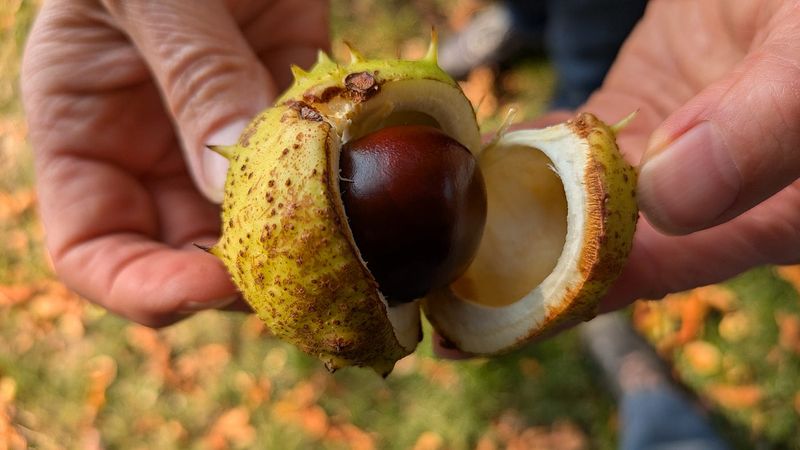
Horse chestnuts are easy to love from a distance. The tall, stately trees produce dramatic white flower spikes in spring and those familiar spiky green seed pods in fall.
But the seeds inside those pods, which look very similar to edible sweet chestnuts, contain a toxic compound called aesculin that can cause serious symptoms if ingested.
Nausea, vomiting, muscle twitching, and in larger amounts, paralysis are all associated with horse chestnut ingestion. Children are especially at risk because the shiny brown seeds are irresistible to pick up and handle.
Horse chestnuts are not native to Nevada but can be found in older, established neighborhoods where landscaping trends from decades past still linger. If you have one in your yard, it does not mean you need to panic.
Just make sure children know not to handle or taste the seeds, and clean up fallen pods promptly in autumn. Wearing gloves while handling the seeds or fallen debris is a smart habit.
Awareness and consistent yard maintenance go a long way toward keeping your household safe around this otherwise gorgeous tree.
8. Mesquite (Prosopis Species)
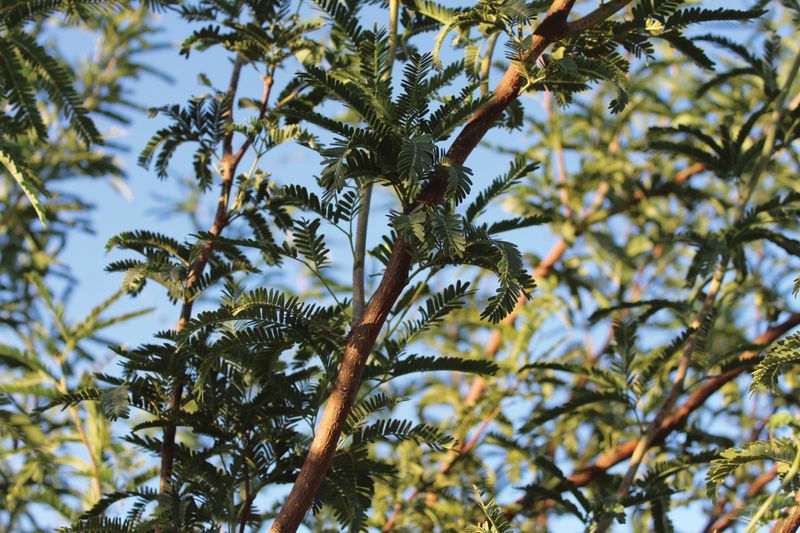
Mesquite trees are deeply woven into the fabric of Nevada’s desert landscape. They are drought-tolerant, wildlife-friendly, and historically significant to Indigenous communities who used the seed pods as a food source.
But before you decide to plant one in your yard, there are some real cautions worth knowing about.
The seed pods, while technically edible when properly prepared, can cause severe digestive problems when consumed in large quantities. The long, sharp thorns on many mesquite species pose a physical hazard that should not be overlooked.
Thorn punctures can cause infections if not treated promptly.
Additionally, mesquite is one of the top contributors to seasonal allergies in Nevada. The pollen is abundant and spreads easily, causing significant respiratory irritation for allergy-prone individuals.
People with asthma or hay fever may find their symptoms worsen noticeably when mesquite is in bloom nearby. While mesquite is not toxic in the same way as yew, its combination of physical hazards and allergy triggers earns it a spot on this list.
Homeowners should think carefully before planting it close to living spaces and consult local landscaping professionals for safer desert-adapted alternatives.
9. Golden Chain Tree (Laburnum Anagyroides)
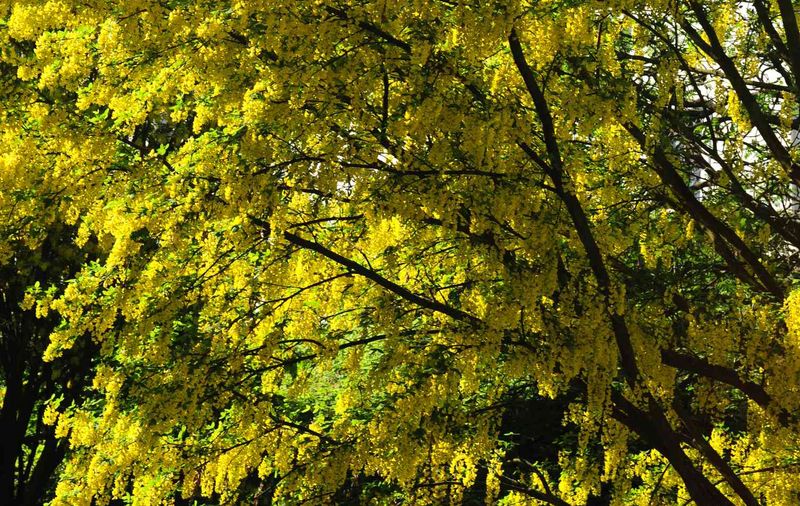
Hanging clusters of bright yellow flowers make the Golden Chain Tree look like something out of a fairy tale but this beauty comes with a hidden warning.
The Golden Chain Tree, scientifically known as Laburnum anagyroides, is admired in gardens and parks for its cascading blooms that appear in late spring and create a dramatic, almost magical display.
Landscapers often plant it as an ornamental feature because of its elegant shape and vibrant color.
However, every part of the tree contains a naturally occurring alkaloid called Cytisine. This compound can affect the body if ingested and may lead to symptoms such as nausea, vomiting or dizziness.
The seeds are considered the most concentrated source. Children are particularly at risk because the tree produces dangling seed pods that resemble edible peas.
Their appearance can easily lead to confusion for young kids or curious pets.
For this reason, many experts recommend caution when planting this tree near homes, playgrounds, or schools. If one is already growing in your yard, it may be wise to consult a professional arborist about safe management or removal.