8 Pollinator Plants Georgia Gardeners Start From Seed In Early Spring
Early spring is when many Georgia gardeners begin thinking about pollinators again.
As temperatures start to warm and the garden slowly comes back to life, it becomes the perfect time to sow flowers that bees, butterflies, and other helpful visitors rely on throughout the season.
Starting pollinator plants from seed is one of the simplest and most rewarding ways to fill garden beds with color while also supporting local wildlife.
Many of these flowers grow quickly once the soil warms and can keep blooming for months, providing a steady source of nectar and pollen.
Even a small patch of these plants can make a noticeable difference in how active a garden feels. By starting the right varieties from seed in early spring, Georgia gardeners can create vibrant spaces that attract pollinators from the very beginning of the growing season.
1. Bee Balm Grows Quickly From Seed And Attracts Many Pollinators
Few plants put on a show quite like bee balm when it hits full bloom in a Georgia summer. Starting seeds indoors about six to eight weeks before your last frost date gives plants a serious head start.
By the time warm weather settles in, seedlings are ready to go straight into the ground.
Bee balm grows fast once roots are established in decent soil. Full sun is where it performs best, though it handles a bit of afternoon shade without much complaint.
Space plants about 18 inches apart so air can move freely between them, which helps reduce powdery mildew during humid Georgia summers.
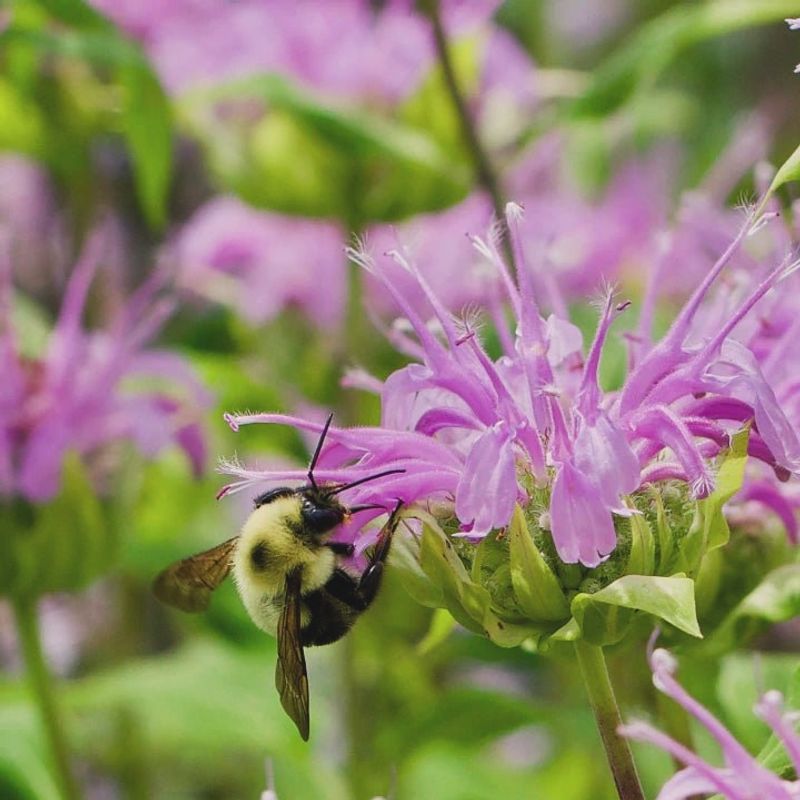
Bumblebees, honeybees, and hummingbirds all visit bee balm regularly throughout the blooming season. The tubular flowers are especially attractive to long-tongued bees that can reach deep into the blooms.
Deadheading spent flowers extends the blooming window well into late summer.
Seed germination is pretty straightforward. Surface sow the tiny seeds and press them gently into moist seed-starting mix without burying them.
Light helps trigger germination, so keep trays near a bright window or under grow lights. Expect sprouts in about 10 to 14 days.
Georgia gardeners who start bee balm early rarely regret it once the pollinators arrive in force.
2. Purple Coneflower Produces Nectar Rich Flowers Bees Love
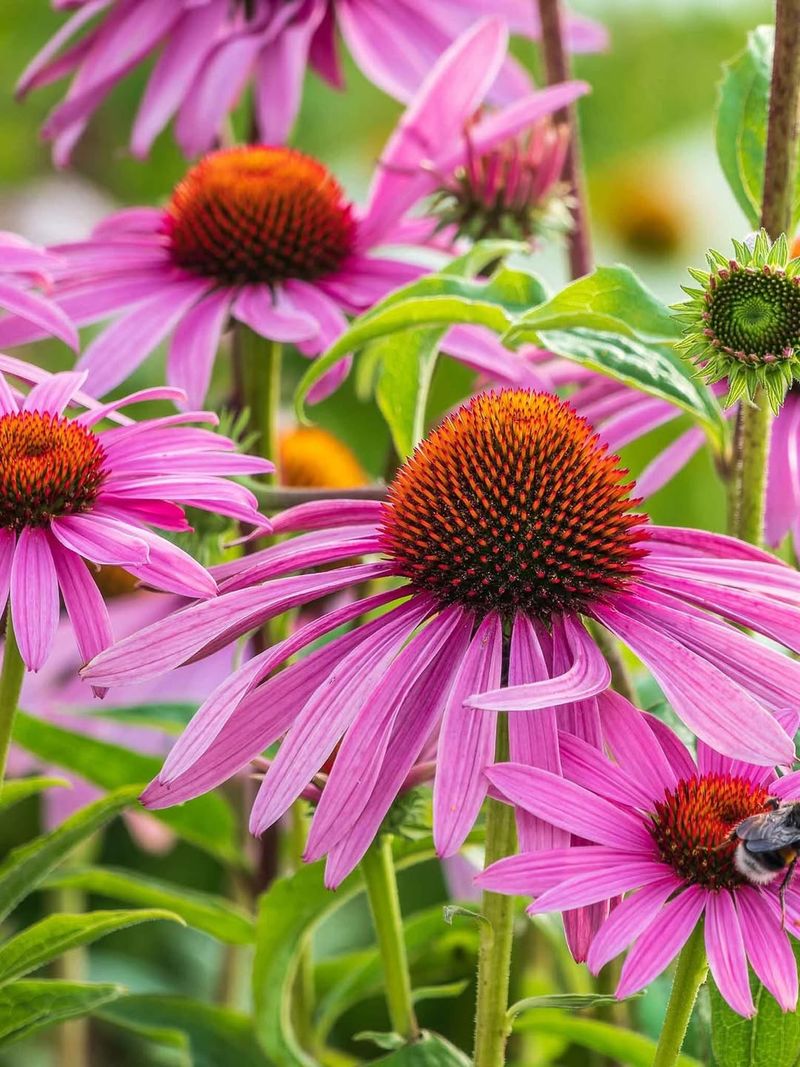
Purple coneflower is one of those plants that earns its spot in any Georgia pollinator garden without a lot of fuss. Sow seeds directly into prepared garden beds in early spring, right around the time soil temps climb above 65 degrees Fahrenheit.
Cold stratification helps improve germination rates if you want to start seeds indoors first.
Scatter seeds on the soil surface and press them in lightly. Germination typically takes two to three weeks, and seedlings are tough once they get going.
Sandy or clay-heavy Georgia soils both work fine as long as drainage is decent.
Bees go absolutely wild for coneflower nectar. Bumblebees, sweat bees, and native solitary bees all visit regularly throughout the long bloom season.
Butterflies land on the flat petal surface to feed, making this plant a true hub of pollinator activity from late June through August.
After blooms fade, resist the urge to cut everything back. Goldfinches and other seed-eating birds work through the seed heads from fall into winter, which adds another layer of wildlife value.
Coneflowers also self-seed reliably, meaning a patch started this spring in your Athens or Macon yard could spread naturally over the next few seasons without any extra effort on your part.
3. Black Eyed Susan Seeds Establish Easily In Early Spring
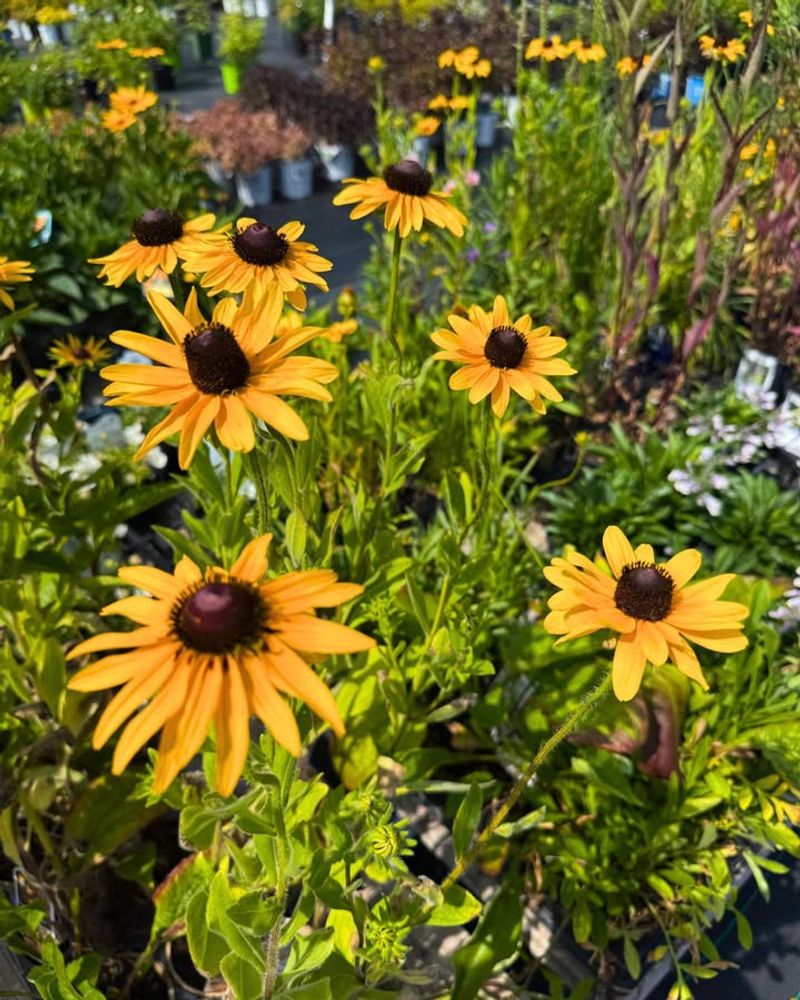
Black-eyed Susans practically want to grow. Scatter seeds across a sunny patch of loosened soil in early March across most of Georgia, and you will likely see seedlings popping up within two weeks.
Cold soil does not slow them down much, which makes them one of the easiest early spring starts around.
Thin seedlings to about 12 inches apart once they reach a few inches tall. Crowding leads to weak stems and fewer flowers, so giving each plant room matters more than most people expect.
Water consistently through the first month, then back off because mature plants handle dry spells without issue.
Bees visit black-eyed Susan flowers from the moment they open. The wide, open flower structure makes pollen extremely accessible to short-tongued bees, beetles, and even hoverflies.
Butterflies like painted ladies and fritillaries stop by regularly as well, especially during the peak summer bloom period.
One thing Georgia gardeners appreciate about black-eyed Susans is how well they handle the region’s unpredictable spring weather. A late cold snap will not set back established seedlings the way it might affect more tender plants.
Rudbeckia species also bloom for a long stretch, often from June well into October, which means pollinators have a food source available throughout the hottest part of the year.
4. Cosmos Grow Fast And Draw Bees And Butterflies
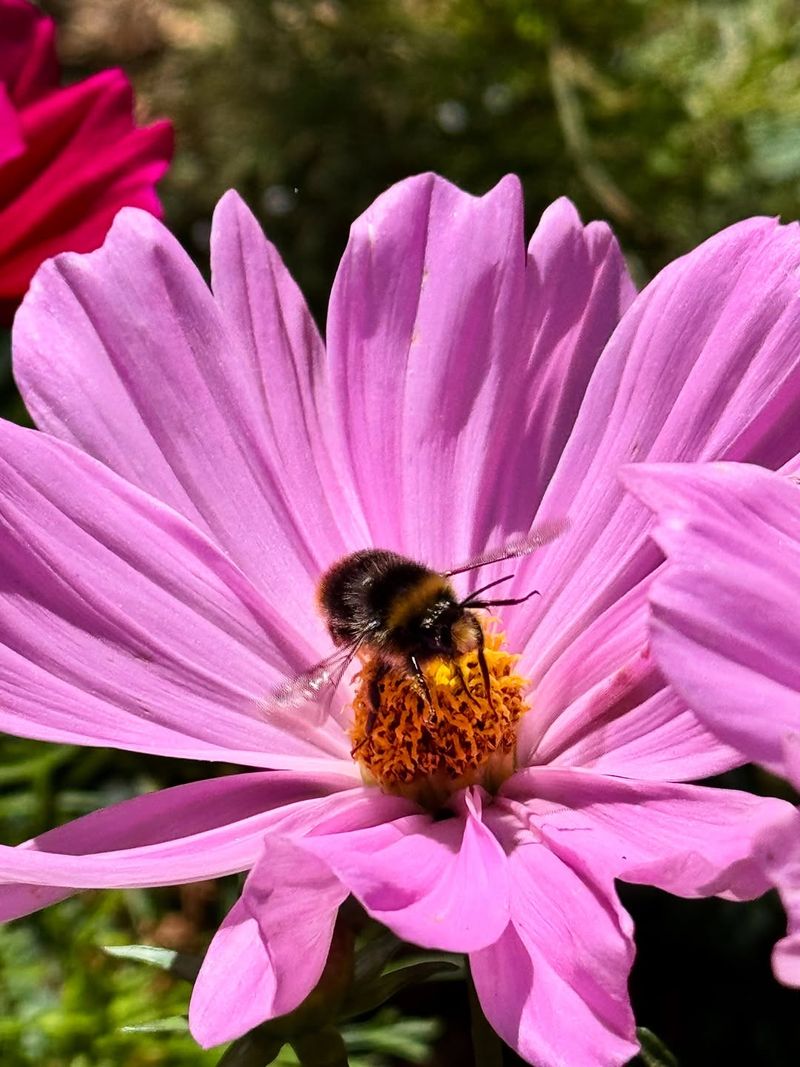
Cosmos might be the fastest reward you get from a seed packet in any Georgia garden. Direct sow after the last frost date and plants can go from seed to flower in as little as seven weeks.
That speed is hard to beat when you want to fill a garden bed quickly with something pollinators will actually use.
Scratch the soil surface lightly, press seeds in about a quarter inch deep, and keep the area moist until germination kicks in. Cosmos actually prefer lean soil, so skip the heavy fertilizing.
Rich soil pushes leafy growth at the expense of flowers, which is the opposite of what you want.
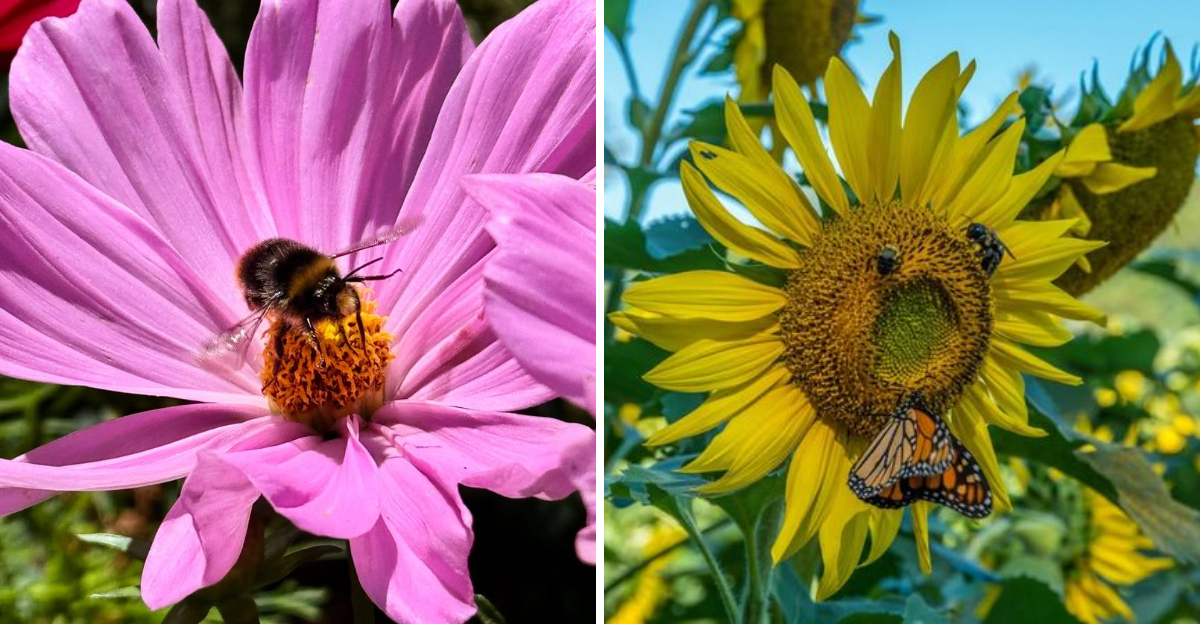
Butterflies are particularly drawn to cosmos blooms. Swallowtails, skippers, and monarchs passing through Georgia during migration stop to feed on cosmos nectar.
Bees visit consistently too, especially in the morning hours before the afternoon heat peaks in summer.
Pinching off the first set of flower buds when plants are young encourages bushier growth and more blooms over the season. Deadhead regularly to keep flowers coming.
Cosmos reseed themselves freely, so leaving a few spent flowers on the plant at the end of the season means you may find volunteer seedlings popping up in the same spot next spring. Georgia gardeners who plant cosmos once often find they never have to buy seeds again.
5. Coreopsis Produces Bright Flowers That Pollinators Visit Often
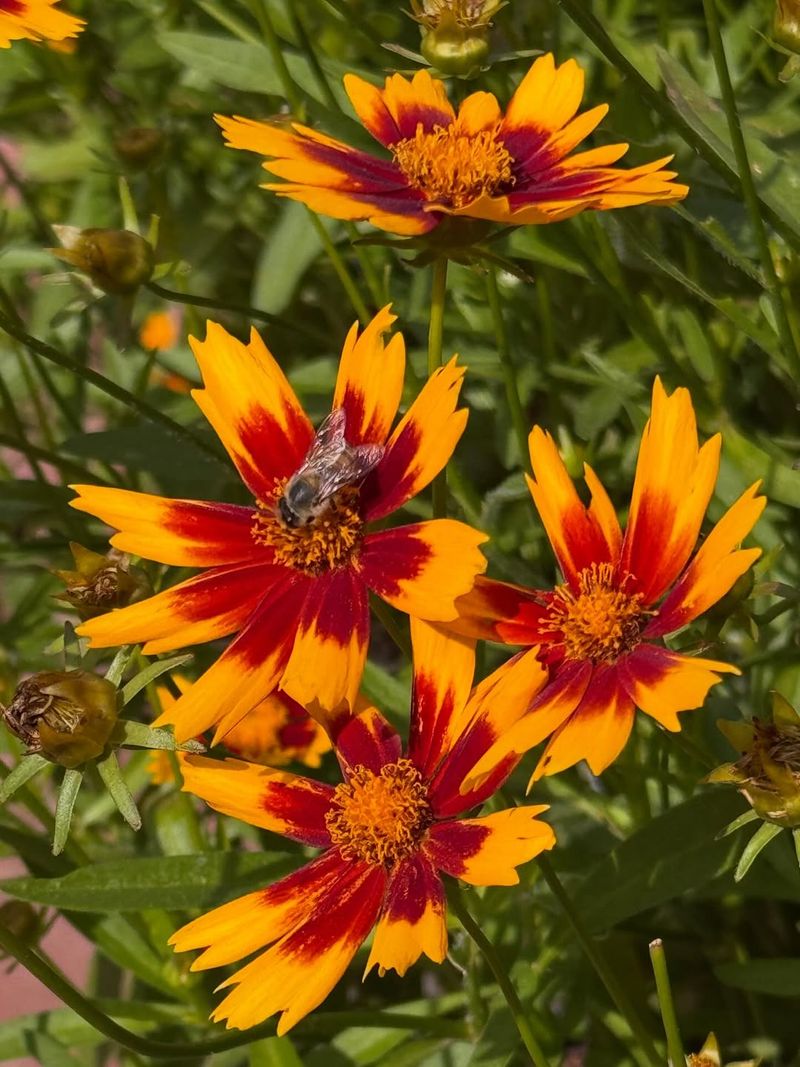
Coreopsis has a reputation for being tough, but what really stands out is how reliably it blooms even in Georgia’s punishing summer heat. Starting seeds indoors about four to six weeks before the last frost gives plants a jump on the season.
Transplanting outdoors after the frost risk passes usually results in flowers by late spring or early summer.
Surface sow seeds without covering them, since light aids germination. Keep the seed-starting mix consistently moist but not soggy.
Expect seedlings in about two weeks under good conditions. Harden off transplants over seven to ten days before moving them to the garden permanently.
Small native bees are especially fond of coreopsis. The open, daisy-like flowers provide easy pollen access, which makes them attractive to a wide range of bee species.
Skippers and small butterflies also visit regularly throughout the bloom season, which can stretch from late spring all the way through fall with occasional deadheading.
Coreopsis handles poor soil better than most flowering plants, which is good news for Georgia gardeners dealing with heavy red clay or sandy coastal soils.
Raised beds with amended soil produce the most vigorous plants, but even a neglected corner of a yard can host coreopsis without much intervention.
Plant a patch near a vegetable garden and you will notice increased bee activity around your food crops as a bonus throughout the growing season.
6. Sunflowers Provide Pollen And Nectar For Many Insects
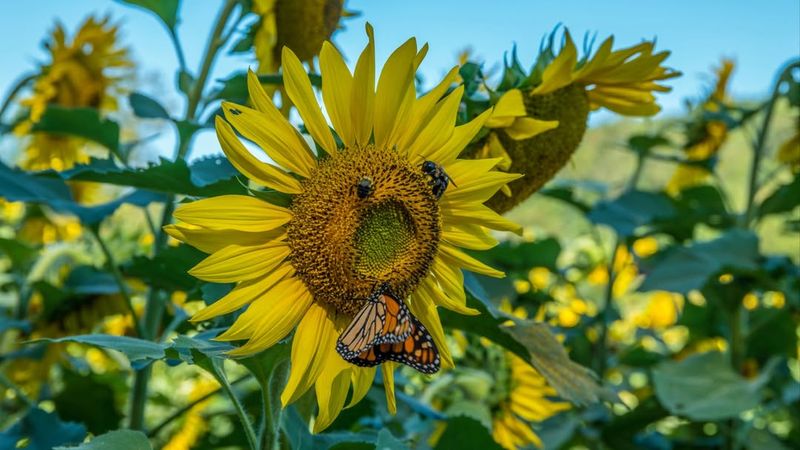
A row of sunflowers in a Georgia garden is one of the most productive things you can plant for pollinators. Each large flower head is essentially a landing pad loaded with pollen, and insects take full advantage from the moment blooms open in summer.
Starting seeds directly in the garden after the last frost is the easiest approach and works extremely well in Georgia’s warm climate.
Push seeds about an inch deep into well-drained soil in a full-sun location. Germination happens quickly, usually within a week or so.
Thin seedlings to the spacing recommended on your seed packet, which varies depending on whether you are growing a dwarf variety or a standard tall type reaching six feet or more.
Bumblebees are especially enthusiastic sunflower visitors. They cover the disc flowers in the center of each head, collecting massive loads of pollen before moving on.
Honeybees, sweat bees, and various beetles also feed on sunflowers throughout the day. Some bee species actually specialize in sunflower pollen, which speaks to how nutritionally valuable these blooms really are.
Branching varieties like ‘Autumn Beauty’ or ‘Lemon Queen’ produce multiple flower heads per plant, extending the bloom period significantly.
Plant sunflowers in staggered batches two weeks apart from late March through May across most of Georgia to maintain a continuous pollen and nectar supply for visiting insects well into fall.
7. Blanket Flower Handles Heat And Attracts Bees
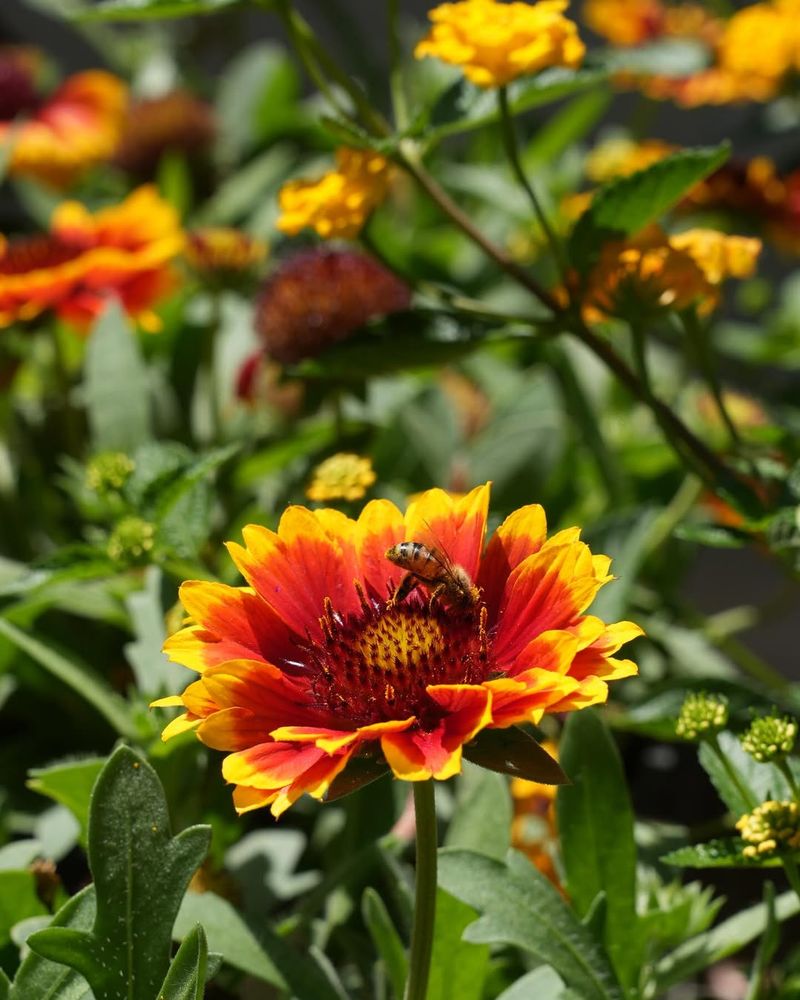
Blanket flower is built for Georgia summers. While other plants wilt and struggle once temperatures climb into the nineties, gaillardia keeps blooming without missing a beat.
Starting seeds indoors about six weeks before the last frost date gives plants enough time to develop before transplanting out into the garden.
Seeds need light to germinate, so press them onto the surface of moist seed-starting mix and do not cover them. Germination takes about two weeks under warm, bright conditions.
Seedlings grow quickly and are ready to transplant once a few sets of true leaves appear. Space plants about 12 inches apart in a sunny, well-drained spot.
Bees visit blanket flowers constantly during warm months. The bright red and yellow blooms are especially attractive to bumblebees and native solitary bees that forage throughout the day.
Skippers and other small butterflies land on the flowers frequently as well, adding to the overall pollinator activity around this plant.
Blanket flower thrives in poor, sandy, or rocky soil where other plants struggle. Coastal Georgia gardeners dealing with sandy conditions near Brunswick or St. Simons Island will find gaillardia adapts well without heavy soil amendments.
Avoid overwatering because soggy roots cause more problems than drought ever will.
Deadheading spent blooms regularly encourages continuous flowering from late spring through the first fall frost, giving pollinators a long and reliable food source throughout the growing season.
8. Zinnias Produce Colorful Flowers Pollinators Visit All Season
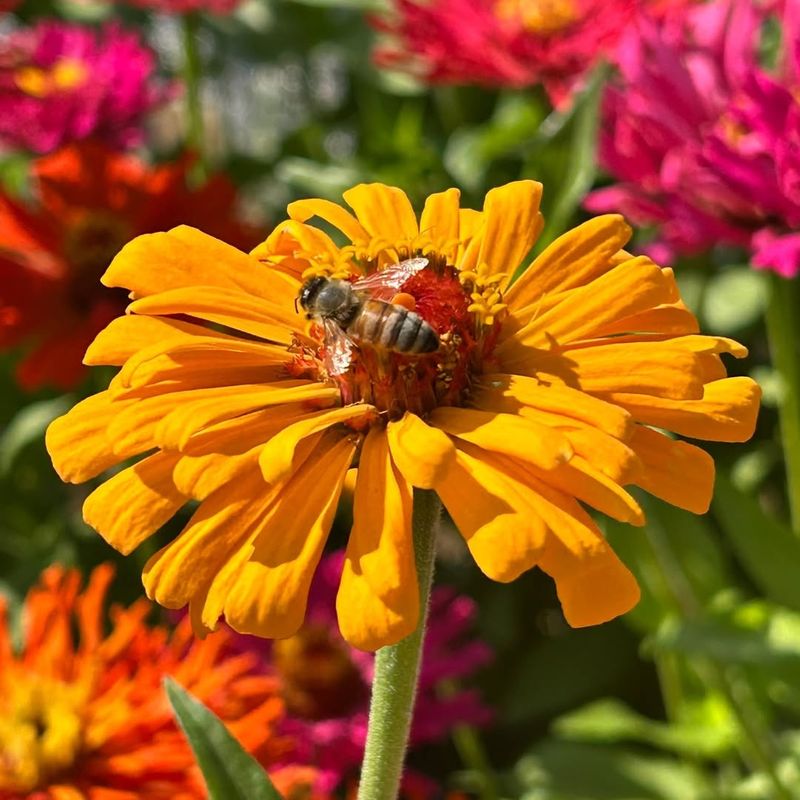
Zinnias are probably the single most butterfly-friendly flower you can grow in a Georgia garden, and starting them from seed is genuinely simple. Wait until after the last frost date, then direct sow seeds about a quarter inch deep in a sunny spot.
Warm Georgia soil speeds up germination considerably, and seedlings typically appear within five to seven days.
Thin plants to about 10 to 12 inches apart to keep air circulation strong between stems. Powdery mildew can show up on crowded zinnias during humid stretches, which Georgia summers certainly deliver.
Choosing mildew-resistant varieties like ‘Benary’s Giant’ or ‘Profusion’ helps sidestep that problem from the start.
Monarch butterflies, swallowtails, and fritillaries all visit zinnias heavily during their peak bloom period. Bees work the flowers throughout the day too, especially on larger double and semi-double varieties where pollen is abundant.
Zinnias bloom from early summer all the way until the first frost, giving pollinators a consistent food source across the entire warm season.
Succession planting every three weeks from late April through June keeps fresh blooms coming and prevents a mid-season gap. Cut flowers frequently for indoor bouquets because the more you cut, the more the plant produces.
Georgia gardeners who grow zinnias near vegetable gardens often notice more productive crops thanks to the increased pollinator traffic buzzing around the yard all season long.