Pollinator Plants To Grow This April In Ohio
There is a point every April in Ohio when the yard starts to feel alive again. You step outside, notice that softer air, and suddenly bees are moving from plant to plant like they have been waiting for this moment.
It is easy to overlook how important these early weeks are for them. After winter, pollinators need steady sources of nectar and pollen, and not every garden provides that right away.
A few well-chosen plants can change that quickly. Some flowers begin earlier and keep producing longer, which makes them especially valuable this time of year.
The real shift happens when your garden becomes one of the first reliable stops in the neighborhood. Activity picks up, movement becomes constant, and certain plants start drawing repeat visits you can count on each day.
1. Milkweed With Its Critical Role For Monarchs
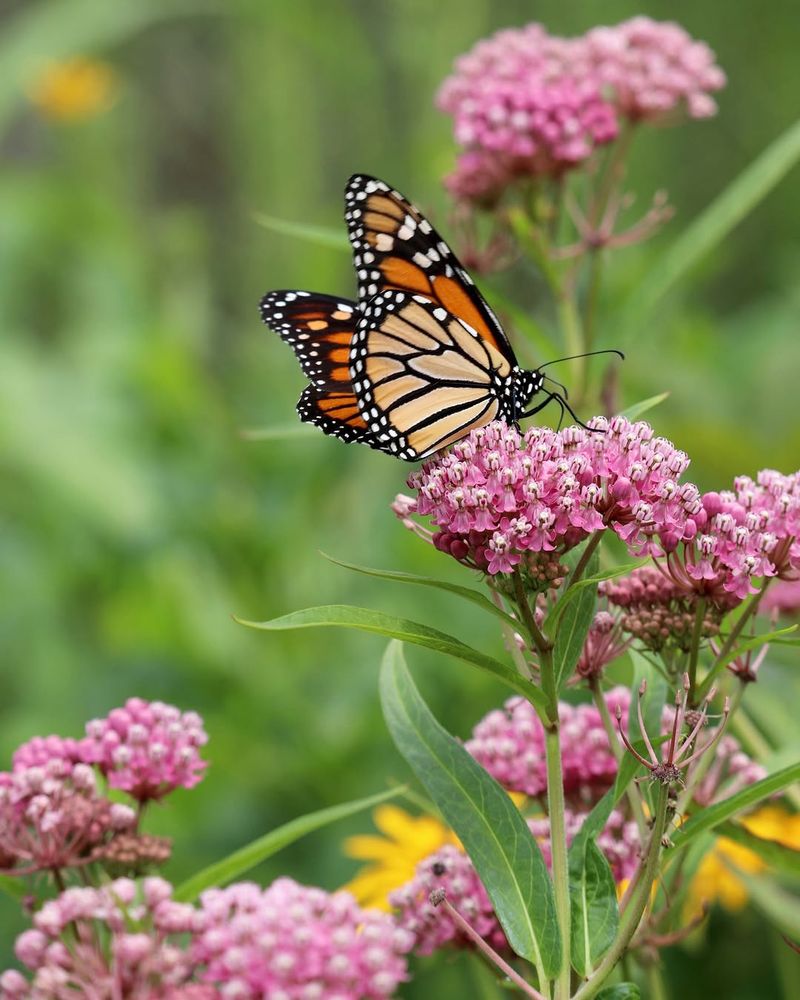
Monarch butterflies are one of the most recognizable insects in North America, and milkweed is the one plant they truly cannot live without. As the only plant where monarchs lay their eggs, milkweed is an absolute must-have for any Ohio pollinator garden.
Planting it in April gives the roots time to anchor well before summer temperatures climb.
Common milkweed (Asclepias syriaca) and butterfly weed (Asclepias tuberosa) are both excellent choices for Ohio gardens. Butterfly weed features stunning orange blooms and thrives in full sun with well-drained soil, making it a great pick for drier spots in your yard.
Common milkweed spreads more freely and produces fragrant pink flower clusters that bees adore.
Did you know that milkweed gets its name from the thick, milky white sap found in its stems and leaves? That sap actually makes monarch caterpillars taste bad to predators, giving them a natural defense.
Growing milkweed in Ohio can significantly help support monarch butterflies during their life cycle and migration. Even one plant makes a difference.
2. Bee Balm A Bright Magnet For Hummingbirds
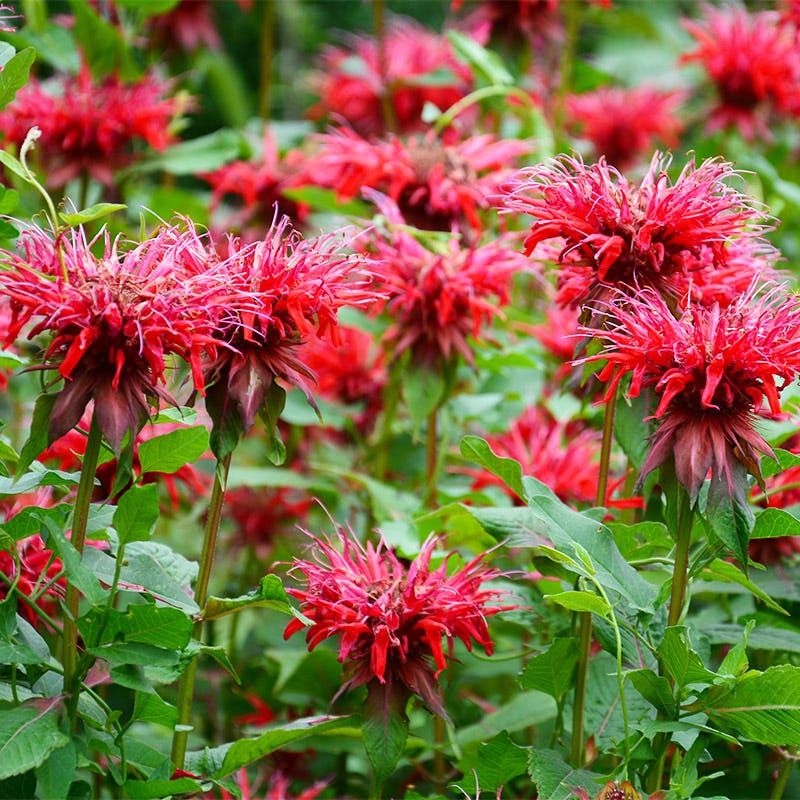
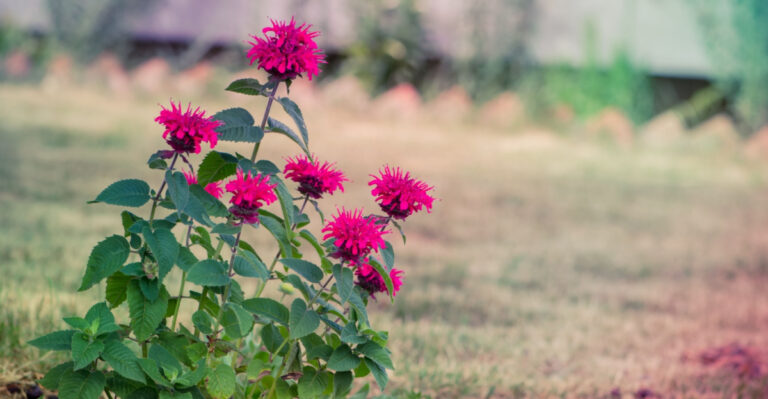
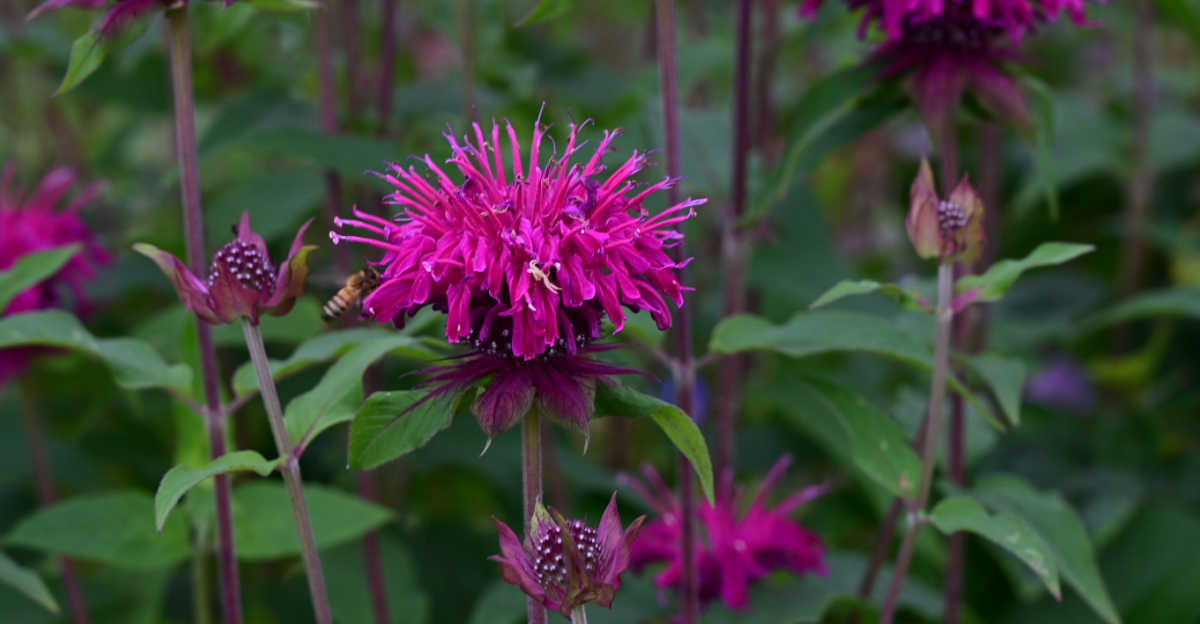
Few plants put on a show quite like Bee Balm. Known scientifically as Monarda didyma, this bold and beautiful native perennial has tufted, flame-like blooms in shades of red, pink, and purple that hummingbirds simply cannot resist.
Planting it in April gives it plenty of time to establish strong roots before the summer heat arrives in Ohio.
Bee Balm loves full sun to partial shade and does best in moist, well-drained soil. It spreads gradually over time, so you can expect a fuller, bushier patch each year.
It blooms from mid to late summer, giving pollinators a reliable food source when other flowers may start to fade.
One fun fact: Bee Balm was used by Native American tribes as a natural remedy for colds and sore throats. Beyond its history, it is a powerhouse for Ohio pollinators, attracting bees, butterflies, and hummingbirds all at once.
Plant it near a window and enjoy the wildlife show from the comfort of your home all summer long.
3. Penstemon Early Color When Gardens Wake Up
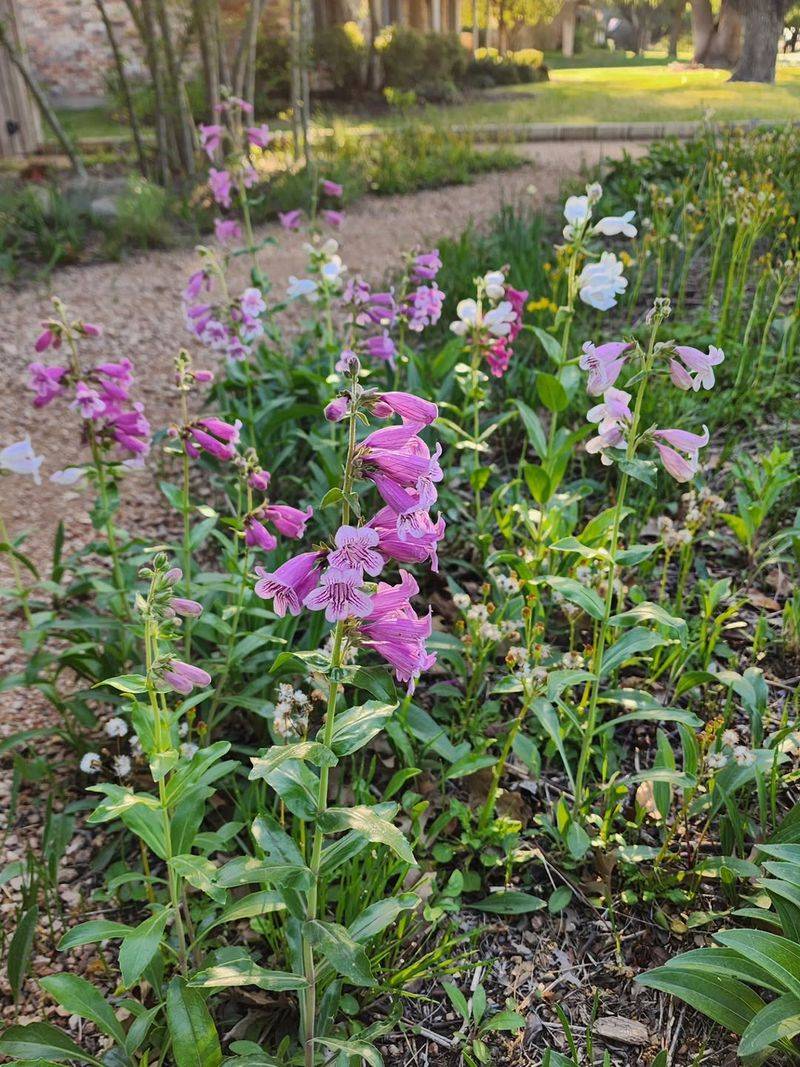
Often called beardtongue, penstemon stands out as one of Ohio’s most underrated native plants. Its tall spikes of tubular flowers come in shades of purple, pink, white, and red, making it as pretty as it is practical.
Hummingbirds and native bees absolutely love its nectar-rich blooms, and planting it in April means you could see flowers as early as late spring.
There are several Penstemon species native to Ohio, including Penstemon digitalis, which is known for its white to pale lavender blooms and impressive adaptability. It handles a range of soil types and grows well in both full sun and partial shade, making it one of the easiest native perennials for beginning gardeners to try.
Penstemon is also surprisingly drought-tolerant once established, which is great news for Ohio summers that can swing between rainy weeks and dry spells. Unlike many showy garden flowers, it requires very little maintenance after the first growing season.
Plant it along a sunny border or mix it into a wildflower garden, and watch as bumblebees squeeze their fuzzy bodies into each tubular bloom. It is a genuinely charming plant to grow.
4. Aster And Its Late-Season Burst Of Blooms
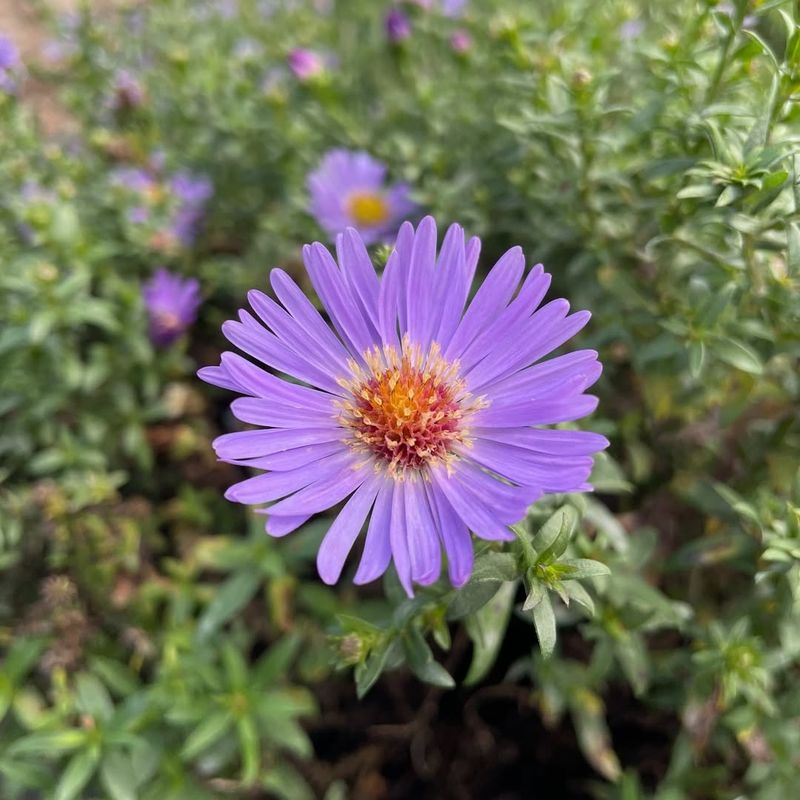
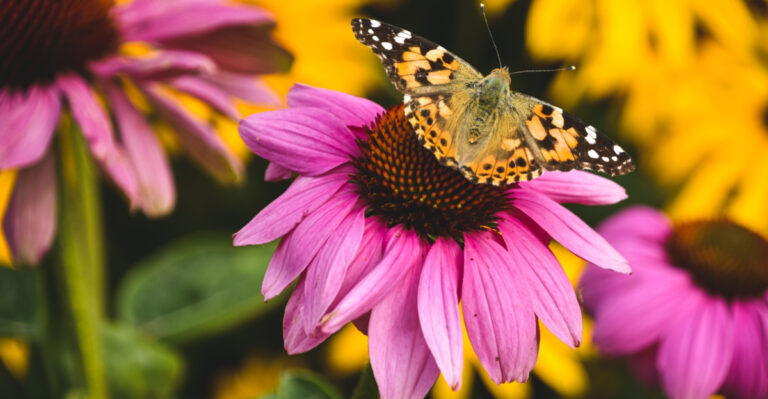
Planting asters in April might seem early since they bloom in fall, but starting them in spring gives these Ohio natives the long growing season they need to truly flourish. Native asters like New England Aster (Symphyotrichum novae-angliae) produce hundreds of small purple, daisy-like flowers that become one of the most important late-season food sources for pollinators across Ohio.
What makes asters especially valuable is their timing. By the time most other flowers have stopped blooming, asters are just hitting their stride.
Migrating monarch butterflies rely heavily on aster nectar to fuel their long journey south each fall. Bees and other native insects also stock up on aster pollen before winter arrives.
Growing asters is straightforward. They prefer full sun and adapt well to average garden soil, though they do appreciate consistent moisture while getting established.
Once settled in, they are tough, reliable plants that return bigger and better each year. A fun bonus: asters pair beautifully with goldenrod, creating a golden and purple color combination that looks stunning in any Ohio backyard.
Starting them this April means a gorgeous fall display is already on its way.
5. Redbud Covered In Soft Pink Spring Flowers
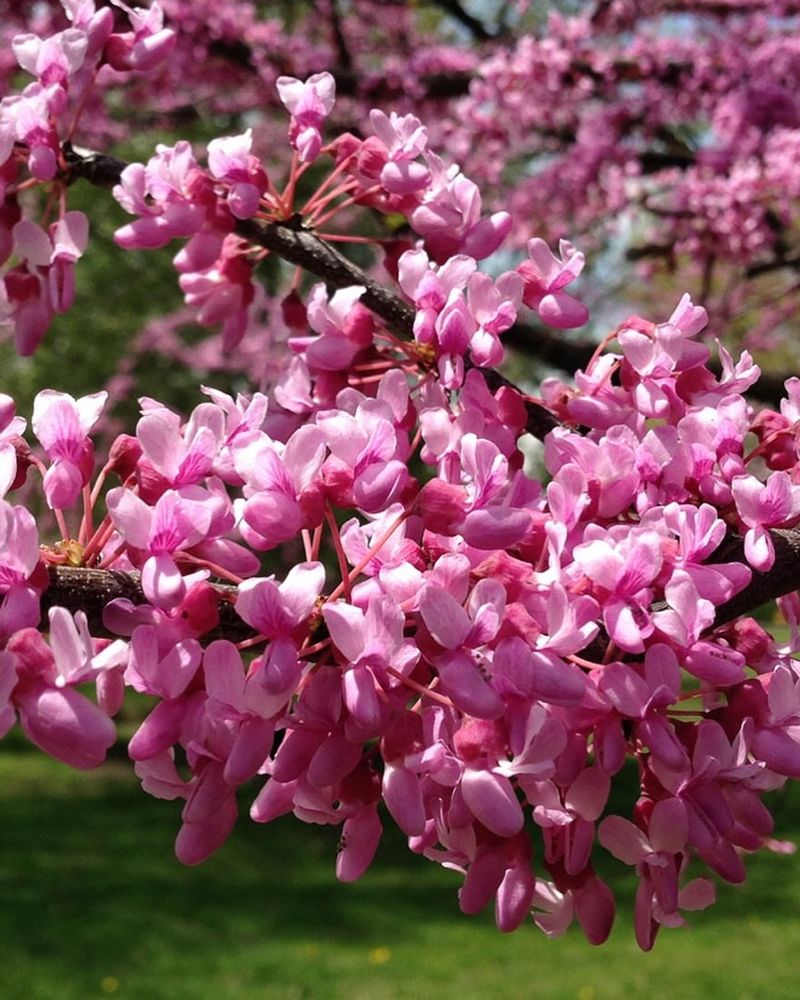
Walk through any Ohio woodland in early spring and you will likely spot the Eastern Redbud putting on its annual show. This native tree bursts into a cloud of rosy pink-purple blossoms before its leaves even appear, making it one of the most breathtaking sights of the season.
Planting a young Redbud tree this April sets you up for decades of springtime beauty and pollinator support.
Redbud (Cercis canadensis) blooms in March and April, making it one of the earliest nectar sources available to bees emerging from their winter rest. Native bumblebees and mining bees are especially drawn to Redbud flowers, and the tree plays an important role in helping bee populations recover after a long Ohio winter.
Beyond its pollinator value, Redbud is a wonderful landscape tree that stays relatively compact, usually reaching 20 to 30 feet tall. It tolerates partial shade, which makes it a smart choice for planting under larger trees or along the edge of a wooded yard.
The heart-shaped leaves that follow the flowers add texture and charm all summer long. If you are choosing a native tree to plant in Ohio this April, Redbud is a strong option.
6. Serviceberry Dominating With Flowers And Edible Berries
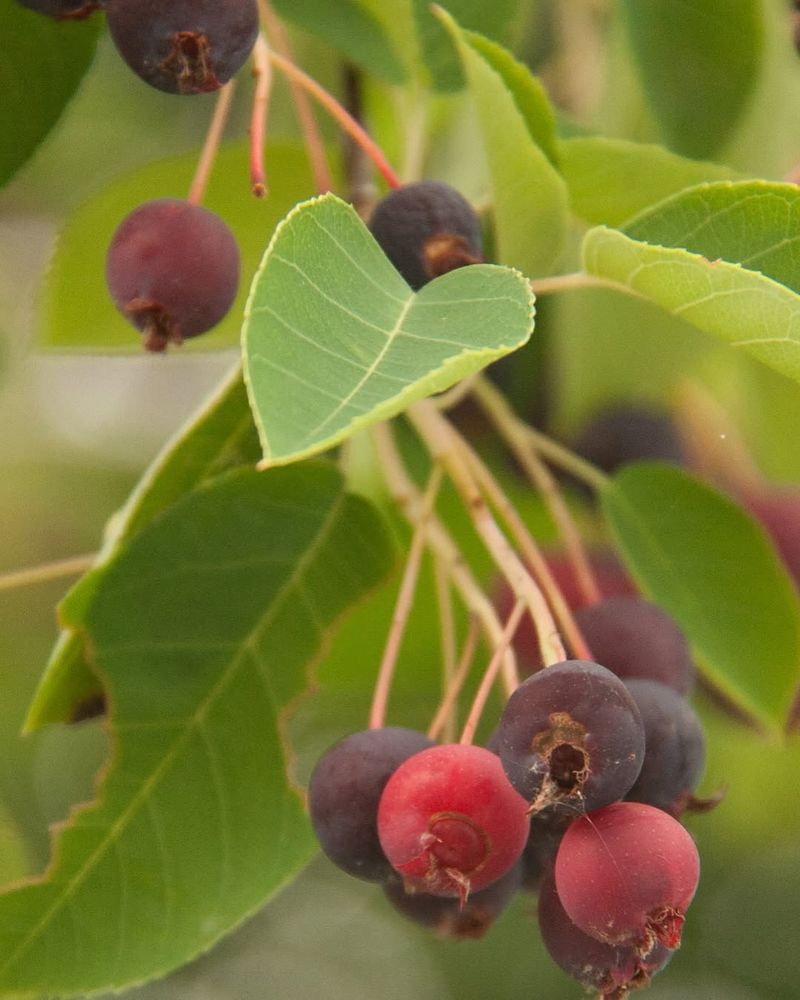
Serviceberry is one of those plants that rewards you in more ways than one. Known by several names including Juneberry and shadbush, this native Ohio shrub or small tree covers itself in clusters of delicate white flowers every spring, often as early as April.
Those early blooms are a lifeline for queen bumblebees and other native bees just waking up after winter.
After the flowers fade, Serviceberry produces small, blueberry-like fruits that ripen in June. These berries are sweet and edible for people, but birds and small mammals in Ohio compete fiercely for them.
Growing a Serviceberry essentially means creating a multi-season feeding station right in your own yard, which is pretty remarkable for a single plant.
Serviceberry generally adapts well to a variety of Ohio growing conditions. It handles full sun to partial shade and tolerates both moist and average soils.
Smaller varieties like Amelanchier canadensis work well in tight spaces, while larger species can grow into graceful multi-stemmed trees. The fall foliage turns brilliant shades of orange and red, so even after pollinator season ends, this plant continues to earn its spot in any Ohio garden.
7. Willow Among The First Food Sources For Bees
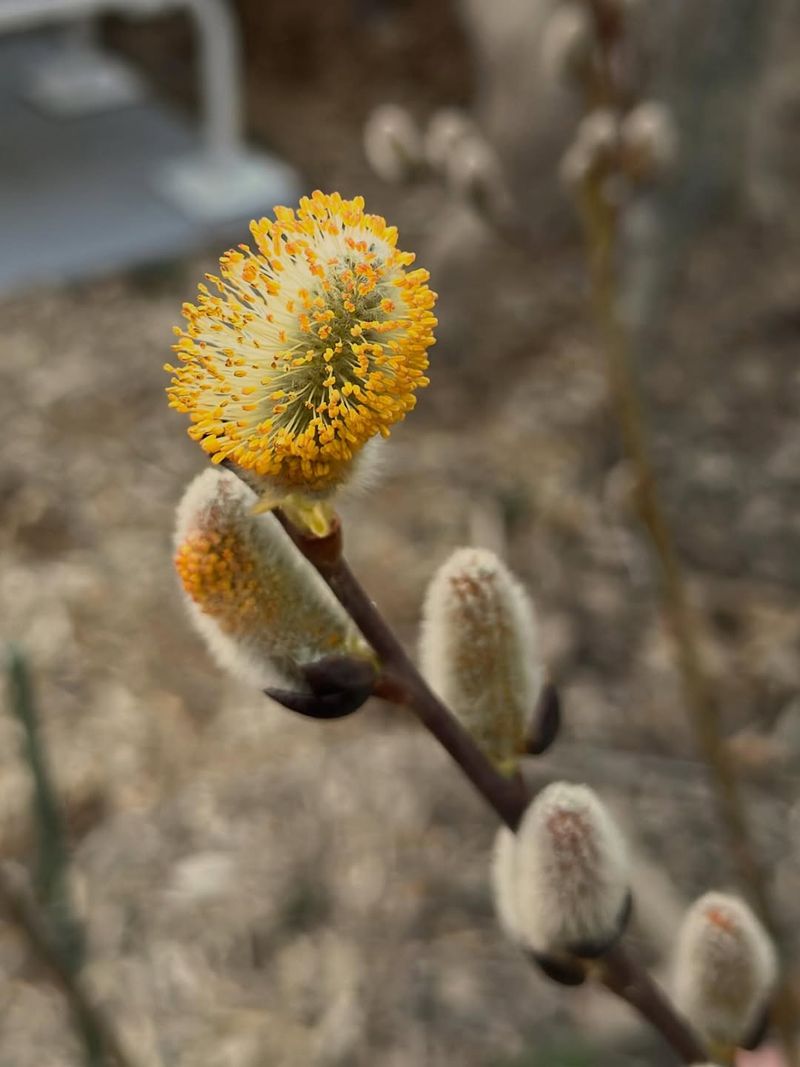
Not many people think of willow as a pollinator plant, but it is actually one of the most important early-spring resources for native bees in Ohio. Willows bloom very early in the season, often in March and April, producing catkins loaded with pollen and nectar at a time when almost nothing else is flowering.
For bees emerging hungry after winter, willow is essentially a feast.
Native willows like Pussy Willow (Salix discolor) and Black Willow (Salix nigra) are excellent choices for Ohio gardens, especially in areas with moist or wet soil. They grow quickly and can be pruned to stay manageable if you do not want a large tree.
Pussy Willow is a popular choice because of its iconic fuzzy catkins, which are also beloved in floral arrangements.
Willows support an impressive number of caterpillar species, making them valuable not just for bees but for birds that feed on insects. Planting a willow near a rain garden, pond, or low-lying area in your Ohio yard takes advantage of its natural love of moisture.
It is a plant with big ecological value that often gets overlooked, and April is the perfect time to get one in the ground.
8. Viburnum With Clusters Of Spring Flowers And Berries
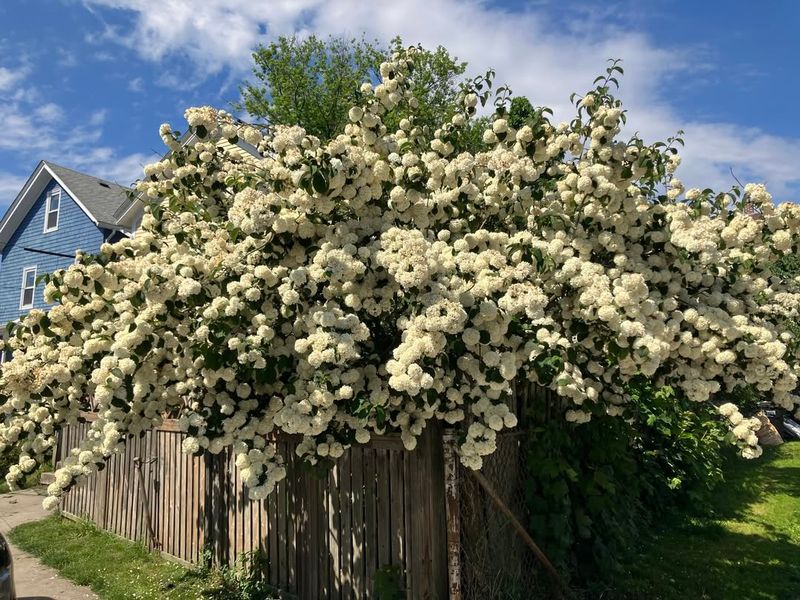
A true powerhouse among native shrubs, viburnum deserves a spot in every Ohio pollinator garden. With its large, rounded clusters of white flowers and rich green foliage, it brings serious beauty to any landscape.
Several species are native to Ohio, including Arrowwood Viburnum (Viburnum dentatum) and Blackhaw Viburnum (Viburnum prunifolium), both of which are excellent choices for April planting.
The spring flowers attract a wide range of pollinators, including native bees, beetles, and flies. After blooming, Viburnum produces clusters of small berries that turn from green to deep blue or black by late summer.
These berries are a critical food source for migrating birds passing through Ohio in the fall, giving this shrub a dual role as both a pollinator plant and a wildlife habitat plant.
Viburnum is also wonderfully adaptable. Depending on the species, it can handle full sun to full shade, wet or dry soil, and urban growing conditions.
It rarely needs much attention once established, making it a low-effort, high-reward addition to any yard. If you want a shrub that works hard for Ohio wildlife from spring through fall without demanding much in return, Viburnum is your answer.
9. Spicebush Known For Fragrance And Butterfly Support
One of Ohio’s most charming native shrubs often goes unnoticed, even though spicebush is genuinely remarkable. In early spring, before most plants have even thought about leafing out, Spicebush (Lindera benzoin) explodes with tiny clusters of bright yellow flowers along its bare branches.
This early bloom makes it one of the first nectar sources available to native bees in Ohio each year.
Beyond its early flowers, Spicebush is the host plant for the Spicebush Swallowtail butterfly, one of Ohio’s most stunning native butterflies. The caterpillars of this species feed exclusively on Spicebush leaves, so planting one is directly supporting a beautiful butterfly’s entire life cycle.
The bright red berries that appear in fall are also a favorite food for migrating thrushes and other birds.
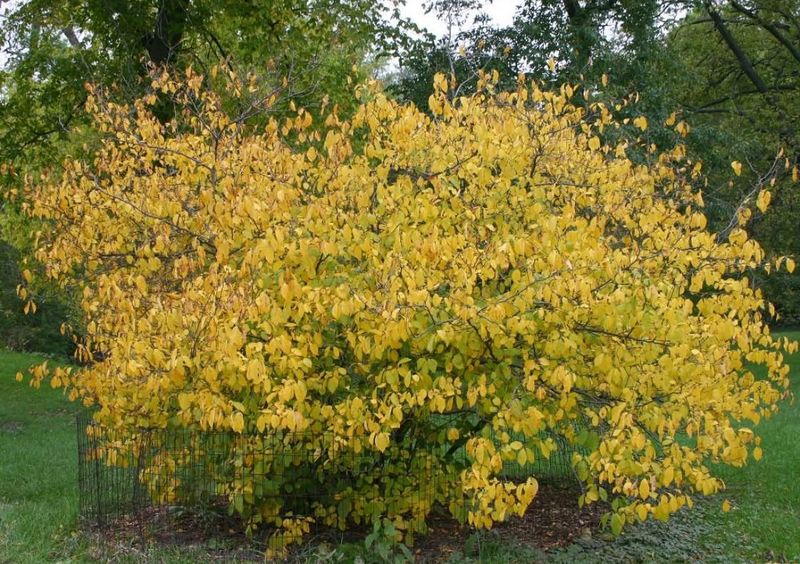
Spicebush thrives in shady, moist conditions, making it perfect for the shadier corners of an Ohio yard where other plants may struggle. It grows 6 to 12 feet tall and wide, forming a dense, rounded shrub with attractive yellow fall foliage.
Crush a leaf between your fingers and you will notice a spicy, aromatic scent that gives this plant its name. It is a true gem of Ohio’s native landscape.
10. Diervilla A Tough Native Shrub For Pollinators
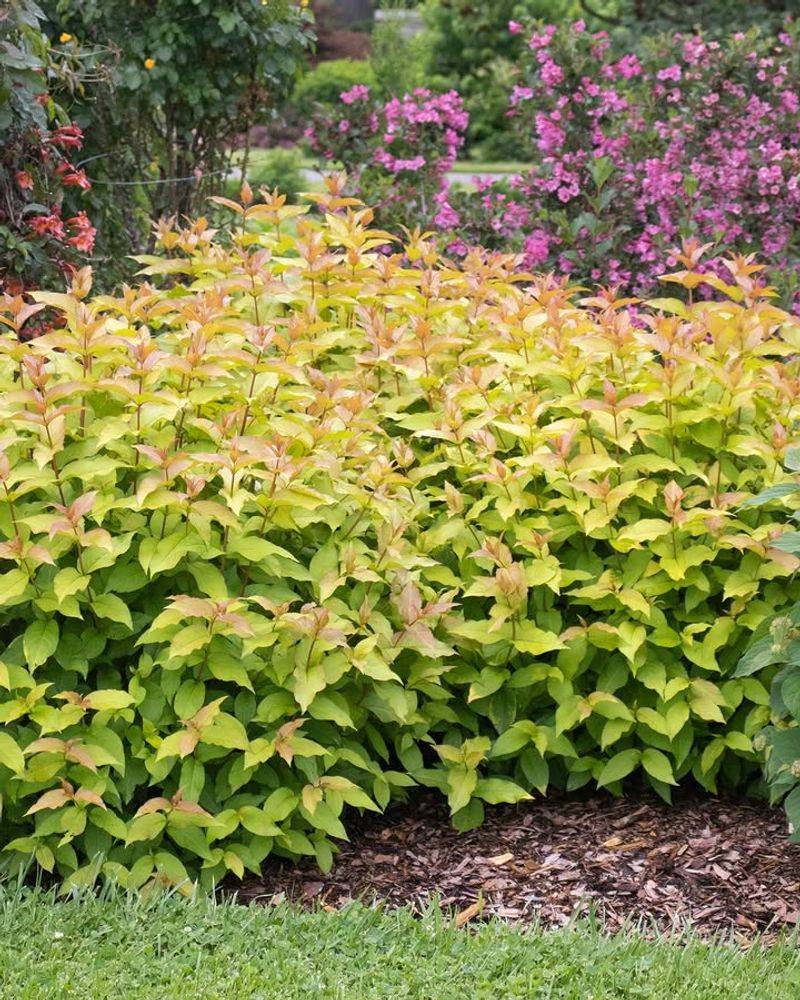
Looking for a tough, low-maintenance native shrub that pollinators love? Diervilla, commonly called Bush Honeysuckle, might be exactly what your Ohio garden needs.
Unlike the invasive Japanese honeysuckle that has caused problems across the state, Diervilla lonicera is a well-behaved native that stays where you plant it and plays nicely with other garden plants.
Diervilla produces small, trumpet-shaped yellow flowers from late spring through midsummer that attract bumblebees and other native bees. The flowers are not flashy by garden standards, but pollinators do not care about flash.
They care about nectar, and Diervilla delivers. The foliage also turns rich shades of red and burgundy in fall, adding a second season of visual interest.
One of Diervilla’s greatest strengths is its toughness. It tolerates poor soils, drought, and even deep shade, which makes it a go-to choice for difficult spots in Ohio yards where other plants refuse to grow.
It spreads slowly by underground stems, eventually forming a nice groundcover-style colony that helps control erosion on slopes. Planting it this April gives it a full growing season to get established, and by next spring, it will already be expanding and supporting even more Ohio pollinators.