8 Pollinator Plants To Start In April In Arizona That Thrive In Heat
In Arizona, that stretch between mild spring weather and full summer heat never lasts long. One week feels comfortable enough to linger outside, and the next starts pushing plants to their limits under stronger sun and rising temperatures, especially in exposed garden spaces.
For gardeners who want to support pollinators, timing matters just as much as plant choice.
Arizona’s dry climate and intense sun mean many common flowers struggle once summer settles in, but some plants are built for these exact conditions and keep producing nectar when others fade out early.
A few well-chosen plants can keep activity going even through the hottest weeks, and some of the strongest performers might surprise you once they get established and begin attracting steady pollinator visits.
1. Globe Mallow Dominating Dry Landscapes In Orange
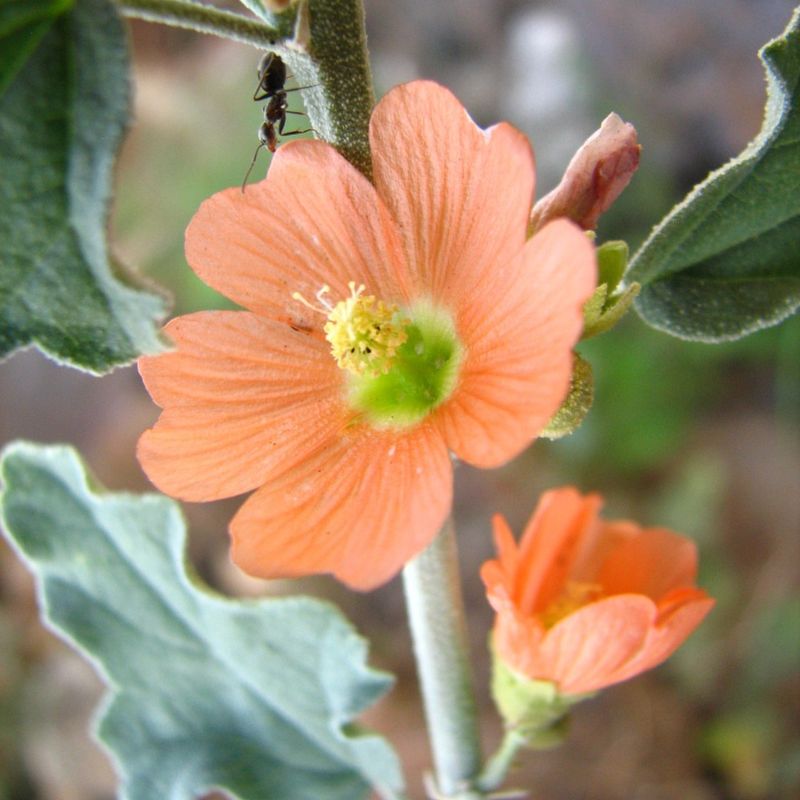
Walk through any open stretch of Arizona desert in spring and you are almost guaranteed to spot the warm, cup-shaped blooms of Globe Mallow. Usually found in shades of orange, pink, red, or lavender, this tough native perennial is a pollinator magnet from the moment its flowers open.
April is a perfect time to get it in the ground.
Globe Mallow is specially loved by the Globe Mallow bee, a small native bee that collects pollen almost exclusively from this plant. That relationship alone makes it one of the most ecologically important plants you can add to an Arizona garden.
Supporting that kind of specialized pollinator connection is something every desert gardener can feel good about.
Beyond its wildlife value, Globe Mallow is remarkably resilient. It handles reflected heat, rocky soil, and extended dry spells without complaint.
Once established, it needs very little supplemental water, making it an excellent choice for xeriscaping projects across the state.
One thing to keep in mind is that the tiny hairs on Globe Mallow leaves can cause mild skin irritation in some people, so wearing gloves when handling it is a smart move. Plant it in full sun with well-drained soil, and it will reward you with blooms that stretch well into summer.
It is one of those plants that looks delicate but is genuinely built for the Arizona heat.
2. Desert Marigold With Its Bright Gold Blooms
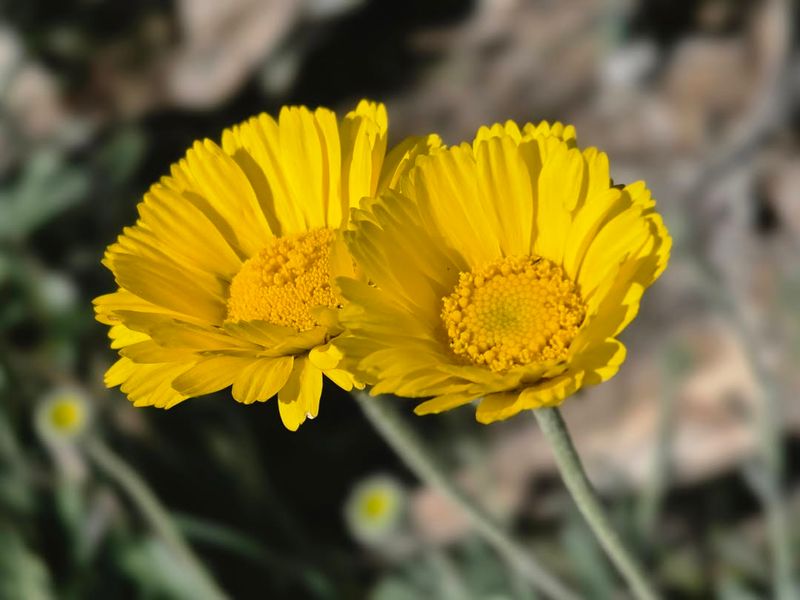
Few plants light up an Arizona garden quite like the Desert Marigold. With its cheerful, golden-yellow blooms and feathery silver-green leaves, this native perennial is practically made for the desert Southwest.
It flowers from March all the way through November, which means you get months of color without much effort at all.
Starting Desert Marigold in April gives it a strong head start before the intense summer sun kicks in. It thrives in poor, dry soils and actually prefers not to be pampered.
Overwatering is one of the few ways to run into trouble with this plant, so less is definitely more when it comes to irrigation.
Butterflies and native bees absolutely love it. The bright flowers act like little landing pads for pollinators searching for nectar across the Arizona landscape.
Planting several together creates a bold, eye-catching sweep of yellow that benefits your whole yard ecosystem.
One fun fact: Desert Marigold contains a natural compound that makes it unpalatable to most grazing animals, which is why you will often see it thriving in open fields where other plants have been eaten. In your home garden, that means fewer worries about wildlife nibbling your hard work.
It is low-maintenance, drought-tolerant, and wildly effective at attracting pollinators throughout the warm months in Arizona.
3. Parry’s Penstemon Supporting Early Pollinators
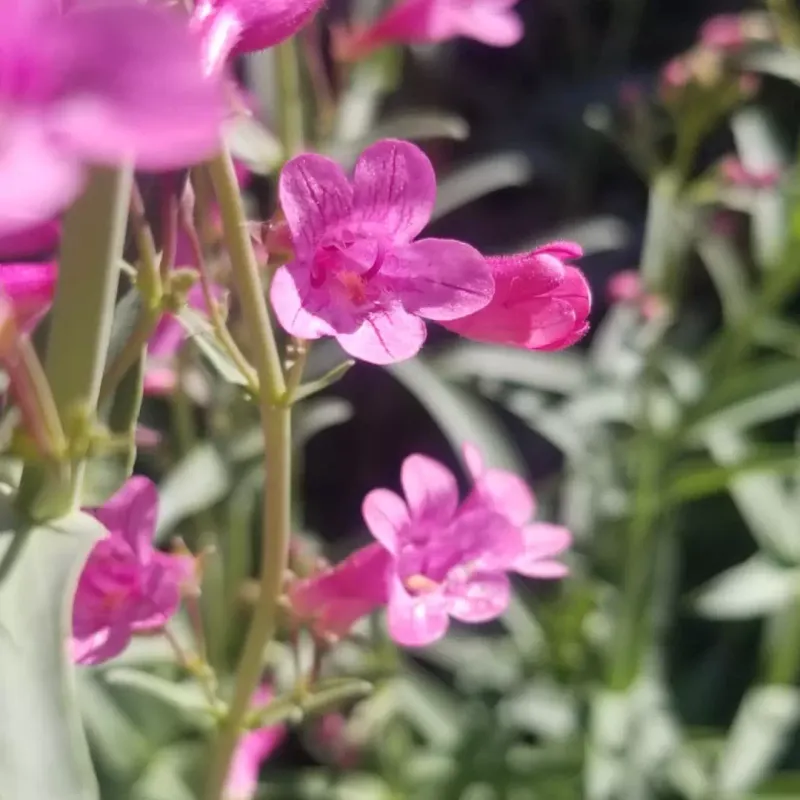
Imagine a hummingbird hovering at eye level, sipping nectar from a tall spike of rosy-pink tubular flowers. That is exactly the kind of scene Parry’s Penstemon creates in an Arizona garden every spring.
This striking native perennial is one of the showiest wildflowers in the Sonoran Desert region, and April is prime time to get it established.
Parry’s Penstemon grows best in full sun with excellent drainage. It loves rocky, alkaline soils, which makes it a natural fit for Arizona’s native terrain.
The tall flower stalks can reach up to five feet, creating a dramatic vertical element that stands out beautifully among lower-growing desert plants. Hummingbirds are drawn to those tubular blooms from a surprisingly long distance.
Beyond hummingbirds, native bees and butterflies also visit the flowers regularly, making this plant a well-rounded pollinator powerhouse. Starting it in April allows the root system to anchor itself before the scorching heat of June and July arrives in full force.
Parry’s Penstemon is also short-lived as a perennial, typically lasting two to three years, but it self-seeds freely, so once you have it in your garden, it tends to keep coming back. Letting a few seed heads dry on the plant at the end of the season is a simple way to ensure a new generation of blooms for the following year.
For Arizona gardeners who love low-fuss, high-impact plants, this one is a genuine standout.
4. Desert Milkweed Essential For Monarchs In Heat
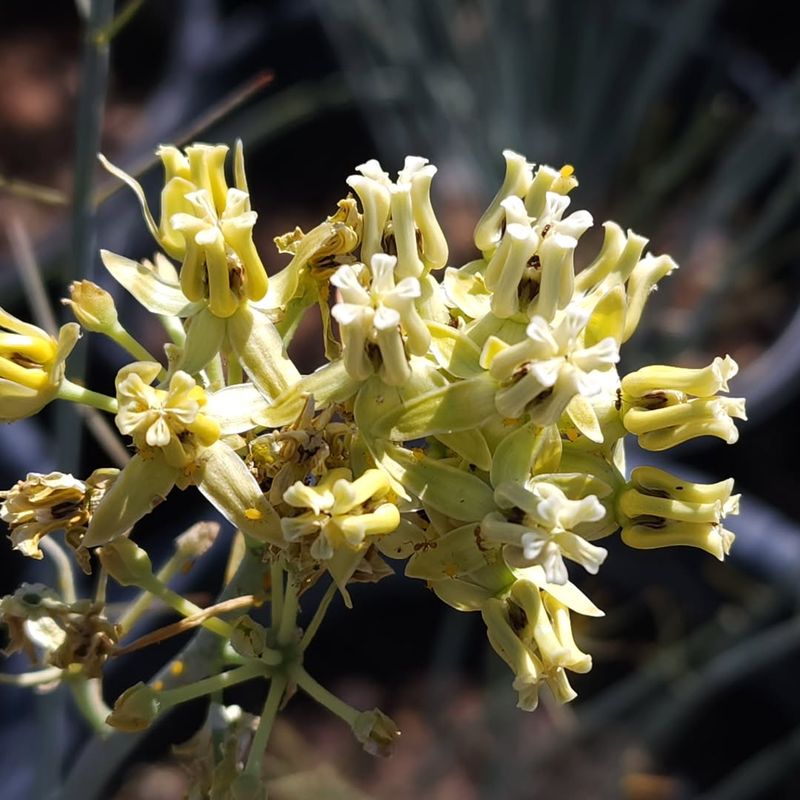
If there is one plant that carries serious conservation weight in Arizona, it is Desert Milkweed. Known scientifically as Asclepias subulata, this heat-loving perennial is one of the most important food sources for the larval stage of both Queen and Monarch butterflies.
Without milkweed, those butterfly populations simply cannot complete their life cycles.
Desert Milkweed looks almost otherworldly, with slender, nearly leafless green stems that stand upright like pale green reeds. From June through September, small clusters of creamy white and yellow flowers appear, drawing in butterflies, native bees, and other beneficial insects.
Planting it in April gives it time to get comfortable before the blooming season begins.
Full sun and reflected heat are actually this plant’s preferred conditions, which makes it a fantastic candidate for those hot south-facing spots in your yard that most plants tend to struggle with. It requires very little water once established and can go weeks without irrigation during dry stretches.
One thing that surprises many gardeners is how architectural Desert Milkweed looks in the landscape. It adds a clean, sculptural quality that pairs beautifully with flowering perennials and ornamental grasses.
Across Arizona, native plant enthusiasts consider it a must-have for any pollinator-focused garden. If supporting butterfly populations in the Sonoran Desert region matters to you, this plant is one of the most meaningful additions you can make to your outdoor space this April.
5. Fairy Duster Drawing In Hummingbirds Fast
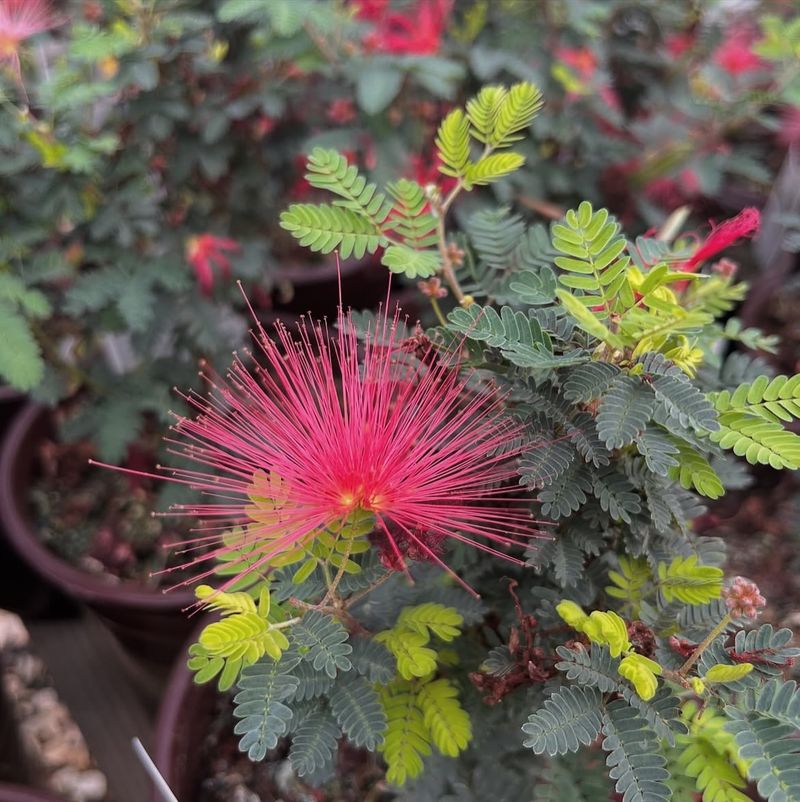
There is something almost magical about the way Fairy Duster blooms. Its flowers look like tiny, soft powder puffs in shades of pink and red, giving the whole shrub a delicate, whimsical appearance that is completely at odds with just how tough this plant actually is.
Native to the Sonoran Desert, Fairy Duster is one of Arizona’s most beloved low-water flowering shrubs.
Hummingbirds go absolutely wild for Fairy Duster blooms. The fluffy flower heads are packed with nectar, and the plant often starts blooming as early as February, continuing through spring and sometimes into early summer.
Getting it planted in April means you may even catch some late-season blooms while the plant settles in.
It grows as a low, spreading shrub that typically reaches two to four feet tall, making it a great choice for borders, slopes, or areas where you want a natural-looking groundcover effect. Full sun and well-drained soil are all it really asks for in terms of care.
Once established, it handles Arizona’s dry summers with ease.
Fairy Duster also provides excellent habitat for small birds and insects beyond just its pollinator value. The seed pods that follow the flowers are eaten by quail and other native birds, adding another layer of wildlife benefit to your garden.
For Arizona homeowners who want a plant that earns its keep in multiple ways, Fairy Duster is a smart, beautiful, and ecologically generous choice to plant this spring.
6. Arizona Sunflower Filling Spaces With Quick Color
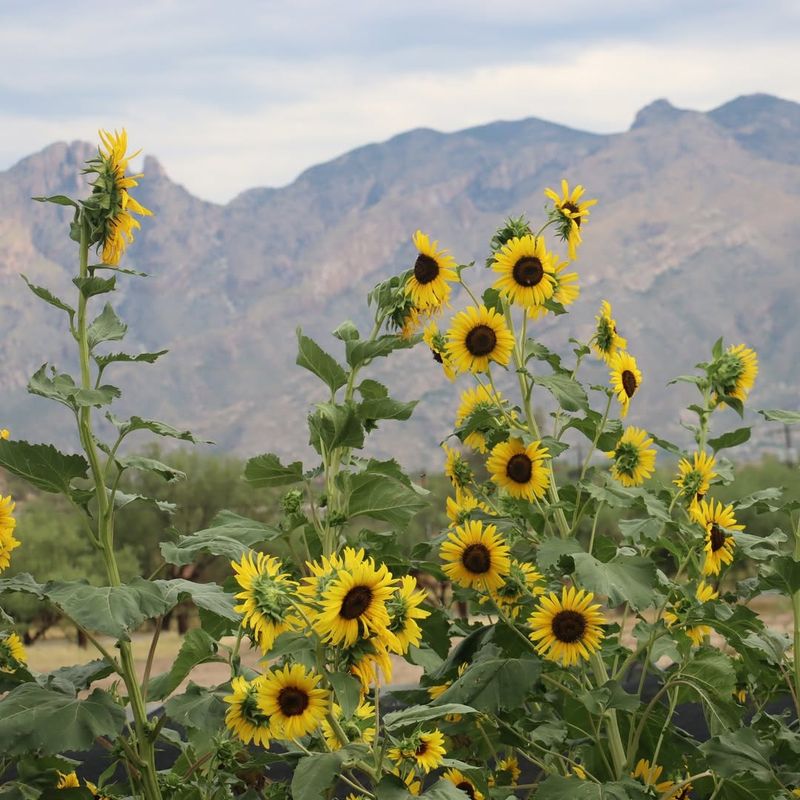
Bold, sunny, and unapologetically cheerful, the Arizona Sunflower is one of those plants that makes you smile the moment you see it. Whether it is growing wild along a roadside or standing tall in a backyard garden, its golden-yellow blooms are a beacon for bees, butterflies, and even small birds looking for seeds.
April is an ideal time to plant it across the state.
Unlike the giant sunflowers you might grow for their seeds, Arizona native sunflowers tend to be more compact and branching, producing dozens of smaller blooms over a long season. They handle the extreme heat of an Arizona summer without missing a beat, continuing to flower well into fall when many other plants have slowed down considerably.
Planting Arizona Sunflower in full sun with good drainage gives it the best possible start. It is not fussy about soil quality and actually performs well in lean, sandy conditions.
Once established, it needs only occasional deep watering, making it a smart pick for water-conscious gardeners across the region.
Bees are especially fond of sunflowers because the large central disk provides a huge foraging surface packed with both pollen and nectar. A small cluster of Arizona Sunflowers can support dozens of bee visits in a single afternoon.
If you are building a pollinator-friendly yard from scratch or filling in gaps in an existing garden, this native sunflower brings color, wildlife value, and genuine Southwest character all in one easy-to-grow package.
7. Damianita Covered In Bold Yellow Blooms
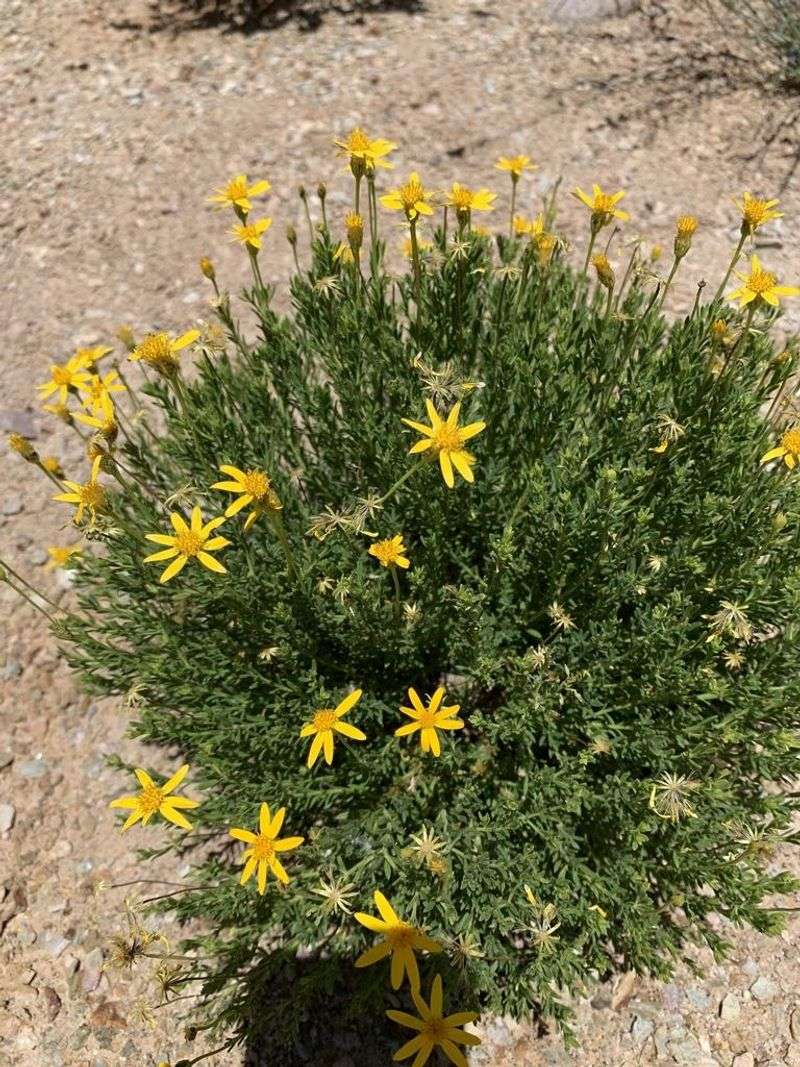
Not every great pollinator plant towers over the garden. Damianita proves that small and low-growing can be just as powerful when it comes to supporting bees and butterflies.
This compact native shrub rarely grows taller than two feet, but when it blooms, it absolutely covers itself in tiny, cheerful yellow daisy-like flowers that pollinators find irresistible.
Native to the Chihuahuan Desert region of Texas, New Mexico, and northern Mexico, Damianita is one of those plants that is well adapted to hot, dry climates and is also used successfully in Arizona landscapes. It thrives in rocky, well-drained soils and full sun, and it handles reflected heat from walls and pavement without any signs of stress.
April planting gives it a full season to establish before the hardest heat arrives.
The aromatic, needle-like foliage is part of what makes Damianita so interesting. Crush a leaf between your fingers and you will notice a strong, pleasant herbal scent.
That fragrance has actually been used in traditional folk medicine across northern Mexico and the Southwest for generations, which adds a fun historical dimension to an already likable plant.
From a garden design standpoint, Damianita works beautifully as a border edging plant, a rock garden filler, or a low-maintenance groundcover for sunny slopes. Paired with purple-flowering plants like Parry’s Penstemon, the yellow blooms create a striking color contrast.
For Arizona gardeners who want reliable color with minimal water use, Damianita delivers season after season without asking for much in return.
8. Desert Zinnia Thriving In Tough Desert Soil
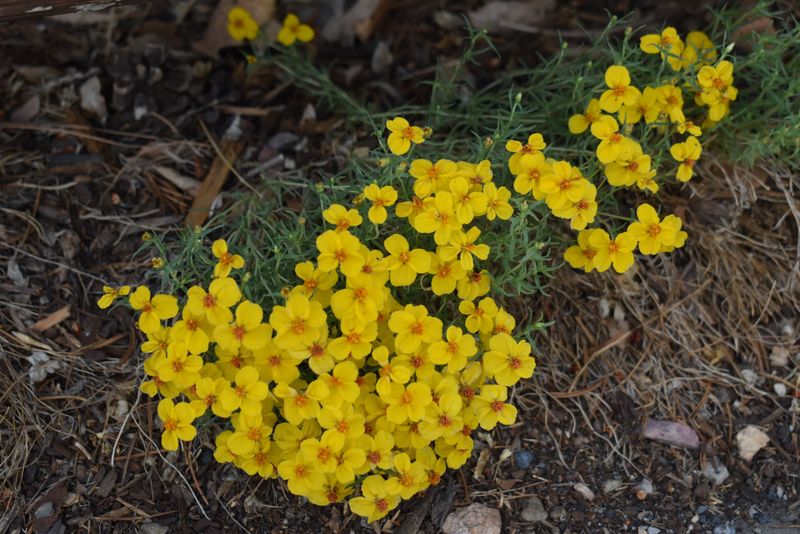
Ask experienced Arizona gardeners which plant keeps on blooming even when the summer heat feels absolutely relentless, and Desert Zinnia is almost always on the list. This tough little perennial produces papery white to golden-yellow flowers from spring all the way through fall, with its most enthusiastic blooming happening right during the hottest months of the year when many other plants take a break.
Desert Zinnia grows in a tidy, rounded mound that usually stays under one foot tall, making it a natural fit for the front of a border, along a pathway, or tucked into a rock garden. Its compact shape means it rarely needs pruning or shaping, and it stays attractive throughout the growing season without a lot of fussing.
Getting it planted in April gives it just enough time to settle in before the serious heat of summer arrives in Arizona.
Butterflies and native bees visit the flowers consistently throughout the blooming season. The small flower heads may not look as dramatic as some larger blooms, but pollinators clearly appreciate them, and a patch of Desert Zinnia can stay busy with insect activity on warm afternoons.
One of the best things about Desert Zinnia is how little water it needs. Once established, it survives on rainfall alone in many parts of Arizona, making it a genuinely sustainable choice for xeriscaping.
It is also resistant to browsing by deer and rabbits, so what you plant in spring is very likely to still be thriving come October. A reliable, low-effort winner for any Arizona pollinator garden.