8 Pollinator Plants To Start In April That Thrive In Pennsylvania Heat
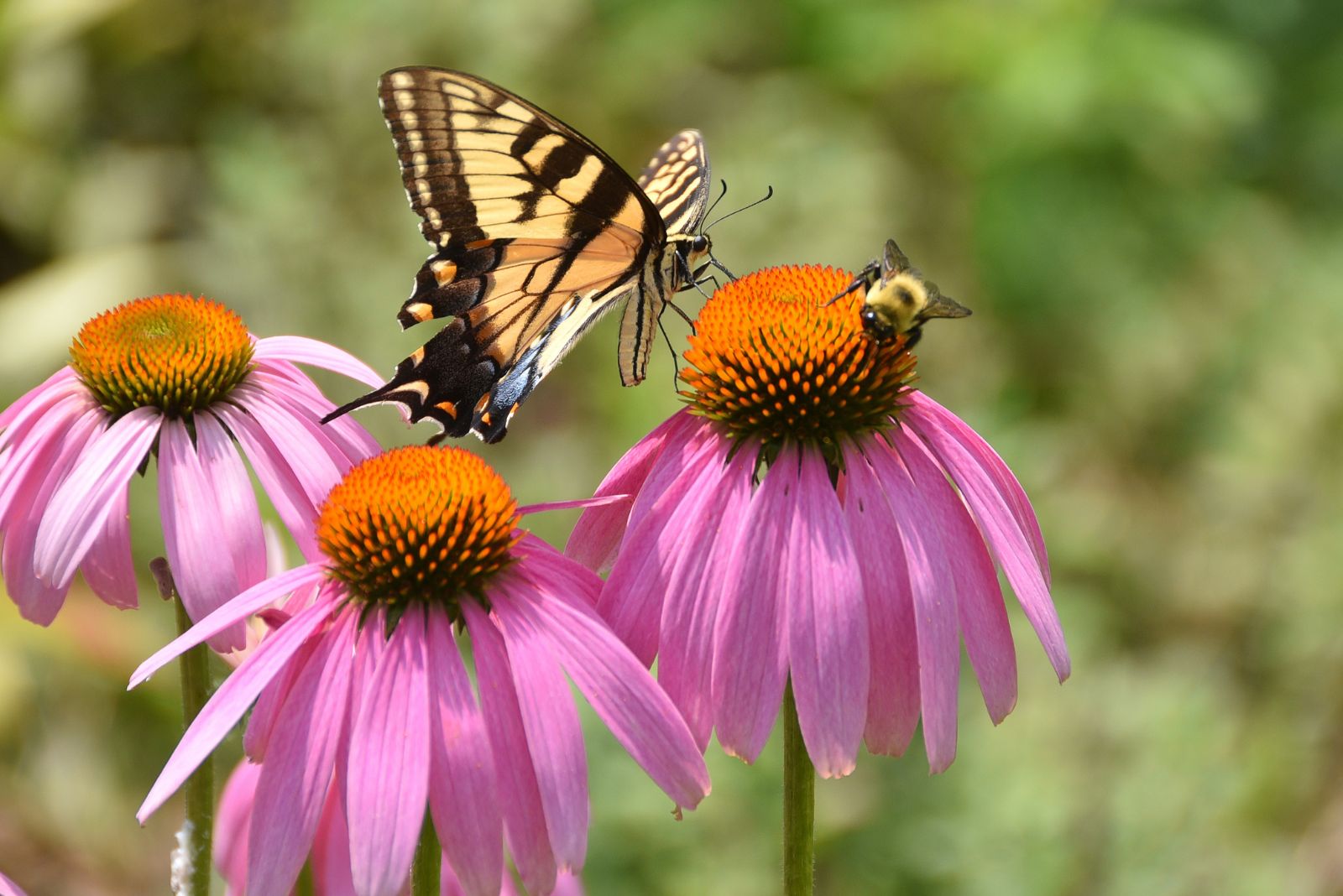
April is when Pennsylvania gardens start waking up, and it is a great time to think about pollinators too. As the weather warms, bees, butterflies, and other helpful visitors start searching for reliable food sources.
Planting with them in mind does more than support local wildlife. It also makes a yard feel brighter, livelier, and more full of movement as the season goes on.
The key is choosing plants that can keep performing once spring passes. Some flowers look good early, then fade fast when summer heat arrives.
That is why April is such a smart time to start pollinator plants that can handle Pennsylvania’s warmer months without losing their appeal. The best choices bring lasting color, attract beneficial insects, and hold up when temperatures climb.
For gardeners who want a yard that feels beautiful and busy all season, these plants can make a real difference.
1. Purple Coneflower (Echinacea)
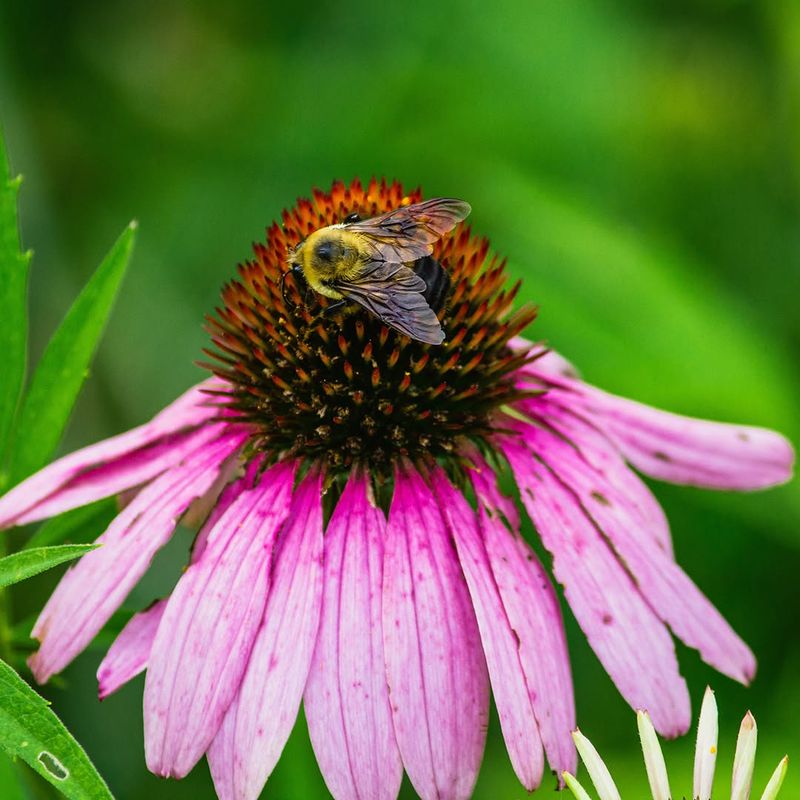
Few plants are as tough and rewarding as the Purple Coneflower. Native to North America, this bold perennial has been growing wild across Pennsylvania for centuries.
Its bright pink-purple petals and spiky orange-brown centers make it one of the most eye-catching flowers you can grow.
Start your coneflowers in April, and they will have plenty of time to build strong roots before the summer heat arrives. Once established, they handle drought like a champ.
You barely need to water them after the first season, which makes them a low-maintenance favorite for busy gardeners. Bees absolutely love coneflowers. Butterflies do too.
Even goldfinches will stop by in late summer to snack on the seed heads, so resist the urge to cut them back too early. Plant them in full sun with well-drained soil, and they will reward you for years to come.
In Pennsylvania, coneflowers typically bloom from July through September. They can reach two to four feet tall, so give them some space.
Planting them in groups of three or more creates a stunning visual impact and gives pollinators an easy target. This is one plant every Pennsylvania garden should have.
2. Black-Eyed Susan
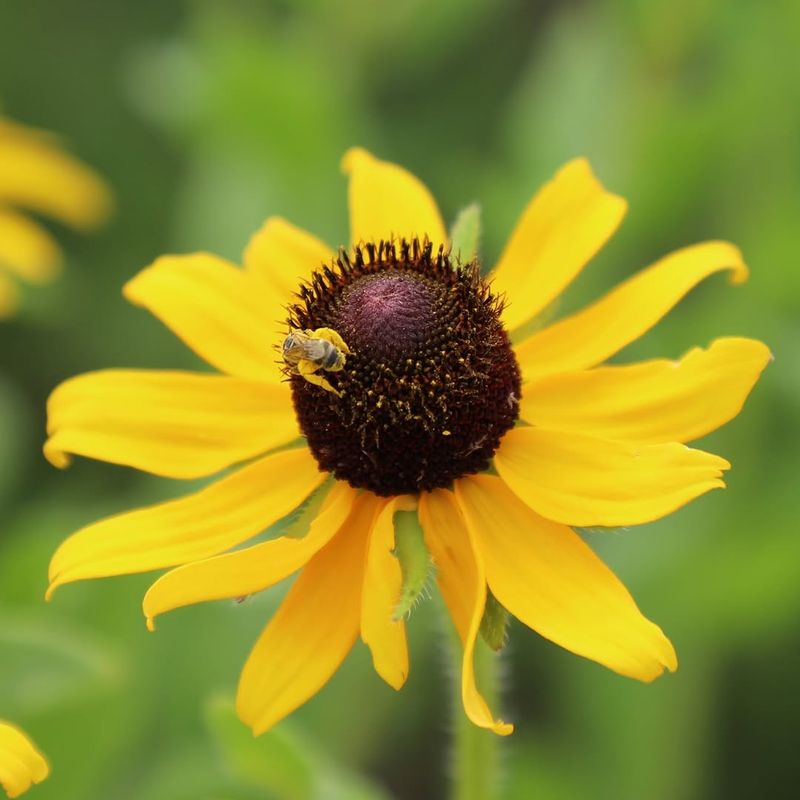
Sunshine in flower form. That is honestly the best way to describe Black-Eyed Susans.
Their golden yellow petals surrounding a rich dark brown center are instantly cheerful, and they look amazing planted along fences, in meadow-style gardens, or mixed into traditional flower beds across Pennsylvania.
April is a great time to start these from seed or transplant starter plants into your garden. The cool spring soil helps them settle in nicely.
By the time July rolls around, you will have a yard full of blooms that last well into August and sometimes beyond.
Pollinators go wild for Black-Eyed Susans. Bees, butterflies, and even native beetles visit the flowers regularly for nectar and pollen.
They are also drought-tolerant once established, which is a huge plus during Pennsylvania’s sometimes dry summer stretches.
One fun fact: Black-Eyed Susans are actually the state flower of Maryland, but they thrive just as happily in Pennsylvania’s climate. They self-seed easily too, meaning you may find new plants popping up around your garden each year without any extra effort.
Plant them in full sun and well-drained soil, and they will practically take care of themselves all season long.
3. Bee Balm (Monarda)
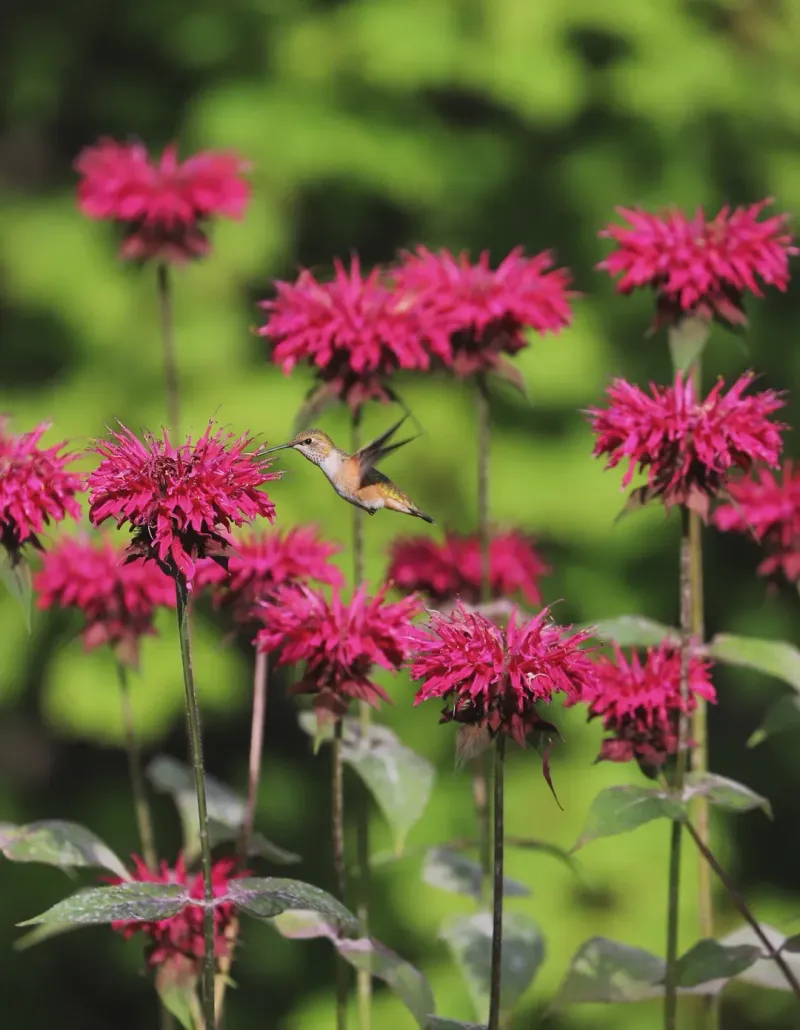
If you want hummingbirds in your Pennsylvania garden, Bee Balm is your secret weapon. This native perennial produces wild-looking, firework-shaped blooms in shades of red, pink, and purple that are practically irresistible to hummingbirds, bees, and butterflies alike.
Starting Bee Balm in April gives it the whole spring season to get rooted before the summer heat arrives. It grows best in full sun to partial shade, making it flexible for different yard layouts.
Keep the soil moist but well-drained, and it will reward you with stunning blooms from mid-summer all the way into early fall.
One thing to know about Bee Balm is that it spreads. Over time, a single plant can expand into a wide clump, so give it room or plan to divide it every few years. Dividing actually keeps the plants healthier and more productive.
Bee Balm also has a rich history as a medicinal herb used by Native American tribes long before European settlers arrived in Pennsylvania. The leaves carry a pleasant minty-oregano scent that some people use in teas even today.
Beyond its practical uses, it is simply a showstopper in the garden. Few plants bring as much wildlife activity and visual excitement as Bee Balm does during peak bloom season.
4. Coreopsis
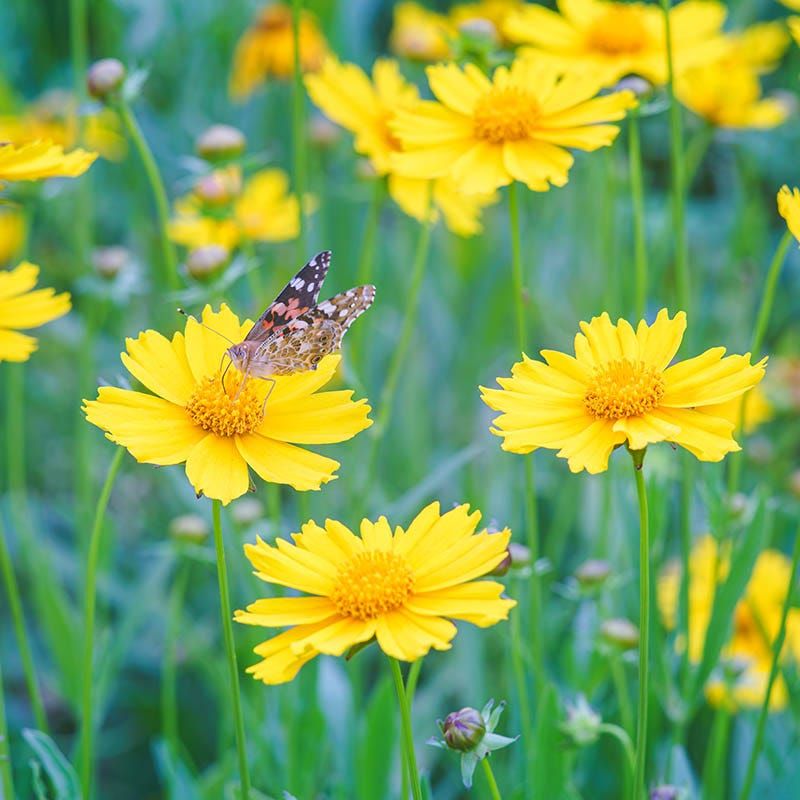
Coreopsis, also called tickseed, is one of those plants that just makes you smile. Its bright, daisy-like flowers in shades of yellow, orange, and red bloom continuously from early summer through fall, giving your Pennsylvania garden a long season of cheerful color without a lot of fuss.
April is the ideal time to get Coreopsis in the ground. The mild temperatures help young plants establish quickly.
Once rooted, they are remarkably heat-tolerant and drought-resistant, which makes them perfectly suited for Pennsylvania’s hot and sometimes dry summer conditions.
Pollinators visit Coreopsis flowers all season long. Bees and butterflies are especially drawn to the nectar-rich blooms.
Because the plant keeps producing flowers over such a long stretch of time, it provides a reliable food source for pollinators from June through October in most Pennsylvania gardens.
There are many varieties of Coreopsis to choose from, including compact types that work well in containers and taller varieties perfect for the back of a border. Most grow between one and three feet tall.
They prefer full sun and well-drained soil. Little to no fertilizer is needed since rich soil can actually reduce blooming.
Deadheading spent flowers encourages even more blooms, though many modern varieties rebloom well even without it. Coreopsis is a true workhorse in any pollinator-friendly garden.
5. Blanket Flower (Gaillardia)
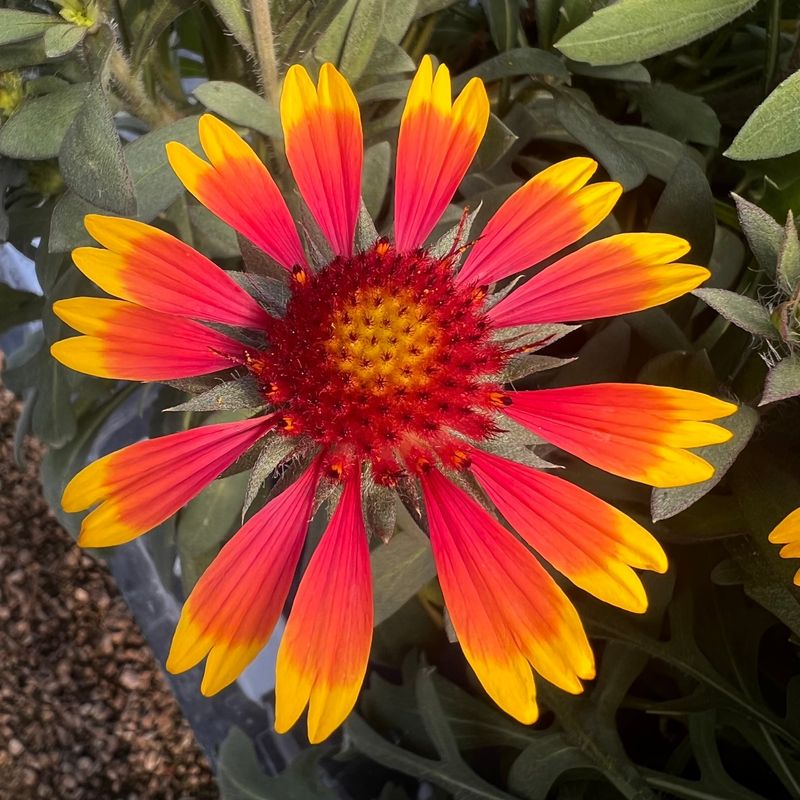
Named after the boldly patterned blankets made by Native American tribes, Blanket Flower is one of the most striking plants you can add to a Pennsylvania pollinator garden.
Its fiery red, orange, and yellow petals radiate outward from a rich reddish-brown center, looking almost like a tiny sunset in your yard.
Blanket Flower is built for heat. It actually thrives in dry, hot conditions that would stress out other plants.
Starting it in April gives it just enough cool-season time to establish roots before Pennsylvania’s summer sun turns up the intensity. Plant it in full sun and sandy or well-drained soil for the best results.
Bees and butterflies are strongly attracted to Blanket Flower blooms. The plant produces flowers continuously from early summer through fall, making it one of the longest-blooming options in this list.
Deadheading spent blooms helps keep the flowers coming, though the plant is fairly self-sufficient once established.
Here is something worth knowing: Blanket Flower actually struggles in rich, overly moist soil. It prefers lean, dry conditions, so avoid heavy clay soil and skip the extra fertilizer.
This makes it a fantastic choice for Pennsylvania gardeners dealing with rocky or sandy patches where other plants struggle. It is also short-lived as a perennial, but it self-seeds readily, so new plants usually replace older ones naturally each season.
6. Salvia
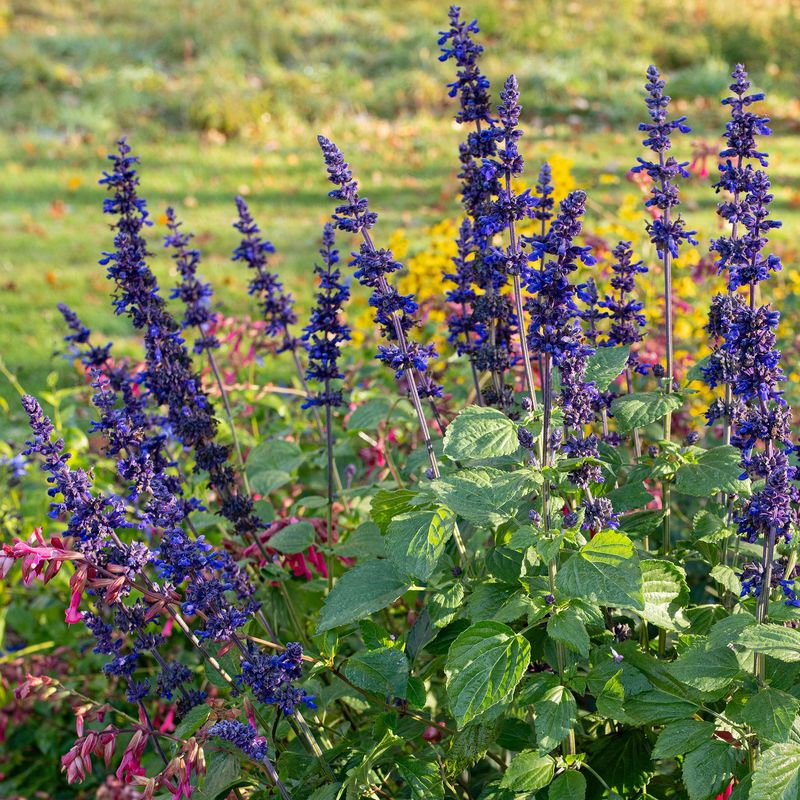
Salvia is one of those plants that earns its place in the garden in every possible way. The tall, elegant spikes of blue, purple, or red flowers are gorgeous on their own.
Add in the fact that they attract bees, butterflies, and hummingbirds in huge numbers, and you have a pollinator powerhouse that Pennsylvania gardeners absolutely love.
Perennial salvias are the ones to focus on for long-term impact. Varieties like May Night and Blue Hill are especially popular in Pennsylvania because they handle summer heat without complaint.
Starting them in April lets their root systems develop during the cooler weeks, setting them up for a strong bloom period in late spring and early summer.
One of the best things about Salvia is how easy it is to care for. It prefers full sun and well-drained soil.
Water it regularly at first, then ease off once it is established. Cutting it back after the first flush of blooms often encourages a second round of flowers later in the season.
Deer tend to avoid Salvia because of its aromatic foliage, which is a real bonus for Pennsylvania gardeners in rural or suburban areas where deer pressure is high.
The silvery-green leaves also add texture to the garden even when the plant is not in full bloom. With so much going for it, Salvia is a no-brainer addition to any pollinator-friendly yard.
7. Asters (New England Aster)
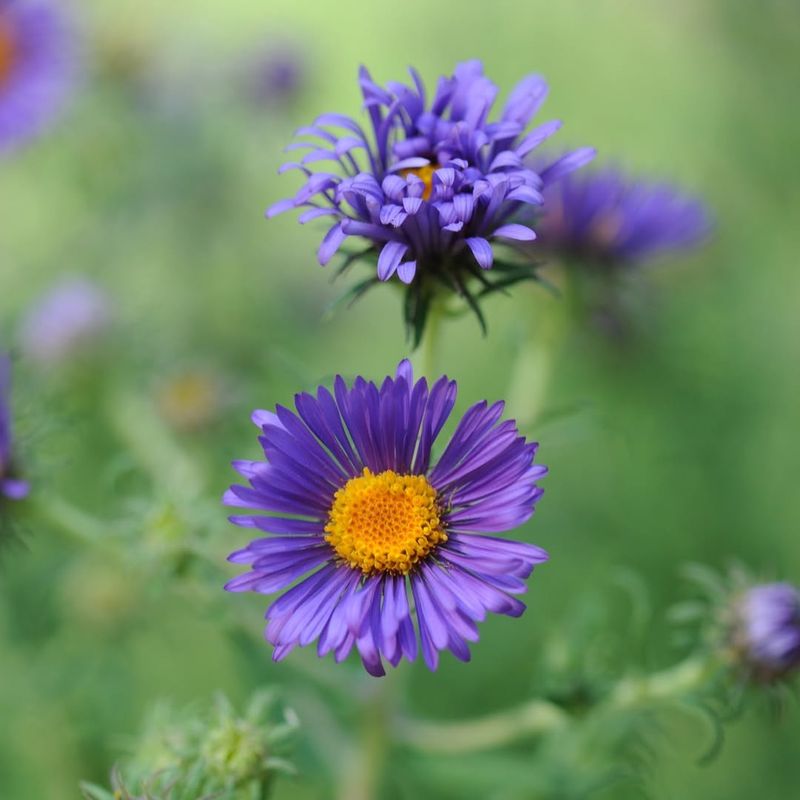
When most flowers are winding down for the season, New England Asters are just getting started. These native beauties burst into bloom in late summer and fall, covering themselves in rich purple, pink, or white flowers with bright yellow centers.
For Pennsylvania pollinators preparing for the colder months ahead, asters are a vital late-season food source.
Starting asters in April is smart strategy. Getting them in the ground early gives them a full growing season to develop strong roots and sturdy stems before they bloom in September and October.
They can grow quite tall, sometimes reaching four to six feet, so staking or pinching them back in early summer helps keep them manageable and bushy.
Monarch butterflies are especially dependent on asters during their fall migration through Pennsylvania.
Bumblebees and native sweat bees also rely on asters heavily in the fall when other nectar sources are scarce. Planting asters is genuinely one of the most impactful things you can do for local wildlife.
New England Asters thrive in full sun and tolerate a wide range of soil types, including clay-heavy soils that challenge many other plants. They prefer consistent moisture but are fairly adaptable once established.
Over time, they spread into impressive clumps that you can divide every few years to share with neighbors or expand your pollinator patch throughout your Pennsylvania yard.
8. Zinnias
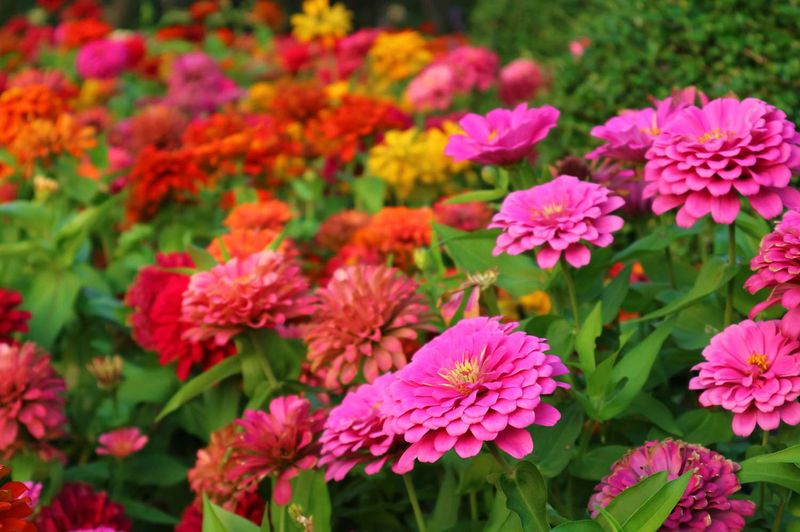
If you want fast, bold color and a butterfly party in your Pennsylvania garden, Zinnias are the answer.
These annuals grow quickly from seed, love the heat, and produce nonstop blooms from early summer right up until the first frost. Few plants deliver this much visual punch with this little effort.
April is a great time to start Zinnia seeds indoors in Pennsylvania, or you can wait until mid-to-late April and direct sow them outside once nighttime temperatures stay above 50 degrees.
They sprout fast, sometimes within a week, and grow vigorously once warm weather arrives. Full sun and average well-drained soil are all they really need.
Butterflies absolutely adore Zinnias. Monarchs, swallowtails, skippers, and painted ladies are all regular visitors.
The flat-topped flowers make perfect landing pads, and the nectar supply keeps them coming back day after day throughout the summer and into fall.
Zinnias come in an incredible range of colors, from bright red and orange to soft pink, yellow, white, and even bi-colored varieties.
Taller varieties like Benary’s Giant are especially popular with pollinators because of their large flower heads. Deadheading spent blooms regularly keeps the plants productive and tidy. As an annual,
Zinnias will not return next year on their own, but they are so easy and rewarding to grow that replanting them every April in Pennsylvania quickly becomes a beloved garden tradition.