12 Popular Garden Plants Now Illegal Or Headed For Ban In Ohio
Ohio gardeners face surprising new rules as familiar backyard plants become targets of environmental regulations across the state this year.
Many beloved ornamental species now threaten native ecosystems by spreading aggressively and crowding out plants that local wildlife desperately needs for survival.
State officials have identified specific garden favorites that either face immediate bans or will soon require removal from residential and commercial landscapes.
Understanding which plants made the list helps homeowners stay compliant while protecting Ohio’s precious natural habitats for future generations to enjoy.
1. Purple Loosestrife
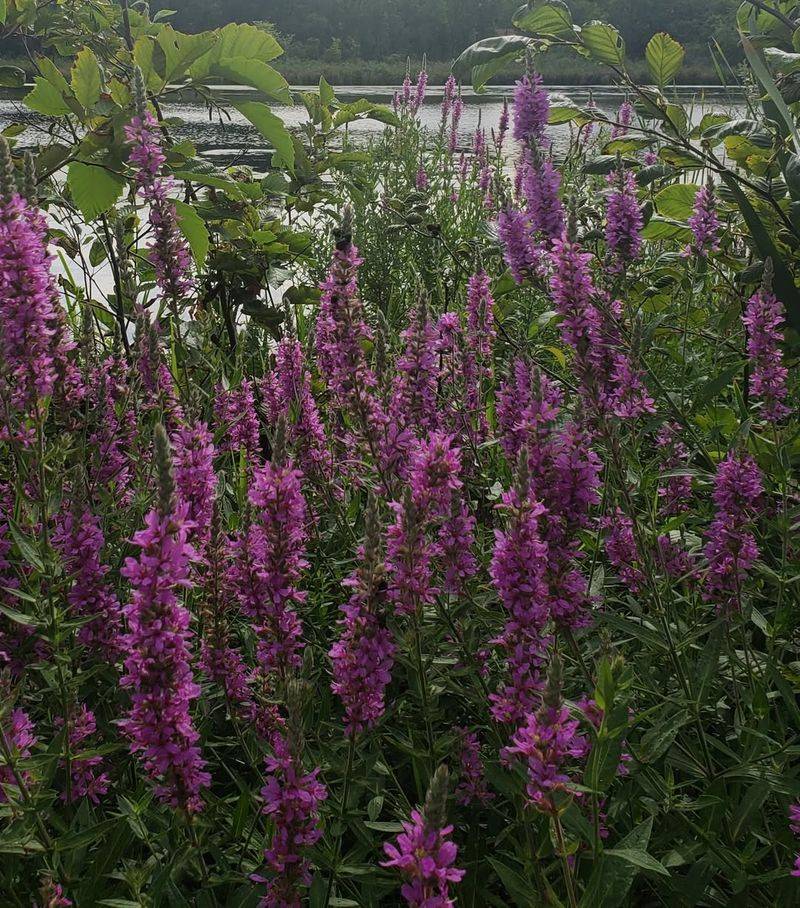
Garden centers once sold this striking perennial for its gorgeous magenta blooms that tower over summer landscapes in impressive vertical displays.
Purple loosestrife escapes cultivation easily, spreading through wetlands and choking out cattails, sedges, and other native plants that waterfowl absolutely require.
A single mature plant produces millions of tiny seeds annually, allowing rapid colonization of marshes, pond edges, and drainage ditches throughout Ohio.
Dense stands form impenetrable thickets that reduce biodiversity, eliminate nesting habitat for birds, and alter water flow patterns in sensitive wetland ecosystems.
Ohio regulations now prohibit selling, planting, or transporting this species anywhere within state boundaries to protect remaining natural wetland communities from destruction.
Homeowners with existing plants must remove them carefully, ensuring all root fragments are extracted since even small pieces can regenerate into thriving colonies.
Native alternatives like cardinal flower or swamp milkweed provide similar height and color without the ecological devastation that purple loosestrife causes in Ohio.
Proper disposal involves bagging all plant material and sending it to landfills rather than composting, which could spread viable seeds back into nature.
2. Japanese Knotweed
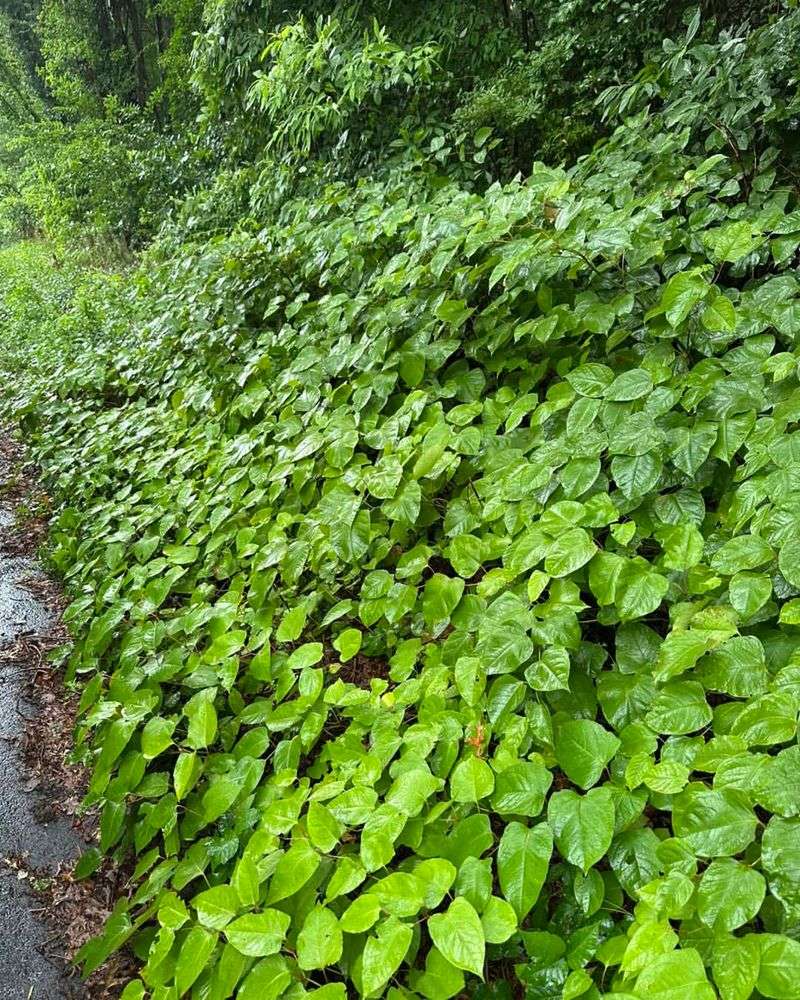
Resembling bamboo with its jointed stems and rapid growth, this Asian import once decorated Victorian gardens before revealing its destructive nature over time.
Japanese knotweed spreads through underground rhizomes that can extend fifteen feet horizontally, pushing through concrete foundations, sidewalks, and even asphalt paving materials.
Tiny root fragments as small as half an inch can generate entirely new colonies, making eradication incredibly challenging once established in yards.
The plant forms dense canopies that shade out every other species beneath, creating biological deserts where nothing else can survive or flourish.
Ohio homeowners face potential property damage as the aggressive roots compromise building foundations, septic systems, and underground utilities with alarming frequency and strength.
State regulations prohibit any new plantings, and existing infestations require professional removal involving years of persistent treatment and careful monitoring for regrowth patterns.
Chemical control typically demands multiple seasons of herbicide applications timed precisely to maximize effectiveness while minimizing environmental impact on surrounding vegetation and wildlife.
Professional remediation costs often reach thousands of dollars, making prevention through identification and early removal the most economical approach for Ohio property owners.
3. Callery (Bradford) Pear
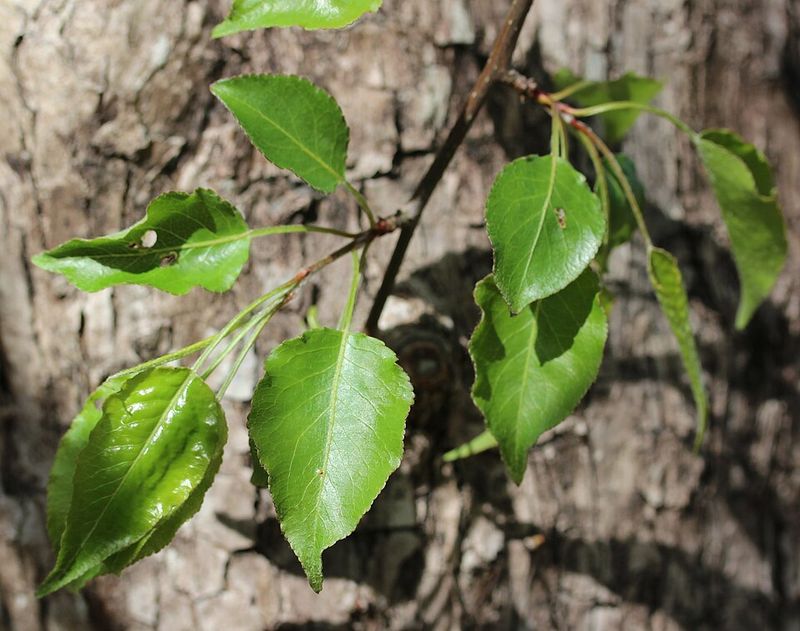
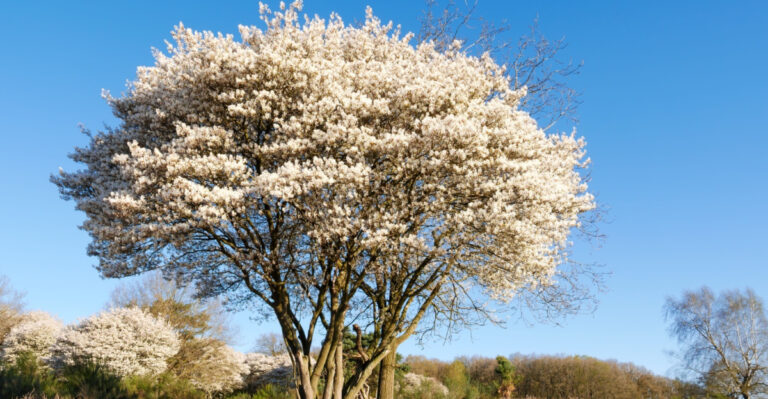
Suburban streets across Ohio once featured these ornamental trees for their spectacular early spring blooms and symmetrical shape that developers absolutely adored.
Bradford pears produce clouds of white flowers each April, but the blossoms emit an unpleasant odor that many residents compare to rotting fish.
Weak branch angles cause mature specimens to split apart during storms, creating hazardous situations and expensive property damage throughout residential neighborhoods in Ohio.
Birds consume the small fruits and spread seeds into natural areas where the trees form dense thickets that exclude native vegetation completely.
Sharp thorns develop on wild seedlings, making invaded forests dangerous to navigate and nearly impossible to manage without protective equipment and specialized tools.
Ohio forestry experts now recognize callery pears as serious threats to woodland health, prompting new regulations that prohibit sales and encourage active removal.
Native alternatives like serviceberry or redbud provide similar spring beauty with better branch structure, wildlife value, and no invasive tendencies whatsoever in gardens.
Homeowners with existing trees should plan replacement strategies, selecting appropriate native species that enhance rather than harm Ohio’s ecological communities and natural heritage.
4. Amur Honeysuckle
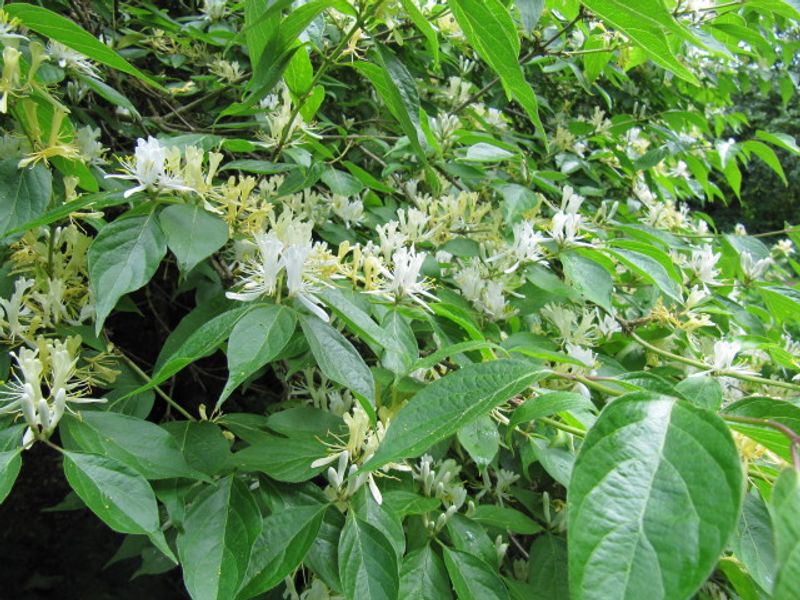
Conservation agencies once promoted this Asian shrub for wildlife habitat, not realizing the long-term ecological damage it would inflict on Ohio forests.
Amur honeysuckle leafs out earlier than native plants each spring and retains foliage later into fall, shading out woodland wildflowers that need sunlight.
Birds eagerly consume the bright red berries, but these fruits provide poor nutrition compared to native alternatives, essentially offering empty calories to wildlife.
Dense thickets form in forest understories, preventing tree seedlings from establishing and disrupting natural regeneration cycles that healthy woodlands require for sustainability.
The shrub alters soil chemistry through leaf litter, creating conditions that favor additional invasive species while suppressing native plant communities that belong in Ohio.
Ohio regulations now prohibit selling or planting any honeysuckle species known for invasive behavior, including this particularly aggressive variety that dominates disturbed areas.
Removal requires cutting stems close to ground level followed by immediate herbicide application to prevent resprouting from the vigorous root systems below.
Native shrubs like spicebush or elderberry offer similar structure and superior wildlife benefits without the ecological problems that amur honeysuckle creates throughout Ohio.
5. Morrow Honeysuckle
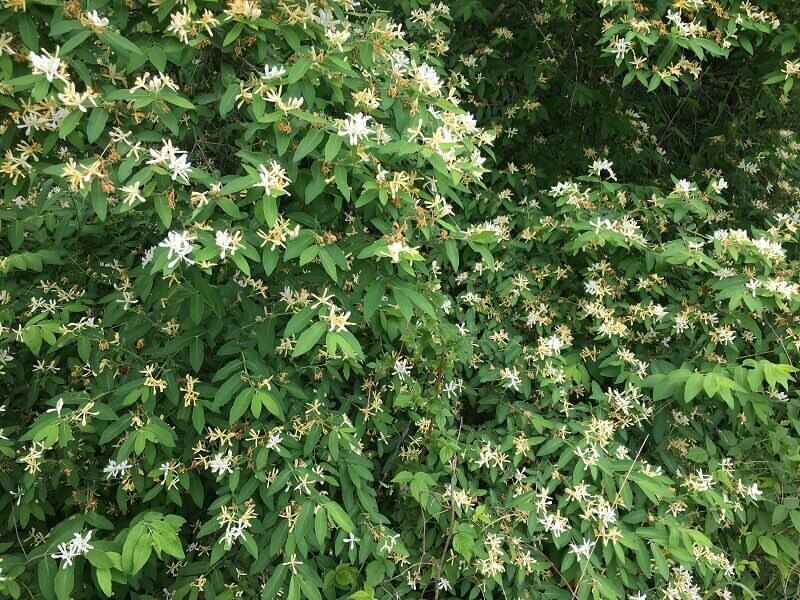
Landscapers favored this honeysuckle variety for its tolerance of poor soils and ability to fill space quickly in challenging urban planting situations.
Morrow honeysuckle produces creamy flowers that age to yellow, creating a two-toned effect that once appealed to gardeners seeking unusual ornamental features.
Like its invasive relatives, this species escapes cultivation readily and establishes dense populations in woodlands, old fields, and along roadsides throughout Ohio.
The shrub hybridizes with other invasive honeysuckles, creating offspring with even more aggressive growth characteristics that compound management challenges for conservation professionals.
Thick stands alter forest structure by eliminating the diverse shrub layer that many songbirds need for nesting, feeding, and protection from predators.
Ohio environmental agencies include morrow honeysuckle on prohibited species lists, recognizing its role in degrading natural areas and reducing overall ecosystem health.
Property owners must remove existing plants and monitor sites carefully for seedlings that emerge from the persistent seed bank in surrounding soil.
Choosing native alternatives like ninebark or viburnum provides attractive landscaping options that support local ecosystems rather than undermining the ecological balance Ohio needs.
6. Tartarian Honeysuckle
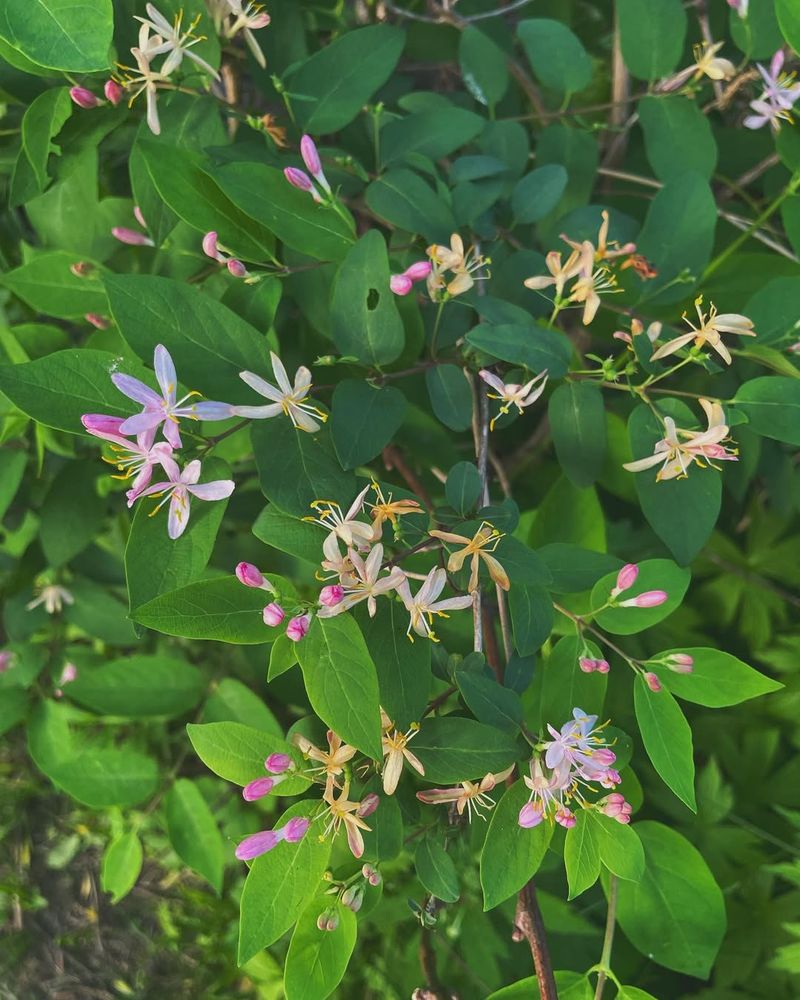
Pink or white flowers made tartarian honeysuckle a popular hedge plant for decades before its invasive nature became apparent to Ohio gardeners.
This Eurasian native grows vigorously in various conditions, from full sun to partial shade, making it adaptable to numerous landscape situations across Ohio.
Birds distribute the orange-red berries widely, establishing new colonies in forests, parks, and nature preserves where the shrub outcompetes native vegetation relentlessly.
Tartarian honeysuckle forms dense monocultures that reduce plant diversity, simplify forest structure, and diminish habitat quality for insects that native plants naturally support.
The species also serves as a host for soybean aphids, creating agricultural concerns beyond the environmental problems it causes in natural areas.
Ohio regulations prohibit further planting and encourage removal of existing specimens to prevent additional spread into vulnerable ecosystems that need protection from invasion.
Manual removal works for small infestations, but larger populations require integrated management combining cutting, herbicide treatment, and persistent follow-up over multiple growing seasons.
Native shrubs such as coralberry or American cranberrybush viburnum offer comparable ornamental qualities while supporting Ohio’s native wildlife populations and maintaining ecological integrity.
7. Autumn Olive
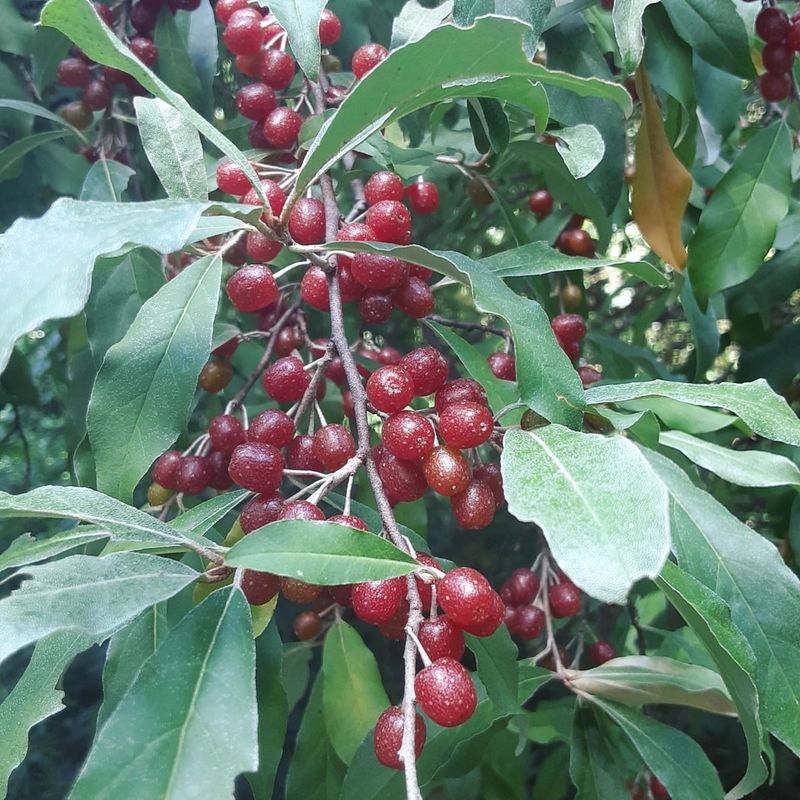
Government programs once distributed millions of autumn olive seedlings for erosion control and wildlife food, creating widespread problems that persist throughout Ohio.
Silvery leaves and fragrant cream-colored flowers give this shrub distinctive ornamental appeal that made it popular for highway plantings and reclamation projects.
Abundant red berries attract birds that spread seeds extensively, establishing dense thickets along field edges, roadsides, and forest margins across the state.
Autumn olive fixes atmospheric nitrogen, altering soil chemistry in ways that favor invasive species over native plants adapted to Ohio’s natural nutrient conditions.
The shrub tolerates poor soils, drought, and various light conditions, allowing colonization of diverse habitats from abandoned fields to woodland edges throughout Ohio.
Ohio now recognizes this species as a serious ecological threat, prohibiting new plantings and recommending removal wherever feasible to protect native plant communities.
Effective control requires cutting stems during growing season followed by herbicide application to prevent vigorous resprouting from the extensive root systems below ground.
Native alternatives like American plum or chokeberry provide similar wildlife benefits without the nitrogen-fixing capability that gives autumn olive unfair competitive advantages in ecosystems.
8. Multiflora Rose

Farmers planted multiflora rose for living fences before discovering that the thorny shrub spreads uncontrollably, consuming pastures and natural areas alike.
White flower clusters appear in late spring, producing abundant rose hips that birds consume and distribute throughout Ohio landscapes with remarkable efficiency.
Arching canes root wherever they touch soil, creating impenetrable thickets armed with curved thorns that make management dangerous and physically demanding work.
Dense stands provide poor wildlife habitat despite the abundant fruits, as native animals benefit more from diverse plant communities than monocultures.
Multiflora rose invades pastures, reducing grazing area and injuring livestock that encounter the vicious thorns while attempting to access forage beneath the canopy.
Ohio agricultural extension services now advise complete removal, reversing decades of promotion that led to widespread establishment across farmland and natural areas statewide.
Control methods include repeated mowing during growing season, herbicide application to cut stems, or careful digging to remove entire root systems from soil.
Native roses like Carolina rose or Virginia rose offer similar flowers and wildlife value without the aggressive spreading behavior that makes multiflora rose problematic.
9. Burning Bush

Spectacular crimson fall color made burning bush one of Ohio’s most popular landscape shrubs for decades before its invasive potential became widely recognized.
Nurseries sold millions of plants for foundation plantings, hedges, and accent specimens that provided reliable autumn displays in residential and commercial landscapes statewide.
Birds eat the small fruits and deposit seeds in natural areas where seedlings establish readily, forming dense populations that exclude native vegetation.
Burning bush tolerates shade better than many native shrubs, allowing invasion of forest understories where it disrupts natural plant communities and regeneration patterns.
Ohio forestry professionals now document expanding populations in woodlands throughout the state, prompting regulatory action to prevent additional spread into vulnerable ecosystems.
New regulations prohibit sales of the species, though sterile cultivars may receive exemptions if proven truly incapable of producing viable seeds in Ohio.
Homeowners with existing plants face difficult decisions about removal, weighing aesthetic value against environmental responsibility and compliance with evolving state regulations and guidelines.
Native alternatives like chokeberry, sumac, or viburnum provide excellent fall color without invasive tendencies, supporting local wildlife while maintaining seasonal landscape interest throughout Ohio.
10. Japanese Barberry

Compact size, colorful foliage, and deer resistance made Japanese barberry a landscaping staple before research revealed its connection to serious public health concerns.
Studies show that barberry thickets create ideal microhabitats for blacklegged ticks, significantly increasing Lyme disease risk in areas where the shrub establishes populations.
Birds consume the persistent red berries throughout winter, spreading seeds into forests where seedlings thrive in shaded conditions that exclude many native species.
Dense thorny growth makes invaded areas difficult to access or manage, creating maintenance headaches for park managers and conservation professionals throughout Ohio.
Japanese barberry alters soil pH and nutrient cycling, creating conditions that favor additional invasive plants while suppressing native wildflowers and tree seedlings alike.
Ohio regulations now restrict sales and encourage removal, particularly near natural areas where the species poses greatest threats to ecosystem health and integrity.
Effective removal requires digging entire root systems or cutting stems followed by herbicide application to prevent resprouting from the persistent underground structures.
Native shrubs like inkberry holly or dwarf fothergilla offer similar compact form and deer resistance without the health risks and ecological damage Japanese barberry creates.
11. Tree-of-Heaven
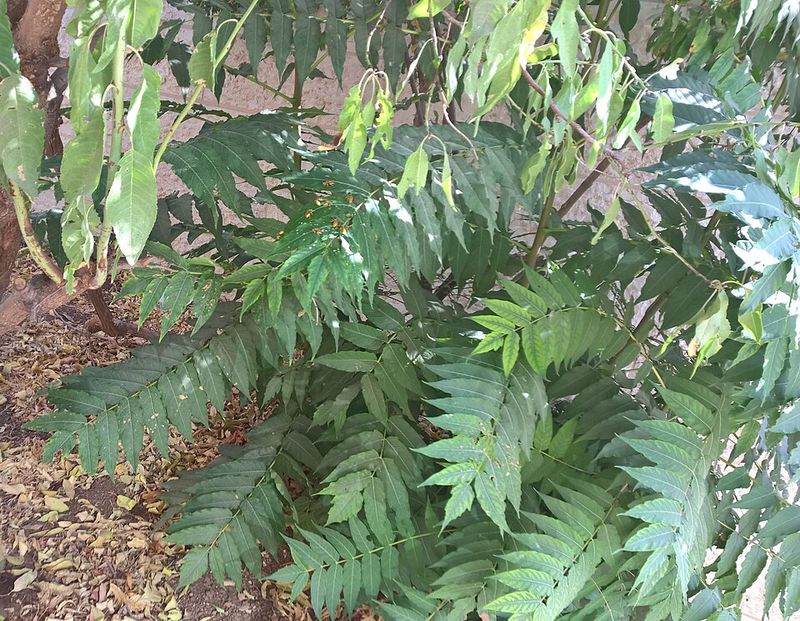
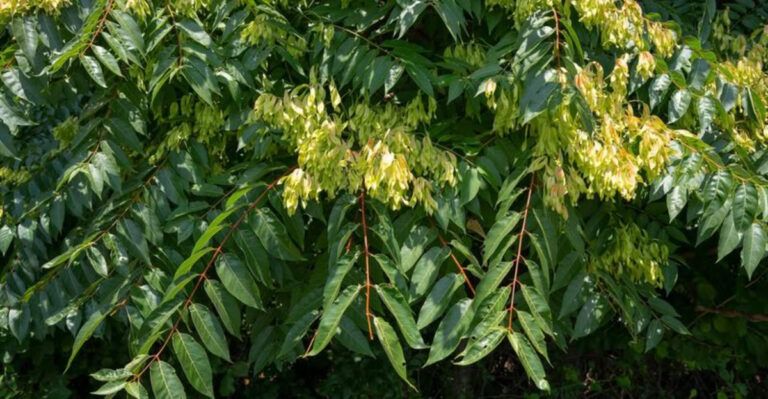
Fast growth and tolerance of urban pollution made tree-of-heaven popular for city plantings before its aggressive spreading behavior became problematic throughout Ohio.
The tree produces allelopathic chemicals that inhibit growth of surrounding plants, creating zones where little else can survive beneath its spreading canopy.
Female trees generate enormous quantities of winged seeds that disperse on wind currents, establishing new colonies throughout disturbed areas, vacant lots, and roadsides.
Root systems send up suckers aggressively, forming dense groves that crowd out native vegetation and create management nightmares for property owners and municipalities.
Tree-of-heaven serves as the preferred host for spotted lanternfly, an invasive insect pest that threatens agriculture and ornamental plants across Ohio and beyond.
Ohio forestry agencies now prioritize removal of this species to reduce spotted lanternfly populations and prevent further ecological damage to native forest communities.
Cutting trees without herbicide treatment causes vigorous suckering that worsens infestations, so proper control requires careful herbicide application to cut stumps or stems.
Native alternatives like black walnut or Ohio buckeye provide fast growth and urban tolerance without the aggressive spreading and pest-hosting problems tree-of-heaven creates.
12. Mile-a-Minute Vine

This Asian annual vine grows up to six inches daily during peak summer conditions, smothering everything in its path with alarming speed and efficiency.
Triangular leaves and recurved thorns along stems make mile-a-minute distinctive and dangerous, tearing skin and clothing when people attempt removal or brush control.
The vine climbs over shrubs, young trees, and herbaceous plants, blocking sunlight and causing structural damage under the weight of dense growth.
Plants produce attractive blue berries that birds distribute widely, establishing new infestations in natural areas, gardens, and along waterways throughout affected Ohio counties.
Mile-a-minute can completely blanket forest edges and disturbed areas within single growing seasons, preventing native plant establishment and forest regeneration processes entirely.
Ohio quarantine regulations restrict movement of soil, plants, and equipment from infested areas to prevent accidental spread to currently unaffected regions of the state.
Early detection and rapid response provide the best control strategy, as small infestations can be hand-pulled before producing seeds that contaminate soil.
Biological control using a specialized weevil shows promise in some areas, offering hope for managing this aggressive invader without relying solely on labor-intensive manual removal.