9 Popular Garden Practices That May Be Phased Out In Washington
As gardening practices evolve in Washington, some once-popular methods are facing a shift due to environmental concerns and changing regulations.
What used to be standard gardening habits are now being questioned as the state encourages more sustainable and eco-friendly approaches.
Many gardeners are already starting to adjust to new ways of thinking about their yards, prioritizing conservation and healthier ecosystems.
Traditional practices like excessive lawn watering and using chemical pesticides are being scrutinized for their negative environmental effects.
The state is pushing for practices that conserve water, promote biodiversity, and reduce chemical use, leading gardeners to rethink their methods.
Planting invasive species that harm native ecosystems is becoming less acceptable, as Washington focuses on preserving its natural habitats.
The use of synthetic fertilizers and weed treatments is being reconsidered, as these chemicals can negatively affect soil health and contribute to pollution.
Gardens that lack diversity and do not support pollinators are being replaced by more balanced, wildlife-friendly landscaping approaches.
As Washington moves toward more sustainable gardening, many of these outdated practices are being phased out in favor of healthier, more resilient alternatives.
Here are nine popular gardening practices in Washington that may soon be replaced, and the sustainable methods that are taking their place.
1. Using Gas-Powered Lawn Equipment
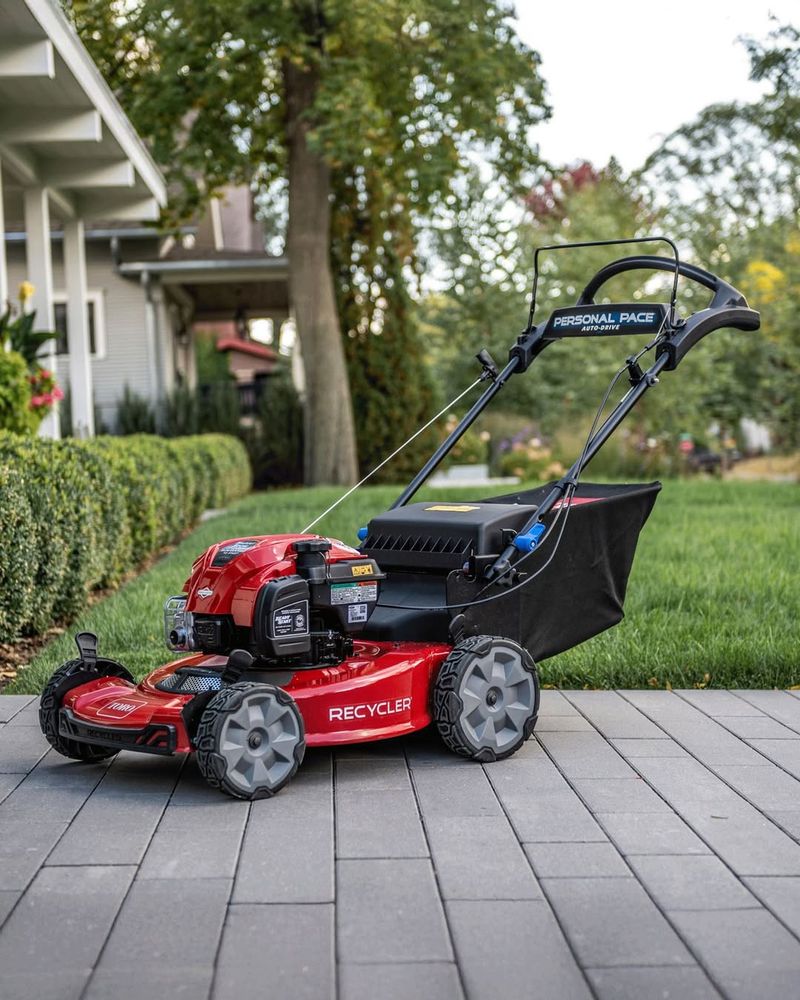
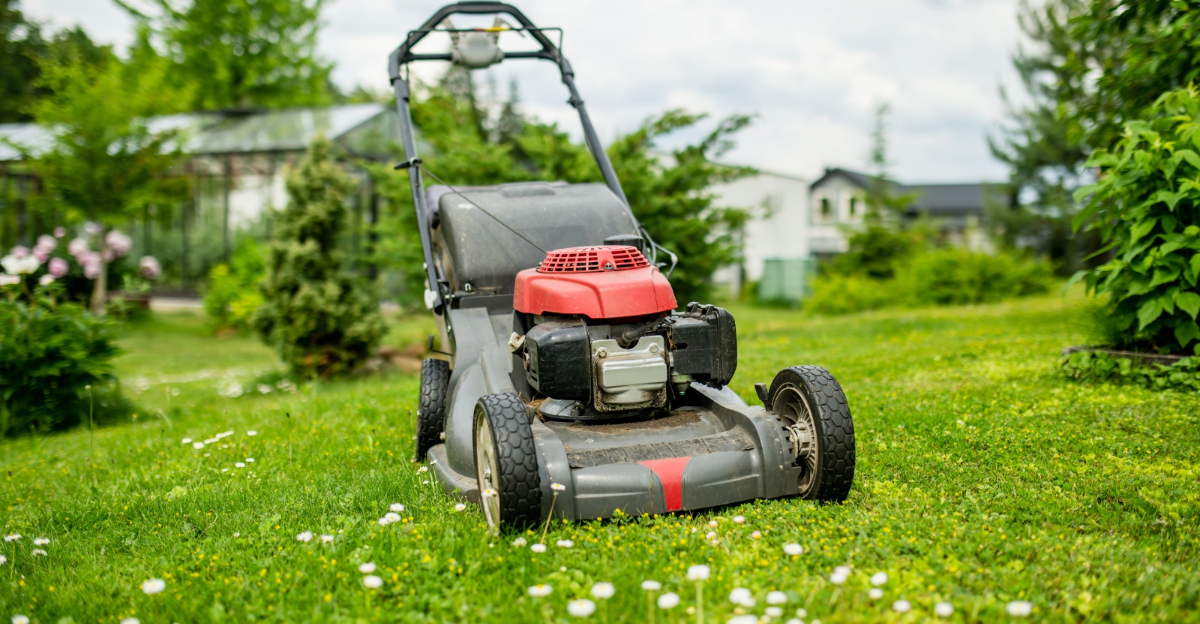
Gas-powered mowers and blowers have dominated yards across Washington for decades, but their days might be numbered due to emissions concerns.
Newer regulations target small engines because they produce surprising amounts of pollution, contributing significantly to poor air quality in urban neighborhoods.
Electric and battery-powered alternatives have improved dramatically, offering comparable power without the fumes, noise, or maintenance hassles of gasoline models.
Many Washington cities already offer rebates for residents switching to cleaner equipment, making the transition more affordable for budget-conscious homeowners.
Noise ordinances are tightening too, as communities recognize how disruptive loud equipment can be during early morning or evening hours.
Battery technology continues advancing rapidly, with modern lithium-ion options providing runtimes sufficient for most residential properties without requiring frequent recharges.
Environmental advocates emphasize that eliminating gas equipment reduces carbon footprints while improving neighborhood air quality for children and sensitive populations.
Washington homeowners adopting electric tools report lower operating costs over time since electricity remains cheaper than gasoline and requires less maintenance.
Expect more municipalities to incentivize or mandate electric alternatives as state-level environmental goals become stricter in coming years.
As demand for cleaner, quieter lawn care increases, it’s likely that more manufacturers will release innovative and efficient electric models to meet the needs of Washington residents.
Making the switch not only benefits the environment but also creates a more pleasant and peaceful outdoor experience for everyone in the neighborhood.
2. Excessive Lawn Watering
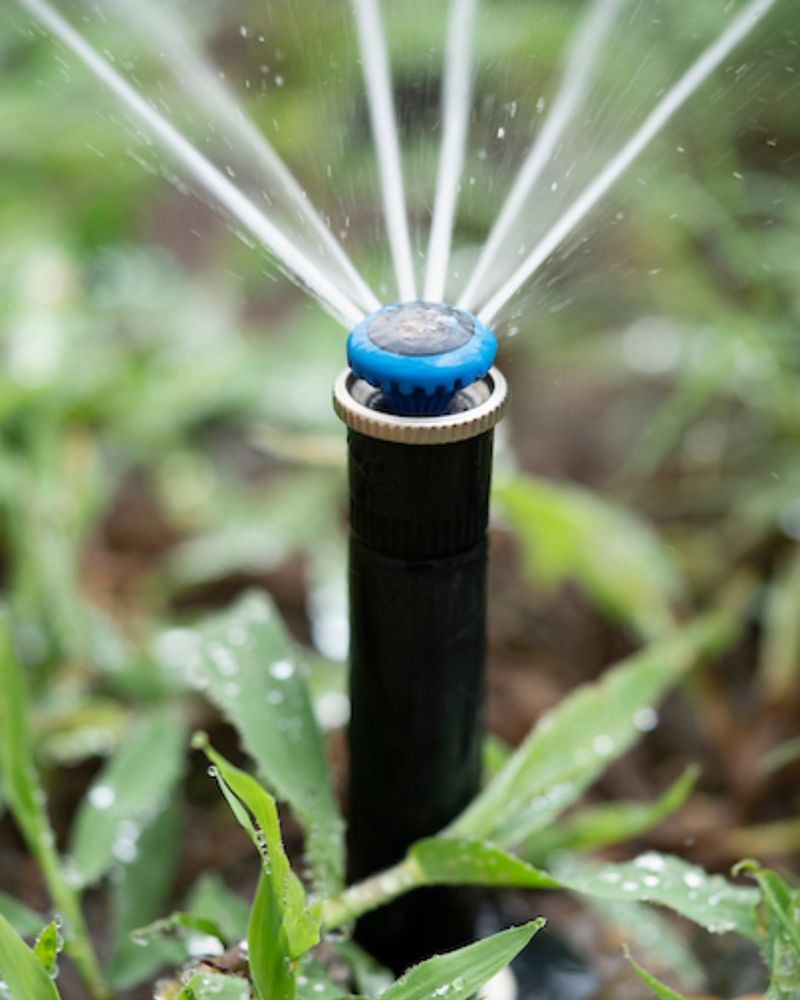
Overwatering lawns wastes precious resources and creates environmental problems, prompting Washington officials to encourage conservation through education and restrictions.
Traditional irrigation schedules often apply water regardless of weather conditions, leading to runoff that carries fertilizers and pesticides into local waterways.
Smart irrigation controllers now adjust watering based on rainfall, temperature, and soil moisture, preventing unnecessary water use while maintaining healthy grass.
Washington summers bring drought conditions more frequently, making water conservation critical for sustaining supplies during peak demand periods throughout residential areas.
Homeowners can reduce lawn watering significantly by choosing drought-tolerant grass varieties suited to the Pacific Northwest climate and soil conditions.
Mulching around plants and trees helps soil retain moisture naturally, reducing the need for supplemental irrigation while suppressing weeds simultaneously.
Local water districts increasingly offer free irrigation audits, helping residents identify leaks, inefficient sprinkler heads, and scheduling problems that waste water.
Shifting cultural attitudes mean lush green lawns year-round are becoming less desirable compared to sustainable landscapes that adapt to seasonal changes.
Expect stricter watering schedules and potential penalties for excessive use as Washington continues addressing long-term water availability challenges statewide.
3. Planting Non-Native Invasive Species
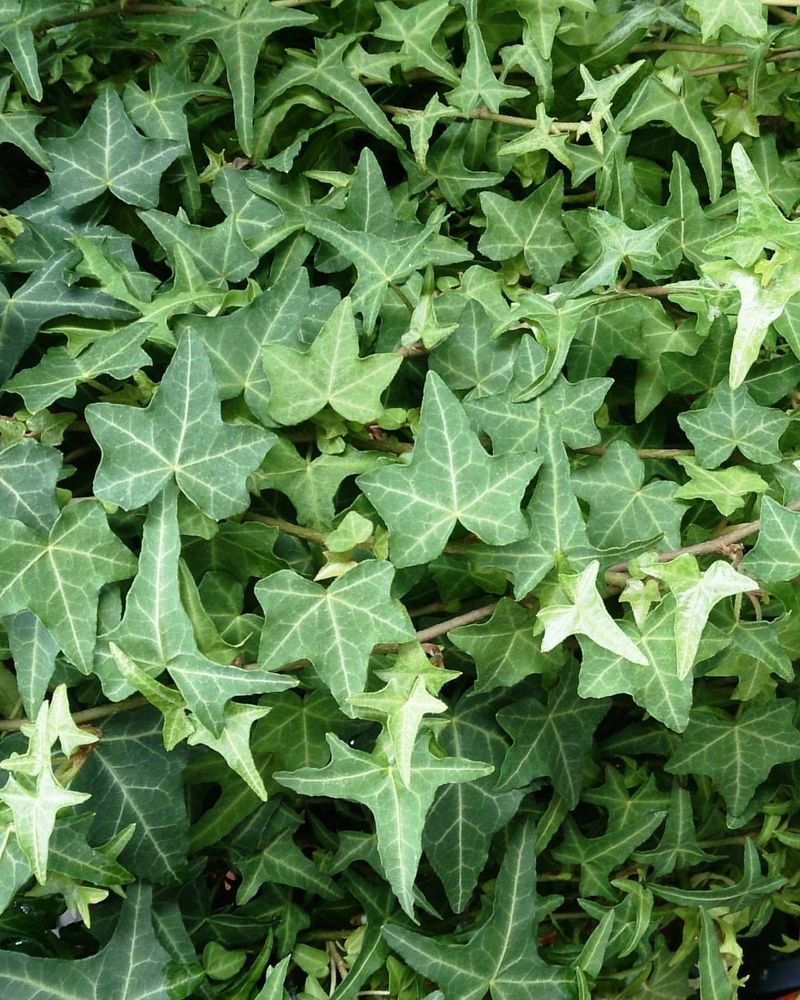
Certain ornamental plants sold at nurseries for decades are now recognized as invasive threats that damage Washington ecosystems when they escape cultivation.
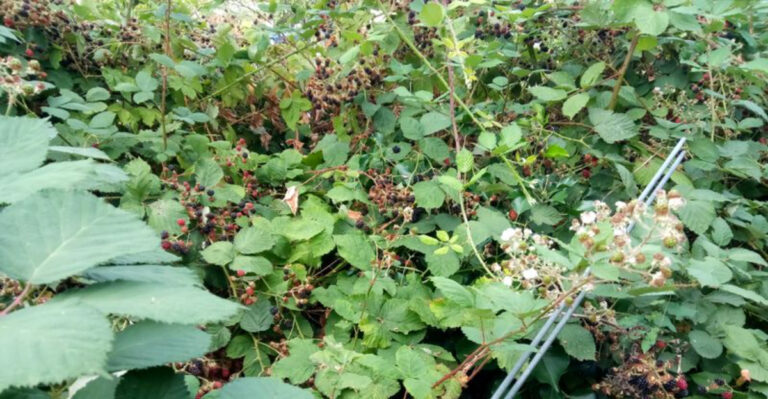
English ivy, Himalayan blackberry, and butterfly bush spread aggressively beyond yards, choking out native vegetation and disrupting wildlife habitats throughout forests.
Removing established invasive plants costs taxpayers millions annually as public lands require intensive restoration efforts to recover biodiversity and ecological function.
Washington nurseries face increasing pressure to stop selling problematic species, with some municipalities already banning sales of the worst offenders.
Native plant alternatives offer equal beauty while supporting local pollinators, birds, and beneficial insects that depend on regional flora for survival.
Homeowners switching to native species discover their gardens require less water, fertilizer, and pesticide since plants evolved to thrive naturally here.
Educational campaigns help residents identify invasive plants already growing on their properties and provide guidance for safe removal and disposal methods.
Landscape designers increasingly incorporate native plants into residential projects, creating stunning gardens that benefit the environment while requiring minimal maintenance.
Regulations may eventually prohibit planting known invasives, making it essential for Washington gardeners to choose responsibly when adding new vegetation.
By focusing on native options, homeowners contribute to a more sustainable landscape that helps protect local ecosystems and reduces long-term environmental harm.
With these changes, gardeners can create beautiful, low-maintenance spaces while simultaneously supporting the recovery of Washington’s natural habitats.
4. Applying Chemical Pesticides and Herbicides
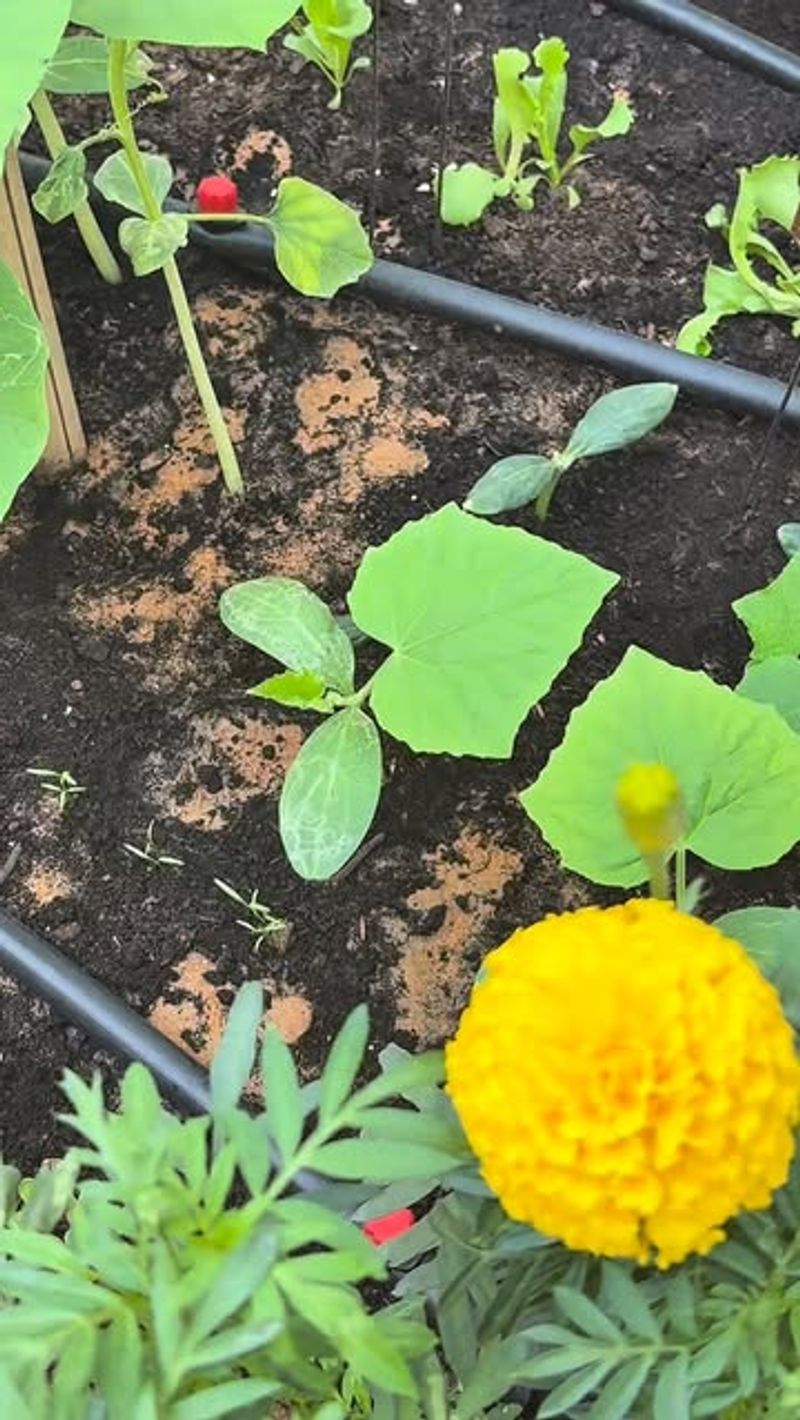
Synthetic pesticides and herbicides have been garden staples for generations, but growing health and environmental concerns are driving Washington toward stricter regulations.
Research links common lawn chemicals to pollinator declines, particularly affecting bees and butterflies essential for crop production and ecosystem health.
Children and pets face heightened risks from pesticide exposure since they play directly on treated lawns and may ingest contaminated grass or soil.
Washington communities near waterways worry about chemical runoff contaminating streams and rivers, harming aquatic life and potentially affecting drinking water sources.
Organic alternatives and integrated pest management strategies offer effective control without toxic residues, using beneficial insects and targeted interventions instead.
Many Washington cities have already banned certain pesticides on public properties, with residential restrictions likely expanding as public awareness increases.
Natural solutions like neem oil, diatomaceous earth, and companion planting provide pest control while maintaining garden safety for families and wildlife.
Homeowners transitioning away from chemicals often discover healthier soil develops over time, supporting more robust plant growth and reducing pest problems naturally.
Expect Washington to follow trends seen in other progressive states, phasing out harmful chemicals through regulation and promoting safer alternatives statewide.
5. Maintaining Large Grass Lawns
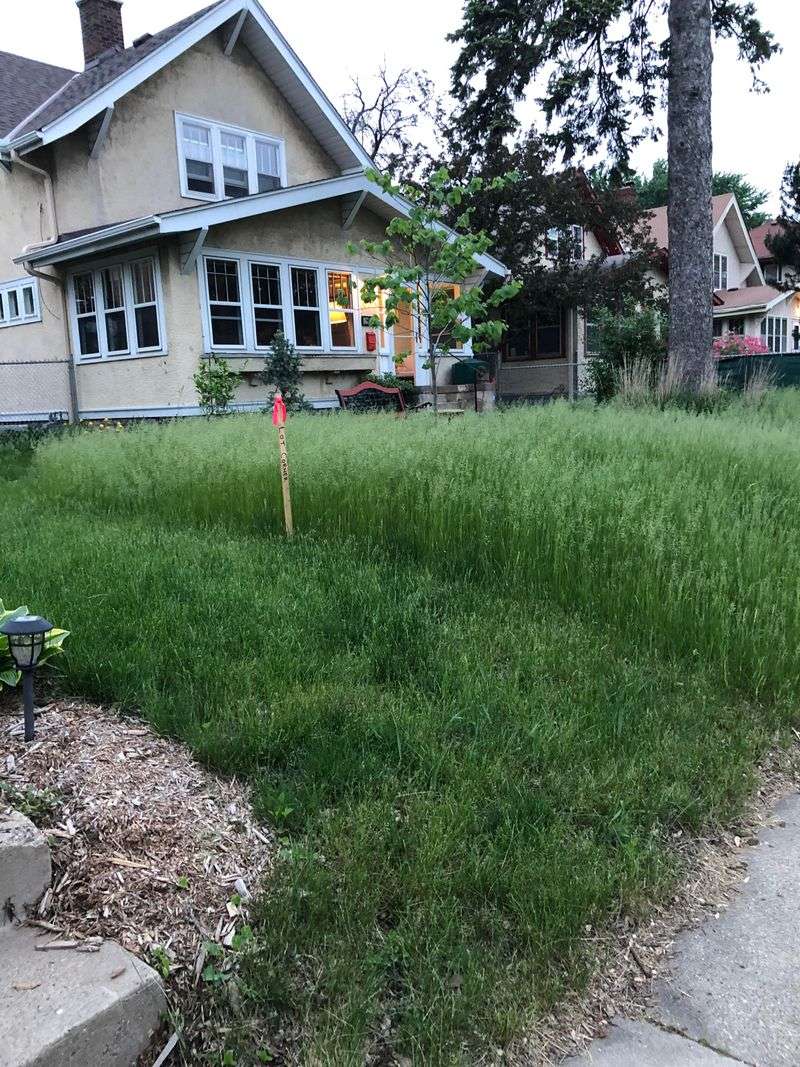
Expansive grass lawns have symbolized suburban success for decades, but Washington residents increasingly question whether they make environmental and economic sense.
Traditional lawns demand enormous resources including water, fertilizer, pesticides, and fossil fuels for mowing, while providing minimal ecological benefits to wildlife.
Clover lawns, native groundcovers, and pollinator meadows offer attractive alternatives that require far less maintenance while supporting beneficial insects and birds.
Washington HOAs traditionally enforced strict lawn standards, but some now allow diverse landscaping options recognizing sustainability benefits and changing homeowner preferences.
Converting portions of grass lawns to vegetable gardens, rain gardens, or native plant beds increases property functionality while reducing environmental impact significantly.
Microclover mixed with grass creates lush green surfaces that fix nitrogen naturally, reducing fertilizer needs while tolerating drought better than pure grass.
Cultural shifts mean younger homeowners often prefer low-maintenance landscapes over time-intensive lawns, valuing weekends for activities beyond constant yard work.
Financial incentives from utilities and municipalities help offset conversion costs, making lawn alternatives accessible to more Washington residents interested in sustainable landscaping.
Anticipate continued movement away from monoculture grass lawns as environmental awareness grows and water conservation becomes increasingly critical statewide.
6. Raking and Removing All Fall Leaves
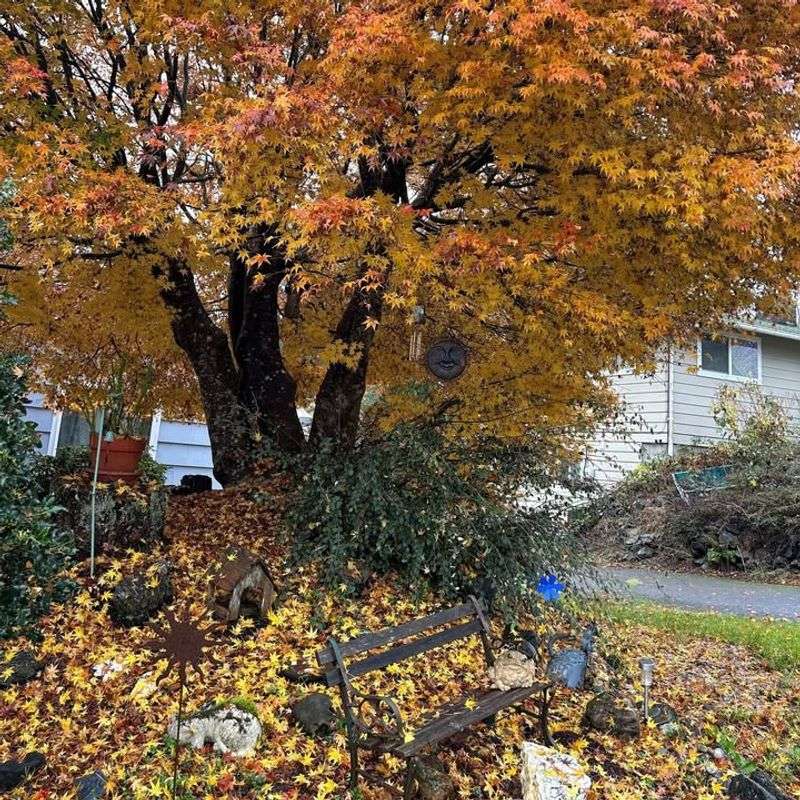
Raking every last leaf has been autumn tradition for generations, but ecologists now recognize this practice removes valuable resources insects need.
Leaf litter provides essential overwintering habitat for butterflies, moths, and beneficial insects that pollinate gardens and control pests during warmer months.
Washington gardeners leaving leaf layers under shrubs and in garden beds create natural mulch that suppresses weeds, retains moisture, and enriches soil.
Shredding leaves with mowers and leaving them on lawns provides free fertilizer as they decompose, returning nutrients grass needs without chemical applications.
Bagging leaves sends organic material to landfills unnecessarily when it could improve soil health right where it falls naturally in yards.
Native bees and other pollinators depend on leaf cover and hollow stems for nesting sites, making excessive cleanup harmful to populations already declining.
Washington municipalities spend considerable resources collecting and processing yard waste that homeowners could compost or use as mulch on their properties.
Shifting away from obsessive tidiness means accepting natural seasonal changes while supporting ecosystem health and reducing unnecessary labor simultaneously.
Expect growing emphasis on leaving leaves where appropriate as environmental education spreads and residents embrace wildlife-friendly gardening practices throughout Washington.
7. Using Peat-Based Potting Soils
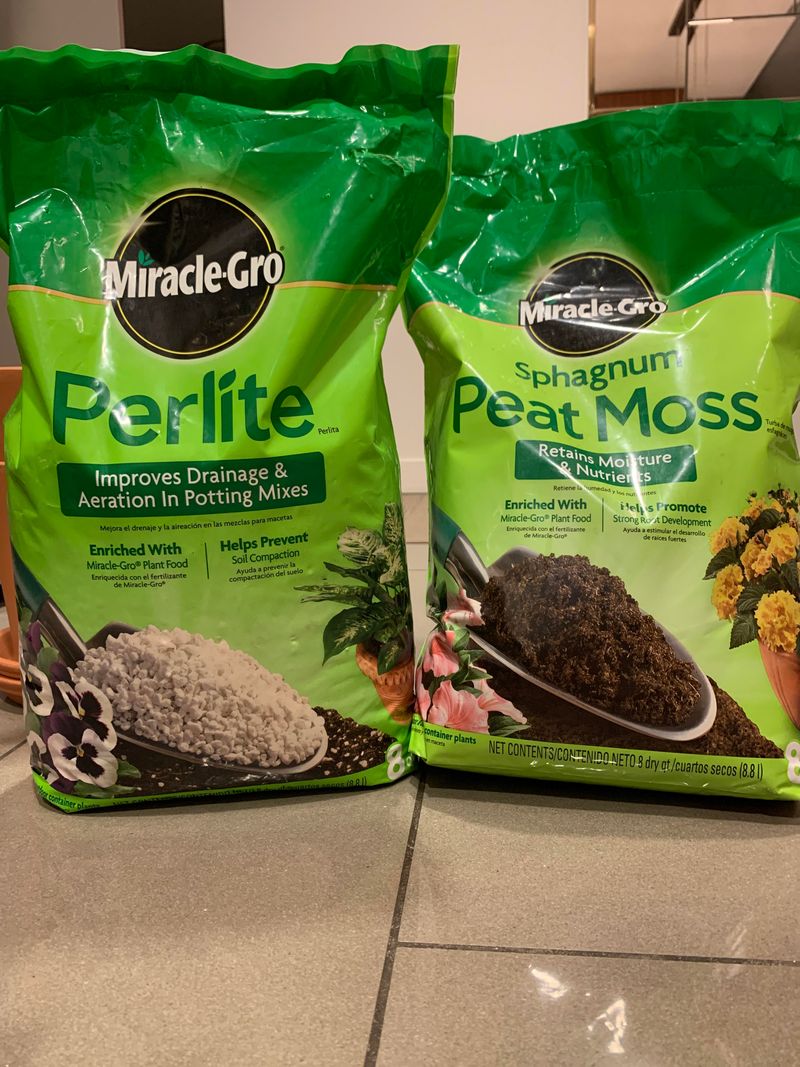
Peat moss has been the foundation of potting mixes for decades, but its environmental cost is becoming too significant to ignore.
Peat extraction destroys ancient wetland ecosystems that store massive amounts of carbon, releasing greenhouse gases and eliminating critical wildlife habitats permanently.
Washington gardeners can choose coconut coir, composted bark, or other sustainable alternatives that perform equally well without environmental destruction from harvesting.
Many European countries have already banned or severely restricted peat use in horticulture, with North American markets expected to follow suit.
Peat bogs take thousands of years to form, making peat a non-renewable resource despite marketing that sometimes suggests otherwise to consumers.
Alternative potting mixes often include regionally produced compost and other materials, reducing transportation emissions while supporting local waste diversion programs effectively.
Washington nurseries increasingly stock peat-free options as consumer demand grows and suppliers develop improved formulations that match traditional performance characteristics.
Homeowners making the switch report no noticeable difference in plant health while feeling better about reducing their gardening environmental footprint.
Regulations may eventually restrict peat sales as climate concerns intensify, making early adoption of alternatives a smart choice for Washington gardeners.
Switching to sustainable potting alternatives not only benefits the environment but can also encourage a more resilient and eco-friendly gardening culture in Washington.
8. Planting Ornamental Cherries and Other Non-Fruiting Trees
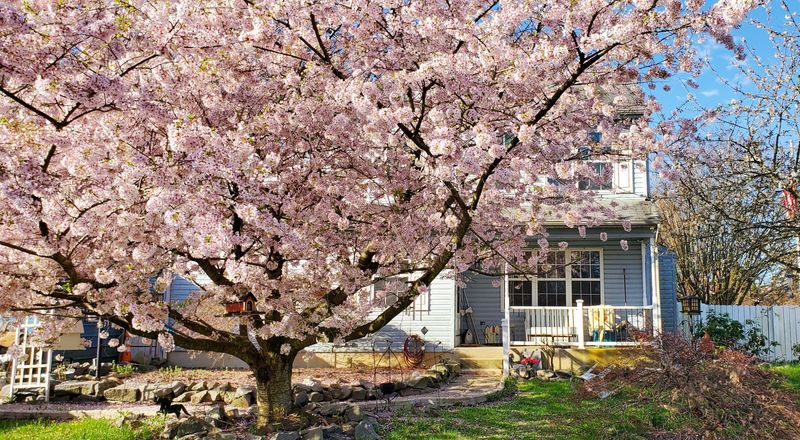
Ornamental trees provide beauty but little else, leading Washington residents to favor fruit-bearing and native species that offer multiple benefits.
Fruit trees support pollinators during blooming periods while providing food for families and wildlife, maximizing the value of limited yard space.
Many ornamental varieties require significant maintenance including pruning, disease management, and cleanup without offering the harvest rewards of productive alternatives.
Washington’s climate suits numerous fruit trees including apples, pears, plums, and cherries that thrive here while contributing to household food security.
Native trees like Pacific dogwood, vine maple, and Oregon ash support local ecosystems far better than imported ornamentals by providing appropriate food.
Urban forestry programs increasingly emphasize edible and native plantings in public spaces, reflecting shifting priorities toward functional landscaping throughout communities.
Homeowners planting fruit trees discover they connect more deeply with seasonal cycles and enjoy fresh, pesticide-free produce steps from their kitchens.
Ornamental species often originate from different climates, requiring extra water and care compared to trees naturally adapted to Washington’s rainfall patterns.
Expect continued movement toward purposeful plantings as residents prioritize sustainability, food production, and ecological support over purely aesthetic landscaping choices.
By choosing fruit and native trees, homeowners can create healthier, more resilient yards while contributing to the local environment and reducing their carbon footprint.
This shift toward practical, sustainable landscaping in Washington is a positive sign of growing environmental awareness and community resilience.
9. Installing Traditional Concrete Patios and Walkways
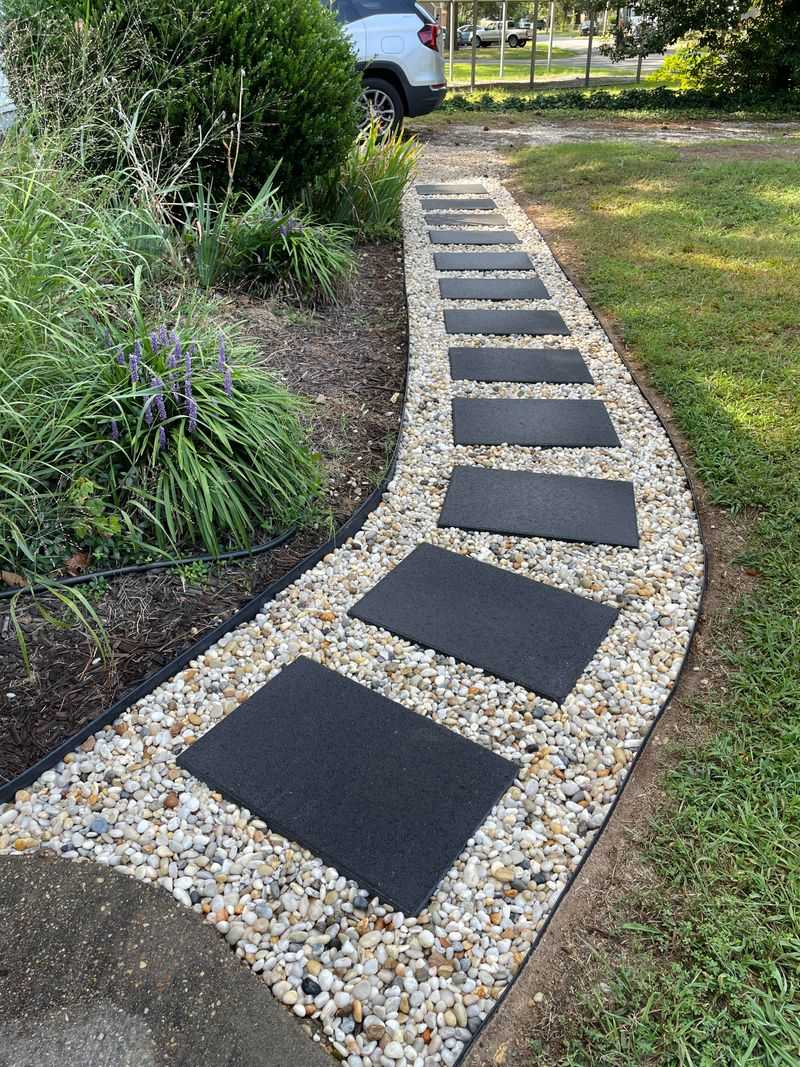
Solid concrete surfaces have dominated hardscaping for years, but their impermeability creates stormwater problems that Washington communities increasingly want to address.
Rainwater running off concrete carries pollutants directly into storm drains and waterways instead of filtering naturally through soil and replenishing groundwater supplies.
Permeable pavers, gravel paths, and porous concrete alternatives allow water infiltration while providing durable surfaces for patios, driveways, and walkways.
Washington regulations increasingly require permeable surfaces for new construction and renovations, recognizing their importance for managing stormwater and reducing flooding risks.
Traditional concrete also absorbs and radiates heat, contributing to urban heat island effects that make cities warmer than surrounding areas unnecessarily.
Permeable options often cost comparably to traditional concrete while offering environmental benefits and potentially reducing stormwater fees in some Washington municipalities.
Homeowners appreciate the aesthetic variety permeable materials provide, from decorative pavers to stabilized gravel that suits different architectural styles beautifully.
Retrofitting existing concrete areas with permeable alternatives during renovations helps older properties meet modern environmental standards while improving functionality and appearance.
Anticipate stricter regulations around impermeable surfaces as Washington addresses climate adaptation, water quality protection, and sustainable development goals more aggressively statewide.