9 Popular Landscaping Trends Now Facing HOA Limits In North Carolina
Landscaping in North Carolina is starting to feel less like a purely personal choice and more like a shared conversation shaped by neighborhood expectations and community standards.
Many yard styles that grew popular over the years are now receiving closer attention from homeowner associations across the state.
What once passed without comment is being reviewed more carefully as neighborhoods look for a balance between appearance, safety, and long-term maintenance.
Homeowners are often surprised to learn that certain design choices, even common ones, can conflict with updated community guidelines.
These shifts are not sudden, but they are becoming more noticeable as associations respond to changing priorities and shared concerns.
North Carolina’s mix of climates, lot sizes, and neighborhood layouts influences why some landscaping trends are now facing clearer limits.
For many residents, the real challenge is maintaining a sense of individuality in a yard while staying aligned with community rules.
Understanding where guidelines are tightening helps prevent confusion, delays, and unnecessary back-and-forth before projects begin.
These discussions reflect a broader shift in how neighborhoods approach the look and function of shared outdoor spaces.
As expectations evolve, thoughtful planning becomes just as important as creativity for landscaping in North Carolina communities.
1. Artificial Turf and Synthetic Grass Installations
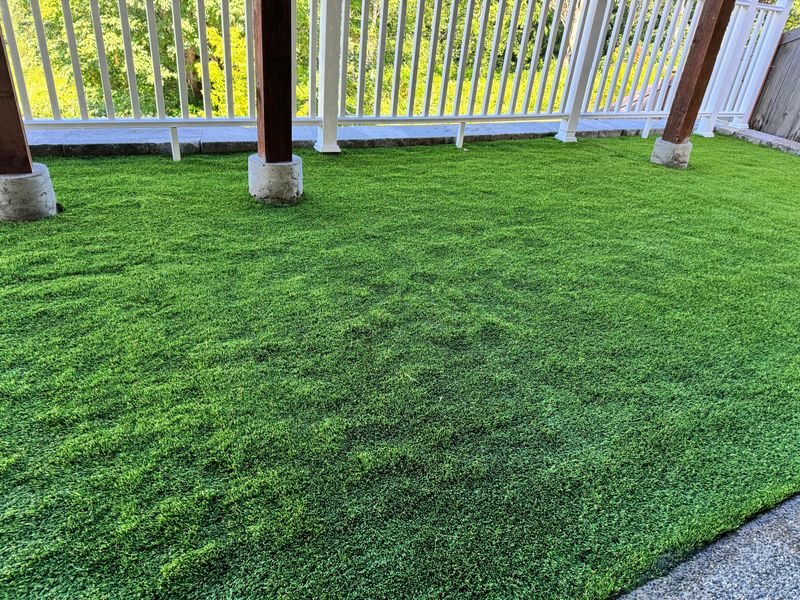
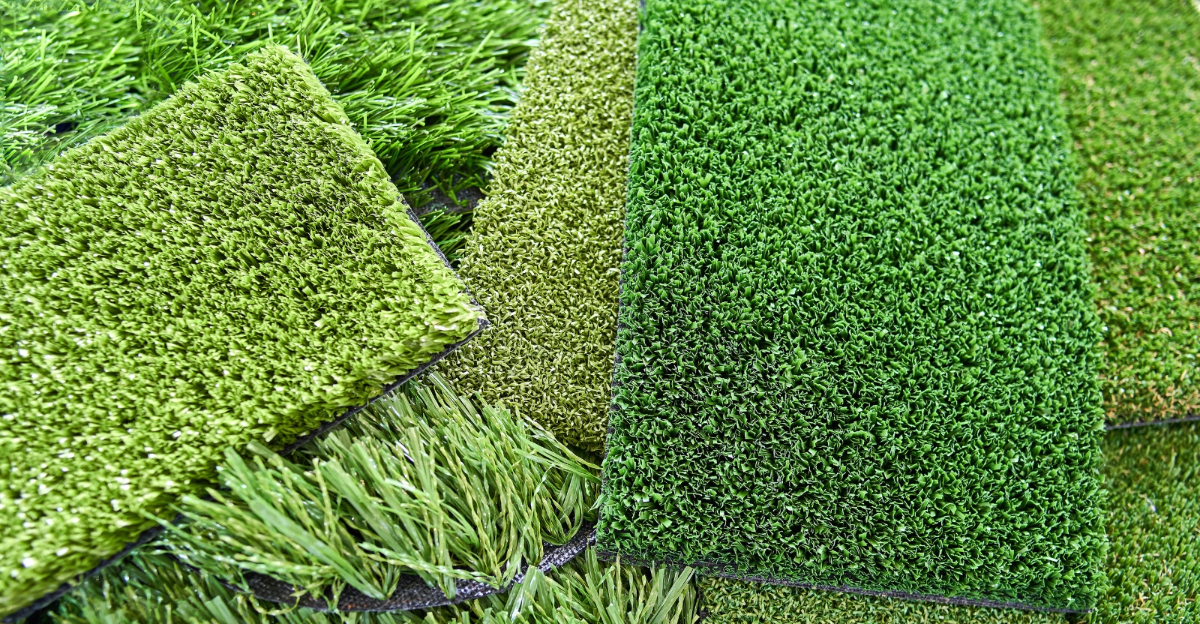
Synthetic grass has become incredibly popular because it stays green year-round and requires almost no maintenance compared to traditional lawns that need constant care.
Many North Carolina homeowners love the idea of never mowing again, but HOAs often see artificial turf as an eyesore that cheapens neighborhood appearance.
Community boards worry that synthetic materials create a fake, plastic look that clashes with the natural beauty they want to preserve in residential areas.
Some associations have banned artificial grass completely, while others require special approval processes that can take months to navigate through complicated committee meetings.
Temperature concerns also play a role since synthetic turf can get extremely hot during Carolina summers, potentially creating safety hazards for children and pets.
Drainage issues arise when artificial grass prevents proper water absorption, leading to flooding problems that affect multiple properties in densely packed subdivisions throughout the state.
Environmental activists within HOAs argue that synthetic materials contribute to plastic pollution and prevent beneficial insects from thriving in residential ecosystems across North Carolina.
Installation costs for quality artificial turf can exceed ten thousand dollars, making it a significant investment that homeowners hate to remove after HOA rejection.
Before purchasing synthetic grass, carefully review your community guidelines and attend board meetings to understand the specific restrictions that apply to your property.
2. Xeriscaping with Native Desert Plants
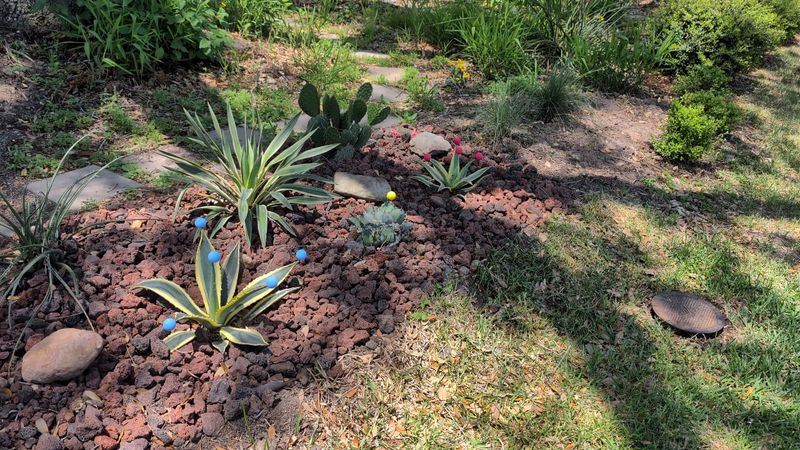
Water conservation efforts have inspired many residents to replace thirsty lawns with drought-resistant plants that require minimal irrigation and maintenance throughout dry seasons.
Xeriscaping uses rocks, gravel, succulents, and native plants to create stunning landscapes that survive with very little water, appealing to environmentally conscious homeowners.
HOAs in North Carolina frequently reject these designs because board members believe rock gardens and desert plants look too sparse and unconventional for traditional neighborhoods.
Community standards often demand lush, green appearances that require constant watering, directly contradicting the water-saving philosophy behind xeriscaping projects that benefit the environment.
Some associations worry that gravel and rock features attract snakes or create dusty conditions that bother neighbors living in close proximity to properties.
Maintenance misunderstandings occur when HOAs assume xeriscaped yards are neglected, not realizing that the natural, wild appearance is actually intentional and carefully designed.
North Carolina experiences humid conditions unlike true desert climates, leading some board members to question whether xeriscaping truly belongs in the state’s ecosystem.
Homeowners who install xeriscaping without approval often face fines ranging from fifty to five hundred dollars per violation, with repeated penalties for non-compliance.
Consulting with your HOA before starting any xeriscaping project helps avoid conflicts and allows you to propose compromises that satisfy both environmental goals and community standards.
3. Edible Front Yard Gardens and Vegetable Plots
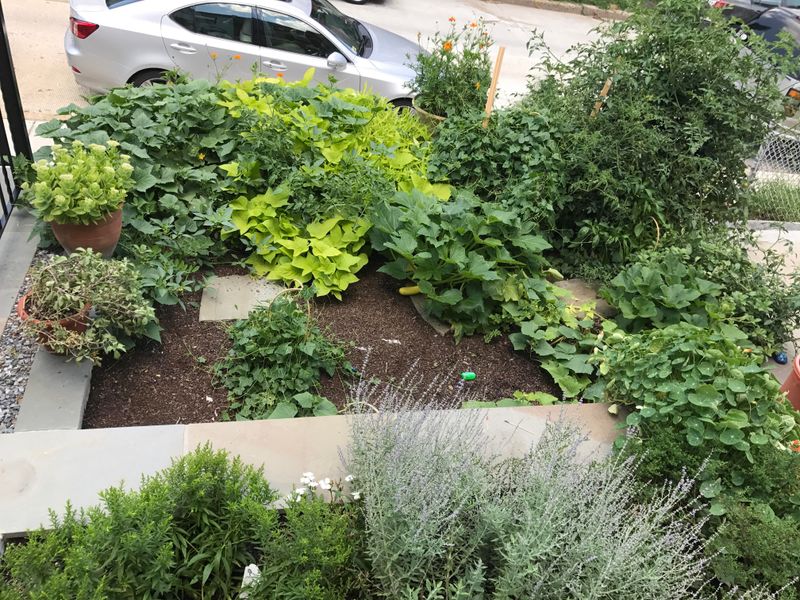
Growing your own food has surged in popularity as families seek healthier eating options and ways to reduce grocery bills during uncertain economic times.
Front yard vegetable gardens allow homeowners to maximize sun exposure and grow tomatoes, peppers, herbs, and other crops in spaces that would otherwise just be grass.
HOAs across North Carolina often prohibit visible vegetable gardens, viewing them as messy or inappropriate for front yards that should maintain ornamental appearances instead of practical uses.
Board members argue that vegetable plots attract pests like rabbits and deer, create unsightly stakes and cages, and generally lower property values throughout the community.
Some associations make exceptions for raised beds that look neat and decorative, while others ban any food production in areas visible from the street.
Legal challenges have emerged in several states where homeowners fight for their right to grow food, but North Carolina HOAs generally maintain strict control over landscaping.
Creative homeowners sometimes disguise edible plants among ornamental gardens, using attractive varieties like colorful Swiss chard and purple basil that blend with traditional flower beds.
Backyard gardens usually face fewer restrictions, though some HOAs limit even those with rules about structure heights, fencing materials, and overall garden visibility from neighboring properties.
Reviewing your specific covenant documents helps you understand exactly what food gardening activities are permitted before investing time and money into planting edible landscapes.
4. Wildflower Meadows and No-Mow Zones
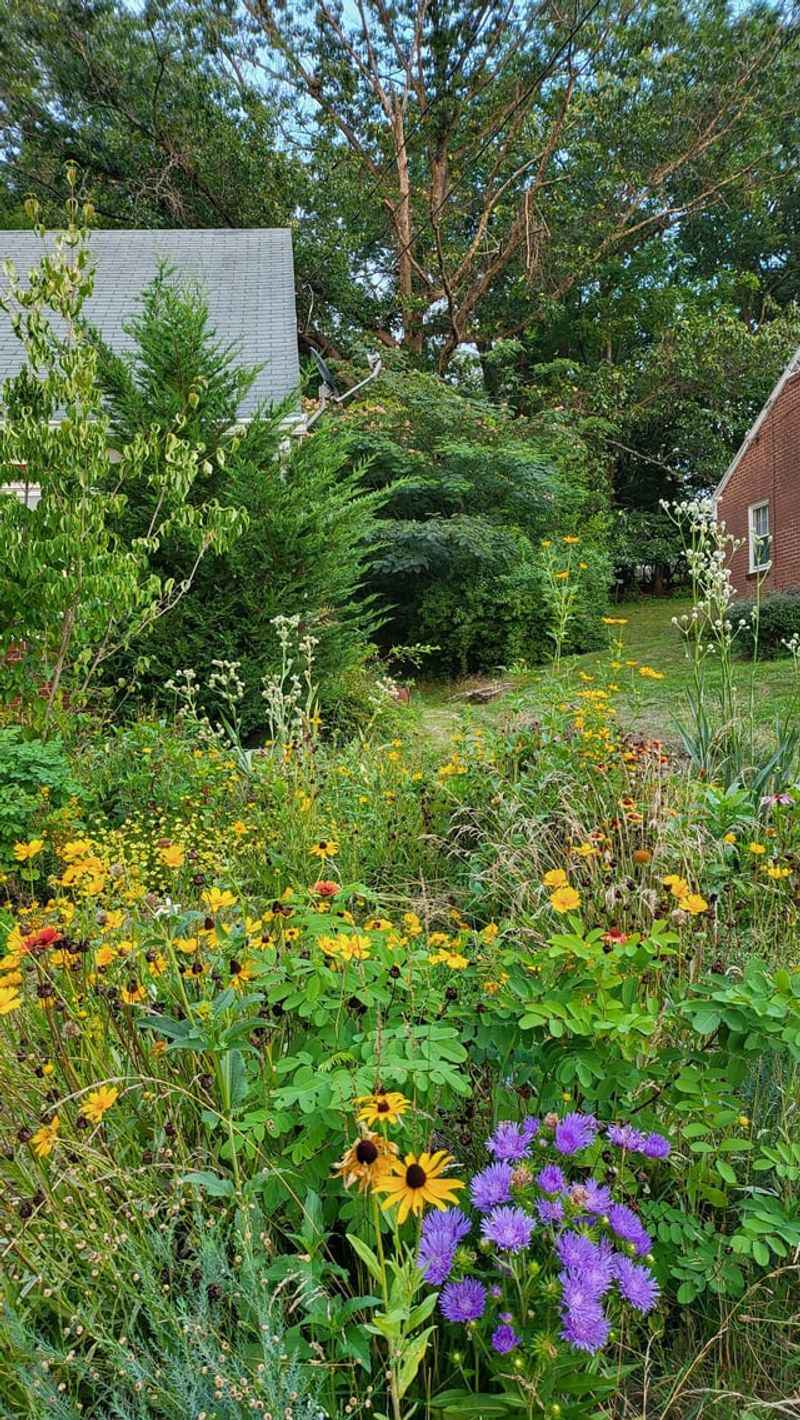
Natural wildflower meadows support pollinators like bees and butterflies while creating beautiful, low-maintenance landscapes that change with the seasons throughout the year.
Letting grass grow tall and planting native wildflowers reduces mowing time, eliminates chemical fertilizers, and creates habitat for beneficial insects that help local ecosystems thrive.
North Carolina HOAs frequently cite these natural areas as code violations because they appear unkempt and overgrown according to traditional landscaping standards that favor manicured lawns.
Community rules typically require grass to stay below certain heights, often four to six inches, making wildflower meadows impossible without special permission from boards.
Neighbors sometimes complain that natural meadows harbor ticks, attract unwanted wildlife, or simply look neglected compared to perfectly trimmed lawns that dominate suburban neighborhoods.
Educational efforts help some homeowners gain approval by explaining the environmental benefits and showing examples of well-maintained meadows that look intentional rather than abandoned.
Compromise solutions include creating meadow areas in backyards or side yards where they’re less visible, while maintaining traditional landscaping in front-facing areas.
Pollinator gardens with shorter plants and defined borders sometimes satisfy HOA requirements while still supporting beneficial insects that are crucial to North Carolina’s agricultural economy.
Contacting your HOA with detailed plans, photographs of similar successful projects, and scientific information about meadow benefits increases your chances of gaining approval for this trend.
5. Modern Metal and Gabion Wall Features
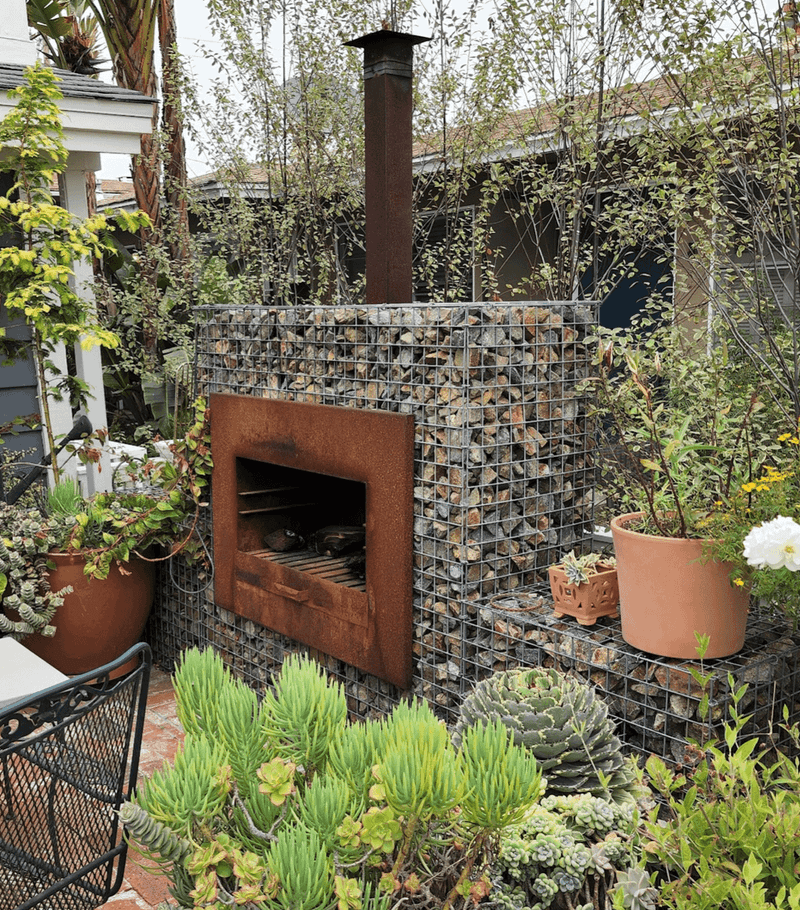
Contemporary landscape design often incorporates industrial materials like corten steel, galvanized metal panels, and wire cages filled with rocks called gabion walls for dramatic effect.
These modern features create striking visual contrasts against traditional plantings and offer durable, long-lasting solutions for retaining walls, borders, and decorative landscape elements.
HOAs in North Carolina commonly reject metal and gabion features because they clash with the traditional architectural styles that dominate established neighborhoods throughout the state.
Board members worry that industrial materials look too commercial or warehouse-like, undermining the residential character they work hard to preserve in their communities.
Rust from corten steel, though intentional and decorative, concerns some associations who fear it appears as deterioration or poor maintenance rather than artistic design.
Gabion walls can be noisy when rocks shift during temperature changes or when disturbed by animals, creating unexpected sound issues that bother nearby residents.
Height restrictions often limit retaining walls to three or four feet without special engineering approval, regardless of the materials used in construction projects.
Some progressive HOAs allow modern materials in backyard settings where they’re less visible from streets, offering a compromise for homeowners wanting contemporary aesthetics.
Presenting your HOA with professional designs, color samples, and examples from upscale developments can sometimes convince conservative boards to approve carefully planned modern features.
6. Colorful Painted Fences and Bold Exterior Colors
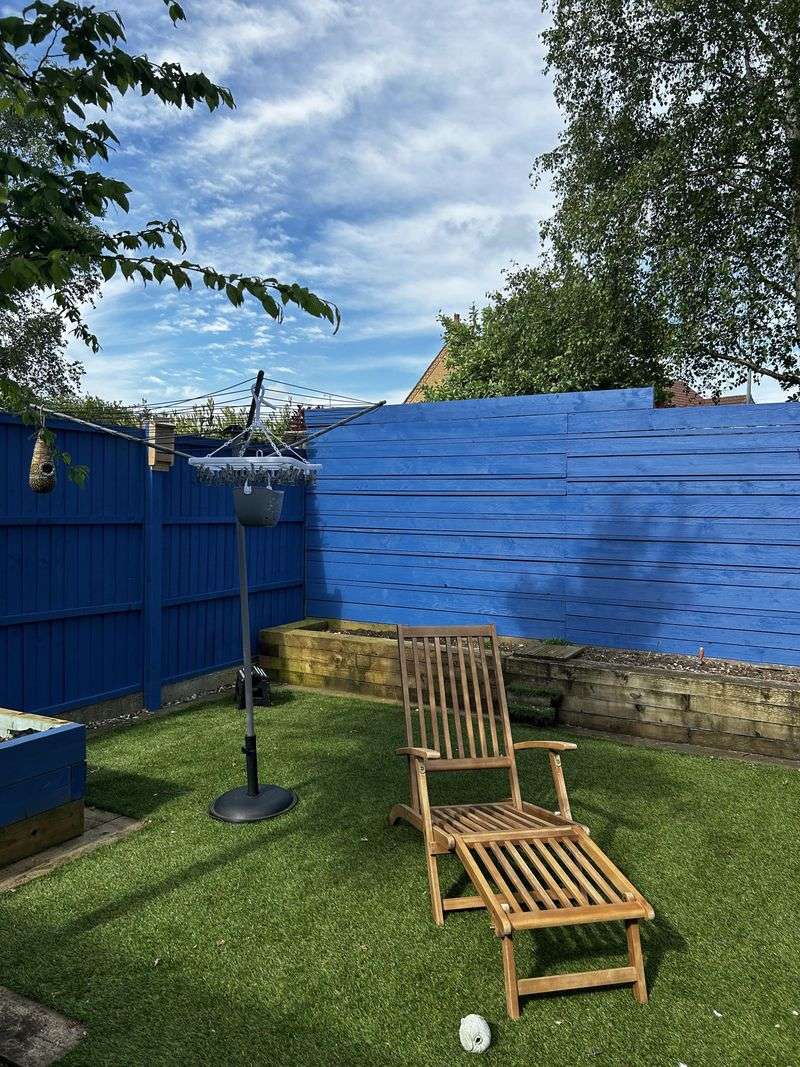
Homeowners seeking to express personality often turn to vibrant fence colors, bright accent walls, and bold exterior paint choices that make their properties stand out.
Trendy colors like deep navy, charcoal gray, sage green, and even coral have become popular alternatives to traditional white or natural wood finishes in modern neighborhoods.
North Carolina HOAs typically maintain strict paint color palettes that limit exterior choices to neutral tones, conservative shades, and colors that blend harmoniously with surrounding homes.
Bright or unconventional colors often require special approval, and boards frequently deny requests for anything they consider too bold, unusual, or attention-grabbing for the community.
Fence color restrictions prove especially strict since fences define property boundaries and remain highly visible to neighbors and passersby who walk through the neighborhood daily.
Some associations provide pre-approved color charts with dozens of acceptable options, while others require homeowners to submit physical samples for committee review before painting.
Violation notices for unauthorized paint colors can result in mandatory repainting at the homeowner’s expense, wasting both time and money on materials and labor.
Historical districts and older communities tend to enforce the strictest color guidelines to preserve architectural integrity and maintain property values throughout the established neighborhood.
Checking your HOA’s architectural guidelines before purchasing paint saves frustration and ensures your creative vision aligns with community standards that govern exterior appearances statewide.
7. Outdoor Living Spaces with Permanent Structures
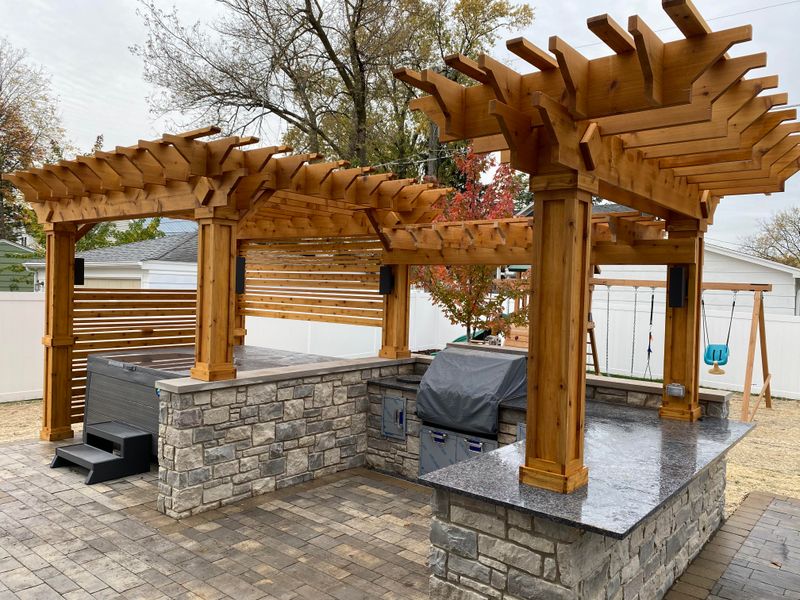
Elaborate outdoor kitchens, covered patios, pergolas, and entertainment areas have become must-have features for homeowners wanting to extend their living space beyond indoor walls.
These permanent structures often include built-in grills, pizza ovens, bars, fireplaces, and comfortable seating areas that function as complete outdoor rooms for year-round enjoyment.
HOAs in North Carolina regulate outdoor structures carefully, requiring detailed plans, setback compliance, height restrictions, and architectural approval before any construction begins on properties.
Size limitations prevent structures from overwhelming yards or blocking neighbors’ views, with many associations capping pergola and patio cover sizes at specific square footage.
Material and style requirements ensure outdoor structures match the home’s existing architecture, preventing mismatched additions that board members believe detract from neighborhood cohesiveness.
Permanent fixtures like outdoor fireplaces may face additional restrictions due to fire safety concerns, smoke complaints, and local building codes that HOAs must enforce.
Setback requirements determine how close structures can sit to property lines, often requiring outdoor kitchens and patios to remain at least ten feet from boundaries.
Unapproved structures can result in forced removal, legal action, and substantial fines that accumulate daily until homeowners bring their properties into compliance with regulations.
Submitting complete architectural plans with drawings, material specifications, and contractor information before starting construction helps ensure smooth approval and prevents costly mistakes throughout the process.
8. Rain Gardens and Bioswale Drainage Systems
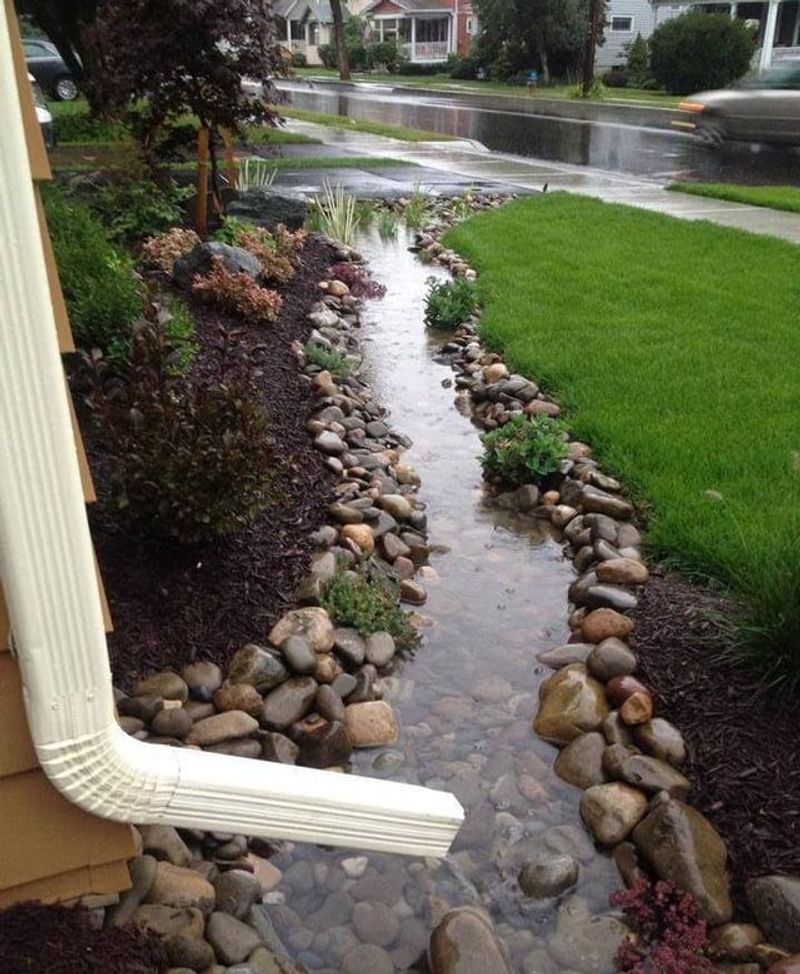
Environmentally conscious homeowners install rain gardens and bioswales to manage stormwater runoff naturally, filtering pollutants and reducing flooding through specially designed planted depressions.
These sustainable features use native plants that tolerate both wet and dry conditions, creating attractive landscape elements that serve important ecological functions during storms.
North Carolina HOAs sometimes resist rain gardens because they can appear sunken, swampy, or messy during heavy rain events when water temporarily pools in designated areas.
Board members unfamiliar with sustainable landscaping may mistake intentional drainage features for poor grading, standing water problems, or neglected yard maintenance that violates standards.
Mosquito concerns arise when neighbors worry that water-collecting features will breed pests, though properly designed rain gardens drain within twenty-four hours, preventing insect issues.
Approval challenges increase when rain gardens require altering yard grading or drainage patterns that might affect adjacent properties in neighborhoods with shared stormwater systems.
Some progressive associations actually encourage rain gardens as part of community-wide stormwater management strategies, especially in developments prone to flooding during Carolina’s heavy storms.
Educational presentations at HOA meetings help explain how rain gardens function, showing before-and-after photos and scientific data about water quality improvements they provide.
Working with landscape professionals who can present technical plans and address HOA concerns professionally increases approval chances for these beneficial but misunderstood landscaping features statewide.
9. Decorative Boulders and Large Rock Features
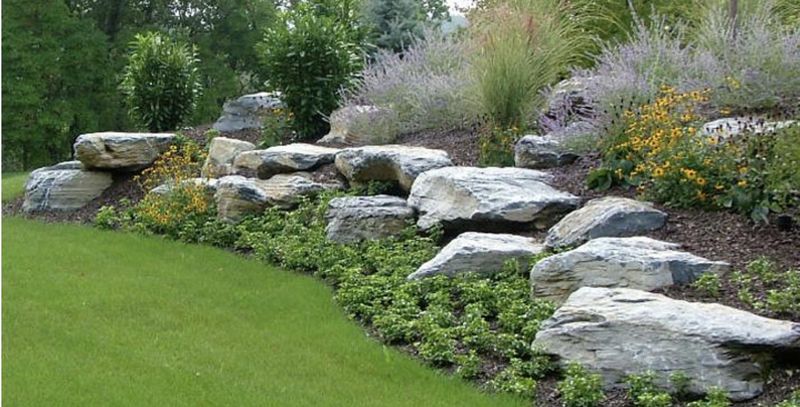
Landscape designers increasingly use massive boulders, rock outcroppings, and stone features to add drama, texture, and natural elements to otherwise flat or boring yards.
Large rocks serve practical purposes too, preventing erosion on slopes, defining garden beds, and creating focal points that require zero maintenance once properly installed.
HOAs across North Carolina often restrict boulder placement due to concerns about size, appearance, and potential safety hazards if rocks are positioned near sidewalks or streets.
Some associations worry that large rock features look too rustic or natural for manicured suburban neighborhoods that prioritize refined, controlled landscaping aesthetics over wild appearances.
Placement regulations typically require boulders to sit certain distances from property lines, preventing rocks from encroaching on easements, utilities, or neighboring yards throughout communities.
Weight and installation concerns arise when heavy equipment must access properties to position boulders, potentially damaging underground utilities, irrigation systems, or shared landscaping areas.
Liability questions emerge if decorative rocks could pose climbing hazards for children or tripping dangers for pedestrians walking past properties in neighborhoods with sidewalks.
Approval processes for boulder features usually require site plans showing exact placement, rock dimensions, and landscape integration to demonstrate thoughtful design rather than random placement.
Consulting your HOA’s landscaping committee early in the planning process and providing professional designs helps secure approval for dramatic rock features that enhance your property.