6 Popular Perennials That Cause Problems In Georgia Gardens (And What To Grow Instead)
Many Georgia gardeners quietly deal with the same disappointment each season. A plant that performs well in cooler or drier states can struggle in Georgia’s clay soil, thick humidity, and long growing season.
Instead of steady color, you end up with constant trimming, mildew issues, or aggressive spread that takes over the bed.
A garden should not feel like damage control every weekend. The right perennials stay upright, bloom reliably, and handle local conditions without drama.
Before you plant another popular favorite, it helps to know which ones tend to cause problems here and which stronger alternatives actually thrive in Georgia.
1. Delphinium Fades Fast In Southern Heat
Delphinium’s towering spikes of blue, purple, and white flowers captivate gardeners browsing seed catalogs each winter. These dramatic beauties promise vertical interest and cottage garden charm.
Unfortunately, Georgia’s summer temperatures make delphinium cultivation nearly impossible for most home gardeners.
Cool nights are essential for delphinium survival. The plant developed in regions where temperatures drop significantly after sunset, allowing it to recover from daytime stress.
Georgia nights often stay above 75 degrees throughout summer, giving delphiniums no relief from heat. The plants exhaust themselves trying to cope.
Even spring-planted delphiniums struggle once June arrives. Flower stalks may emerge, but blooms open poorly or drop prematurely when heat intensifies.
Foliage yellows and collapses by mid-summer. Attempting to grow delphiniums in Georgia means watching expensive plants decline rapidly just weeks after planting.
Some northern Georgia gardeners with mountain properties report limited success, but even at higher elevations, delphiniums perform inconsistently. The effort required to pamper these temperamental perennials rarely justifies the brief, lackluster results.
2. English Lavender Struggles In Georgia’s Humidity And Clay Soil
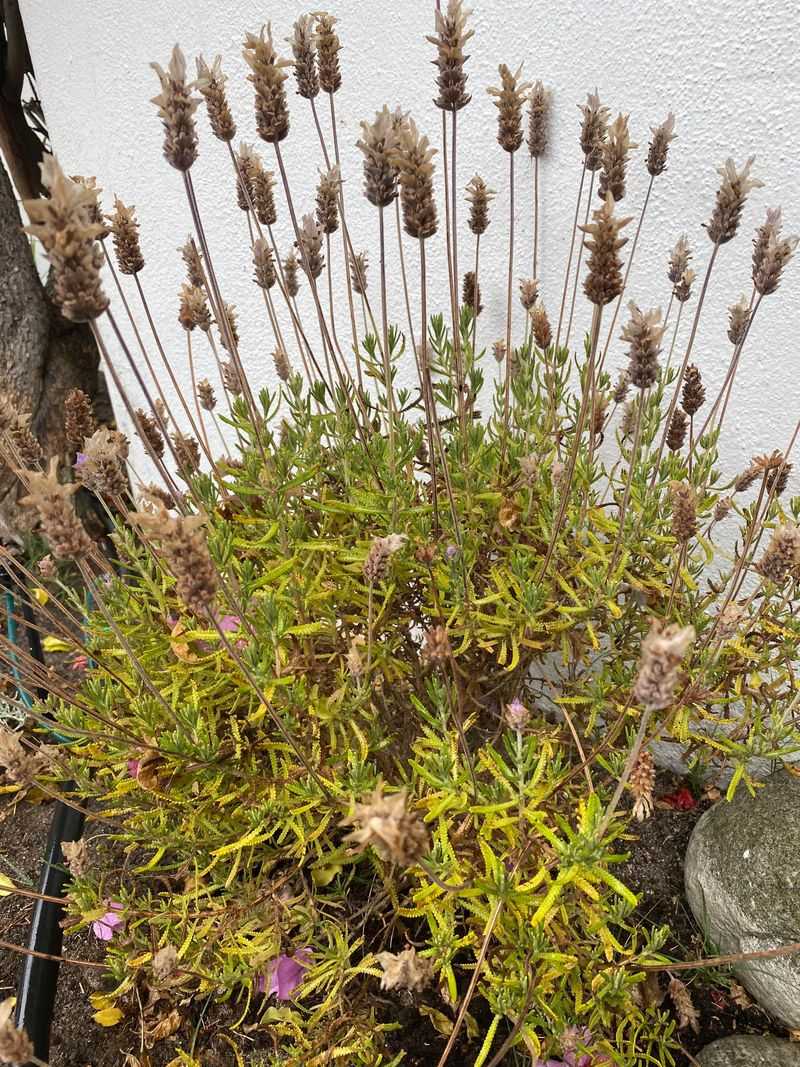
English lavender ranks among the most requested perennials at Georgia nurseries, yet it consistently disappoints local gardeners. This Mediterranean native evolved in dry, rocky soils with excellent drainage and low humidity.
Georgia offers the exact opposite conditions.
Clay soil holds moisture far too long for lavender’s shallow root system. The roots sit in dampness after every rain, creating perfect conditions for root rot.
Even in raised beds, Georgia’s humid air prevents the quick drying lavender requires between waterings.
Summer humidity presents another serious obstacle. English lavender needs dry air circulation around its foliage to prevent fungal diseases.
Georgia’s muggy summers keep moisture clinging to leaves for hours, encouraging mildew and blight. The plant weakens rapidly under these conditions.
Most English lavender varieties barely survive one Georgia summer. Those that make it through often look scraggly and produce few blooms.
Gardeners waste money replacing these plants season after season, never achieving the lush purple displays seen in garden magazines. The plant simply cannot adapt to Georgia’s climate, no matter how much care you provide.
Even careful pruning and controlled watering rarely correct the underlying climate mismatch. Brief cool spells in spring may trigger a few promising buds, but the heat quickly shuts that progress down.
In Georgia conditions, English lavender struggles to build the dense, fragrant growth it is naturally meant to produce.
3. Shasta Daisy Suffers In Heavy, Poorly Drained Soil
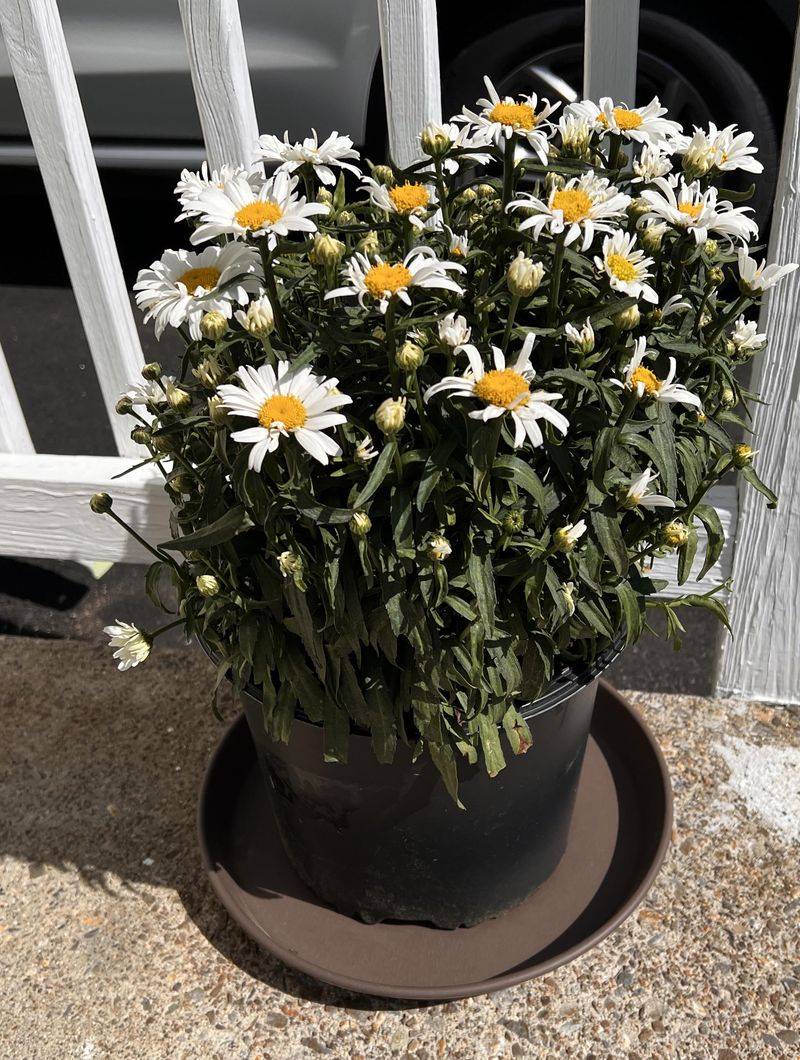
Shasta daisies seem like foolproof perennials with their cheerful white petals and sunny yellow centers. Garden centers across Georgia stock them heavily each spring, and many gardeners purchase them expecting years of reliable blooms.
Crown rot destroys more Shasta daisies in Georgia than any other problem. These plants form dense crowns at soil level where stems emerge from roots.
When clay soil stays wet around the crown, fungal pathogens invade quickly. The entire plant can collapse within days once infection begins.
Georgia’s heavy clay naturally drains slowly. Spring rains and summer thunderstorms create extended periods of soil saturation.
Shasta daisy crowns sit in this moisture, essentially drowning while fungi multiply. Even established plants that survived previous seasons suddenly fail when weather patterns keep soil extra wet.
Amending soil helps temporarily, but Georgia clay eventually reclaims amended areas. The constant battle to maintain adequate drainage around Shasta daisies becomes exhausting.
Plants that do survive often bloom sparsely and look bedraggled compared to their potential.
Their reputation as tough, reliable perennials simply doesn’t hold true in Georgia’s challenging soil conditions.
4. Garden Phlox Battles Powdery Mildew In Humid Summers
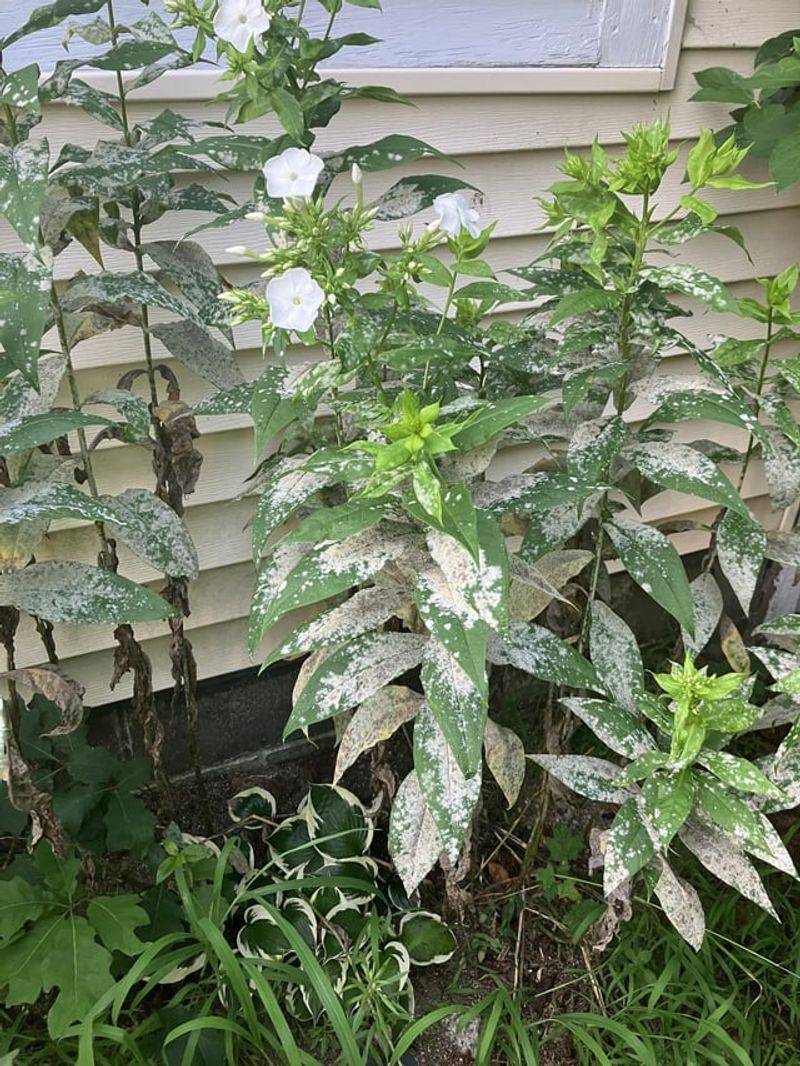
Garden phlox promises fragrant summer blooms in pink, purple, white, and red shades. Catalogs showcase stunning photographs of healthy plants covered in flower clusters.
Georgia gardeners who plant phlox discover a frustrating reality by mid-summer.
Powdery mildew attacks garden phlox with predictable regularity across Georgia. This fungal disease appears as white powder coating leaves, starting on lower foliage and spreading upward.
Infected leaves yellow, brown, and drop off. Plants look increasingly ragged as summer progresses.
Georgia’s humidity creates ideal conditions for powdery mildew spores to germinate and spread. Morning dew lingers on phlox foliage well into the day.
Afternoon thunderstorms add more moisture. The fungus thrives in these conditions, multiplying rapidly on susceptible plants like garden phlox.
Fungicide sprays offer temporary relief but require repeated applications throughout the growing season. Most homeowners tire of this maintenance quickly.
Even resistant varieties eventually succumb to Georgia’s relentless mildew pressure. The plants may bloom initially, but diseased foliage ruins the overall appearance.
Watching garden phlox deteriorate each summer becomes disheartening. The plants rarely look as attractive as gardeners hoped when purchasing them.
5. Lupine Dislikes Georgia’s Warm Nights And Soil Conditions
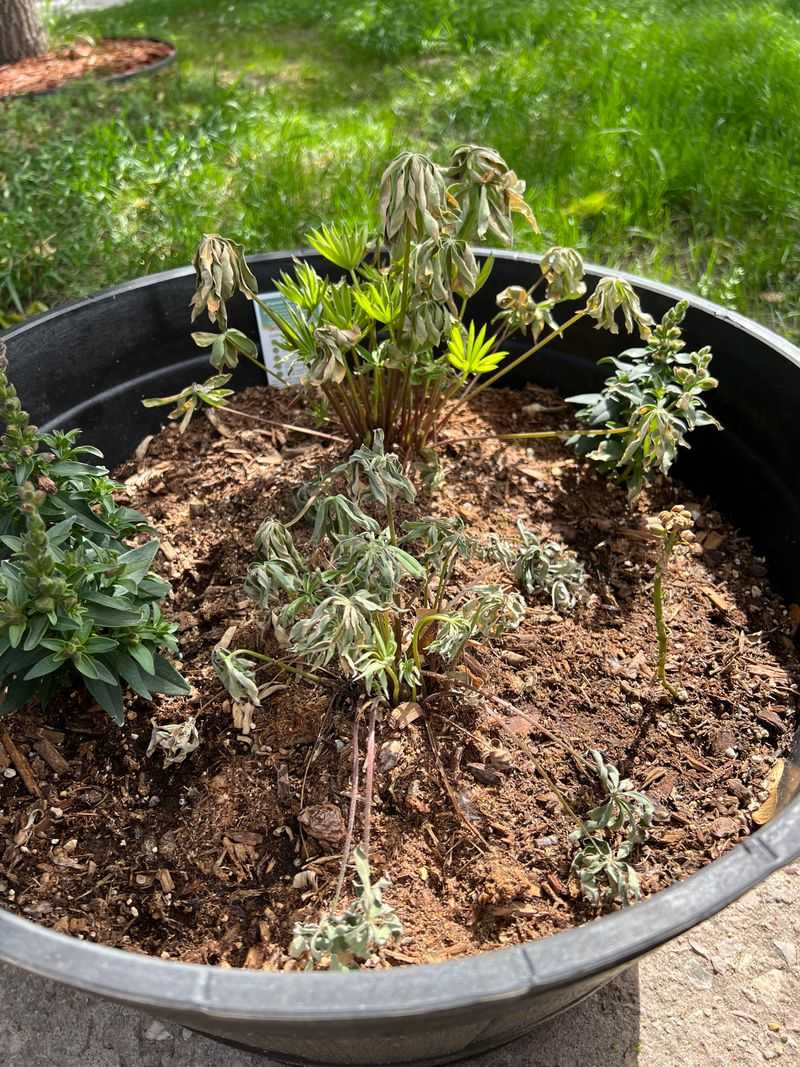
Lupine’s colorful flower spikes resemble small versions of delphinium, offering similar vertical drama in blue, purple, pink, yellow, and bicolor combinations. Seed packets promise easy growth and prolific blooms.
Georgia’s environment tells a different story.
Cool temperatures are absolutely critical for lupine success. These plants originated in regions with cold winters and mild summers.
Georgia’s warm nights prevent lupines from completing their natural growth cycle properly. The plants become stressed and fail to develop strong root systems or healthy foliage.
Soil chemistry presents another major obstacle. Lupines require acidic soil, which Georgia naturally provides, but they also need excellent drainage and specific nutrient balances.
Clay soil compaction restricts root development. The combination of heat stress and poor root growth dooms most lupine plantings.
Seeds may germinate readily in spring, giving gardeners false hope. Young seedlings look promising initially.
Once temperatures rise in late May and June, lupines decline rapidly.
By early summer, foliage often turns yellow or wilts despite regular watering. Flower spikes, if they form at all, remain short and sparse compared to their northern counterparts.
Extra irrigation rarely solves the problem because heat, not dryness, is the main trigger for decline. For most Georgia gardens, lupines perform better as short-lived spring experiments rather than reliable long-term additions.
6. Artemisia Declines In Wet, Humid Climates
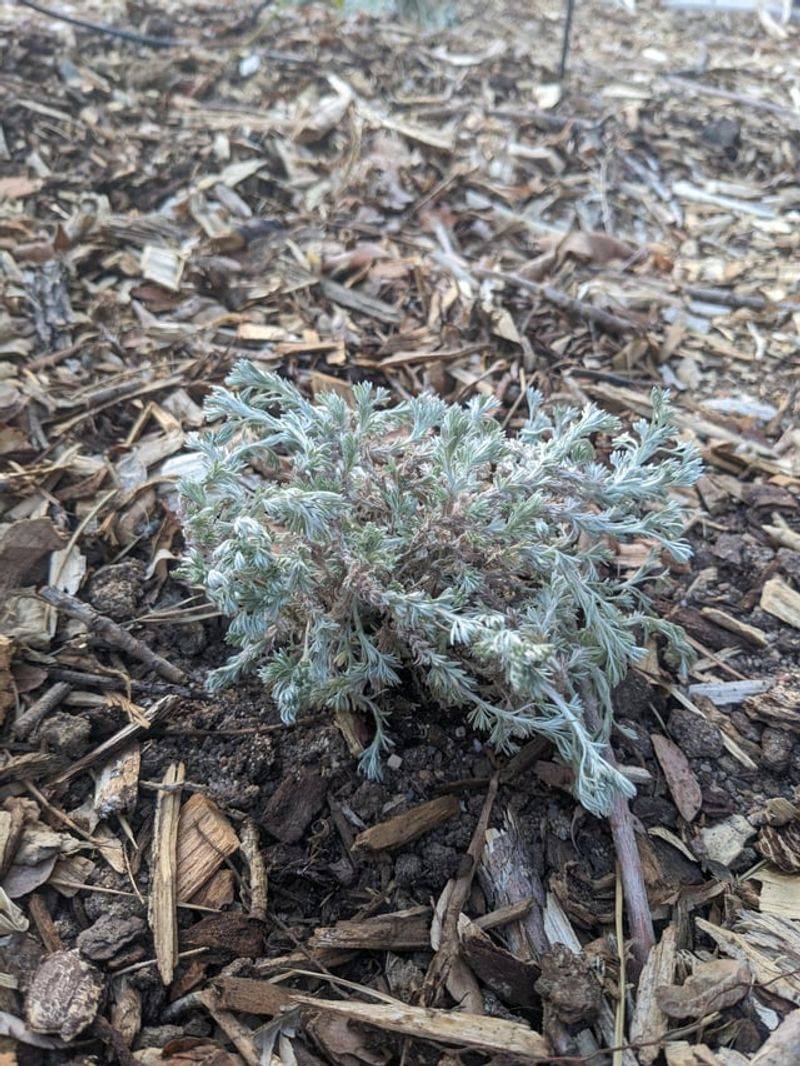
Artemisia’s silvery foliage adds textural contrast to perennial borders, and its drought tolerance appeals to gardeners seeking low-maintenance plants. Several varieties appear in Georgia garden centers each spring.
Most perform poorly despite their reputation for toughness.
Dry conditions are essential for artemisia health. These plants evolved in arid regions where rainfall is scarce and humidity stays low.
Their fuzzy, silver leaves actually trap moisture in humid air, creating problems rather than protecting the plant. Georgia’s climate keeps artemisia foliage damp far too often.
Root systems rot quickly when soil stays wet. Georgia’s clay soil and frequent rainfall create exactly the conditions artemisia cannot tolerate.
Even drought-tolerant varieties struggle because the issue isn’t just watering but environmental humidity. The air itself holds too much moisture.
Fungal diseases attack stressed artemisia readily. Leaves blacken and stems collapse as rot spreads through the plant.
What started as an attractive silver accent becomes an eyesore within weeks. Replacements fare no better, leading to repeated disappointment.
Some artemisia varieties survive briefly in Georgia, particularly during dry spells. Long-term success remains elusive.
The plants never achieve the full, lush appearance seen in drier climates. Their scraggly, struggling growth detracts from garden beds rather than enhancing them.
Even planting artemisia in raised beds or sandy mixes rarely solves the humidity problem for long. Over time, persistent moisture and heavy air slowly weaken the plant until it declines despite every effort to improve drainage.
7. Salvia Thrives In Heat And Drains Well In Georgia Soil
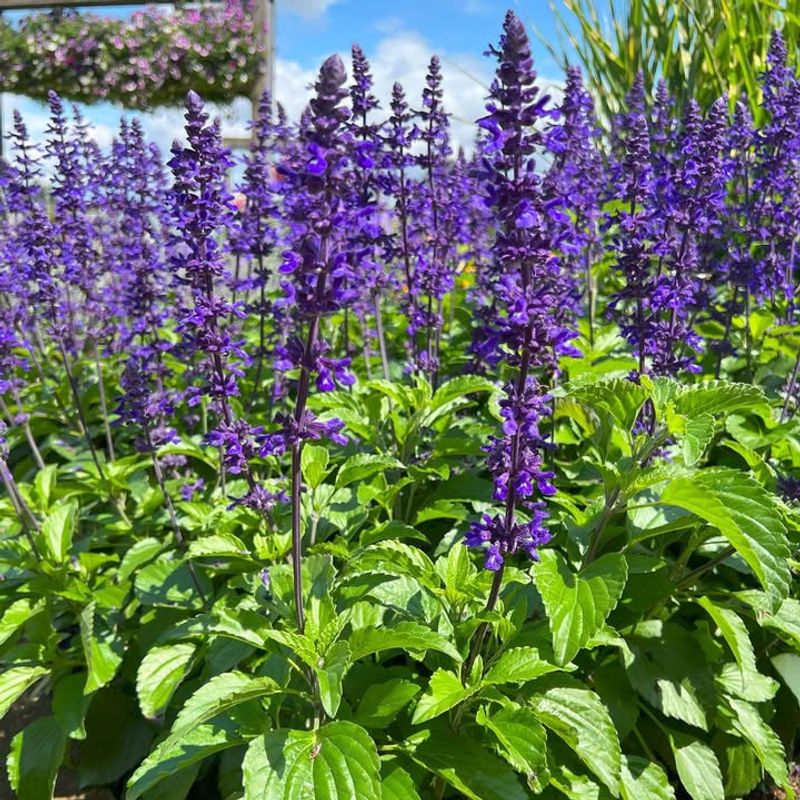
Salvia offers Georgia gardeners the reliable performance that many popular perennials cannot deliver. Numerous varieties flourish in southern heat, producing colorful flower spikes from late spring through fall.
This genus includes options for every garden style and color preference.
Heat tolerance is salvia’s greatest strength. While other perennials wilt and struggle when temperatures soar, salvias actually bloom more prolifically in hot weather.
Georgia’s long, intense summers suit them perfectly. Plants grow stronger and fuller as the season progresses rather than declining.
Root systems adapt well to clay soil as long as planting areas aren’t completely waterlogged. Salvias tolerate Georgia’s natural drainage better than Mediterranean herbs like lavender.
They handle both dry spells and rainy periods without developing the root problems that plague less adaptable plants.
Hummingbirds and butterflies visit salvia flowers constantly, adding wildlife interest to gardens. The tubular blooms provide excellent nectar sources throughout summer when many other flowers have faded.
Deer typically avoid salvias, making them practical choices for Georgia gardens where browsing pressure is high.
Varieties like ‘May Night,’ ‘Caradonna,’ and native species such as Salvia coccinea perform exceptionally well across Georgia. They require minimal maintenance beyond occasional deadheading and provide months of color.
8. Coreopsis Handles Humidity Without Falling Apart
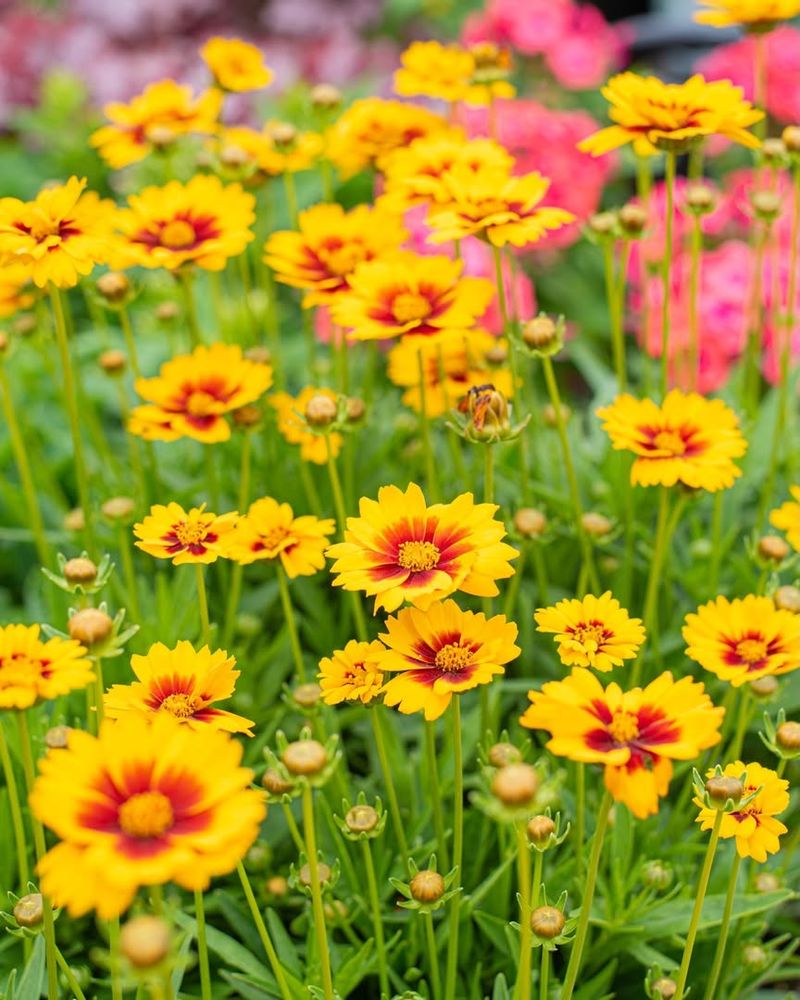
Coreopsis brings cheerful yellow blooms to Georgia gardens from spring through fall without the disease problems that plague garden phlox. This native perennial evolved in southeastern conditions, making it naturally suited to Georgia’s challenging climate.
Plants remain attractive throughout the growing season.
Humidity doesn’t faze coreopsis at all. While powdery mildew devastates phlox and other moisture-sensitive perennials, coreopsis foliage stays clean and healthy even during Georgia’s muggiest weather.
The plant’s natural disease resistance eliminates the need for fungicide sprays and constant monitoring.
Clay soil poses no problems for established coreopsis plants. Their root systems tolerate both wet and dry periods effectively.
Once settled in, coreopsis survives Georgia summers with minimal watering. This drought tolerance becomes especially valuable during water restrictions or for gardeners who prefer low-maintenance landscapes.
Flowers appear in waves throughout summer if spent blooms are removed regularly. The bright yellow daisies attract butterflies and other pollinators while providing consistent color when many perennials take heat-induced breaks from blooming.
Coreopsis fills gaps that struggling plants leave behind.
Several varieties grow well across Georgia, including threadleaf types with fine foliage and larger-flowered cultivars. All share the same reliable performance and easy care requirements.
Replacing problem perennials with coreopsis creates gardens that actually look good during Georgia’s toughest growing conditions rather than merely surviving them.
9. Echinacea Stands Up To Summer Heat And Clay
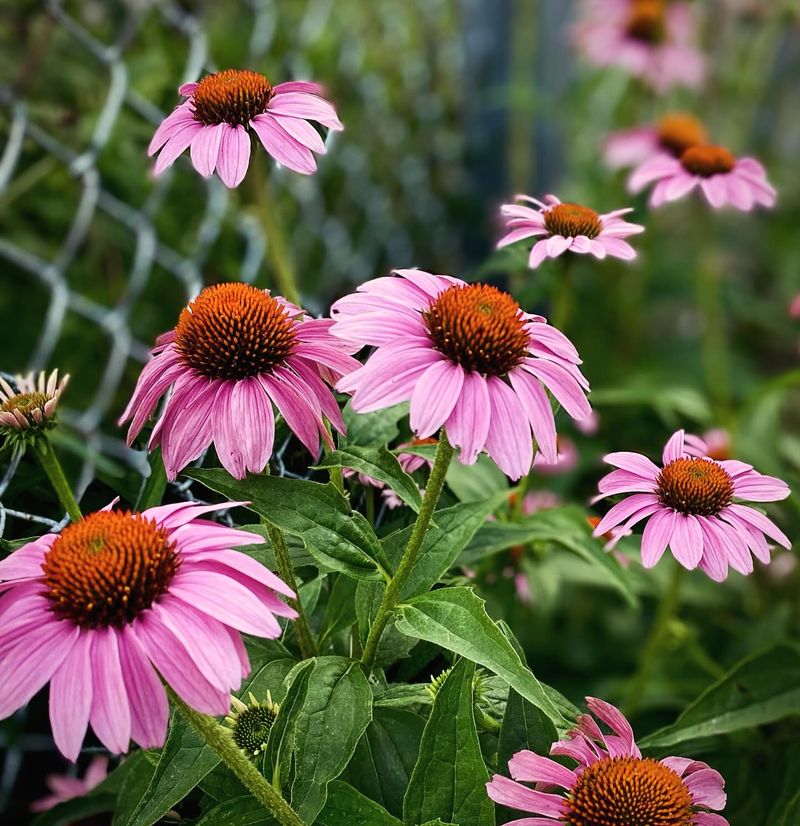
Echinacea, commonly called purple coneflower, proves that beautiful perennials can thrive in Georgia without special soil amendments or constant care. This prairie native handles heat, humidity, and clay soil with equal ease.
Gardens featuring echinacea look vibrant all summer while neighbors struggle with failing plants.
Summer heat energizes echinacea rather than stressing it. Plants bloom most heavily during Georgia’s hottest months, producing large flowers in purple, pink, white, orange, and yellow shades.
The distinctive cone-shaped centers add architectural interest even after petals fade, extending the plant’s ornamental value.
Clay soil doesn’t hinder echinacea establishment or growth. Roots penetrate deeply once plants mature, accessing moisture during dry spells while tolerating wet periods without rotting.
This adaptability makes echinacea foolproof compared to perennials requiring perfect drainage like Shasta daisies.
Goldfinches flock to echinacea seed heads in fall, providing entertainment and natural reseeding. Butterflies visit flowers constantly during summer.
The wildlife value rivals the ornamental appeal, creating dynamic gardens that change throughout the day as different creatures visit.
Echinacea requires virtually no maintenance beyond occasional division every few years. Plants live for decades in Georgia gardens, forming substantial clumps that improve with age.
Deadheading spent blooms can encourage additional flowering, but leaving some seed heads standing adds winter texture and supports birds through colder months.
Once established, echinacea rarely needs supplemental watering, making it a reliable, low effort choice for long lasting color in Georgia gardens.