8 Potted Flowers That Keep Blooming In Arizona Heat
Most flowers look beautiful in spring, but then Arizona summer shows up and everything changes. Temperatures climb fast, the sun gets intense, and plenty of plants that looked so promising just weeks earlier start to struggle and fade.
For gardeners who love having color on their patio or porch, that cycle gets frustrating pretty quickly.
Here’s the good news though. Some flowers are genuinely built for this kind of heat, and they don’t just survive Arizona summers, they keep producing blooms consistently even when temperatures are pushing triple digits.
Container gardening actually works really well for these tough varieties because you can position pots in spots that get the right amount of sun and shade throughout the day.
With the right flowers in your pots, you can have real, lasting color from spring all the way through the hottest months.
Some of these picks might already be familiar, but a few could completely change how you think about summer container gardening in Arizona.
1. Vinca Handles Extreme Heat And Keeps Blooming
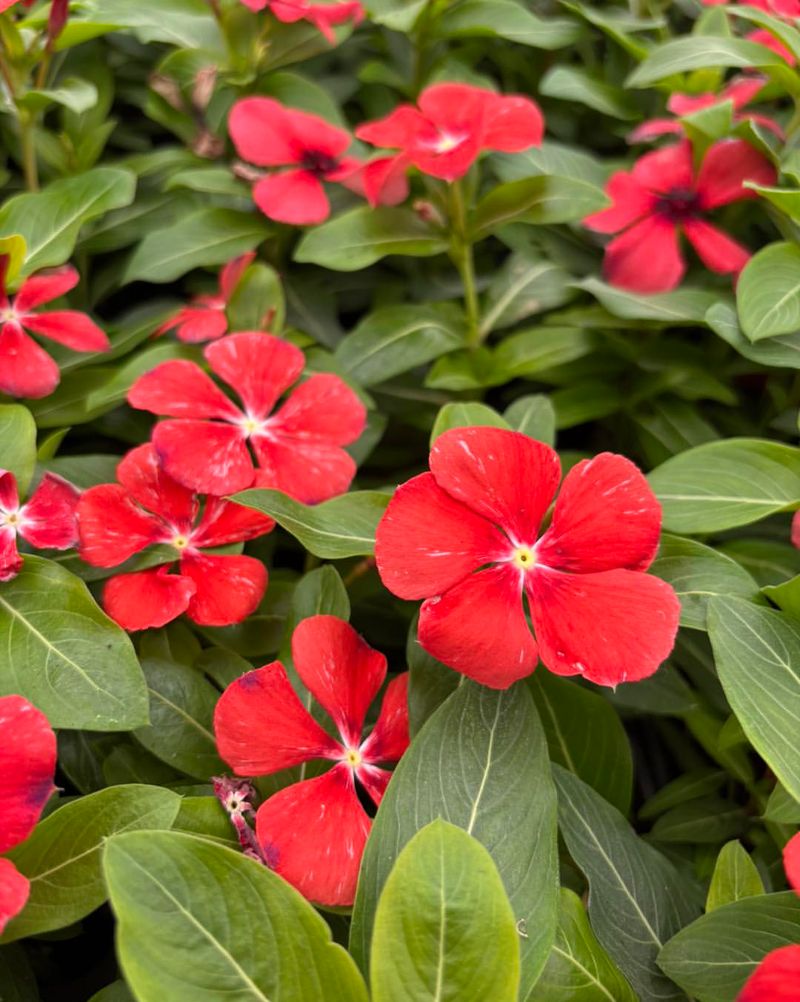
Few flowers laugh in the face of an Arizona summer quite like vinca. Also called annual periwinkle, this plant pushes out blooms even when temperatures are sitting at 108 degrees, and it barely flinches.
Gardeners across the Phoenix area have relied on it for decades because it simply does not slow down.
Vinca works especially well in containers because it does not need a lot of water to stay healthy. Once established, it handles dry spells better than most flowering plants.
Water it deeply every few days rather than daily shallow watering, and the roots will stay strong.
Colors range from white and soft pink to deep magenta and red, so you have real options when putting together a container display. Plant it in a pot with good drainage and full sun exposure, and it will reward you from spring all the way through fall.
In Arizona, that growing window is long, which means more bloom time than most other regions get. Pinching back leggy stems every few weeks keeps the plant full and flowering.
Vinca is also resistant to most common pests, which makes it low-maintenance in the best possible way.
Just make sure the soil dries slightly between waterings, since overly wet conditions can cause root problems. With the right balance, vinca keeps blooming steadily without demanding much attention.
2. Lantana Produces Continuous Color With Very Little Effort
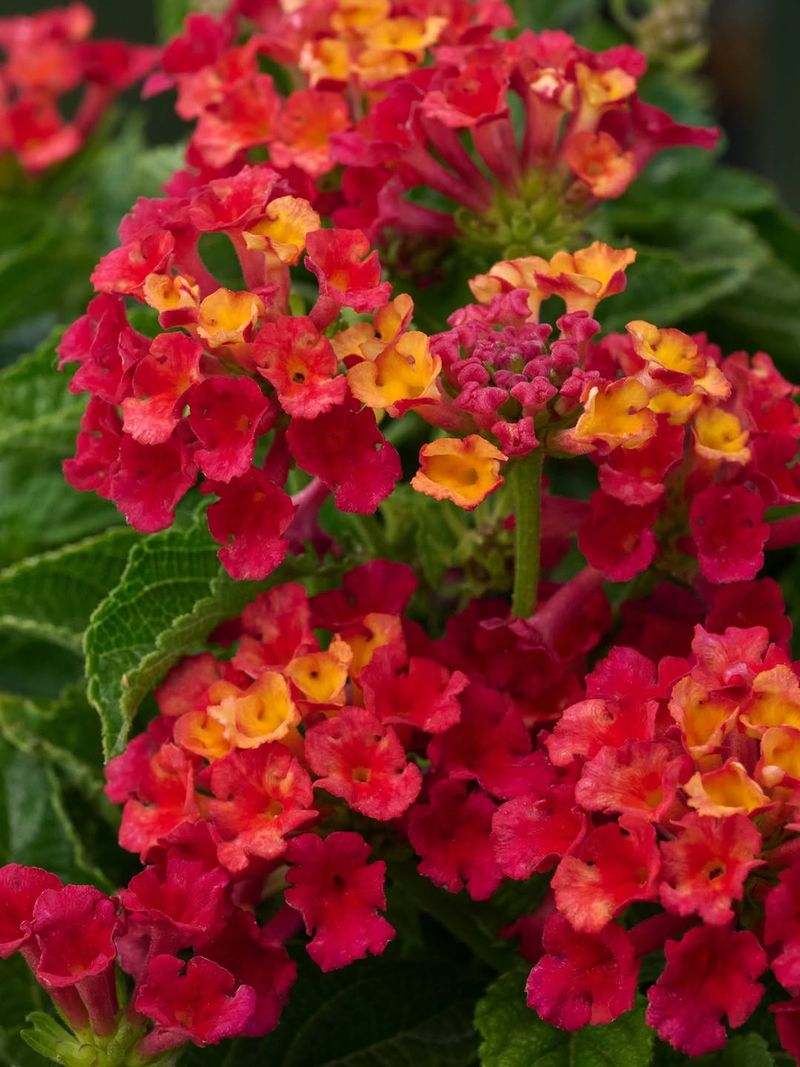
Walk through any neighborhood in Tucson or Scottsdale during summer and you will spot lantana growing like it owns the place. That reputation is well-earned.
Lantana thrives in brutal heat, attracts butterflies and hummingbirds, and keeps producing clusters of color without asking for much in return.
One thing that surprises new Arizona gardeners is how drought-tolerant lantana becomes once it settles in. During the first few weeks, water it regularly to help the roots establish.
After that, cutting back on watering actually encourages more blooms rather than fewer.
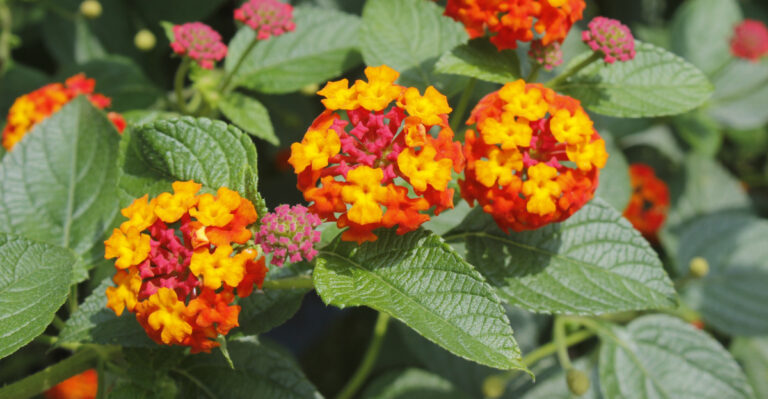
Lantana comes in a wild range of color combinations, including orange and yellow, pink and white, red and gold, and solid purple. Each flower cluster often has two or three shades blended together, which gives containers a layered, almost tropical look.
Your Arizona Garden Changes Every Week. Your Plan Should Too.
Gardening in Arizona changes quickly throughout the season. Every Friday you’ll receive a simple weekly plan showing exactly what to plant, prune, fertilize, harvest, and protect so you never miss the right timing.
Pot it in a container at least 12 inches wide to give the roots room to spread. Full sun is non-negotiable in Arizona if you want maximum flowering.
Deadheading spent blooms is optional since lantana tends to self-clean, but trimming back overgrown branches every month or so keeps the shape tidy. It is genuinely one of the easiest high-color plants you can grow in a pot here.
Keep in mind that good drainage is key, since lantana does not tolerate soggy soil and can decline quickly if roots stay wet.
With minimal care and plenty of sun, it continues pushing out blooms through the toughest part of the season.
3. Portulaca Thrives In Full Sun And Dry Conditions
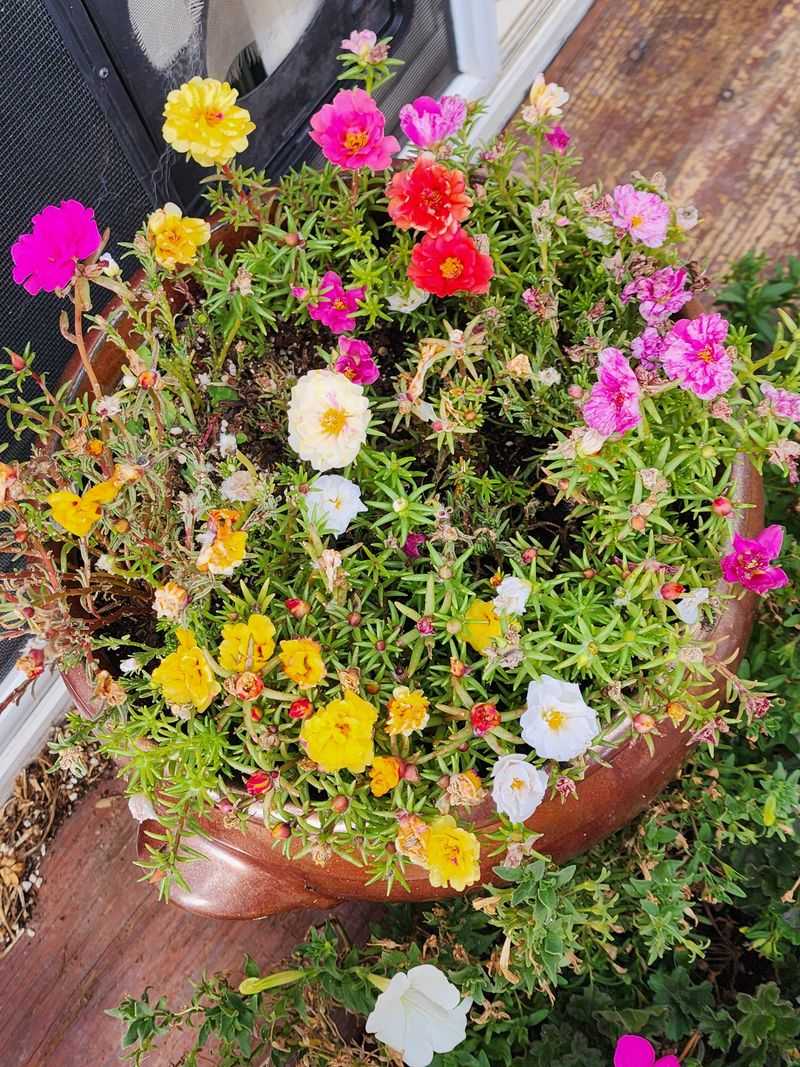
Portulaca almost seems engineered for Arizona conditions. Its succulent-like leaves store moisture, its roots handle sandy or rocky soil without complaint, and it produces cheerful, rose-like blooms in neon shades that pop against any background.
Hot, dry, and sunny? Portulaca calls that home.
One thing to know upfront: portulaca flowers open in sunlight and close at night or on cloudy days. In Arizona, where sunshine is practically guaranteed, that means blooms are open and visible almost all day long.
Morning light brings them fully open, and they stay that way until late afternoon.
Shallow containers work well for portulaca because its root system is not deep. A pot that is 6 to 8 inches deep is usually enough.
The key is drainage. Standing water will cause root rot faster than any amount of heat.
Use a cactus or sandy potting mix for best results. Overwatering is the most common mistake people make with this plant.
Let the soil dry out completely between waterings, and portulaca will reward you with a steady carpet of color. It self-seeds readily, so you may find volunteer plants popping up nearby next season.
In Arizona, portulaca is one of the most reliable container flowers available during the hottest months of the year.
4. Angelonia Blooms Well In Heat With Consistent Care
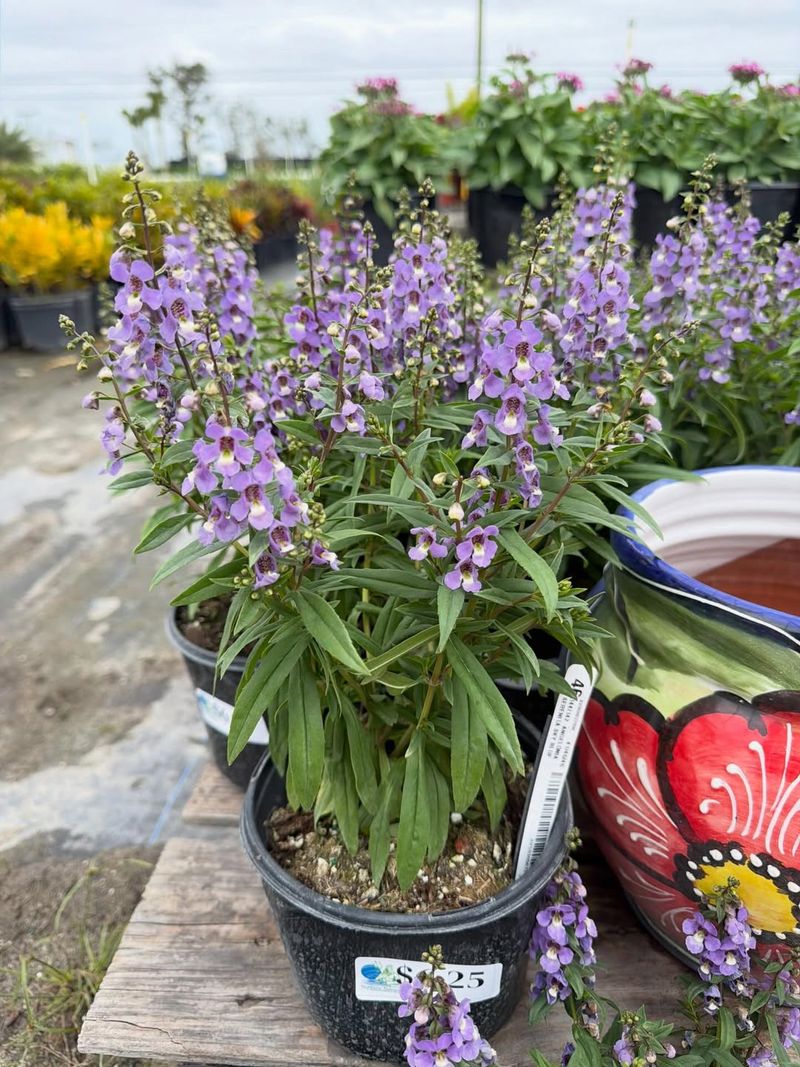
Angelonia gets called the summer snapdragon sometimes, and once you see it blooming in July in Arizona, that nickname makes complete sense.
Slender spikes covered in small, orchid-like flowers keep pushing upward all season, and the plant holds its color even when the heat index is climbing past uncomfortable.
Unlike some heat-lovers, angelonia does best with a bit of consistent moisture. It is not as drought-tolerant as portulaca or lantana, so checking the soil every couple of days matters.
If the top inch of soil feels dry, go ahead and water. In Arizona summers, that usually means watering every two to three days depending on pot size and sun exposure.
Fragrance is a bonus feature most people do not expect. Angelonia leaves and flowers carry a light, grape-like scent that is subtle but pleasant when you brush past the plant.
Purple and lavender are the most popular shades, but white and pink varieties are also widely available at Arizona nurseries. Deadheading is not required since the plant sheds spent blooms on its own, but cutting stems back by about a third in midsummer can trigger a fresh flush of flowers.
Place it in a spot with morning sun and some afternoon shade in the hottest parts of the state for the most consistent blooming.
Use a well draining potting mix so roots stay healthy during frequent watering in extreme heat. With steady moisture and the right light, angelonia keeps blooming long after many other flowers start to fade.
5. Zinnia Keeps Flowering Even As Heat Builds Up
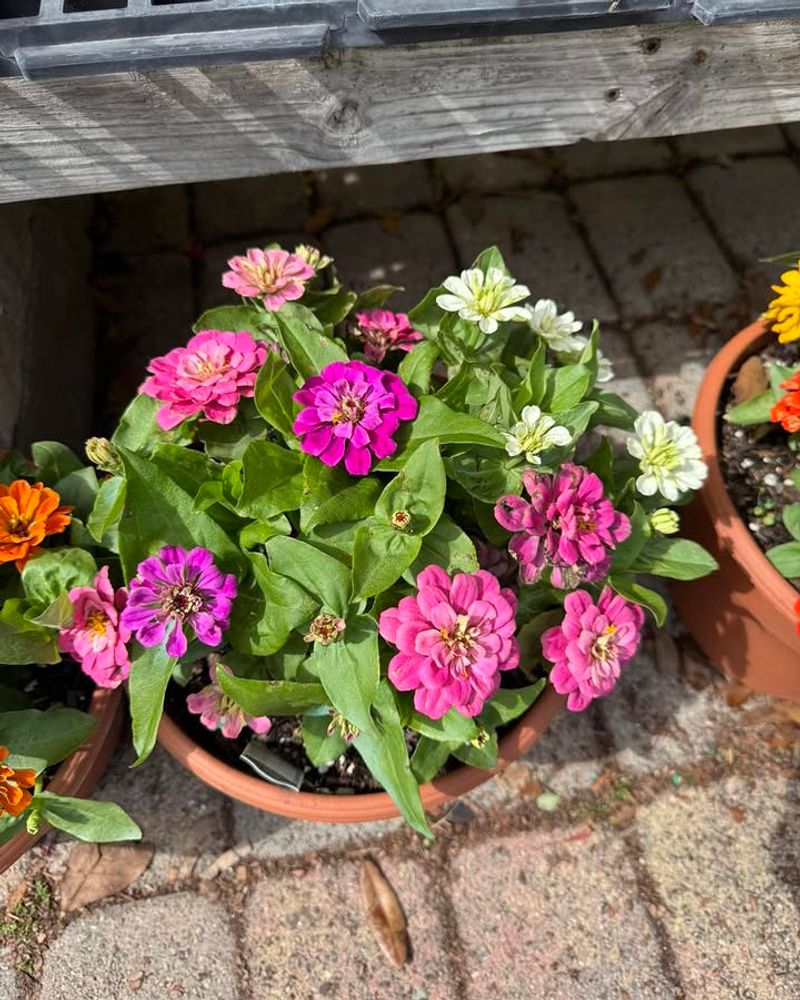
Zinnias are the kind of flower that just keeps going. Plant them in spring, and they will push out bloom after bloom all the way through Arizona’s long, hot summer without slowing down much.
Cut a handful for a vase, and the plant responds by producing even more flowers. It is almost like the more you take, the more it gives.
Heat does not bother zinnias. In fact, they grow faster and bloom more freely as temperatures rise.
Arizona summers are almost ideal for them. The main issue to watch for is powdery mildew, which can appear when plants are crowded or watered overhead.
Space containers apart and water at the base to keep leaves dry.
For containers, look for compact varieties like Zahara or Profusion zinnias. These stay shorter and bushier than traditional garden zinnias, which makes them better suited for pots.
A container at least 10 to 12 inches wide gives roots enough room. Full sun is essential.
Zinnias sitting in shade will stretch out and produce fewer blooms. Deadhead regularly by snipping off faded flowers just above a leaf node, and the plant will branch out and fill in beautifully.
Across Arizona, zinnias are a go-to container choice for good reason.
6. Gomphrena Holds Its Color In The Strongest Sun
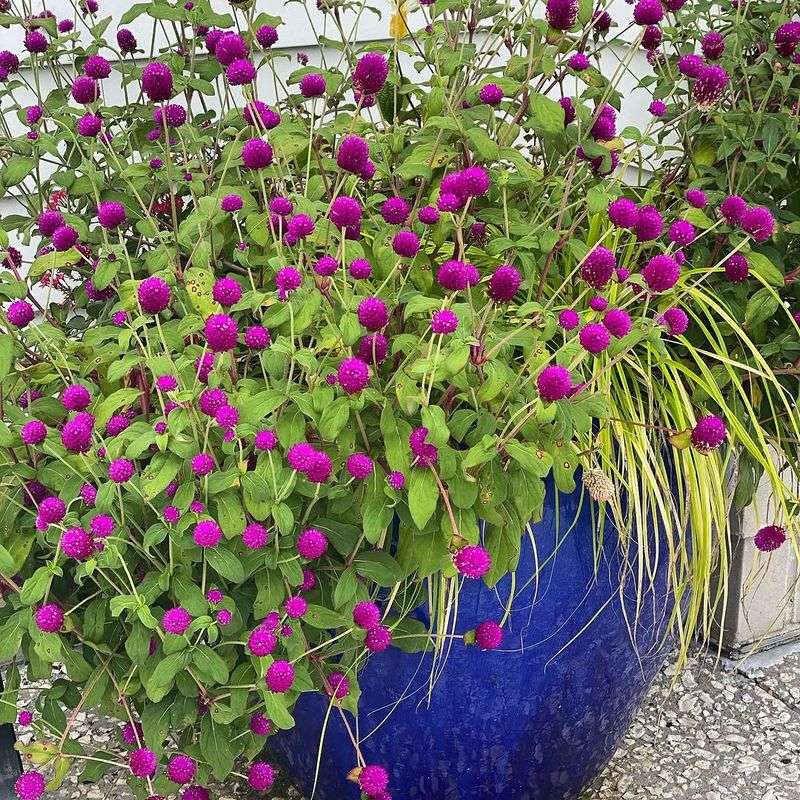
Round, clover-like blooms in shades of magenta, purple, orange, and white make gomphrena one of the most visually interesting container flowers for Arizona. But what really sets it apart is staying power.
Even in the peak of summer when daytime temperatures are brutal, gomphrena keeps its color and structure without looking worn out.
Gomphrena is also called globe amaranth, and it earns that name with its perfectly spherical flower heads. Those blooms hold their color even after cutting and drying, which is a nice bonus for anyone who likes dried flower arrangements.
Fresh or dried, the color stays vivid for a long time.
In Arizona, gomphrena performs best in full sun with well-draining soil. Sandy or loamy potting mixes work well.
Water deeply but let the soil dry out between sessions because soggy roots are the main thing that will set this plant back. Fertilizing once a month with a balanced fertilizer keeps blooms coming strong.
Compact varieties like Qis or Gnome series stay under 12 inches tall and work well in smaller pots or mixed container arrangements.
Gomphrena pairs nicely with lantana or zinnia for a bold, heat-resistant container display that holds color from late spring through early fall in most parts of Arizona.
7. Gaillardia Blooms Nonstop In Hot And Dry Conditions
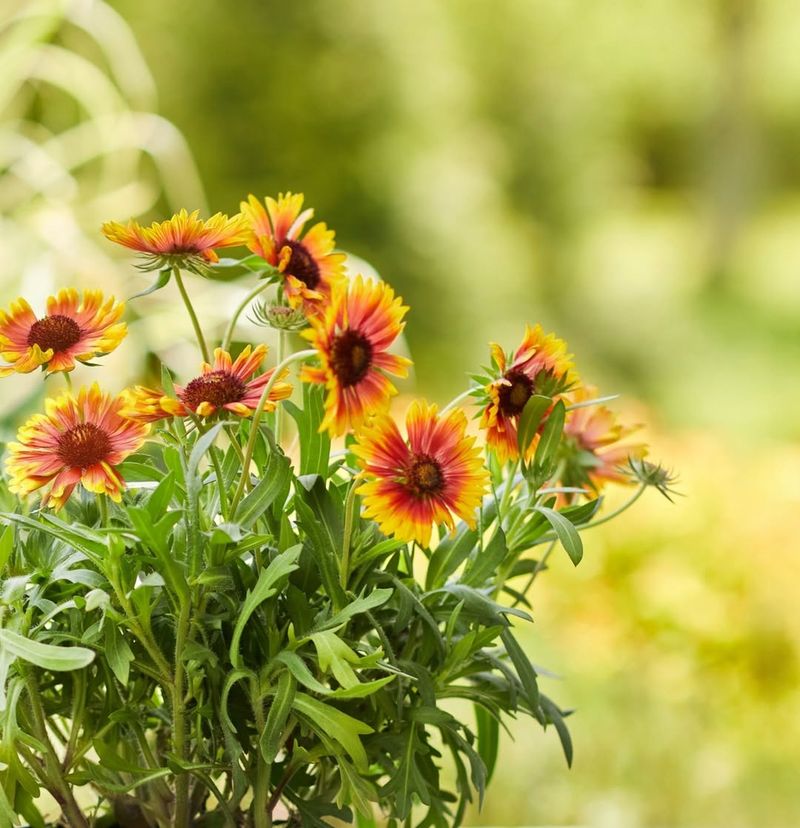
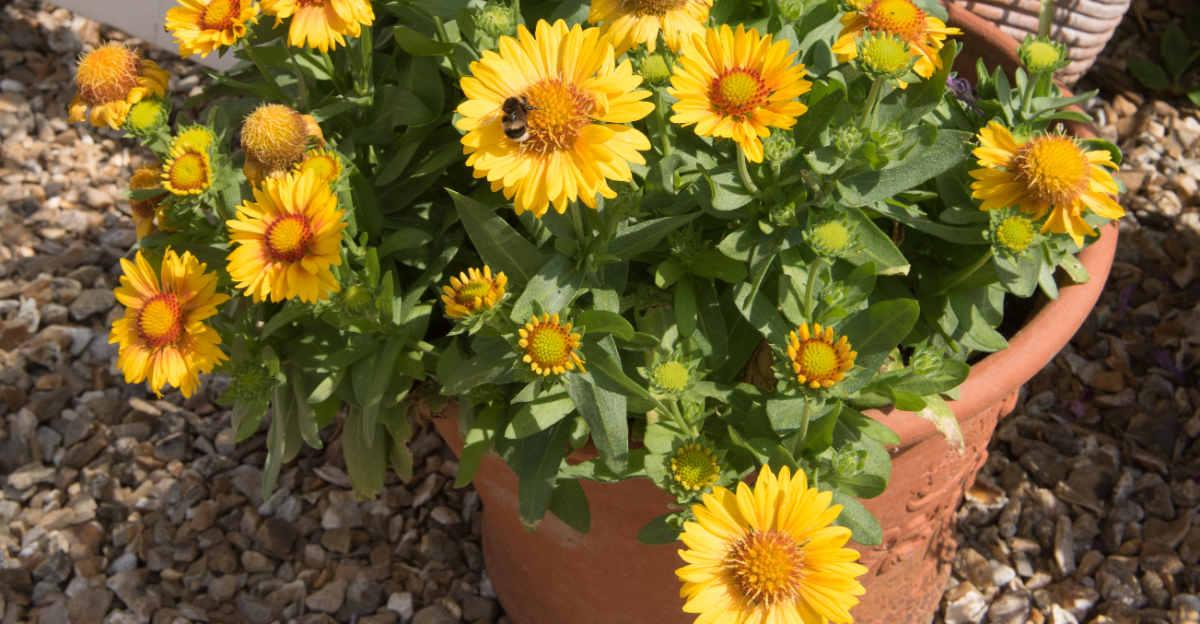
Gaillardia looks like it was painted by someone who could not decide between red, orange, and yellow, so it used all three at once. Also known as blanket flower, it produces bold, daisy-like blooms that practically glow in direct sunlight.
Arizona gardeners love it because it handles dry heat without complaining.
Native to the American Southwest and Great Plains, gaillardia is naturally adapted to tough conditions. Poor soil, intense sun, and low rainfall are not problems for this plant.
In Arizona, those conditions describe summer pretty accurately, which is why gaillardia fits in so well here.
Container growing works well for gaillardia as long as drainage is excellent. Wet feet are its biggest weakness, so avoid pots without drainage holes and skip heavy clay-based mixes.
A gritty, well-draining potting blend is ideal. Water when the top inch of soil is dry, and do not overdo it.
Deadheading spent flowers regularly is key to keeping new blooms coming because gaillardia slows down if it is allowed to go to seed. Most varieties grow 12 to 18 inches tall, making medium-sized containers a good fit.
The Goblin variety is especially popular for pots because it stays compact while still producing an impressive number of flowers throughout Arizona’s long warm season.
Cutting the plant back lightly in midsummer can also help refresh its shape and encourage another round of blooms.
Cutting the plant back lightly in midsummer can also help refresh its shape and encourage another round of blooms. With strong sun and minimal fuss, gaillardia keeps color going when many other plants start to struggle.
8. Verbena Spreads And Keeps Producing Flowers In Heat
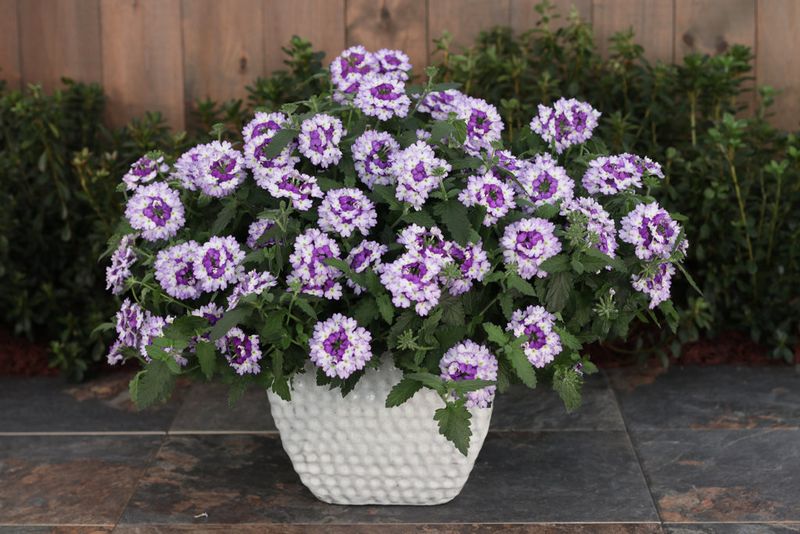
Verbena has a spreading, trailing habit that makes it perfect for containers where you want some color to spill over the edge.
Clusters of small flowers cover the plant almost continuously, and in Arizona’s warm climate, it starts blooming early in spring and often keeps going well into fall with decent care.
Heat tolerance is one of verbena’s strongest qualities. Temperatures in the 100s do not shut it down the way they would with cooler-season flowers.
That said, afternoon shade in the hottest parts of Arizona, particularly in the low desert areas like Phoenix and Yuma, can help verbena maintain more consistent flowering during the peak of summer.
Choosing the right variety matters. Look for heat-tolerant types like Superbena or Lanai series, which have been specifically bred to handle warm conditions better than older standard varieties.
Water verbena when the top inch or two of soil is dry, and fertilize every two to three weeks with a bloom-boosting fertilizer to keep the flowers coming. Trim stems back by about a third if the plant starts looking stretched or sparse.
Verbena is also relatively resistant to aphids and spider mites compared to many other flowering plants, which simplifies care considerably. Across Arizona, it is a reliable and colorful container option all season long.