Power Up Your Hydrangea Before Spring Arrives In Pennsylvania
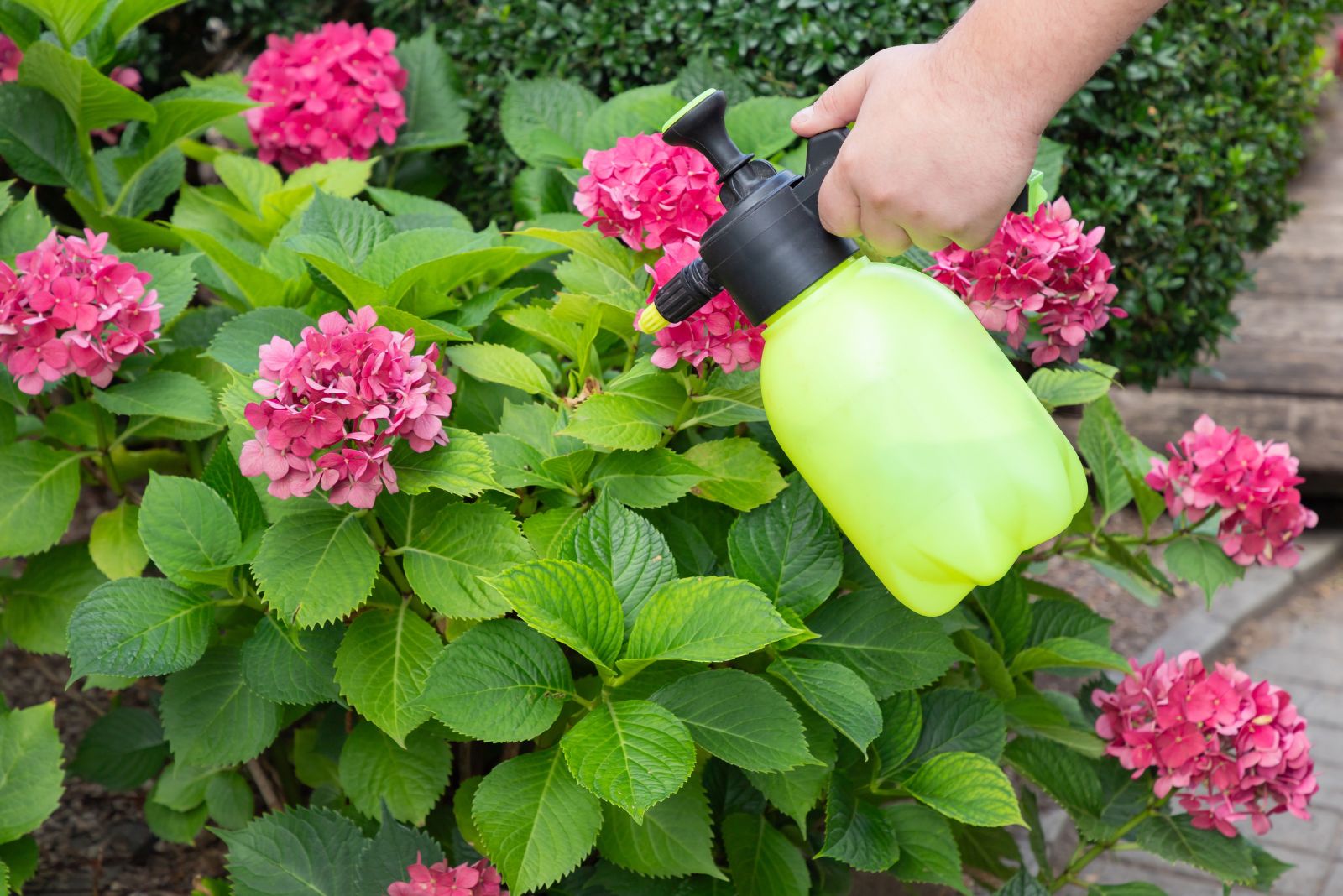
Hydrangeas have a way of stealing the spotlight once they start blooming, but in Pennsylvania, that big summer show really begins long before the flowers appear.
By the time spring rolls in, these shrubs are already counting on the care they got earlier to decide how strong, full, and colorful they will be.
That is why the weeks before the season changes are such a smart time to give them a little extra attention. A small boost now can set the stage for healthier growth and a much better display later.
It is easy to assume hydrangeas can handle everything on their own after winter, but they usually do better when they get a head start.
The right prep can help wake them up gently, support fresh growth, and give them a better shot at producing those big, beautiful blooms people wait all year to see.
If your goal is a hydrangea that looks lush instead of sluggish, this is where things start to matter. A few simple moves before spring arrives can make a noticeable difference once the growing season gets going.
Know Your Hydrangea Type Before You Start
Not all hydrangeas are the same, and that matters more than most gardeners realize. Before you grab your pruning shears or reach for a bag of fertilizer, take a moment to figure out exactly which type of hydrangea you have growing in your yard.
Getting this wrong can cost you an entire season of blooms.
There are four main types you will likely find in Pennsylvania gardens. Bigleaf hydrangeas (Hydrangea macrophylla) are the classic mophead or lacecap varieties with big, colorful blooms.
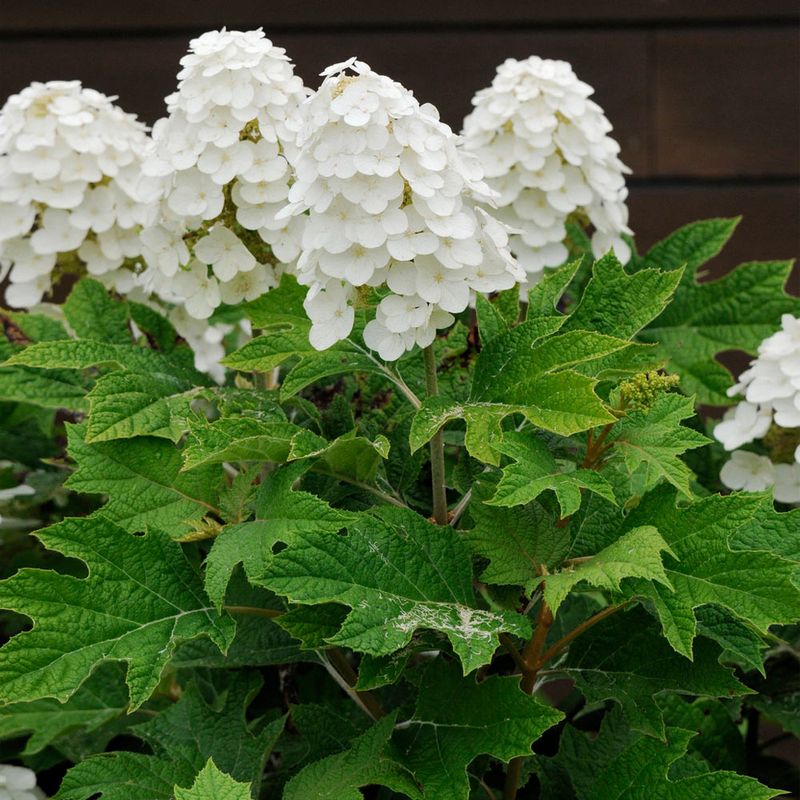
Oakleaf hydrangeas (Hydrangea quercifolia) have distinctive lobed leaves and cone-shaped flowers. Panicle hydrangeas (Hydrangea paniculata) are tough, cone-blooming plants that handle cold well.
Smooth hydrangeas (Hydrangea arborescens), like the popular Annabelle variety, are also very cold-hardy and common across Pennsylvania. Why does this matter so much? Because each type blooms differently.
Bigleaf and oakleaf hydrangeas bloom on old wood, meaning they grow their flower buds the year before. Panicle and smooth hydrangeas bloom on new wood, meaning they produce buds on fresh growth each spring.
If you treat them all the same, you could accidentally remove next summer’s flowers before they ever get a chance to open.
A quick trick to identify your plant is to look at the leaf shape and flower structure. You can also check a plant tag if you saved it, or take a photo and use a plant identification app.
Spending five minutes on this step can save you months of frustration and disappointment when bloom season arrives in Pennsylvania.
Clean Up And Prepare The Plant For New Growth
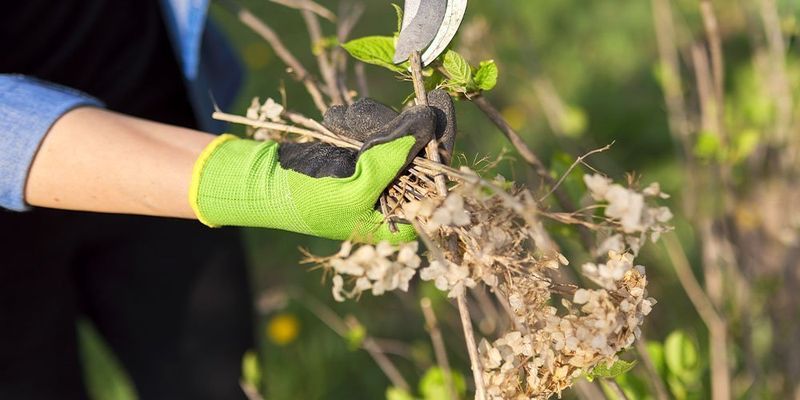
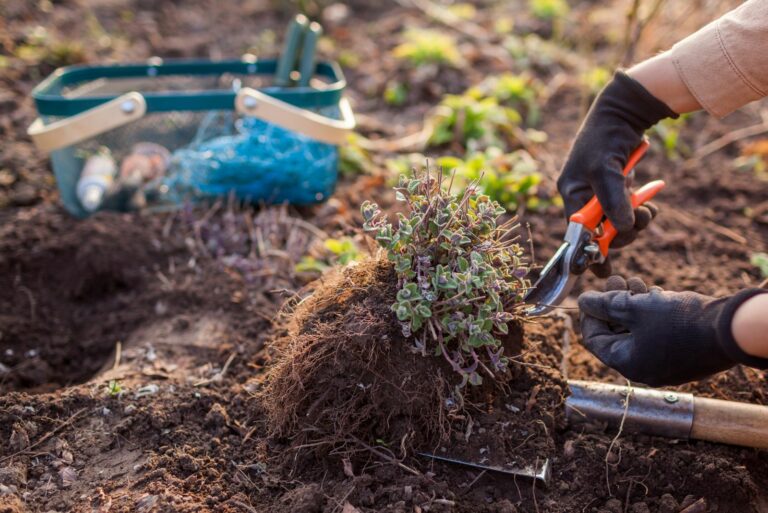
Early spring is the perfect time to give your hydrangeas a good, thorough cleaning. Over the winter months, dead stems, old dried flower heads, and fallen leaves tend to pile up around the base of the plant.
Leaving that mess in place can actually cause problems once the warmer weather arrives in Pennsylvania.
Start by clearing away any leaves, twigs, or other debris that has collected around the base of the shrub. Old plant material sitting on the ground can harbor fungal spores and pests that will jump right onto your plant when conditions warm up.
Getting rid of that debris now is one of the easiest ways to prevent disease before it even starts.
Next, take a close look at the stems. You will likely notice some that are completely brown, brittle, or hollow.
These are dead and will not produce any growth this season. Snap one gently with your fingers.
If it is flexible and green inside, it is alive. If it snaps cleanly and looks dry all the way through, you can remove it safely without worrying about hurting the plant.
Removing dead material also improves airflow through the center of the shrub. Better airflow means less moisture buildup, which reduces the risk of powdery mildew and other fungal issues that are common in Pennsylvania’s humid spring weather.
Think of this step like giving your hydrangea a fresh start. A clean, well-aired plant is a healthy plant, and a healthy plant is far more likely to reward you with a full season of gorgeous blooms.
Prune Carefully (But Only If Your Type Needs It)
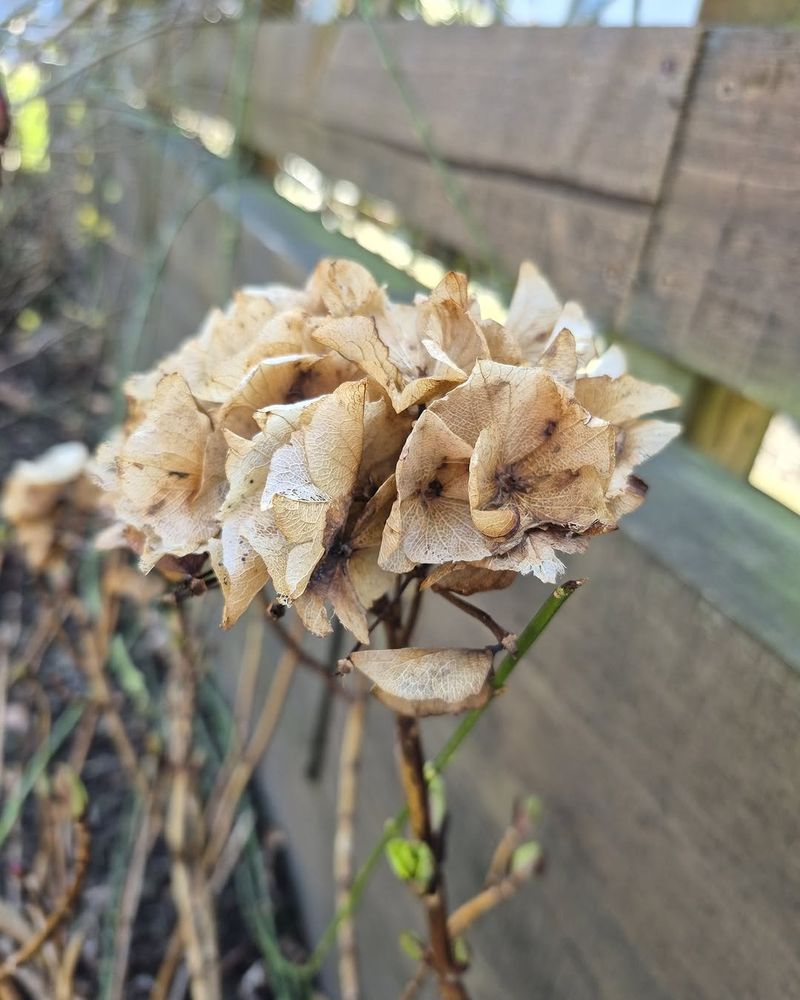
Pruning hydrangeas is one of those topics that confuses a lot of gardeners, and honestly, it is easy to see why.
The rules are different depending on which variety you have, and making the wrong cut at the wrong time can leave you with a plant full of leaves but zero flowers come summer. The good news is that once you understand the basics, it is not complicated at all.
Panicle and smooth hydrangeas are your green-light varieties for early spring pruning right here in Pennsylvania. Since they bloom on new wood, cutting them back before new growth begins actually encourages the plant to push out stronger, more vigorous stems.
This leads to bigger, more impressive flower clusters. You can cut smooth hydrangeas back by about one-third to one-half without any worry.
Panicle hydrangeas benefit from a similar light-to-moderate cutback to keep their shape tidy and their blooms large.
Bigleaf and oakleaf hydrangeas are a completely different story. These two types bloom on old wood, which means the flower buds you are hoping to enjoy this summer are already sitting on last year’s stems right now.
If you prune them in early spring, you are literally cutting off your blooms. The only pruning these types need in spring is the removal of clearly dead or damaged wood, nothing more.
Always use clean, sharp pruning shears when you cut. Dull or dirty blades can crush stems and spread disease from plant to plant.
A quick wipe with rubbing alcohol between cuts is a smart habit to build, especially in a yard with multiple shrubs growing close together.
Feed With The Right Fertilizer For Strong Blooms
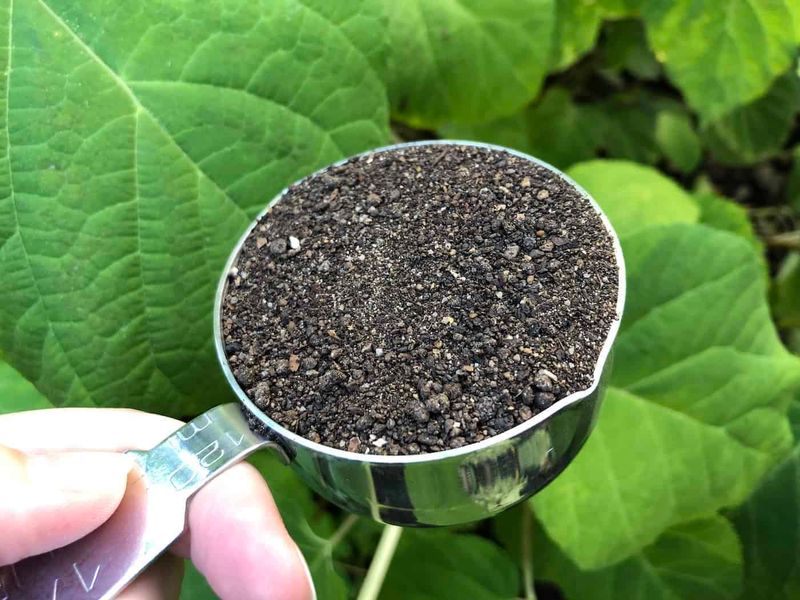
Feeding your hydrangeas at the right time with the right product is like giving them a power boost right when they need it most.
Early spring in Pennsylvania is the ideal window to start fertilizing, because the soil is beginning to warm up and the plant is just starting to wake up from its winter rest. Timing really does make a difference here.
A balanced, slow-release fertilizer with an NPK ratio of 10-10-10 or something similar like 12-4-8 is a solid choice for hydrangeas. Slow-release formulas feed the plant gradually over several weeks, which is much better than a single heavy dose.
Quick-release fertilizers can actually stress the plant if applied too heavily, so sticking with slow-release is the safer, smarter move for most home gardeners in Pennsylvania.
One of the most common mistakes people make is using too much nitrogen. Nitrogen is the first number in that NPK ratio, and while it promotes green leafy growth, too much of it can actually work against you.
Your plant will put all its energy into producing leaves rather than flowers, which is the opposite of what you want. A balanced ratio keeps things even and encourages both healthy foliage and abundant blooms.
Sprinkle the fertilizer around the drip line of the plant, which is the outer edge of the branches, rather than right up against the stem. Water it in well after applying.
Avoid fertilizing in late summer or fall in Pennsylvania, because new growth stimulated at that time will not have enough time to harden off before cold weather returns.
Improve Soil For Better Flower Production
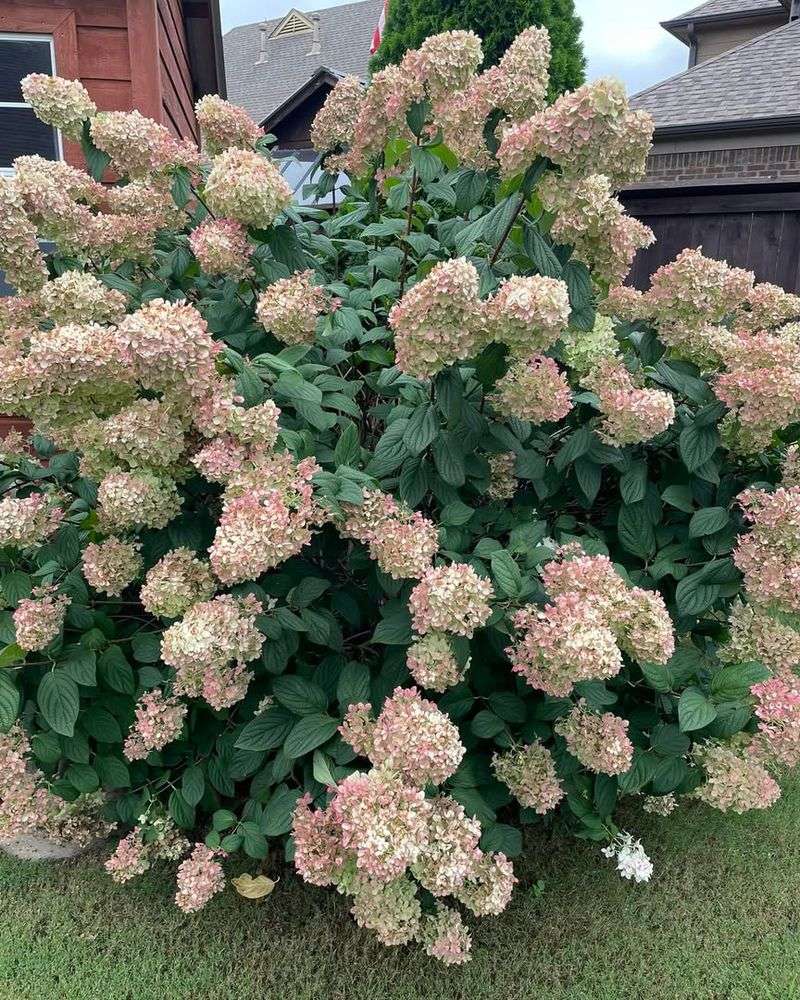
Healthy soil is the foundation of a thriving hydrangea, and spring is a great time to give yours a little boost. Hydrangeas are not super picky plants, but they do have preferences.
They grow best in rich, well-draining soil that holds moisture without becoming waterlogged. If your soil feels hard and compacted or drains too fast after rain, it is worth taking some time to improve it before the season gets going.
Adding compost is one of the easiest and most affordable ways to upgrade your soil. Work a few inches of finished compost into the top layer of soil around your hydrangeas each spring.
Compost adds organic matter, improves drainage in heavy clay soils, and helps sandy soils hold onto water and nutrients longer. It also feeds the beneficial microorganisms that keep soil healthy and alive.
Pennsylvania gardeners dealing with heavy clay or poor rocky soil will see some of the biggest improvements from this simple step.
Soil pH is another factor worth paying attention to, especially if you are growing bigleaf hydrangeas. This is the one variety where soil pH can actually change flower color.
Acidic soil with a pH below 6 tends to produce blue flowers, while more alkaline soil above 7 tends to push blooms toward pink. You can test your soil with an inexpensive kit from any garden center. To lower pH, add sulfur or aluminum sulfate. To raise it, add garden lime.
Keep in mind that pH adjustments take time to show results, so do not expect overnight changes. Consistent amendments over one or two growing seasons will make a noticeable difference in your blooms.
Mulch And Water To Lock In Moisture Early
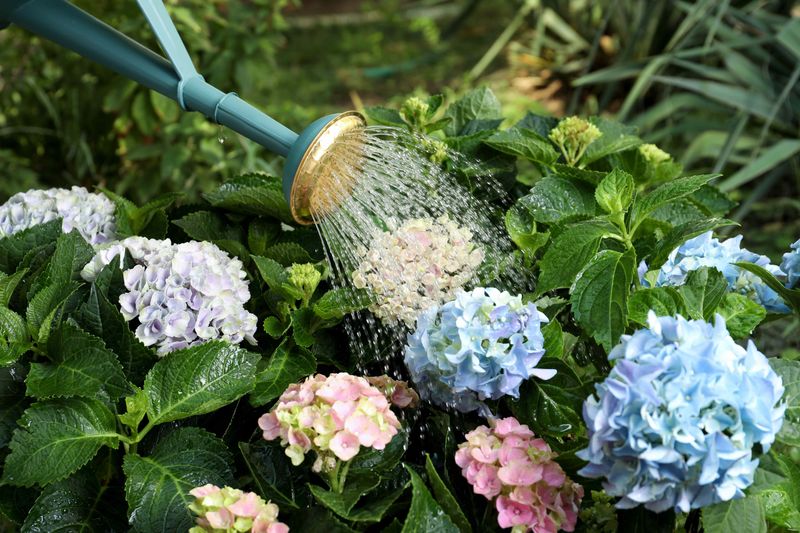
Mulching might be the most underrated step in the whole spring prep routine, but it does an impressive amount of work for your hydrangeas. A good layer of mulch around the base of your plants acts like a blanket for the soil.
It keeps moisture from evaporating too quickly, helps regulate soil temperature, and even protects the roots if a late cold snap sneaks into Pennsylvania after things have already started warming up.
After the ground thaws in early spring, spread a 2 to 3 inch layer of organic mulch around the base of each plant. Shredded bark, wood chips, or shredded leaves all work well.
Make sure to leave a small gap of a few inches between the mulch and the base of the stem. Piling mulch directly against the stem traps moisture and can lead to rot, which is the last thing you want after putting in all this work to get your hydrangeas ready for a strong season.
Watering is equally important as the plant begins waking up. Hydrangeas are thirsty plants and they need consistent moisture to perform at their best.
In early spring, aim to water deeply at the base of the plant rather than sprinkling lightly from above. Deep watering encourages roots to grow downward, making the plant more drought-tolerant later in the season.
About one inch of water per week is a good general target, adjusting based on how much rain Pennsylvania receives that week.
Together, mulching and deep watering create a stable, moist root environment that gives your hydrangeas the best possible launch into the growing season.