Power Up Your Peonies Before Spring Arrives In Pennsylvania
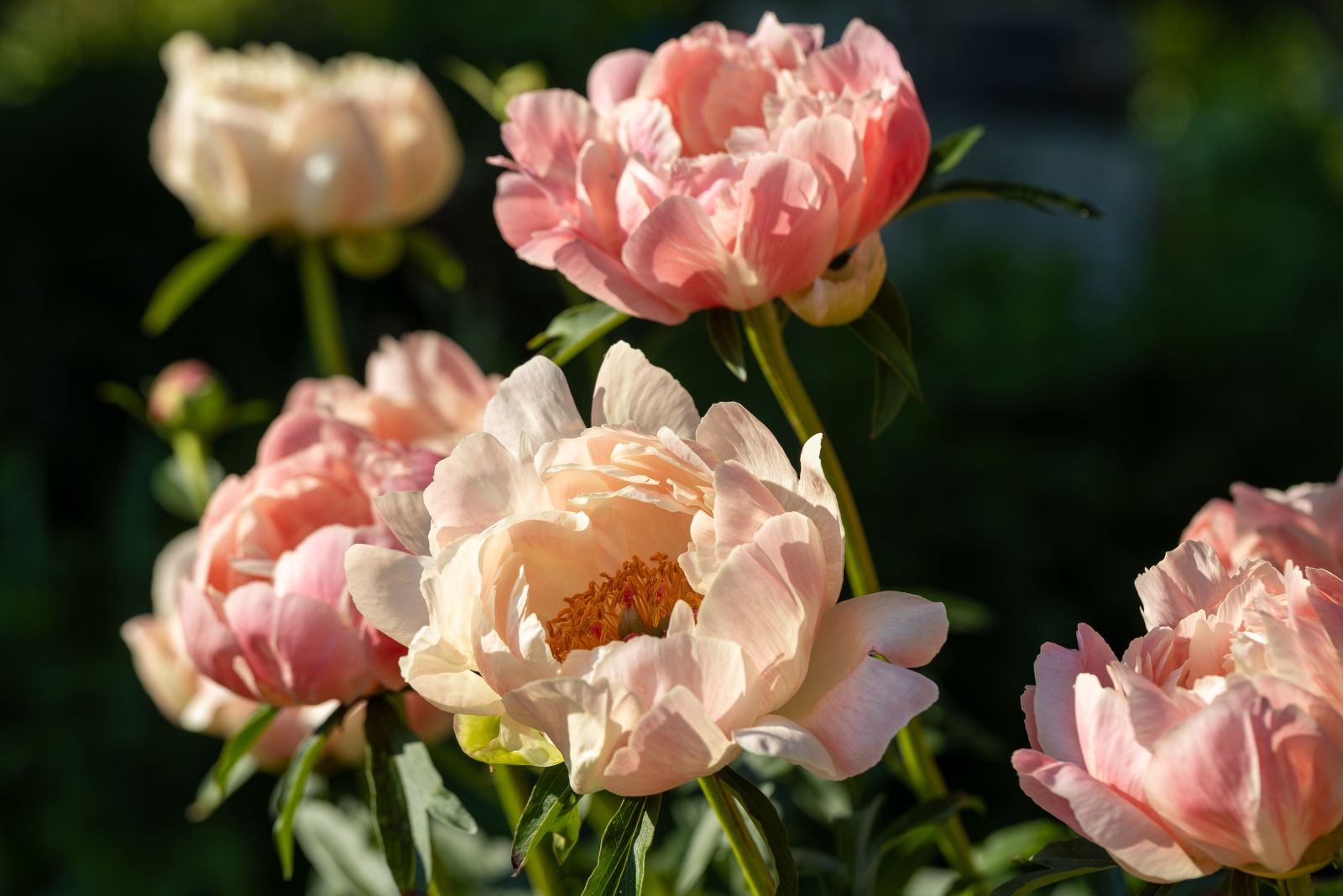
Peonies are a standout in any garden, with their large, colorful blooms and sweet fragrance. But if you want your peonies to really shine when spring arrives in Pennsylvania, a little prep before the season kicks in can make a world of difference.
As the cold weather starts to fade, it’s the perfect time to give your peonies the boost they need to thrive and produce those show-stopping flowers.
Powering up your peonies isn’t about doing something dramatic, it’s about small steps that make a big impact. From proper pruning to ensuring they have the right nutrients and soil, taking care of these details now will help them bounce back strong.
Whether you’re dealing with established peonies or planting new ones, giving them the right care in early spring will set the stage for a vibrant, healthy garden. With the right attention, your peonies will be ready to steal the show once the warm weather hits!
1. Use A Balanced Fertilizer In Early Spring
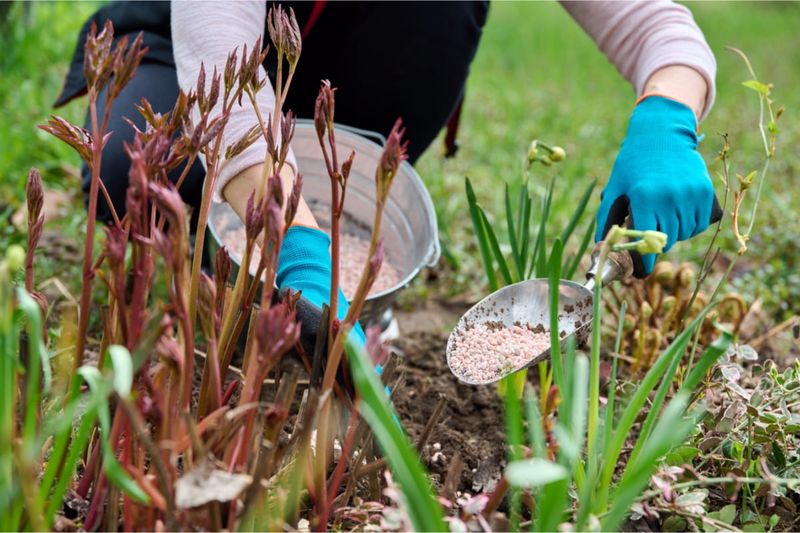
Early spring in Pennsylvania is the perfect time to start thinking about what your peonies need to grow strong and bloom beautifully. As soon as the soil begins to thaw and you spot those first red shoots poking through the ground, it is time to reach for a balanced fertilizer.
A 10-10-10 formula is one of the most recommended choices for peonies at this stage. The three numbers on a fertilizer bag represent nitrogen, phosphorus, and potassium. Each one plays a specific role.
Nitrogen supports healthy green foliage, phosphorus encourages strong root development, and potassium helps the plant stay resilient through weather changes.
Applying a balanced fertilizer at this stage gives your peonies an even boost across all three areas. Sprinkle the granules in a circle around the base of the plant, staying a few inches away from the stems. Then water the area well so the nutrients soak into the soil.
Timing really does matter here. Fertilizing too early, before the ground has started to wake up, means the nutrients may wash away before the roots can absorb them. Fertilizing too late can push leafy growth instead of flower production.
In Pennsylvania, early spring usually falls somewhere between late March and mid-April, depending on your region. Watch the weather and the soil.
When the ground feels soft and workable and those little red buds start appearing, that is your signal to get started. A well-timed application of balanced fertilizer sets a strong foundation for the entire growing season ahead.
2. Avoid High-Nitrogen Fertilizers
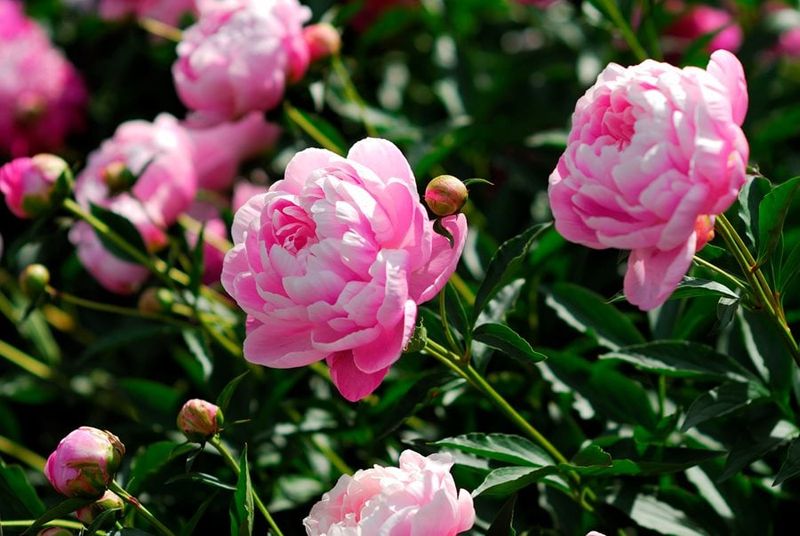
Not all fertilizers are created equal, and choosing the wrong one can actually work against your peonies. High-nitrogen fertilizers, like a 30-10-10 blend, are great for lawns and leafy vegetables.
But for peonies, too much nitrogen sends the plant the wrong message entirely. When a peony gets flooded with nitrogen, it puts all its energy into growing big, lush leaves. That might sound nice, but it comes at a real cost.
The plant ends up producing far fewer flowers, or sometimes none at all. For a plant that people grow specifically for its stunning blooms, that is a major disappointment.
Instead, look for a fertilizer with a low first number, which represents nitrogen. Something like a 5-10-10 or a 4-12-12 blend works much better for peonies.
These ratios push the plant to focus on root strength and flower development rather than foliage.
Pennsylvania gardeners should pay close attention to product labels before buying. Garden centers carry a wide range of fertilizers, and it is easy to grab the wrong one.
Take a moment to read the numbers and choose a formula that matches what peonies actually need.
A good rule of thumb is to think about what you want the plant to produce. If you want flowers, feed the roots and the blooms. If you want leaves, feed the nitrogen. For peonies, the answer is always flowers first.
Skipping high-nitrogen options is one of the easiest ways to protect your blooms and keep your Pennsylvania garden looking its absolute best come late spring.
3. Incorporate Organic Matter Into The Soil
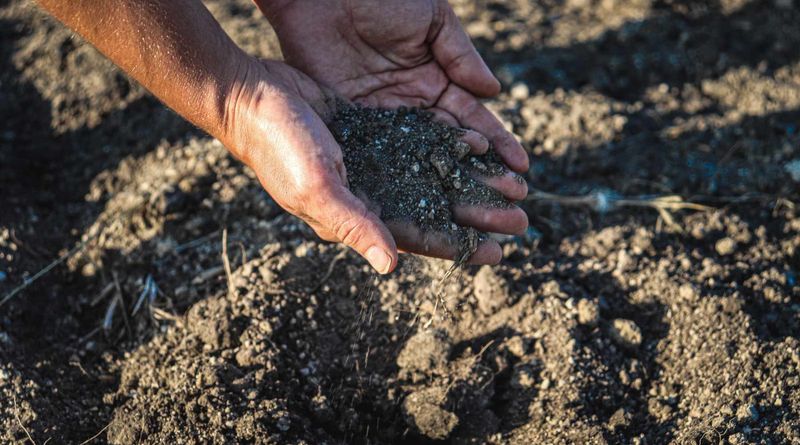
Healthy soil is the secret behind every thriving peony garden, and in Pennsylvania, soil quality can vary a lot from one yard to the next. Before you even think about adding fertilizer, it pays to work some organic matter into the ground.
Compost and well-rotted manure are two of the best options available. Organic matter does several important things at once. It loosens compacted soil so roots can spread more easily.
It also helps the soil hold onto moisture longer, which is especially helpful during dry spring spells. On top of that, it slowly releases nutrients into the soil over time, giving your peonies a steady supply of what they need.
Working compost into the top few inches of soil around your peonies each spring is a simple habit that pays off in a big way. You do not need a huge amount. A two-to-three inch layer worked gently into the soil around each plant is plenty.
Well-rotted manure is another excellent choice. Chicken, cow, or horse manure that has been aged properly is rich in nutrients and very gentle on plant roots.
Fresh manure, on the other hand, can be too strong and may actually harm your plants, so always make sure it is fully composted before use.
Pennsylvania has a good number of local farms and garden centers that sell bagged compost and aged manure.
Supporting local suppliers while improving your garden soil is a win on both fronts. Building rich, healthy soil each season means your peonies get stronger every single year.
4. Fertilize After Cutting Back Dry Foliage
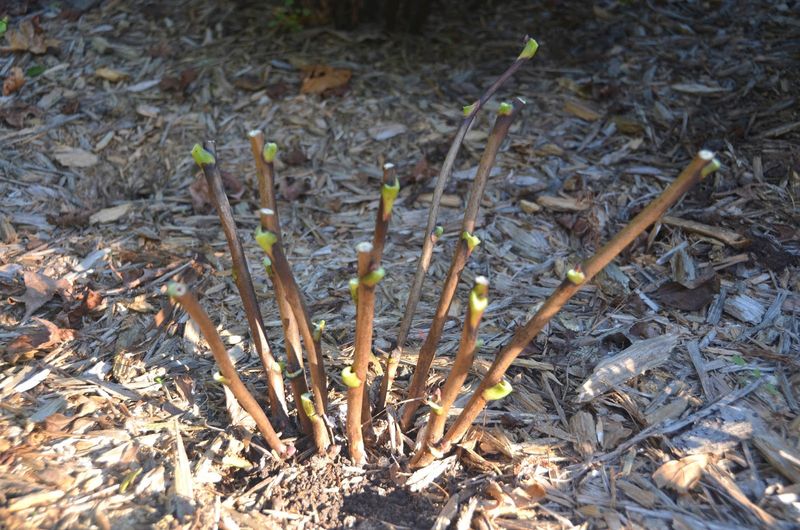
Before any fertilizer hits the ground, there is one important step that often gets skipped: clearing away the old, dry foliage from last season.
Peonies hold onto their dried stems and leaves through the winter, and that leftover material can actually block nutrients from reaching the roots effectively.
Trimming back dry foliage is not just about making the garden look tidy. It also removes any spots where fungal diseases or pests might be hiding.
Botrytis blight, a common issue for peonies, loves to overwinter in old plant debris. Removing that material before spring growth begins gives your plants a much cleaner, healthier start.
Cut the old stems down to about an inch above the ground using clean, sharp garden shears.
Dispose of the clippings in the trash rather than your compost bin, just in case any disease spores are present. Then, once the area around the plant is cleared, you are ready to fertilize.
With the debris gone, fertilizer granules can settle directly into the soil and reach the root zone much more efficiently. Nothing is blocking the way, and rain or watering can carry the nutrients straight down to where the plant needs them most.
Pennsylvania gardeners often tackle this cleanup task in late March or early April. The timing lines up nicely with when the soil starts to soften and those first little red buds begin to emerge.
Making this a regular part of your spring routine will help your peonies come back stronger and more vibrant with each new growing season.
5. Mulch After Fertilizing For Best Results
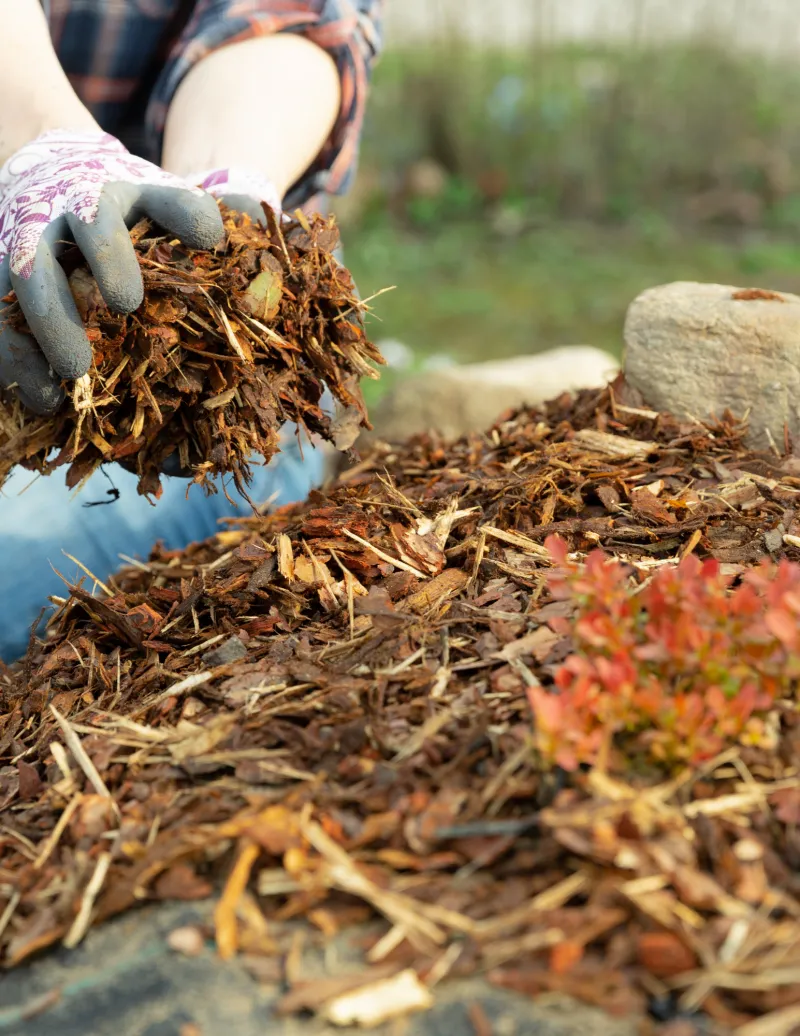
Right after fertilizing, one of the smartest things you can do for your peonies is add a layer of mulch around the base of each plant.
Mulch acts like a protective blanket for the soil, and it offers several benefits that make a real difference in how well your peonies grow throughout the spring season.
Wood chips and straw are two of the most popular mulching materials for peony beds. Both are easy to find at garden centers across Pennsylvania and work wonderfully at holding moisture in the soil.
When spring weather swings between warm days and chilly nights, mulch helps keep soil temperature more stable, which is less stressful for the roots.
Apply about two to three inches of mulch in a ring around each plant. Keep the mulch a few inches away from the base of the stems.
Piling it right up against the plant can trap moisture against the crown and encourage rot, which is the last thing you want after all your hard work. Mulch also acts as a natural weed barrier. Weeds are sneaky competitors.
They pull water and nutrients right out of the soil before your peonies ever get a chance to use them. A solid layer of mulch smothers weed seeds and keeps that competition to a minimum.
As the mulch breaks down over time, it also adds a little organic matter back into the soil. That slow decomposition is a quiet bonus that keeps improving your soil structure season after season.
For Pennsylvania gardeners, mulching after fertilizing is one of the easiest high-impact habits you can build into your spring routine.
6. Fertilize Again After Blooming Ends
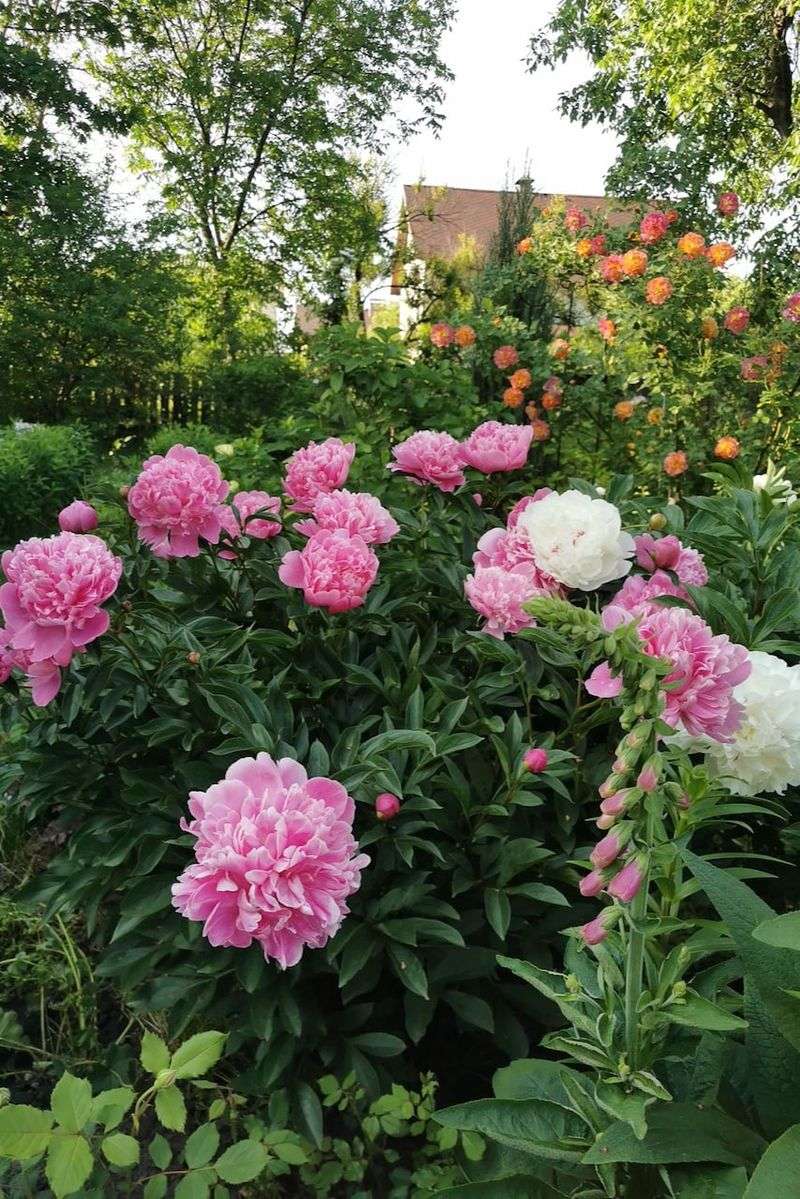
Most gardeners fertilize at the start of spring and then consider the job done. But peonies actually benefit from a second feeding after their blooms have faded.
This post-bloom application is a small step that can make a surprisingly big difference in how your plants perform the following year.
Once the flowers finish, the plant shifts its focus from blooming to storing energy. Roots work hard during this period, building up reserves that will fuel next spring’s growth and flower production.
Giving the plant a light dose of low-nitrogen fertilizer at this point supports that underground work in a meaningful way.
A 5-10-10 or similar formula works well for this second application. The lower nitrogen content keeps the plant from pushing out unnecessary new leaf growth so late in the season.
Instead, the phosphorus and potassium encourage root health and energy storage, which is exactly what peonies need heading into summer.
In Pennsylvania, peonies typically finish blooming sometime in late May or early June. That makes early June a good target window for the post-bloom feeding.
Apply the fertilizer lightly, water it in well, and let the plant do the rest of the work on its own.
Think of this second application as an investment in next year’s blooms. Every big, gorgeous flower you enjoy next spring will be partly the result of the care you put in after this year’s blooms fade.
It is a small effort with a long-term payoff. Pennsylvania peony growers who make this a habit tend to notice fuller, more consistent blooms year after year.