10 Powerful Plants That Naturally Boost Soil Nitrogen In Vegetable Gardens Across Michigan
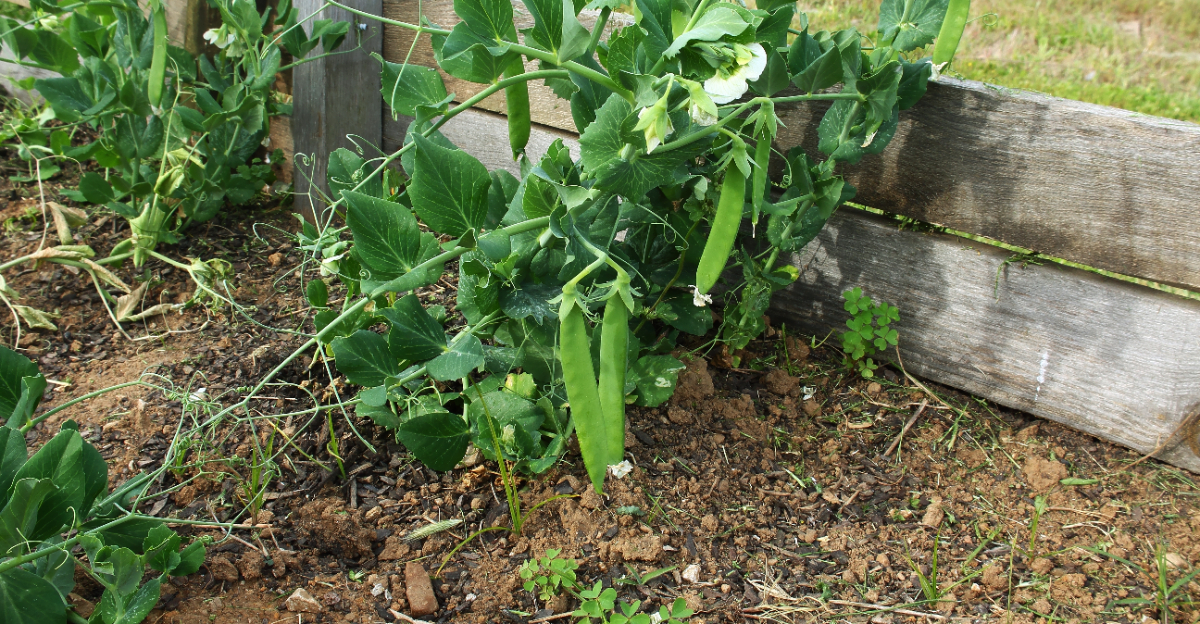
Michigan gardeners know that healthy soil grows healthy vegetables, but buying fertilizer year after year gets expensive and puts chemicals into your garden.
Nature offers a better way through nitrogen fixing plants that work with soil bacteria to pull nitrogen straight from the air and store it in the ground.
These amazing plants partner with tiny organisms to create free fertilizer that feeds your tomatoes, peppers, and other crops without a single trip to the store.
Learning which nitrogen boosters thrive in Michigan’s climate helps you build richer soil naturally while saving money and growing more food.
1. White Clover Naturally Enriches Garden Soil With Nitrogen
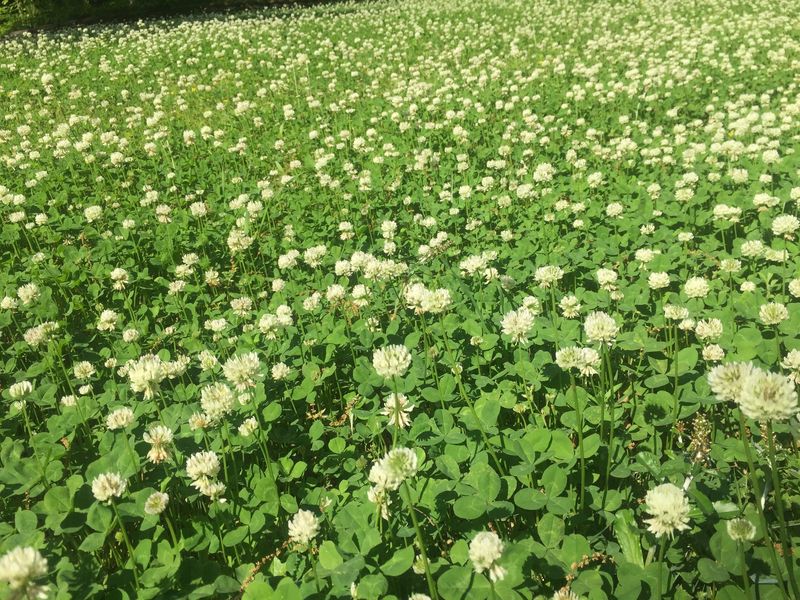
White clover transforms ordinary garden beds into nitrogen factories through an incredible partnership with soil bacteria. This low growing perennial spreads easily across bare ground and creates a living carpet that feeds your vegetables.
Rhizobia bacteria colonize the roots and form small pink nodules where they convert atmospheric nitrogen into plant available forms.
Michigan gardeners appreciate white clover because it tolerates cold winters and comes back reliably each spring. The plant grows just three to six inches tall and never shades out your vegetables.
You can plant it between rows or let it fill empty spaces where weeds would otherwise take over.
Each square foot of established white clover can fix roughly two pounds of nitrogen per year. That nitrogen stays locked in root nodules until you cut the plants back or turn them under.
Your vegetables then absorb the released nutrients without any chemical fertilizers entering your garden.
White clover also attracts beneficial insects and improves soil structure as roots grow and decompose. Seeds germinate quickly in spring or fall when soil temperatures reach fifty degrees.
The plants need little care once established and tolerate foot traffic better than most ground covers, making them perfect for pathways between raised beds or around garden edges.
2. Red Clover Builds Soil Fertility Over Time
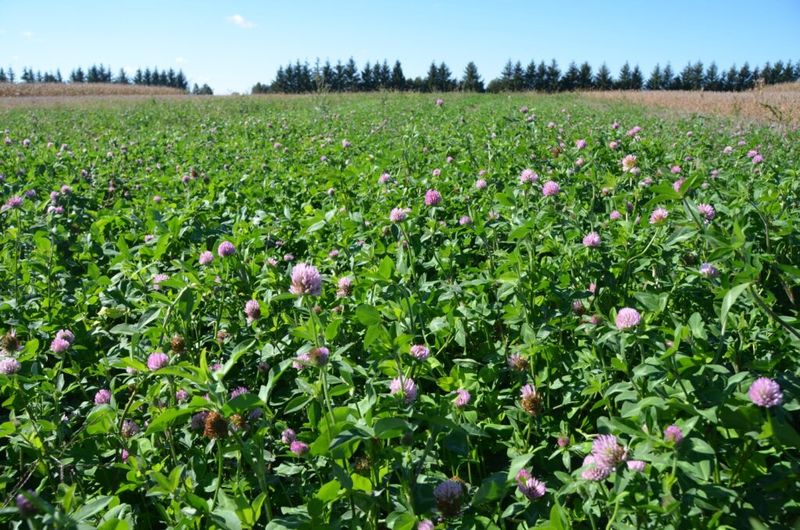
Red clover stands taller than its white cousin and produces beautiful pink flowers that gardeners and pollinators both love. This biennial or short lived perennial reaches twelve to twenty inches high and develops deep taproots that break up compacted soil.
The extensive root system pulls nutrients from lower soil layers while fixing nitrogen near the surface.
Michigan’s climate suits red clover perfectly since it handles both summer heat and winter cold without complaint. Farmers have grown it for generations as a forage crop, but vegetable gardeners now recognize its value as a soil builder.
The plant produces abundant biomass that adds organic matter when you cut it down and work it into garden beds.
Root nodules on red clover can fix between one hundred and two hundred pounds of nitrogen per acre annually. That translates to roughly five pounds per thousand square feet in a typical home garden.
The nitrogen becomes available gradually as roots decompose, providing steady nutrition throughout the growing season.
Seeds establish easily when broadcast over prepared soil in early spring or late summer. Red clover tolerates partial shade and grows well between fruit trees or along garden borders.
The flowers bloom for several weeks and attract honeybees while the foliage smothers competing weeds naturally.
3. Hairy Vetch Adds Significant Nitrogen To Garden Beds
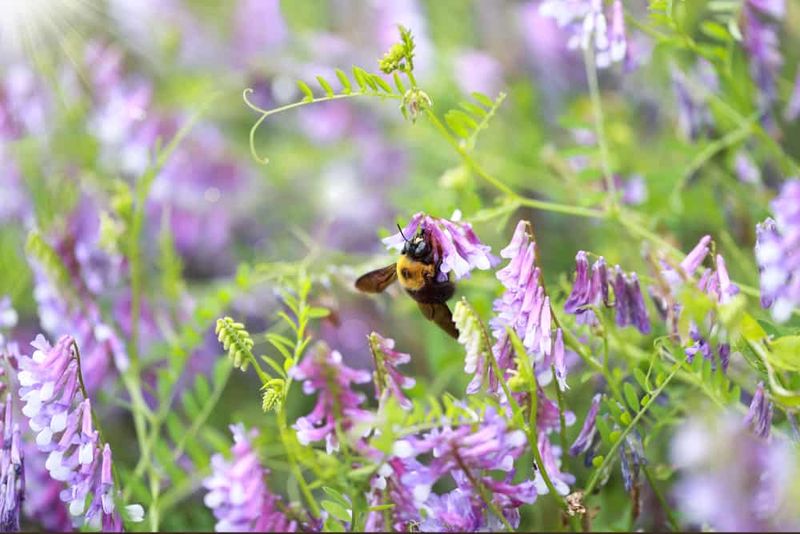
Hairy vetch earns its name from the fuzzy stems and leaves that give this climbing plant a soft texture. Unlike many nitrogen fixers, it grows vigorously in cool weather and survives Michigan winters when planted in fall.
The vining stems can reach six feet long and produce stunning purple blue flowers in spring before you plant warm season vegetables.
This annual legume fixes more nitrogen than almost any other cover crop available to home gardeners. Research shows hairy vetch can add between one hundred fifty and two hundred pounds of nitrogen per acre.
That exceptional performance makes it ideal for rebuilding tired soil or preparing new garden areas.
Fall planting works best in Michigan since seeds need cool temperatures to germinate properly. Scatter seeds over empty beds in September and they’ll establish roots before winter arrives.
The plants go dormant during the coldest months but resume growth in March when temperatures rise above freezing.
Come spring, the lush growth smothers early weeds while continuing to fix nitrogen until you’re ready to plant. Cut the vines at ground level and let them wilt for a few days before working them into the soil.
The decomposing biomass releases nitrogen quickly while improving soil texture with added organic matter that helps retain moisture throughout summer.
4. Field Peas Improve Soil Nitrogen Naturally
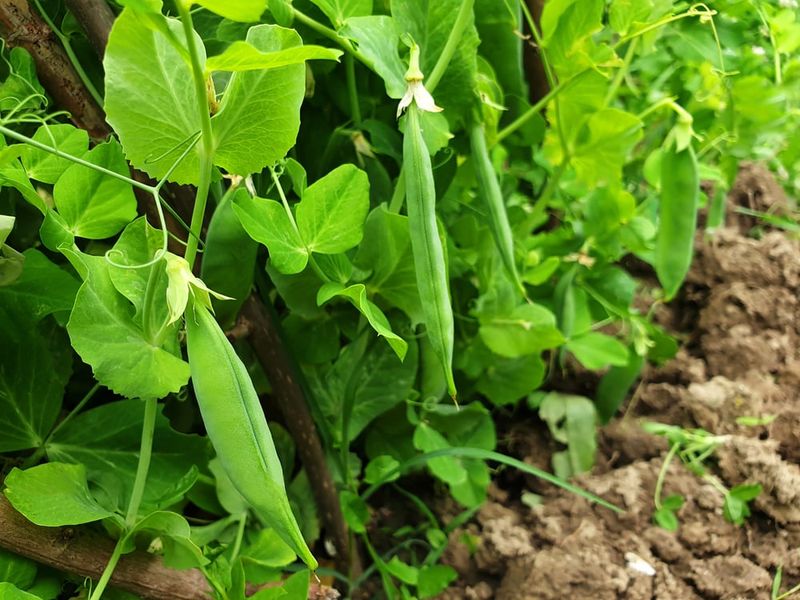
Field peas look similar to garden peas but gardeners grow them specifically for soil improvement rather than eating. These vigorous annual plants climb two to four feet high and produce abundant foliage that shades out weeds.
Root nodules form quickly after germination and begin fixing atmospheric nitrogen within weeks of planting.
Michigan gardeners can plant field peas in early spring as soon as soil can be worked. The seeds tolerate cold soil better than beans and germinate when temperatures reach just forty degrees.
That early start means plants fix nitrogen during cool weather when most vegetables haven’t even been transplanted yet.
Each plant develops dozens of small nodules along its roots where rhizobia bacteria convert nitrogen gas into ammonia. This process continues until hot weather arrives and plants begin flowering.
Field peas can fix between eighty and one hundred fifty pounds of nitrogen per acre depending on growing conditions and soil health.
You can cut plants before they set seed and work the green material into beds for a quick nitrogen boost. Alternatively, let some pods mature and harvest seeds for next year while tilling remaining plants into soil.
The decomposing roots and foliage feed soil organisms while releasing stored nitrogen that your vegetables will use throughout the season ahead.
5. Garden Beans Enrich Soil Through Root Nodules
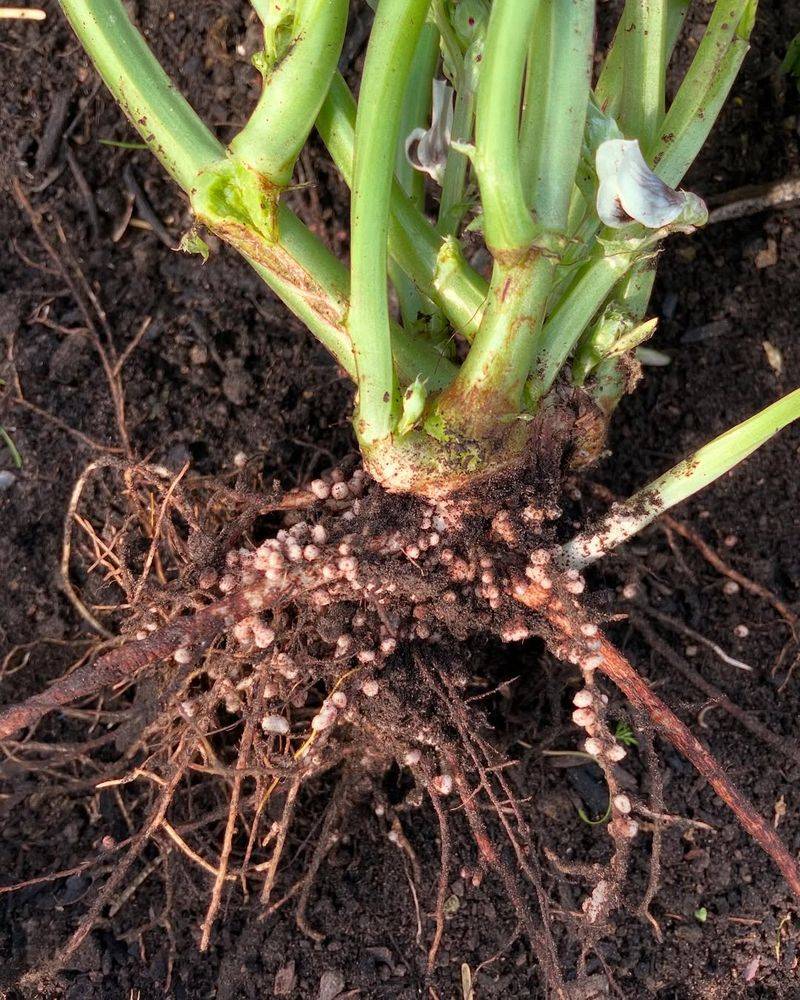
Garden beans do double duty by producing food for your table while fixing nitrogen in your soil. Bush beans, pole beans, and runner beans all belong to the Phaseolus genus and form nitrogen fixing nodules on their roots.
This makes them unique among common vegetables since most crops only remove nutrients from soil.
Every bean plant you grow contributes to soil fertility even as you harvest pods throughout summer. The nodules continue fixing nitrogen until frost ends the growing season.
Research indicates beans can add between forty and eighty pounds of nitrogen per acre, with the exact amount depending on variety and growing conditions.
Michigan’s warm summers provide ideal conditions for bean growth and nitrogen fixation. Plant seeds after the last spring frost when soil reaches sixty degrees.
The bacteria that form nodules often exist naturally in garden soil, but you can purchase inoculant powder to ensure good colonization if you’re planting beans in a new area.
After harvest ends, cut bean plants at ground level and leave roots in place to decompose slowly over winter. Those roots contain concentrated nitrogen that will feed next year’s crops.
You can also compost the aboveground plant material or work it directly into beds to add organic matter along with the nitrogen stored in stems and leaves.
6. Alfalfa Builds Deep Soil Fertility
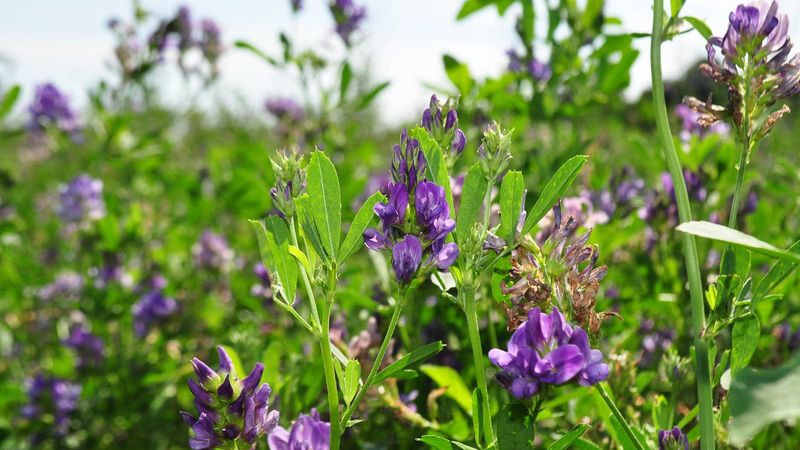
Alfalfa stands out among nitrogen fixers because of its remarkable root system that can penetrate ten feet deep into soil. Those long taproots mine nutrients and moisture from far below the surface while breaking up hardpan layers that restrict other plants.
The deep roots also fix nitrogen throughout their length, building fertility in both topsoil and subsoil.
This perennial legume can live for five years or more in Michigan gardens when given proper care. Plants grow two to three feet tall and produce purple flowers that bloom repeatedly if you cut them back regularly.
Each cutting adds nitrogen rich material to your compost pile or mulch layer while encouraging new growth from the crown.
Established alfalfa stands can fix between two hundred and three hundred pounds of nitrogen per acre annually. That exceptional performance comes from the extensive root system and long growing season.
Plants begin growth early in spring and continue fixing nitrogen until hard frost arrives in fall.
Seeds need good soil contact and consistent moisture to germinate successfully. Plant in early spring or late summer when temperatures stay moderate.
Alfalfa prefers slightly alkaline soil, so adding lime helps if your Michigan garden has naturally acidic conditions. The plants tolerate drought once established but produce more biomass with regular water during dry spells.
7. Crimson Clover Adds Nitrogen And Improves Soil Structure
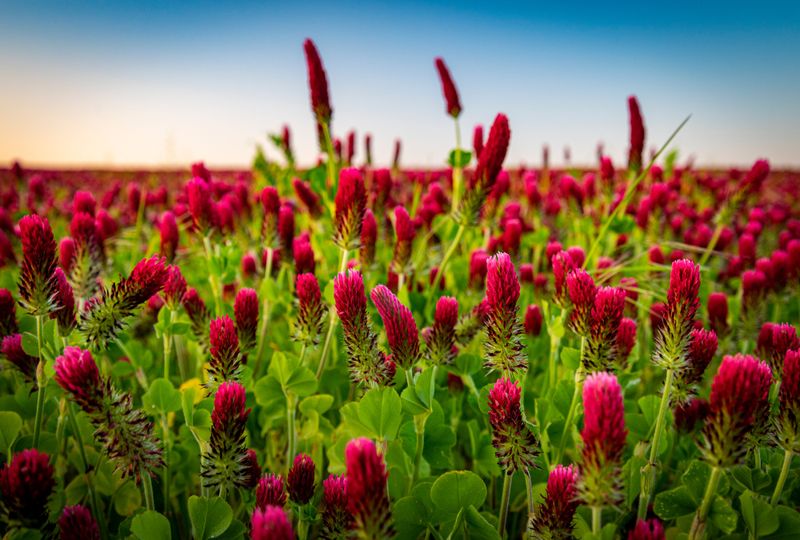
Crimson clover catches attention with its stunning scarlet flowers that look like bright flames rising above green foliage. This annual clover grows faster than most nitrogen fixers and produces impressive amounts of biomass in just a few months.
The rapid growth smothers weeds while roots develop nodules that begin fixing nitrogen within weeks of germination.
Michigan gardeners typically plant crimson clover in late summer for fall growth or in early spring for a quick cover crop. The plants tolerate light frosts but won’t survive harsh Michigan winters like hairy vetch does.
That annual life cycle works perfectly for rotating cover crops through vegetable beds between main season plantings.
Each plant can fix between two and four pounds of nitrogen per thousand square feet during a single growing season. The nitrogen concentrates in leaves and stems as well as roots, so the entire plant contributes fertility when you incorporate it into soil.
Crimson clover also adds substantial organic matter that improves soil structure and water holding capacity.
Seeds establish easily when broadcast over prepared soil and lightly raked in for good contact. The plants grow twelve to eighteen inches tall and bloom prolifically, attracting beneficial insects while fixing nitrogen.
Cut plants when flowers first appear for maximum nitrogen content, or let them bloom fully to support pollinators before tilling them under several weeks before planting vegetables.
8. Soybeans Naturally Fix Nitrogen In Garden Soil
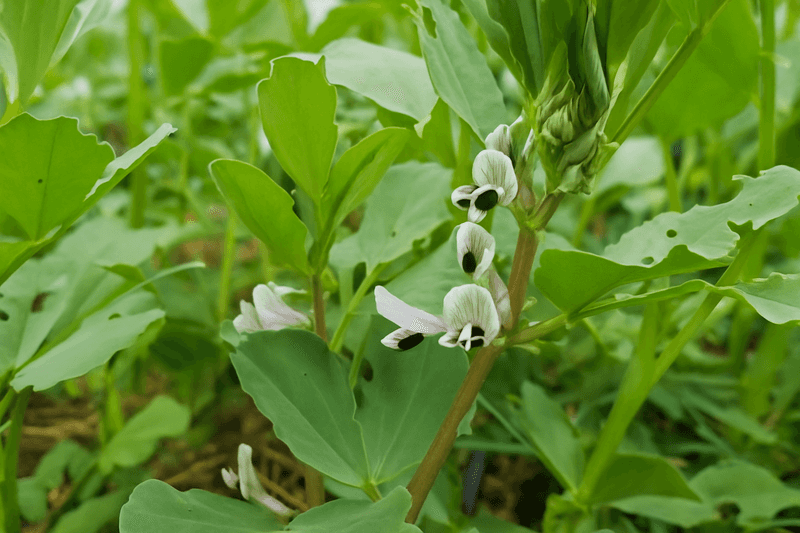
Soybeans rank among the most efficient nitrogen fixers available to vegetable gardeners. These bushy annual plants grow one to three feet tall depending on variety and produce pods filled with protein rich beans.
The extensive root system develops numerous nodules that house billions of nitrogen fixing bacteria throughout the growing season.
Research demonstrates that soybeans can fix between one hundred and two hundred pounds of nitrogen per acre when properly inoculated. That impressive capacity makes them valuable both as a food crop and soil builder.
Michigan’s warm summers provide excellent growing conditions since soybeans need heat to thrive and fix nitrogen efficiently.
Plant seeds in late spring after soil warms to at least sixty degrees. Cold soil reduces germination and slows nodule formation.
Using commercial inoculant ensures good bacterial colonization even in gardens where soybeans haven’t grown before. The bacteria specific to soybeans differ from those that colonize other legumes, so inoculation helps guarantee success.
You can harvest mature beans for eating while still benefiting from the nitrogen fixed during growth. After harvest, chop plants and work them into soil along with the roots.
The decomposing material releases stored nitrogen while adding organic matter. Alternatively, plant soybeans as a summer cover crop between spring and fall vegetables, cutting them before pods mature to maximize the nitrogen returned to your garden beds.
9. Sweet Clover Improves Soil Nitrogen Naturally
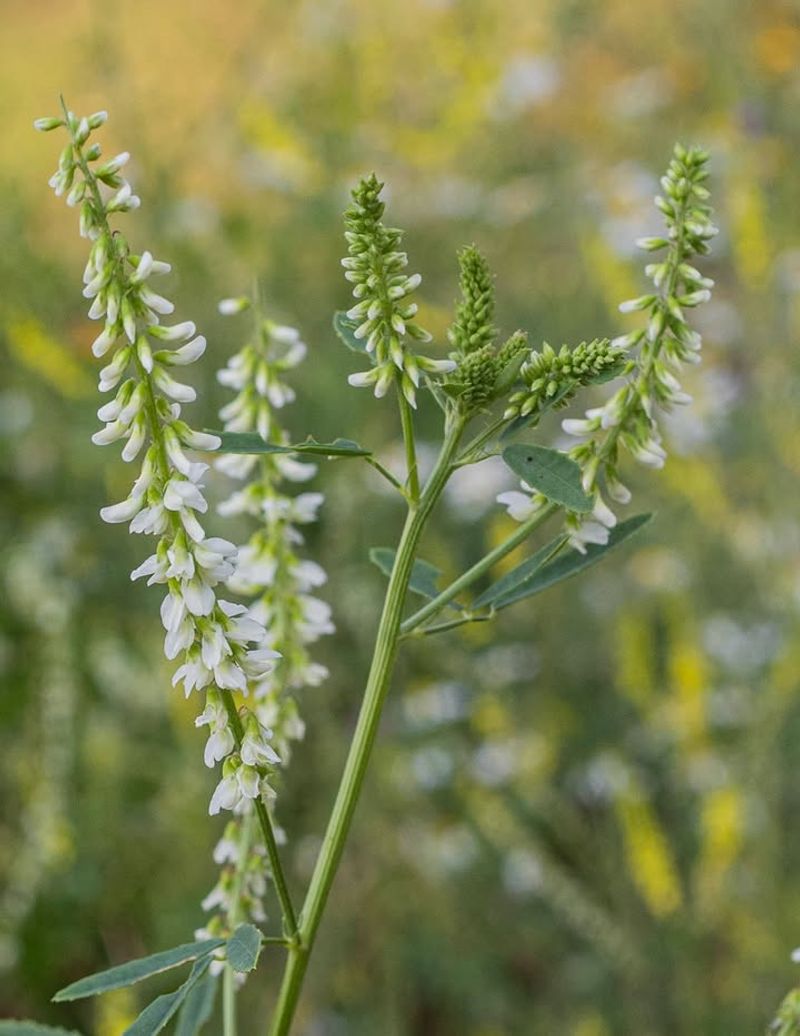
Sweet clover grows much taller than other clovers and produces fragrant flowers on stems that can reach five feet high. This biennial plant spends its first year establishing deep taproots before flowering and setting seed in year two.
The extensive root system breaks up compacted soil while fixing substantial amounts of nitrogen at multiple depths.
Both yellow and white sweet clover varieties grow well in Michigan and tolerate poor soil conditions that challenge other plants. The deep taproots access water and nutrients far below the surface, making sweet clover drought tolerant once established.
Those same roots deposit nitrogen throughout the soil profile rather than just near the surface.
Mature sweet clover stands can fix between one hundred fifty and two hundred fifty pounds of nitrogen per acre over their two year life span. That nitrogen accumulates in roots and shoots, with the greatest concentration occurring just before flowering begins.
Cutting plants at this stage captures maximum nitrogen for your vegetable beds.
Seeds germinate readily in spring or fall when broadcast over prepared soil. The plants grow slowly during their first season while developing roots, so they won’t compete much with vegetables.
In year two, the rapid spring growth produces abundant biomass perfect for cutting and incorporating into beds before you plant summer crops that will benefit from all that fixed nitrogen.
10. Austrian Winter Peas Build Nitrogen In Cold Season Soil
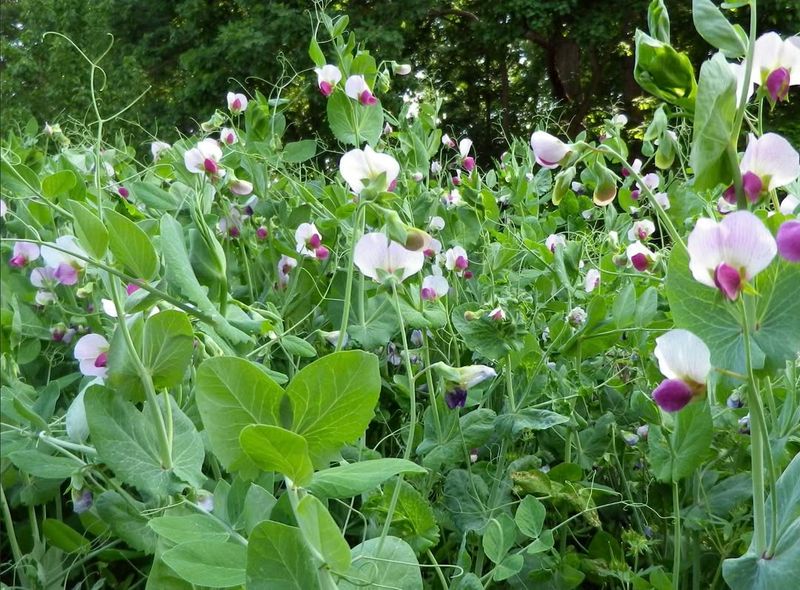
Austrian winter peas excel at fixing nitrogen during Michigan’s cooler months when most plants sit dormant. These hardy annual legumes germinate in fall and grow actively whenever temperatures rise above freezing.
The plants survive winter cold that would damage other cover crops and resume vigorous growth in early spring.
Fall planted Austrian peas develop extensive root systems before winter arrives. Those roots form nodules that begin fixing nitrogen during any mild periods throughout the cold months.
When spring warmth returns, the plants grow rapidly and can fix between eighty and one hundred fifty pounds of nitrogen per acre before you need to plant warm season vegetables.
The vining stems reach three to five feet long and produce beautiful purple flowers in April and May. That early bloom provides crucial food for emerging pollinators when few other plants flower.
The lush growth also smothers early weeds and protects soil from erosion during spring rains.
Seed Austrian peas in September when soil temperatures drop below seventy degrees. They need cool conditions to germinate properly and won’t establish well in hot soil.
The plants grow slowly through fall but survive freezing temperatures that would eliminate other legumes. Come spring, cut the vines before they set seed and work the nitrogen rich material into beds two to three weeks before planting tomatoes, peppers, and other vegetables that will thrive on the fertility you’ve built naturally.