7 Practical Garden Layout Ideas For Pennsylvania Before Spring
Winter may still have a firm grip on Pennsylvania, but the writing is already on the wall for your garden.
Spring has a way of sneaking up when you least expect it, and gardeners who wait until the last minute often find themselves behind the eight ball.
A little planning now can save time, money, and more than a few headaches once the soil thaws.
Think of your garden layout as the backbone of everything that follows.
Beds placed in the right spot can soak up more sun, shed excess water, and keep plants from fighting an uphill battle all season long.
Paths that make sense keep muddy shoes and trampled seedlings out of the picture.
Even small tweaks, like shifting a raised bed or widening a walkway, can pay off in spades when growth kicks into high gear.
Early planning also helps you spot trouble before it snowballs.
Poor drainage, crowded corners, and hard to reach areas stand out clearly when plants are not in the way.
By addressing these issues now, you set the stage for a smoother spring and a garden that works with you instead of against you.
When warmer days finally roll around, you will be ready to hit the ground running.
1. Raised Bed Garden Layout With Strategic Spacing
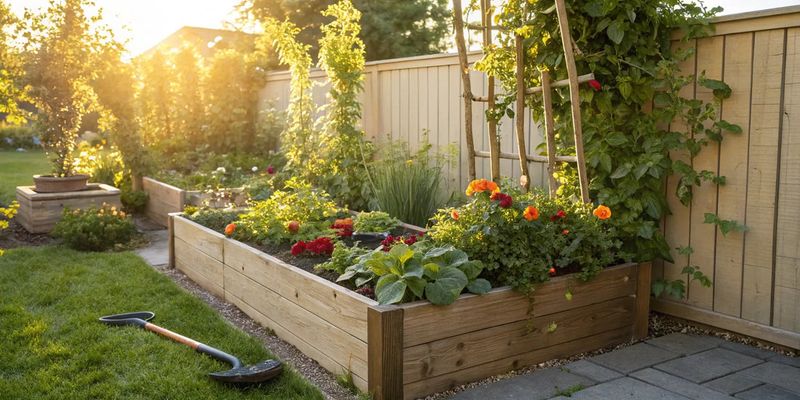
Raised beds have become incredibly popular among Pennsylvania gardeners because they solve so many common problems at once.
The elevated soil warms up faster in spring, which means you can start planting earlier than your neighbors with traditional ground-level gardens.
Pennsylvania’s clay-heavy soil in many regions becomes much easier to manage when you fill raised beds with quality garden mix.
Building your raised beds now, before spring arrives, lets the soil settle and gives you time to plan the perfect arrangement.
Most Pennsylvania gardeners find that beds measuring 4 feet wide by 8 feet long work perfectly because you can reach the center from either side without stepping on the soil.
Leave at least 2 to 3 feet between beds for comfortable walking paths and wheelbarrow access.
The height of your raised beds matters more than you might think for Pennsylvania conditions.
Beds that stand 12 to 18 inches tall provide excellent drainage during our heavy spring rains while keeping your back happier during planting and harvesting.
You can use untreated cedar, composite materials, or even concrete blocks to build sturdy frames that last for years.
Consider orientation carefully when placing your raised beds in Pennsylvania yards.
Running beds north to south ensures even sunlight distribution throughout the day for most vegetables.
Group beds by plant height, keeping taller crops like tomatoes and pole beans on the north side so they don’t shade shorter plants.
Pathways between raised beds deserve attention too, especially in Pennsylvania’s muddy spring season.
Cover walkways with wood chips, straw, or landscape fabric topped with gravel to keep your feet clean and reduce weed growth.
This setup makes garden maintenance much more pleasant when April showers arrive.
2. Traditional Row Garden With Companion Planting Zones
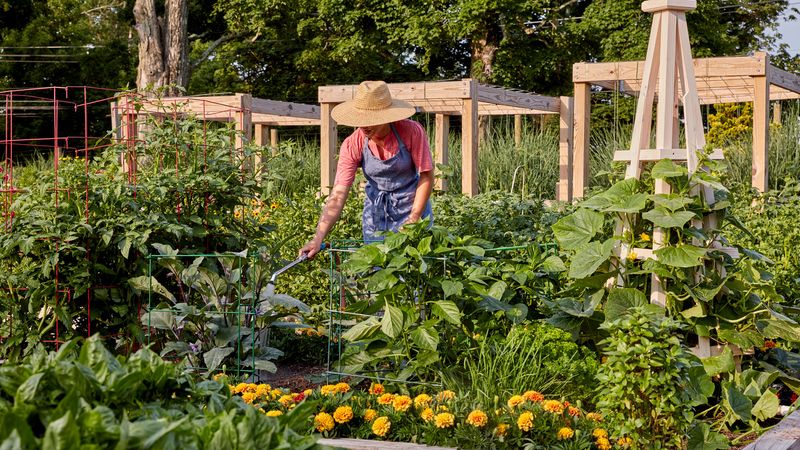
Row gardening remains a favorite layout for Pennsylvania gardeners who have larger spaces to work with.
This classic approach creates clean, organized lines that make watering, weeding, and harvesting straightforward and efficient.
Many rural Pennsylvania properties have enough room to dedicate a sunny patch to traditional row gardening, which works beautifully for growing large quantities of vegetables.
Planning your rows before spring means marking out exactly where each crop will go based on companion planting principles.
Tomatoes grow stronger when planted near basil, while carrots and onions make excellent neighbors that help protect each other from pests.
Pennsylvania gardeners often plant marigolds at row ends to naturally discourage harmful insects without chemicals.
Row spacing depends on what you’re growing and how you plan to maintain the garden throughout the season.
Leave 18 to 24 inches between rows for smaller crops like lettuce and radishes, but give sprawling plants like squash and melons 3 to 4 feet of space.
Pennsylvania’s humid summers mean good air circulation between rows helps prevent fungal diseases that can damage your harvest.
Creating permanent pathways between your rows makes a huge difference in garden management.
Many Pennsylvania gardeners mow grass paths between growing areas or lay down thick layers of straw mulch to suppress weeds and keep soil from compacting.
These pathways stay in the same spots year after year, making crop rotation easier to track.
Mark your row layout with stakes and string now while the ground is still workable.
This preparation means you can plant quickly once Pennsylvania’s last frost date passes in your area.
Having everything measured and marked saves precious time during the busy spring planting rush.
3. Square Foot Garden Method For Small Spaces
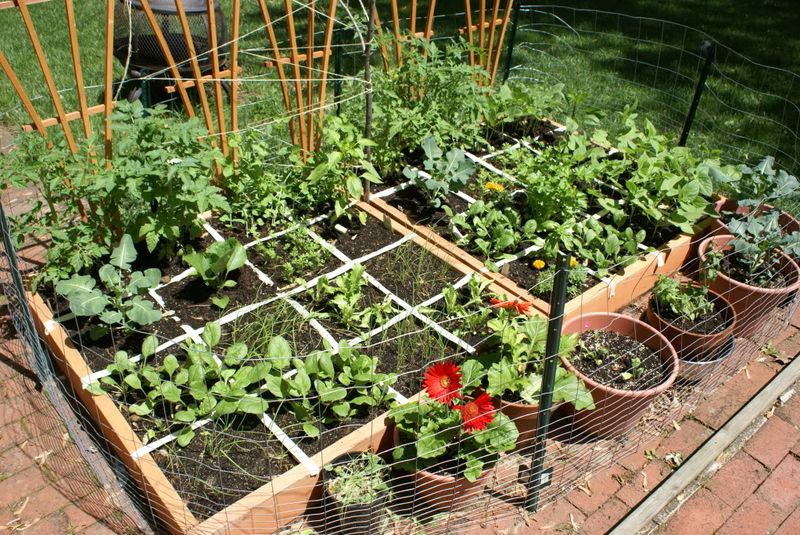
Pennsylvania homeowners with limited yard space absolutely love the square foot gardening method.
This efficient layout divides growing areas into one-foot squares, with each square holding a specific number of plants based on their mature size.
A single 4×4 foot bed can produce an amazing amount of vegetables when planned correctly, making it perfect for townhouses or smaller suburban lots.
Building your square foot garden frame now gives you time to create the perfect soil mix before planting season.
The original method calls for equal parts compost, peat moss (or coconut coir), and vermiculite, which creates fluffy, nutrient-rich soil that Pennsylvania vegetables adore.
This mixture drains well during spring rains while holding enough moisture for hot summer days.
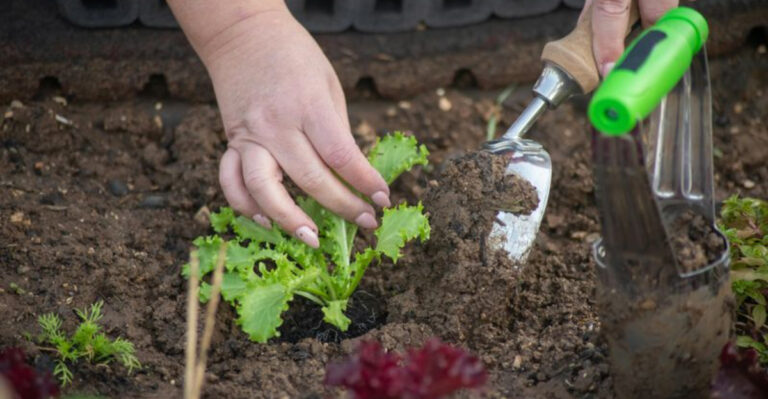
Creating the grid system is simpler than it sounds and makes planting day incredibly easy.
Use thin wooden slats, string, or even permanent markers to divide your bed into individual squares.
Each square gets planted according to plant spacing needs: sixteen radishes per square, nine beets, four lettuce heads, or one tomato plant.
Pennsylvania gardeners appreciate how square foot gardens eliminate the guesswork from spacing and make succession planting simple.
When you harvest a square of lettuce, you can immediately replant that square with something else appropriate for the season.
This continuous production keeps fresh vegetables coming from spring through fall in Pennsylvania’s growing climate.
The compact nature of square foot gardens means less weeding, less watering, and less work overall compared to traditional layouts.
Everything stays within easy reach, which makes maintenance quick and enjoyable.
Pennsylvania gardeners with busy schedules find this method fits perfectly into their lives while still providing plenty of homegrown produce.
4. Vertical Garden Layout Using Trellises And Supports
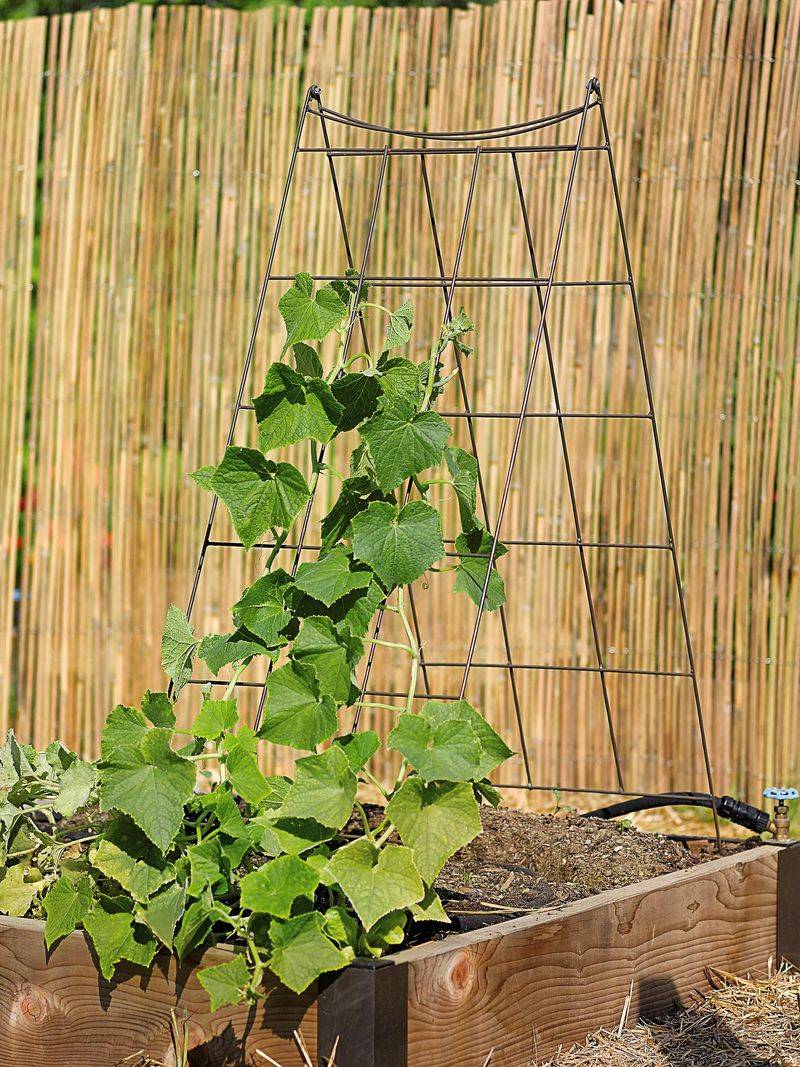
Growing upward instead of outward makes brilliant sense for Pennsylvania gardeners working with limited ground space.
Vertical gardening uses trellises, stakes, cages, and other supports to train plants skyward, which multiplies your growing area without expanding your garden’s footprint.
Cucumbers, pole beans, peas, and even some squash varieties thrive when given something to climb.
Installing your vertical structures before spring planting prevents root damage and gives supports time to settle firmly into Pennsylvania soil.
Strong metal stakes, wooden trellises, or cattle panels create sturdy frameworks that handle the weight of mature plants loaded with vegetables.
Pennsylvania’s summer thunderstorms can be intense, so anchoring supports deeply now prevents disasters later.
Positioning vertical elements strategically within your garden layout prevents shading problems that can reduce yields.
Place tall trellises and supports on the north side of your Pennsylvania garden so climbing plants don’t block sunlight from reaching shorter crops.
This arrangement maximizes sun exposure for everything you grow while keeping your garden organized and accessible.
Vertical gardening offers Pennsylvania gardeners several practical advantages beyond space savings.
Plants grown off the ground suffer less damage from soil-borne diseases and stay cleaner during rainy periods.
Harvesting becomes easier when vegetables hang at eye level instead of hiding under leaves near the ground.
Consider creative vertical options like teepee structures made from bamboo poles or arched trellises that create attractive garden tunnels.
These features add visual interest to Pennsylvania yards while serving important practical purposes.
Kids especially love picking beans from teepee structures, which makes gardening more fun for the whole family.
Planning your vertical garden now means gathering materials while you have time to shop around for the best prices.
Pennsylvania garden centers often run sales on supplies during winter months when demand is lower.
5. Keyhole Garden Design For Maximum Efficiency
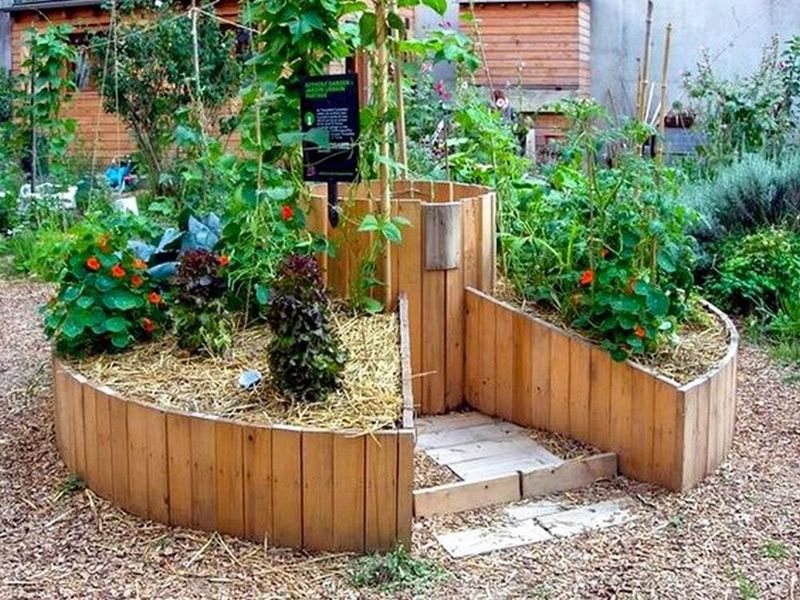
Keyhole gardens originated in Africa but have found enthusiastic fans among Pennsylvania gardeners who appreciate clever, efficient designs.
This circular raised bed features a wedge-shaped path leading to a central composting basket, creating a keyhole shape when viewed from above.
The design puts every part of the garden within arm’s reach while continuously feeding plants through the central compost system.
Building a keyhole garden before spring gives you a unique focal point that combines beauty with functionality in Pennsylvania yards.
Most keyhole gardens measure 6 to 8 feet across, which provides plenty of growing space without requiring excessive materials or effort to construct.
The raised walls can be built from stone, brick, concrete blocks, or wood, depending on your budget and aesthetic preferences.
The central composting basket sets keyhole gardens apart from other raised bed designs and works perfectly in Pennsylvania’s climate.
As you add kitchen scraps and garden waste to the center basket, nutrients gradually leach into the surrounding soil with each watering or rain shower.
This constant feeding system reduces the need for additional fertilizers throughout the growing season.
Pennsylvania gardeners love how keyhole gardens make composting effortless and odor-free when managed properly.
The compost stays contained within the garden structure rather than requiring a separate bin somewhere in your yard.
You can add appropriate scraps directly from your kitchen to the garden, which saves trips across the yard and keeps nutrients cycling right where plants need them.
The circular shape and raised design create excellent drainage, which proves valuable during Pennsylvania’s wet spring weather.
Water never pools in keyhole gardens because the design naturally encourages runoff while the central compost basket absorbs excess moisture.
This setup prevents root rot and other water-related problems that plague traditional garden layouts.
6. Zone-Based Layout With Microclimates In Mind
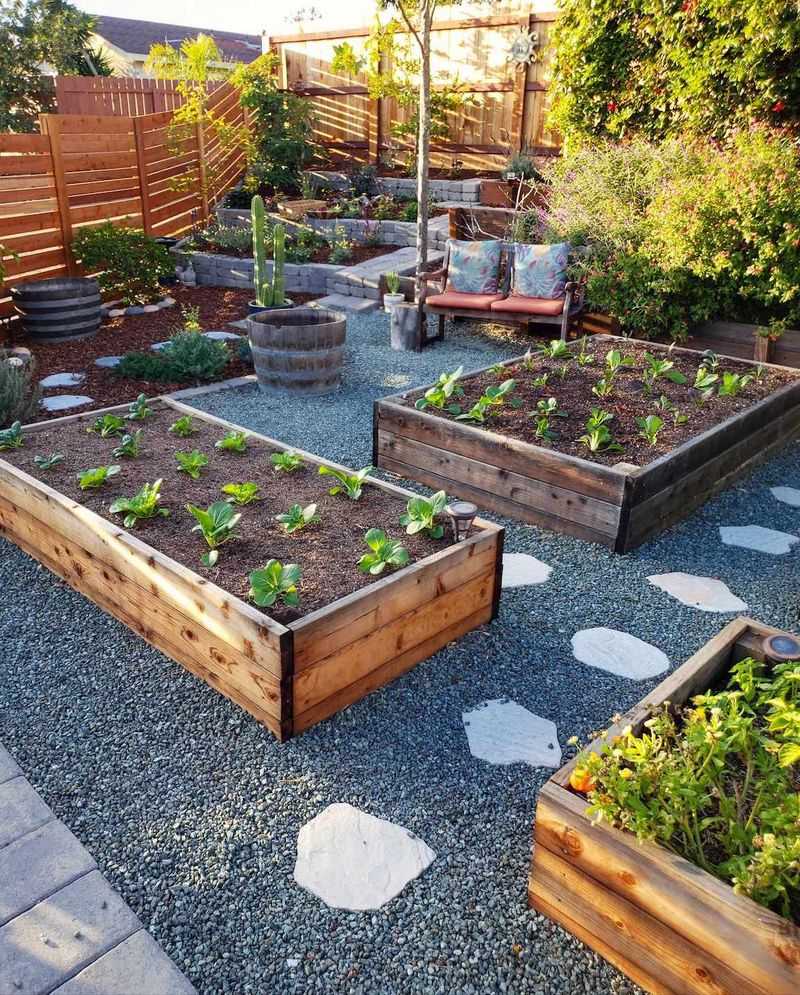
Every Pennsylvania yard contains multiple microclimates that smart gardeners can use to their advantage when planning layouts.
That sunny south-facing wall heats up quickly and stays warm, while the shaded area under trees remains cool and moist.
Mapping these different zones before spring helps you match plants to the spots where they’ll perform best.
Walk your Pennsylvania property on different days and times to identify microclimate patterns before finalizing your garden layout.
Notice where morning sun hits first, which areas get afternoon shade, and where frost lingers longest in spring.
These observations guide placement decisions that make the difference between struggling plants and thriving crops.
Warm microclimates near buildings or south-facing fences are perfect for heat-loving crops like tomatoes, peppers, and eggplants in Pennsylvania gardens.
These spots warm up faster in spring and stay warmer through fall, extending your growing season on both ends.
Plant your most tender vegetables in these protected zones for the best results.
Cooler, shadier microclimates shouldn’t be wasted or ignored in your Pennsylvania garden layout.
Lettuce, spinach, and other greens actually prefer these spots during summer heat and produce better quality leaves without turning bitter.
Shade-tolerant herbs like mint and parsley thrive in areas that would be too dim for sun-loving plants.
Creating intentional microclimates adds another level of control to your Pennsylvania garden layout.
Planting tall crops or installing temporary shade cloth creates cooler zones for crops that struggle in full sun.
Conversely, adding heat-absorbing stones or dark mulch warms up cool areas and benefits plants that need extra warmth.
Document your microclimate zones on paper or digitally so you remember these patterns from year to year.
Pennsylvania’s weather varies, but general microclimate patterns remain consistent and become valuable knowledge for successful gardening.
7. Intensive Four-Season Garden With Succession Planning
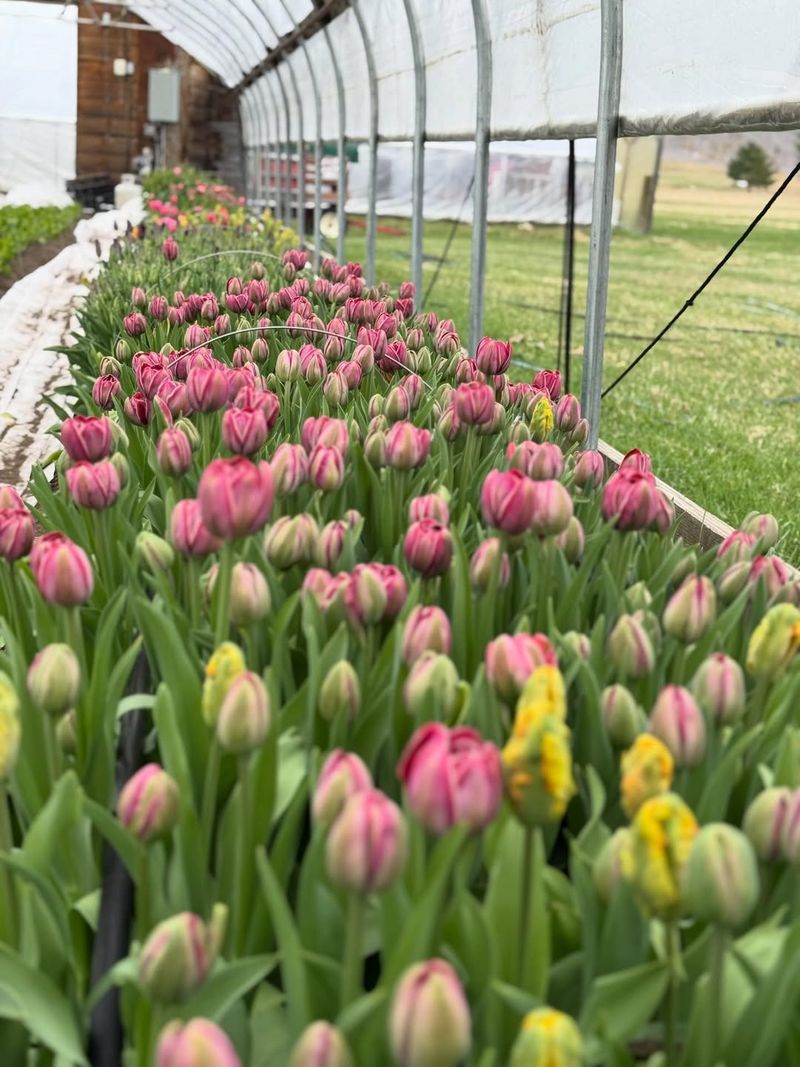
Pennsylvania gardeners who want fresh vegetables beyond the traditional growing season need layouts designed specifically for four-season production.
This approach combines strategic plant selection with season-extending structures like cold frames, row covers, and hoop houses.
Planning this layout before spring means having everything ready when planting time arrives.
Succession planting forms the backbone of successful four-season gardening in Pennsylvania’s climate.
Rather than planting everything at once, you stagger plantings every two to three weeks throughout the season.
This strategy ensures continuous harvests rather than overwhelming gluts followed by empty periods.
Divide your Pennsylvania garden into sections dedicated to different seasonal crops when creating your four-season layout.
Early spring areas get planted with cold-hardy crops like peas, lettuce, and radishes that tolerate Pennsylvania’s unpredictable late frosts.
Summer sections hold tomatoes, peppers, and beans, while fall areas are reserved for crops planted in mid to late summer.
Cold frames become essential tools for Pennsylvania gardeners serious about four-season production.
These simple structures capture solar heat and protect plants from harsh weather, extending your growing season by weeks or even months.
Position cold frames in the sunniest spots possible and orient them to face south for maximum heat gain.
Row covers and hoop houses offer flexible protection that can be added or removed as Pennsylvania weather changes.
These lightweight structures shield plants from frost, wind, and excessive rain without requiring permanent installation.
Many Pennsylvania gardeners use them in spring to warm soil faster and again in fall to protect late-season crops.
Planning crop rotation within your four-season layout prevents soil depletion and reduces pest problems naturally.
Pennsylvania gardens that follow good rotation practices stay healthier and more productive year after year without requiring excessive inputs or treatments.