9 Practical Tips That Help Prevent Root Rot In Louisiana Vegetable Gardens
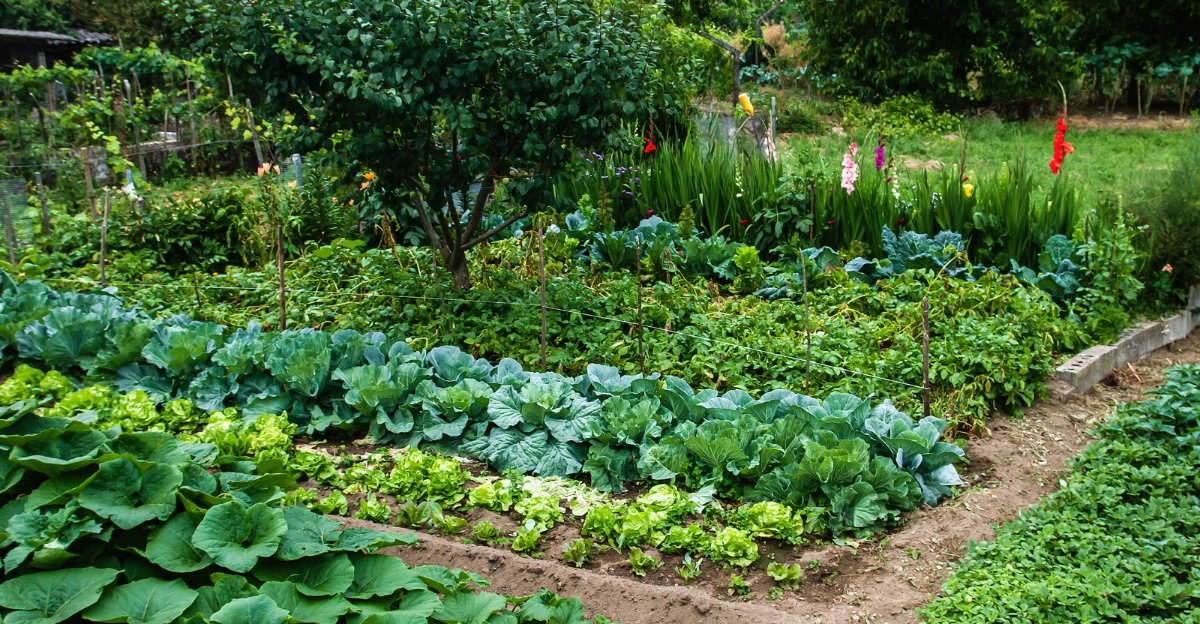
Root rot sneaks into Louisiana vegetable gardens quietly, often long before plants show obvious signs of trouble above the soil.
Warm temperatures, frequent rain, and heavy soils create conditions where excess moisture builds faster than roots can handle.
What makes the problem frustrating is that plants may look fine one week and suddenly collapse the next.
Many gardeners assume root rot comes from poor care, when it’s more often about how water moves and lingers underground.
Louisiana gardens don’t dry out evenly, which means roots can sit in saturated pockets even after rain seems to pass.
Small choices around spacing, soil structure, and watering habits make a much bigger difference here than expected. Those details decide whether roots breathe freely or slowly suffocate.
Once rot sets in, recovery is difficult and yields drop quickly.
Preventing the problem early keeps vegetables growing steadily instead of fighting stress all season long.
Understanding how Louisiana conditions trigger root rot is the first step toward healthier, more resilient vegetable gardens.
1. Improve Drainage Before Planting
Proper soil preparation makes all the difference when you’re setting up a vegetable garden. Louisiana soils often contain heavy clay that holds water like a sponge, creating soggy conditions that harm plant roots.
Before you put any seedlings in the ground, take time to work organic matter deep into your planting area.
Compost, aged manure, and shredded leaves break down clay particles and create spaces for water to flow through. These amendments also feed beneficial soil organisms that keep your garden ecosystem balanced.
Mixing in coarse sand can further improve drainage, though you’ll need quite a bit to make a real difference.
Testing your drainage is simple: dig a hole about one foot deep, fill it with water, and see how long it takes to drain. If water still sits there after several hours, you’ve got a drainage problem that needs fixing.
Adding more organic material or creating raised rows can solve this issue.
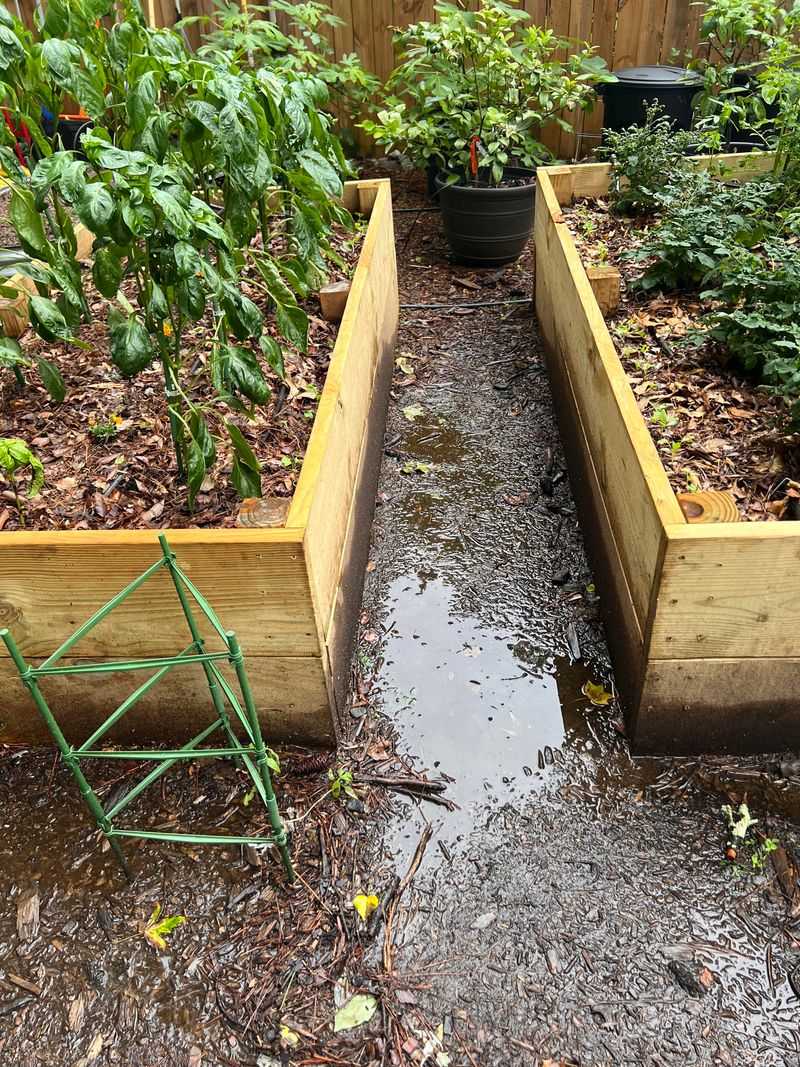
Many Louisiana gardeners find that building up their planting beds by six to eight inches helps water drain away from roots. This small elevation change prevents water from pooling around your vegetables during heavy spring and summer rains.
Your plants will establish stronger root systems when they’re not constantly sitting in moisture.
2. Avoid Overwatering During Humid Periods
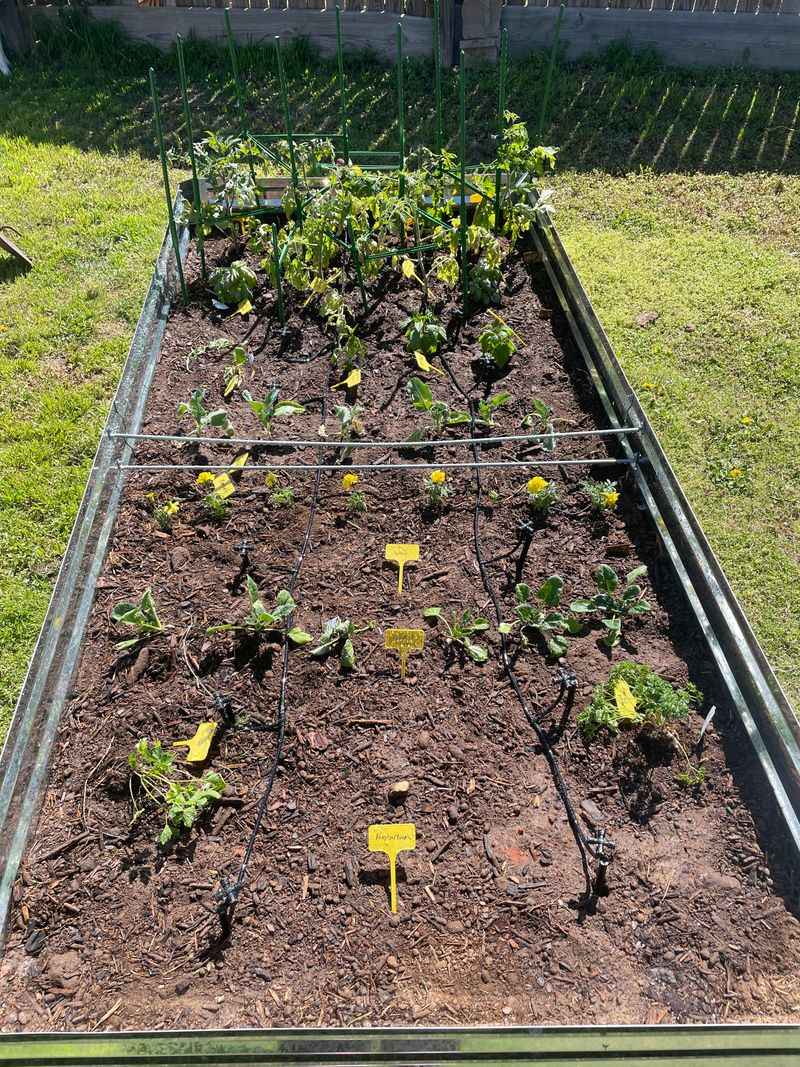
Summertime in Louisiana brings moisture from every direction, and the air itself feels thick with humidity. Plants actually absorb some moisture through their leaves, which means they need less water from the soil than you might think.
Overwatering becomes remarkably easy when you don’t account for this natural moisture.
Roots need oxygen just as much as they need water, and soggy soil pushes all the air out of those tiny spaces between soil particles. When roots can’t breathe, they become vulnerable to fungal infections that cause rot.
Cutting back on watering during especially humid weeks protects your vegetables from this common problem.
Pay attention to weather patterns and adjust your watering schedule accordingly. After several days of high humidity or light rain, your soil may stay moist much longer than usual.
Sticking your finger two inches into the soil gives you a reliable reading of whether plants actually need water.
Morning dew in Louisiana can be so heavy that it soaks plant leaves and drips down to the soil. This natural watering means you can skip your irrigation for that day.
Learning to read these environmental cues helps you become a better gardener who works with nature instead of against it.
Reducing unnecessary watering also helps nutrients stay balanced instead of washing away too quickly in saturated soil.
By adjusting habits to Louisiana’s humidity, gardeners keep roots healthier and vegetable growth steadier throughout the season.
3. Use Raised Beds In Heavy Soil Areas
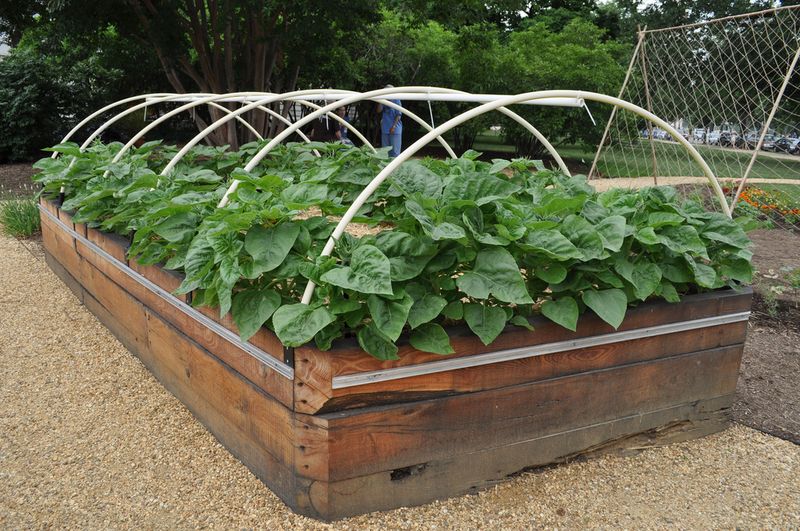
Constructing raised beds gives you complete control over your growing environment. Louisiana’s naturally occurring clay soils present challenges that raised structures easily overcome.
Building up creates better drainage automatically because water flows downward and away from plant roots.
A raised bed only needs to be eight to twelve inches tall to make a significant difference in how well your soil drains. You can build frames from untreated lumber, composite materials, or even concrete blocks.
Fill these frames with a custom soil blend that drains perfectly for vegetables.
The improved drainage in raised beds means oxygen reaches roots more consistently. This constant air supply keeps roots healthy and resistant to fungal problems.
Plants in raised beds often grow more vigorously because their roots can spread freely through loose, well-aerated soil.
Raised beds also warm up faster in spring, giving you an earlier start to your growing season. The sides of the bed absorb heat from the sun and transfer it to the soil inside.
This extra warmth encourages faster germination and stronger early growth, setting your vegetables up for success throughout the season in Louisiana’s long growing period.
4. Choose Well-Draining Soil Mixes
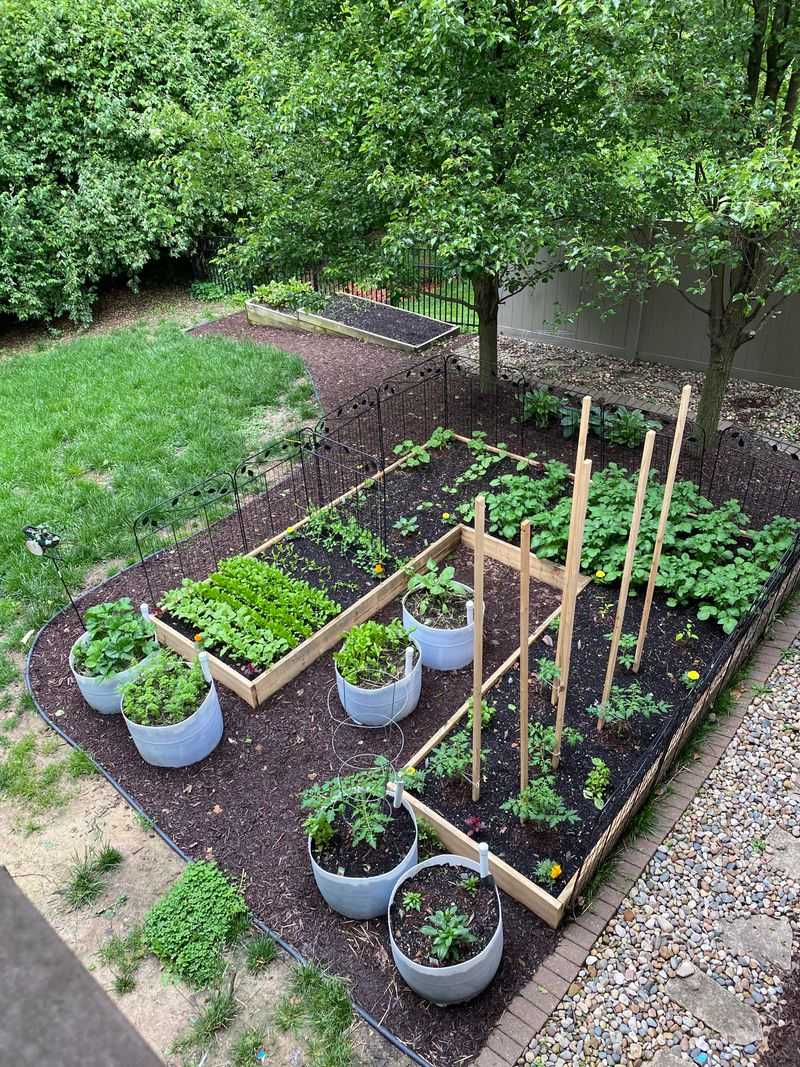
Creating the right soil blend sets your vegetables up for lasting success. Louisiana gardeners benefit from mixing their own combinations rather than relying solely on native soil.
A good vegetable garden mix contains roughly equal parts topsoil, compost, and a drainage material like perlite or coarse sand.
Perlite looks like little white pebbles and keeps soil from compacting over time. These lightweight volcanic particles create permanent air pockets that let water drain through while still holding some moisture for plant roots.
Vermiculite works similarly but holds more water, so choose based on your specific drainage needs.
Coconut coir has become popular as a peat moss alternative and works beautifully in Louisiana gardens. This fiber from coconut husks resists compaction and maintains good drainage even after years of use.
It also breaks down slowly, meaning your soil structure stays consistent across multiple growing seasons.
Bagged potting mixes designed for vegetables usually drain well right out of the bag. However, they can be expensive for large gardens, so many Louisiana growers use them only for containers and mix their own blends for in-ground beds.
Whatever combination you choose, make sure water flows through it easily without leaving puddles on the surface.
Testing the mix with a quick soak helps confirm that excess water moves through without lingering around roots.
When soil stays loose, balanced, and well-aerated, Louisiana vegetables develop stronger root systems and handle heat, rain, and humidity far more reliably.
5. Space Plants To Improve Airflow
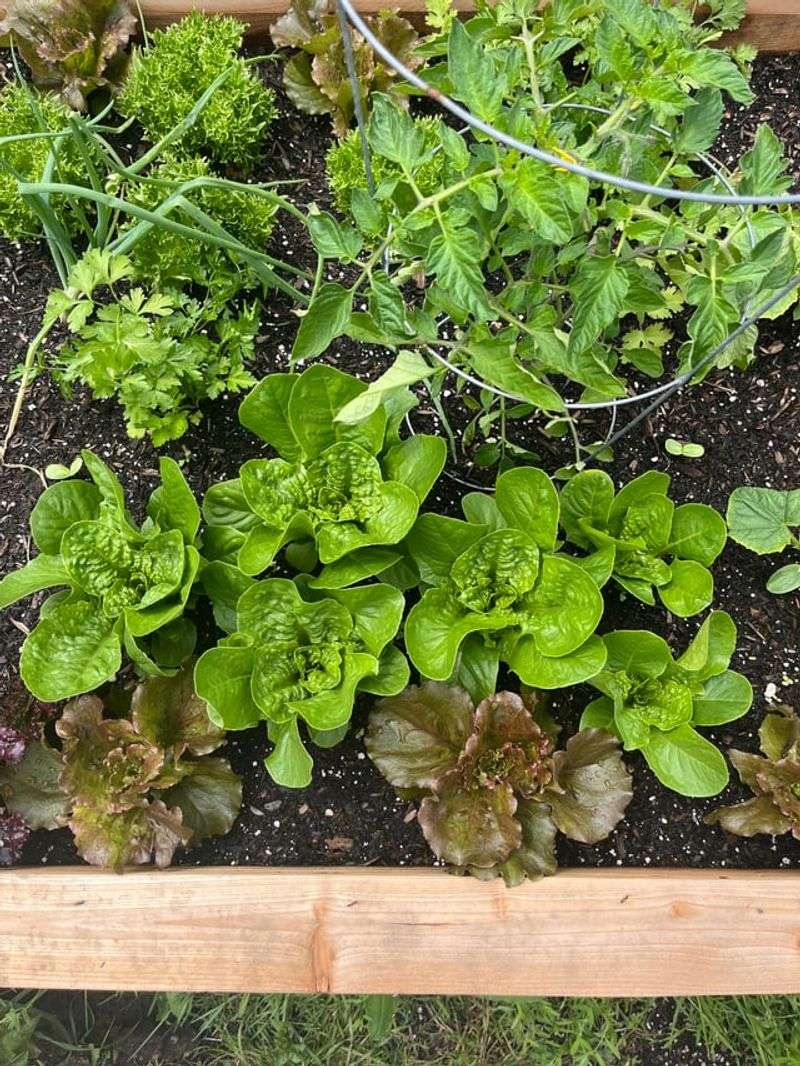
Crowding vegetables together might seem like a way to grow more food, but it actually creates problems. Louisiana’s humid climate already challenges plants with excess moisture in the air.
When leaves touch each other constantly, that moisture gets trapped between plants and never has a chance to evaporate.
Good air circulation dries out foliage quickly after rain or morning dew. Dry leaves resist fungal diseases that can spread from foliage down to roots through soil splash.
Following spacing recommendations on seed packets gives each plant room to breathe and stay healthy.
Tomatoes, peppers, and squash especially need generous spacing in Louisiana gardens. These plants naturally grow large and bushy, and cramming them together creates a humid jungle where diseases thrive.
Giving them extra room might mean fewer plants, but you’ll actually harvest more because each one stays healthier.
Proper spacing also makes garden maintenance easier because you can walk between plants without stepping on roots or breaking stems. You’ll spot problems earlier when you can see all sides of each plant.
This accessibility helps you catch early signs of stress before they turn into serious issues that threaten your whole garden.
6. Water Early In The Day
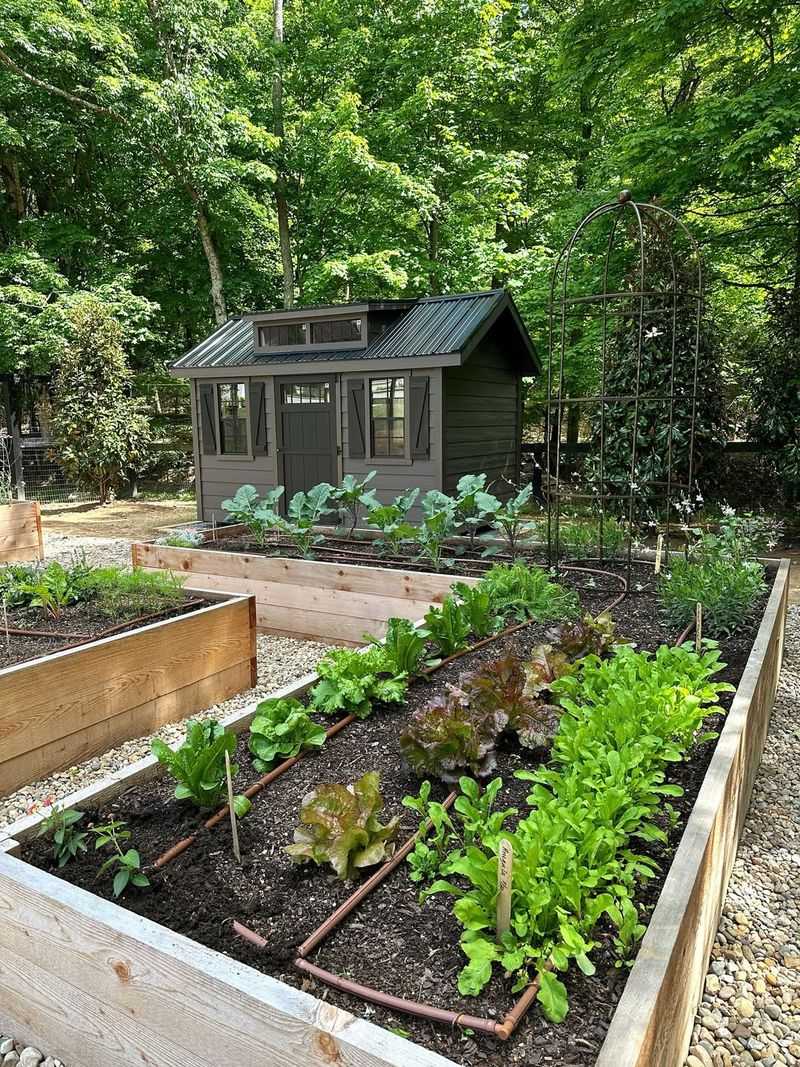
Timing your watering sessions makes a bigger difference than most gardeners realize. Early morning hours offer the best conditions for giving vegetables the moisture they need.
Louisiana’s cooler morning temperatures mean less water evaporates before it reaches plant roots, so you use less overall.
Watering before the sun climbs high in the sky gives foliage time to dry off completely. Leaves that stay wet overnight become breeding grounds for fungal spores that eventually work their way down to the root zone.
Morning watering prevents this problem by letting the day’s warmth and breeze dry everything naturally.
Evening watering might seem convenient after a workday, but it leaves plants sitting in moisture all night long. Louisiana’s warm nights don’t provide much drying time, so dampness lingers until morning.
This extended wet period stresses plants and makes root rot much more likely to develop.
Setting up a simple timer on your hose or irrigation system takes the guesswork out of watering schedules. You can program it to run at six or seven in the morning, ensuring your garden gets watered consistently at the optimal time.
This small investment pays off in healthier plants and fewer disease problems throughout the growing season.
7. Check Soil Moisture Before Watering Again
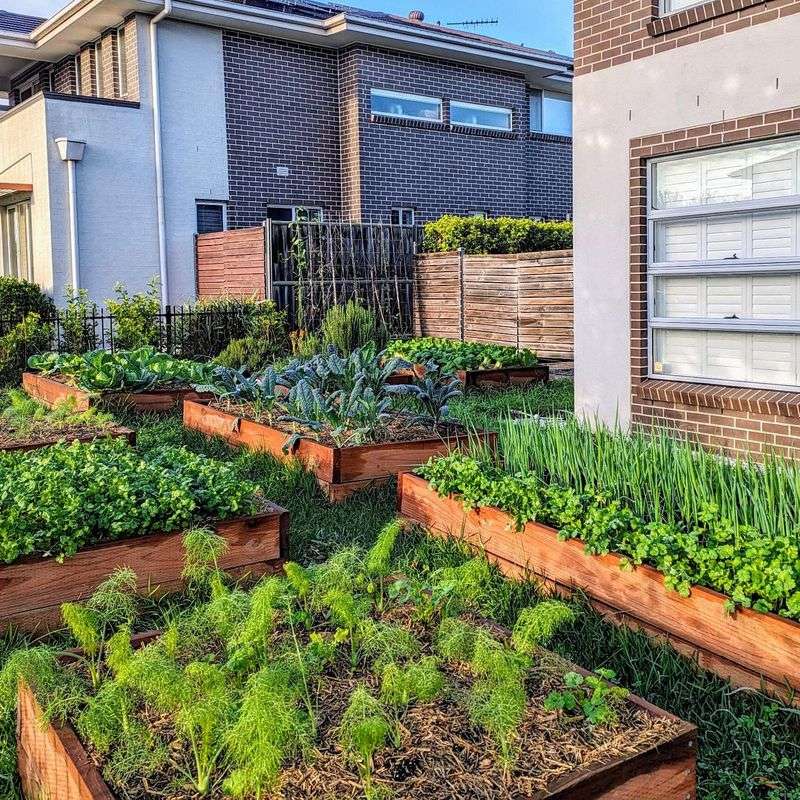
Automatic watering schedules work for some situations, but Louisiana’s unpredictable weather makes flexible approaches more effective. Rainfall amounts vary dramatically from week to week, and humidity levels change just as quickly.
Checking actual soil moisture before turning on the hose prevents accidental overwatering.
The finger test remains the simplest and most reliable method for most gardeners. Push your finger down into the soil near your plants, going at least two inches deep.
If the soil feels moist at that depth, your vegetables don’t need water yet, even if the surface looks dry.
Moisture meters offer another option for gardeners who want precise readings. These inexpensive tools have a metal probe that you stick into the ground, and a dial shows you exactly how wet or dry the soil is.
They work especially well in raised beds or containers where moisture levels can change quickly.
Different vegetables have different water needs, so you might need to check multiple spots in your garden. Tomatoes tolerate drier conditions than lettuce, for example.
Learning what each crop prefers helps you water more strategically, giving each plant exactly what it needs without overdoing it anywhere in your Louisiana garden.
8. Rotate Crops Between Seasons
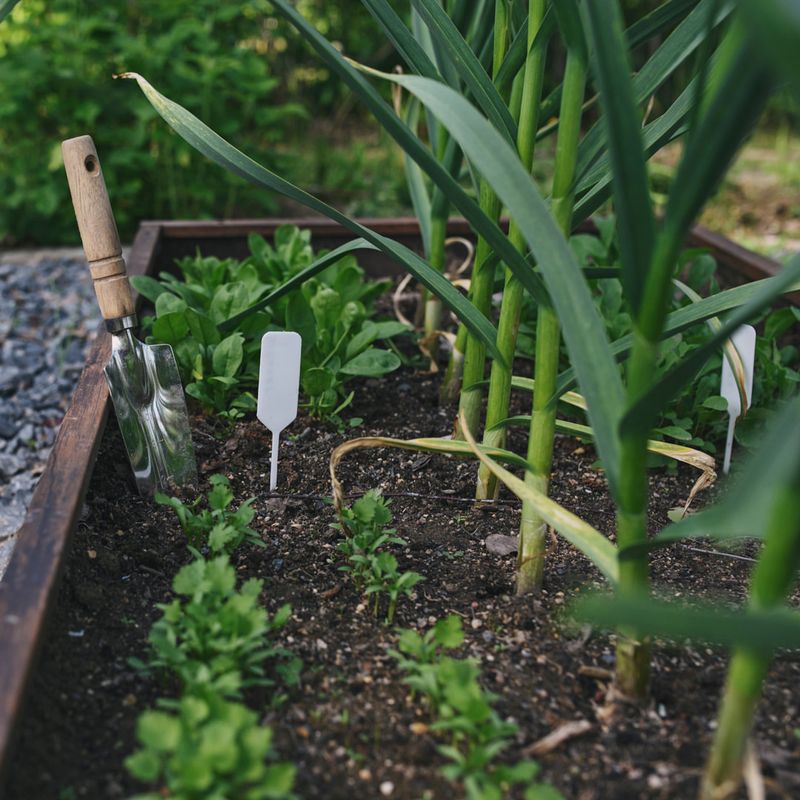
Planting the same vegetables in the same spots year after year invites trouble. Fungal spores and other pathogens build up in soil where susceptible plants grow repeatedly.
Louisiana’s long growing season means you might even rotate crops within a single year, moving from spring vegetables to summer crops to fall plantings.
Different plant families resist different diseases, so rotation breaks the cycle of infection. Tomatoes, peppers, and eggplants all belong to the nightshade family and share similar vulnerabilities.
Following them with beans, lettuce, or root vegetables gives the soil time to clear out pathogens that affect nightshades.
A simple three-year rotation works well for most home gardens. Divide your space into three sections and move each plant family to a new section each year.
By the time a family returns to its original spot, most disease organisms will have declined to harmless levels.
Keeping a garden journal helps you remember what grew where in previous seasons. Write down planting dates, varieties, and any problems you noticed.
This record becomes invaluable when planning next year’s layout, helping you make smart rotation decisions that keep your Louisiana garden healthy and productive season after season.
9. Remove Stressed Plants Promptly
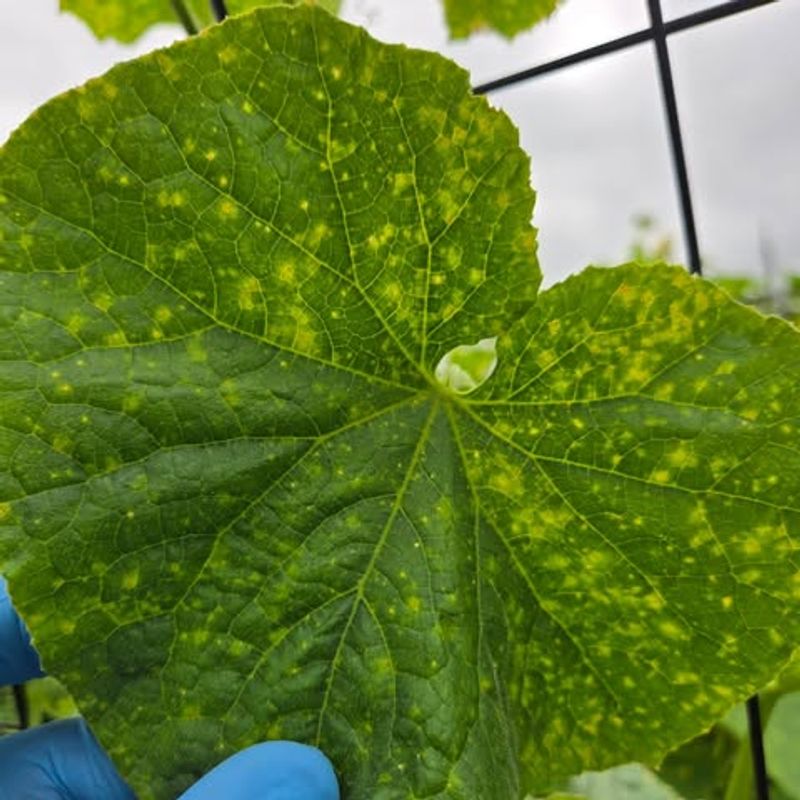
Recognizing when a plant isn’t going to recover saves your entire garden from potential problems. Vegetables showing signs of serious root damage rarely bounce back, and keeping them around just spreads disease to healthy neighbors.
Louisiana’s warm, moist conditions help fungi and bacteria spread quickly from plant to plant.
Wilting that doesn’t improve after watering often signals root damage. Yellowing leaves that start at the bottom and move upward also indicate problems below the soil surface.
When you see these symptoms, gently dig around the plant’s base and examine the roots for dark, mushy areas.
Healthy roots should be white or light tan and firm to the touch. Brown, black, or slimy roots mean the plant has succumbed to rot and needs to come out immediately.
Don’t compost diseased plants because that can spread pathogens through your garden when you use the finished compost.
Bag up removed plants and dispose of them with household trash, or burn them if local regulations allow. Clean your tools with rubbing alcohol after handling diseased plants to avoid transferring spores to healthy areas.
Taking these quick actions protects your remaining vegetables and keeps your Louisiana garden productive throughout the growing season.